Hong Kong vs Singapore — which city should you visit?
Hong Kong: Street food tour with locals dim sum and wonton
Should I visit Hong Kong or Singapore?
Hong Kong for urban density, hiking contrasts, authentic street food culture, and a more chaotic but more visually dramatic cityscape. Singapore for ease of navigation, year-round weather reliability, multi-ethnic food variety, and a smoother first-time Asia experience. If you can only do one, Hong Kong rewards more adventurous travellers; Singapore is more forgiving for first-timers.
Two great cities, genuinely different in character
Hong Kong and Singapore share a lot on paper: both are dense, affluent, former British colonies with excellent transport systems and strong food cultures. In practice, they feel quite different to visit. This comparison is based on real differences that should affect your choice — not rankings that declare one “better.”
At a glance: the core differences
| Category | Hong Kong | Singapore |
|---|---|---|
| Population density | Extreme (concentrated areas) | High but more spread out |
| Weather reliability | Variable, typhoon risk Jun–Sep | Consistently hot, year-round |
| Street food | Cantonese-dominant, cheap | Multi-ethnic hawker centres |
| Nature access | 40% country park, dramatic | Well-maintained parks, flatter |
| Transport | MTR + ferries + trams | MRT + buses |
| Visa-free for most | Yes, 90 days | Yes, 90 days |
| Budget daily cost | USD 60–90 (mid) | USD 80–120 (mid) |
Food: a genuine comparison, not a cop-out
Every Hong Kong vs Singapore discussion eventually becomes a food argument. Both cities deserve serious respect for their food cultures. The honest breakdown:
Hong Kong strengths:
- Dim sum is at its global apex here. A proper yum cha at Tim Ho Wan (Michelin-starred, approachable prices) or a traditional Cantonese teahouse is a uniquely Hong Kong experience.
- Roasted meats — char siu pork, crispy goose, roasted duck — are a food category Singapore doesn’t match.
- Cha chaan teng (Hong Kong-style cafes): egg tarts, HK milk tea, pineapple buns, scrambled egg on toast. Cheap, local, everywhere.
- Wonton noodles, beef brisket noodles, and congee at their best.
Singapore strengths:
- Hawker centres (Maxwell Food Centre, Old Airport Road, Lau Pa Sat) consolidate an extraordinary range of cuisines in one space.
- Hainanese chicken rice and Katong laksa are dishes that Singapore executes at a world-class level.
- Indian, Malay, Peranakan, and Chinese cuisines coexist and influence each other — food variety in a single building is unbeatable.
- Chilli crab and black pepper crab for the seafood experience.
The verdict: if you have a strong interest in Cantonese cuisine specifically, Hong Kong is the clear choice. If you want the widest variety of cuisines from across the region, Singapore’s hawker system is unrivalled.
Explore Hong Kong’s street food and dim sum on a guided tasting tourEating your way through each city
In Hong Kong, the best food rarely requires a reservation or a plan. Start with the cha chaan teng guide for the everyday canteens, then move to the open-air tradition described in the dai pai dong guide. The dim sum guide and the blog piece on dim sum etiquette will save you from the usual first-timer awkwardness at the table, and the street food guide covers what to eat while walking. If you like your meals structured, the foodie itinerary strings the best of it into a few days.
Singapore’s approach is more centralised: you pick a hawker centre, wander the stalls, and build a meal from several vendors. Hong Kong spreads the same pleasure across streets, alleys and upstairs restaurants, which makes it slightly more work to find the good places but more rewarding when you do. Neither approach is better; they suit different moods.
Weather: the most practically relevant difference
Singapore sits 1.3 degrees north of the equator. It is consistently hot (28–34°C) year-round with frequent afternoon thunderstorms. There is no “best month” in the way there is for Hong Kong — the weather is what it is, predictably.
Hong Kong has genuinely excellent weather from October to December and reasonably good weather from March to May. But June through September comes with typhoon risk (see the typhoon season guide) that Singapore simply doesn’t have. A typhoon can cancel ferries, close outdoor attractions, and lose you a day or two.
If you’re travelling in July or August: Singapore is a more reliable choice for outdoor activities and day trips. Hong Kong’s summer is manageable but requires contingency planning.
If you’re travelling October to December: Hong Kong’s weather is genuinely superior — clear blue skies, low humidity, cooler temperatures that make outdoor sightseeing a pleasure.
Planning around the seasons matters more in Hong Kong than in Singapore. The best time to visit guide breaks the year down, while Hong Kong in summer and Hong Kong in winter explain what each end of the calendar actually feels like on the ground. If rain does disrupt a day, the rainy day itinerary keeps you busy indoors, and the blog post on surviving the rainy season offers practical habits for coping with it.
Transport: both are world-class
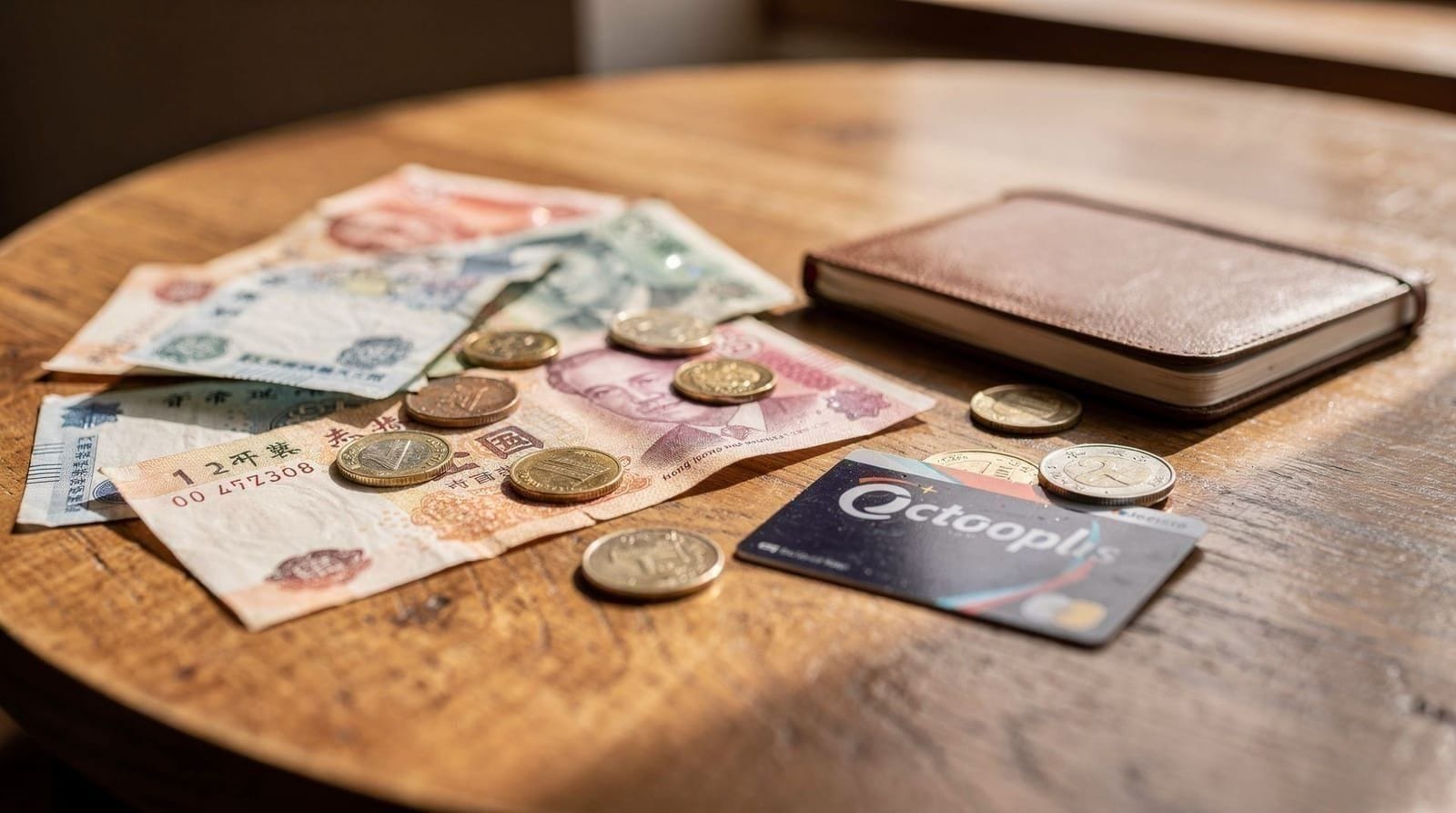
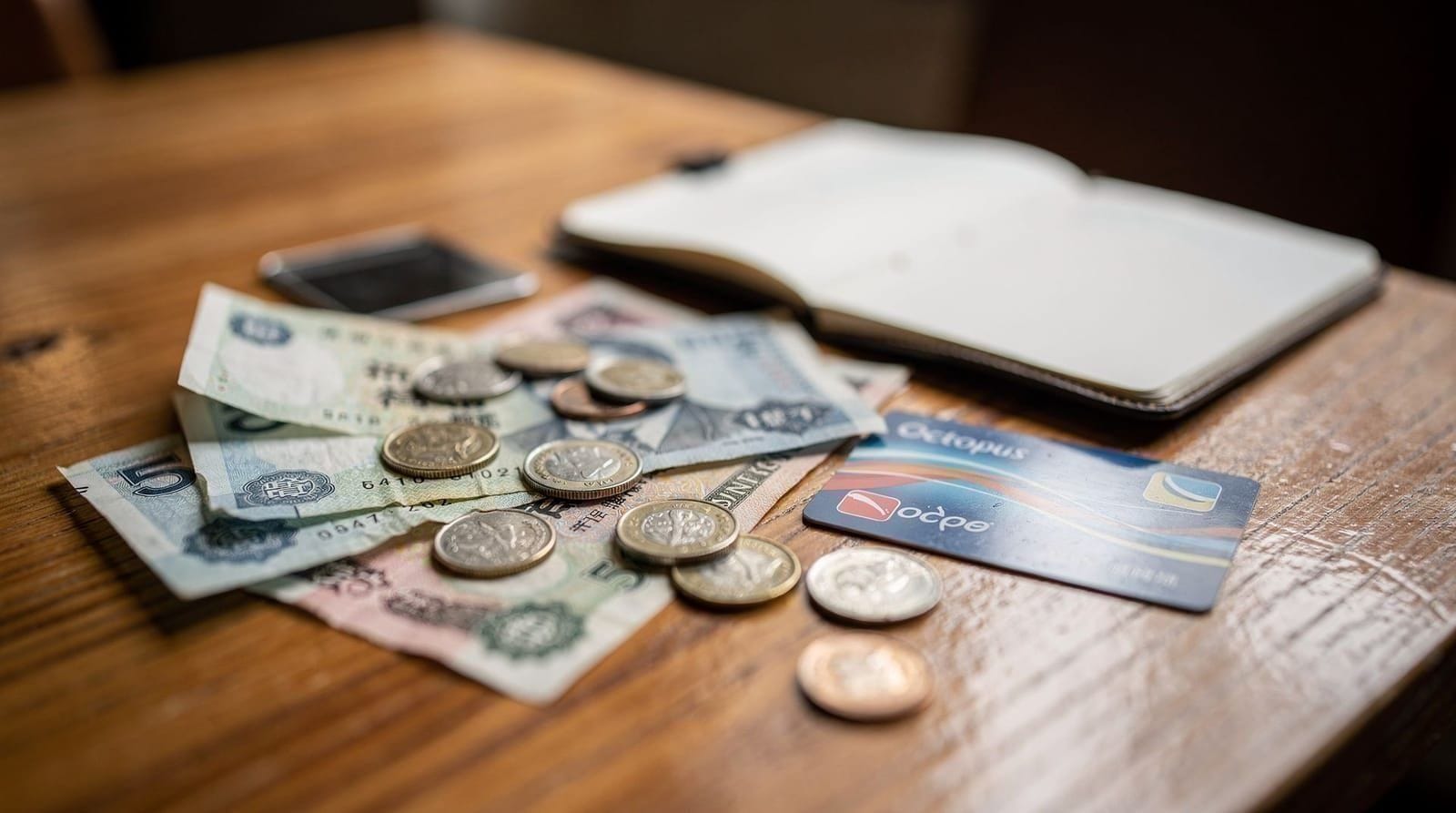
Hong Kong’s MTR serves the city comprehensively, and is enhanced by the Star Ferry, the historic trams (“ding ding”), and an excellent bus network. The Octopus card handles all of these and more. See the MTR guide for system detail.
Singapore’s MRT is clean, air-conditioned, and sufficient for most tourist needs, but has notable gaps — Sentosa requires a separate cable car or bus, the East Coast isn’t directly served, and some outer areas are bus-dependent. The EZ-Link or Singapore Tourist Pass handles the transit.
Edge to Hong Kong on transport convenience and density of coverage, but Singapore’s MRT is comparable in reliability.
Hong Kong adds a layer of transport that doubles as sightseeing. A crossing on the Star Ferry is one of the city’s signature experiences, and the Star Ferry and trams guide explains how to combine the two. Sorting out the Octopus card on arrival makes everything smoother, and the airport to city guide shows how to get from the terminal to your hotel without fuss. The blog post on riding the Star Ferry captures the atmosphere if you want a preview.
Nature and outdoor activities
This is the area where Hong Kong most surprises visitors who expect a pure concrete city.
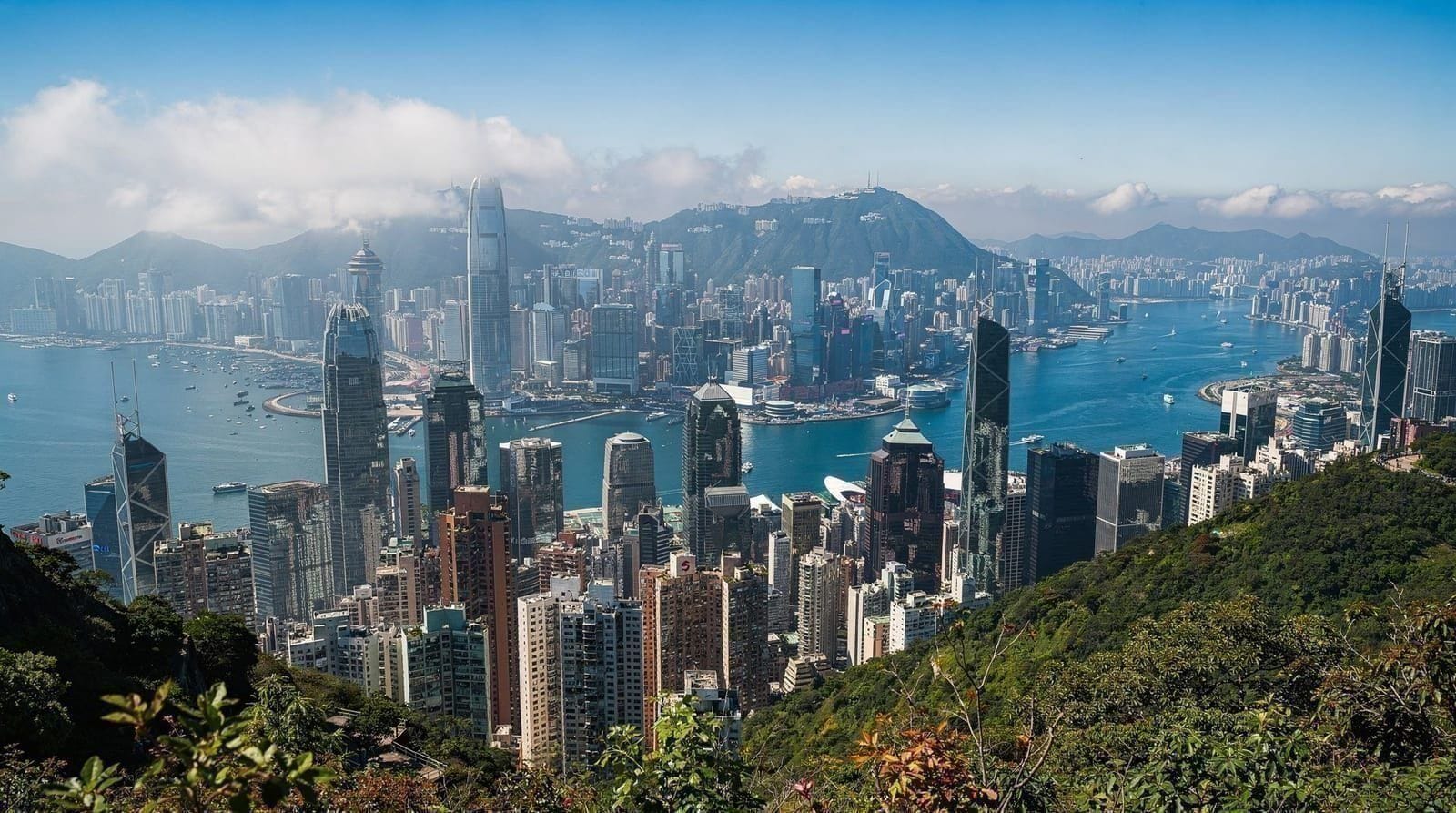
Hong Kong has 24 country parks, covering 44,300 hectares — roughly 40% of the territory’s land area. The Dragon’s Back hike runs along a ridge with views over the South China Sea and is consistently voted one of Asia’s best urban hikes. Sai Kung Geopark has UNESCO-listed hexagonal volcanic columns accessible by boat. Lion Rock provides a symbolic and genuinely challenging ridgeline above the city.
Book a guided Dragon’s Back hike with transport includedSingapore has excellent well-maintained parks — MacRitchie Reservoir’s TreeTop Walk, Bukit Timah Nature Reserve (primary rainforest within a city), and the spectacular Gardens by the Bay. But the terrain is flat and the wilderness is gentler. For dramatic hiking that feels genuinely remote, Hong Kong wins by a significant margin.
The hiking comes with a practical bonus: you do not need a car or a tour to reach it. The best hikes guide lists the options by difficulty, and the Lion Rock hike guide is a good pick if you want a ridgeline with a city view behind it. Singapore’s green spaces are pleasant for a morning stroll, but they rarely give the sense of leaving the city that a Hong Kong trail does.
Cost comparison
Both cities sit in the expensive tier for Asia travel.
Accommodation:
- Budget (hostel/guesthouse): HKD 250–450/night in Hong Kong, SGD 30–60/night in Singapore
- Mid-range: HKD 800–1,500 vs SGD 150–250
- Upscale: HKD 2,000–4,000 vs SGD 350–600
Food:
- Budget meal (dai pai dong / hawker centre): HKD 40–80 (USD 5–10) vs SGD 4–8
- Mid-range restaurant: HKD 200–400 vs SGD 30–60
- Fine dining: comparable
Transport (daily):
- Hong Kong Octopus usage: HKD 30–60 for a day of sightseeing
- Singapore MRT/bus: SGD 6–12
Overall, Hong Kong’s cheap-end food is slightly cheaper than Singapore’s, and accommodation costs about 15–20% less on average. Both cities are expensive compared to mainland Southeast Asia.
If cost is the deciding factor, the Hong Kong budget breakdown and the guide to Hong Kong on a budget show where the money actually goes. The figures above are a starting point; your own spending will depend mostly on where you sleep and how often you eat at sit-down restaurants rather than canteens. The where to stay guide helps you pick a base that suits your budget and style.
Culture and first impressions
Hong Kong’s identity is a genuine hybrid — British colonial infrastructure and administration layered onto Cantonese culture, producing a city that feels neither fully Western nor purely Chinese but something distinctly its own. This shows up in small things: bilingual street signage, the mix of dim sum restaurants and English pubs in the same block, and a legal and business culture that still carries visible colonial-era structure decades after the handover.
Singapore’s multi-ethnic model is different in kind — Chinese, Malay, Indian, and Eurasian communities coexist with deliberate, state-supported integration, visible in everything from the four official languages to the ethnic enclaves (Chinatown, Little India, Kampong Glam) that sit within a broader, more uniformly planned cityscape. Singapore feels more consciously designed; Hong Kong feels more organically layered.
For a first-time Asia visitor deciding between the two purely on comfort and predictability, Singapore’s cleanliness, strict public-order rules, and consistent English usage make it the gentler introduction. For a visitor who wants a city with more visible texture, contrast, and unpolished energy, Hong Kong delivers that more readily — the Mong Kok area guide and Sham Shui Po area guide show this side of the city in more detail.
What a first visit to each city feels like
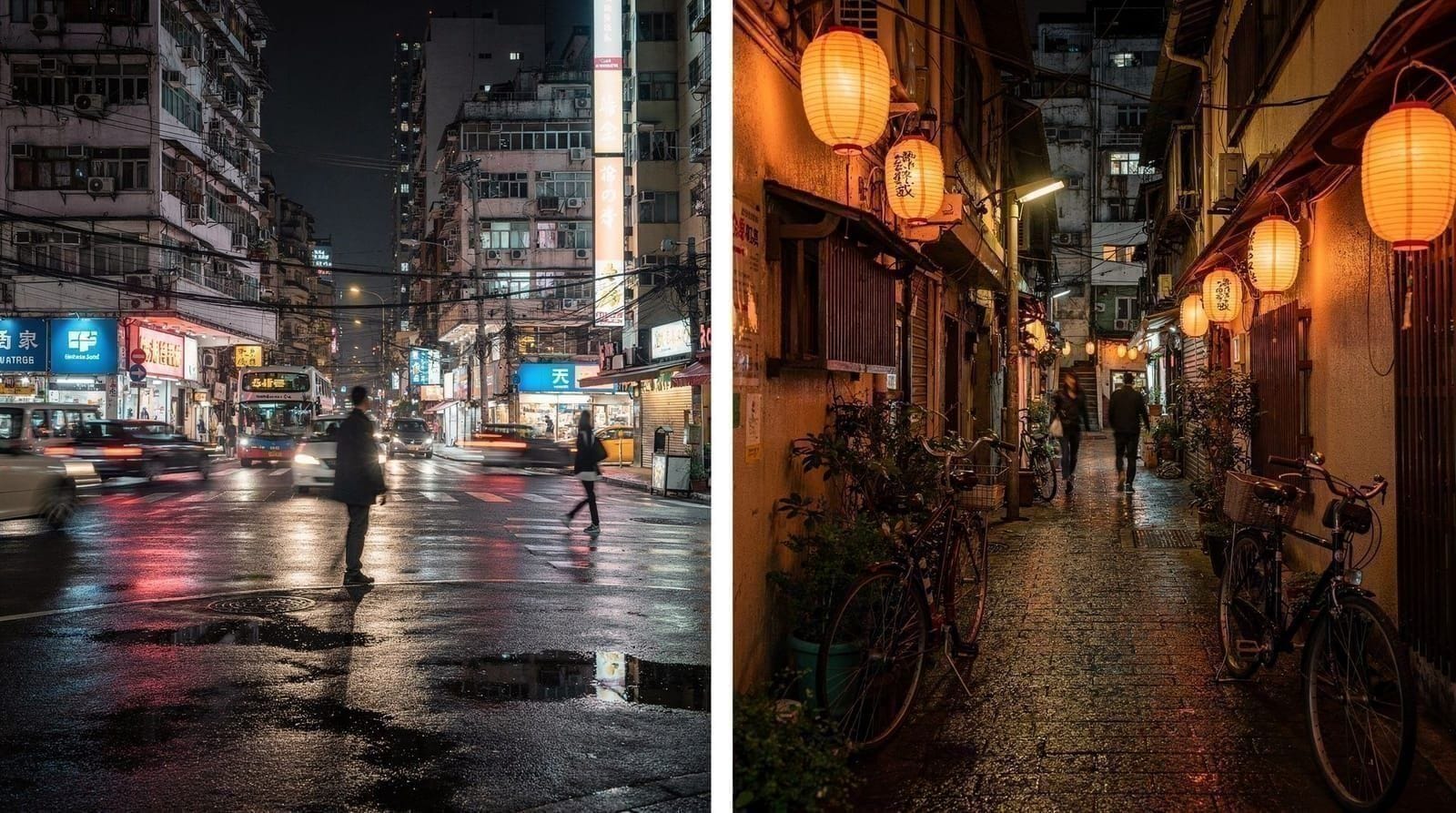
A first day in Hong Kong tends to be intense: crowds on the pavement, neon above you, and a harbour view that appears when you least expect it. The first-time Hong Kong guide and the first-timer mistakes guide help you absorb that without losing a day to jet lag and confusion. Singapore is calmer from the first minute, which is exactly why many people recommend it as a gentle entry to Asia.
If you are leaning towards Hong Kong, the top things to do guide is the quickest way to see what a visit would contain, and is Hong Kong worth visiting answers the broader question honestly. Short on time? The one-day itinerary and the first-timer itinerary show how much you can fit in without rushing every stop. The how many days guide will help you decide how long to stay.
Who should choose Hong Kong
- First-time visitors primarily interested in Cantonese culture, dim sum, and a dramatic harbour skyline
- Travellers who want to combine city with genuine wilderness hiking
- Those visiting in autumn (October–December) when Hong Kong’s weather peaks
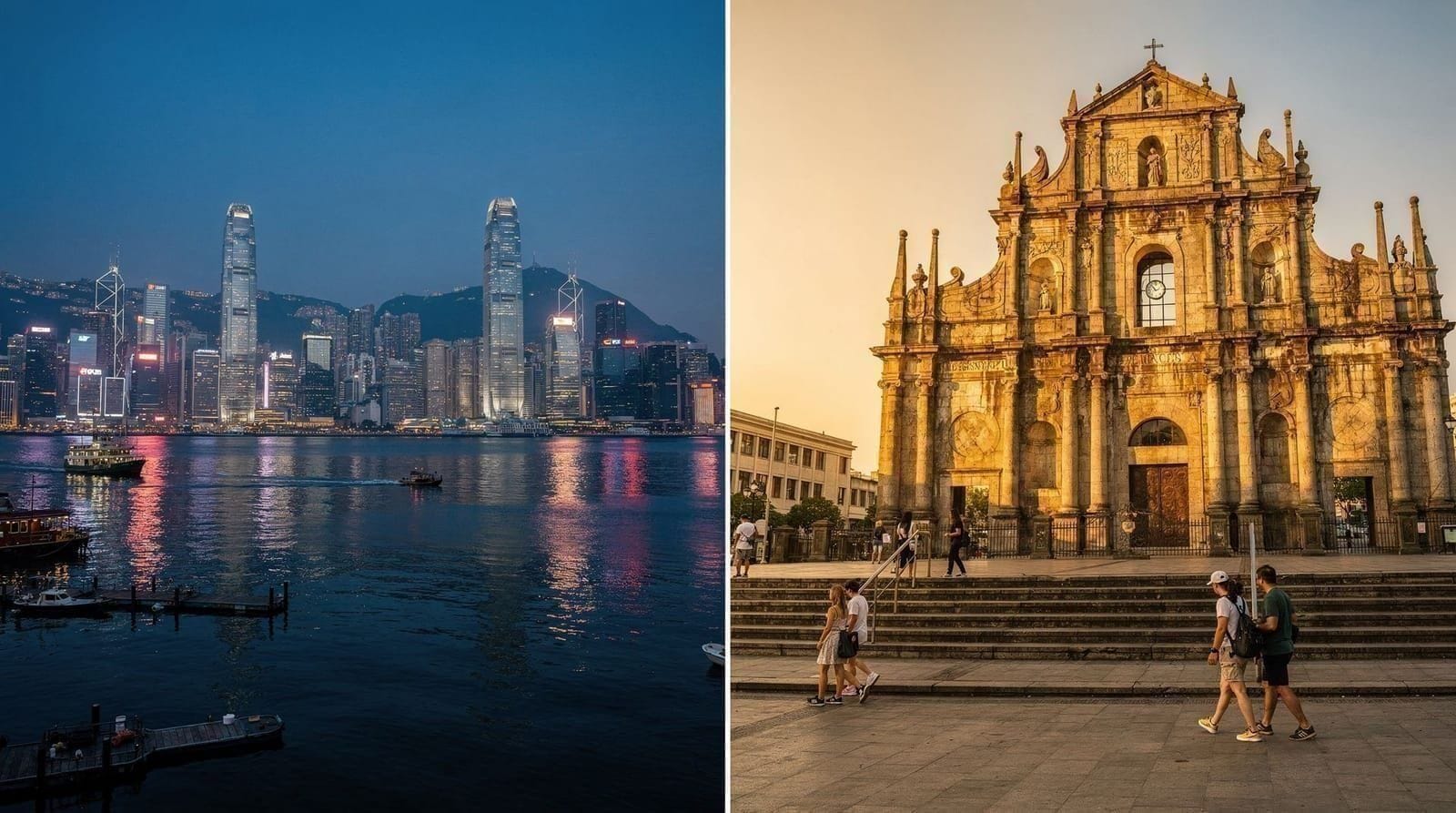
- Anyone who wants to add a Macau day trip (ferry from Hong Kong, about 60 minutes) to their itinerary
- Travellers interested in the contrast of hypermodern infrastructure alongside traditional markets
Who should choose Singapore
- First-time Asia visitors who want maximum ease and year-round weather reliability
- Families with young children prioritising theme park concentration at Sentosa
- Travellers interested in multi-ethnic cuisine variety in one city
- Those transiting Asia and wanting an easy, well-signed stopover
- People travelling June through August who can’t risk typhoon disruption
Choosing by trip style
Your travel style should weigh more heavily than any scorecard. Couples and solo travellers who enjoy wandering without a fixed plan tend to love Hong Kong’s layered neighbourhoods, and the Central vs Tsim Sha Tsui guide shows how different two parts of the same city can feel. Families should read Hong Kong with kids before deciding, because the practical details there may change which city feels easier. Those who prefer a slower pace can use the islands itinerary to swap sightseeing for ferry rides and quiet villages, something Singapore does not really offer.
Think, too, about what you want to bring home. Singapore leaves most people with an impression of order and comfort. Hong Kong leaves an impression of energy, contrast and a few unexpectedly quiet moments on a hillside or a ferry deck. Neither impression is wrong, and the right choice is the one that matches the trip you are actually imagining.
The combined trip verdict
The most common pattern among experienced Asia travellers is to visit both cities in one trip. Fly into one, out of the other. The 3.5-hour flight between them is short enough that the combination feels natural. Many flights from Europe or North America route through one of the two hubs anyway.
For guidance on structuring the Hong Kong portion, the Hong Kong itinerary planning guide covers day-by-day options for any trip length. If a Macau day trip is also on your radar, it’s a natural third stop reachable only from the Hong Kong side of a combined itinerary — the Hong Kong vs Macau guide covers whether it’s worth adding.
Frequently asked questions about Hong Kong vs Singapore — which city should you visit?
Which city is cheaper to visit?
Which has better food?
Which city is easier to get around?
Which city has better nature and outdoor options?
Which is better for families?
Can I visit both cities in one trip?
Which city has a better nightlife scene?
Top experiences
Bookable activities with verified prices and instant confirmation on GetYourGuide.