Star Ferry guide — times, routes, and why it still matters
Hong Kong: Star Ferry Victoria Harbour cruise sunset tour
How does the Star Ferry work and is it worth taking?
The Star Ferry runs between Tsim Sha Tsui (Kowloon) and Central or Wan Chai (Hong Kong Island) every 6–12 minutes from 06:30 to 23:30. Upper deck costs HKD 5.00 on weekdays and HKD 6.50 at weekends and public holidays. It is genuinely one of the world's great transit experiences — a 7-minute harbour crossing with views of the skyline that most tourists pay much more to see from observation decks. Yes, it is worth taking.
The Star Ferry in 2026
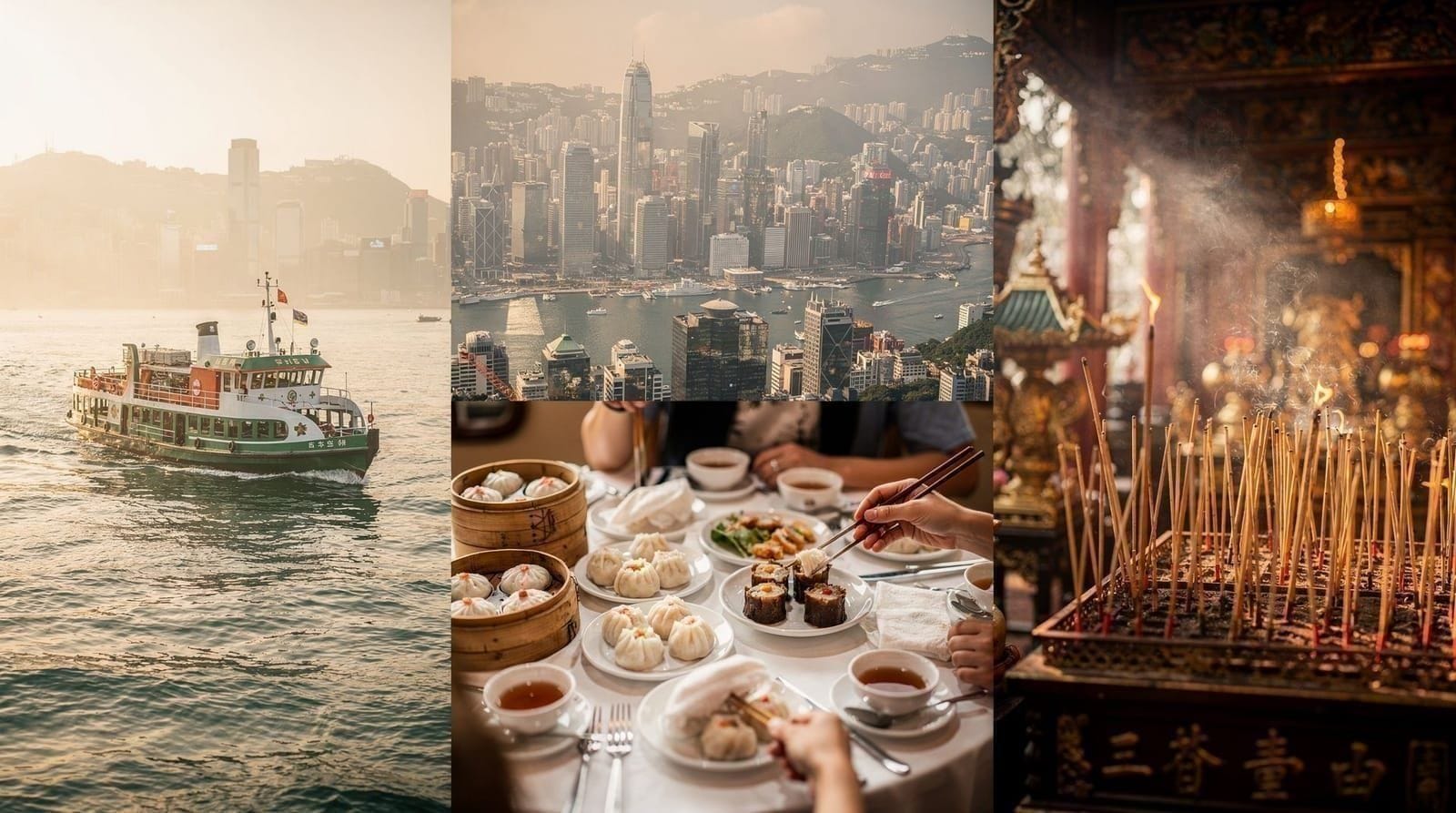
The Star Ferry has operated Victoria Harbour crossings since 1888. The green-and-white double-deck ferries are a legitimate Hong Kong institution and — at HKD 4.00–6.50 per crossing — possibly the best value tourist experience of any major Asian city. For reference: the same harbour view from the Tsim Sha Tsui waterfront is free, from an observation deck costs a paid ticket, and from a rooftop bar requires a drink minimum. The Star Ferry places you in the centre of it for the price of a local bus ride.
The crossing is 7 minutes each way. This is not a criticism — it is the right amount of time to stand at the upper deck railing, watch the skyline approach or recede, and absorb one of the world’s most dramatic urban views.
| Where | Tsim Sha Tsui ↔ Central / Wan Chai |
| Cost | HKD 4.00–6.50 adult, depending on deck and day (upper deck recommended) |
| Time needed | 7–8 minutes crossing; 20–30 minutes round trip with waiting |
| Getting there | MTR to Tsim Sha Tsui, Central, or Wan Chai station, then walk to the pier |
| Best time | sunset or just before the 20:00 Symphony of Lights |
Paying attention to the small details
Repeat visitors often notice details that first-timers miss on the first crossing: the brass bell rung by crew before departure, the manual chain-and-hook gates that still close by hand at the gangway, and the fact that the upper deck benches physically flip depending on the ferry’s direction so every seat always faces forward. None of this changes the practical advice above, but it explains why a 7-minute ride generates the affection it does — the Star Ferry has resisted the kind of modernisation that would make it faster but interchangeable with any other ferry service anywhere in the world.
Standard crossing vs harbour cruise
| Standard Star Ferry | Dedicated harbour cruise | |
|---|---|---|
| Cost | HKD 4.00–6.50 | around HKD 120–220 |
| Duration | 7–8 minutes | 45–60 minutes |
| Route | Point-to-point, TST–Central or TST–Wan Chai | Extended loop, both shorelines |
| Commentary | None | Usually narrated |
| Seating | Bench seating, open deck | Dedicated viewing deck, sometimes drinks included |
| Best for | First-timers, budget travellers, using it as transport | A structured evening, special occasions |
Routes and fares
The Star Ferry operates three routes:
Tsim Sha Tsui ↔ Central (most popular)
- Adult, Monday–Friday (excluding public holidays): lower deck HKD 4.00, upper deck HKD 5.00
- Adult, weekends and public holidays: lower deck HKD 5.60, upper deck HKD 6.50
- Child (3–11) and senior (65+): HKD 2.80 lower / 2.90 upper on weekdays; HKD 3.70 lower / 3.90 upper at weekends and holidays
- Operating hours: 06:30–23:30, every 6–12 minutes
- Journey time: approximately 7–8 minutes
Tsim Sha Tsui ↔ Wan Chai
- Fares: see current prices on the official Star Ferry website (starferry.com.hk)
- Operating hours: 07:20–23:00, every 10–20 minutes
- Journey time: approximately 10–12 minutes
Central ↔ Hung Hom (less tourist-relevant, connecting the business districts)
- Check current schedules — this route has reduced service
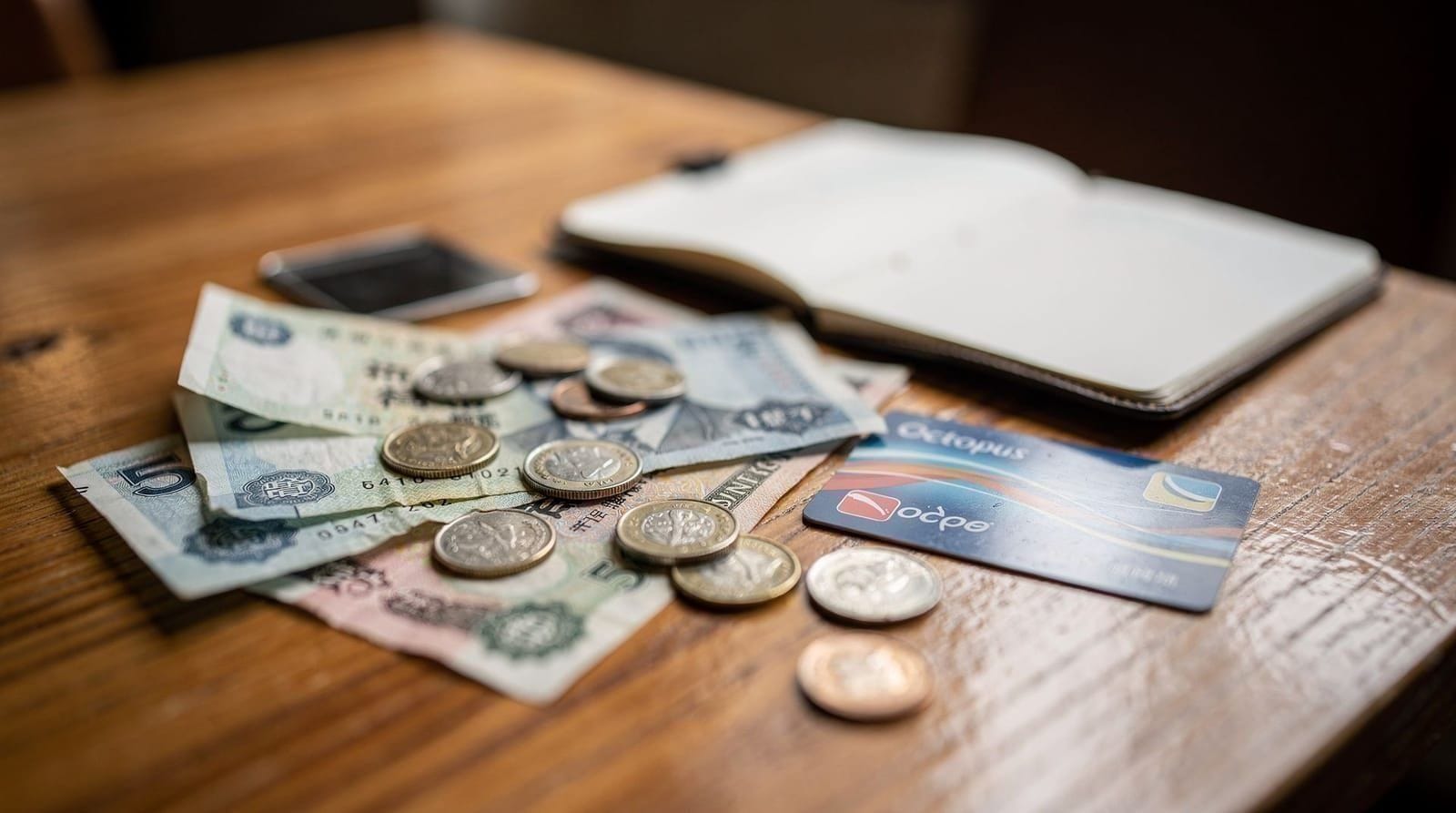
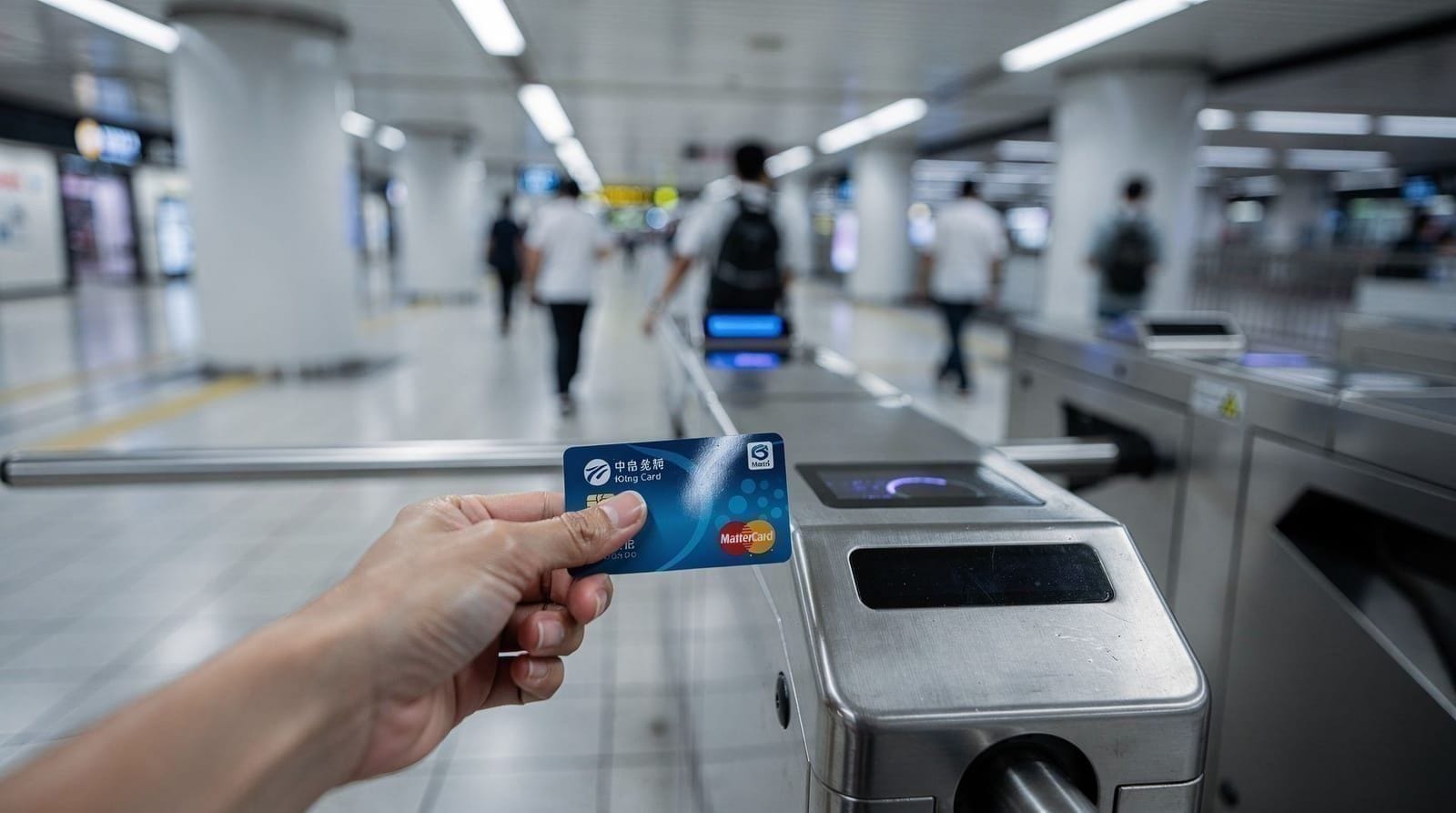
Payment: Octopus card (tap on, tap off at the turnstile) or cash. No credit cards accepted. The Octopus card is marginally faster and the recommended option. See the Octopus card guide for setup.
Upper deck or lower deck?
Upper deck. The views from the lower deck are partially blocked by the ferry structure and the waterline obscures sight lines. The upper deck has open railing on both sides — you can walk from one side to the other during the crossing to see both shorelines. The price difference (about HKD 1) is trivial.
The upper deck benches are reversible — the seating backrest flips depending on which direction the ferry is facing. This means every passenger sits facing the direction of travel, watching the skyline approach.
Best times to take the Star Ferry
At sunset: The buildings on Hong Kong Island begin to catch the golden light while Kowloon remains in shadow. In October–December, sunset is around 17:30–18:00. In summer months (June–August), sunset is around 19:00–19:30. The crossing from TST to Central at sunset means you travel towards the lit buildings as the sky behind you turns colour.
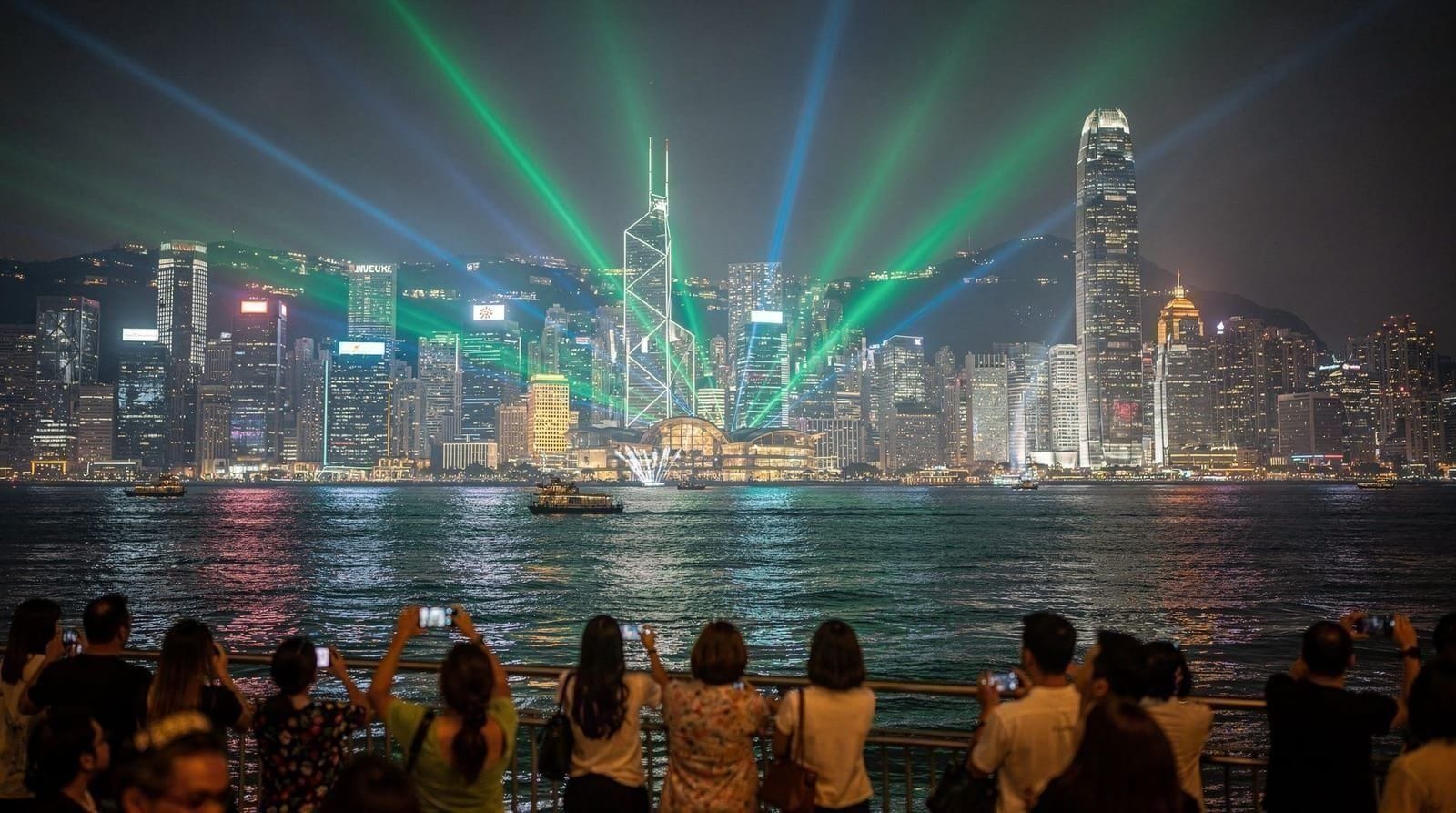
Just before or after 8pm: The Symphony of Lights runs nightly at 20:00–20:13. A crossing timed to be on the water during the show gives a genuinely unique perspective — you are in the middle of the harbour with illuminated buildings on both sides and lasers sweeping overhead. The Star Ferry operates normally during the show and does not specifically time departures for it, but the 19:50 or 20:05 departures from either side will have you on the water during part of the show.
Early morning: The 07:00–08:30 crossings carry office workers rather than tourists. The harbour is quiet, the light is good, and you will have the upper deck largely to yourself. The mountain backdrop behind the skyline is clearest in the morning before haze builds.
After 21:00: Crowd levels drop significantly. The night-time crossing with the fully lit skyline on both sides is excellent.
Avoid: Weekend afternoons (13:00–16:00) when both terminals are at maximum occupancy. The ferry still runs every 6 minutes and the wait is short, but the terminals are crowded.
The Star Ferry as pure transport
The Star Ferry is also simply useful transport — faster than the MTR for crossing between Tsim Sha Tsui and Central on foot from the respective ferry piers, and free from the necessity of descending underground. The Central Ferry Pier is a 5-minute walk from the central business district; the Star Ferry Pier in TST is immediately at the head of the waterfront promenade.
The ferry pier in Central is at Pier 7, adjacent to Piers 1–6 which serve the outlying islands (see the island ferries guide). The Wan Chai ferry pier is at the Convention Centre, about 15 minutes walk east of Central Pier.
The evening harbour cruise option
Star Ferry also operates three scheduled harbour cruise routes — not functional crossings but dedicated sightseeing circuits. These run in the afternoon, at sunset, and in the evening and include a longer loop of the harbour (45–60 minutes) with views of both shorelines, the Ap Lei Chau shipyards, and on the evening cruise, the Symphony of Lights.

The cruises are separately ticketed (HKD 120–220 per person) and provide a dedicated audio commentary. They are worth considering if you want a more structured harbour experience rather than the commuter crossing. The standard crossing remains the better value experience for most first-timers.

History and what to look for
The Star Ferry Company began cross-harbour operations in 1888. The current fleet of diesel-electric ferries was introduced from the 1950s onward, though the classic green-and-white livery and the manually operated chain-and-hook deck gates are original. The company’s registered name — Celestial Star Ferry (天星小輪) — gives the vessel names: Morning Star, Solar Star, Meridian Star, and so on.
On the crossing from TST towards Central, look for:
- The Bank of China Tower (its triangular form)
- HSBC headquarters (the exposed aluminium truss, designed by Norman Foster)
- The Peak rising behind Central with its observation tower
- The IFC towers (the tallest buildings on Hong Kong Island)
From Central towards TST, look for:
- The ICC Tower at West Kowloon — the tallest building in Hong Kong at 484 metres
- The Peninsular Hotel (to the right of the Star Ferry pier as you approach)
- The old Clock Tower — the sole remaining structure from the original Kowloon-Canton Railway terminus (1915)
Practical information
TST Star Ferry Pier: Tsim Sha Tsui, Salisbury Road. Exit from TST MTR station (exit L3) and walk toward the harbour — the pier is 5–8 minutes on foot. Central Star Ferry Pier: Pier 7, at the harbour end of Pedder Street. From Central MTR (exit A or B), walk through the covered walkway toward the harbour (10 minutes). Wan Chai Star Ferry Pier: Near the Hong Kong Convention and Exhibition Centre, Wan Chai waterfront. Accessibility: The ferry terminals have lifts to the loading gangway. The ferries themselves have level access from the gangway at most tide levels but can have a slight step. In typhoon season: Service can be suspended in bad weather; check the Star Ferry website for notices.
Frequently asked questions about the Star Ferry
Can I use my Octopus card on the Star Ferry?
Yes. Tap in at the turnstile before boarding. There is no separate charge by class — the turnstile automatically deducts the upper or lower deck fare depending on which gate you use.
How often does the Star Ferry run?
Every 6–12 minutes on the Tsim Sha Tsui–Central route (06:30–23:30). Every 10–20 minutes on the TST–Wan Chai route (07:20–23:00). In practice the wait is rarely more than 10 minutes.
Is the Star Ferry better than the MTR for crossing the harbour?
For the view: yes. The MTR Tsuen Wan Line and East Rail Line cross under the harbour; you see nothing. For speed if you are in a hurry: the MTR is generally faster door-to-door because both ferry piers require walking from the main MTR exits. The ferry is slightly slower total (10–15 minutes pier-to-pier vs 8 minutes MTR Tsim Sha Tsui to Central) but much more pleasant.
What is the difference between the Star Ferry and the Outlying Islands ferries?
The Star Ferry runs between Kowloon and Hong Kong Island (a short crossing). The Outlying Islands ferries run from Central Piers 1–6 to Lamma Island, Cheung Chau, Lantau, and other islands — longer trips of 35 minutes to an hour. Separate ticketing and different operators. See the island ferries guide.
The Star Ferry and photography
The Star Ferry crossing is one of Hong Kong’s most photogenic experiences, but it moves quickly and the light conditions can be challenging. Practical photography notes:
From Tsim Sha Tsui pier, before boarding: The view from the TST Star Ferry pier toward Central is one of the classic Hong Kong angles. The old Clock Tower (1915) in the foreground, the IFC towers behind. Best in morning light (the sun rises behind Kowloon, illuminating the Hong Kong Island skyline from the east) or at golden hour.
On the upper deck during crossing: The main challenge is movement — the ferry vibrates and sways slightly. For a sharp photograph of the skyline, use a shutter speed of at least 1/250 second. The windows on the upper deck open (or you can stand at the open end of the deck) for shots without glass.
From the Hong Kong Island side, after crossing: The view back toward Kowloon from the Central Star Ferry Pier is different — the ICC Tower dominates the Kowloon skyline. Evening light falls on the ICC Tower from the west, making afternoon and sunset the better light direction from this angle.
The best single photograph: The Classic Hong Kong harbour image — IFC towers on the left, Bank of China, HSBC building, with the Peak rising behind them — is best photographed from the upper deck of the Star Ferry on the Kowloon-to-Central crossing, about halfway through the journey, facing north-northeast.
Star Ferry history and the 1966 riots
The Star Ferry’s history intersects with one of Hong Kong’s most significant civil disturbances. In 1966, the Star Ferry Company applied to raise the cross-harbour ferry fare by five cents. A Tsim Sha Tsui resident named So Sau-chung began a hunger strike in protest, which escalated into five days of riots across Kowloon. The riots were partly a reaction to the ferry price increase but more broadly expressed social discontent in working-class Kowloon about inequality and colonial governance.
The episode is now considered a turning point — the Hong Kong government subsequently increased social spending and began addressing some of the complaints that fuelled the unrest. A fare increase of five cents (less than one US cent at the time) triggered one of the largest urban disturbances in Hong Kong’s colonial history: a measure of how dependent ordinary people were on the ferry and how limited other affordable transport options were in the pre-MTR era.
The MTR opened in 1979, reducing the Star Ferry’s role as essential cross-harbour transport. The Central Reclamation project in the 1990s moved the Star Ferry piers significantly further from the city centre. The current Star Ferry Terminal in Central opened in 2006 — further from the city than the original Edwardian-era pier that was demolished in 2006, despite significant public protests.
The Central–Star Ferry walk
Walking from the Central MTR to the Star Ferry pier and then from the ferry to the Tsim Sha Tsui MTR is itself a useful orientation exercise on a first day. The route passes:
Central MTR → Harbour: Through the central business district, past Exchange Square and the Hong Kong Monetary Authority tower, along a covered pedestrian walkway, to the waterfront ferry piers. This area (the reclaimed land of Central Harbour) is the financial core of Hong Kong — banks, law firms, and the government administrative buildings are all within walking distance.
The ferry pier cluster at Central: Piers 1–6 serve the outlying islands (Lamma, Cheung Chau, Lantau). Pier 7 is the Star Ferry. Pier 8 serves outlying island fast ferries. This is the main departure point for day trips to the islands.
Tsim Sha Tsui after the crossing: From the TST Star Ferry pier, the clock tower is immediately to your left (the sole surviving structure of the original Kowloon-Canton Railway terminus). Turning right along the promenade takes you to the Avenue of Stars and the main TST waterfront. Turning left leads toward the Cultural Centre, the Science Museum, and TST East.
Combining the Star Ferry with other transport
Star Ferry + Peak Tram: The natural first-day route. Take the Star Ferry from TST to Central, walk 10 minutes up Garden Road to the Peak Tram station, ride up to the Peak, walk the circle walk, and return by bus 15 to Central. Evening: Star Ferry back to TST for the harbour view from Kowloon.
Star Ferry + tram (ding ding): From the Central Star Ferry Pier, the tram stop is a 5-minute walk east. Board the tram to Causeway Bay (20 minutes) for shopping and local food, then back west to Central via the tram route. Flat fare HKD 3.30 each way. This combination — Star Ferry across, tram along the island — is one of the best low-cost ways to see Hong Kong Island’s waterfront from both the harbour and street level.
Star Ferry + MTR to outlying islands: Central Pier connects directly to the outlying island ferry terminals. After arriving on the Star Ferry from TST, you can walk to Pier 4 for Lamma Island or Pier 5 for Cheung Chau without re-entering the MTR system. For day trips to the islands, arriving via the Star Ferry and departing via the island ferries is efficient.
The future of the Star Ferry
The Star Ferry Company operates under a government franchise reviewed periodically. Despite the MTR making it non-essential for cross-harbour transport, the ferry has maintained operations because of its cultural significance and the tourism and recreational value. Fare increases have been gradual; the current upper deck fare of HKD 5.00–6.50 remains very low in real terms.
The most frequently discussed threat to the Star Ferry is not financial but geographical — further Central Reclamation projects could push the ferry pier further from the city centre, reducing its usefulness as a commuter option and its convenience as a tourist experience. The current pier location at Pier 7 is already significantly further from Central than the pre-2006 original position.
Travelling with kids or reduced mobility
The Star Ferry is one of the easiest attractions in Hong Kong to do with young children. The crossing is short, the open deck is engaging without being overwhelming, and there is no queue system to manage beyond the turnstile itself. Hold hands near the gangway when boarding and near the open railings on the upper deck — there is a low barrier but children can and do try to climb it. For strollers, the ferry has level or near-level boarding at the turnstile and gangway at most tide levels, and there is space on the lower deck to keep a pram stationary if the upper deck stairs are impractical.
For visitors with mobility limitations, both the Central and Tsim Sha Tsui piers have lifts to the gangway level. A small step onto the boat itself can appear depending on the tide — staff at the gangway generally assist if asked. If a step-free journey matters more than the view, the MTR’s underground harbour crossing (Tsuen Wan Line, Tsim Sha Tsui to Central) is fully step-free via lifts at both ends.
Combining the crossing with a wider Hong Kong day
Because the Star Ferry sits at the geographic hinge between Kowloon and Hong Kong Island, it works as a natural connector rather than a standalone destination. A simple day structure: start in Tsim Sha Tsui at the Avenue of Stars and Clock Tower, cross to Central on the morning ferry, walk up to Tai Kwun or the Peak Tram for the afternoon, then cross back to TST in time for dinner and the 20:00 Symphony of Lights.
This uses the ferry twice — once functionally in the morning, once as the evening’s entertainment — and costs roughly HKD 8–13 in fares for both crossings combined. The first-timer guide to Hong Kong builds a fuller first day around this same structure.
Half-day Peak Tram and Star Ferry highlights tourTop experiences
Bookable activities with verified prices and instant confirmation on GetYourGuide.