Symphony of Lights guide — where to watch and what to expect
Hong Kong: Star Ferry A Symphony of Lights show evening cruise
Where is the best place to watch the Symphony of Lights in Hong Kong?
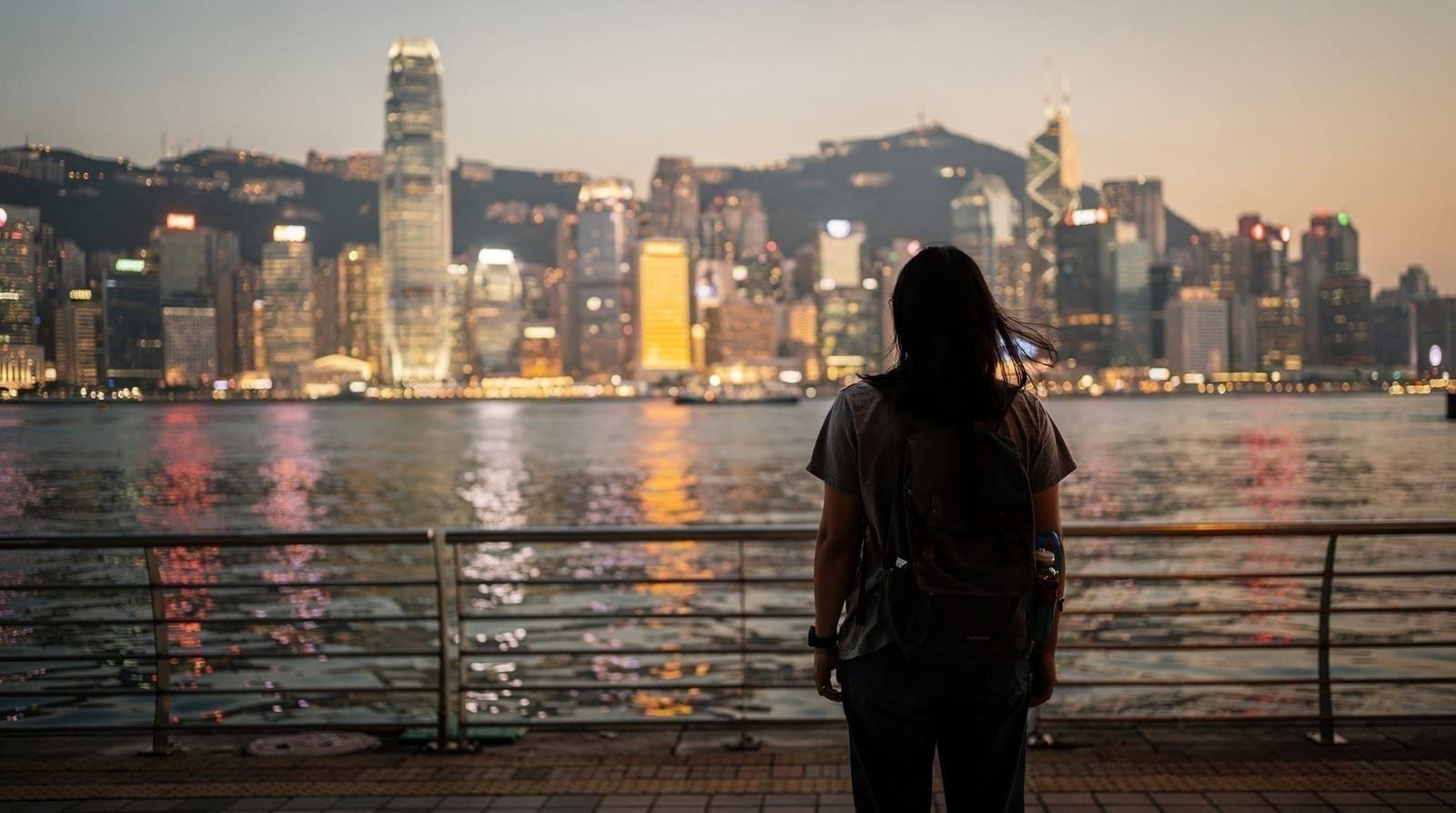
The Tsim Sha Tsui waterfront promenade, facing Hong Kong Island. Arrive by 7:30pm to secure a railing spot. The show runs 8:00–8:10pm every night, free, with the full skyline of Hong Kong Island performing in front of you. The Wan Chai waterfront on the Hong Kong Island side gives the opposite angle (facing Kowloon ICC Tower and TST).
What the Symphony of Lights is
The Symphony of Lights (幻彩詠香江) is a nightly light and sound show using 46 buildings on both sides of Victoria Harbour. It holds a Guinness World Record as the world’s largest permanent light and sound show. It runs every night at 20:00 and lasts 10 minutes.
The show uses LED lights, searchlights, and lasers synchronized across the participating buildings on Hong Kong Island (the financial district skyline facing Kowloon) and Kowloon (primarily the ICC Tower and cultural buildings at West Kowloon). The music is broadcast on FM radio (radio station announcements on site) and over speakers at official viewing zones.
Entry is completely free. No tickets, no booking, no reservation system. You walk to the waterfront, find a spot at the railing, and watch.
| Where | Tsim Sha Tsui waterfront promenade (best) |
| Cost | Free; harbour cruises around HKD 250–550 |
| Time needed | 10 minutes, plus 30–45 min if arriving early for a spot |
| Getting there | MTR to Tsim Sha Tsui, exit L3, walk to the harbour |
| Best time | Arrive by 19:30–19:45 for a railing spot before 20:00 |
Comparing the viewing spots
| Location | View direction | Crowd level | Best for |
|---|---|---|---|
| Tsim Sha Tsui waterfront | Hong Kong Island skyline | Highest | The classic full-skyline view and the laser sweep |
| Wan Chai / Golden Bauhinia Square | Kowloon, ICC Tower | Lower | Avoiding TST crowds, still on the water |
| Star Ferry crossing | Both sides, from mid-harbour | Moderate | A genuinely unique 360° perspective |
| Victoria Peak | Distant, city-wide | Low | Context, not intensity — skip if this is your main reason to go up |
| Harbour cruise | Both sides, moving | Paid, controlled | A structured, seated evening with commentary |
The best viewing positions
Tsim Sha Tsui waterfront promenade (recommended)
The Tsim Sha Tsui waterfront, running from the Clock Tower at the Star Ferry Pier east to the Cultural Centre and Science Museum, faces Hong Kong Island directly. This side has the most dramatic view because you are watching the entire Hong Kong Island financial district skyline — the IFC towers, Bank of China, HSBC building, and dozens of surrounding towers — perform simultaneously in front of you.
The dedicated viewing platforms along the promenade (marked with Symphony of Lights signage near the Cultural Centre) have the best unobstructed sight lines. The railing spots facing directly at Hong Kong Island fill first; arrive by 19:30–19:45 for a front-row position.
The lasers from the Hong Kong Island buildings sweep across the harbour toward Kowloon. Standing on the TST side, you are in front of the laser sweep — the most visually intense position.
Getting there: MTR to Tsim Sha Tsui station (exit L3 to Salisbury Road), walk toward the harbour, turn left along the promenade. 8–10 minutes from the MTR exit.
Wan Chai waterfront (Hong Kong Island side)
The Golden Bauhinia Square in Wan Chai and the Hong Kong Convention and Exhibition Centre waterfront give the opposite perspective — facing Kowloon, with the ICC Tower and West Kowloon cultural buildings performing. This side also works well for watching the lasers sweep from the Kowloon buildings toward Hong Kong Island.
Less crowded than TST because fewer tourists are based in Wan Chai. Good option if you are already on Hong Kong Island. The Wan Chai Star Ferry Pier is nearby.
On the Star Ferry during the crossing
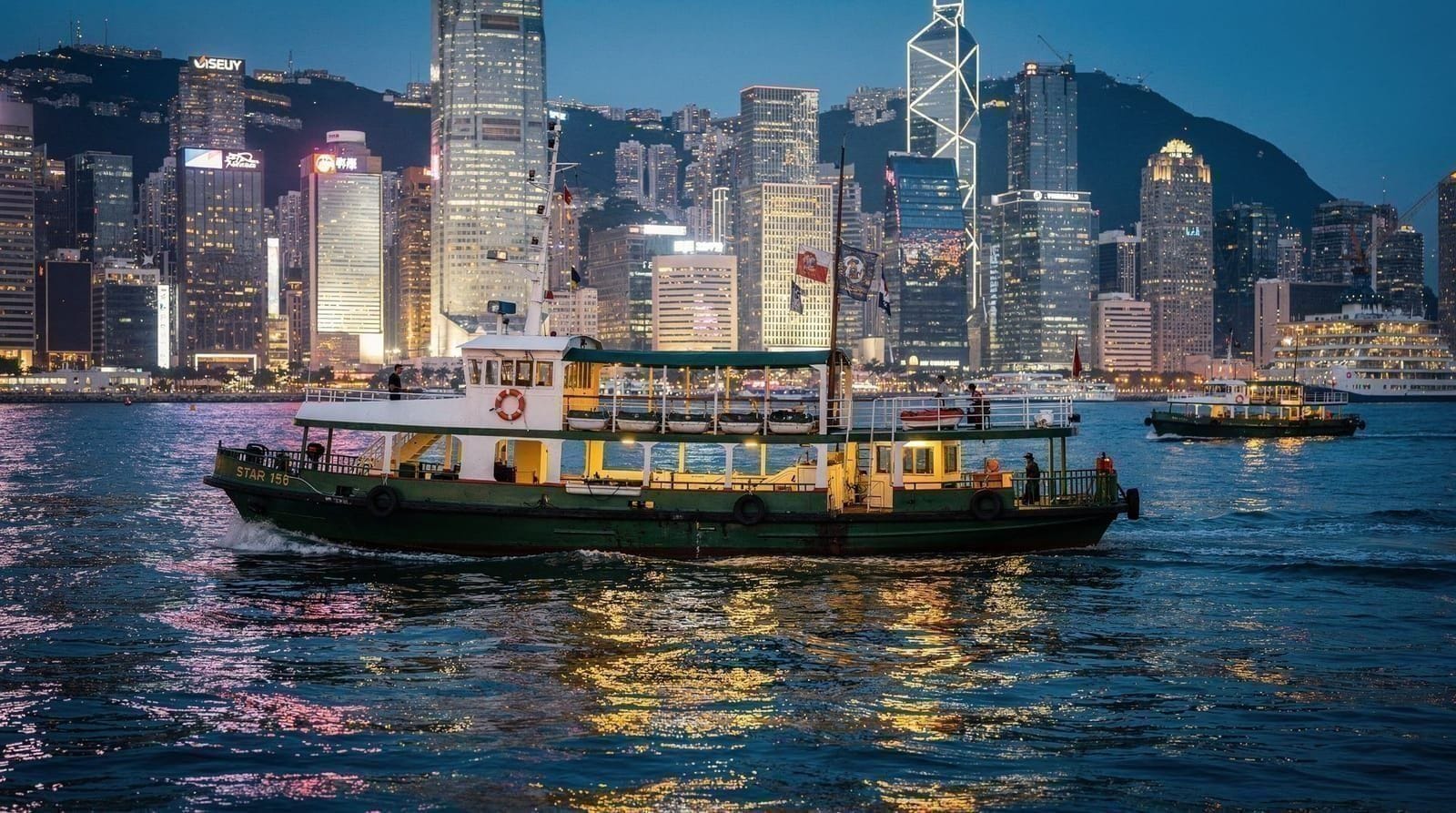
Taking a Star Ferry crossing at 19:50 or 20:05 means you will be on the water during part of the show. The view from the middle of the harbour with illuminated buildings on both sides simultaneously is genuinely unique. The ferry continues operating normally during the show; you are not stopping for it, but the 7-minute crossing timed right puts you in the centre during the first or second half of the show.
The Star Ferry does not run special show crossings — you simply board a regular commuter ferry that happens to be crossing during show time. Take the upper deck; the view is unobstructed.
Victoria Peak viewing area
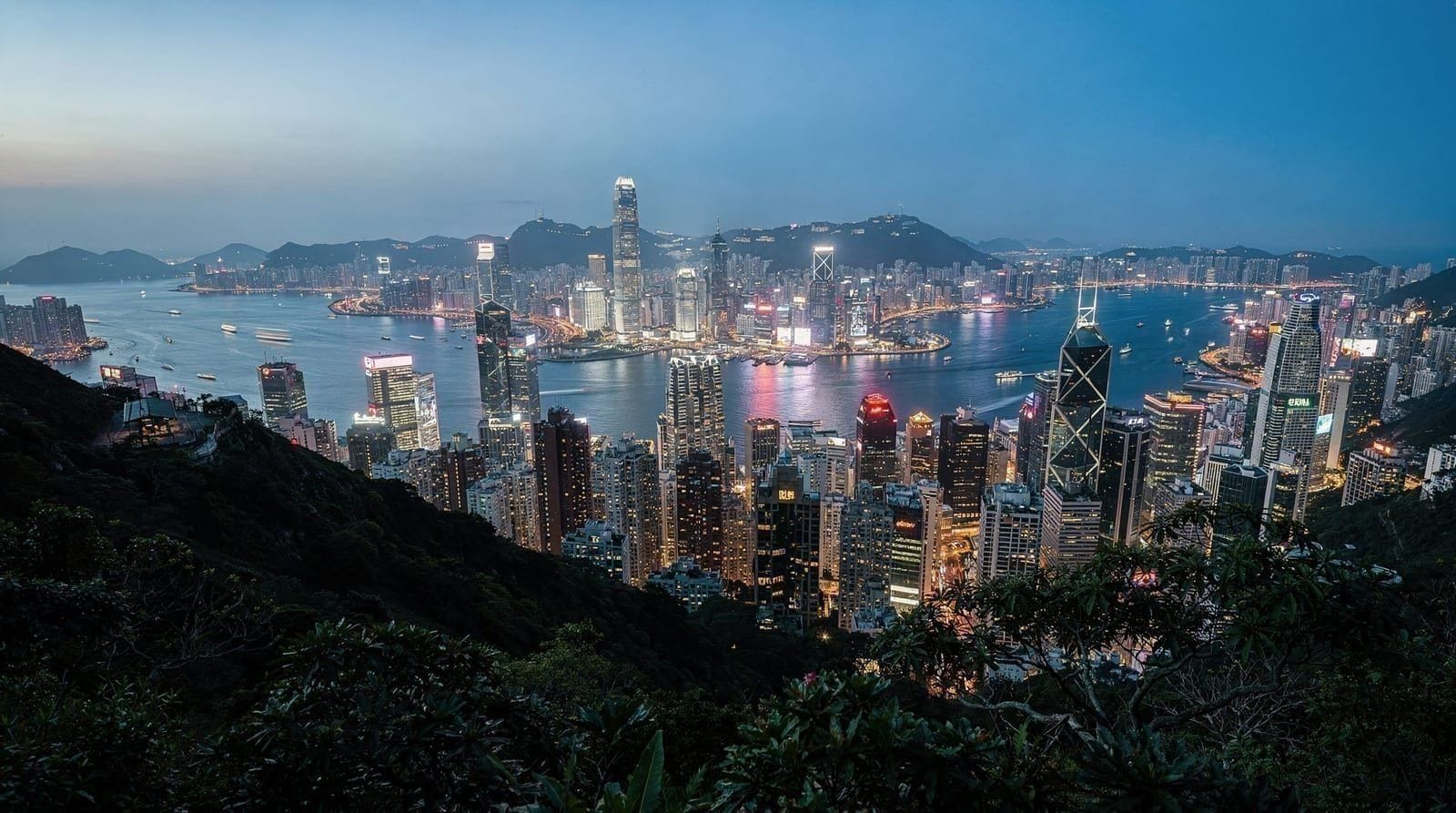
The Symphony of Lights is technically visible from Victoria Peak, but distantly. You see the tops of buildings and some laser activity, but the proximity that makes the TST waterfront experience powerful is absent. The Peak gives a different, broader view of the city at night — this is excellent in its own right (see the Victoria Peak guide) but not the right choice specifically for the Symphony of Lights.
The harbour cruise option
Several operators run dedicated symphony of lights harbour cruises, departing from the TST or Central ferry piers, timed to be on the water during the 8pm show. Typical cruises are 45–60 minutes, with the show constituting the middle portion.

Harbour cruise advantages: 360-degree water-level view of both skylines simultaneously, sitting rather than standing, often with drinks included, no need to arrive early to claim a railing spot. Disadvantage: you are moving during the show, which can make following a particular building’s sequence harder; prices range from HKD 250 to HKD 550 per person depending on operator.

A third option pairs the cruise with a photographer who captures the show for you, useful if you’d rather watch than manage a phone camera on a moving boat.
Victoria Harbour cruise with complimentary photosFor most first-timers, the free waterfront option is the right choice. The harbour cruise is the upgrade if you want a more structured evening on the water.
What the show looks like
The 10 minutes divide into five themes: Awakening, Energy, Heritage, Partnership, and Celebration. The music shifts between traditional Chinese instrumental and cinematic orchestral. The buildings participate in waves — first the lower waterfront towers light up, then the taller buildings behind them shift colour, then the ICC Tower in Kowloon joins with its LED facade, then lasers from multiple rooftops sweep across the harbour.
The laser component is the most visually impressive — the density of searchlight beams visible from the Kowloon side in clear conditions is striking. On hazy nights (common June–September), the lasers are diffused but still visible; the building lighting remains unaffected by weather.
The audio is broadcast on local FM radio (stations announce the frequency on-site) and through speakers at the official TST viewing zone. If you are not in the official zone, you watch in silence, which is fine — the visuals carry the show.
Practical tips
Arrive early: The front railing positions at the TST waterfront fill 30–45 minutes before show time on busy evenings (weekends, public holidays, October–March peak season). Arriving at 19:30 ensures a good spot.
Weather: The show runs every night regardless of rain. In light rain, bring an umbrella and the show continues. The show is cancelled only if Typhoon Signal No. 3 or higher, or a Red or Black rainstorm warning, is issued at 15:00 or later.
Photography: The 10-minute show is surprisingly difficult to photograph satisfactorily in the dark. Use manual exposure settings if you have them; high ISO with a wide aperture and shutter speed of 1/30–1/60 second works for capturing the building colours. Laser streaks require longer exposures (2–4 seconds, tripod recommended) and a stable platform — difficult on the busy promenade.
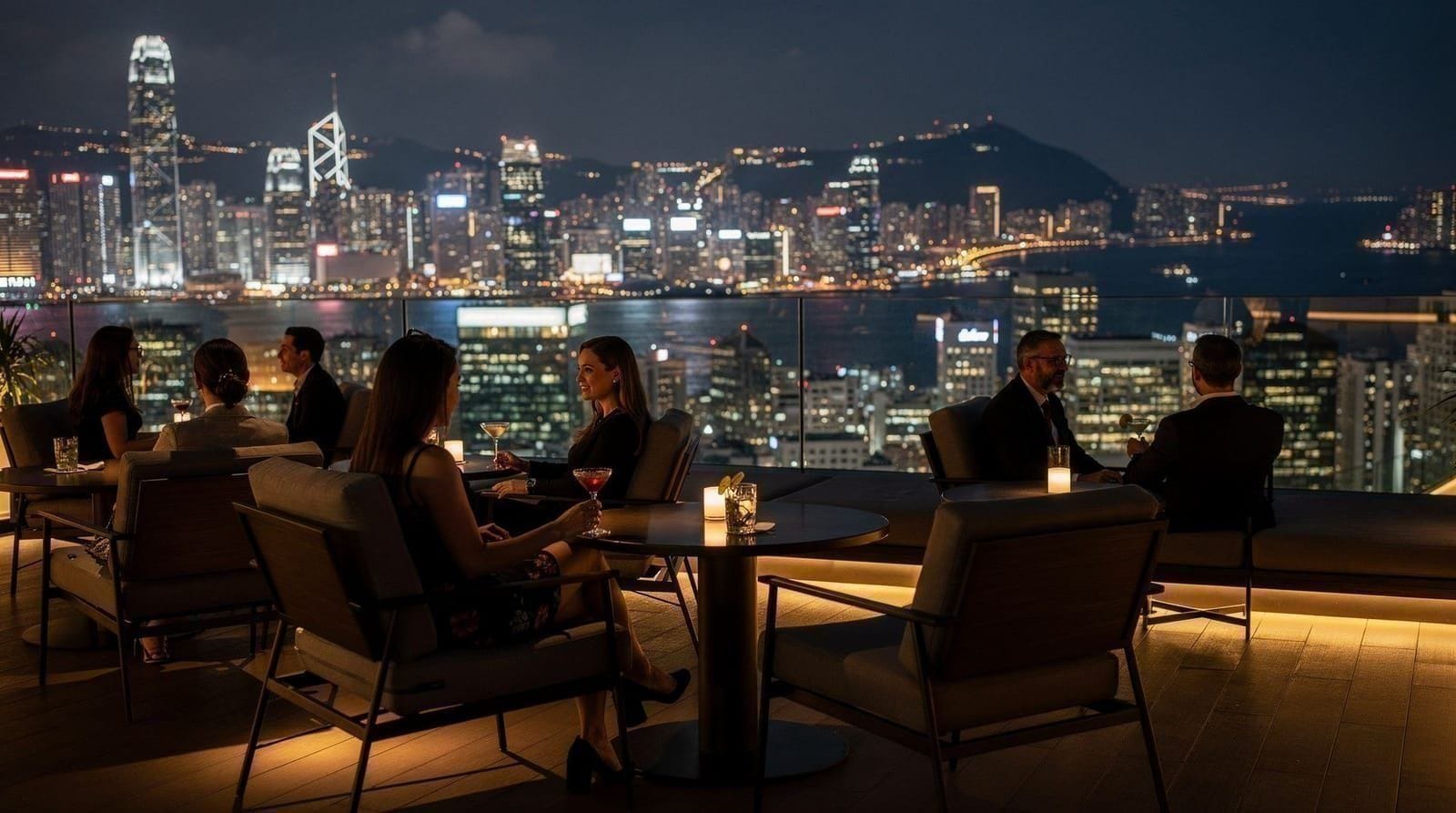
After the show: The waterfront remains pleasant after 20:10. The buildings stay lit. The promenade cafes and bars fill up. The rooftop bars guide covers options in TST and Wan Chai for continuing the evening.
Frequently asked questions about the Symphony of Lights
Is the Symphony of Lights free?
Yes, completely free. No tickets, no registration. Walk to the Tsim Sha Tsui waterfront promenade, find a spot, watch. The harbour cruise versions are paid (HKD 250–550 per person).
What time does the Symphony of Lights start?
8pm (20:00) sharp, every night. It runs for exactly 10 minutes. There is only one show per evening — no repeat performance.
Does rain affect the Symphony of Lights?
No. The show runs in rain and humidity. The light elements (LED building lighting) are unaffected. Lasers are visible in light rain; heavy rain and cloud can reduce laser visibility. The show is cancelled only if Typhoon Signal No. 3 or higher, or a Red or Black rainstorm warning, is issued at 15:00 or later.
Can I watch the Symphony of Lights from inside a restaurant?
Some restaurants in the TST and Wan Chai waterfront have harbour views and schedule window tables for the 8pm show. These typically require a dinner reservation and charge full restaurant prices. The exterior waterfront viewing is better unless you specifically want a seated dining experience.
Is the Symphony of Lights better in winter or summer?
Winter (October–February) gives clearer air and better laser visibility. Summer (June–September) adds haze that reduces laser range and clarity. The building lighting is equally good year-round.
The buildings and what they are
Part of the experience of watching the Symphony of Lights becomes richer if you can identify the buildings performing in front of you. From the Tsim Sha Tsui waterfront, the Hong Kong Island skyline from west to east includes:
IFC Two (Two International Finance Centre): The tallest building on Hong Kong Island at 415 metres, 88 floors. The silver tower at the left-centre of the skyline as viewed from TST. Its LED crown is a dominant element in the show.
Bank of China Tower: The angular triangular tower designed by I.M. Pei — one of Hong Kong’s most architecturally distinctive buildings. Its geometric form is immediately recognisable by the triangular bracing visible on the facade.
HSBC Main Building: The exposed aluminium truss structure by Norman Foster (1985). A mid-rise building by surrounding standards, but architecturally significant and visually distinctive. The lighting on the trusses is used during the show.
Central Plaza: In Wan Chai, slightly to the east — a triangular tower with coloured lights at its crown that change colour to indicate the time.
The Hopewell Centre: A cylindrical tower in Wan Chai that has been a distinctive landmark since 1980. Its circular profile stands out against the rectangular towers.
From the Wan Chai and Convention Centre side (looking toward Kowloon), the equivalent dominant building is the ICC Tower at 490 metres — the tallest building in Hong Kong and the location of the Ozone bar at floor 118. The ICC’s LED facade provides the Kowloon component of the light show.
After the show: what to do in the area
From the TST waterfront: The promenade itself remains pleasant after 20:10. Continue east along the Avenue of Stars toward Tsim Sha Tsui East for a quieter walk. The TST East waterfront (between the Cultural Centre and the Science Museum) has the same harbour views with significantly fewer people than the Star Ferry pier area.
Dinner: The blocks immediately behind the TST waterfront (Peking Road, Ashley Road, Granville Road) have a range of restaurants at all price levels. Avoid the tourist restaurants directly facing the harbour promenade. See the best restaurants in Tsim Sha Tsui guide for specific recommendations.
From the Wan Chai side: The Convention Centre area connects to the Star Ferry Wan Chai pier. Cross back to TST on the evening Star Ferry for the post-show harbour crossing, or continue west along the Wan Chai waterfront toward Central.
Night photography: After the formal show ends, the city remains lit. The 20:15–21:30 window is excellent for photography — the buildings are still at full brightness, the crowds from the show have thinned, and the harbour has returned to its standard reflective beauty without the laser activity making long exposures difficult.
The show versus the static night view
A common first-timer observation: the show is impressive but brief, and the static night view of the Hong Kong skyline is in some ways more contemplative and visually sustaining than the 10-minute performance. Both are real experiences.
The permanent night illumination of the Hong Kong skyline — which continues until approximately 23:00, at which point many of the building lights begin to go off floor by floor — is one of the world’s great urban nocturnal views. You do not need the show to be there. Arriving at 21:00, an hour after the show, and walking the TST promenade in the post-show quiet is in some ways the better Hong Kong evening.
For travellers who specifically want to photograph the skyline rather than watch the show, the 21:00–22:30 window after the show crowds have dispersed is the best time. The buildings remain lit; the promenade is emptier; the Star Ferry runs its regular evening crossings.
Combining the Symphony of Lights with other evening activities
Pre-show: The TST waterfront area has restaurants within walking distance of the promenade. Eating dinner at 18:30–19:30, then walking to the waterfront for 19:45 to claim a spot, works well as a combined evening. Budget HKD 80–150 per person for dinner at a local restaurant two or three streets back from the waterfront; see the best restaurants in Tsim Sha Tsui guide for specific options.
During the show: This sounds obvious but worth stating: put the phone down for at least part of the 10 minutes. The instinct to photograph continuously means many visitors do not actually watch the show with full attention. The building sequences, the laser sweeps, and the music together create an experience that is more coherent when watched rather than seen through a viewfinder.
Post-show, for the Star Ferry: The Star Ferry operates normally after the show; a 20:15 or 20:30 departure from TST to Central gives a night-time harbour crossing with the fully lit skyline behind you as you pull away from Kowloon. One of the best post-show uses of the next 20 minutes.
Post-show, for the rooftop bar route: The Aqua bar in TST (floors 29–30) and the higher Ozone at ICC are both accessible after the show. Moving from ground-level watching to an elevated bar position gives a different perspective on the same lit skyline and extends the evening naturally. See the rooftop bars guide.
The history of the Symphony of Lights
The Symphony of Lights was launched in 2004, conceived by the Hong Kong Tourism Board to create a nightly attraction that would draw visitors to the waterfront after dark and encourage longer stays in Hong Kong. The initial show involved fewer buildings; subsequent years added more participants as LED facade technology became cheaper and more building owners agreed to participate.
The Guinness World Record for world’s largest permanent light and sound show was awarded in 2004 at launch and has been maintained since. The current 46-building participation represents the practical ceiling — adding more buildings requires coordination with building management and the installation of LED systems, both of which involve significant cost.
The show’s five-theme structure (Awakening, Energy, Heritage, Partnership, Celebration) reflects an attempt to give the performance a narrative arc rather than being a simple sequence of lights. In practice, most viewers perceive the show as a single coherent spectacle rather than five distinct movements — the music and building transitions create a rising and falling arc that is more emotional than thematic.
The show has been modified several times since 2004 — new music, new building participation patterns, occasional special shows for major events. The current version (as of 2026) is the standard nightly performance that has been running in broadly similar form for several years.
Planning the show into your Hong Kong itinerary
For a 3-day Hong Kong itinerary, the Symphony of Lights fits most naturally on Day 1 evening after arriving — it is the single most efficient way to see the full harbour and understand Hong Kong’s physical geography on your first night. Standing on the TST waterfront watching the light show, you are looking at the entire central Hong Kong Island waterfront and can orient yourself to the city’s layout before beginning to explore it the next day.
For a single-day visit or layover, the show at 20:00 is a natural conclusion to a full day of exploration and works perfectly as a final activity before an evening airport departure — TST to the airport via MTR takes approximately 45–50 minutes, making a 20:10 finish of the show and a 23:00 departure very manageable.
The show happens every night without exception (barring typhoon warnings). Unlike many planned attractions, it requires no booking, no tickets, and no planning beyond arriving before 20:00. This makes it the most reliable anchor point for evening planning in Hong Kong — you always know something significant is happening at 8pm on the Kowloon waterfront.
How the show compares to other Hong Kong night views
Hong Kong has several free or low-cost ways to see the city lit up after dark, and the Symphony of Lights is only one of them. The Victoria Peak circle walk offers a wide, elevated, silent panorama that is arguably more atmospheric but requires the tram or bus fare and 20–30 minutes of ascent. The rooftop bars in TST and Wan Chai give a similarly elevated view with the added cost of a drink minimum. The Symphony of Lights is unique among these for being an actual choreographed performance rather than a static view — the buildings move together on a schedule, which is what makes it worth timing your evening around rather than simply seeing at any hour after dark.
Travelling with kids or limited mobility
The TST waterfront promenade is flat, paved, and stroller-friendly the entire length, which makes the Symphony of Lights one of the easiest evening activities in Hong Kong for families. The main practical challenge is the crowd density right at showtime — hold hands and pick a spot slightly back from the railing if you have young children who might get pressed against it. Children who tire of standing still for 10 minutes can sit on the ground along the promenade; this is common practice and not considered rude.
For visitors with mobility limitations, the promenade has no steps and is accessible directly from the Tsim Sha Tsui MTR station via lifts. A harbour cruise is a reasonable alternative if standing for the duration of the show is difficult — most operators offer seated viewing throughout.
What locals do differently
Hong Kong residents who live or work near the harbour rarely treat the Symphony of Lights as an event to plan an evening around — for many, the more valuable trick is simply being on the water or the waterfront at 8pm incidentally, on a commute or a dinner walk, and catching it as a bonus rather than the main event. If your schedule allows it, replicate this: have dinner at a restaurant with harbour-adjacent seating, or take a Star Ferry crossing that happens to fall around 20:00, rather than treating the show as a dedicated 45-minute outing. It removes the pressure of claiming a railing spot early and tends to produce a more relaxed evening.
Star Ferry Victoria Harbour light show cruiseTop experiences
Bookable activities with verified prices and instant confirmation on GetYourGuide.