First-time visitor's guide to Hong Kong
Hong Kong: Heritage highlights tour with Peak Tram and Star Ferry
What do first-time visitors need to know about Hong Kong?
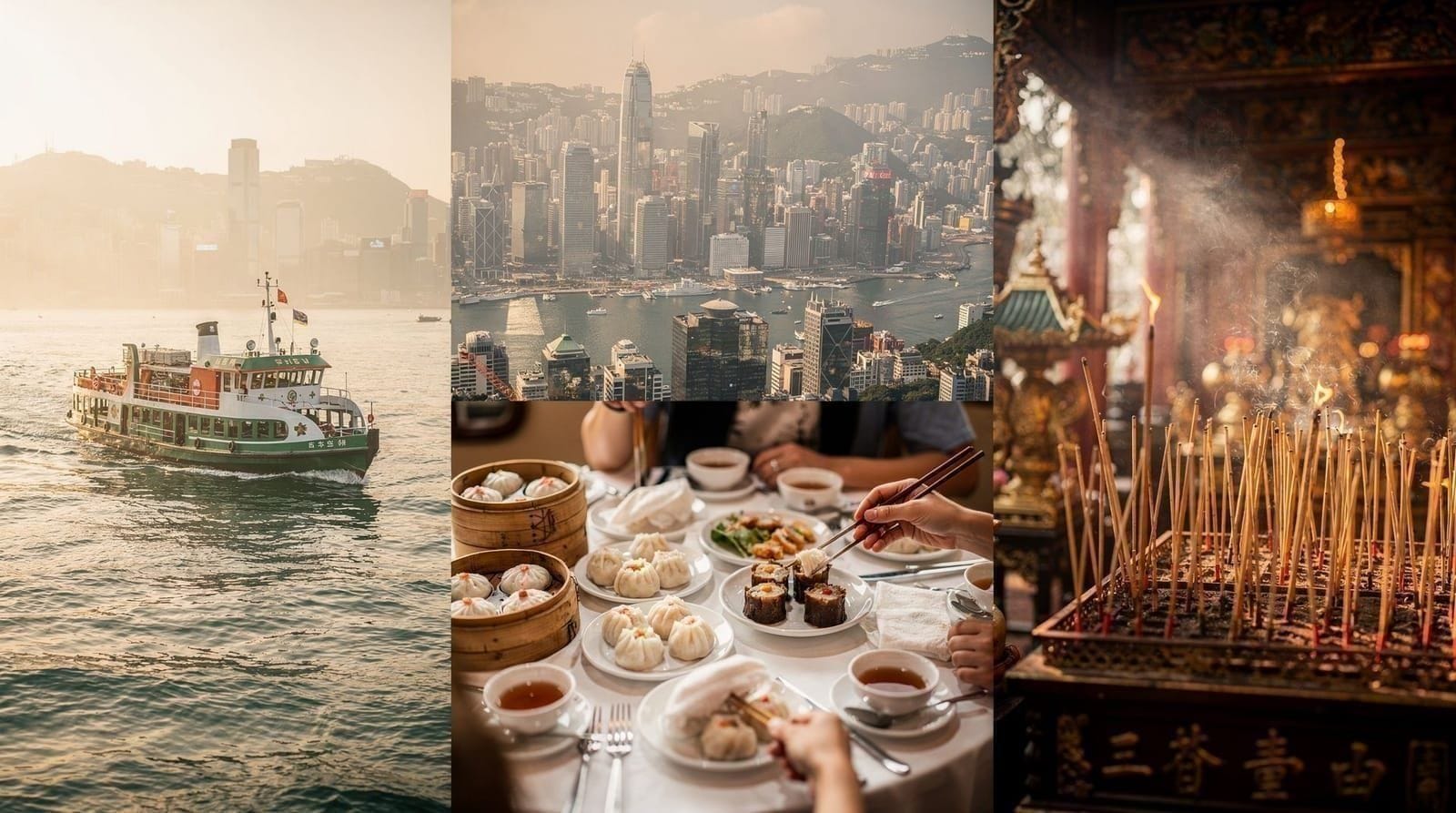
Hong Kong is efficient, safe, and dense. Get an Octopus card at the airport, use the MTR for almost everything, and eat wherever locals are queuing. Most first-timers underestimate how much vertical space the city uses — The Peak, Tsim Sha Tsui waterfront, and the harbour at night are essential, but the best experiences are usually in neighbourhood markets and cha chaan tengs, not tourist restaurants.
| Currency | Hong Kong Dollar (HKD), pegged to USD |
| Getting around | Octopus card + MTR |
| From the airport | Airport Express, 24 min, HKD 120 |
| Visa | 90 days visa-free for most Western passports |
| Best time | October–December |
What kind of city Hong Kong actually is
Hong Kong is one of the world’s most vertical, dense, and operationally efficient cities. It occupies 1,110 square kilometres — smaller than Los Angeles — but hosts 7.5 million people and one of the planet’s busiest ports. The city is stacked: skyscrapers on reclaimed land, hillside villages behind them, then steep green mountains rising immediately behind those. In the space of 20 minutes on the MTR, you can move between a neon-lit electronics market, a colonial-era prison turned arts centre, and a bamboo-shaded temple.
It functions on several parallel layers that most tourists only see one of. The waterfront and peak are the postcard layer. Kowloon’s interior markets and the older housing estates are a different city entirely. The outlying islands — Lamma Island, Cheung Chau — are different again.
This guide focuses on what first-timers actually need to plan a real trip, not a generic highlight reel.
Getting oriented: the geography
Hong Kong is divided into four main areas:
Hong Kong Island — the financial and cultural core. Central, Wan Chai, Causeway Bay, and the southern beaches and Aberdeen are all here. Victoria Peak dominates the skyline.
Kowloon — the peninsula facing Hong Kong Island across Victoria Harbour. Tsim Sha Tsui (TST) is the tourist hub; Mong Kok and Sham Shui Po are the real neighbourhood markets. Kowloon is generally cheaper than Hong Kong Island.
New Territories — the large hinterland north of Kowloon, containing suburban towns, country parks, hiking trails, and Sai Kung’s remarkable coastline.
Lantau Island and outlying islands — home to the Big Buddha at Ngong Ping, Hong Kong Disneyland, the quiet fishing village of Tai O, and many smaller islands. The Star Ferry between TST and Hong Kong Island is both transport and experience — do it at least once.
Your first priority: the Octopus card
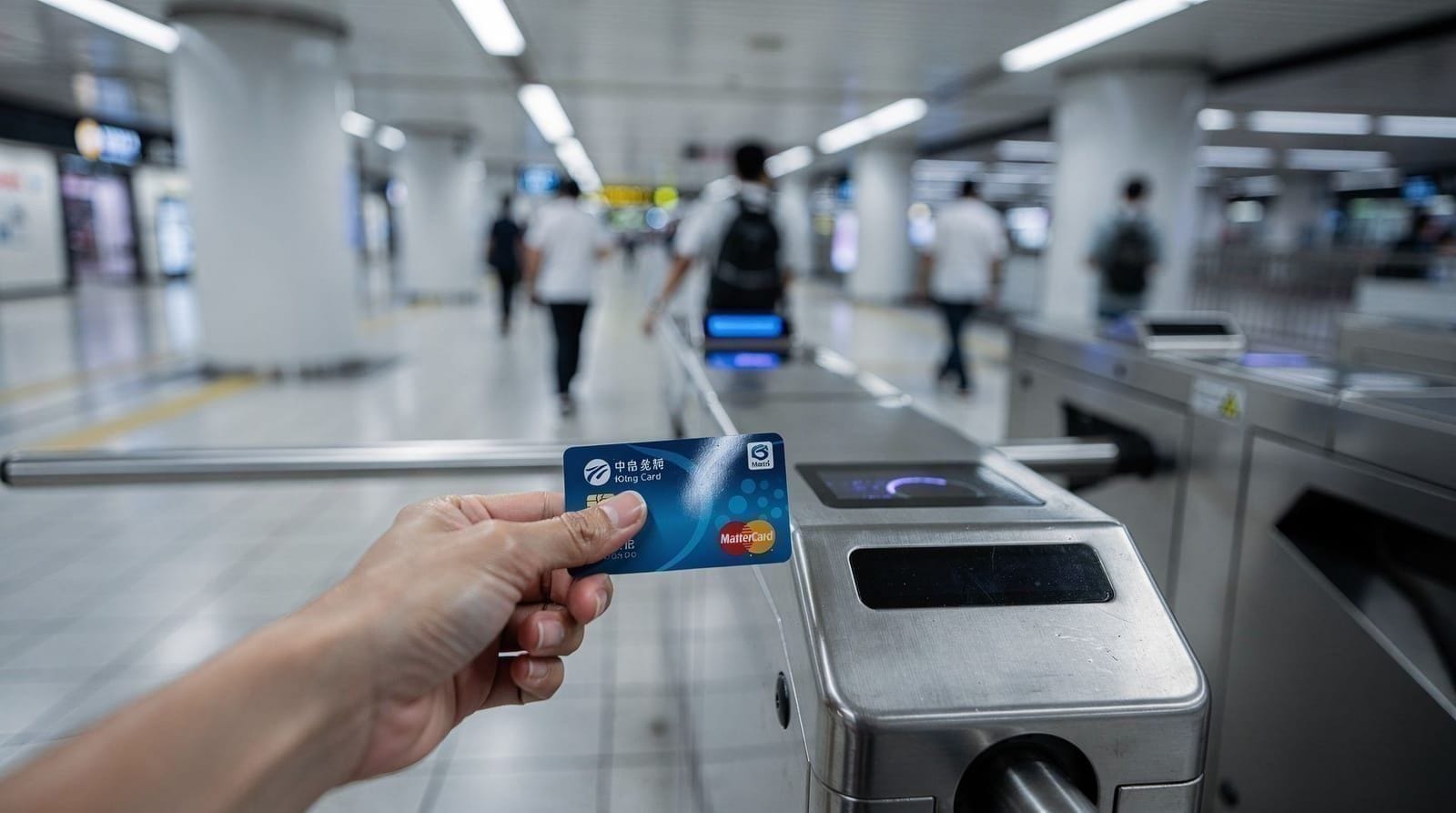
Get an Octopus card before leaving the airport. It costs HKD 200 (HKD 150 stored value + HKD 50 refundable deposit) and you can buy it at the Airport Express counter in the arrivals hall.
The Octopus card works on the MTR subway, buses, trams, Star Ferry, and most mini-buses. It also pays at 7-Eleven, Circle K, McDonald’s, and many restaurants. You tap in and out automatically; fares are deducted without fumbling for change. Read the full Octopus card guide for top-up locations and refund process.
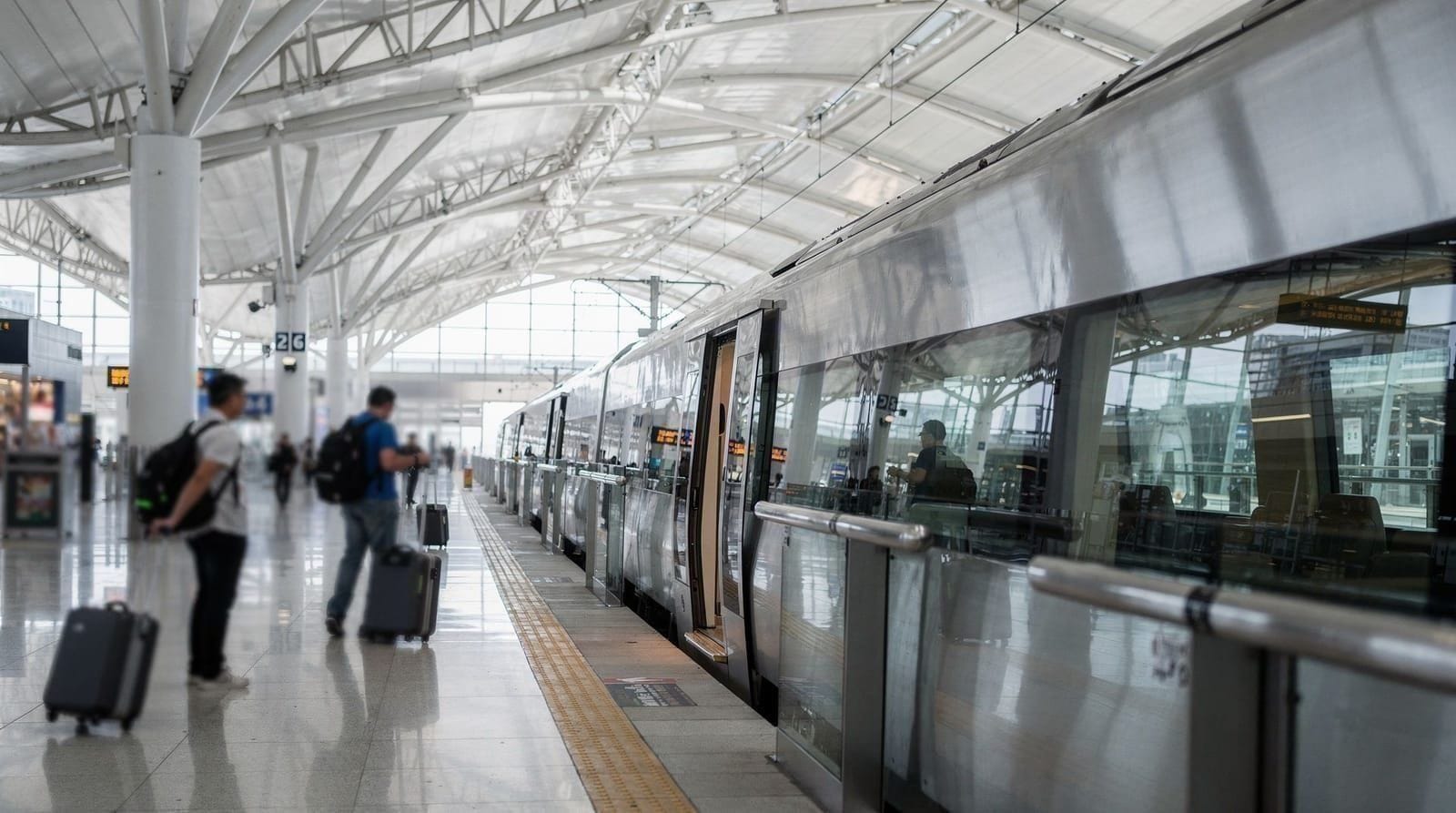
Getting from the airport: the Airport Express takes 24 minutes to Hong Kong Station in Central for HKD 120 with Octopus. Taxis are slower and around three times the price. Never accept a stranger’s offer of a ride outside official taxi queues.
The MTR: how to use it
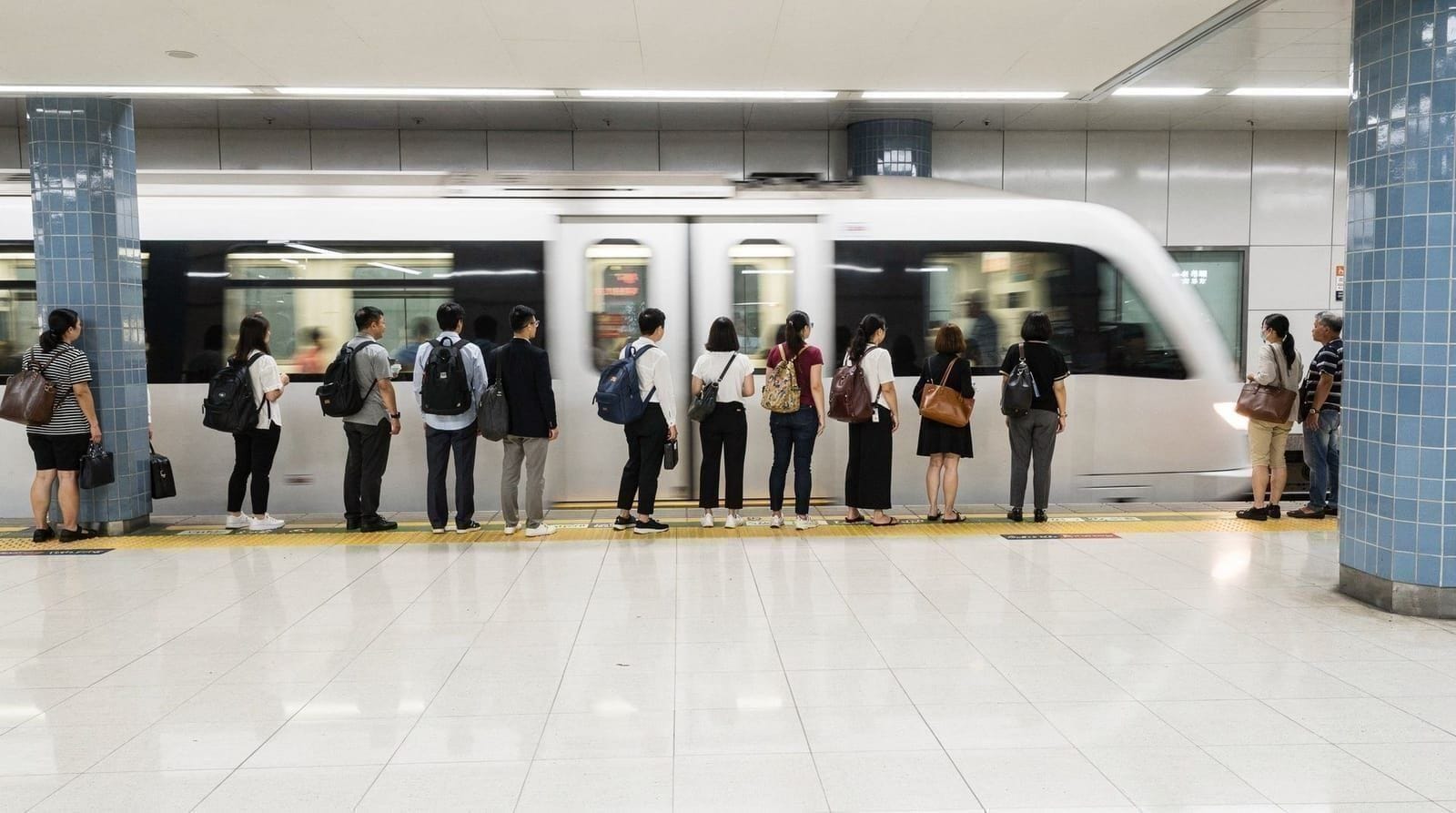
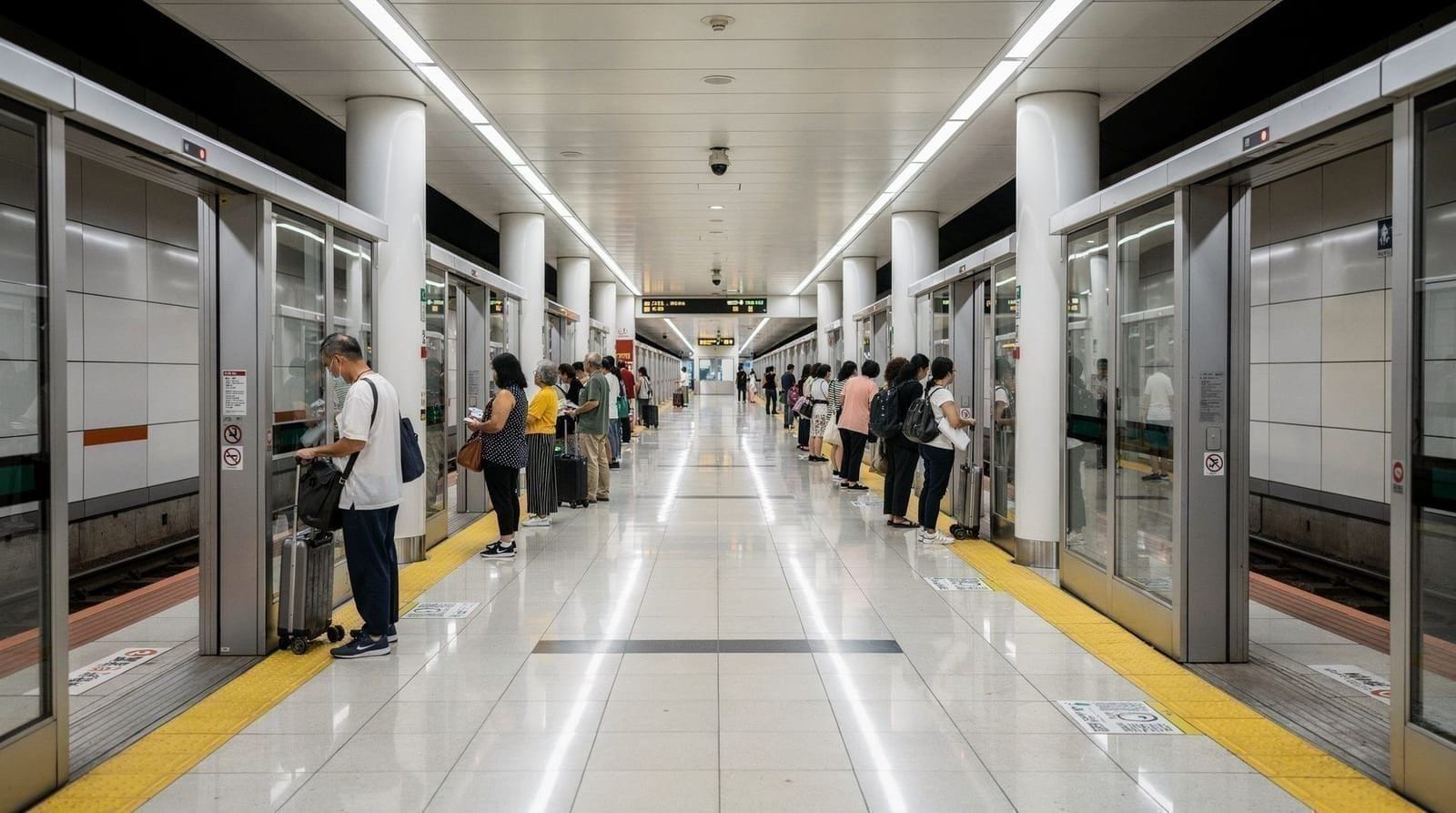
The MTR is the subway network covering virtually all tourist areas. It is fast, air-conditioned, clean, bilingual (English/Chinese), and very reliable. Journey times: Tsim Sha Tsui to Central takes about 8 minutes under the harbour; Central to Causeway Bay takes 6 minutes; Central to the airport takes 24 minutes.
The MTR guide covers all lines and fares. Key points for first-timers:
- Fares start at HKD 4.0; Central to Tsim Sha Tsui is HKD 10.6 with Octopus
- Taxis are necessary after midnight; queue at designated stands, do not hail from the street
- The Star Ferry (HKD 4.0–6.5 one way) crosses between Tsim Sha Tsui and Central/Wan Chai — worth taking at least once
Understanding the neighbourhoods
Central and Sheung Wan — finance, colonial architecture, the Mid-Levels Escalator (the world’s longest covered outdoor escalator), and SOHO bars. Tai Kwun (a former police station turned arts centre) is here and worth an afternoon. See the Central guide.
The Peak — Victoria Peak at 552 metres, with views over the harbour that justify the tourist crowds if you time it right (early morning or clear evening). The Peak Tram is scenic but lines are long without advance booking. The Peak guide covers timing in detail.
Wan Chai and Causeway Bay — shopping, nightlife, local restaurants. Times Square mall, Victoria Park, the typhoon shelter. Less polished than Central, more local.
Tsim Sha Tsui — the tourist strip facing the harbour. Nathan Road, the Hong Kong Museum of History, the waterfront promenade. The view of Hong Kong Island from here at night — especially during the Symphony of Lights show at 8pm — is genuinely spectacular. But the restaurants immediately on the waterfront promenade charge tourist prices; walk two blocks inland.
Mong Kok — dense, local, slightly chaotic. Ladies’ Market, Goldfish Market, Flower Market, Sneaker Street. See the Mong Kok guide.
Sham Shui Po — the most traditionally working-class neighbourhood in Kowloon. Electronics components, fabric markets, very cheap food. Increasingly interesting to visitors who find TST sterile.
Food: where to eat as a first-timer
Hong Kong has one of the world’s greatest food cultures. The correct strategy is to eat where locals eat, not where restaurants face the tourist waterfront.
Dim sum is the signature experience — tea and small dishes ordered from trolleys or a paper checklist, ideally eaten as a loud late-morning brunch with other families. The dim sum guide covers classic dishes, ordering protocol, and specific restaurants. Tim Ho Wan (multiple locations) is the world’s cheapest Michelin-starred restaurant; expect a queue.
Cha chaan teng are Hong Kong-style diners — the cha chaan teng guide explains what to order. Typical meal: milk tea or lemon tea, toast with butter and condensed milk, scrambled eggs on toast, congee. Cost: HKD 40–80 per person. This is local Hong Kong food culture more authentically than most tourist experiences.
Dai pai dong are open-air cooked food stalls, increasingly rare. The Cooked Food Centres in Wan Chai, the one at Temple Street Night Market, and the last surviving outdoor clusters in Central are worth finding. See the dai pai dong guide.
Street food and egg tarts are everywhere. A Portuguese-style egg tart at Tai Cheong Bakery in Central costs HKD 11 and is excellent. Curry fish balls at any street vendor are HKD 15–25.
For restaurants with Michelin recognition at non-Michelin prices, the Michelin cheap eats guide is the most useful starting point.

What actually costs money and what doesn’t
Free: the Symphony of Lights show (every night from the waterfront at 8pm), most temples (Wong Tai Sin has a small donation suggested), hiking trails, tram rides are very cheap (HKD 3.30 flat), the Mid-Levels Escalator, walking markets.
Worth paying for: Peak Tram (HKD 116 return for adults — book ahead to skip the queue), Star Ferry (HKD 4.0–6.5 one way — an absolute bargain for the harbour views), Ngong Ping 360 cable car (HKD 295–365 return depending on cabin type).
Tourist traps to skip: The novelty restaurants charging HKD 200 per person for mediocre dim sum near the TST waterfront. The “antique” shops in Hollywood Road selling items of uncertain age and authenticity. Overpriced hotel breakfasts when cha chaan tengs are HKD 50 two minutes’ walk away.
See the tourist traps guide for a full breakdown.
Money and payments
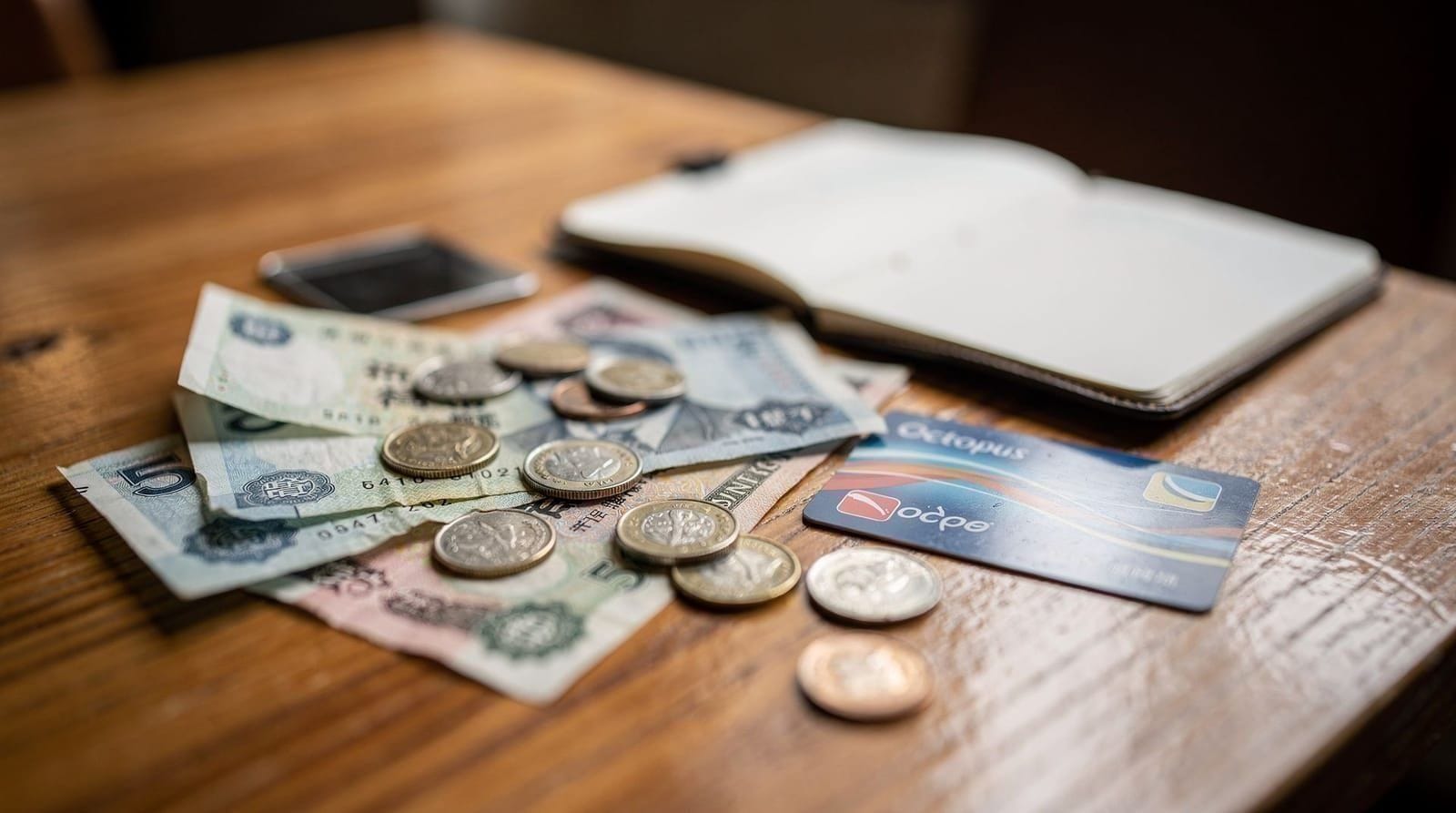
Hong Kong Dollar (HKD) is the only currency accepted at most local businesses — pegged to the US dollar at approximately 7.8:1, which makes conversions easy. ATMs are everywhere and dispense HKD directly; HSBC and Bank of China machines are the most reliable for foreign cards. Credit cards are widely accepted at mid-range and upmarket restaurants, malls, and hotels, but small local eateries, market stalls, and older cha chaan tengs are frequently cash-only — carry HKD 200–400 in small notes at all times, as covered in the food section above. Currency exchange counters near Chungking Mansions and Nathan Road often offer poor rates; an ATM withdrawal is usually cheaper than a currency exchange booth.
Practical basics
Weather and packing: October–December is ideal. March–May also good. June–September means heat (31–35°C), humidity, and possible typhoon disruption. If visiting in typhoon season, check Signal 3/8/10 advisories — a Signal 8 or above means everything closes, transport stops. See the packing guide and the typhoon season guide.
Mobile connectivity: Buy a local SIM at the airport (HKD 60–120 for 8 days unlimited data from China Mobile or CMHK) or use your roaming plan. An eSIM can be organised before arrival. Free Wi-Fi is available at MTR stations and many cafes.
Tipping: Not customary at local dai pai dong or cha chaan tengs. A 10% service charge is standard at mid-range and upmarket restaurants and is usually already included in the bill. Tipping on top is optional. Hotel porters and taxi drivers: rounding up is fine.
Safety and etiquette: See the full safety and etiquette guide. The main practical rule: do not eat or drink on the MTR. The fine is HKD 2,000 and inspectors do enforce it. On escalators, stand on the right, walk on the left.
Weather month by month
| Months | Conditions | Verdict |
|---|---|---|
| Oct–Dec | 20–26°C, low humidity, clear skies | Best window for a first visit |
| Mar–May | Mild but humid, occasional fog on the Peak | Good, pack for haze |
| Jun–Sep | 30–35°C, high humidity, typhoon season | Hot and unpredictable; check typhoon signals daily |
| Jan–Feb | 12–18°C, cooler and drier | Comfortable, plus Chinese New Year in most years |
How many days do you need?
Three days covers the essential sites comfortably. Four to five days allows you to go deeper — add an outlying island, a half-day in Sham Shui Po, a proper hiking trail, and a day trip to Macau. Seven days lets you explore at a slower pace and add Shenzhen or the New Territories. See the how many days guide for specific day-by-day structures.
A realistic 3-day skeleton:
- Day 1: Arrive, Airport Express to hotel, afternoon in TST, Star Ferry across, evening Symphony of Lights from the Tsim Sha Tsui waterfront
- Day 2: Morning dim sum, Mid-Levels Escalator, Tai Kwun, Victoria Peak (afternoon), Wan Chai dinner
- Day 3: Ngong Ping 360 and Big Buddha, or Sai Kung coast, or outlying island — your choice
For structured itinerary options, see the Hong Kong 3-day itinerary and first-timer itinerary.
The honest version
Hong Kong rewards travellers who are willing to walk into non-tourist streets and eat where there are no English menus on display. The city has a tourist surface layer that is fine but somewhat generic, and then an entirely different experience one or two blocks away.
The things that make Hong Kong distinctive — the density, the vertical topography, the food culture, the contrast between colonial architecture and neon-lit market streets — are best encountered slowly and on foot. The view from Victoria Peak is famous for a reason, but the thing you will remember is probably a meal in a cha chaan teng that cost HKD 60, or the Star Ferry at dusk with the skyline behind you.

Frequently asked questions about First-time visitor's guide to Hong Kong
Do I need a visa for Hong Kong?
Is Hong Kong safe for tourists?
What currency does Hong Kong use?
Is English spoken in Hong Kong?
How do I get from the airport to the city?
How much does a trip to Hong Kong cost per day?
What is the Octopus card and do I need one?
When is the best time to visit Hong Kong?
Is Hong Kong expensive compared to other Asian cities?
Can I drink tap water in Hong Kong?
Top experiences
Bookable activities with verified prices and instant confirmation on GetYourGuide.