How many days in Hong Kong do you actually need?
Hong Kong: Heritage highlights tour with Peak Tram and Star Ferry
How many days should I spend in Hong Kong?
Three days covers the core city highlights comfortably — Victoria Peak, Tsim Sha Tsui waterfront, a day trip to Lantau, Mong Kok markets, and proper dim sum. Four to five days adds day trips to Macau, Sai Kung, and the outlying islands. Fewer than two nights means you'll be rushing.
The honest answer by trip length
Most travel articles recommend 4–7 days for Hong Kong. The honest answer is more specific: it depends heavily on what you actually want to do. Hong Kong is one of the most efficient cities in Asia to navigate — the MTR is fast and cheap, the city is compact, and most major sights cluster within a few zones. You can squeeze more into three days here than almost anywhere else.
Book a half-day city highlights tour with Peak Tram and Star FerryHere is a realistic breakdown by trip length.
| Days | Realistic focus | Best paired with |
|---|---|---|
| 2 | Skyline, Peak, one market night | Layover / stopover |
| 3 | Peak, Kowloon, Lantau day trip | First-time visit |
| 4 | Adds Macau or an outlying island | 4-day itinerary |
| 5 | Adds Sai Kung Geopark, a slow morning | 5-day itinerary |
| 7 | Hiking trails, Shenzhen/Guangzhou | 7-day itinerary |
For a quick comparison of what days 1–2 look like hour by hour, see the 1-day itinerary and 2-day itinerary.
2 days: the minimum for a first visit
Two full days (arriving one evening, leaving two evenings later) gives you enough time to form an impression without properly experiencing the city. It works best as an extended layover rather than a dedicated trip.
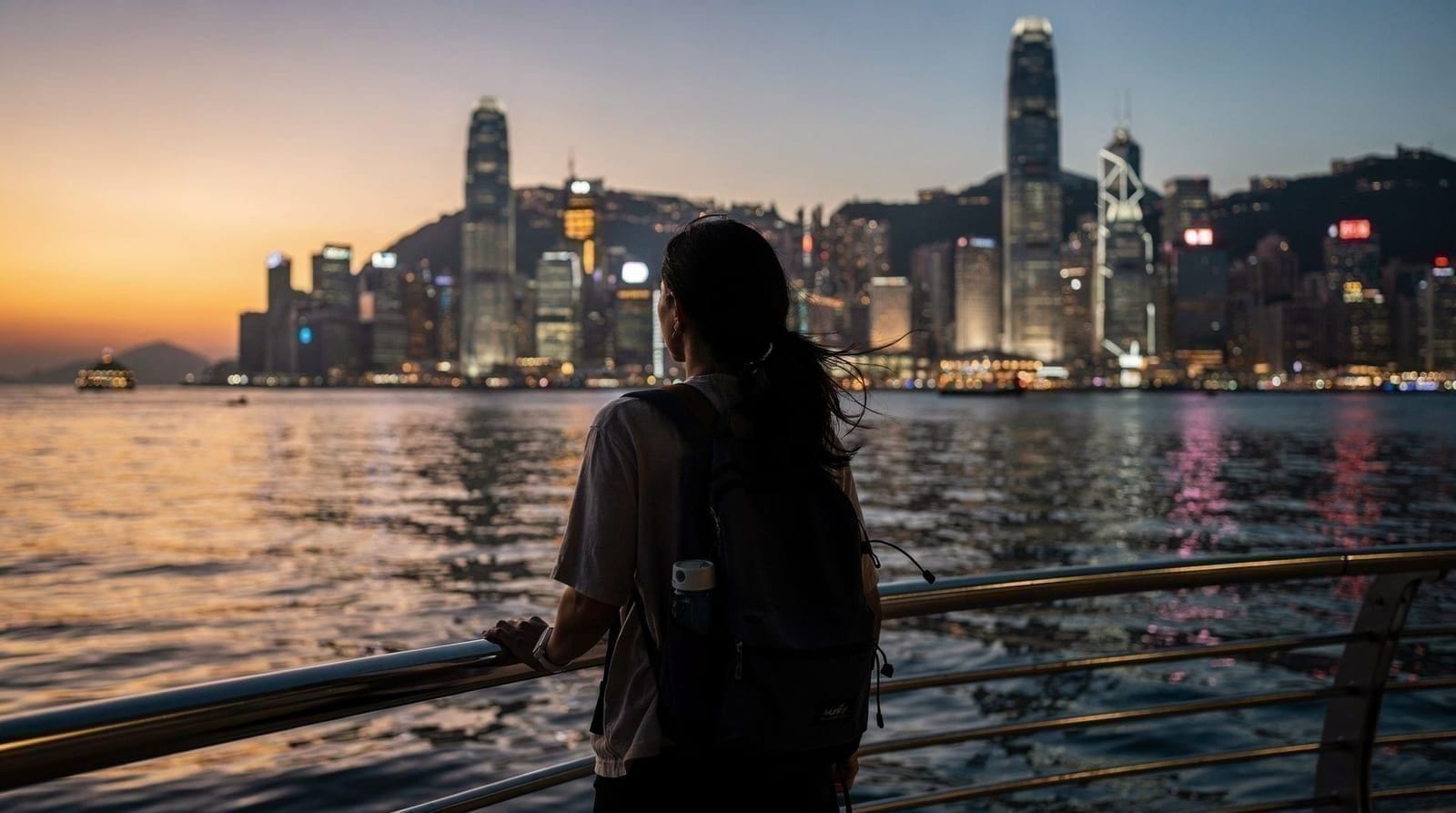
Day 1: Airport Express to the city (24 minutes to Hong Kong station), check in, walk the Tsim Sha Tsui promenade at dusk to see the skyline, Symphony of Lights at 8pm.
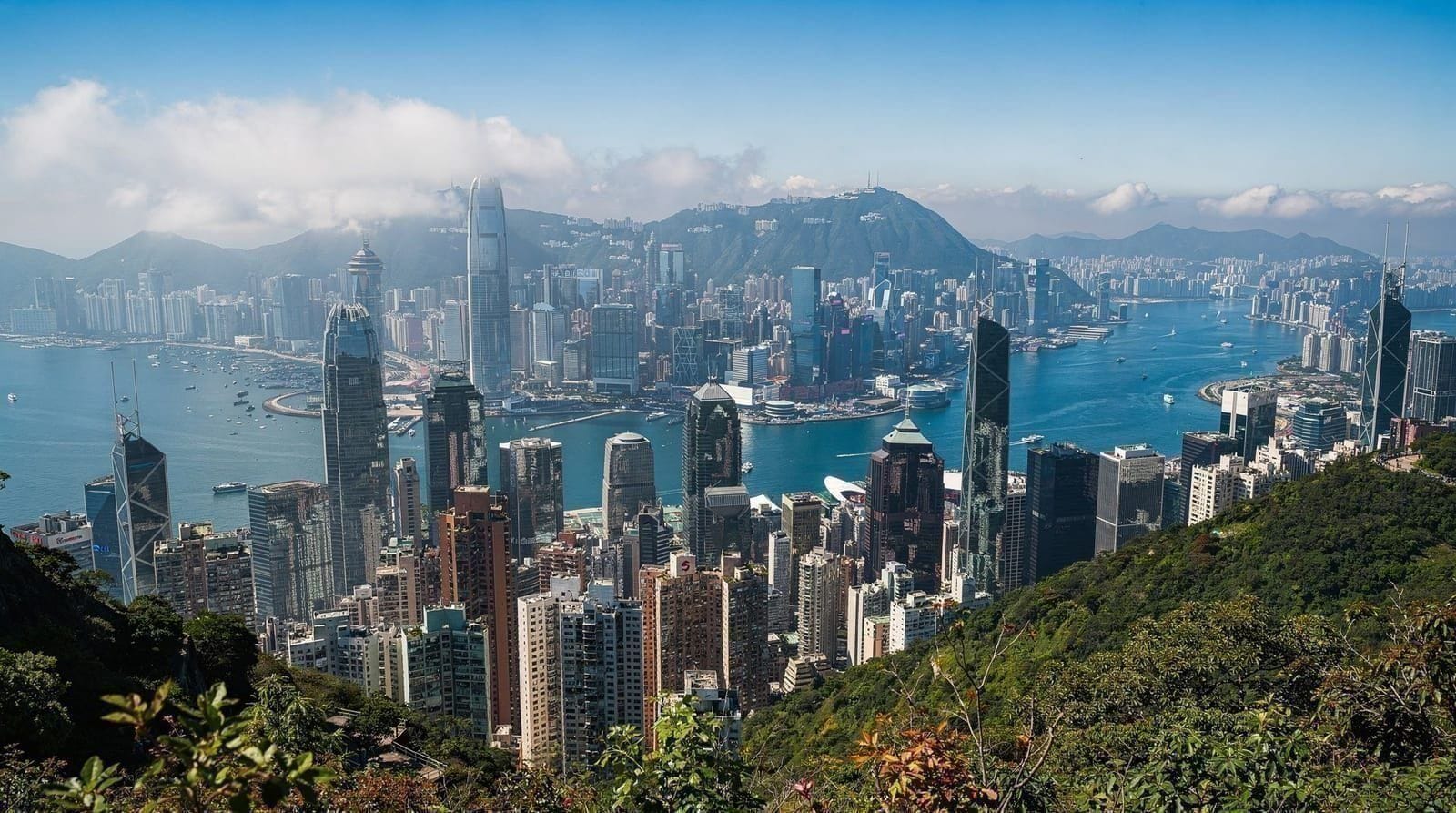
Day 2: Victoria Peak in the morning (arrive before 10am to beat the queue), Star Ferry across the harbour, walk Sheung Wan and Hollywood Road for lunch, evening in Mong Kok’s Ladies’ Market or Temple Street Night Market.
What you miss with 2 days: Lantau and the Big Buddha, any day trip to Macau, the outlying islands, Sai Kung, and any real depth in Kowloon’s residential side.
3 days: the standard recommendation, and it’s correct
Three full days is genuinely the sweet spot for a first trip. You see the headline attractions without being rushed, you have time for a proper dim sum lunch, and you can make a day trip to Lantau.
Day 1: Tsim Sha Tsui — the promenade, Kowloon Park, Museum of History, Temple Street at night.
Day 2: Victoria Peak (morning), Star Ferry, Sheung Wan’s PMQ and Hollywood Road, Central’s mid-levels escalator, Lan Kwai Fong area for dinner.
Day 3: Lantau — take the MTR to Tung Chung, then the Ngong Ping 360 cable car up to the Big Buddha, walk to Tai O fishing village in the afternoon.
The Hong Kong 3-day itinerary covers this in detail. For families with children, the Hong Kong family itinerary rearranges the days around Disneyland or Ocean Park.
4 days: add Macau or the outlying islands
A four-day trip (three nights) allows you to either add Macau as a full day trip, or replace the Lantau day with one of the outlying islands — Lamma or Cheung Chau.
Macau option: Take the TurboJET ferry from Sheung Wan (book the night before, HKD 194–212 each way), spend the day in the historic centre and Cotai, return by 7pm. The Macau day trip guide covers what to do once there.
Islands option: Lamma Island from Central pier takes 25 minutes and rewards you with seafood villages, quiet paths, and no cars. Cheung Chau from Central pier takes 35–60 minutes depending on the ferry and has a real town atmosphere, a bun festival route, and good cycling.
See the Hong Kong 4-day itinerary for full scheduling options.
Book a Macau day tour from Hong Kong with ferry and lunch included5 days: the comfortable option for most travellers
Five days allows you to do both Macau and Lantau as day trips, spend proper time in Sai Kung’s geopark (a genuine highlight many first-timers miss), and have at least one slow morning in a neighbourhood — Sham Shui Po for local markets, or Wan Chai’s street food strip.
What to add on day 4–5:
- Sai Kung: take the MTR to Choi Hung, minibus 1A to Sai Kung town, hire a kaido ferry to the hexagonal rock columns of the UNESCO geopark. Allow a full day.
- Wong Tai Sin Temple + Kowloon City (this combination is local Hong Kong, not tourist Hong Kong).
- A slow morning in Sheung Wan’s antique shops and temple street, followed by a tram ride across Hong Kong Island.
7 days: the extended trip
A week in Hong Kong makes sense if you’re combining it with Shenzhen or Guangzhou (both reachable by high-speed rail in 45–60 minutes from West Kowloon station), or if you want to explore the New Territories walking trails — Pat Sin Leng, Tai Mo Shan, or the Sai Kung peninsula circuit.
The Hong Kong 7-day itinerary covers this with day-by-day detail. Seven days also suits anyone who wants to pace the trip rather than maximise activities — take a morning at Repulse Bay, cycle at Peng Chau, or spend a full afternoon at M+ Museum without checking the time.
What slows most trips down
Underestimating the Star Ferry and Peak Tram queues. The Peak Tram can have 45-minute waits on weekends between 11am and 4pm. Go early (before 10am) or buy a fast-track ticket. See the analysis in is the Peak Tram worth it before you commit.
Over-scheduling Macau. Macau’s historic centre is walkable in 4–5 hours. If you add the Cotai strip casinos and a casino buffet, you need 7–8 hours. Plan travel time: the ferry takes 55–65 minutes each way and ferry terminals are not adjacent to the historic centre.
Missing dim sum timing. Proper dim sum is a morning-to-noon affair. Most yum cha restaurants fill by 10am on weekends and stop serving by 2:30pm. Budget one full morning for this rather than squeezing it into a transit slot.
Not accounting for humidity and hills. Central to the Mid-Levels area involves significant elevation. In summer (June to September), the heat index regularly exceeds 35°C. Allow more rest time than you think you need during typhoon season.
Hop-on hop-off bus with Peak Tram included — useful for day 1 orientationCheck availabilityThe planning frame that works
Rather than asking “how many days,” ask: what do you want to come back from having done?
- Saw the skyline and ate excellent dim sum → 2 days
- Ticked Victoria Peak, Kowloon, and Lantau → 3 days
- Added Macau and a real neighbourhood → 4 days
- Saw Sai Kung and a proper island → 5 days
- Everything above plus hiking trails or cross-border → 7 days
For help assembling the exact days, the Hong Kong itinerary planning guide walks through how to combine zones efficiently. And if budget is a constraint, the Hong Kong budget breakdown sets realistic daily cost expectations before you book.
How trip length changes with the season
Trip length and season interact more than most guides admit. In typhoon season (roughly June to September), build in a spare half-day buffer regardless of trip length — a direct hit can shut down ferries, cable cars, and outdoor plans for a full day. During Chinese New Year, many small restaurants close for several days, which matters more on a tight 2–3 day trip than on a longer one where you can simply shift plans. See best time to visit Hong Kong for the full seasonal breakdown.
Solo, couple, or family — does trip length change?
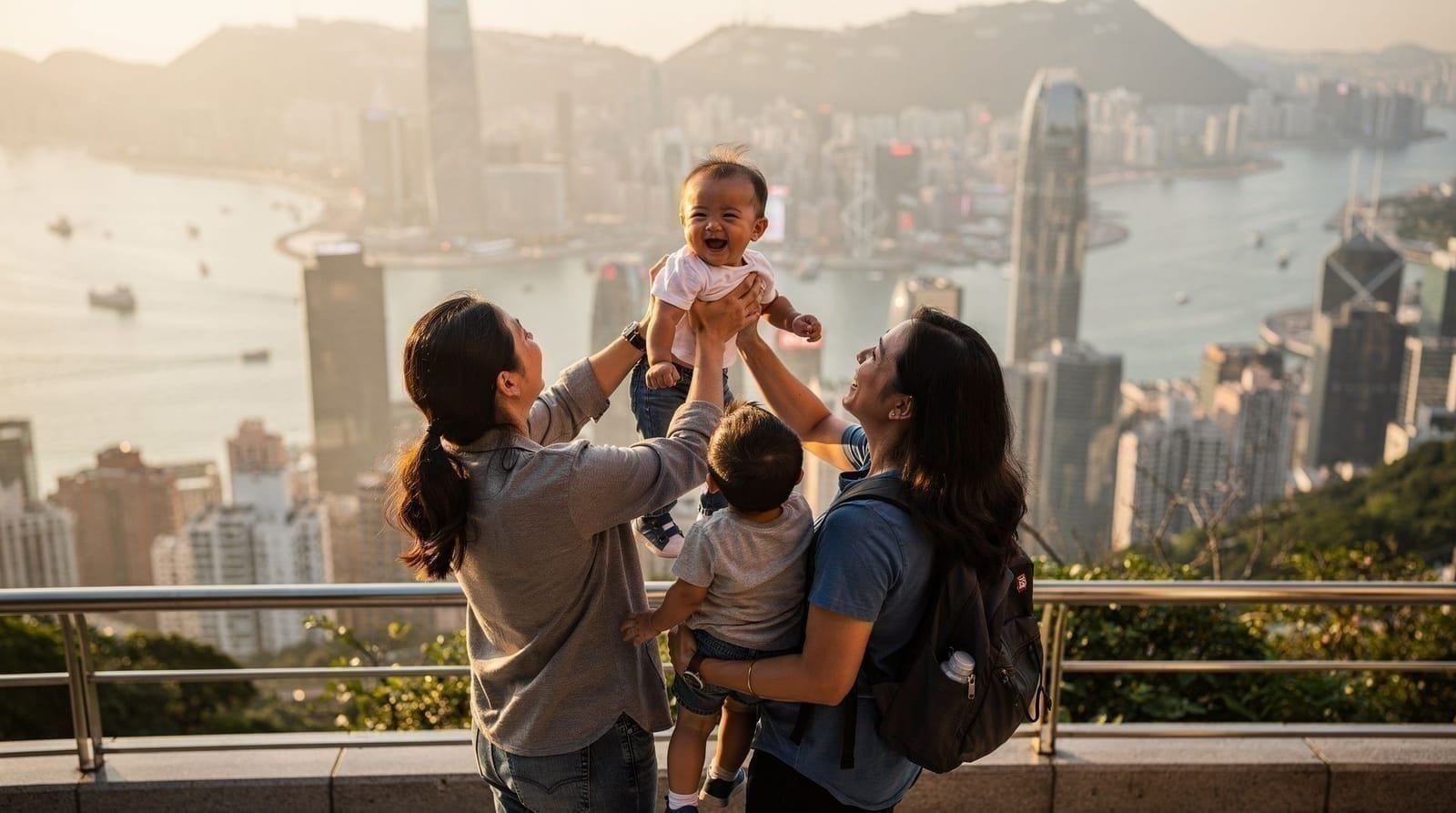
The honest answer is not much, but the daily rhythm does. Solo travellers and couples can move faster and compress a 3-day plan into 2.5 days by skipping full sit-down meals. Families should generally add half a day to every bracket above — the Hong Kong with kids guide explains why theme parks and nap logistics eat more time than they first appear to.
Combining Hong Kong with neighbouring trips
If Hong Kong is one stop on a longer Asia trip, the calculus changes again. A short 2–3 day Hong Kong stop pairs naturally with a longer Macau or Shenzhen leg — see Hong Kong and Macau in 4 days or the Hong Kong and Shenzhen itinerary for pre-built splits rather than trying to improvise the balance on arrival.
Choosing a base for your length of stay
The number of days you have should shape where you sleep. On a short trip, every transfer eats into a schedule that has little slack, so a base with fast MTR access matters more than a bargain rate. Tsim Sha Tsui suits first-timers because the harbour, the Star Ferry and the metro are all close; the Tsim Sha Tsui destination page shows what is on the doorstep. Central and Sheung Wan suit travellers who want a more local, atmospheric feel and quick access to the trams and ferries — compare the two in Central vs Tsim Sha Tsui. For more detail on neighbourhoods and budgets, read where to stay in Hong Kong and where to stay by budget.
On a longer stay you can afford to split your nights: a few in Kowloon, a few on the island side. Moving hotels costs half a day, though, so only do it from five days upward, and only if the second area genuinely gives you something the first does not.
Getting around efficiently when time is short
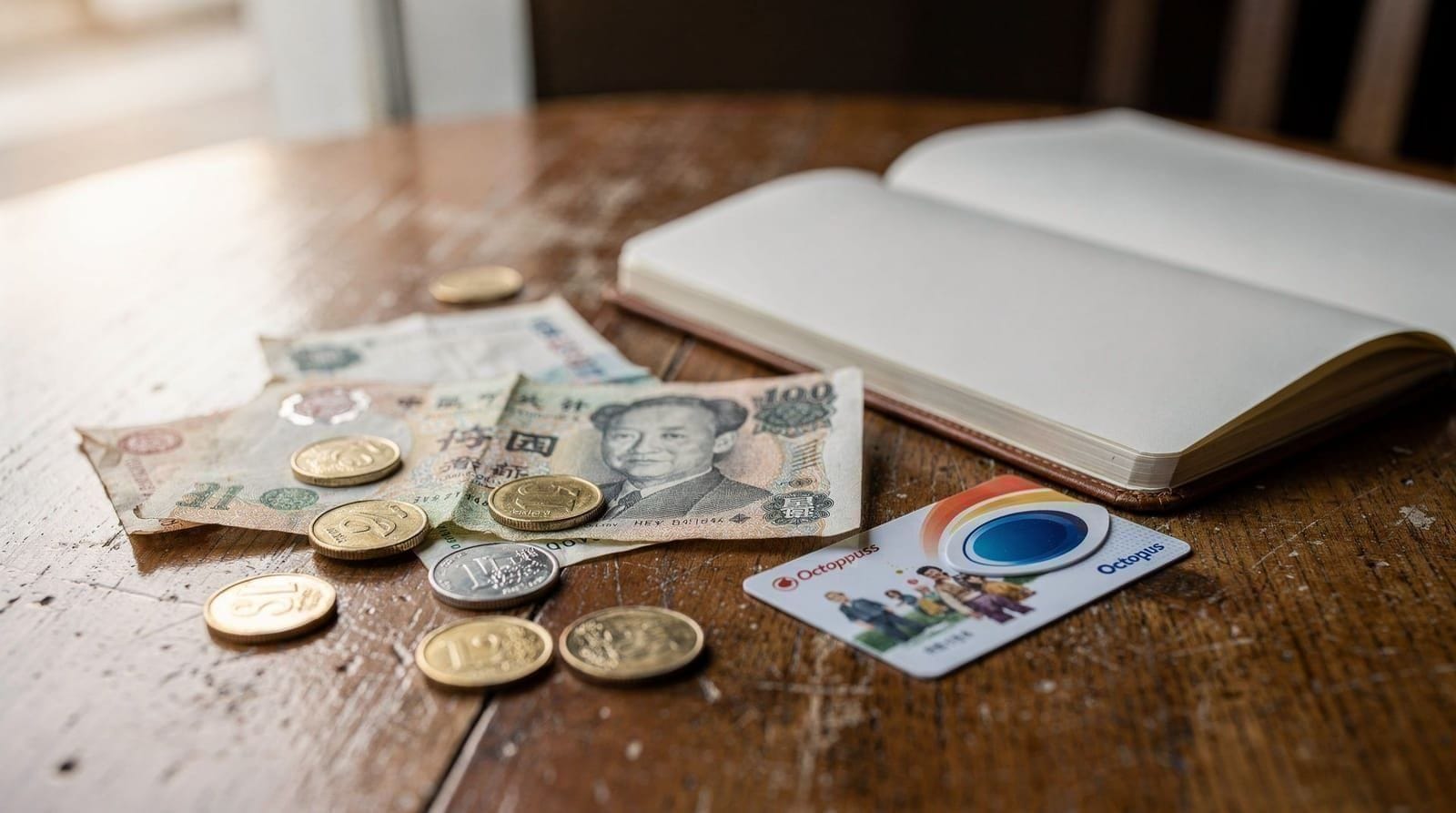
Hong Kong rewards people who learn its transport quickly. The MTR guide explains how to read the network, and the Octopus card guide is worth a few minutes before you land, since a card in your pocket removes friction from every ride, ferry and tram. If you are arriving with a tight schedule, the airport to city guide helps you pick the most direct route to your hotel so that your first evening is not lost to logistics.
The harbour crossing is a sight as much as a commute, so build it in rather than treating it as a detour. The Star Ferry guide and the Star Ferry and trams guide show how to fold a crossing and a tram ride into a day without adding extra planning time.
What to prioritise if you can only choose a few things
Short stays force trade-offs, and it helps to decide them before you arrive rather than in a queue. The top things to do in Hong Kong lists the headline sights, while what to skip in Hong Kong and Hong Kong tourist traps help you drop the ones that cost time without paying it back. If you are still weighing up the whole trip, is Hong Kong worth visiting gives a frank answer, and the first-time Hong Kong guide covers the basics in one place.
Food deserves a place in the plan on any length of trip. Rather than leaving meals to chance, pick one or two that matter most — a proper dim sum morning from the dim sum guide, or an evening grazing through the best street food in Hong Kong — and arrange the day around them. On a three-day trip, a single well-chosen meal does more for your memories than five rushed ones.
Pacing: how full should a day be?
A common mistake is to measure a trip by the number of attractions rather than by how it feels. Hong Kong is dense and hot for much of the year, and even energetic travellers tire after a long day of stairs, queues and crowded trains. A good rhythm is one main anchor per half-day, with a flexible stretch in between for a coffee, a wander or a rest back at the hotel. If you find yourself consulting the clock at every stop, the plan is too full.
Evenings are where Hong Kong shines, so protect them. A late walk along the waterfront, a night market, or drinks with a view — see the rooftop bars guide — are often the moments people remember most. If you would rather plan around a theme, the Hong Kong foodie itinerary and the first-timer itinerary show two very different ways of spending the same days.
When rain or heat changes the plan
Weather is the other thing that quietly rewrites trip length. A wet day does not have to be a lost day: the rainy day itinerary collects indoor options so that a storm costs you an outdoor plan, not an entire day. Keep one flexible day in any trip of four days or more, and swap activities around the forecast rather than following a fixed order. For a trip that includes the hotter months, the Hong Kong in summer guide explains how to pace yourself, and the packing guide covers what to bring so that you are not caught out.
Matching the length to your budget
Every extra day adds to the bill, not only for the hotel but for meals, transport and tickets. Before settling on a length, check the Hong Kong trip cost guide and the budget itinerary; if money is tight, a well-planned shorter stay often beats a longer, thinner one. The Hong Kong on a budget guide shows where savings are easy and where they are not worth the trouble.
Frequently asked questions about How many days in Hong Kong do you actually need?
Is 2 days enough for Hong Kong?
Is 5 days too many for Hong Kong?
What is the best base for a short trip?
Should I include Macau in my Hong Kong trip?
Can I do Hong Kong with kids in 3 days?
What is the best season for a short trip?
Top experiences
Bookable activities with verified prices and instant confirmation on GetYourGuide.