First-timer mistakes in Hong Kong — what not to do
Hong Kong: Victoria Peak Tram & Sky Terrace 428 ticket
What do first-time visitors to Hong Kong get wrong?
The most common mistakes are queuing for the Peak Tram at the wrong time (midday on weekends), booking tourist restaurants in Tsim Sha Tsui's main strip, not getting an Octopus card on arrival, over-scheduling each day, and spending too much time on Hong Kong Island without crossing to Kowloon's local neighbourhoods.
| Mistake | Quick fix |
|---|---|
| No Octopus card at arrival | Load one at the airport MTR desk |
| Airport taxi instead of Airport Express | Take the 24-min train, HKD 120 |
| Peak Tram at midday weekend | Book ahead or go before 10am |
| Eating on the TST tourist strip | Walk 2–3 streets inland |
| Over-scheduling each day | Plan 2–3 major elements per day, not 5–6 |
The mistakes that actually matter
Hong Kong is an easy city to navigate — the MTR is straightforward, English is widely spoken in tourist areas, and most attractions are well-signposted. The mistakes first-timers make are rarely about getting lost. They’re about timing, restaurant choices, and a few logistical oversights that cost time or money. Here’s what to watch for.
If you’re still deciding how long to stay, the how many days guide helps you size the trip before you worry about the details below. And if this is your very first visit, the first-time Hong Kong guide gives the broader picture that this page complements.
Mistake 1: arriving at the airport without an Octopus card plan
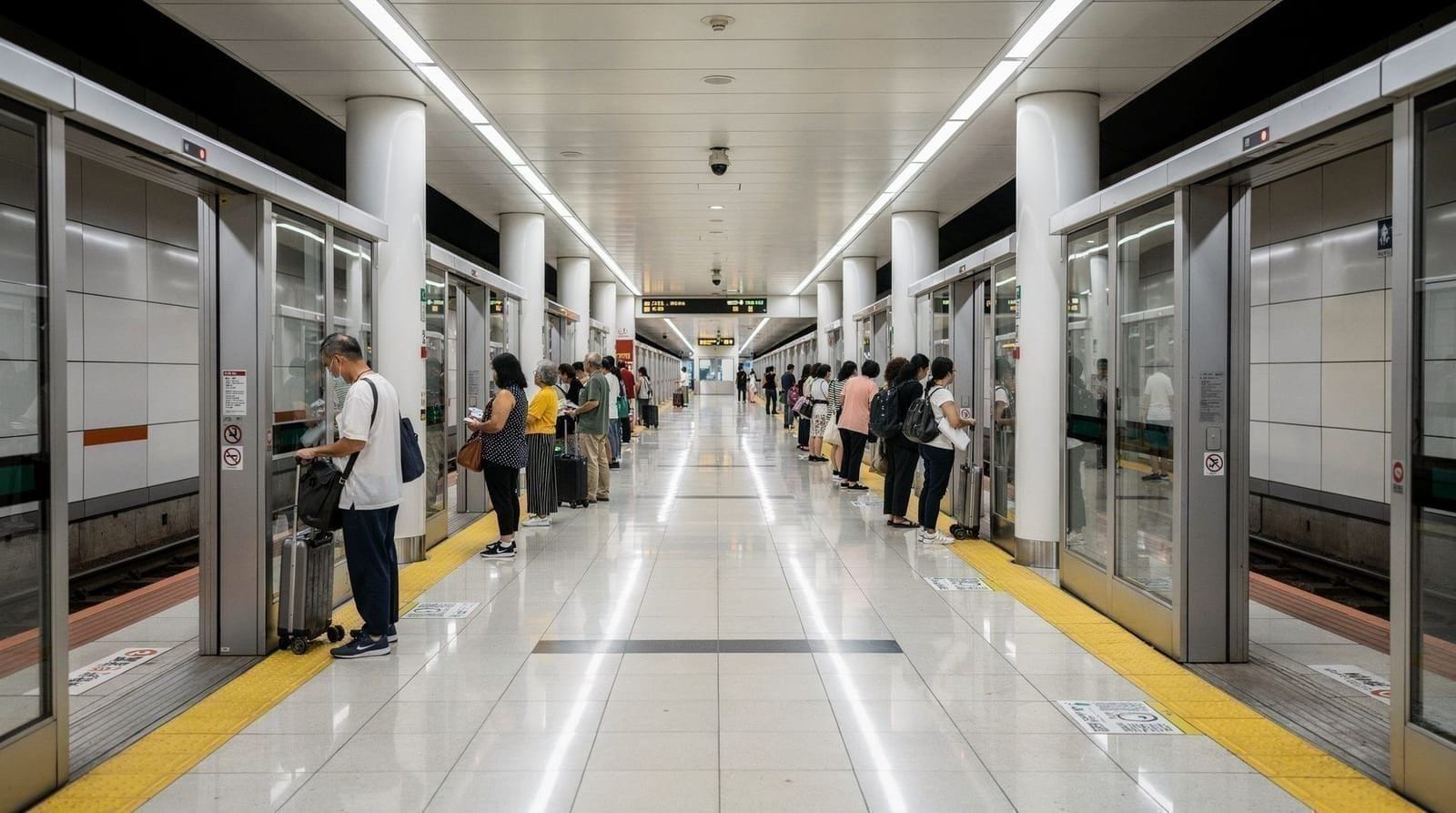
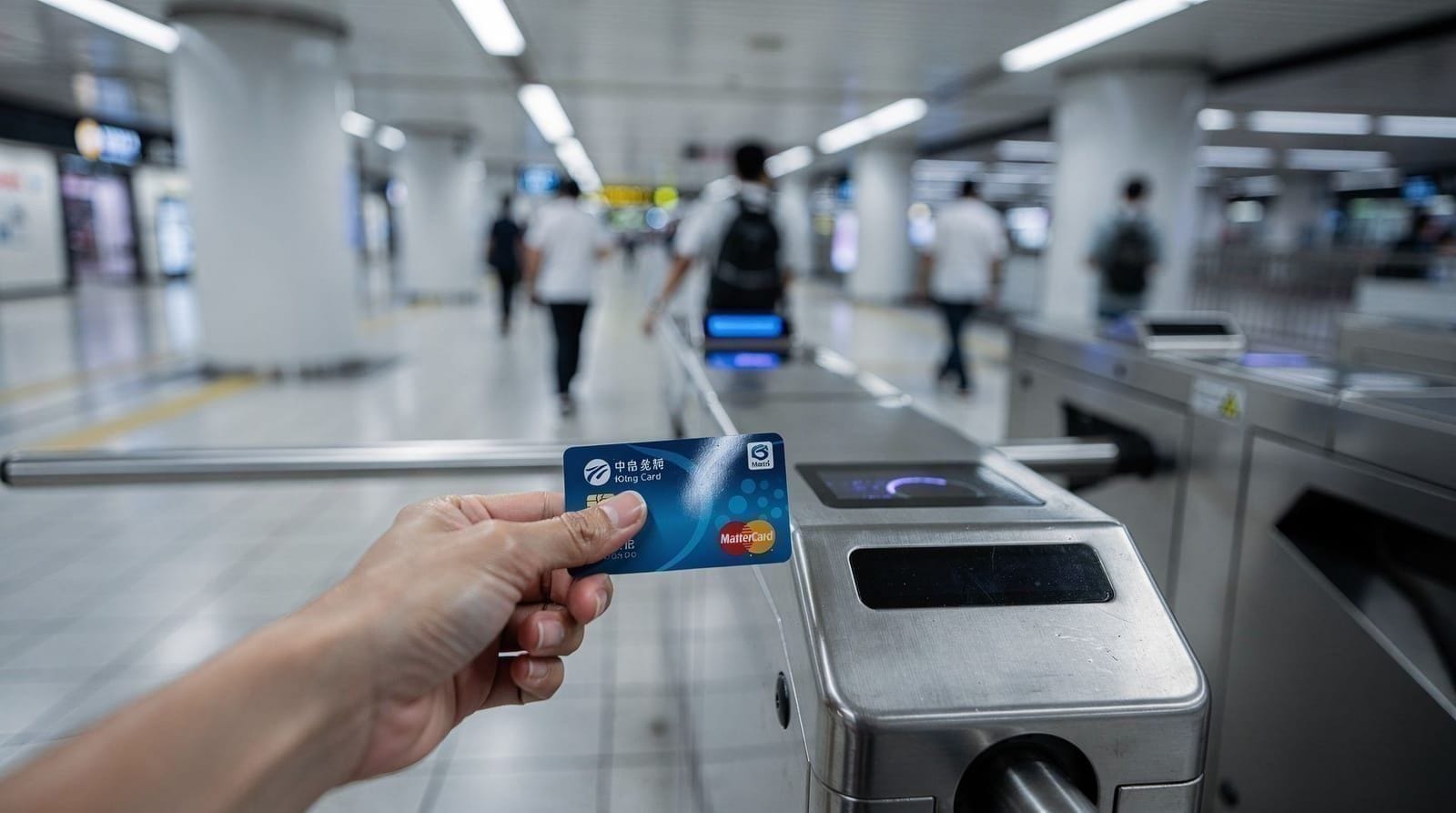
The single most useful thing you can do on arrival in Hong Kong is get your Octopus card loaded before you leave the airport. There are MTR customer service centres in the Arrival Hall at both Terminal 1 and Terminal 2. The card costs HKD 50 (refundable deposit when you return it) and covers the MTR, buses, trams, the Star Ferry, and some convenience store purchases.
Without it, you buy individual MTR tickets at machines for every journey, which takes three times longer at the gates, costs slightly more per journey, and eliminates the Star Ferry and tram options (they use Octopus or cash, not individual MTR tickets).
Load HKD 150–200 on arrival. See the Octopus card guide for how to add value.
Once you have the card, the rest of the system falls into place. The MTR guide explains how lines, exits and interchanges work, and a few minutes with it before your first ride removes most of the hesitation at the gates. Tap in, follow the exit letter for your destination, and you will find that the network is simpler than the map first suggests.
Mistake 2: taking a taxi from the airport
Airport taxis charge a flat rate to the city: roughly HKD 350–400 to Kowloon, HKD 400–470 to Central. The journey takes 30–50 minutes depending on traffic.
The Airport Express train covers the same route in 24 minutes, costs HKD 120, and drops you at Hong Kong or Kowloon station (both have in-town check-in desks for departing passengers). It’s faster, cheaper, and more reliable.
The only reason to take an airport taxi is if you have 5 pieces of luggage and you’re going to a hotel with no MTR access — a rare case. See the airport to city guide for full options.
Taxis are not a mistake once you’re in the city, where they are handy for short hops late at night or with tired children. The Hong Kong taxis guide covers how they work, so the airport run is the only ride you need to rethink.
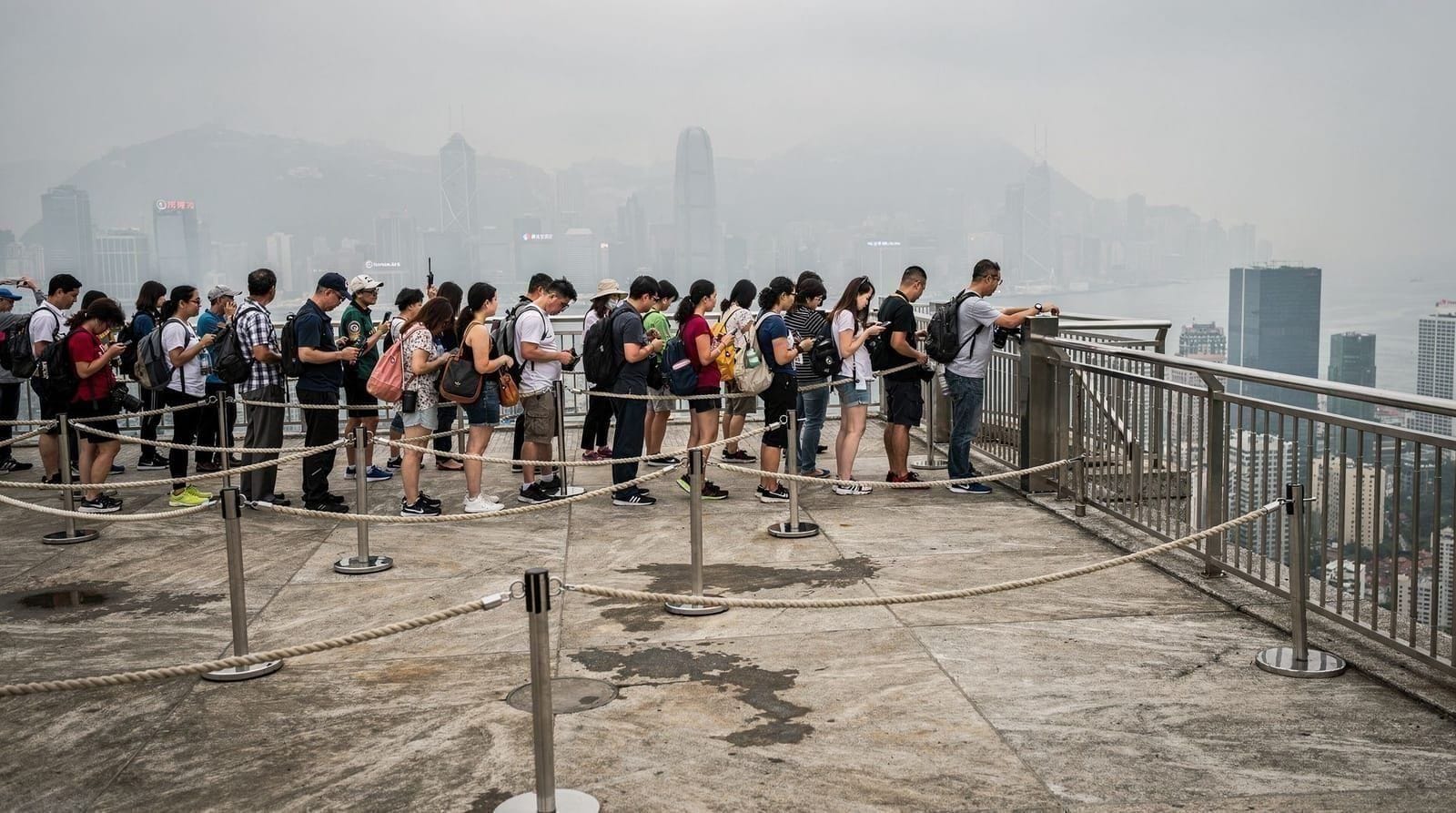
Mistake 3: queuing for the Peak Tram at midday on a weekend
The Peak Tram queue at the Lower Terminus on Garden Road peaks between 11am and 3pm on weekends and public holidays. In good weather during October and November, the wait can exceed 45 minutes — sometimes an hour — even with a fast-track ticket.
Go on a weekday morning (before 10am) or book tickets for early morning on a weekend. The Peak Tram official site and major booking platforms offer timed entry. The fast-track ticket skips the standard queue but puts you in a shorter fast-track queue — it’s not instant.
The Victoria Peak guide covers alternatives including the bus (on the 15C from Exchange Square, same views, no queue) and the Lion’s Pavilion free viewing terrace. Also see the Peak Tram vs bus guide for a direct comparison.
If you’re unsure the tram is worth your time at all, the Peak Tram review gives an honest answer, and the Peak Tram guide explains how the ride and the terminals work. Many visitors are happier once they treat the Peak as one pleasant part of a day rather than the whole point of it. If you do want to ride, reserving a Peak Tram ride combined with the Sky Terrace viewing platform before you travel spares you the ticket-window decision on the day.
Mistake 4: eating on the tourist restaurant strip
Nathan Road and the immediate Tsim Sha Tsui waterfront area have a concentration of restaurants that target the tourist trade — they have photos of food in the window, English menus in multiple languages outside the door, and sometimes touts at the entrance. The food quality rarely justifies the price.
Walk two or three streets back from the main tourist promenade. Kimberley Road, Granville Road, and Ashley Road in Tsim Sha Tsui have local restaurants where the menus are in Chinese with English subtitles and the clientele is largely local. A bowl of wonton noodles costs HKD 45–65. A roast meat rice costs HKD 55–90. A cha chaan teng breakfast runs HKD 40–60.
For the real addresses of what’s worth eating, the Michelin cheap eats guide covers the best-value restaurants across the city.
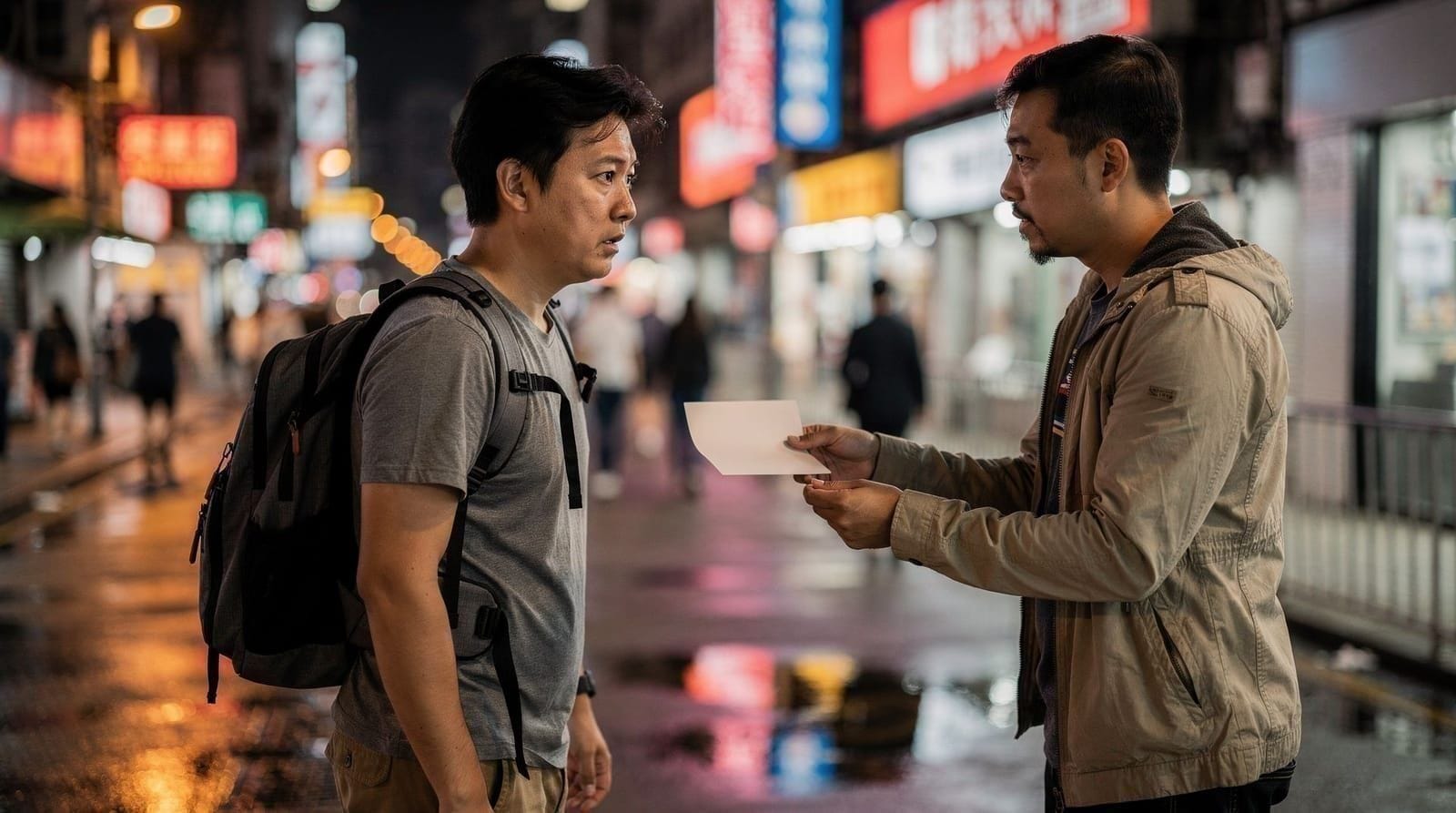
Two more habits help. Look for a cha chaan teng when you want a quick, cheap and very local meal, and keep an evening for street food, where the best stalls are usually the ones with a line of regulars rather than a sign in six languages. For the specific areas, the best restaurants in Tsim Sha Tsui shows where to eat well without leaving the district. A few scams also cluster around tourist dining and shopping, which the scams to avoid guide and the tourist traps guide cover in detail.
Mistake 5: over-scheduling each day
Hong Kong’s density creates an illusion that you can cover six things in one day because they appear close on a map. The reality: the Peak Tram queue takes 45 minutes if badly timed, dim sum is a 90-minute sitting (not a 30-minute snack stop), and getting from Tsim Sha Tsui to Lantau takes 45 minutes each way.
A realistic day’s sightseeing covers two to three major elements, not five or six. The itinerary planning guide gives zone-based frameworks that work without crushing yourself.
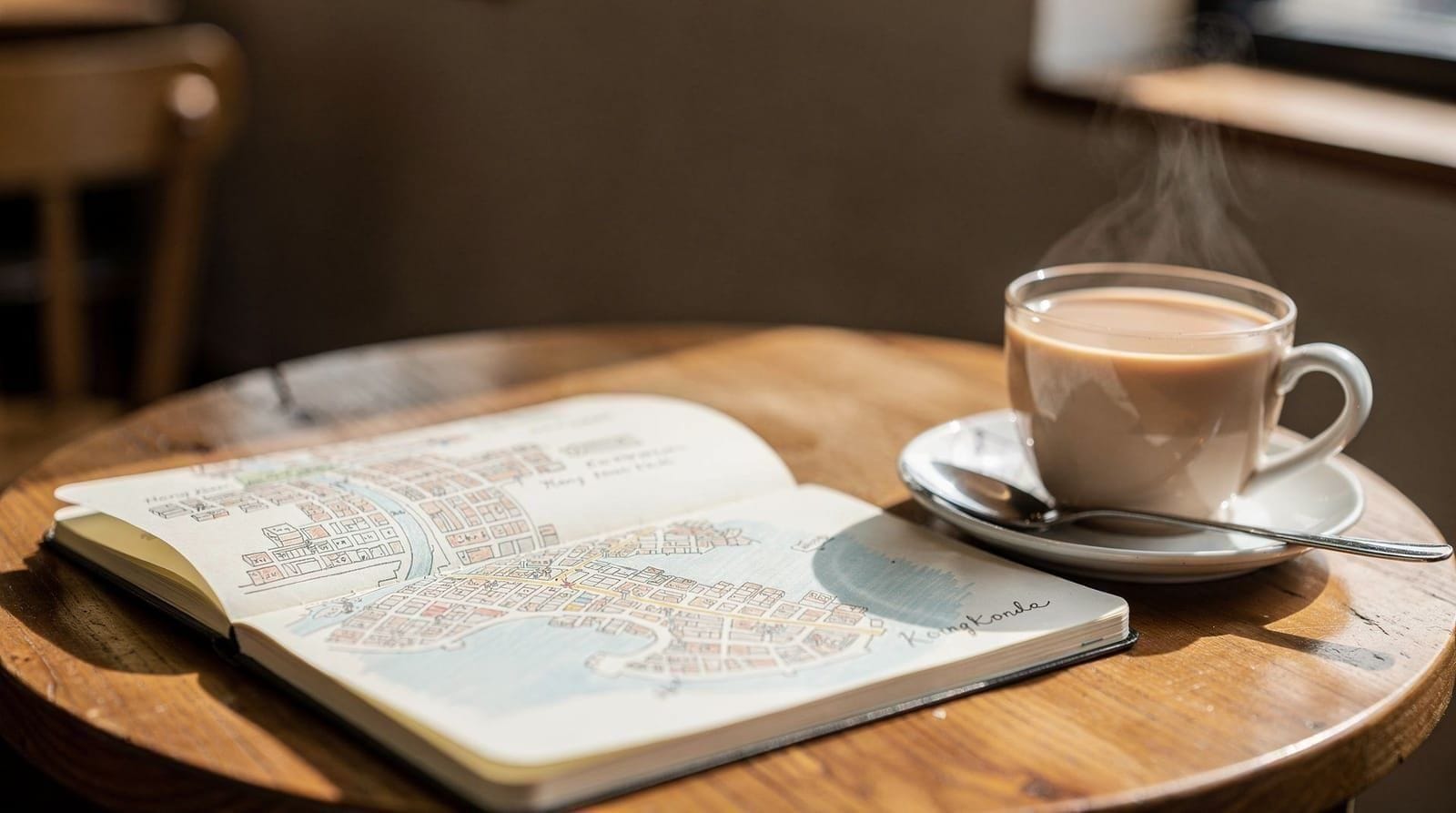
Leave gaps on purpose. A slow coffee, a ferry ride you didn’t plan or a market you wandered into by accident is often what people remember afterwards. If you want a ready-made pace, the first-timer itinerary and the 3-day itinerary are built around exactly this idea, and the top things to do list helps you choose what to drop.
Mistake 6: skipping Kowloon’s residential neighbourhoods
Most first-timers spend the bulk of their time on Hong Kong Island (Central, the Peak, Stanley) and in the Tsim Sha Tsui tourist zone. Mong Kok, Sham Shui Po, and Yau Ma Tei are where Hong Kong’s actual urban texture lives — and they’re 15 minutes by MTR from Tsim Sha Tsui.
Sham Shui Po’s electronics and fabric markets, Mong Kok’s Goldfish Market and Flower Market, and Yau Ma Tei’s dai pai dong alleys are more local, more interesting, and less photographed than most things on the standard tourist circuit. They take half a day, not a full day.
Start with the Mong Kok area guide and the Sham Shui Po area guide if you want a plan for walking them. The Temple Street night market guide fits neatly into an evening nearby, and choosing where to base yourself matters here too: see where to stay in Hong Kong for how location shapes the kind of trip you’ll have.
Mistake 7: not booking ferry tickets to Macau in advance
Macau ferries run frequently throughout the day but sell out on weekends and public holidays, particularly during Golden Week (first week of October), Chinese New Year, and the Macau Grand Prix weekend (November). Book your return ferry the night before at minimum, ideally when you book the outward journey.
The TurboJET and Cotai Water Jet both have online booking. If you miss the last ferry (around midnight, but check the schedule), a night in Macau adds cost. See the getting to Macau guide and the Macau day trip guide. If you’re weighing the sea route against the bridge, the ferry vs bridge comparison lays out the trade-offs, and the Macau first-timer guide helps you decide how much to fit into a single day.
Mistake 8: ignoring the weather forecast for typhoon season visits
If you’re visiting June through September, check the Hong Kong Observatory weather forecast every evening for the next day. A T8 typhoon signal shuts down:
- All ferries (Macau, outlying islands, the harbour ferry)
- The Ngong Ping 360 cable car
- Outdoor markets and many shops
- Some MTR services on elevated above-ground sections
A T8 is not a catastrophic event — you ride it out indoors. But if it falls on your Macau day or your Lantau day, that day is gone. Have an indoor alternative: M+ Museum, the Palace Museum, the Science Museum, or the History Museum.
See the typhoon season guide for the full signal system and what each level means practically.
Mistake 11: not booking activities that sell out
Hong Kong Disneyland caps daily attendance and sells out on peak days; the Ngong Ping 360 cable car’s crystal-floor cabins sell out on weekends; even some Peak Tram time slots sell out in peak season. First-timers who assume they can walk up and buy tickets on arrival occasionally lose a day to sold-out attractions. Book anything time-specific — theme parks, cable cars, popular dim sum restaurants for large groups — a few days ahead at minimum. For Lantau, a Big Buddha outing with a skip-the-line cable car ticket settles the booking in one step.
Mistake 12: assuming a guided orientation tour is unnecessary
Many first-timers try to self-navigate everything from day one, which works fine for confident independent travellers but can waste a first, jet-lagged day on logistics rather than sightseeing. A half-day guided orientation covering the Peak, Star Ferry, and Central gets the geography straight quickly and leaves the rest of the trip for independent exploring.
Food is another good reason to join a guided outing, since a local guide can explain dishes you would otherwise walk past. The Hong Kong food tours guide compares the options, and the best day trips guide is worth a look if you’d like transport and logistics handled on a longer excursion.
Peak Tram, city walk and dim sum day tourMistake 9: missing dim sum timing
Dim sum is a morning-to-early-afternoon meal. The proper yum cha experience runs from 7am to 2:30pm, with peak seating 9am–noon. If you arrive at 2pm on a Saturday, many restaurants have already stopped rolling carts.
Schedule at least one full slow dim sum morning — aim for 9:30–10am arrival at a traditional teahouse. Budget 90 minutes minimum. This is not a quick-breakfast item: it’s a meal event. Learning a little of the table etiquette helps too, so the dim sum ordering etiquette article is a good primer before you sit down. The dim sum guide covers what to order, how the system works, and which restaurants outside the tourist circuit are worth your time.
Mistake 10: expecting the Victoria Peak view on a cloudy day
The Peak is often in cloud, particularly in spring (March–May). On overcast days, you’re inside the cloud at the top — there’s no view. Check whether the Peak is visible from Kowloon before you take the tram. If you can’t see the buildings on Hong Kong Island’s hills from the TST waterfront, the Peak is in cloud.
The free alternative: the Kowloon viewpoint at the Avenue of Stars, looking across the harbour at the illuminated skyline, is excellent in the evening regardless of clouds. The Victoria Peak guide suggests alternatives when the summit is socked in.
Mistakes with money and packing
Two quieter errors catch people out. The first is guessing at costs instead of planning them: the Hong Kong trip cost guide and the budget breakdown help you set a realistic daily figure so you aren’t surprised halfway through. The second is packing for the wrong climate. Hong Kong is humid for much of the year and air-conditioning indoors can be strong, so layers matter; the packing guide covers what to bring. Timing your visit well also removes many problems at the source, which is what the best time to visit guide is for.
What is actually not worth worrying about
Getting mugged or pickpocketed. Hong Kong is extremely safe by any international standard. Normal urban vigilance applies at night markets (don’t flash expensive cameras), but genuinely rare incidents of opportunistic theft make this a low-priority concern.
Language barriers. English is widely used on all public transport, at most hotels, and in tourist areas. Ordering food in local restaurants requires pointing at the menu or using a translation app — this is fine and expected.
Tap water. Drinkable in Hong Kong and consistently quality-tested. Buy a reusable bottle and fill it at the fountains in MTR stations and parks.
Local manners. Visitors often fret about etiquette, but a polite attitude goes a long way. The safety and etiquette guide lists the few customs worth knowing.