Best time to visit Hong Kong — month-by-month honest guide
Hong Kong: Heritage highlights tour with Peak Tram and Star Ferry
When is the best time to visit Hong Kong?
October to early December is the best window — clear skies, low humidity, temperatures of 22–26°C, and no typhoon risk. March to April is a good second choice. Avoid June through September if you want reliable outdoor activities, as typhoon disruptions are frequent and the heat-humidity combination is punishing.
Why timing matters more in Hong Kong than most cities
Hong Kong sits in a subtropical zone with two almost opposite climates: a cool, clear winter and a hot, typhoon-prone summer. The gap between a perfect October day (blue sky, 24°C, zero humidity) and a bad August day (T8 typhoon signal, all ferries cancelled, 90% humidity) is extreme enough to define whether a trip succeeds or fails. This guide gives you the facts by month without softening the trade-offs.
| Best overall | October to early December |
| Cheapest | February (outside CNY) or July |
| Avoid for outdoor plans | June-September (typhoon season) |
| Typhoon risk peak | June-September |
| Book ahead for | October, Christmas week, Chinese New Year |
Month-by-month breakdown
January — cool, overcast, Chinese New Year risk
Temperature: 14–18°C · Humidity: moderate · Rain: low · Crowds: medium
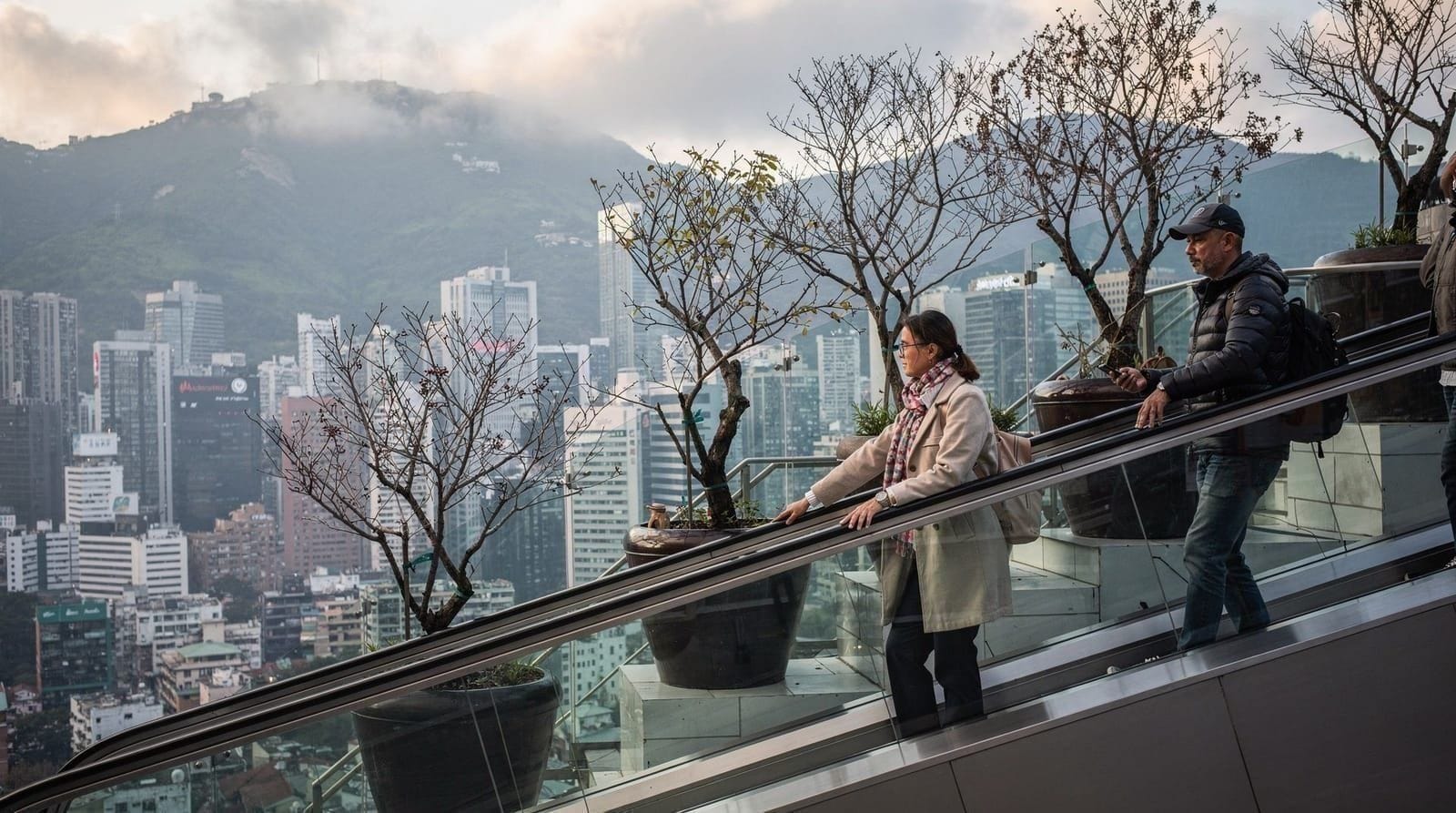
January is Hong Kong’s coolest month. Locals wear jackets; first-time visitors are often surprised by how chilly the mornings are. The sky is frequently grey rather than blue — clear winter views from Victoria Peak are not guaranteed. Chinese New Year falls in January or early February depending on the lunar calendar: it’s a spectacular experience but requires booking accommodation and flights months in advance. Restaurant closures during the first three days of CNY are extensive.
February — quietest hotel prices, festival energy
Temperature: 14–19°C · Humidity: moderate · Rain: low–moderate · Crowds: low (outside CNY)
Outside the Chinese New Year window, February is genuinely quiet. Hotel prices drop to annual lows. The weather is similar to January — cool and often overcast, occasionally foggy. The Lantern Festival marks the end of the lunar new year period and is worth timing a visit around. Street decorations, flower markets at Victoria Park, and firecracker (recorded) displays make this an atmospheric month despite the grey skies.
March — spring arrives, humidity climbing
Temperature: 17–22°C · Humidity: moderate–high · Rain: moderate · Crowds: medium
Spring begins in March. Temperatures become more pleasant, but the humidity starts its climb toward summer levels. Low cloud and mist are common on Hong Kong Island’s hilltops — the Peak is often invisible from Kowloon for multi-day stretches. Check the official dates of the Cheung Chau Bun Festival before planning around it. March is a reasonable choice if you’re flexible about the Peak view.
April — arguably the best shoulder-season month
Temperature: 22–26°C · Humidity: high · Rain: moderate · Crowds: medium
April offers warm but not punishing temperatures, a green landscape from spring rain, and prices below the autumn peak. The downside is continued cloud cover and building humidity. The Easter public holiday (Good Friday + Easter Monday) brings a domestic tourism surge — expect busy ferries to the outlying islands and queue times at major sights. Book a few days ahead for popular restaurants and overnight accommodation.
May — festival month, typhoon season opening
Temperature: 26–30°C · Humidity: very high · Rain: high · Crowds: medium
May brings the Dragon Boat Festival and rising heat. The Stanley beach races and Aberdeen waterway events are genuine spectacles. However, the typhoon season officially opens in May, and by late May the heat-humidity combination starts to feel oppressive. Afternoon thunderstorms are common. May works if the Dragon Boat Festival is specifically your reason for visiting; otherwise, October gives you better conditions.
June–September — typhoon season, high heat, honest caution
Temperature: 29–34°C · Humidity: extreme (85–95%) · Rain: very high · Typhoon risk: significant · Crowds: lower international, higher domestic
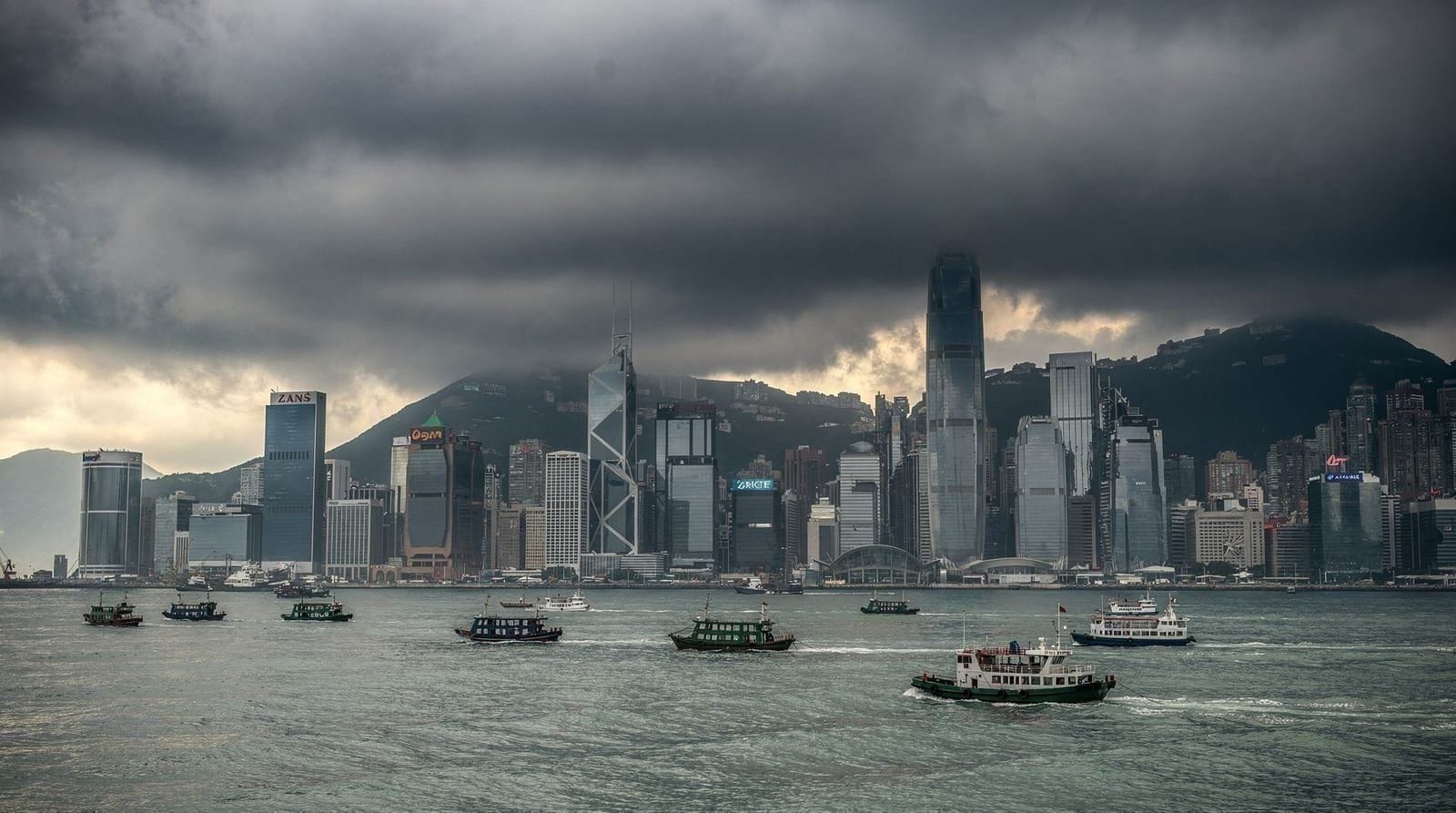
This is the period most travel guides euphemistically call “less ideal.” The honest version: June through September is genuinely difficult for sightseeing. Sustained heat above 32°C with near-saturation humidity makes outdoor walking exhausting. The typhoon season guide details signal levels — a T8 signal, issued when typhoons are close enough to affect Hong Kong, halts ferries (including the Macau routes), closes the Ngong Ping 360 cable car, and effectively ends your day.
Rainstorm warnings operate independently of typhoon signals. A Black Rainstorm Warning means rainfall is above 70mm/hour and shuts schools, delays MTR, and makes street-level walking treacherous. These are not rare events — August and September typically see two to three Black or Red warnings.
Who should still consider summer: visitors specifically interested in local food culture, indoor museum experiences (M+ Museum, Hong Kong Palace Museum), and the Hungry Ghost Festival in late August. Hotel prices are lower, and the city’s indoor air conditioning is aggressive enough that indoor Hong Kong works fine in summer.
October — the consensus best month
Temperature: 24–28°C · Humidity: low–moderate · Rain: low · Typhoon risk: minimal · Crowds: high · Prices: peak
October is when the typhoon season effectively ends and the weather pivots to its best. The air clears, skies turn blue, and temperatures settle in the ideal range for outdoor activity. Victoria Peak delivers its signature panorama reliably. Ferries run on schedule. Hiking trails (Dragon’s Back, Lion Rock, Sai Kung Geopark) are in their best condition.
The trade-off is that everyone knows this. October sees the highest hotel prices of the year and significant international tourism traffic. Book accommodation a month in advance for the best options. The Golden Week holiday (first week of October) brings enormous numbers of mainland Chinese tourists — if crowds bother you, arrive from October 10 onward.
November — arguably better than October
Temperature: 22–26°C · Humidity: low · Rain: low · Crowds: moderate · Prices: high but beginning to ease
November is slightly cooler than October, equally clear, and past the Golden Week surge. Prices begin easing after mid-November. This is an underrated month — you get October’s weather with slightly lower prices and thinner crowds at popular spots. The Christmas decorations start appearing by late November and add a visual layer to Central and Nathan Road that’s genuinely atmospheric.
December — festive atmosphere, Christmas price spike
Temperature: 17–22°C · Humidity: low · Rain: low · Crowds: high in the final week · Prices: high
Early December is excellent. The temperature is crisp, the air is clear, and the Christmas street lighting has begun. Mid-December sits in a sweet spot before prices spike. The Christmas week itself (23–28 December) sees the year’s highest hotel prices, with four and five-star hotels fully booked for the holiday period. If your budget allows, Christmas in Hong Kong is spectacular. If not, early December or mid-November is the smarter timing.
The practical recommendation
For first-timers: Mid-October to mid-November or early December.
For budget travellers: February (outside Chinese New Year) or July (accepting typhoon risk in exchange for the lowest prices of the year).
For festival chasers: Chinese New Year (January/February) for the biggest spectacle, or Dragon Boat Festival (May/June) for the Stanley races.
For hikers: October to March — the trails are clear, temperatures are comfortable, and you avoid heat exhaustion risk.
For families with children: October half-term or the Christmas holidays are logistically easy but require early hotel booking. The Hong Kong with kids guide has seasonal notes for families specifically.
Choosing by trip style, not just by month
Weather is only one input. The right month also depends on what you want your days to look like. A trip built around eating is the most forgiving: the dim sum guide, the cha chaan teng guide and the street food guide all describe experiences that work in nearly any season, because so much of the eating happens indoors or under cover. Dai pai dong stalls and open-air markets are pleasanter in the cooler, drier months, when sitting outside is a pleasure rather than an endurance test.
A trip built around views and photography is the opposite. It depends on clear air, and clear air is what the autumn window delivers. If the skyline, the Peak and the harbour at dusk are why you are coming, the Victoria Peak guide and the Symphony of Lights guide are best read with the autumn weather in mind. Visiting in spring or summer does not rule these out, but it means treating the view as a bonus rather than a promise.
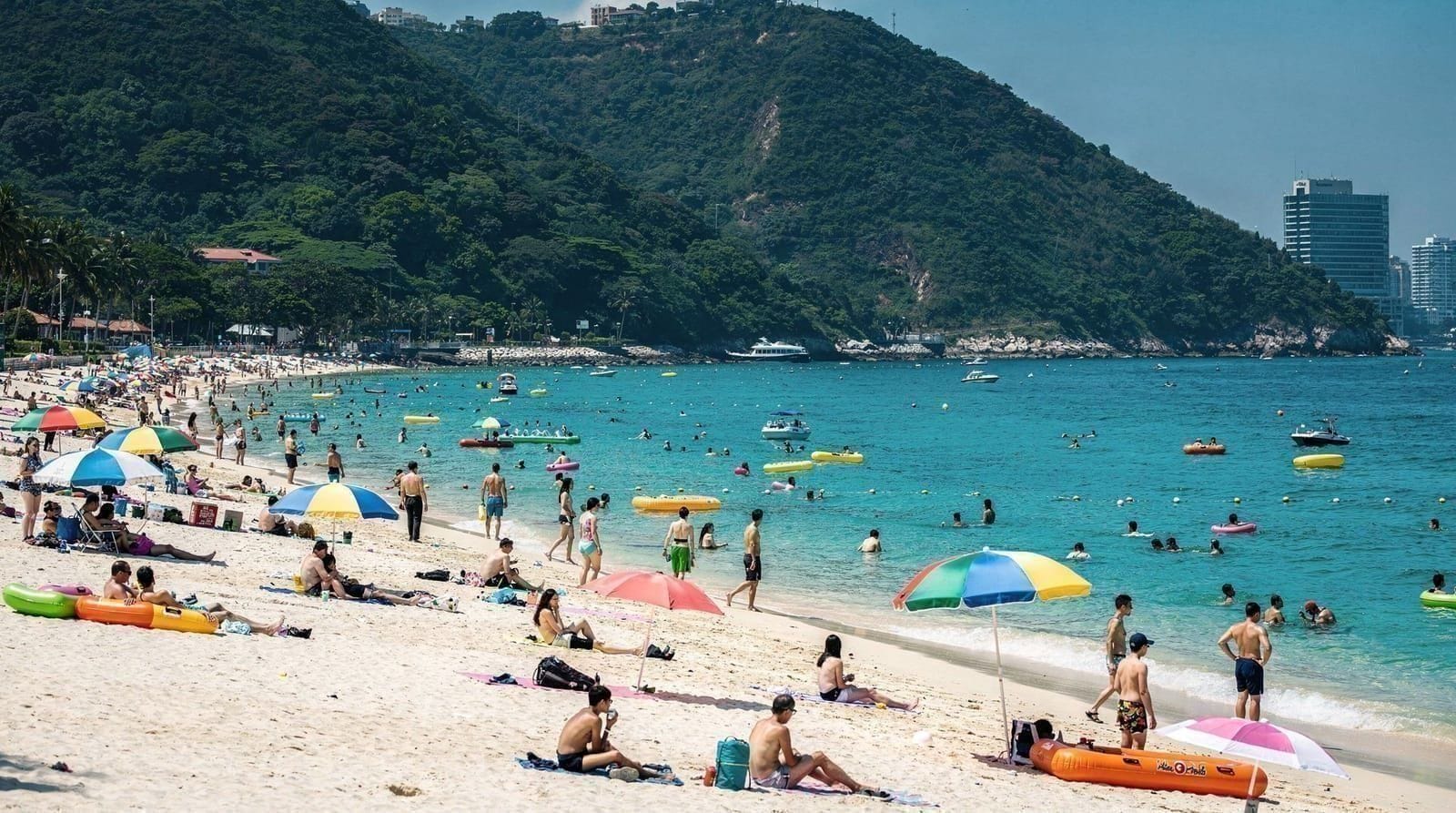
A trip built around the beach or the islands sits somewhere in between. The beaches guide is more useful if you read it alongside the seasonal picture above: warm months are the natural time for swimming, but they are also the months where weather can change a plan at short notice, so keep a day of slack.
How to plan around weather you cannot predict
No month is guaranteed. Even in the best window a grey, damp day can happen, and even in the worst window there are bright, workable days. The practical answer is to plan in a way that survives both.
- Leave one day unassigned. Put your most weather-dependent activity, usually the Peak or a hike, on a flexible day rather than fixing it to a date.
- Pair every outdoor plan with an indoor one nearby. A rainy-day itinerary is worth sketching before you travel, even if you never use it.
- Check the official forecasts each morning. The Hong Kong Observatory publishes warnings and visibility information, and locals rely on it daily.
- Keep bookings flexible where you can. Prefer options with free cancellation or easy rescheduling in the months when disruption is more likely.
If you are visiting during the rainy or stormy months, the rainy season blog post collects practical tips from the ground, and the packing guide explains what to bring for each season so that a sudden downpour is an inconvenience rather than a ruined day.
What affects prices most
School holidays drive Hong Kong tourism harder than weather does. The mainland Golden Week holiday (first week of October and first week of May) and Chinese New Year are the three periods when hotels, planes, and major restaurants are operating at full capacity. The international Christmas school holiday surge is a second tier.
Mid-week visits in October and November cost 20–30% less than weekend stays for the same hotels. If you have flexibility on dates, Tuesday to Thursday arrivals in the autumn window save meaningful money — see the Hong Kong budget breakdown for current price ranges by category.
Matching your itinerary to the season
The time of year should shape what you prioritise, not just when you go. In the October-to-March window, lean into outdoor plans: Dragon’s Back or Lion Rock, the Victoria Peak circuit, and a full day on the outlying islands all reward clear skies and comfortable temperatures.
In the June-to-September window, flip the plan toward indoor and covered activities — the M+ Museum, Hong Kong Palace Museum, the malls of Causeway Bay, and a dedicated food-focused day are all unaffected by heat or rain. Building flexibility into a summer itinerary — a backup indoor plan for any day with an outdoor activity — avoids a typhoon or Black Rainstorm Warning derailing the whole day.
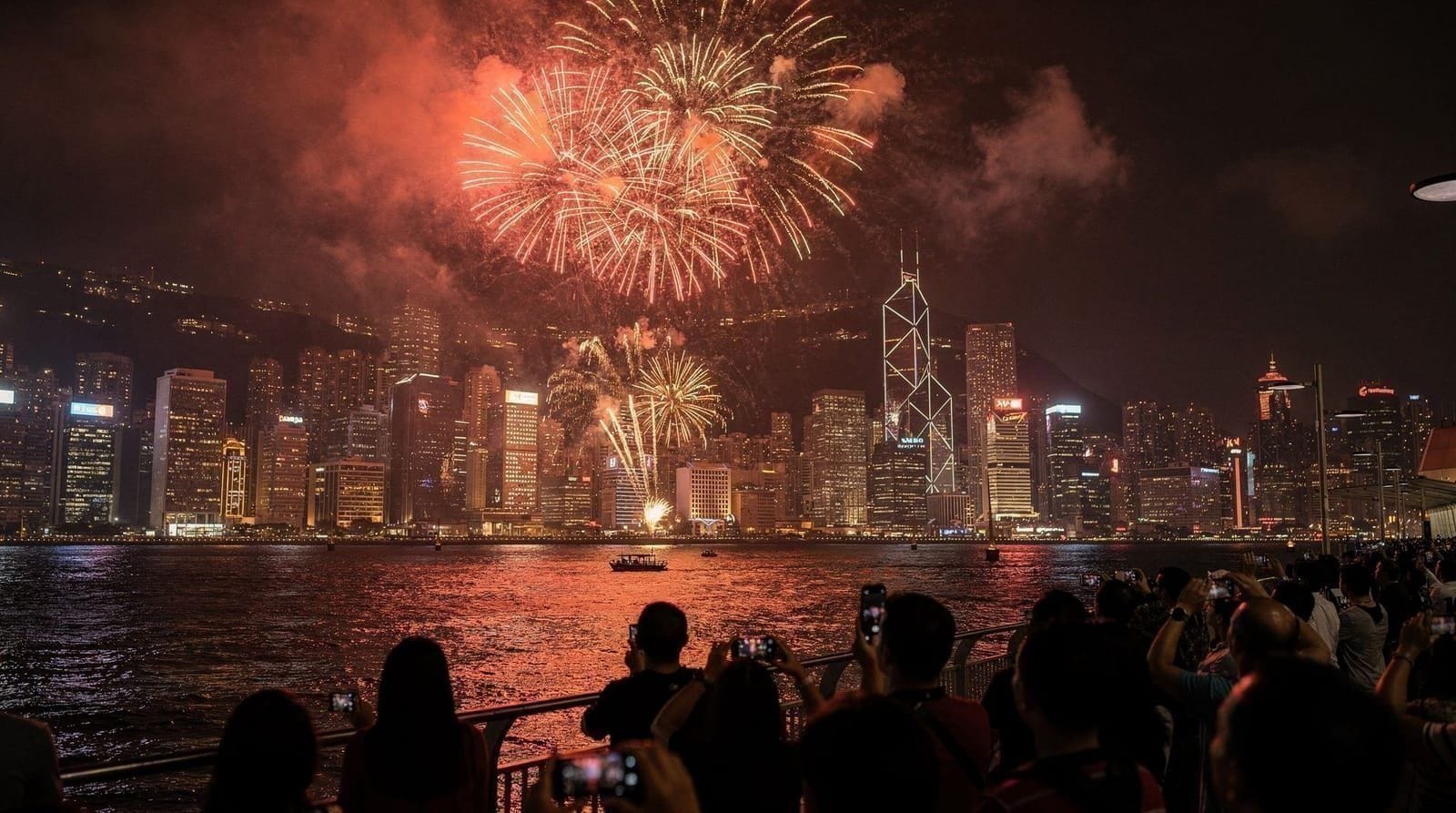
Half-day city highlights tour — Peak Tram and Star FerryFor an evening that works in any season, the Symphony of Lights cruise runs regardless of daytime heat or humidity, since it takes place on the water after sunset when temperatures ease.
Star Ferry Symphony of Lights evening cruiseFitting the season into the length of your stay
The number of days you have changes how much the season matters. On a short stay, such as the one-day or weekend plan, a single bad-weather day can be a large share of the trip, so choosing the clearer months is worth more effort. On a longer stay, such as the five-day or seven-day plan, you have room to shuffle days around and wait out a grey spell, which makes shoulder months and even summer far more workable. If you are unsure how long to stay, the how many days guide helps you decide before you pick dates.
Combining Hong Kong with Macau or Shenzhen adds another weather-sensitive layer, since ferries are among the first services affected when conditions turn. The Macau day trip guide is a good companion if you plan to cross the water, and it is worth leaving some slack around that day in the warmer months.
Whatever the season, start from a sound overview. The first-time guide covers the basics that apply year-round, and the seasonal advice above then tells you when to apply them.
Frequently asked questions about Best time to visit Hong Kong — month-by-month honest
When does typhoon season hit Hong Kong?
Is Hong Kong good to visit in December?
Is January good for Hong Kong?
What is Hong Kong like in summer?
When are hotels cheapest in Hong Kong?
Is spring a good time to visit?
What is the Dragon Boat Festival and when does it happen?
Should I avoid Hong Kong entirely in summer?
What is the best time to see clear views from Victoria Peak?
Top experiences
Bookable activities with verified prices and instant confirmation on GetYourGuide.