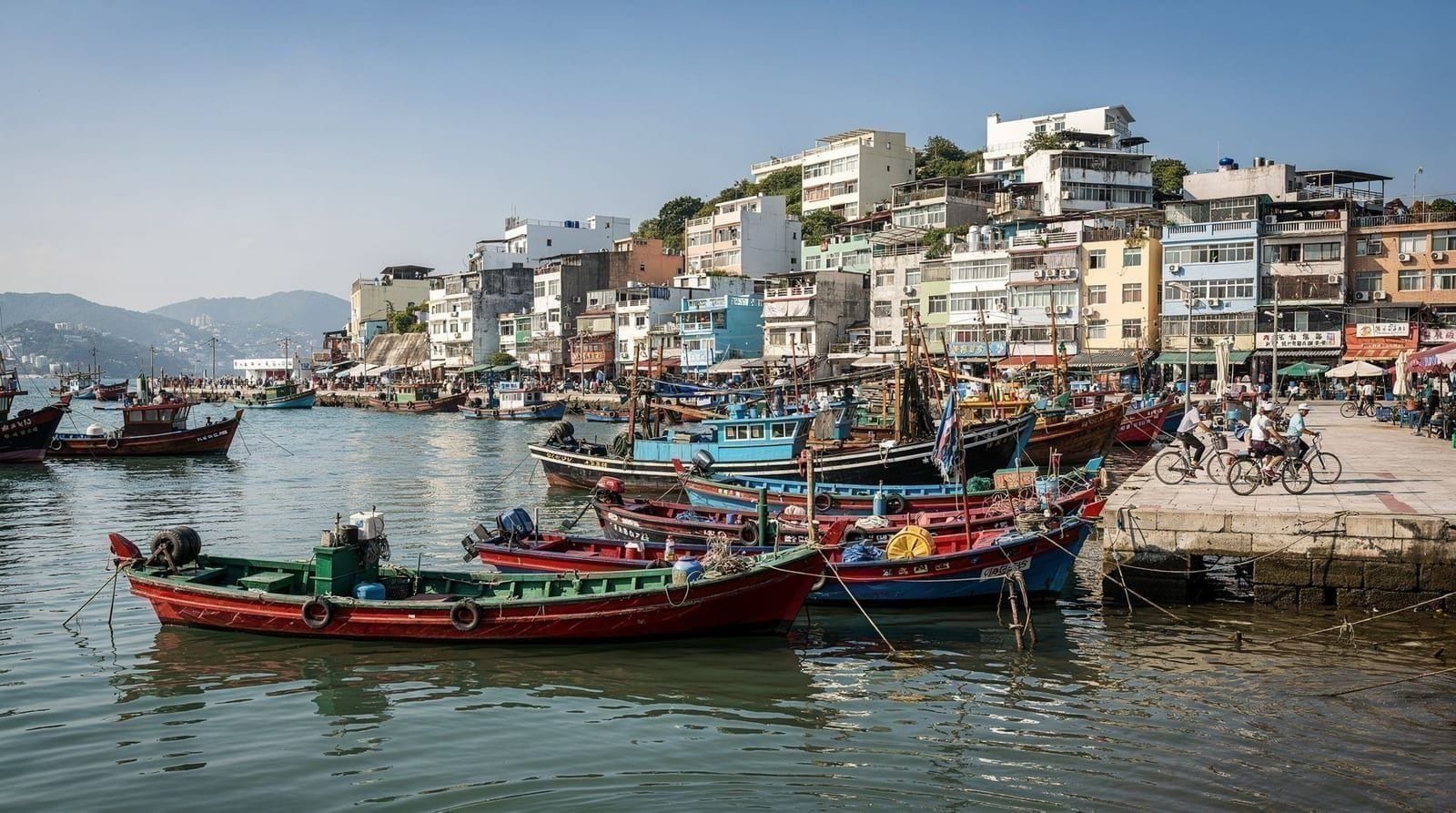
Hong Kong beaches guide — the best, the overrated, and the hidden ones
Hong Kong: Sai Kung wild beaches customizable adventure
Does Hong Kong have good beaches and when can you swim?
Yes — Hong Kong has over 40 official beaches with shark nets, lifeguards, and facilities during the swimming season (April 1 to October 31). The best beaches are in Sai Kung (remote, clean), Lantau's southern coast (Cheung Sha, 3.2km long), and Shek O on Hong Kong Island. Repulse Bay is the most-visited but far from the best. Water quality varies — beaches facing the open sea are cleanest.
The beach reality check
Hong Kong is not a beach destination in the Caribbean or Southeast Asian sense. But it has over 40 officially designated beaches with lifeguard coverage, shark nets, and water quality testing — a level of beach infrastructure that surprises most visitors. The best beaches in Sai Kung and Lantau are genuinely beautiful. The problem is that the ones most easily accessible (Repulse Bay, Stanley, Deep Water Bay) are also the most crowded and, because of their proximity to the urban coast, not the cleanest or most scenic.
This guide ranks Hong Kong’s beaches honestly — not by tourist marketing but by water quality, scenery, crowd levels, and effort-to-reward ratio.
| Season | April 1 – October 31 (lifeguards, shark nets) |
| Closest option | Repulse Bay, Bus 6 from Central (~45 min) |
| Best quality | Cheung Sha (Lantau) or Long Ke Wan (Sai Kung) |
| Cost | Free entry; equipment rental HK$60–120 |
| Best month | October — warm water, thinner crowds |
| Water quality checks | beachwater.gov.hk before you go |
Hong Kong Island south side: the accessible options
Repulse Bay (淺水灣): The island’s most famous beach — a curved bay with a large sandy beach, backed by high-rise residential towers. Facilities are good: changing rooms, showers, shark net, lifeguards throughout the season. The Lido Restaurant at the western end is a colonial-era institution (dim sum at a beach HK$70–130 per dish). The statue garden at the western end of the beach has a decorative gateway and a collection of Taoist/Buddhist figures.
Honest assessment: Repulse Bay is crowded on summer weekends — genuinely packed, with limited shade and towel-to-towel density. The water is clean by Hong Kong Island standards but the beach faces the enclosed waters of the South China Sea’s western margin rather than the open ocean. Worth a visit if you are staying nearby or combining with Stanley; not worth a dedicated trip from the city.
Bus: 6, 6A, 6X, 260 from Exchange Square (Central). Journey 40–50 minutes.
Stanley Beach (赤柱灣): A smaller beach adjacent to Stanley Market and the colonial residential area. Calmer, less crowded than Repulse Bay, with better views across the Stanley Peninsula. The beach area is surrounded by Stanley’s bars and restaurants — more pleasant for a late afternoon swim followed by drinks than Repulse Bay.
Bus: Same routes as Repulse Bay (continue past Repulse Bay to Stanley); approximately 50–60 minutes from Central.
Shek O Beach (石澳): A proper beach experience on the eastern end of Hong Kong Island. Larger than Stanley (roughly 200m of sand), relatively cleaner, backed by the Shek O Country Park rather than high-rise towers. The natural finish to the Dragon’s Back hike. The village behind the beach has restaurants; the overall atmosphere is more relaxed than Repulse Bay.
Access: Bus 9 from Shau Kei Wan MTR (terminus of Island Line). 20–25 minutes.
Deep Water Bay (深水灣): Small but pleasant — a quiet beach with excellent water quality (the least impacted by urban runoff of the main Island beaches). Limited facilities, more locals than tourists, no food stalls directly adjacent. Tranquil atmosphere.
Access: Bus 6 from Central, alight before Repulse Bay.
If you are hiking Dragon’s Back or exploring the wider best hikes in Hong Kong list, Shek O and Big Wave Bay both make natural post-hike swim stops without a detour.
Because Repulse Bay and Stanley sit on the same bus corridor, they combine easily into one south-side day. Pair a swim at Repulse Bay with an afternoon browsing the stalls at Stanley Market, or read the Repulse Bay and Stanley destination pages to decide which bay suits your plans better.
Lantau Island: Hong Kong’s best accessible beaches
Cheung Sha Beach (長沙灣): At 3.2km, the longest beach in Hong Kong. Divided into Upper Cheung Sha (northern end) and Lower Cheung Sha (southern end with shark net). The sand is good, the water is clean (open water facing the Lamma Channel), and the facilities (changing rooms, toilets, a beach bar) are sufficient without being excessive.
Stoep Restaurant at the beach end of Cheung Sha has operated for years — South African-influenced food, reasonable prices (HK$100–180 for mains), tables on the beach. A reliable choice.
Access: Ferry to Mui Wo (35–55 min from Central Pier 6), then Bus 1 or 1S toward Tung Chung — alight at Cheung Sha Upper or Lower beach stop. Total journey 90–100 minutes from Central. Worth every minute.
Pui O Beach (貝澳): Smaller than Cheung Sha and slightly further east. The distinctive feature is the water buffalo that graze on the adjacent marshland — they occasionally wander onto the beach. Shallow and calm, good for families with small children. The Pui O Inlet is a protected wetland area adjacent to the beach.
Access: Ferry to Mui Wo, Bus 1 to Pui O — 10 minutes from Mui Wo.
Tong Fuk and Shui Hau: Quieter beaches on the southern Lantau coast, accessible by Bus 1. Less facilities but very low crowd density on weekdays.
Lantau’s beaches pair naturally with the rest of the island — see the Lantau Island destination guide for how to combine a beach day with the Big Buddha or Tai O fishing village.
Sai Kung outer beaches: the best in Hong Kong
The remote beaches of the Sai Kung peninsula require effort to reach but are the clearest water, finest sand, and least crowded beaches in Hong Kong:
Long Ke Wan (浪茄灣): At the end of MacLehose Trail Section 1, this beach is widely cited as the most beautiful beach in Hong Kong. Fine white sand in a horseshoe bay, surrounded by hills on three sides. No facilities except a basic toilet. Swimming shark nets during season. Access by hiking (3–4 hours from Pak Tam Chung) or by kaito from Sai Kung pier (negotiate directly, approximately HK$80–120 per person return for groups).
Ham Tin Wan (鹹田灣): Another MacLehose Trail beach (Section 2). A bay with a stream flowing across the sand, good snorkelling in calm conditions, camping available (AFCD permit required for the campsite). Kaito access from Sai Kung.
Kiu Tsui Beach, Sharp Island (橋咀洲): Accessible by kaito from Sai Kung pier (15 minutes, HK$30–50 per person return). The beach faces Sai Kung harbour; the island has the famous natural causeway (tombolo) connecting to Kiu Tau island that emerges at low tide — one of Hong Kong’s most photographed geological features. Good snorkelling around the headlands.
Sai Kung wild beaches customisable adventureGetting kaito boats: At Sai Kung pier (Po Tung Road and the main harbour road), kaito operators offer boats to the outer beaches. Negotiate price and destination; ask about return pickup time. This is an informal market — prices are approximate (HK$60–120 per person return to the outer beaches depending on destination and group size). Weekend demand is higher; book or arrive early.
For the wider Sai Kung area — hiking trails, the geopark, and the town’s seafood restaurants — see the Sai Kung destination guide.
If you want a beach day with a cultural stop, the Tian Tan Big Buddha guide and the Lantau Big Buddha day trip both fit naturally around a swim on the south coast. For hikers, the Lantau Trail guide describes routes that drop down toward the same coastline.
Beach day packing and logistics
None of Hong Kong’s best beaches have much in the way of shade, so bring your own — a light sarong or beach umbrella makes a real difference on the Sai Kung outer beaches and Cheung Sha, where trees are sparse. Sunscreen is essential year-round; UV levels in Hong Kong’s subtropical climate are high even on overcast days. Bring cash in small denominations for kaito boats and beach-side food stalls, since most informal operators do not take cards or Octopus.
If you are travelling with young children, the staffed Hong Kong Island and Lantau beaches (Repulse Bay, Stanley, Cheung Sha, Pui O) are the practical choice — lifeguards, shallow entry, and facilities nearby. The Sai Kung outer beaches are better suited to older kids and adults who can manage the hike or kaito ride. For a broader family trip framework, the Hong Kong with kids guide and the Hong Kong islands itinerary both work well alongside a beach day.
Changing facilities vary considerably: the staffed Island and Lantau beaches all have toilets and cold showers, but few have hot water, and towels are never provided — bring your own. Locker rental is available at some of the busier beaches (Repulse Bay, Cheung Sha) for a small fee, useful if you plan to swim without a group member watching your bags. Public toilets at the remote Sai Kung beaches are basic at best — plan accordingly, and bring your own toilet paper and hand sanitiser.
Outlying island beaches
Cheung Chau: Several beaches on the northwestern coast of Cheung Chau island (35 min ferry from Central). Tung Wan Beach is the main beach — good sand, shark net, facilities. The ferry makes it a pleasant half-day trip and the combination of beach and the old town’s windsurfing and food culture makes Cheung Chau one of the better beach day trips from the city.
Lamma Island: Lo So Shing Beach (accessible via a 20-minute walk from Sok Kwu Wan ferry pier) is one of the cleaner beaches near the urban core. The combination of Lamma hiking, seafood lunch at Sok Kwu Wan, and a beach swim makes an excellent full-day island trip.
For dedicated Lamma Island and Cheung Chau content, see the outlying islands guide.
Each island also has its own full write-up: the Lamma Island guide and the Cheung Chau guide cover the walks, villages and meals that make a beach stop there worthwhile.
Water quality: what affects it
Hong Kong’s beach water quality is monitored by the Environmental Protection Department and results are available at beachwater.gov.hk. The key factors:
Proximity to urban drainage: Beaches closest to the urban storm drain outflows (parts of Repulse Bay, Stanley) are more affected by post-rainfall runoff. Water quality is worst in the 24–48 hours after heavy rain.
Orientation: Beaches facing the open South China Sea or the Lamma Channel receive cleaner open-water circulation than those in enclosed bays facing the Pearl River Delta outflow.
Current conditions: Even at high-quality beaches, bacteria counts spike after major rainstorms. If a typhoon or heavy rain has occurred in the previous 24 hours, swim at your own assessment of the conditions.
The EPD grading system: Class 1 (best) to Class 5 (worst). Most of the Sai Kung outer beaches and the Lantau south coast beaches rate Class 1–2 consistently. The more urban beaches rate Class 2–3 on average.
Beach safety: the flag system and sharks
Flag system at staffed beaches:
- Green flag: Swimming permitted
- Yellow flag: Caution (currents or reduced visibility)
- Red flag: No swimming (dangerous conditions)
- Shark alarm: A separate warning system if a shark is spotted
Shark incidents: Hong Kong has a documented history of shark incidents, primarily historical. The current shark net programme at designated beaches has made incidents at protected beaches extremely rare. The nets are deployed and maintained by the AFCD.
Currents: Rip currents are the more significant practical safety concern at outer beaches without shark nets (Long Ke Wan, Ham Tin Wan). Swim parallel to shore to escape a rip current if caught in one.
Jellyfish: Occasional jellyfish blooms occur in late summer, more commonly on the Hong Kong Island south side than the Sai Kung outer beaches. Staffed beaches post warnings when present; vinegar (available at most beach lifeguard stations) helps with stings, though most encounters are mild.
Beach season: when it matters
The official swimming season (April 1–October 31) is when lifeguards are deployed and shark nets are maintained. Outside this period, beaches are open but without lifeguard coverage or shark nets. Local residents do swim year-round at sheltered beaches, particularly on warm winter days (December temperatures reach 18–22°C on clear days).
Best swimming month: October. Water temperature is still warm from summer (typically 26–28°C), crowds have reduced from August peak, and air quality typically improves. The combination of warm sea, lower humidity, and clear skies makes October beach days some of the best in the year.
Typhoon season overlap: May–October also covers the bulk of Hong Kong’s typhoon season. A typhoon signal 8 or above closes all beaches and suspends ferries; check the Hong Kong Observatory forecast the day before any beach trip that involves a ferry or kaito, since outer-island departures are the first services suspended.
Sai Kung Geopark and beaches private boat tourFor the bigger picture on timing, the typhoon season guide explains how storms affect ferries and beach plans, and the Hong Kong in summer guide helps you judge the heat and humidity before you commit to a beach day.
Quick beach reference
| Beach | Getting there | Best for | Crowds | Water quality |
|---|---|---|---|---|
| Repulse Bay | Bus 6 from Central (45 min) | Convenience, facilities | Very high in summer | Good |
| Stanley | Bus 6 from Central (55 min) | Combined with Stanley Market | Moderate | Good |
| Shek O | Bus 9 from Shau Kei Wan MTR (20 min) | Post-Dragon’s Back hike | Moderate | Good |
| Cheung Sha (Lantau) | Ferry + Bus 1 (90 min) | Long beach, low crowds | Low | Excellent |
| Long Ke Wan (Sai Kung) | Hike (4 hrs) or kaito | Wild beach experience | Very low | Excellent |
| Kiu Tsui / Sharp Island | Kaito from Sai Kung (15 min) | Day trip beach + tombolo | Low–moderate | Good |
Frequently asked questions about Hong Kong beaches guide — the best, the overrated, and the hidden ones
Are Hong Kong's beaches safe to swim at?
What is the most popular beach in Hong Kong?
Is Cheung Sha the best beach in Hong Kong?
What are the beaches like in Sai Kung?
When is the best time to visit Hong Kong beaches?
Are there any nude beaches in Hong Kong?
Can I rent equipment at Hong Kong beaches?
Top experiences
Bookable activities with verified prices and instant confirmation on GetYourGuide.