Hong Kong in summer — an honest guide to June through September
Hong Kong: sky100 observation deck entry ticket only
Is Hong Kong worth visiting in summer?
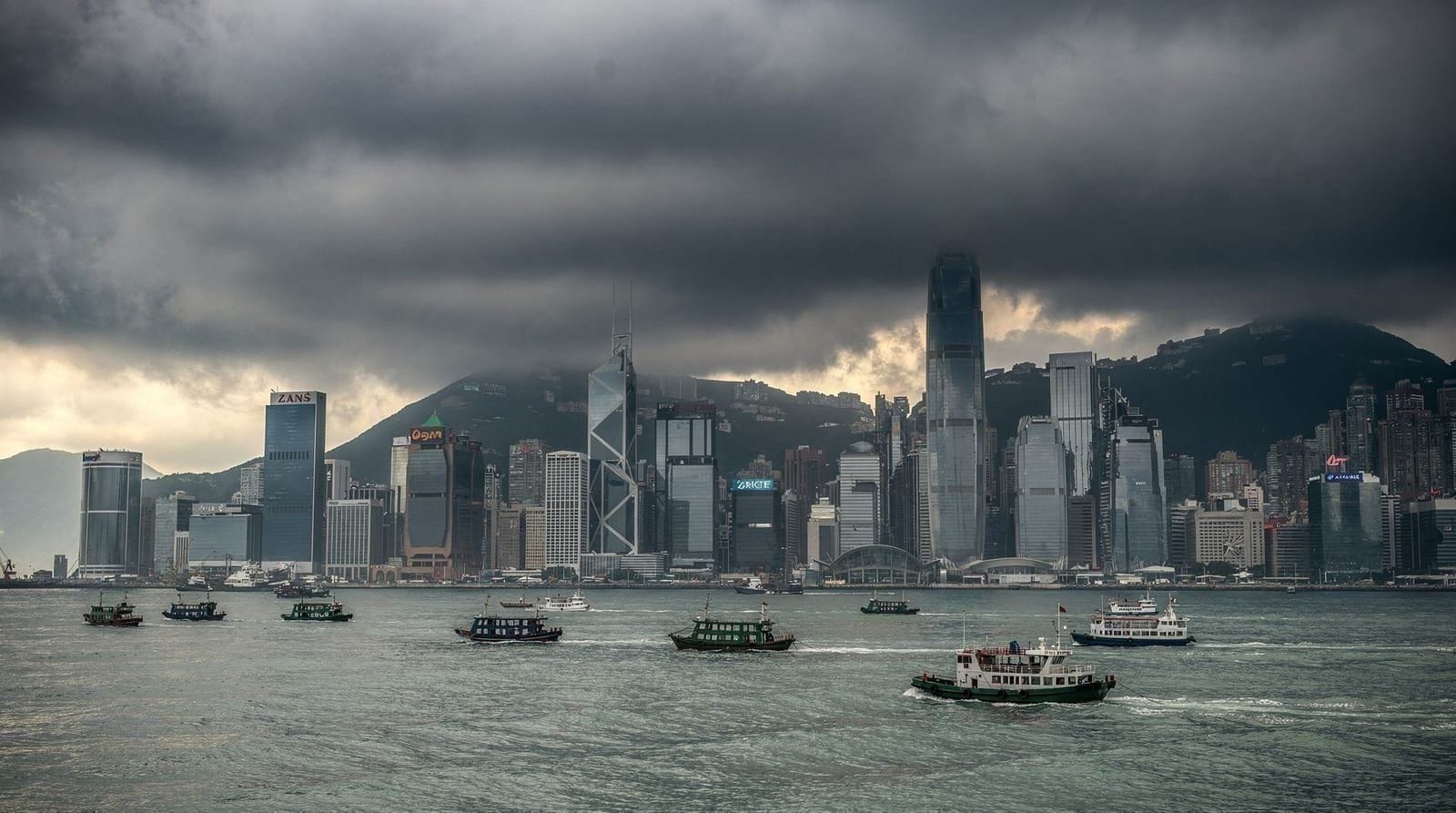
It depends entirely on what you want from the trip. Summer (June–September) means 30–34°C heat, 85–95% humidity, frequent rainstorms, and typhoon risk. Prices are lower, crowds are thinner for international tourists, and indoor Hong Kong (museums, malls, restaurants) works fine. For outdoor sightseeing and day trips, it's genuinely difficult. Go in October–December if you can; if you can't, plan accordingly.
Summer in Hong Kong: the honest version
Every honest travel resource about Hong Kong acknowledges that summer is the difficult season. The question is whether it’s too difficult, or just different. The answer depends on your tolerance for heat, your flexibility with weather disruptions, and whether the lower prices compensate for the compromises.
This guide gives you the practical reality by month, the indoor strategy that makes summer workable, and the specific activities that either survive or thrive in summer conditions.
| Temperature | 30–34°C, humidity 85–95% |
| Typhoon risk | June–September, peak Jul–Sep |
| Hotel prices | 20–40% below October peak |
| Best window daily | 7–10am and after 5pm |
| Best strategy | Indoor midday, outdoor morning/evening |
| Compare to | See Hong Kong in winter for the opposite trade-off |
For the full year-round comparison across all seasons, not just summer versus winter, see the best time to visit Hong Kong guide.
Month by month: June through September
June
June marks the beginning of the genuine heat and the formal start of typhoon season. Temperatures reach 30–32°C with humidity around 80–85%. The Dragon Boat Festival typically falls in June (based on the lunar calendar — check the annual date).
The Stanley beach Dragon Boat races are among Hong Kong’s most spectacular local events and are specifically worth timing a visit around. The Aberdeen waterway races and smaller neighbourhood events add to the atmosphere. The heat is significant but the festivity is genuine.
Early June (before the festival) is the transition month — hotel prices have dropped from spring but haven’t yet fully discounted for the full typhoon season. The weather is hot and humid but less relentlessly so than July and August.
July
Peak heat month. Daily highs of 32–34°C, humidity 87–92%, frequent afternoon thunderstorms. July has the highest probability of rainstorm warnings and significant typhoon signal events. International tourism drops significantly — if you’re set on visiting in summer, July actually has the longest queues at some attractions because domestic Hong Kong tourists and mainland Chinese visitors are most active on weekends.
The main argument for July: the lowest hotel prices of the year, often 30–40% below October equivalents. A mid-range hotel in Tsim Sha Tsui that costs HKD 1,200/night in November might run HKD 750–850 in July.
August
Similar to July with marginally higher typhoon probability. The Hungry Ghost Festival (late August, based on the lunar calendar) is a unique cultural event — street-level paper burning ceremonies and temporary opera theatres appear in neighbourhoods across the city. It’s not a tourist event; it’s a genuine folk religious practice that visitors who stay in residential neighbourhoods encounter naturally.
The Hungry Ghost Festival is one of the few genuinely interesting reasons to visit in August. The neighbourhood ceremonies in Sham Shui Po, Mong Kok, and the New Territories are more atmospheric than anything staged for tourists, and unlike many festivals they require no advance booking or ticketing — you simply encounter them while walking through the relevant neighbourhoods in the evening.
September
September is the transition out of summer. Temperatures begin to ease from mid-month (30–32°C dropping toward 27–29°C by late September). Typhoon risk remains through September — historically, September has seen some of Hong Kong’s most damaging typhoons. But by late September and early October, the window is closing.
September is the month with the best combination of lower prices and improving conditions. If your schedule allows, late September arrivals catch the tail end of summer prices with an improving weather trajectory.
The indoor strategy for summer visits
Summer Hong Kong is absolutely workable if you build your itinerary around air-conditioned spaces and morning activity windows.
Morning outdoor window (7–10am): Before the heat peaks, the city is at its most manageable. Breakfast at a cha chaan teng, a walk along the Tsim Sha Tsui promenade, or an early visit to a temple. Local markets like the Fa Yuen Street sportswear market or Apliu Street in Sham Shui Po are open from early morning.
Midday indoor: Retreat to museums, malls, or the hotel between 11am and 4pm. This is not wasted time — Hong Kong’s indoor cultural offer is exceptional.
Late afternoon/evening outdoor: From 5pm onward, the heat becomes more manageable. Evening markets, the Symphony of Lights at 8pm, rooftop bars, or a ferry crossing are all pleasant in the summer evening.
Museums and indoor attractions that work in summer
M+ Museum (West Kowloon): Hong Kong’s flagship contemporary art and design museum, opened in 2021. World-class permanent collection and rotating exhibitions. The ground floor café is spacious, the corridors wide. A half-day spent here in summer air conditioning is genuinely worthwhile, not a compromise.
Hong Kong Palace Museum (West Kowloon, adjacent to M+): Imperial Chinese art collections on loan from the Palace Museum in Beijing. Opened in 2022, still building its reputation. The building is impressive; the collections are substantial.
Hong Kong Museum of History (Tsim Sha Tsui): One of the best history museums in East Asia for understanding Hong Kong’s trajectory from fishing villages to colonial port to contemporary metropolis. Permanent exhibitions are free. Allow 2 hours.
Science Museum (Tsim Sha Tsui East): Excellent for families with children — interactive, hands-on, entirely air-conditioned. Adjacent to the Space Museum (planetarium shows, worth booking).
Tai Kwun (Central): The heritage complex of former Central Police Station, Central Magistracy, and Victoria Prison in Central. Now a cultural arts centre with galleries, theatre, and restaurants. The courtyard can be hot at midday but is manageable in the evening. Free to enter; some exhibitions have admission fees.
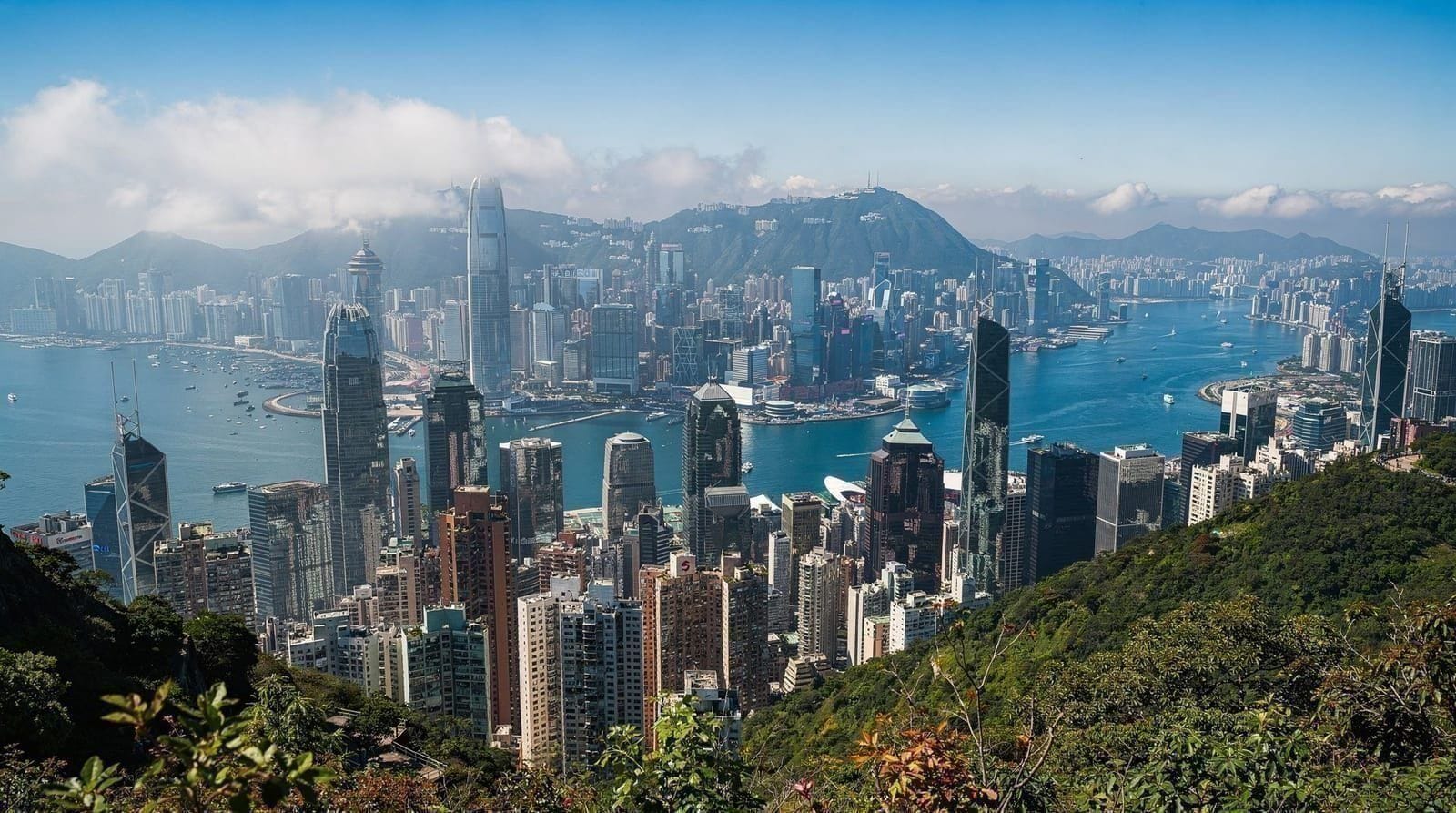
Skyline views from indoors: The best summer answer to a viewpoint is one with a roof and air conditioning. Note that the sky100 observation deck in Kowloon has been closed for renovation since 17 May 2025, with no reopening date announced, so check before planning around it. If you would rather go up the Peak, a Peak Tram and Sky Terrace 428 ticket is easier to plan around an early start or a late-afternoon visit than a midday one. Our Peak Tram guide explains how the queue works.
Day trips in summer: what works and what doesn’t
Macau day trip: Works in summer, with the caveat that typhoon signals can cancel ferries. Book the return ferry when you book the outward journey. The Macau historic centre is mostly walkable on flat ground; the Cotai casino strip is entirely air-conditioned. See the Macau day trip guide.
Lantau/Ngong Ping 360: Works if no typhoon signal (T8 closes the cable car). The cable car air conditioning is on. The Big Buddha itself is outdoors and exposed — visit early morning. Plan this for a weekday to avoid peak crowds.
Ngong Ping 360 cable car return ticketsSai Kung Geopark: A summer morning trip to Sai Kung (6:30–9am departure) is manageable — the boat tours run early and the waterfront town is pleasant. Avoid the full midday sun on the kaido boat if you have heat sensitivity.
Dragon’s Back hike: Not recommended in July–August for most visitors. The ridge is exposed, sun is direct, and heat exhaustion risk is real without early morning starts. If you insist, start at 7am and be off the exposed ridge by 9:30am.
Eating and drinking your way through the heat
Food is one of the best reasons to be in Hong Kong whatever the weather, and summer changes the way you eat rather than how much. Air-conditioned cha chaan teng are the natural midday refuge: you sit down, cool off, and order something cold. Iced milk tea and other chilled drinks are part of the local routine, so you are not doing anything touristy by following it. Open-air dai pai dong stalls are more of a late-evening choice, when the worst of the heat has gone and a table in the open air becomes pleasant rather than punishing.
A dim sum meal is a good way to spend a late morning, since most dim sum restaurants are indoors and the long, slow format suits a day when you would rather not be outside. If you are happy to plan around the weather, a food tour can anchor a day with a set route and plenty of stops under cover.
When the weather turns: rainy-day fallbacks
Summer rain in Hong Kong tends to arrive suddenly, and the sensible response is to have a fallback ready rather than to cancel your plans. Keep two or three indoor options in mind for every area you visit, so a downpour simply means switching to plan B. The rainy day itinerary is built for exactly this, and the Hong Kong malls guide helps you pick a mall that links neatly to an MTR station so you can move around with very little time outdoors.
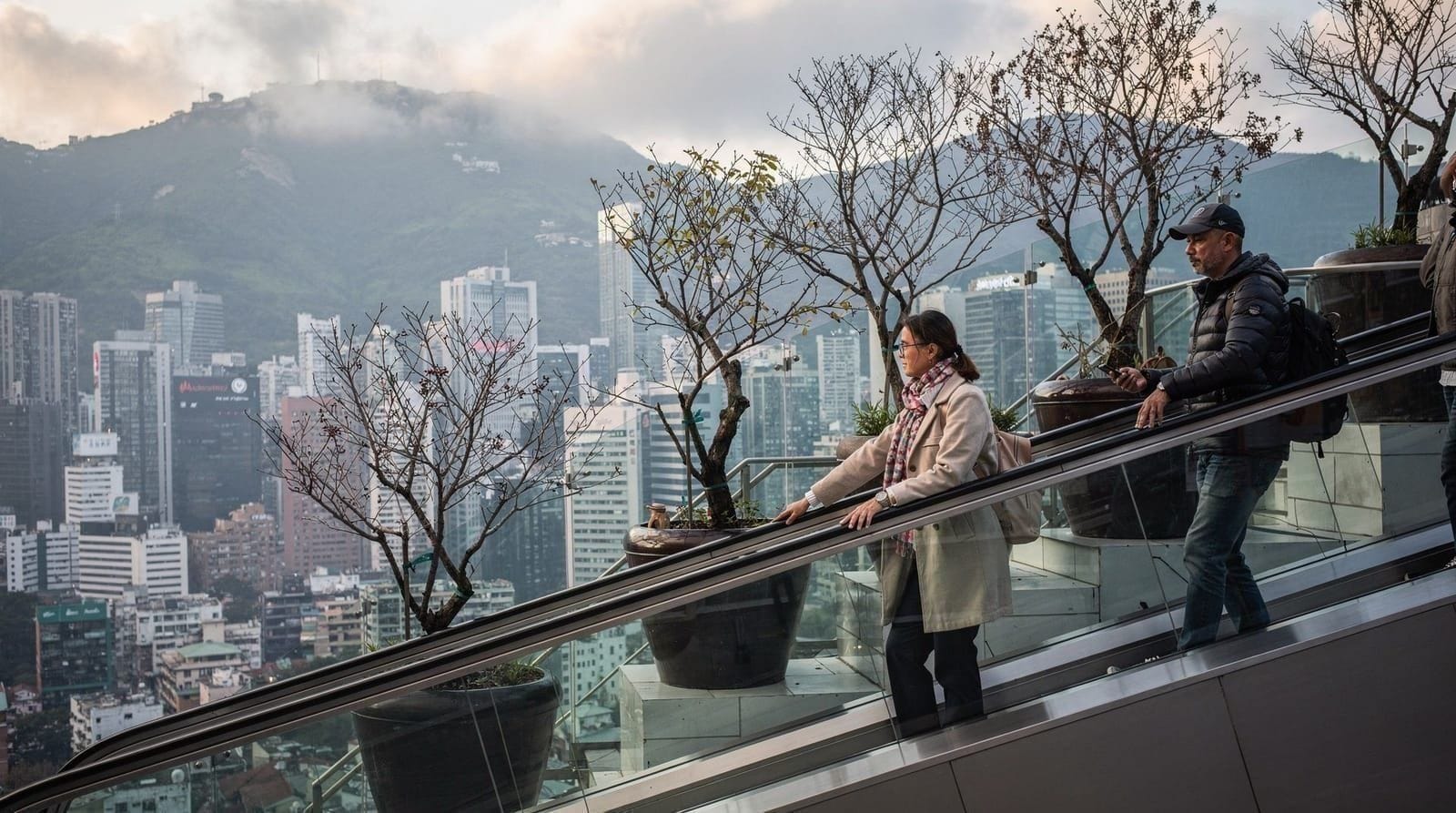
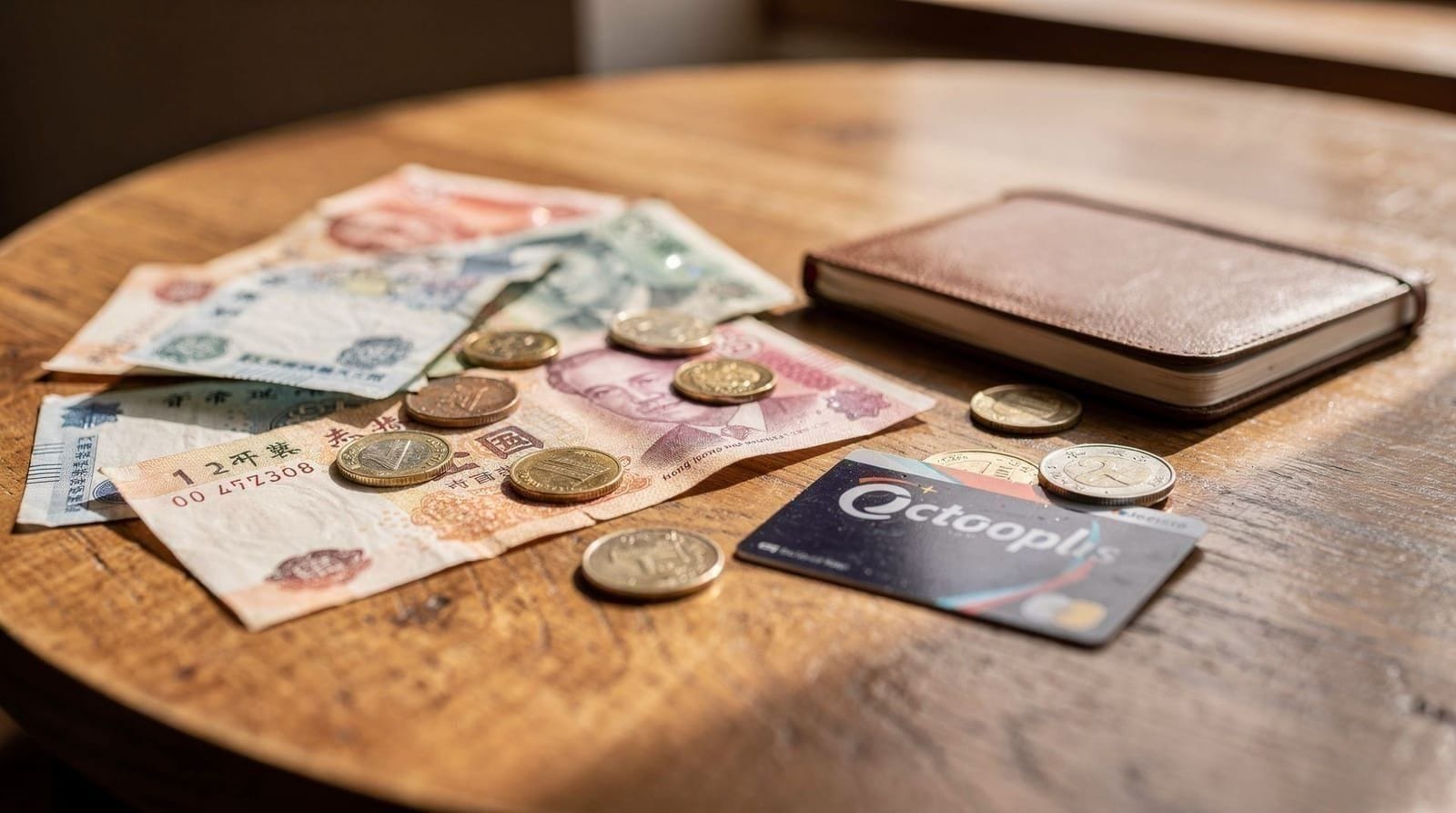
The MTR guide is worth reading before you go: in summer, the network is as much a climate-controlled corridor as a transport system, and knowing which exits connect straight into malls and buildings saves a lot of time spent in the heat. An Octopus card keeps every hop quick, so you are never standing at a ticket machine in the humidity.
Pacing a summer trip
The most common summer mistake is trying to run a spring itinerary in July. Build slack into the day. Pick one main outdoor goal for the morning, one indoor anchor for the afternoon, and one relaxed evening activity. If you are deciding how long to stay, the how many days guide helps, and a slightly longer stay can make sense in summer because weather disruptions then cost you less. If you are building the whole trip from scratch, the first-time guide lays out the basics.
Evenings are where summer pays you back. The Symphony of Lights guide explains the nightly harbour show, and a crossing on the Star Ferry after sunset is a cool, inexpensive way to see the skyline without the glare of the day. Pair either with a slow dinner and you have a summer evening that feels like a highlight rather than a compromise.
Travelling with children in summer
Families can do Hong Kong in summer, but the day needs more structure. Shade, water and indoor breaks matter more than ticking off sights. The Hong Kong with kids guide covers what works for different ages, and both the Disneyland guide and the Ocean Park guide are worth a look before you commit a day to a theme park in the heat. Arrive early, plan your indoor rides and shows for the hottest hours, and leave the outdoor queues for the cooler end of the day.
Packing for summer
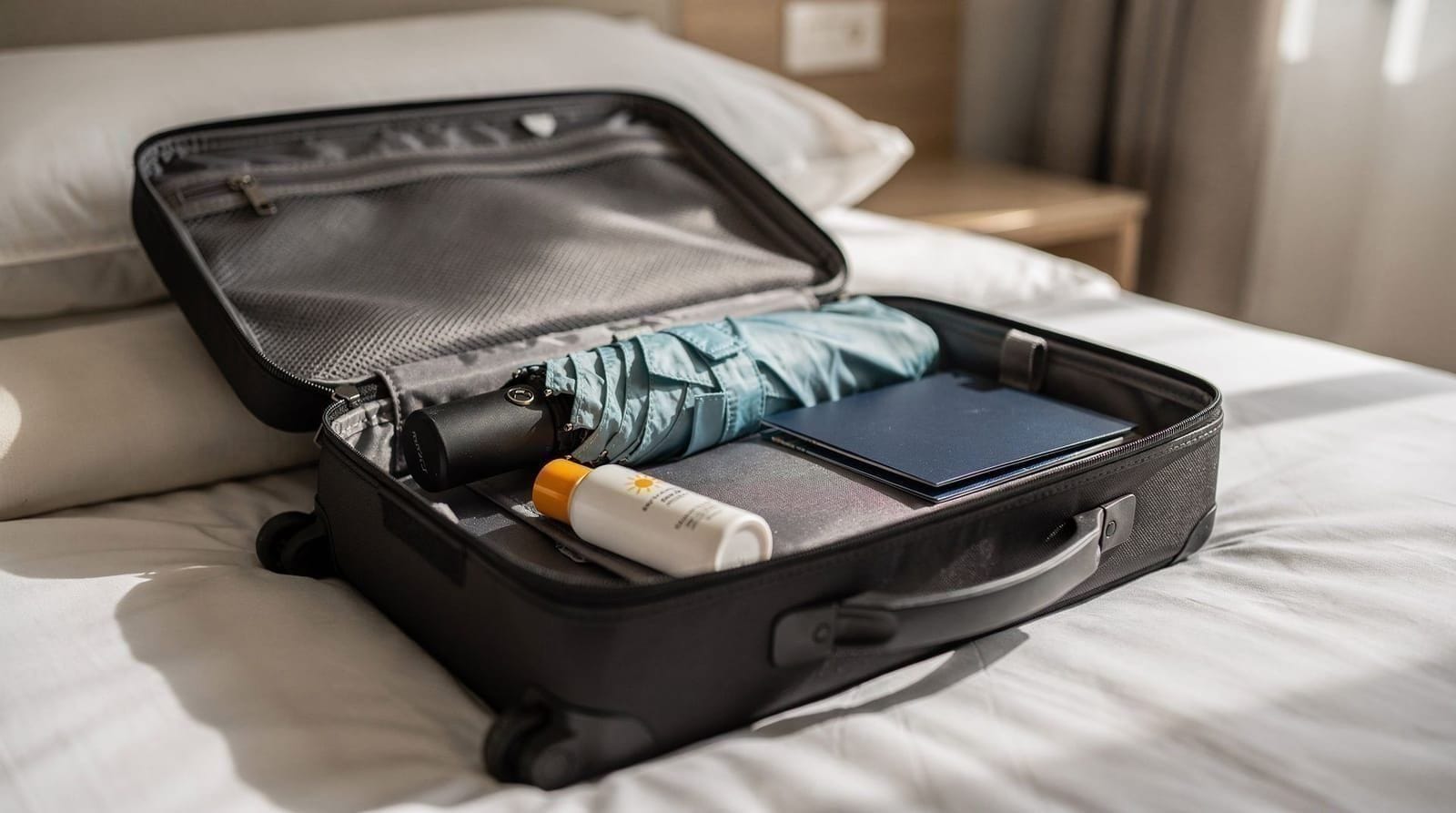
- Lightweight moisture-wicking clothing (4–5 shirts minimum — you’ll change)
- Compact umbrella (essential — afternoon rainstorms are sudden and heavy)
- Light cardigan or thin layer for indoor air conditioning
- Waterproof sandals or quick-dry shoes
- Sunscreen (SPF 50+ for outdoor morning activities)
- Reusable water bottle (hydration is more critical in 90% humidity than most environments)
See the packing guide for the full summer list.
Budget impact of visiting in summer
Summer’s lower hotel prices genuinely change the maths of a Hong Kong trip. A mid-range hotel that runs HKD 1,200/night in November can drop to HKD 750–850 in July, and comparable savings apply across the upscale tier too. Food and transport costs stay essentially flat regardless of season — the budget breakdown guide covers daily costs in detail, and the accommodation savings in summer are the single biggest lever if you’re trying to stretch a trip budget further.
Travelling with a baby or very young child in summer
Summer heat is a genuine consideration for infants and very young toddlers, not just a comfort issue — heat-related risk is real for children under 12 months in Hong Kong’s July-August conditions. If you’re travelling with a baby, plan around the same indoor-midday strategy as everyone else but with a lower tolerance for outdoor exposure and more frequent hydration and shade breaks. The Hong Kong with a baby guide has infant-specific advice on heat management, stroller logistics in humidity, and which attractions work best for the youngest travellers.
Weather apps to monitor
Hong Kong Observatory (weather.gov.hk) and MyObservatory app: Essential for summer visits. The app shows current warnings (typhoon signals, rainstorm warnings) and 9-day forecasts. Check it every morning. Download before you arrive.
The Observatory issues typhoon signals with 1–2 hours of advance notice. A T8 signal shuts down ferries, the cable car, outdoor markets, and most outdoor attractions. See the typhoon season guide for the full signal system.
The Dragon Boat Festival case
The Dragon Boat Festival is the strongest specific reason to visit Hong Kong in summer. The Stanley races on the south side of Hong Kong Island are the most visitor-accessible (take Bus 6 or 260 from Exchange Square). The Aberdeen races are more local and atmospheric. The Shing Mun River races in Sha Tin are a good option if you want to see racing alongside local families rather than tourist crowds.
The festival timing varies by year — it falls on the 5th day of the 5th lunar month, typically late May or early June. When it falls in June, the weather is at the beginning of peak heat but not yet at the August extreme.