Cha chaan teng guide — what to order at a Hong Kong diner
Hong Kong: Street food feasting tour
What is a cha chaan teng and what should I order?
A cha chaan teng (茶餐廳, literally "tea restaurant") is a Hong Kong-style diner serving a hybrid Western-Chinese menu that developed in the 1950s. Breakfast orders for a first visit — milk tea (HKD 20–28), pineapple bun with butter (HKD 20–28), scrambled eggs on toast (HKD 25–35). Lunch — macaroni soup with ham (HKD 35–48), baked pork chop rice (HKD 65–85). A full breakfast costs HKD 50–70 per person.
| What | Hong Kong-style diner serving hybrid Western-Chinese food |
| Best order | Milk tea + pineapple bun with butter + scrambled eggs on toast |
| Cost | Around HKD 50–70 for a full breakfast per person |
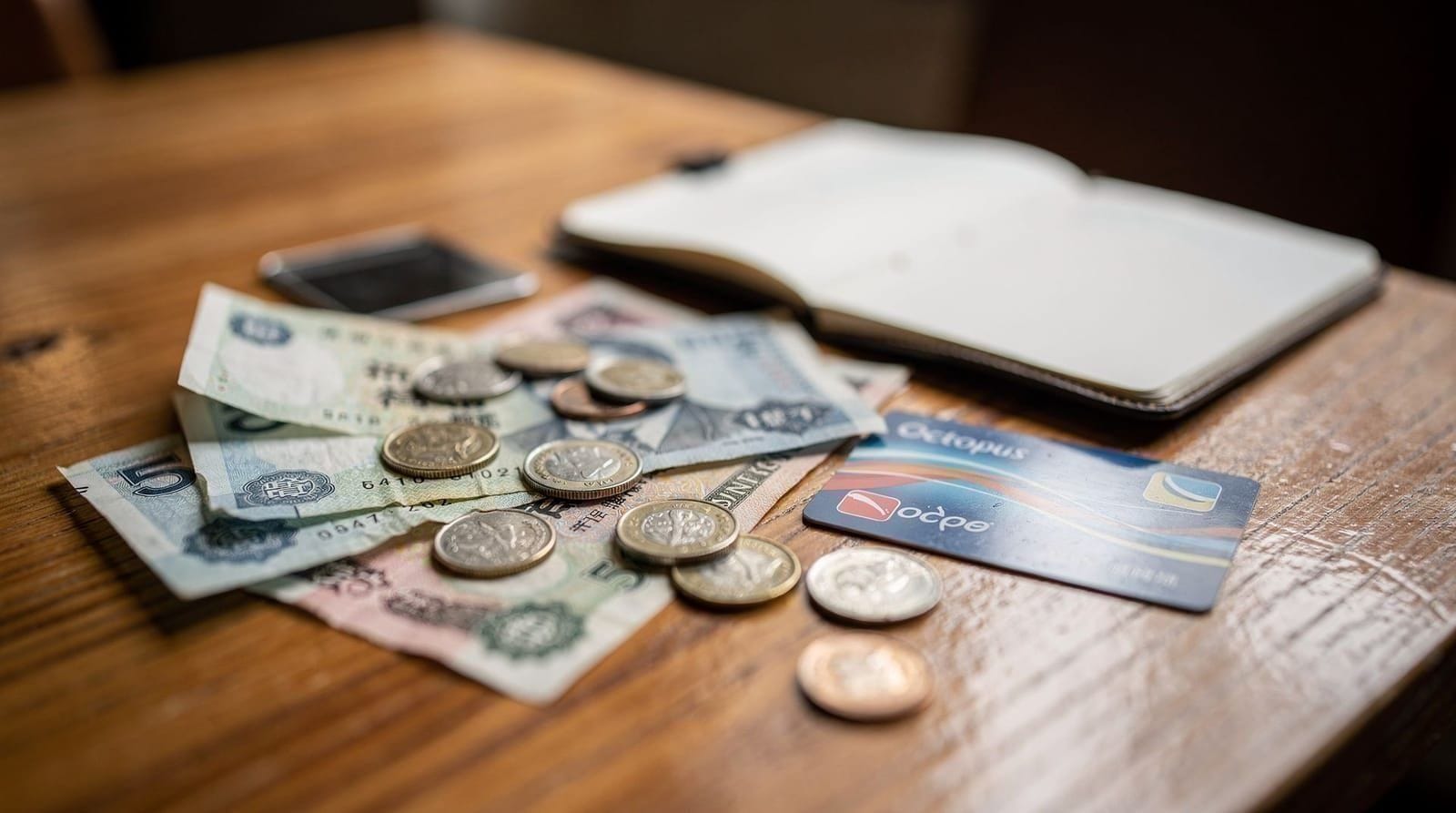
| Payment | Cash reliable everywhere; Octopus and cards increasingly accepted |
| When | Open from early morning; busiest 7–10am and 12–2pm |
What a cha chaan teng is
The cha chaan teng (茶餐廳) emerged in Hong Kong in the 1940s and 1950s as a cheaper alternative to Western restaurants — accessible versions of colonial cafe food (toast, scrambled eggs, coffee, milk tea) adapted for local budgets and combined with Chinese staples (congee, noodle soups, rice plates). The result is an entirely distinct culinary tradition that is Hong Kong’s most characteristically local food culture.
A cha chaan teng looks like: plastic-covered tables, a laminated photo menu on the wall or table (often in both Chinese and English, sometimes only Chinese), condensed milk cans on shelves behind the counter, very fast service, communal seating at busy times, and cash payment (sometimes). The staff are brisk rather than rude — speed is the culture.
These are the restaurants where Hong Kong people eat breakfast on weekdays, meet friends for afternoon tea, and grab a quick lunch. They are not tourist restaurants. They have not been adjusted for international palates. This is exactly what makes them essential.
The core menu items
Milk tea (港式奶茶, gong sik naai cha)
Hong Kong-style milk tea is made by pulling black tea (usually a blend of Ceylon varieties) through a fine cloth strainer repeatedly, then mixing with evaporated milk (not fresh milk — evaporated milk is the specific texture). The result is stronger, slightly silkier, and more complex than the British tea-with-milk version.
Served hot (熱, yit) or cold (凍, dung) — cold means with ice. The hot version is the authentic version. Price: HKD 20–28.
This is the drink to order. Hong Kong milk tea at its best is one of the great cafe drinks in the world. A cha chaan teng that makes mediocre milk tea is probably making mediocre everything else.
Yuenyeung (鴛鴦)
A 50/50 blend of coffee and milk tea. The name means “mandarin duck” (a symbol of unlikely pairing). Sounds odd; tastes correct. The bitterness of the coffee and the richness of the milk tea balance well. HKD 22–30.
Pineapple bun with butter (菠蘿油, bo lo yau)
A soft sweet bun with a sugar-crust top (patterned to suggest pineapple — no actual pineapple), split while still warm and filled with a thick slab of cold salted butter. The temperature contrast (warm bun, cold butter) and texture contrast (soft bread, crunchy sugar crust, dense butter) is the point. This must be eaten immediately. HKD 18–28.
Kam Wah Café (金華冰廳) in Mong Kok is widely considered the city’s best. Fortune (富記) in Tsim Sha Tsui is also excellent. Any busy cha chaan teng with high turnover makes a good version because the buns are fresh.
Scrambled eggs on toast (炒蛋多士)
Soft scrambled eggs — smoother and lighter than American scrambled eggs — on white toast, served with butter. Simple and done exactly right at a good cha chaan teng. HKD 25–38.
French toast (西多士, sai do si)
Hong Kong cha chaan teng French toast is its own thing: the bread is stuffed with peanut butter (sometimes kaya jam or butter), dipped in egg, deep-fried (not pan-fried), and served with a pat of butter and condensed milk or maple syrup. Rich, heavy, and excellent. HKD 35–50.
Macaroni soup (通粉湯)
A bowl of macaroni pasta in a clear chicken or beef broth, with slices of ham, a fried egg, and sometimes luncheon meat (Spam). This sounds chaotic and tastes comforting. It is Hong Kong breakfast culture in a bowl — the hybrid Western-Chinese combination that makes cha chaan teng cuisine impossible to explain without tasting. HKD 32–48.
Baked pork chop rice (焗豬扒飯, guk jyu ba faan)
A rice dish with a thick-cut, beaten pork chop, covered in tomato sauce and baked in a small casserole dish until the top bubbles and caramelises. A mid-century Hong Kong interpretation of Italian-via-British cooking. Filling, cheap, and satisfying. HKD 65–85.
Congee (粥, juk)
Plain rice porridge, eaten as breakfast or late-night comfort food. Ordered by topping — pork and century egg (皮蛋瘦肉粥), fish fillet (魚片粥), plain (白粥). Comes with Chinese crullers (油條, yau ja gwai) for dipping. HKD 38–58.
Instant noodle soup (出前一丁)
Shin Ramyun or Nissin noodles cooked in broth with egg, luncheon meat, and vegetables. An entirely unironic use of instant noodles in a restaurant context that represents cha chaan teng food philosophy accurately — the best possible version of a cheap, practical thing. HKD 35–50.
How to order
Cha chaan teng service is fast and expects you to know what you want. The waiter will come quickly, expect your order immediately, and return just as quickly with the food. The practical approach:
- Sit down (shared tables are fine — you may be seated with strangers at busy times)
- Order tea or coffee first — this arrives quickly and signals that you are a customer
- Know your order when the waiter returns (2–3 minutes)
- Pay at the end; most now accept Octopus cards and some accept cards, but cash is reliable everywhere
Menus are often laminated with photos; pointing works. “Milk tea, hot” is understood in English at most places. “Pineapple butter bun” is recognised at tourist-adjacent cha chaan tengs; at local ones, saying “bo lo yau” (pineapple oil) is clearer.
The set meal system
Most cha chaan tengs offer set breakfasts and set lunches (套餐, to chaan) — a drink plus a food item for HKD 45–70 instead of separate prices. The set meal is almost always better value. Sets are usually written on a board or on the laminated menu with a letter designation (Set A, Set B, etc.).
For lunch, the business lunch set (商業午餐) typically includes soup, a main course with rice or noodles, and a drink for HKD 65–95.
Cha chaan teng vs dim sum vs dai pai dong
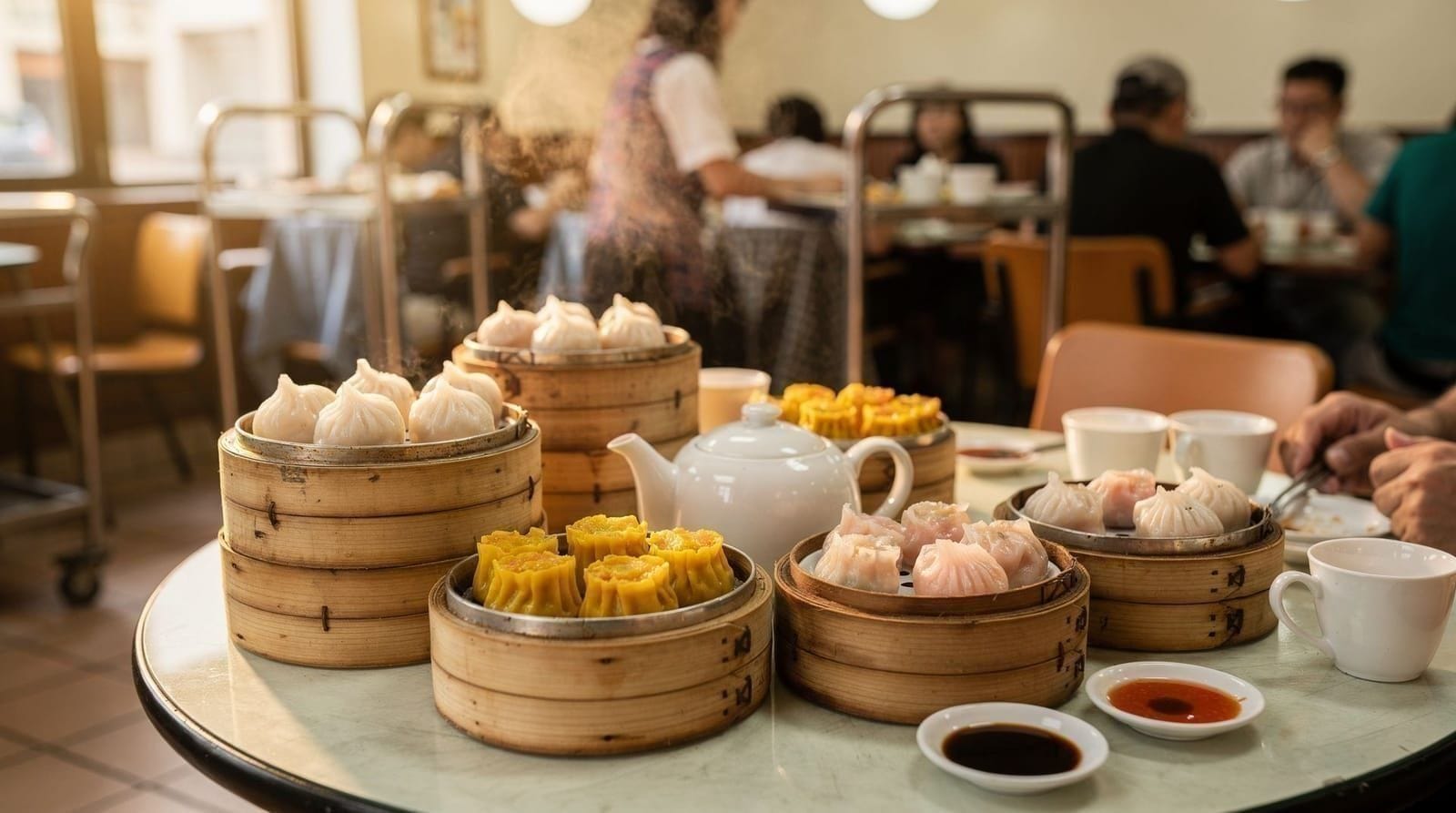
Visitors often lump Hong Kong’s local eating traditions together, but they are three distinct experiences with different rhythms, hours, and purposes. Here’s how they compare:
| Cha chaan teng | Dim sum | Dai pai dong | |
|---|---|---|---|
| Setting | Indoor diner, plastic tables | Teahouse, round tables | Outdoor stall, folding tables |
| Hours | Breakfast through late night | Morning to early afternoon | Mostly evenings |
| Pace | Very fast, sit-and-order | Leisurely, 90-minute sitting | Fast, communal |
| Typical cost | HKD 40–80/person | HKD 80–150/person | HKD 60–120/person |
| Best for | Breakfast, quick lunch, afternoon tea | Weekend brunch with a group | Dinner, wok-fried dishes |
All three are worth doing on a longer trip — see the dim sum guide and the dai pai dong guide for the other two. Together they cover almost every meal a visitor needs, and all three are cheaper and better than most tourist-facing restaurants — see the budget breakdown guide for how much a full day of local eating typically runs.
Cha chaan teng etiquette for first-timers
A few unwritten rules make a visit smoother. Do not linger over an empty cup expecting a refill without ordering more — tables turn over fast and the staff will circle back quickly. Sharing a table with strangers at busy times (particularly around Mong Kok and Sham Shui Po, covered in the Mong Kok area guide) is completely normal — nod, sit, and mind your own conversation. Tipping is not expected; a small coin left on the table is appreciated but never required. Pay at the till near the door on your way out, or at the table if a bill is placed there — watch what other diners do if unsure.
If you only have an Octopus card and no cash (see the Octopus card guide), check the door sticker or ask before sitting down — independent, older cha chaan tengs are still more likely to be cash-only than the chains.
Hong Kong street food and local eats tasting tourThe best cha chaan tengs in Hong Kong
Kam Wah Café (金華冰廳), Mong Kok
Most celebrated pineapple butter bun in Hong Kong. Packed every morning. The milk tea is excellent. No reservations, communal seating at peak times. Cash only. Address: 47 Bute Street, Mong Kok.
Tsui Wah (翠華餐廳), multiple branches
The chain version of the cha chaan teng experience — polished, English menus, accepts cards, some branches open 24 hours. Food quality is solid if not spectacular. Good for first-timers who want the food without navigating a fully Cantonese environment. Multiple locations across HK Island and Kowloon.
Honolulu Coffee Shop (檀島咖啡餅店), Wan Chai
A late-night institution open from morning to well past midnight. The egg tart here (a traditional Hong Kong custard tart) is one of the best in the city. Milk tea excellent. Address: 176 Hennessy Road, Wan Chai.
Bing Kee (冰記茶餐廳), Sheung Wan
A classic local cha chaan teng on the Hong Kong Island side. Cash only, communal tables, very fast service. The scrambled eggs on toast are correct. Address: 17 Jervois Street, Sheung Wan.
Australia Dairy Company (澳洲牛奶公司), Jordan
Famous for extremely fast service (often praised in articles about it) and very good scrambled eggs and milk tea. Communal seating, no dawdling. Queue outside on weekends is standard. Address: 47-49 Parkes Street, Jordan.
Fitting a cha chaan teng into your days
A cha chaan teng works best as the anchor of a morning, not an afterthought. If you are still deciding how long to stay, the how many days in Hong Kong guide helps, and every plan in the first-timer itinerary has room for a diner breakfast before the sights. Food-focused travellers can build whole days around these places with the foodie itinerary, while anyone watching costs will find the budget itinerary leans on them heavily.
Neighbourhood matters too. Mong Kok and Sham Shui Po are dense with old-school tengs; the Sham Shui Po area guide and the Mong Kok destination page show what else is within walking distance. On the Island side, Wan Chai and Central and Sheung Wan both have long-running diners that suit a quick stop between sights.
If ordering in a fast, mostly Cantonese room feels daunting, a local who can translate the menu removes the stress, and a private walking tour with a local guide can weave a diner stop into a morning of neighbourhood streets at your own pace.
Kowloon City is another good hunting ground for local eating, and the Kowloon City destination page is a useful starting point if you want to eat where residents do. If you are staying around Tsim Sha Tsui, the best restaurants in Tsim Sha Tsui guide covers the wider dining scene, and the Tsim Sha Tsui destination page helps you plan a walk from there.
What cha chaan teng is not
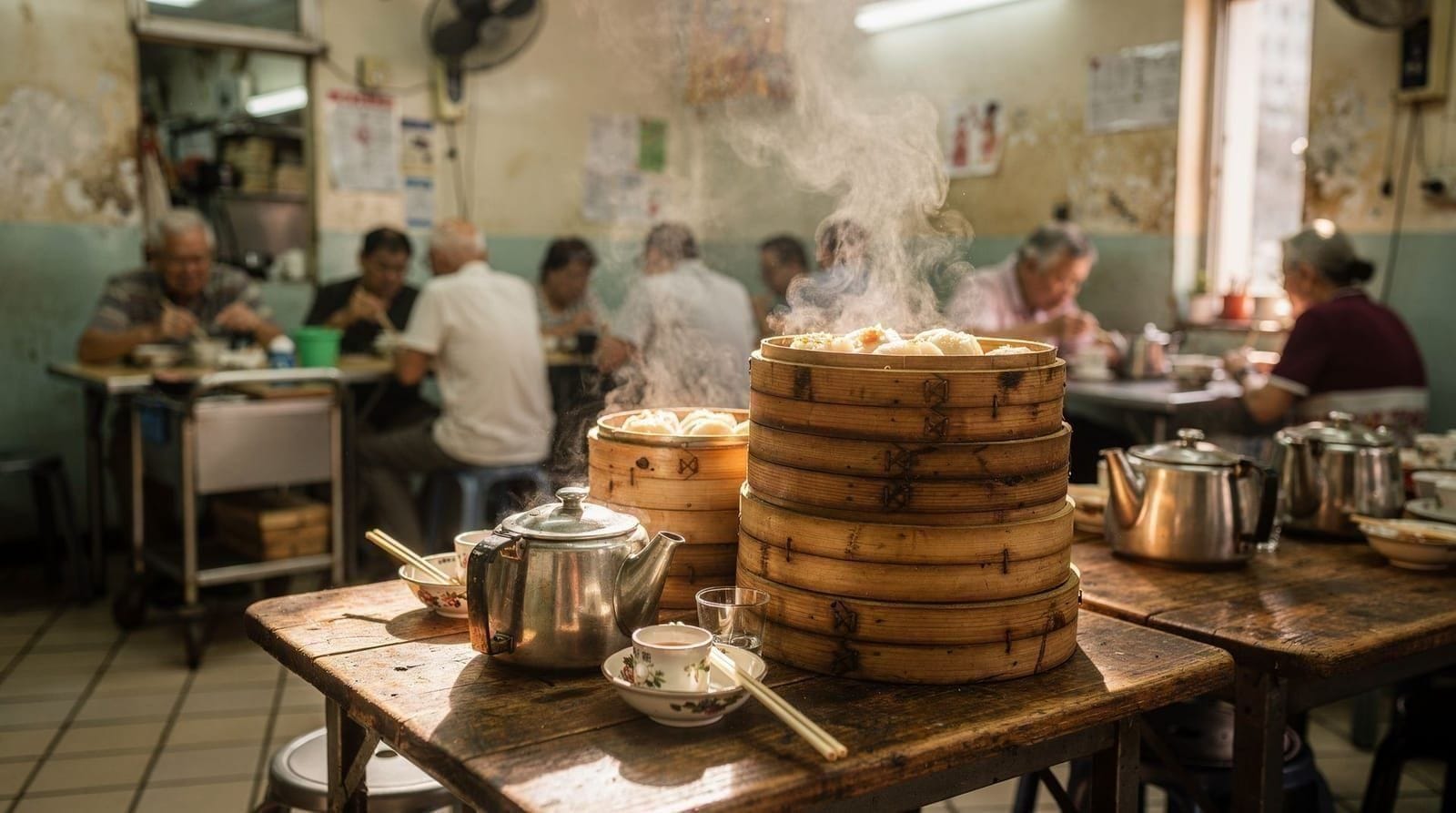
It is not dim sum. Dim sum is a different dining tradition (see the dim sum guide) — a teahouse with small dishes, morning hours, and a specific ordering system. Cha chaan teng serves Western-style breakfast and lunch items in a faster, more casual environment.
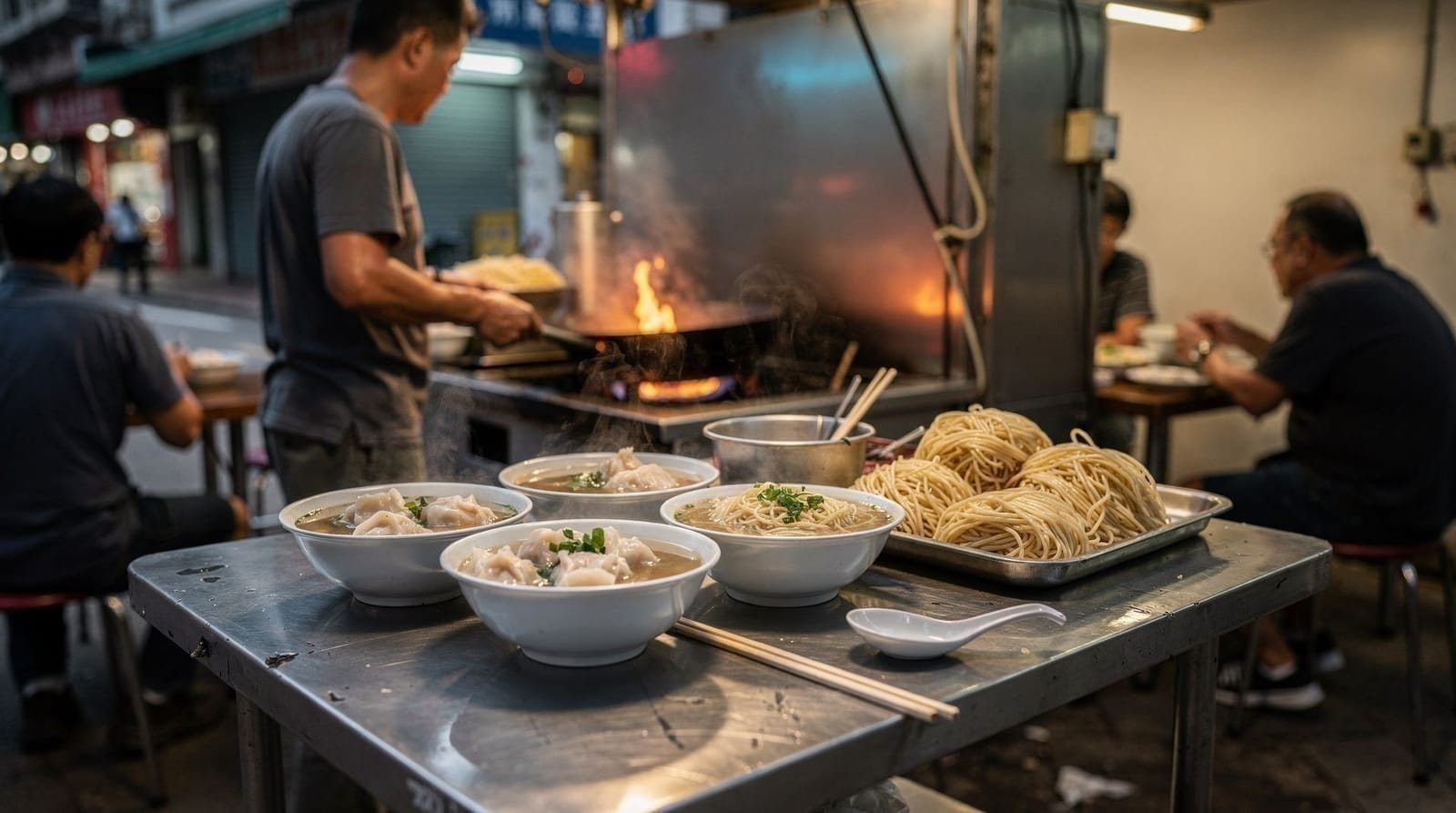
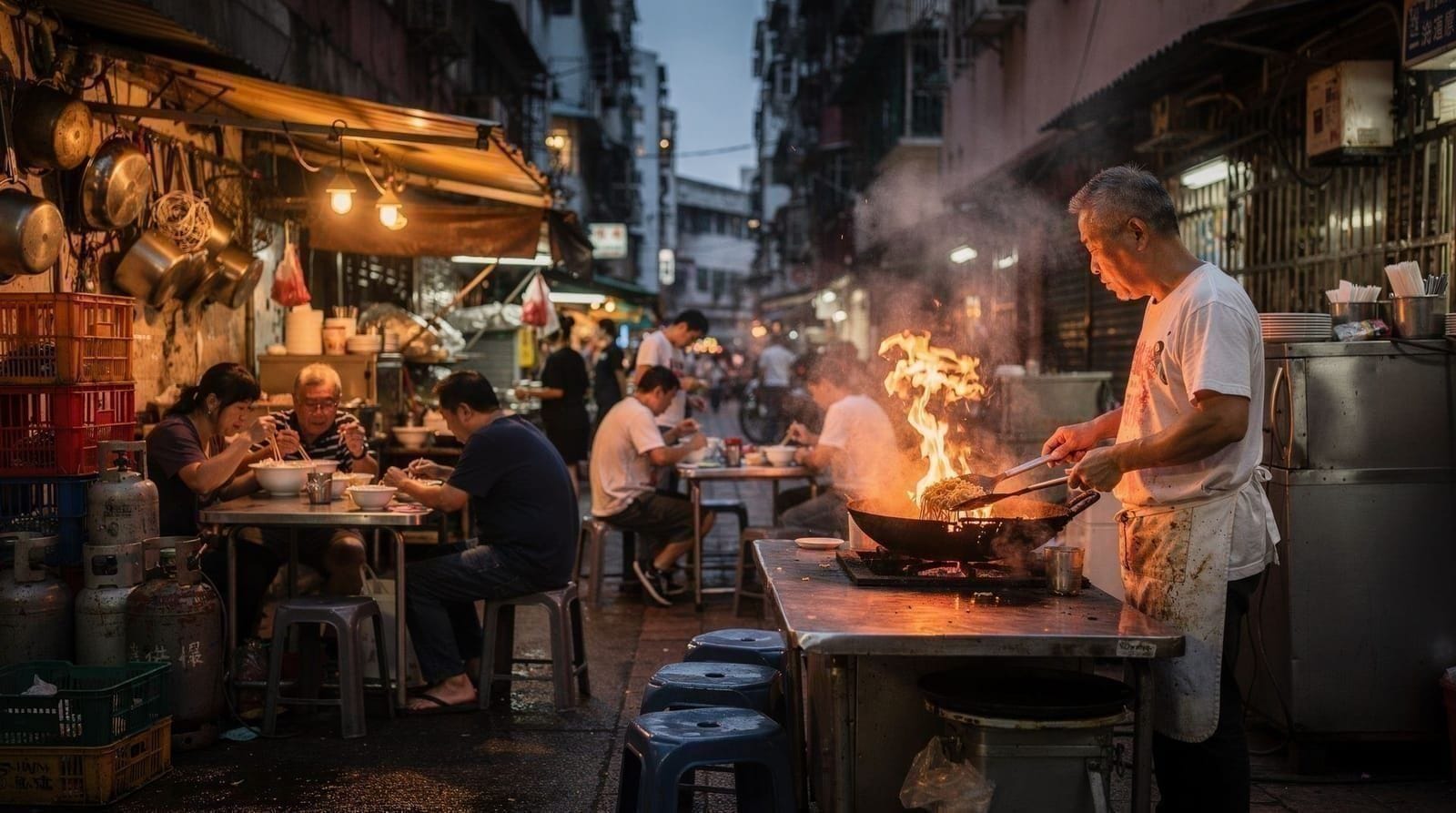
It is not a dai pai dong. Dai pai dong are outdoor cooked food stalls serving wok-fried dishes — stir-fries, seafood, vegetables. The cha chaan teng is an indoor diner.
Frequently asked questions about cha chaan tengs
Can I sit at a cha chaan teng without ordering anything?
No. Cha chaan tengs operate on rapid table turnover. If you sit, you order. The minimum is typically a drink (milk tea, coffee). This is not a place to sit and use Wi-Fi for an hour.
Are cha chaan tengs vegetarian friendly?
Partially. Scrambled eggs on toast, pineapple bun, French toast (check for pork filling), congee with vegetables, and some noodle soup options work for vegetarians. Many dishes contain ham, luncheon meat, or pork components. Ask before ordering if you have restrictions.
What is the difference between a cha chaan teng and a bing sutt (冰室)?
A bing sutt (literally “ice room”) is an earlier predecessor to the cha chaan teng — slightly more focused on cold drinks and simple snacks. The distinction has largely collapsed; both terms now describe the same type of establishment. Cha chaan teng is the more common term.
Is cha chaan teng food considered authentic Hong Kong cuisine?
Yes — more than many other things marketed as Hong Kong food to tourists. The cha chaan teng is a genuinely local invention born from specific historical and economic circumstances. The food it serves — milk tea, pineapple bun, macaroni soup — is distinctly Hong Kong: Chinese culinary technique and ingredients meeting mid-century British colonial food culture.
Do I need to tip at a cha chaan teng?
No. Tipping is not expected at cha chaan tengs. A 10% service charge sometimes appears on the bill at slightly larger or chain branches (Tsui Wah, for example); if it does, no further tip is needed. At small independents, rounding up or leaving a coin is a nice gesture but never obligatory.
Can I get a cha chaan teng breakfast delivered or takeaway?
Yes, most cha chaan tengs do takeaway (外賣, ngoi maai) — say the word or point, and the same menu is available boxed to go. This is a useful option if you want a cheap, quick breakfast to eat on a hike or ferry ride rather than sitting in. Prices are the same as eating in; there is no extra charge for takeaway at most local tengs.
The history behind the cha chaan teng
The cha chaan teng emerged in Hong Kong in the 1940s and accelerated in the 1950s–1960s as an affordable alternative to upmarket Western restaurants (which were expensive and socially exclusive) and as a complement to the existing Chinese food culture (which did not serve the Western-style breakfast and coffee that colonial-era Hong Kong workers increasingly wanted).
The founders of the early cha chaan tengs observed that the affordable items from high-end Western restaurants — toast, scrambled eggs, coffee with milk — could be replicated at much lower cost using local ingredients and preparation methods. Evaporated milk instead of fresh cream. Ceylon tea brewed strong and blended with the evaporated milk for a drink that was neither European tea nor Chinese tea but specifically Hong Kong. Bread products from Hong Kong bakeries rather than imported goods.
The result was an entirely new food culture: a hybrid cuisine that belongs specifically to Hong Kong and cannot be convincingly replicated elsewhere. The French toast at a cha chaan teng is not French; the macaroni soup is not Italian; the milk tea is not British. They are Hong Kong.
By the 1970s and 1980s, cha chaan tengs had spread throughout the territory and become the dominant everyday eating option for the working and middle class. At their peak, there were reportedly thousands of licensed cha chaan tengs in Hong Kong.
The cha chaan teng today
The number of cha chaan tengs has declined significantly from the peak — rising rents in Hong Kong’s commercial districts have squeezed margins, and many family-operated tengs have closed when the founding generation retired without successors. The remaining independent cha chaan tengs are often 30–60 years old and run by the same family that founded them.
This makes a visit to an independent cha chaan teng (rather than the Tsui Wah chain) something of a heritage experience in addition to a meal. The physical spaces are unchanged — the same plastic chairs and tables, the same fluorescent lighting, the same position of the cash register at the door, the same condensed milk cans on the shelf.
Several chains have emerged to fill the gap created by the closure of independents: Tsui Wah, Café de Coral (more fast-food than traditional teng), and various smaller local chains. These are reliable and serve the correct food, but the atmosphere of the independent is irreplaceable.
Afternoon tea at a cha chaan teng
One of the less obvious uses of a cha chaan teng is as an afternoon tea destination — not in the British hotel sense but in the Hong Kong working-culture sense. Between roughly 14:00 and 17:00, cha chaan tengs shift from the lunch rush to a slower period where office workers, students, and older residents come for milk tea, a pineapple bun, and a rest.
This is one of the more pleasant ways to spend an afternoon in Hong Kong if you want to observe daily life rather than tourist sights. Sit at a shared table, order a pot of milk tea, eat a pineapple bun with butter, and watch the neighbourhood go by. The cost is HKD 30–50. The experience is irreplaceable.
What the milk tea quality tells you
At any cha chaan teng, order the milk tea before you commit to a full meal. The quality of the milk tea is a reliable indicator of the teng’s overall standards:
Good signs: Tea that is dark amber to brown, slightly silky from the evaporated milk, with a bittersweet character that is neither too watery nor too thick. Temperature exactly right (hot means hot, cold means cold ice). Served quickly.
Warning signs: Pale, weak tea. An over-sweet, one-dimensional flavour. A bag of instant milk tea powder visible behind the counter (some budget tengs use powder rather than brewing fresh — the taste difference is significant).
The blend of tea matters: most good cha chaan tengs use a proprietary blend of 4–7 different Ceylon tea grades, balanced to produce a specific flavour profile when combined with evaporated milk. The tea is brewed in a large muslin bag (called a “stocking” or “silk stocking” from its appearance) that is used repeatedly — the gradual buildup of tannins in the cloth is said to contribute to the characteristic flavour. A fresh cloth produces subtly different milk tea than one that has been used for a year.
Pairing cha chaan teng food
A classic Hong Kong cha chaan teng combination breakfast for two might include:
- Two pots of milk tea (one hot, one with ice)
- One serve of pineapple butter bun (split to share)
- Two portions of scrambled eggs on toast
- One bowl of congee (to share)
- Total cost: HKD 120–160 for two people
The congee adds a specifically Chinese dimension to the meal — rice porridge with simple toppings is the traditional Hong Kong breakfast from the Chinese side of the culture. The pineapple bun and eggs represent the Western-influence side. Together, they make the Hong Kong breakfast as complete as any in the world and at a fraction of what a hotel breakfast would cost.
For the full context on how the cha chaan teng fits into Hong Kong’s wider food culture, see the street food guide and the dim sum guide.
Egg tarts, Michelin recognition and beyond the diner
Many cha chaan tengs bake their own egg tarts, and the best egg tarts guide shows where to compare them. Some humble diners and cheap eateries have earned guide recognition too; the Michelin cheap eats guide covers that end of the scale. If you would rather have a guide explain the dishes as you eat, the food tours guide compares the options.
Eating this way also shapes your wider spending. The Hong Kong trip cost guide and the budget breakdown both show how much a few diner meals a day can save. To pay for them without fuss, keep an Octopus card topped up as described in the Octopus card guide, and check the safety and etiquette guide for general manners around shared tables and busy rooms.
Pair a diner breakfast with a ride on the Star Ferry or a wander through the Temple Street night market later in the day, and you have a very local itinerary. The blog piece on cheap eats in Mong Kok and the dim sum ordering etiquette post add more detail on eating like a resident.