Mong Kok area guide — markets, food, and what to expect
Hong Kong: Kowloon market walking tour small group
What is Mong Kok known for in Hong Kong?
Mong Kok is famous for its street markets — the Ladies' Market, Flower Market, Goldfish Market, and Bird Garden. It is one of the world's most densely populated areas and offers some of Hong Kong's cheapest eats and accommodation alongside authentic local street life.
The real Hong Kong, unfiltered
There are neighbourhoods in Hong Kong that exist to be photographed, and then there is Mong Kok. Dense, loud, endlessly commercial, and completely indifferent to your opinion of it — Mong Kok is where a significant portion of Kowloon’s working population shops, eats, and lives. It holds one of the highest population densities of any urban district on the planet, with tens of thousands of people per square kilometre packed into ageing residential towers above neon-signed shopfronts.
| Where | Kowloon, north of Tsim Sha Tsui, along Nathan Road |
| Cost | Free to wander; food HKD 20–70; markets from HKD 20 |
| Time needed | 3–4 hours for the highlights, a full day for the fuller picture |
| Getting there | MTR Mong Kok or Mong Kok East station |
| Best time | Late afternoon to evening for the markets; morning for flowers/birds |
Tourists who stick to Tsim Sha Tsui often leave Hong Kong thinking they have seen Kowloon. They have seen its polished south face. Mong Kok, ten minutes north by MTR, is something else entirely. The pavements are narrower, the overhead signs more aggressive, the mix of produce shops, hardware dealers, clothing stalls, and dai pai dong eating joints more compressed. This is where locals actually spend their money — not on luxury goods, but on everyday necessities, street food, and bargain merchandise. Visiting it without a plan can feel overwhelming; understanding its geography before you arrive makes it one of the most rewarding afternoons you can have in the city.
Getting here: MTR lines and exits
Mong Kok is served by two MTR stations on different lines, which matters depending on where you are coming from.
Mong Kok station sits on both the Tsuen Wan Line and the Kwun Tong Line. If you are coming from Central or Sheung Wan on Hong Kong Island, take the Tsuen Wan Line (red) directly — it crosses under the harbour and reaches Mong Kok without a transfer. From Causeway Bay you will need to change at Admiralty or take the Kwun Tong Line (green) from Wan Chai. The Tsuen Wan Line exits at Mong Kok station put you directly alongside Nathan Road and the core market streets. Exit D3 is the most useful for the Ladies’ Market on Tung Choi Street.
Mong Kok East station is on the East Rail Line, making it the logical arrival point if you are coming from Lo Wu (the mainland China border crossing) or from Hung Hom. It sits slightly to the east and is a short walk to Sneaker Street and the upper end of Tung Choi Street.
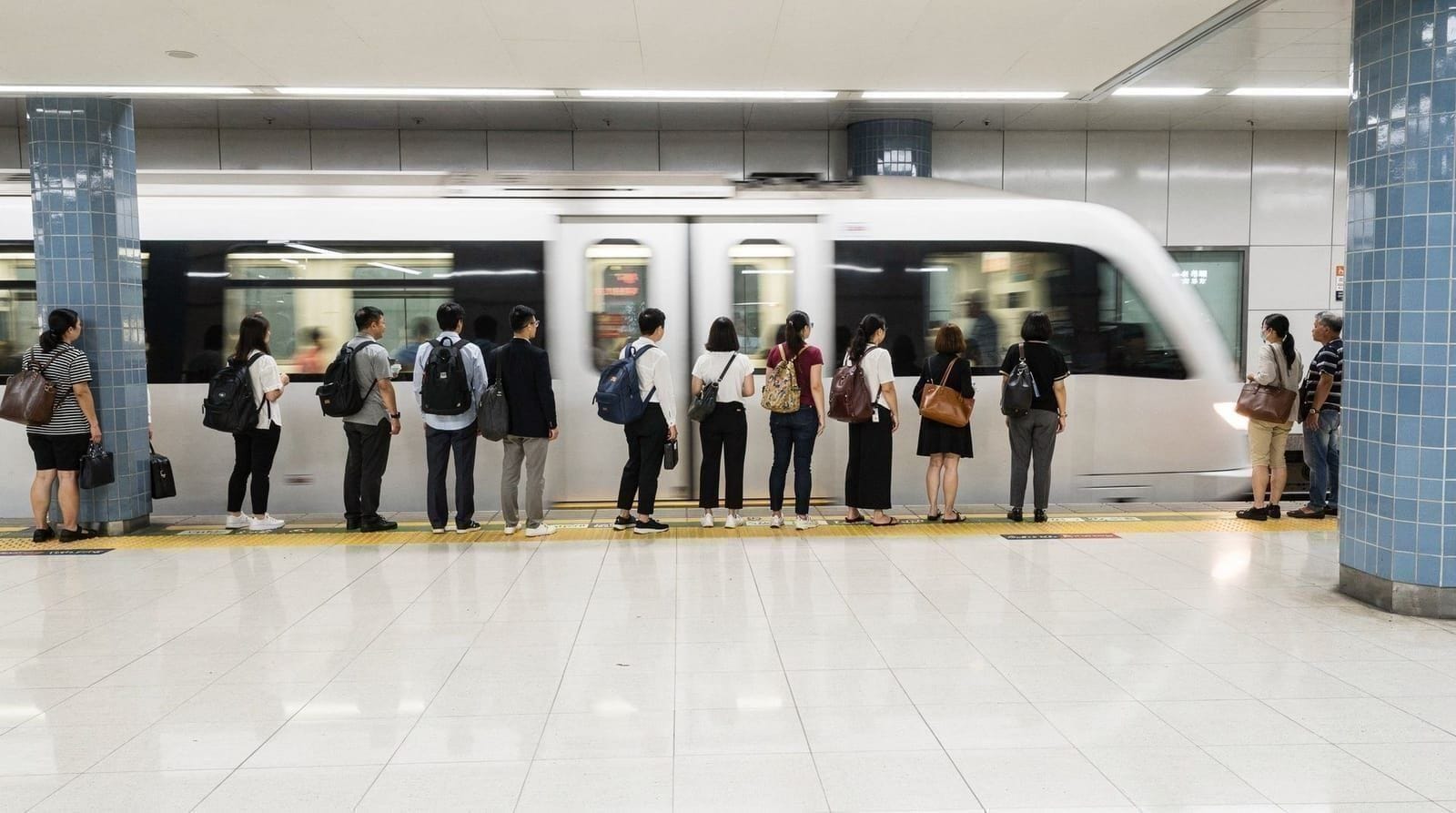
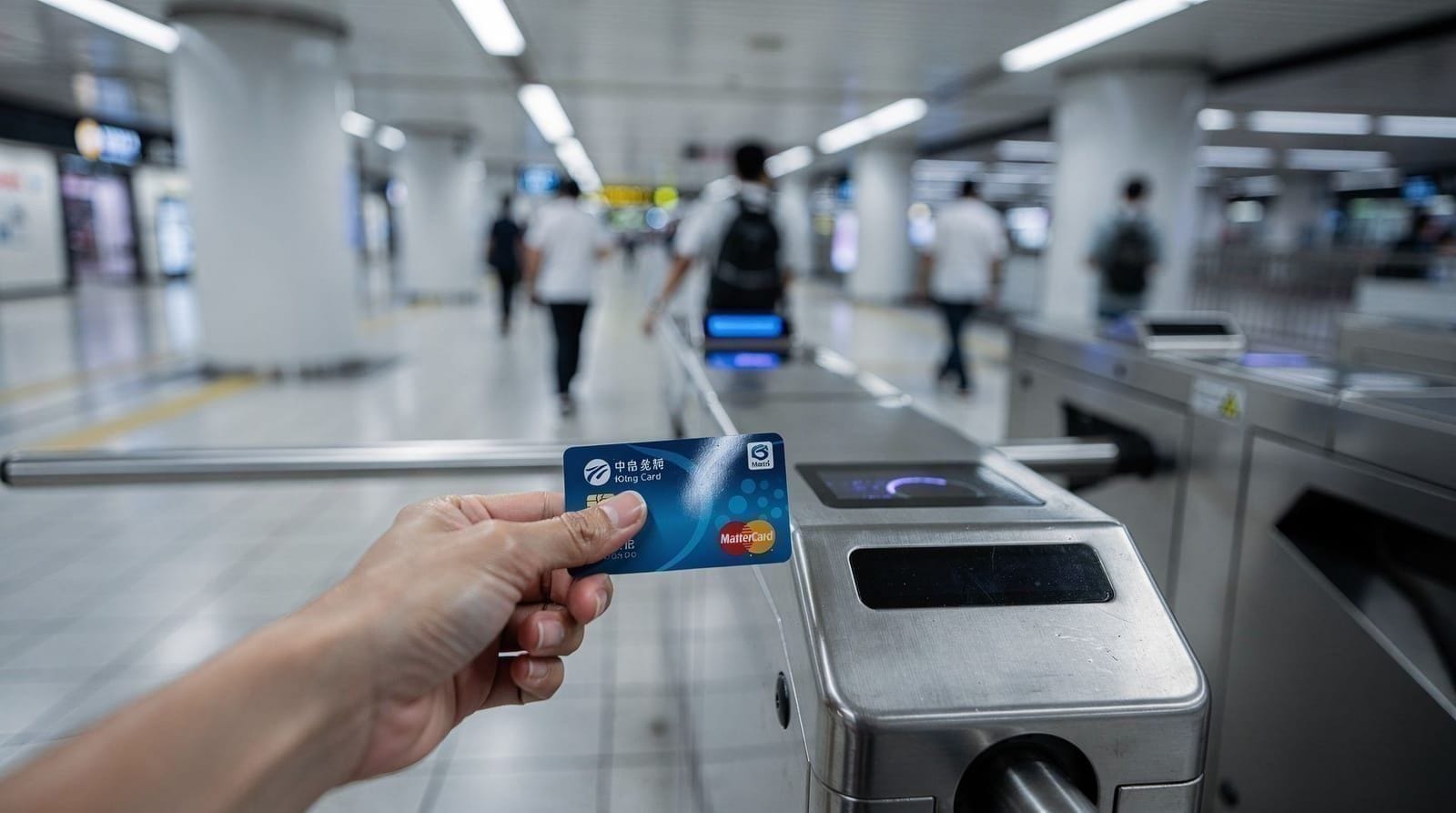
Read our full MTR guide for line diagrams and fare details. Make sure you have an Octopus card loaded — tapping in and out is far faster than buying single-journey tickets in the busy stations.
The markets of Mong Kok: what they are and where they are
The word “market” in Mong Kok covers an unusually wide range of things. Some are formal open-air bazaars with defined stall rows. Others are simply blocks of shops selling the same category of merchandise — effectively a street-level retail cluster. Here is each one in practical terms.
Ladies’ Market (Tung Choi Street, middle section)
Despite its name, the Ladies’ Market has sold far more than women’s clothing for years. You will find tourist souvenirs, phone cases, handbags, scarves, jewellery, children’s toys, cheap cosmetics, and an enormous quantity of Hong Kong and China-themed trinkets. The stalls run along Tung Choi Street between Argyle Street and Dundas Street, taking up several blocks of covered pavement.
It opens at around 3pm and trades until 11pm or midnight. The late opening is not an accident — the market caters to after-work crowds as much as tourists, and the evening atmosphere under the lights is genuinely lively.
Prices are not fixed. The first price quoted to a foreign-looking visitor tends to be substantially higher than what a Cantonese-speaking local would pay. Bargaining is expected and normal. A reasonable approach is to offer roughly 60% of the opening price and negotiate from there. Vendors will sometimes wave you off on slow items and come down dramatically on busier ones. Walking away occasionally produces a better offer. Cash (HKD) is standard.
Join a private walking tour of Mong Kok’s street markets if you want someone with Cantonese to help you navigate the bargaining and explain what you are actually looking at. Guides who know the market can also steer you toward stalls with better-quality goods.
Goldfish Market (Tung Choi Street, south section)
South of the Ladies’ Market, the character of Tung Choi Street shifts abruptly. The trinket stalls give way to a dense concentration of aquarium and pet shops selling live fish in sealed plastic bags hung in their hundreds from shop fronts and display racks. This is the Goldfish Market — an institution that has occupied this stretch for decades.
The selection is genuinely extraordinary if you know anything about tropical fish. Rare koi, exotic bettas, marine species, and hundreds of varieties of goldfish are sold alongside tanks, filters, and aquarium supplies. Hong Kong residents believe that keeping goldfish brings good fortune, and healthy fish are taken seriously as home purchases. The visual effect of thousands of water-filled bags catching the afternoon light is strange and memorable even if you have no interest in aquariums.
Most shops do not cater to export purchases — transporting live fish across borders requires permits. Visit to look rather than buy unless you are a local resident.
Flower Market Road (near Prince Edward MTR)
Just north of Mong Kok proper, in the Prince Edward area, Flower Market Road runs east–west and is lined on both sides with wholesale and retail flower shops. The best time to visit is morning, when deliveries have come in and the pavements are stacked with fresh-cut blooms — roses, chrysanthemums, orchids, and seasonal Chinese New Year flowers in January and February.
By evening most wholesale stock is gone, though retail shops remain open later. This is where locals buy flowers for weddings, funerals, Lunar New Year decorations, and ordinary home bouquets. Prices are meaningfully lower than florists in Central or on Hong Kong Island generally. Prince Edward MTR station (Kwun Tong and Tsuen Wan lines) puts you directly at the western end of the road.
Yuen Po Street Bird Garden
A short walk from the Flower Market, tucked off Yuen Po Street, the Bird Garden is an enclosed market of painted archways and narrow lanes where vendors sell songbirds in ornate wooden cages, along with live insects (the birds’ food), handcrafted cages, decorative drinking vessels, and calligraphy supplies. Elderly men bring their own caged birds here to socialise — hanging their cages from hooks provided along the walkways, letting the birds sing to each other — while discussing the relative merits of different songbirds.
It closes in the late afternoon, so plan to visit before 4pm or 5pm. The Bird Garden is not a place to buy birds as a visitor (again, export restrictions and airline rules make this impractical), but it is one of the few places in Hong Kong where you get a clear glimpse of a traditional male leisure culture that the city’s rapid modernisation has largely swept away elsewhere.
Sneaker Street (Fa Yuen Street)
Fa Yuen Street earned the nickname “Sneaker Street” because its ground-floor shops sell almost nothing but sports footwear. Nike, Adidas, New Balance, Asics, and dozens of smaller brands line both sides of the street. You will find genuine authorised stock, grey-market imports, and some shops selling limited-edition releases at premium prices. If you know what you are looking for and want to compare models across many stockists in a small area, this is useful. Prices on mainstream models are not dramatically cheaper than elsewhere, but rare sizes and colourways sometimes surface here that are hard to find in standard retail.
The electronics stretch on Argyle Street and at Sim City mall (at Mong Kok MTR) sells phones, accessories, and components aimed at local buyers. Prices are competitive but caveat emptor applies for grey-market electronics with no local warranty.
Mong Kok Computer Centre and Langham Place
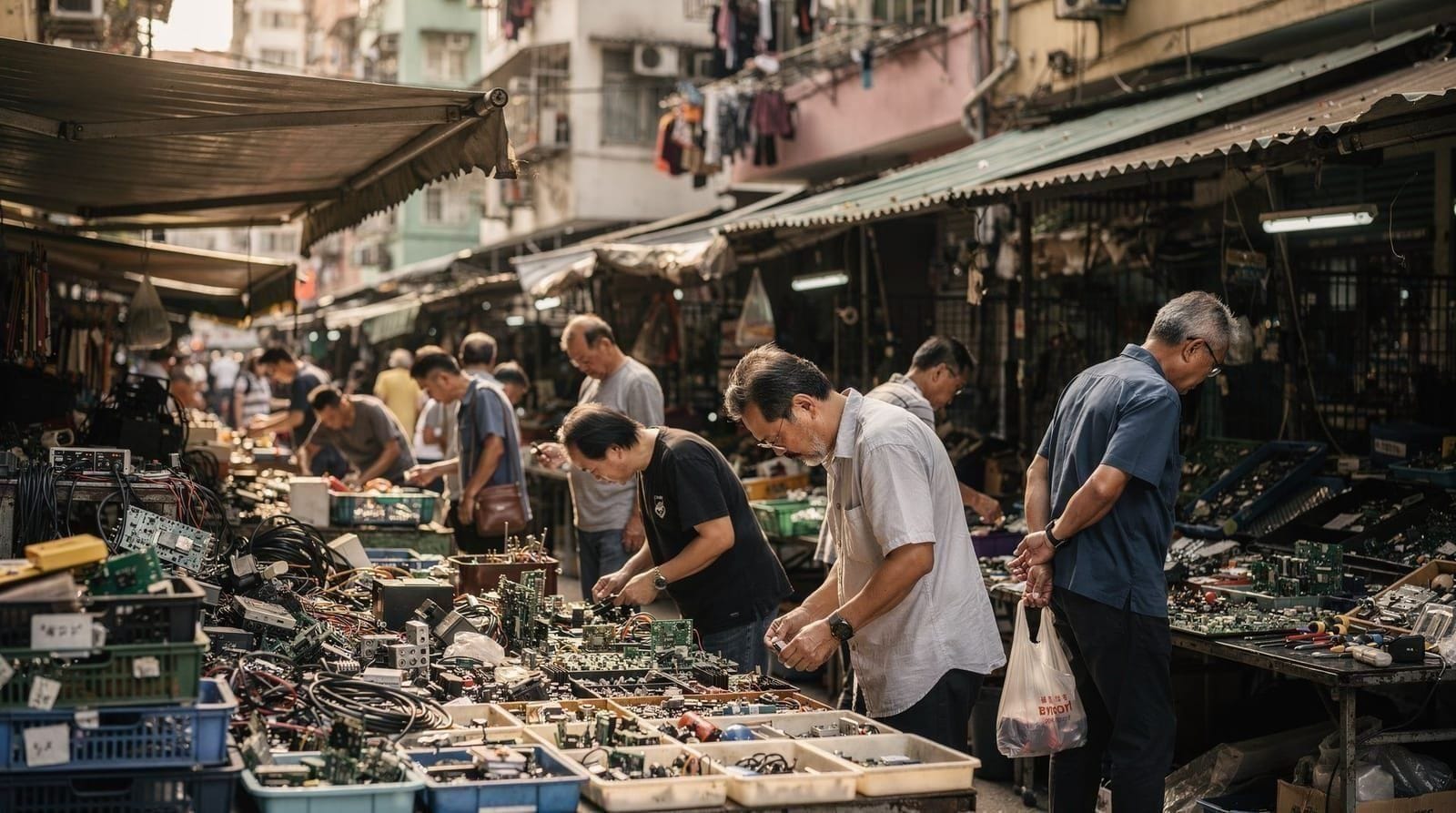
The Mong Kok Computer Centre, tucked into a multi-level arcade off Nelson Street, is a denser and more specialised version of Sim City — components, repairs, second-hand devices, and accessories crammed into small stalls across several floors. It rewards visitors who know exactly what they want; browsing without a plan can be overwhelming. For a complete contrast, Langham Place — a modern vertical shopping mall a short walk away — offers air-conditioned, fixed-price retail with international and local brands, useful if the market chaos becomes too much and you want a break with a coffee and a familiar shopping environment.
Eating in Mong Kok
The density of the neighbourhood means eating options are everywhere, but a few deserve specific mention.
Good Hope Noodles (multiple locations around the neighbourhood) is one of the most well-regarded wonton noodle shops in Kowloon. A bowl of shrimp wonton noodles runs HKD 50–70 depending on the topping combination. The broth is made daily, the wontons are hand-wrapped, and the noodles are thin and springy in the way that mass-produced noodles are not. Queue at peak hours.
Mak’s Noodle — the Mong Kok branch of the famous Central institution — serves similar wonton noodles in a slightly more refined setting, with the same commitment to quality. A bowl costs roughly HKD 55–80. If you want to understand why Hong Kong wonton noodle soup is considered an art form rather than fast food, either of these shops will show you.
Cheung Hing Kee on Bute Street specialises in Shanghainese pan-fried buns — sheng jian bao filled with pork and soup. Four buns cost around HKD 20. They are made fresh throughout the day, fried in large flat pans until the base is crisped and golden. The queue moves quickly and they are worth every minute of the wait.
Tsui Wah Restaurant is a classic cha chaan teng — Hong Kong’s version of a hybrid Western-Chinese diner — that stays open very late. A cha chaan teng breakfast of scrambled eggs, ham, toast with butter and kaya, and a cup of milk tea with the texture of silk runs HKD 40–60. The late-night menu of congee, instant noodles, and toast draws a crowd of people who have just finished their shifts. The laminated menus and Cantonese-dubbed TVs on the wall are part of an atmosphere that has barely changed in thirty years.
For quick street food, egg waffles (gai daan jai) from pavement stalls cost around HKD 25–30 and are best eaten walking. Bubble tea shops of every possible variety compete for space along Nathan Road and the market streets. Budget HKD 20–40 for a large drink.
Local BBQ rice shops — roast pork, char siu, and roast duck served over steamed rice — remain one of the best-value meals in the neighbourhood at HKD 35–65 depending on the combination. Look for the hanging carcasses in the window and point at what you want.
Book a small-group Kowloon markets tour that includes food stops to eat at local spots your guide actually uses rather than tourist-facing restaurants on Nathan Road.
What to watch out for
Counterfeit goods
Mong Kok has a long history with counterfeit merchandise, and while enforcement has tightened considerably over the years, fake goods have not disappeared entirely. You will occasionally be approached by touts — sometimes a quiet “copy watch” or a discreet card — directing you toward shops or upper-floor spaces selling fake luxury goods.
The relevant fact for visitors: in Hong Kong, buying counterfeit goods is illegal for the purchaser, not only the seller. The Customs and Excise Department does occasionally act on buyers. The legal risk is real, as is the practical one of purchasing something of unknown quality with no recourse if it fails. The correct response to any tout is a firm but polite refusal and continuing to walk. Do not follow anyone to a private lift or upper-floor space regardless of what you are told is on offer.
This is distinct from the standard grey-market merchandise at the Ladies’ Market, where the goods are what they appear to be — unbranded or budget-branded clothing and accessories — and bargaining is normal.
Noise and crowds
Mong Kok on a weekend evening is one of the most heavily trafficked pedestrian environments on earth. The pavements narrow, the stall fronts push into the walkways, and moving in a straight line becomes difficult. If you are claustrophobic or find dense crowds genuinely stressful, plan to visit on a weekday afternoon when the volume is lower. If you are used to busy urban environments, the chaos has its own energy that becomes enjoyable once you stop fighting it.
Hotels here are legitimately noisy at night. Street sounds, traffic, and the occasional dispute from the market strip carry through windows. Bring earplugs or accept that you will be sleeping to the soundtrack of Kowloon.
Getting overcharged as a visible tourist
Beyond the Ladies’ Market bargaining dynamic, a few specific traps are worth knowing. Some electronics shops on Sim City’s upper floors quote inflated prices to visibly foreign customers for items with a fixed, lower price at ground-level chain stores — check a listed price at a mainstream retailer (Fortress, Broadway) before committing to a market stall purchase. Taxi drivers picking up directly outside the busiest market entrances occasionally take a longer route for tourists unfamiliar with the geography; a ride from central Mong Kok to Tsim Sha Tsui should not exceed HKD 40–50 in normal traffic. If in doubt, request the meter be started immediately and know your destination’s rough distance in advance.
Staying in Mong Kok
Budget accommodation in Mong Kok runs HKD 400–900 per night for a private room at a guesthouse or basic hotel, which is meaningfully cheaper than equivalent rooms in Tsim Sha Tsui or on Hong Kong Island. Many of these are in the Chungking Mansions-style multi-tenant buildings — perfectly functional but not luxurious, with small rooms and shared or en-suite bathrooms that are compact by any standard.
The trade-off is location: you are within walking distance of every market and a direct MTR ride from the harbour and Hong Kong Island. For travellers whose priority is spending money on experiences rather than accommodation, it is a sensible base.
Our where to stay in Hong Kong guide covers all the main neighbourhood options in detail, including the practical differences between staying in Mong Kok versus Tsim Sha Tsui. If you are weighing the two, our Mong Kok vs TST comparison lays out the trade-offs clearly.
How to spend a day in Mong Kok
The neighbourhood divides naturally into a morning and an evening visit, or a single late-afternoon-to-night block.
Morning (9am–12pm): Start at the Flower Market Road when it is freshest. Walk east through the displays, then detour south to the Bird Garden before it becomes crowded. Grab a cha chaan teng breakfast at Tsui Wah or a similar local diner on Nathan Road — congee, toast, and milk tea, and you will be fuelled for the rest of the morning.
Midday: The markets are not yet open. Use this time to walk Sneaker Street on Fa Yuen Street, browse the electronics at Sim City, or take the MTR one stop south to explore Yau Ma Tei and Jordan, which connect to Temple Street and the wholesale jade market. A quiet air-conditioned break at Langham Place also works well here if the midday heat is intense, particularly in the summer months when street-level temperatures in the market corridors climb quickly.
Late afternoon through evening (3pm–10pm): This is when Mong Kok comes into its own. The Ladies’ Market stalls set up, the food streets fill up, and the neon comes on. Pick your direction — either a slow circuit of the market streets bargaining for whatever catches your eye, or a focused food walk hitting Good Hope Noodles for dinner, Cheung Hing Kee for the pan-fried buns, and a stall egg waffle for the walk home.
If you want structure without having to plan every step yourself, a full-day private city trip covering Mong Kok gives you a guide for the entire experience — useful if it is your only day to cover the area and you want local knowledge built in.
Mong Kok in relation to the rest of Kowloon
Mong Kok sits in the middle of Kowloon’s Nathan Road corridor, making it easy to combine with other neighbourhoods. To the north, a short walk or one MTR stop takes you toward Sham Shui Po — which is even less touristy, specialising in electronics components, fabric, and wholesale goods, and covered in our Sham Shui Po guide. To the south is Yau Ma Tei and then Tsim Sha Tsui, where the Star Ferry terminal, museums, and the Avenue of Stars are concentrated.
From Mong Kok, day trips are straightforward. The Octopus card gets you anywhere on the MTR network. Lantau Island and the Big Buddha is reachable in under an hour. A Macau day trip leaves from the Macau Ferry Terminal in Sheung Wan — one MTR ride away.
The outlying islands are accessible from Central Pier. If you are planning a broader Hong Kong itinerary, three days in Hong Kong gives enough time to do Mong Kok properly alongside the main sights. Even on a one-day visit you can fit in an evening at the markets after the harbour crossing.
For budget-conscious travellers building an itinerary around value, our Hong Kong budget itinerary puts Mong Kok at the centre where it belongs — cheap to sleep, cheap to eat, and free to explore. Families travelling together will also find Mong Kok manageable in short bursts — an hour at the Bird Garden and Flower Market in the morning works well with children, though the evening market crush is better suited to older kids and teenagers who can navigate crowds comfortably.
A note on the neighbourhood’s texture
There is a version of Mong Kok written about in older guidebooks that focuses on the grit and danger — Triad associations, counterfeit goods operations, and a vague sense of menace. That version was exaggerated then and is more so now. Modern Mong Kok is crowded, commercially aggressive, and occasionally chaotic, but it is not threatening to navigate. Tens of thousands of ordinary families live here, shop here, and send their children to school here. The market vendors are salespeople trying to make a living. The food shop owners are running small family businesses.
What Mong Kok actually offers is something rarer than danger: it is a neighbourhood that has not been rebuilt for tourism. The Flower Market exists because people in Hong Kong buy a great deal of cut flowers, not because tourists find it picturesque. The Bird Garden exists because keeping songbirds is a genuine leisure practice among older Cantonese men, not as a heritage performance. The Goldfish Market is as busy on a Tuesday morning with local buyers as it is on a Saturday afternoon. This is what authentic means in practice — not a curated experience, but an actual place.
Photography in Mong Kok
The neon signage, the stacked apartment blocks, and the market crowds make Mong Kok one of the most photogenic neighbourhoods in Hong Kong once the light drops in the evening. Nathan Road at dusk, with its overlapping vertical signs and dense traffic, is a genuine highlight for street photographers — best captured from a pedestrian overpass or from ground level looking straight up the corridor of signs.
Be considerate photographing market vendors and their stalls directly; a quick nod or gesture asking permission is appreciated, and most stallholders are relaxed about it as long as you are not blocking their customers. Avoid photographing individuals in the Bird Garden without asking, since many of the regulars are older locals who may not want their picture taken by a stranger.
That is what makes it worth the trip across the harbour.
Mong Kok vs its Kowloon neighbours
| Mong Kok | Tsim Sha Tsui | Sham Shui Po | |
|---|---|---|---|
| Character | Dense, loud, local markets | Polished, tourist-oriented | Wholesale, gritty, less touristy |
| Best for | Markets, cheap food, street energy | Museums, harbour views, shopping malls | Electronics, fabric, hidden eats |
| Accommodation cost | HKD 400–900/night | HKD 700–1,500/night | HKD 350–700/night |
| Tourist crowds | Moderate, mostly locals | High | Low |
Each neighbourhood rewards a different kind of visit — see the Sham Shui Po guide if Mong Kok’s energy appeals but you want something even less filtered for tourists.
Frequently asked questions about Mong Kok area guide — markets, food, and what to expect
Is Mong Kok worth visiting as a tourist?
What markets are in Mong Kok?
Is Mong Kok safe for tourists?
What should I eat in Mong Kok?
How late are the Mong Kok markets open?
Should I stay in Mong Kok or Tsim Sha Tsui?
How much time should I set aside for Mong Kok?
Is bargaining expected at the Mong Kok markets?
Top experiences
Bookable activities with verified prices and instant confirmation on GetYourGuide.