Sham Shui Po area guide — Hong Kong's most overlooked neighbourhood
Hong Kong: Explore Sham Shui Po food tour
Why should I visit Sham Shui Po in Hong Kong?
Sham Shui Po is Hong Kong's most authentic working-class neighbourhood — a place where secondhand electronics markets, wholesale fabric streets, and the original Tim Ho Wan dim sum restaurant coexist. It offers a window into a side of the city that most tour itineraries miss entirely.
Hong Kong’s most underrated neighbourhood on the Kowloon side
Most first-time visitors to Hong Kong never make it to Sham Shui Po. They stay close to the tourist circuit — Tsim Sha Tsui, Victoria Peak, Central — and leave without ever having seen a Hong Kong that hasn’t been cleaned up and repainted for visitors. That is a genuine loss.
Sham Shui Po sits in northwestern Kowloon, roughly three MTR stops north of Tsim Sha Tsui, and it operates at a completely different frequency from the city’s polished commercial districts. This is one of Hong Kong’s oldest continuously inhabited urban areas — densely packed, historically significant, economically diverse, and utterly without pretension. Electronics dealers stack secondhand circuit boards on folding tables at street level. Wholesale fabric merchants sell silk by the bolt to fashion students and professional seamstresses side by side. On Kwong Wa Street, people queue on a Saturday morning for dim sum at what was once the cheapest Michelin-starred restaurant in the world.
If your itinerary so far is built around shopping malls and harbour views, Sham Shui Po will recalibrate it entirely.
| Where | Northwestern Kowloon, Sham Shui Po MTR station |
| Cost | Free to walk; dim sum and street food from around HKD 25 |
| Time needed | Half a day, 2–4 hours |
| Getting there | MTR Kwun Tong Line, one stop from Mong Kok |
| Best time | Weekday morning for markets, before 10am for tofu |
Getting there and getting oriented
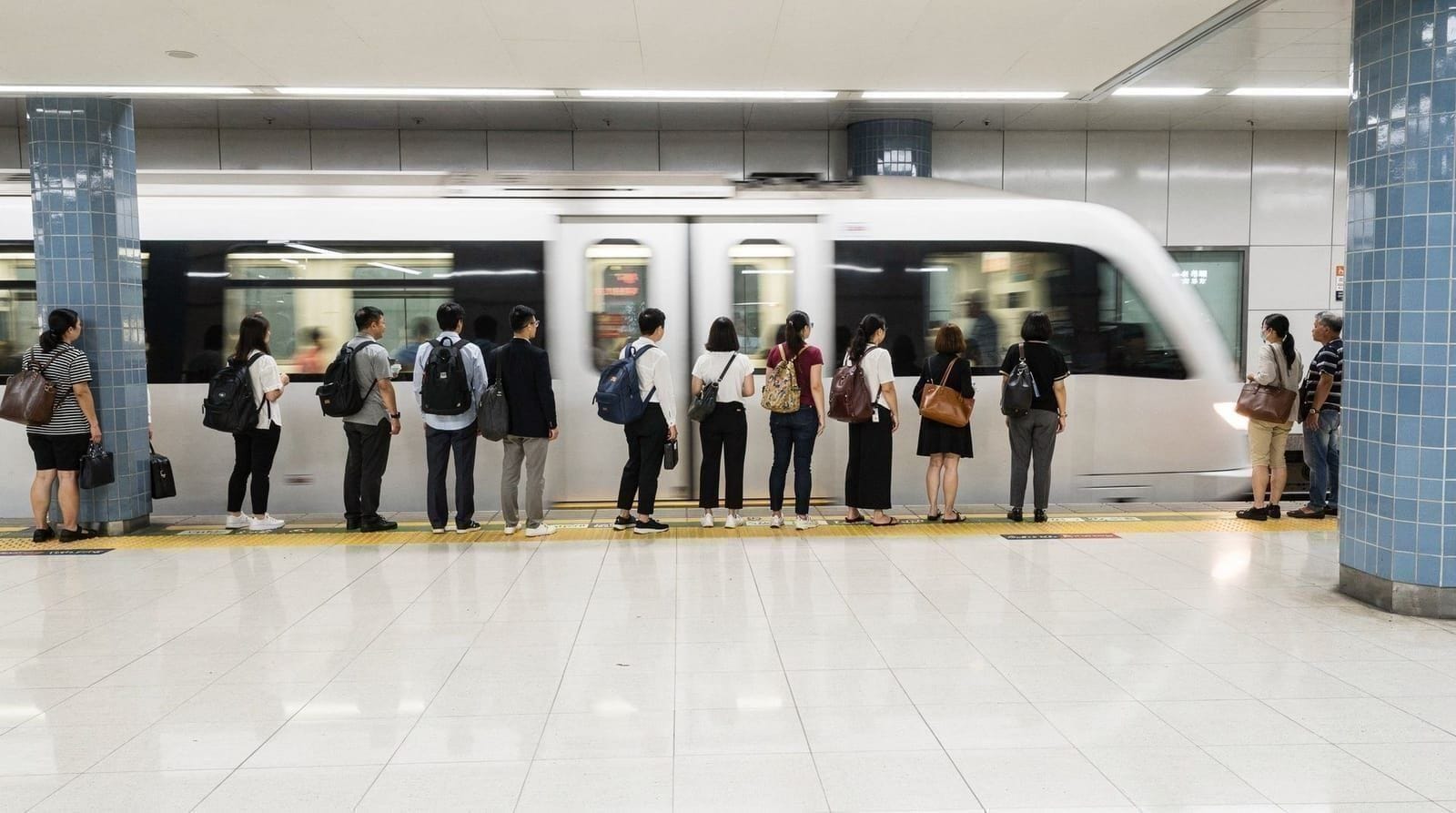
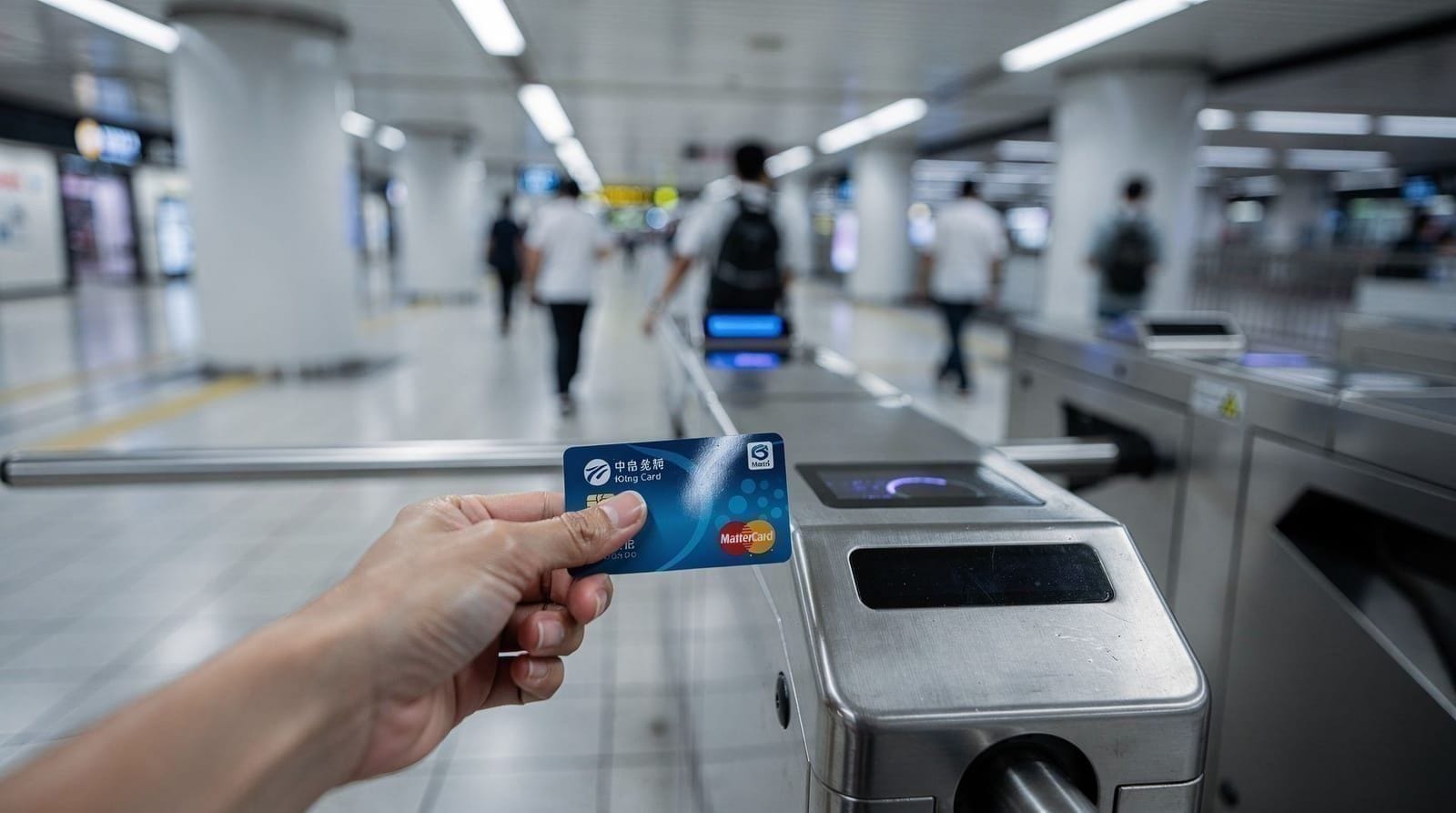
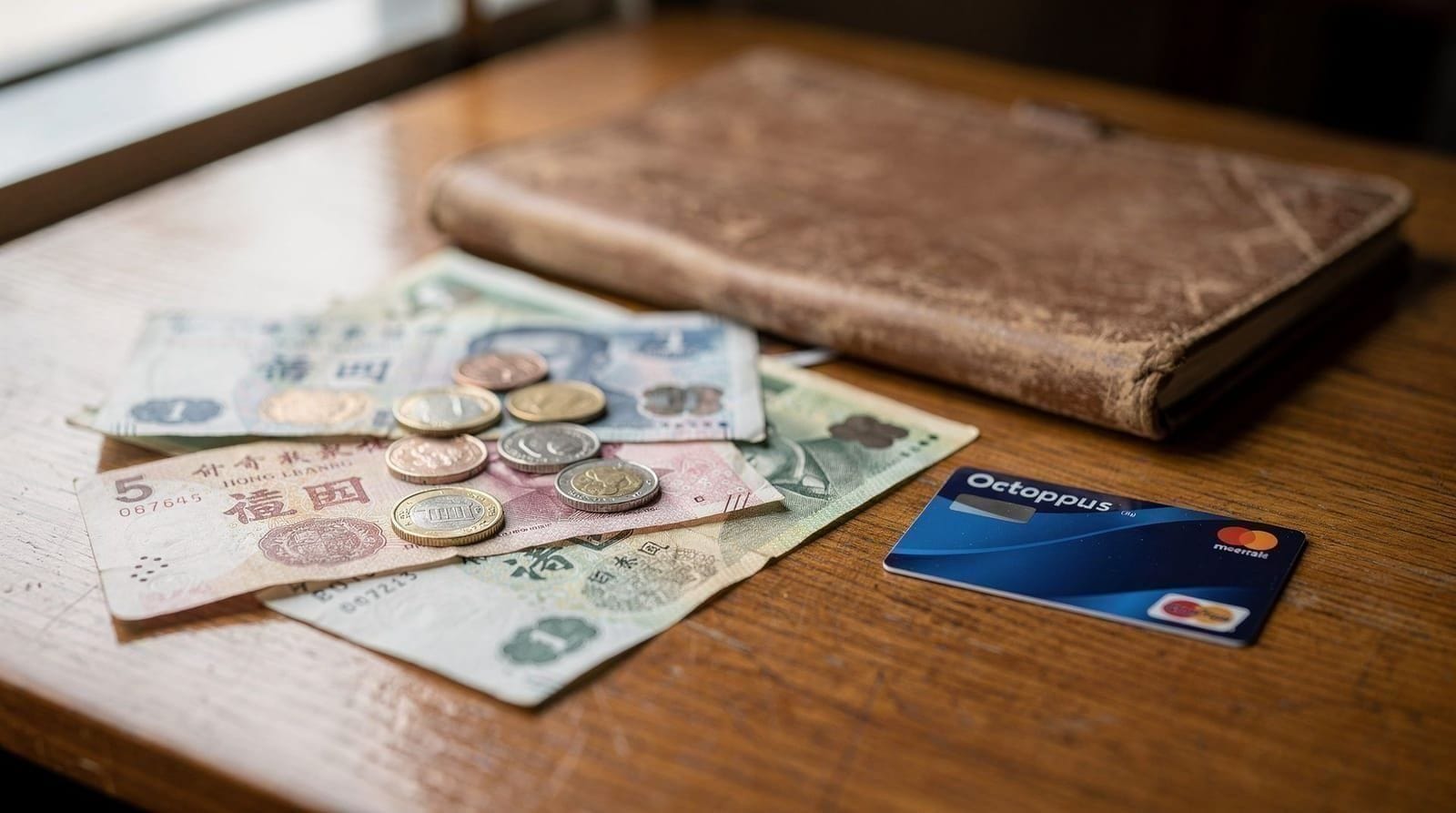
Sham Shui Po is served by Sham Shui Po station on the MTR Kwun Tong Line, which runs along the spine of Kowloon. From Tsim Sha Tsui, take the Tsuen Wan Line one stop to Mong Kok, then switch to the Kwun Tong Line heading east — Sham Shui Po is the next stop, roughly eight minutes in total. From Central on Hong Kong Island, the journey takes around 20-25 minutes: Tsuen Wan Line to Mong Kok, then one stop south on Kwun Tong. Load your Octopus card before you go — the fare is HKD 7-9 and you won’t want to bother with cash.
The station has exits A2, B1, B2, and C. For Apliu Street and the electronics market, exit B2 is the most direct. For the fabric district around Ki Lung Street, exit C brings you out closest to the action.
One stop north of Sham Shui Po on the Kwun Tong Line is Cheung Sha Wan station, which gives access to the wholesale fashion strips on Cheung Sha Wan Road. Worth keeping in mind if you plan to cover the whole neighbourhood thoroughly — it can be faster to enter at one station and exit at the other rather than doubling back.
The MTR guide covers all lines in detail if you want to plan connections across the city.
The Apliu Street electronics flea market
Very few street markets in Hong Kong retain the character of a genuine flea market rather than a tourist-facing stall setup. Apliu Street is one of them.
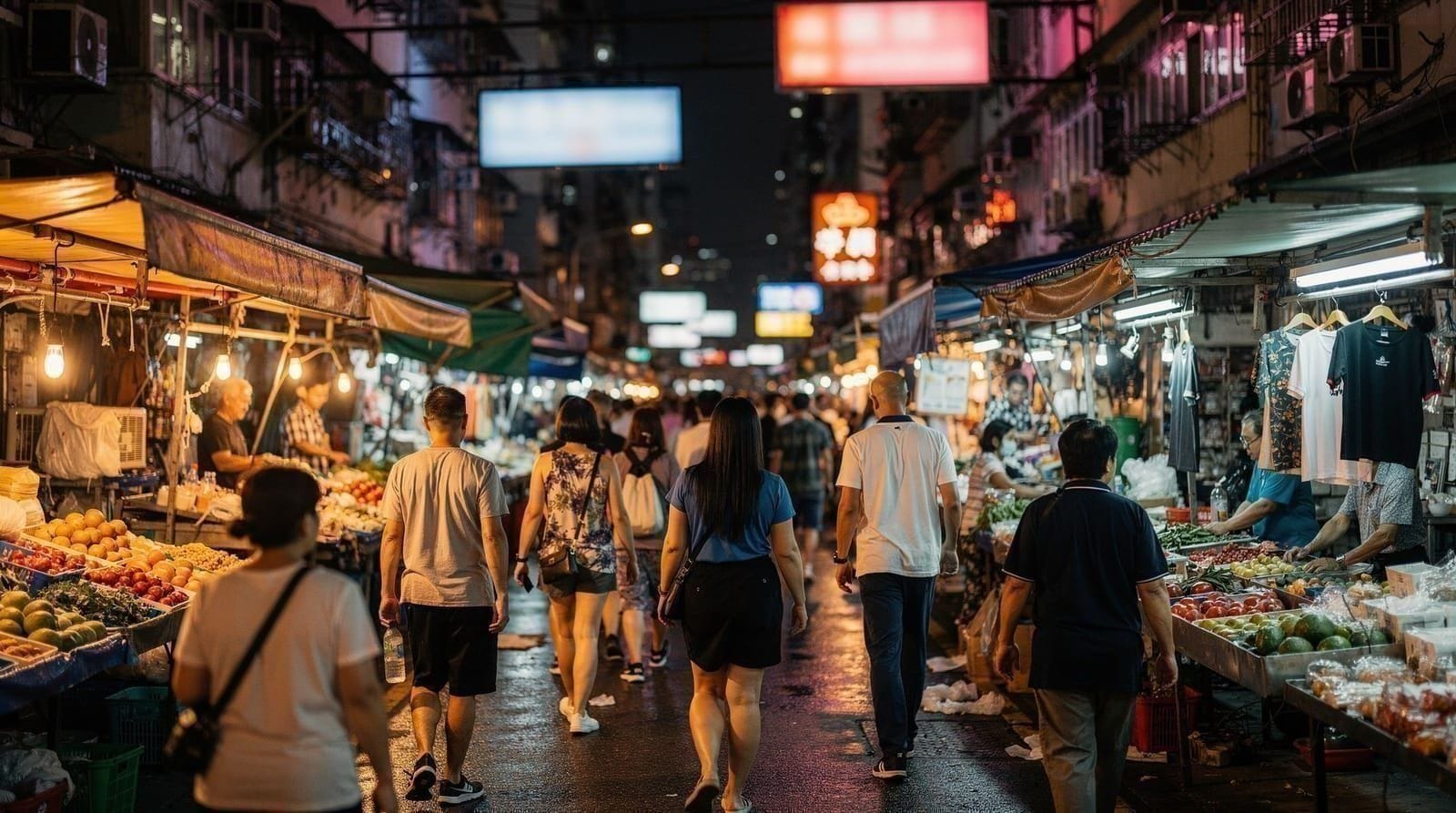
Running parallel to Kweilin Street through the heart of Sham Shui Po, Apliu Street operates daily but reaches peak form on weekend mornings, when the pavement fills with vendors selling secondhand and surplus electronics of every description. The range is remarkable: disused smartphones from three or four generations back, coils of obscure cabling, adaptors for formats that haven’t been manufactured in decades, vintage transistor radios, used walkie-talkies, laptop components, LED strips, drone parts, hard drives of unknown provenance. For electronics hobbyists and repair technicians, this street is a treasure. For everyone else, it is extraordinary to wander even if you buy nothing.
Prices are negotiable and haggling is expected — not in an aggressive way, but as a normal part of the transaction. Bring small notes (HKD 20 and 50 denominations are useful), keep an open mind about condition, and don’t expect warranties. Most vendors have a reasonable grasp of English for numbers and basic product descriptions.
The best time to visit is weekday morning if you want to take it slow without jostling. Weekend mornings are busier and more atmospheric, but also more crowded. By early afternoon on any day, the market is fully operational.
The fabric and craft district
Sham Shui Po’s other great commercial identity is as Hong Kong’s wholesale fabric district, concentrated primarily on Ki Lung Street and Nam Cheong Street, with spillover onto the surrounding blocks.
Walking these streets feels like stumbling into the back rooms of every fashion house in the city. Rolls of fabric are stacked floor to ceiling in narrow shophouses: raw cotton, stretch jersey, silk dupioni, brocade, velvet, lace, technical mesh. Alongside them, you’ll find dedicated trim shops selling buttons by the gross, zippers in every gauge, elastic, interfacing, piping, thread in several hundred shades, and notions you might not recognise if you’re not a professional sewist.
Most merchants sell at trade prices and are geared toward bulk buyers — factories, ateliers, tailors — but individual buyers are generally welcome, and the prices are still dramatically lower than retail fabric shops in Europe or North America. Expect to pay HKD 15-60 per metre for most fabrics depending on type and quality, with specialist fabrics or imported lace running higher.
This district draws fashion students from the Hong Kong Polytechnic University’s school of design, independent costume makers, cosplayers stocking up before conventions, home sewers, and occasionally buyers from fashion labels looking for unusual finds. If you sew or work in textiles, this is an obligatory stop. If you don’t, the sheer density and variety of the merchandise is worth a look on its own terms.
Cheung Sha Wan Road, running north-south through the neighbourhood and accessible via Cheung Sha Wan station, handles the wholesale fashion side of the trade — clothing and accessories by the carton, discount fashion that feeds into market stalls across Hong Kong and the region.
Fuk Wing Street and the neighbourhood’s creative turn
In the last several years, Sham Shui Po has developed a secondary identity alongside its wholesale markets: a growing concentration of vintage clothing shops, independent boutiques, and streetwear labels has established itself along Fuk Wing Street and nearby.
This is not a sudden transformation — the neighbourhood’s fabric connections and low rents made it a natural landing spot for young designers who need access to materials and affordable studio space simultaneously. Several small labels have production and retail under the same roof. Vintage shops carry denim, workwear, and Japanese imports from the 1980s and 1990s at prices that are high by Sham Shui Po standards but modest compared to equivalent shops in Central or Tsim Sha Tsui.
The Bees, a specialty coffee shop in the neighbourhood, has become a fixture for the creative crowd — small, consistently good, and useful as a rest stop between markets. Fishes, a café and bar a short walk away, functions as an after-work gathering point for people who live and work in the area.
G.O.D. — Goods of Desire — deserves a mention as one of Hong Kong’s most distinctively local lifestyle brands. Known for homeware and apparel with politically observant, often wryly funny designs rooted in Cantonese popular culture, G.O.D. has locations in several parts of the city. It is not a Sham Shui Po exclusive, but it fits the neighbourhood’s sensibility well.
If you want to explore the Mong Kok shopping scene before or after Sham Shui Po, the two neighbourhoods connect easily via the MTR. The full Mong Kok area guide covers that neighbourhood’s markets in detail.
Where to eat in Sham Shui Po
The food options in Sham Shui Po represent some of the most honest value eating in Hong Kong. This is not a neighbourhood where restaurants mark up prices for a tourist clientele — the margins are tight and the competition is local.
Tim Ho Wan on Kwong Wa Street
The original Tim Ho Wan branch on Kwong Wa Street is where the restaurant’s reputation was built before it expanded into a small international chain. When it received its Michelin star in 2009 — a single star, but a star nonetheless — at price points that barely exceeded a standard local lunch, it became briefly famous in food media circles for being the most affordable Michelin-starred restaurant on earth.
The menu is traditional Cantonese dim sum: har gow, siu mai, turnip cake, egg tarts, baked BBQ pork buns that are the kitchen’s signature item. Dishes range from HKD 25 to 52. The baked pork buns are universally considered the thing to order — golden, slightly crisp on the outside, soft within, filled with sweet-savory char siu.
Queues are a reality on weekend mornings. The workaround is simple: arrive before opening time (typically 10am) on a weekday, or show up at a genuinely off-peak hour like mid-afternoon on a Tuesday. The quality of the food justifies the wait even when the queue is long.
Combine dim sum in Sham Shui Po with a harbour water taxi — a good option if you want local context with some structureCheck availabilityKung Wo Tofu Factory
On Bak Kwai Road, just a few minutes walk from the MTR station, Kung Wo Tofu Factory has been operating since 1893. That is not a typo. The building has been through various incarnations over the decades but the business of making fresh tofu and soy milk on site continues much as it has for generations.
The soy milk is HKD 5 for a cup — warm, fresh, subtly sweet, genuinely different from any packaged version. Tofu in its several forms runs HKD 10-15. The factory sells out and closes when production is finished for the day, which often happens by midday, so aim to visit in the morning. Arriving to find the shutters down is a common disappointment for visitors who read about it but didn’t plan accordingly.
Wai Kee Noodle Cafe and char siu rice
Wai Kee Noodle Cafe is a neighbourhood institution known for curry fish balls and wonton noodles — the kind of canteen that seats you at a shared table and has your food in front of you within minutes. Dishes run HKD 40-60. The wonton noodle soup is a reliable standard, the broth properly seasoned, the wontons hand-wrapped with shrimp filling.
For char siu rice — roast pork over steamed rice, served with a drizzle of sauce and sometimes a fried egg or braised vegetables — the neighbourhood has numerous small rice shops selling bowls for HKD 30-55. These are not restaurants in any formal sense: a counter, a few stools, a display of hanging roast meats in the window, and a menu on the wall in Chinese with prices handwritten. Point at the meat you want, indicate rice, pay, eat.
Morning dim sum teahouses — yum cha spots where locals bring their own newspapers and occupy tables for an hour or two over multiple pots of tea and rolling carts of small plates — operate across the neighbourhood. These are not primarily aimed at visitors and the menus may be in Chinese only, but pointing works, prices are low, and the atmosphere of a room full of people conducting their actual morning is worth something in itself.
A guided food tour of Sham Shui Po covers several of these spots with local explanation — useful if you want context alongside the eatingCheck availabilityThe social reality: cage homes and subdivided flats
Any honest guide to Sham Shui Po has to acknowledge what the neighbourhood also contains. Alongside the markets, the new coffee shops, and the dim sum restaurants, Sham Shui Po has one of Hong Kong’s highest concentrations of people living in extreme poverty.
“Cage homes” — bedspace apartments in which individual sleeping spaces are partitioned by wire mesh cages, stacked together in flats subdivided far beyond their original design — are a well-documented feature of life in this and surrounding neighbourhoods. Residents pay several thousand Hong Kong dollars per month for a space barely larger than a single mattress. Subdivided flats, which divide standard apartments into multiple extremely small units, are another common arrangement. Some blocks in Sham Shui Po contain dozens of people living in conditions that would be considered unacceptable housing in most wealthy cities.
This social reality exists in direct and uncomfortable proximity to the gentrification that has brought specialty coffee shops and vintage boutiques to the same streets. The contrast is not hidden — it is visible if you walk through the neighbourhood with any attention.
Some walking tours of Sham Shui Po explicitly address this dimension of the neighbourhood, not as poverty tourism but as an attempt to explain the structural conditions that produced it and the ways residents have organized in response. If this interests you, this guided walk through the neighbourhood’s caged home areas offers a respectful, context-driven perspective on Hong Kong’s housing crisisCheck availability.
Visiting as an independent traveller, the main guidance is simple: treat the neighbourhood as you would any residential area. Don’t photograph people in their homes or in distress. Walk slowly and observe. The neighbourhood is not a museum of poverty and its residents are not exhibits.
Where to stay in Sham Shui Po
Sham Shui Po is not a primary hotel district, but it has accommodation options that make sense if you want to base yourself somewhere genuinely local rather than in the tourist centre.
Dorsett Sham Shui Po is the most significant mid-range hotel in the neighbourhood, with rates typically ranging from HKD 500 to 800 per night depending on season and room type. It is modern, well-located for the markets and MTR, and considerably less expensive than comparable properties in Tsim Sha Tsui or Mong Kok.
Smaller guesthouses in the area — operating in converted residential buildings, as is common across Kowloon — offer rooms from HKD 300-500 per night. Quality varies considerably and it is worth reading recent reviews before booking. The trade-off is location and price against the lack of lobby services and the somewhat institutional character of most guesthouses in this category.
For a wider view of accommodation options across Hong Kong and how to choose between Hong Kong Island and Kowloon, the where to stay in Hong Kong guide covers the main considerations. The Central versus Tsim Sha Tsui guide is useful if you’re undecided on which side of the harbour suits your itinerary better.
Sham Shui Po as part of a broader Kowloon day
Sham Shui Po works well as part of a longer Kowloon itinerary, particularly combined with Mong Kok to the south. The two neighbourhoods are one MTR stop apart — or a 15-minute walk along the main thoroughfares — and they complement each other: Mong Kok provides the famous night markets and commercial density, while Sham Shui Po offers the more specialised wholesale districts and a quieter, more residential atmosphere.
A workable sequence for a single day: arrive at Sham Shui Po in the morning when Kung Wo Tofu is still open and the Apliu Street market is building momentum, spend two to three hours covering the electronics and fabric streets, eat a late morning dim sum at Tim Ho Wan or a char siu rice lunch at one of the local shops, then walk or take the MTR south to Mong Kok for the afternoon and evening.
If your trip extends to other parts of Hong Kong, the MTR from Sham Shui Po connects comfortably to Tsim Sha Tsui and Causeway Bay for contrasting neighbourhood experiences. The Causeway Bay area guide covers Hong Kong Island’s busiest commercial district if you want to compare retail characters across the harbour.
Sham Shui Po also works as a half-day visit bolted onto a day trip return — if you’re heading back from Lantau and the Big Buddha and want to add one more neighbourhood stop before dinner, disembarking at Sham Shui Po on the return journey and spending a couple of hours there before continuing into the city centre is entirely practical. The Hong Kong MTR guide makes the logistics straightforward.
When to visit
Apliu Street electronics market is worth visiting on a weekday morning if you want more space and time to examine things properly. Weekend mornings are the most energetic and the fullest, but you will be competing with local buyers and the crowd on the pavement can be significant.
The fabric district operates during standard shop hours, typically 10am to 7pm, and has no particular peak or quiet time that dramatically changes the experience. Weekday mornings are slightly calmer; Saturday afternoons bring more student visitors.
Kung Wo Tofu Factory is a morning-only visit — it regularly sells out before noon and closes when production is finished. Building this into the start of your day and arriving before 10am is the safe approach.
Tim Ho Wan is open from around 10am, and the queue logic is simple: avoid Saturday and Sunday between 11am and 1pm unless you have patience to spare. Any other time, including Sunday mid-afternoon, is manageable.
For budget travellers, Sham Shui Po deserves a place on the itinerary alongside practical planning. The Hong Kong budget itinerary incorporates several of the cheapest eating and market options across the city, and Sham Shui Po features prominently in any honest budget planning.
Photography in Sham Shui Po
The neighbourhood is a genuinely rewarding place for street photography, but it comes with more responsibility than a typical tourist attraction. The market stalls, the stacked bolts of fabric, and the neon signage above the noodle shops are all fair game and rarely raise objections.
Where you should be more careful is around the residential buildings that house the cage homes and subdivided flats — these are people’s homes, not backdrops, and pointing a camera at doorways or windows is neither necessary nor welcome. If a vendor or shopkeeper is the subject of a photo, a quick gesture asking permission goes a long way and is generally met warmly; Sham Shui Po’s traders are used to being asked, less used to being photographed without acknowledgement.
Sham Shui Po vs Mong Kok: which comes first
Visitors with limited time often ask which of the two neighbouring districts to prioritise if they can only manage one. The honest answer depends on what you’re after. Mong Kok delivers density, neon, and famous named markets (Ladies’ Market, the flower and goldfish streets) that photograph well and feel unmistakably “Hong Kong” in the postcard sense.
Sham Shui Po delivers something quieter and more textured — genuine working neighbourhoods, wholesale trade rather than retail theatre, and food that locals eat rather than food styled for visitors. If you have half a day, do Sham Shui Po first while you’re fresh and unhurried, since it rewards slower attention; save Mong Kok’s markets for the evening when the energy and lighting suit it better. The full Mong Kok area guide has the detail on timing that district properly.
Combining Sham Shui Po with a wider transport day
Because Sham Shui Po sits directly on the Kwun Tong Line, it slots easily into a day that also touches Tsim Sha Tsui or crosses the harbour via the MTR to Hong Kong Island. Travellers already carrying an Octopus card loaded from earlier in their trip won’t need to plan anything extra — tap in, tap out, and the fare is a few dollars each way regardless of how many other stops you’ve made that day. This makes Sham Shui Po a low-friction addition even on a day that’s already built around something else, rather than a destination that demands its own dedicated outing.
Budgeting a Sham Shui Po visit
A realistic half-day budget for one person: HKD 20–30 for a soy milk and tofu breakfast, HKD 25–52 per dish at Tim Ho Wan (three or four dishes shared between two people is typical), HKD 100–200 if you buy anything at Apliu Street, and effectively nothing for the walking itself since browsing the fabric district costs nothing beyond whatever fabric or trims you decide to bring home. Total spend for a full morning to early afternoon, food included, comfortably sits under HKD 300 per person even with a proper Tim Ho Wan meal — one of the reasons this neighbourhood anchors so much of the Hong Kong budget itinerary.
A neighbourhood in transition
Sham Shui Po is changing faster than most Hong Kong districts right now, and that’s part of what makes visiting worthwhile at this particular moment rather than in five years. The wholesale trade that built the neighbourhood — electronics, fabric, wholesale fashion — persists largely unchanged, run by an older generation of merchants. Layered on top, a younger creative economy of coffee shops, vintage retailers, and small design labels has moved in over roughly the past decade, drawn by the same low rents and material access that sustained the older trades.
The two economies coexist rather than merging, and walking a single block can take you from a 1960s tofu factory to a shop selling curated 1990s Japanese denim. Whether this continues or whether rising rents eventually push the newer arrivals elsewhere, as has happened in other formerly-affordable Hong Kong districts, is an open question — which is a reason to see it now rather than assume it will look the same on a future trip.
Frequently asked questions about Sham Shui Po area guide — Hong Kong's most overlooked neighbourhood
Is Sham Shui Po worth visiting?
What is Apliu Street market in Sham Shui Po?
Where is the original Tim Ho Wan in Hong Kong?
Is Sham Shui Po safe for tourists?
How do I get to Sham Shui Po?
What fabric and craft shopping is available in Sham Shui Po?
Top experiences
Bookable activities with verified prices and instant confirmation on GetYourGuide.