Octopus card guide — everything you need to know for Hong Kong
Hong Kong: Octopus transportation card airport pickup
Do I need an Octopus card for Hong Kong?
Yes — it is the single most useful thing to get on arrival. It pays for MTR trains, buses, trams, the Star Ferry, ferries to Lamma and Cheung Chau, the Peak Tram, and hundreds of shops and restaurants. Cost is HKD 200 total (HKD 50 refundable deposit, HKD 150 usable credit). Buy one at any MTR station on arrival.
The one card that runs Hong Kong
Hong Kong has some of the best public transport in the world, and almost all of it runs through a single piece of plastic: the Octopus card. From the moment you step off the Airport Express at Central station to the moment you board the tram along the north shore of Hong Kong Island, this contactless card handles the transaction. It is faster than cash, cheaper than tokens for the MTR, and accepted in enough shops that many residents barely carry cash at all.
If you are arriving at Hong Kong International Airport, getting an Octopus card before you leave the terminal is the single most practical thing you can do. This guide covers everything — where to buy, how to top up, what it works on, and the handful of situations where you will need something else.
| Where to buy | Any MTR station, the airport, or 7-Eleven |
| Cost | HKD 200 (HKD 50 deposit + HKD 150 credit) |
| Top-up minimum | See the official Octopus site |
| Refund fee | HKD 11 if returned within 90 days |
| Works on | MTR, buses, trams, ferries, Peak Tram, shops |
Buying your Octopus card
At the airport (recommended)
The MTR customer service counter at the airport arrivals hall sells standard Octopus cards immediately after you clear customs and collect your bags. You do not need to go anywhere special or wait in a long queue — the counters are well signposted.
Cost: HKD 200 total, which breaks down as a HKD 50 refundable deposit and HKD 150 of credit that you can spend immediately on transport and shops.
If you want to combine your Octopus with a pre-loaded Airport Express journey, ask for the tourist combo version. This costs a little more but includes a single Airport Express journey from the airport to Hong Kong or Kowloon station — useful if you want to handle everything in one transaction at the counter before you board the train.
You can also arrange to have your Octopus card handed to you at the airport arrivals hall — convenient if you want everything sorted before you land.Check availabilityAt MTR stations
Every MTR station has a customer service centre (look for the red MTR logo and the service counter, separate from the ticket machines). Staff there sell Octopus cards during station operating hours. You can also top up at the self-service machines in every station concourse.
At 7-Eleven
Hong Kong’s ubiquitous 7-Eleven stores sell Octopus cards at the cashier counter. There are over 900 7-Eleven locations across the city, so you are never far from one. The same HKD 200 applies.
What the Octopus card works on
MTR — the backbone of Hong Kong transport
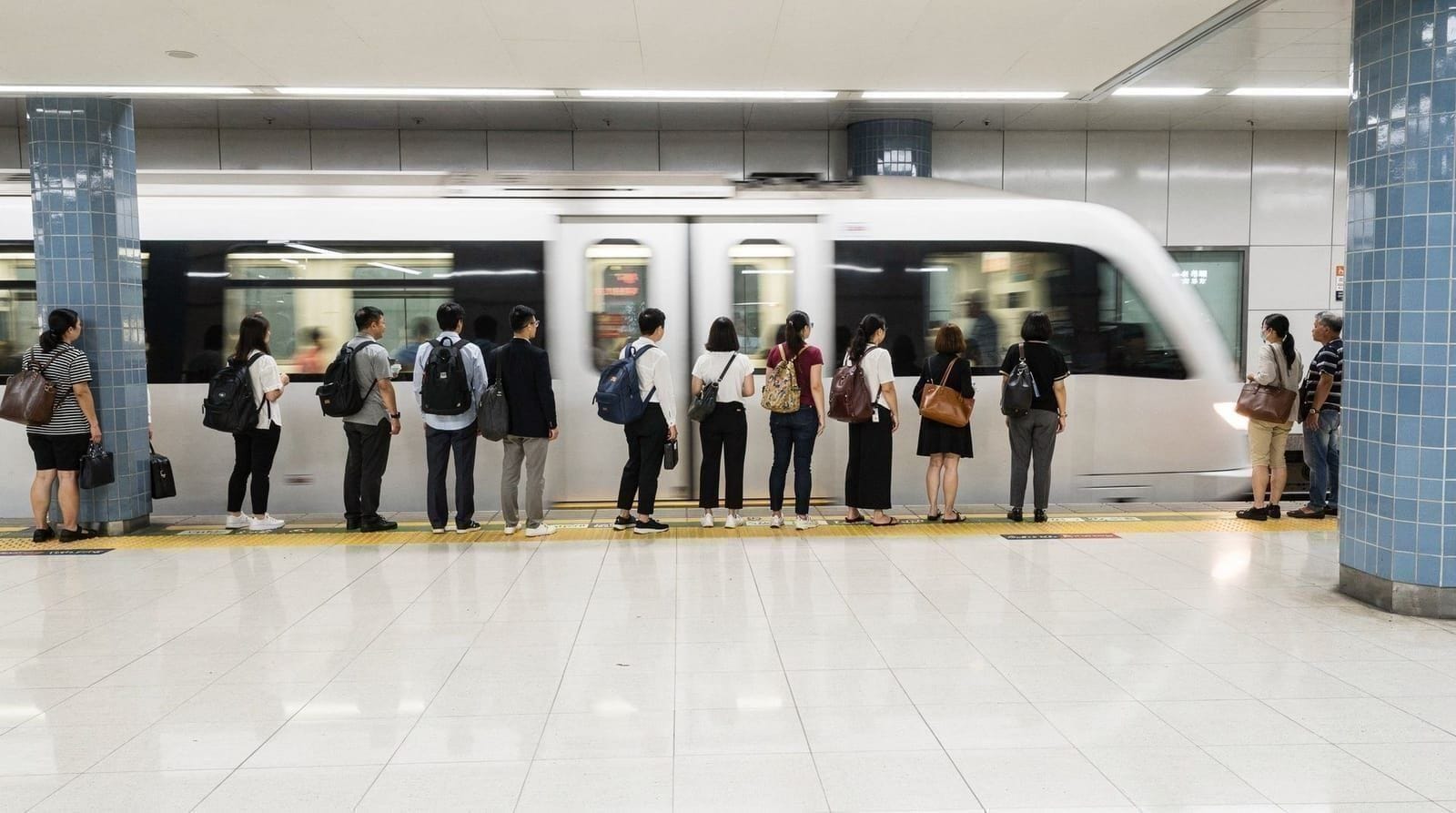
The MTR is where you will use your Octopus card the most. The system runs 10 lines covering the whole city from the airport to the Chinese border, and the Octopus card is accepted on every single one of them.
MTR fares run from HKD 4.0 for very short hops up to HKD 60.8 for longer journeys across multiple zones. Paying by Octopus costs a small amount less than buying a single-journey token at the machine — the discount is modest (typically HKD 0.10 to HKD 1.00 per trip) but it adds up over a week of sightseeing.
For the full breakdown of lines, key stations, and journey times, see the MTR guide for visitors.
Airport Express
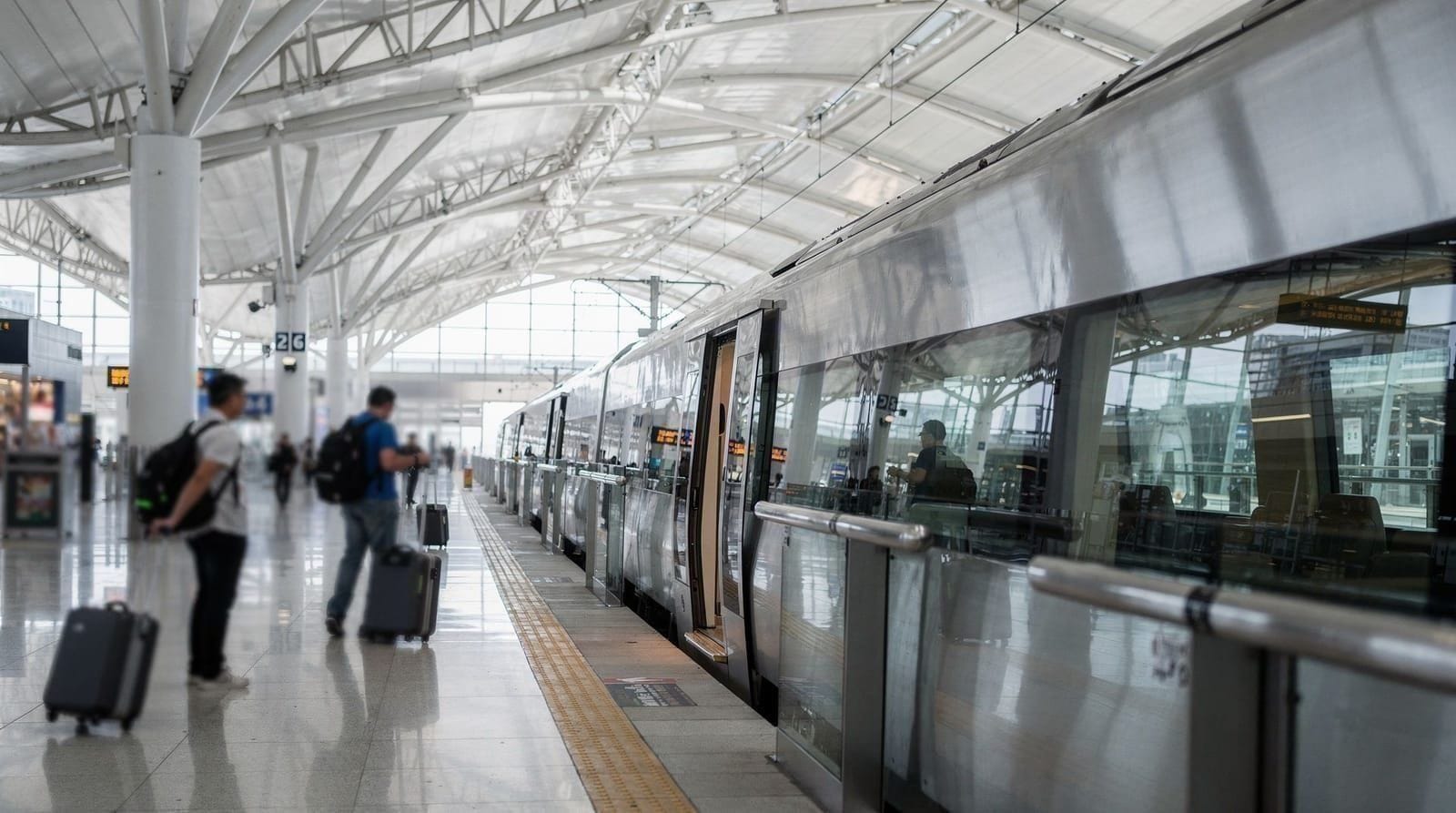
The Airport Express runs between Hong Kong International Airport and Hong Kong station (via Tsing Yi and Kowloon), and the Octopus card is fully accepted. The fare from Hong Kong station to the airport is HKD 120 by Octopus. The Airport Express also offers in-town check-in at Hong Kong station and Kowloon station — you can drop your bags and receive your boarding pass up to a day before departure, then travel to the airport without queuing at the check-in desks.
An Airport Express e-ticket is an alternative if you prefer to have your ticket confirmed before you arrive — no queuing at the machine.Check availabilityFor more detail on the airport journey including taxi alternatives and bus options, see the airport to city guide.
Buses — KMB, CTB, and green minibuses
The Octopus card works on all major bus operators in Hong Kong: Kowloon Motor Bus (KMB, serving Kowloon and the New Territories), Citybus (CTB, serving Hong Kong Island and cross-harbour routes), and New World First Bus (NWFB). Most green minibus routes also accept Octopus. Bus fares vary by route; check the operator’s website for current fares.
When boarding, tap your card on the reader at the front of the bus near the driver. Do not tap again when alighting — bus fares in Hong Kong are not stage-based like London buses. Pay once on entry, and that is it.
Trams (Ding Ding)
Hong Kong’s double-decker trams run along the north shore of Hong Kong Island from Kennedy Town in the west to Shau Kei Wan in the east, with a branch to Happy Valley. The Octopus card works on all trams. The fare is a flat HKD 3.30 regardless of distance — one of the great bargains in the city.
Tap your card on the reader at the rear of the tram as you exit. Trams are slow (they run in traffic on street level) but they are an experience worth doing at least once. See the Star Ferry and trams guide for how to combine tram riding with the ferry for a classic Hong Kong afternoon.
Star Ferry
The Star Ferry between Tsim Sha Tsui and Central is one of the most scenic short journeys in Asia. Adult fares are HKD 4.0 for the lower deck and HKD 5.0 for the upper deck Monday to Friday (HKD 5.6 and HKD 6.5 on weekends and public holidays). The upper deck is worth the extra dollar — the views of Victoria Harbour are best from up there.
Tap your card on entry at the turnstile. The crossing takes about 8 minutes. For harbour cruises and other Star Ferry experiences, see the Star Ferry and trams guide.
Peak Tram
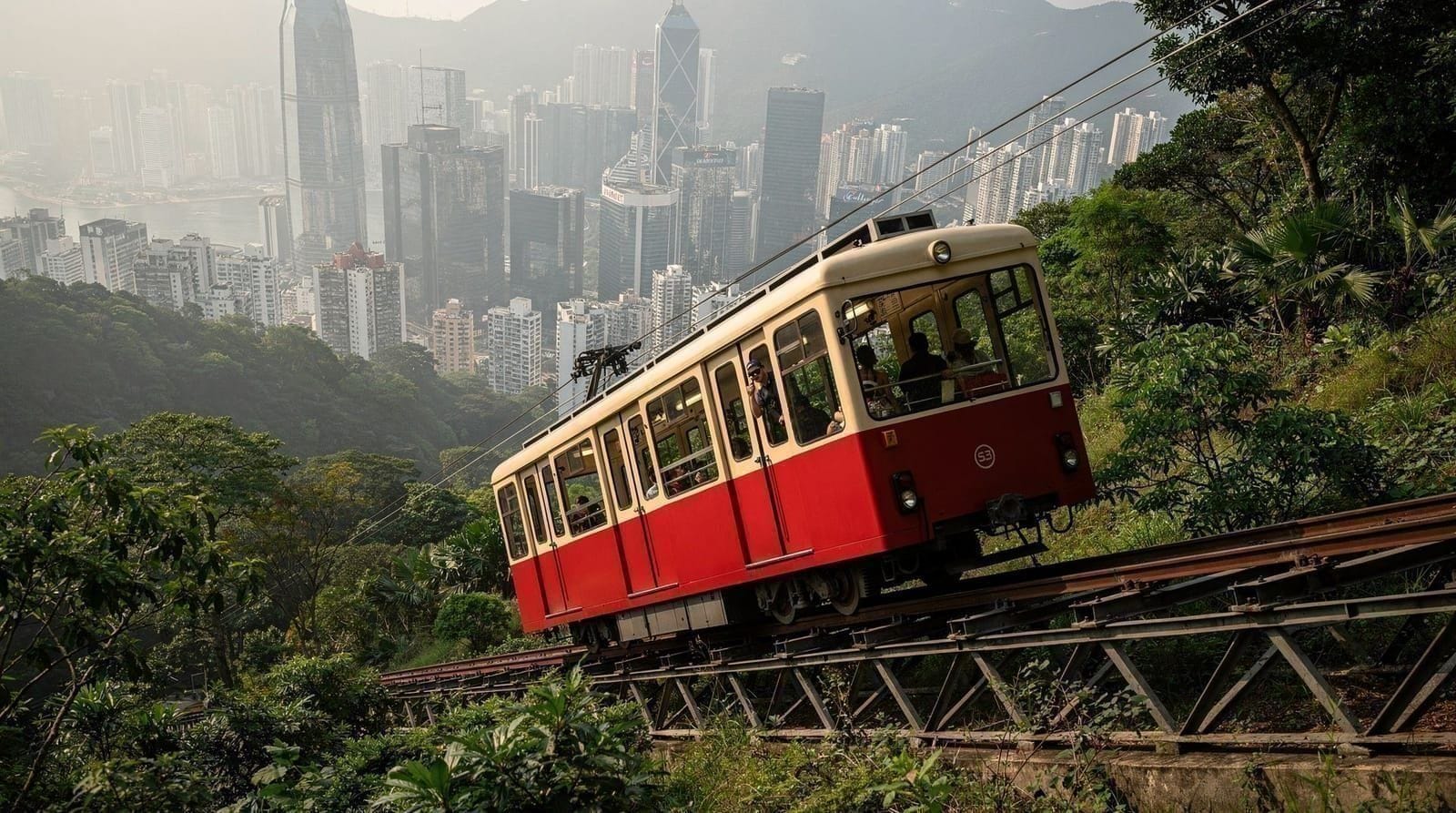
The Peak Tram funicular up to Victoria Peak accepts Octopus. A return journey without any admission to the Sky Terrace 428 observation deck can be paid by Octopus at the turnstile. However, if you want the tram plus Sky Terrace combo (the most popular option), that is typically sold as a package — check the Peak Tram guide for current pricing and the fastest way to buy.
Ferries to the outlying islands
The licensed ferry operators serving the outlying islands — Lamma Island, Cheung Chau, Lantau (Mui Wo), Peng Chau, and others — all accept Octopus. Fares are reasonable: a single to Lamma or Cheung Chau runs roughly HKD 17-48 depending on whether it is an ordinary or fast ferry and whether it is weekend or weekday pricing.
For island ferry routes and schedules, see the Hong Kong island ferries guide. For specific islands:
Using the Octopus card at shops and restaurants
The Octopus card is not just for transport — it functions as a stored-value payment card at thousands of retail locations across Hong Kong.
Convenience stores: 7-Eleven and Circle K accept Octopus at every branch. You will find yourself using it here constantly for water, snacks, and coffee.
Supermarkets: Wellcome and PARKnSHOP both accept Octopus, as do most of their smaller affiliated stores.
Fast food: McDonald’s, KFC, and most local fast-food chains take Octopus. Many sit-down casual restaurants in shopping malls do too.
Vending machines: A large number of vending machines in MTR stations and shopping centres accept Octopus — useful for quick drinks.
The practical result is that you can often go an entire day in Hong Kong touching cash only once, if at all. Many locals keep their Octopus card topped up and use it for almost every purchase under HKD 500.
Topping up your Octopus card
Your initial HKD 150 of credit will last most travellers one to two days of heavy transport use. Topping up is straightforward:
At MTR stations: Every station has self-service add-value machines in the concourse. They accept HKD 10, 20, 50, 100, and 500 notes, and most also accept credit cards. Maximum card value is HKD 3,000.
At 7-Eleven and Circle K: Hand the cashier your card and say how much you want to add. They tap the card and take your cash. This is often faster than finding the MTR machine if you are out on the street.
Automatic top-up: If you register your card online, you can link it to a credit card for automatic top-up when the balance drops below a threshold. This is mainly useful for long-term residents rather than tourists.
The Tourist Day Pass — is it worth it?
The Tourist Day Pass costs HKD 75 and gives unlimited MTR rides for 24 consecutive hours from your first trip, excluding the Airport Express. It sounds appealing but the maths only works in your favour if you make eight or more MTR trips in that time.
A typical MTR trip costs HKD 8-15 in the inner urban area. Eight trips at HKD 10 average equals HKD 80 — so the pass starts saving money only above that threshold. A very busy sightseeing day that crosses several districts — say Tsim Sha Tsui in the morning, The Peak at midday, Central in the afternoon, and Causeway Bay in the evening, with return trips — could approach eight MTR journeys.
If you are spending a focused day in one or two areas, the regular Octopus card loaded with credit is more flexible and probably cheaper.
Getting a refund when you leave
When you are ready to leave Hong Kong, return your Octopus card to any MTR customer service centre. You will receive:
- The full remaining balance on the card
- The HKD 50 deposit
Minus a HKD 11 handling fee (or 1% of the remaining value if higher) if you return the card within 90 days. After that, no handling fee applies.
Refunds are paid in cash on the spot. There is no need to book an appointment or wait — it takes about two minutes at the counter.
If your card has a very low remaining balance (say HKD 10), it may not be worth refunding given the HKD 11 fee. Consider topping it up to at least HKD 60-70 before your last day so the refund is worthwhile.
What the Octopus card does not cover
A few things worth knowing:
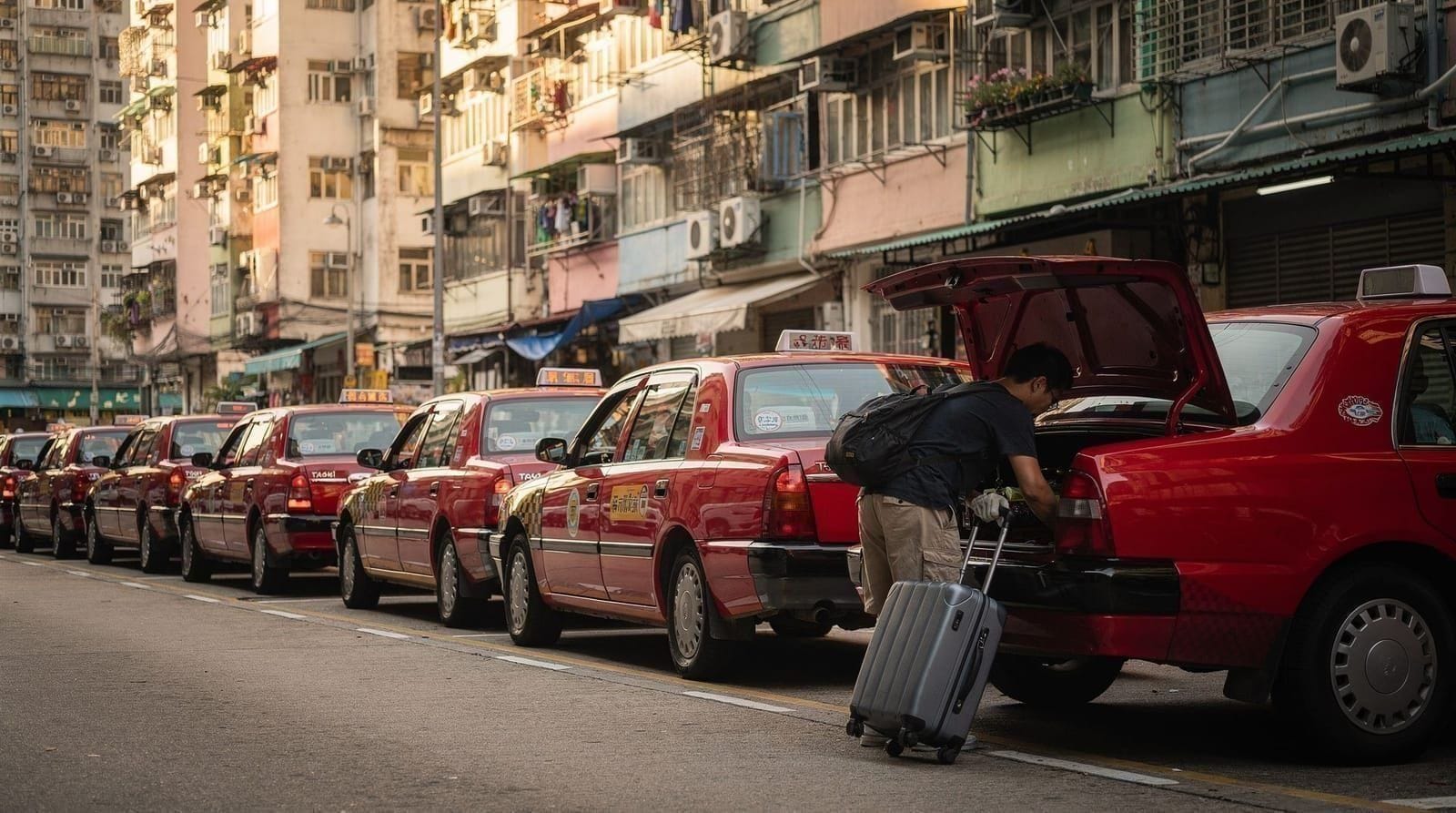
Taxis: Taxis in Hong Kong are not required to take Octopus, though some do. Cash is still the safe assumption for taxis. See the Hong Kong taxis guide for fare guidance.
Macau and mainland China: The Octopus card does not work across the border. For Macau you will need Macanese patacas (or Hong Kong dollars, which are widely accepted there) plus a ferry fare paid separately. See the getting to Macau guide.
Some minibuses: While most green minibuses accept Octopus, some red minibuses (which run without fixed routes) are cash only. This is rare in tourist areas but worth knowing.
Private hire cars and ride apps: Apps like Uber do not use the Octopus card — payment goes through the app itself.
Practical tips for using your Octopus card
Check your balance: Press the Balance button on any MTR add-value machine to see your current balance without topping up. You can also see the balance and the last 10 transactions on the machines.
Keep it above zero: If your balance goes negative (the MTR allows a small negative balance in emergencies), you must top up before you can pass through any gate again. Keep at least HKD 50 on the card at all times.
Tap correctly: Hold the card flat against the reader. Do not rummage through your wallet pressing it against the reader — the reader may pick up multiple cards and fail. Tap a single card cleanly.
Multiple cards in a wallet: Contactless bank cards can sometimes interfere with Octopus readings. If you get an error, take the Octopus card out of your wallet and tap it alone.
Lost card: If you lose an unregistered Octopus card, the balance is lost — there is no way to recover it. Registered cards can be blocked and replaced, but registration is not standard for tourist purchases. Keep your card somewhere secure.
Planning your Hong Kong transport around the Octopus card
With a topped-up Octopus card, getting around Hong Kong requires almost no advance planning. The MTR will take you to every major tourist area. The trams and Star Ferry cover the scenic gaps on Hong Kong Island. The outlying island ferries open up Lamma, Cheung Chau, and Lantau on a single tap.
If you are staying in Central or Sheung Wan, your Octopus card will barely have time to cool between uses. If you are based in Tsim Sha Tsui, you have the Star Ferry, the MTR’s Tsuen Wan and Kwun Tong lines, and cross-harbour buses all within reach.
For first-timers planning the full Hong Kong experience, also read the guides on where to stay in Hong Kong and the Central vs Tsim Sha Tsui comparison — the neighbourhood you base yourself in will shape how much you lean on different parts of the transport network.
One card per traveller, or share within a group?
Families and groups often ask whether one Octopus card can cover several people. It can’t — each card is tapped individually at the gate or on the bus, so every traveller needs their own. Children under 3 travel free and don’t need a card at all; children old enough to walk through the gate independently should carry their own Octopus rather than being passed one card repeatedly, which slows down boarding for everyone behind you. For a family of four, budget four separate HKD 200 purchases at the airport counter or an MTR station — it’s a small extra cost but avoids awkward fumbling at every gate, especially useful if you’re also juggling the logistics in the Hong Kong with kids guide.
How the Octopus card fits your first day
If you’re landing at Hong Kong International Airport and heading straight into the city, the Octopus card is the first practical task after immigration and baggage claim, before you even reach the Airport Express platform. Buy it at the arrivals-hall counter, load it with enough credit for the day (HKD 200–300 is a comfortable start if you’re also using it for meals), and you’re set for the MTR, buses, and the Star Ferry without touching cash again until you need it for a market stall or a taxi.
If your itinerary opens with the Peak Tram or a walk around Central and Sheung Wan, the same card carries you seamlessly from the airport into the day’s sightseeing.
Octopus card vs contactless bank card
Hong Kong’s MTR and buses increasingly accept contactless bank cards and phone payments directly, which raises the obvious question: do you still need an Octopus card in 2026? For most visitors, yes. The Octopus card is universally accepted everywhere contactless payment might not be — small noodle shops, market stalls, vending machines, and older buses — while a foreign bank card can trigger currency-conversion fees on every single tap. The Octopus card also avoids the risk of your bank flagging dozens of small transactions as suspicious activity. Unless your card explicitly advertises no foreign transaction fees, get the Octopus card; it costs a one-off HKD 200 and pays for itself within a couple of days of transport.
There’s also a practical speed argument: Octopus readers process a tap in a fraction of a second and rarely need a second attempt, while some contactless bank cards prompt an unexpected verification step at the gate, holding up the queue behind you. During peak hours on the MTR — especially interchange stations like Admiralty — that half-second difference matters more than it sounds.
Using Octopus beyond Hong Kong Island transport
Two situations trip up visitors who assume the Octopus card is a catch-all. First, day trips to Macau or across the border to Shenzhen: the card does not work in either place, so budget separate cash or a local payment method once you cross. Second, some outlying-island attractions and smaller vendors at Sai Kung’s Geopark or in markets like Stanley still prefer cash for small purchases, even though the main transport links accept Octopus without issue. Carry a modest amount of cash alongside your card for exactly these gaps.
Frequently asked questions about Octopus card guide — everything you need to know for Hong Kong
How much does an Octopus card cost?
Where can I buy an Octopus card in Hong Kong?
Can I use the Octopus card at shops and restaurants?
What is the Tourist Day Pass and should I get it instead?
How do I top up my Octopus card?
Can I use the Octopus card on the Airport Express?
Can I get a refund on my Octopus card?
Does the Octopus card work outside Hong Kong?
Top experiences
Bookable activities with verified prices and instant confirmation on GetYourGuide.