Hong Kong island ferries guide — Central piers, routes, and tickets
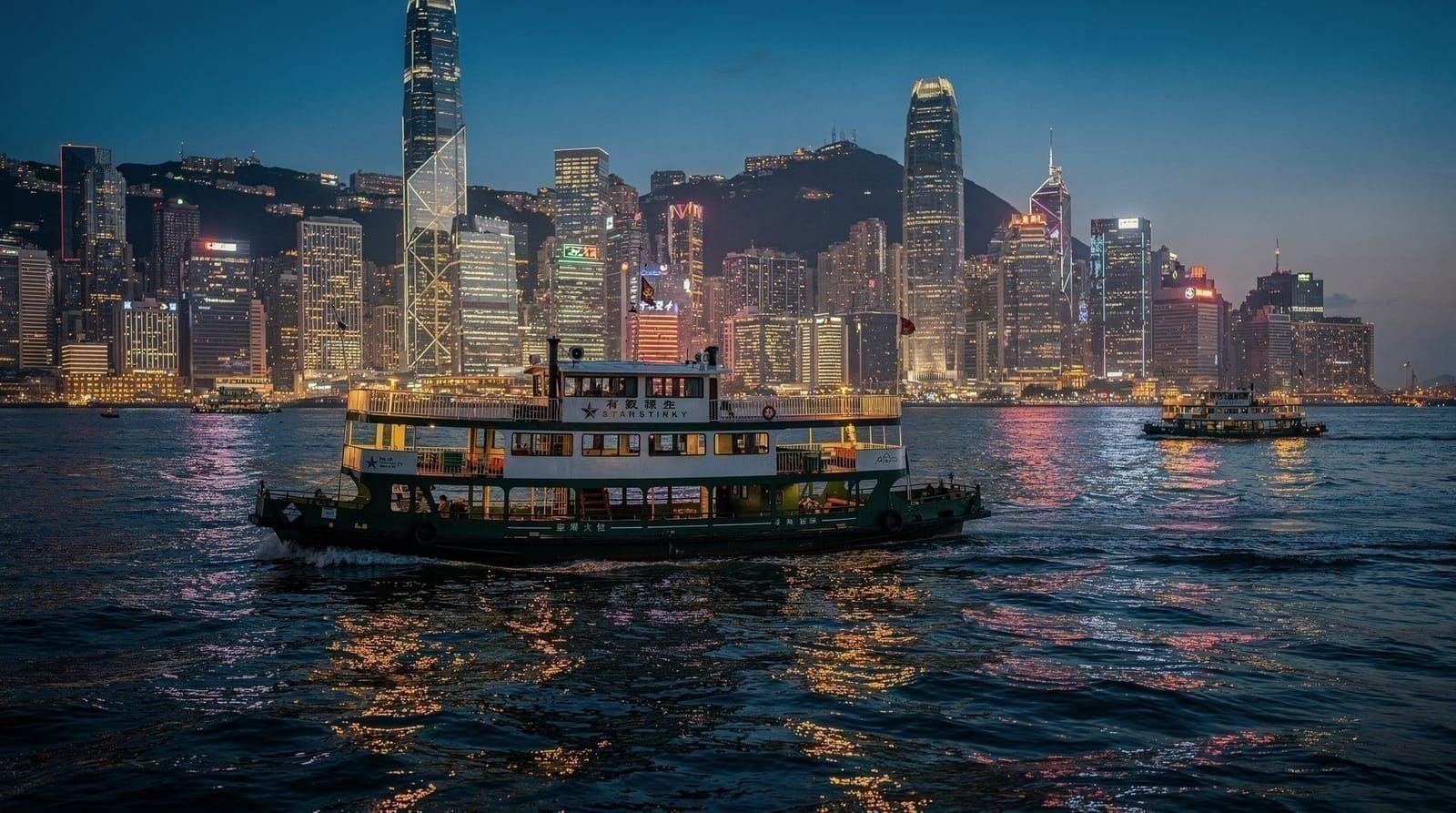
Hong Kong: Star Ferry Victoria Harbour cruise afternoon tour
How do I get the ferry to the outlying islands from Hong Kong?
All main outlying island ferries depart from Central Piers (Piers 1-10) on the waterfront west of IFC Mall in Central. Cheung Chau leaves from Pier 4, Lamma from Pier 5, Lantau (Mui Wo) from Pier 6, and Discovery Bay from Pier 3. NWFF fares range from about HKD 17 to HKD 49 depending on the route, service type and day of the week. Octopus card is accepted on New World First Ferry routes.
Hong Kong’s ferry network beyond the Star Ferry
When most visitors think of Hong Kong ferries, they picture the Star Ferry crossing between Central and Tsim Sha Tsui. But Hong Kong’s broader ferry system is equally essential — it connects the main urban areas of Hong Kong Island to the outlying islands that are beyond the reach of the MTR, and it is the only way to reach places like Cheung Chau, Lamma Island, and the Lantau south coast without hiring a private boat.
The outlying island ferries are not tourist novelties. They are the daily commuter lifeline for tens of thousands of residents who choose island life over urban density. Riding them alongside commuters carrying bikes and groceries, with the city receding behind you and an island growing on the horizon, is one of the more authentic travel experiences Hong Kong offers.
This guide covers the ferry routes from Central Piers, their destinations, fares, practical logistics, and how each ferry fits into a day trip from the city. For the Star Ferry specifically, see the Star Ferry and trams guide. For Macau ferries, which are entirely separate, see the guide to getting to Macau.
| Where | Central Piers 1–10, Central waterfront (walk from Hong Kong Station / IFC Mall) |
| Main islands | Cheung Chau (Pier 4), Lamma (Pier 5), Lantau/Mui Wo (Pier 6), Discovery Bay (Pier 3) |
| Cost | Around HKD 17–49 one way depending on route, class and day |
| Payment | Octopus card on NWFF routes; separate tickets for Discovery Bay |
| Best for | Day trips, seafood lunches, hiking, escaping the city for a few hours |
Central Piers: the departure point
Location and access
Central Piers (Piers 1 to 10) line the waterfront in Central, west of IFC Mall and Hong Kong Station. The easiest approach is through Hong Kong Station (Airport Express line / MTR) via the mall — the IFC mall footbridge leads directly to the pier area without crossing any roads. From Central MTR station, take Exit A and follow signs toward the Star Ferry; the outlying island piers are the ones numbered 3 to 7, continuing westward along the waterfront from the Star Ferry Pier 7.
The walk from Central MTR to the far end of the pier complex (Pier 6 for Lantau) is about 10 to 12 minutes at a moderate pace. Allow this time in your planning — ferry operators do not hold departures for late passengers, and the piers are spread along several hundred metres of promenade.
How the pier numbers work
- Pier 2: Macau outer harbour ferry (Turbojet — note this is being restructured; verify current status)
- Pier 3: Discovery Bay Transportation Services (private ferry to Discovery Bay)
- Pier 4: New World First Ferry — Cheung Chau
- Pier 5: New World First Ferry — Lamma Island (Yung Shue Wan and Sok Kwu Wan)
- Pier 6: New World First Ferry — Lantau Island (Mui Wo)
- Pier 7: Star Ferry to Tsim Sha Tsui and Wan Chai
- Piers 8 to 10: Occasional charter and seasonal services
Piers are clearly numbered and signposted. The pier buildings have ticket counters, waiting areas, and usually a convenience shop selling drinks and basic snacks.
Cheung Chau — Pier 4
What the island offers
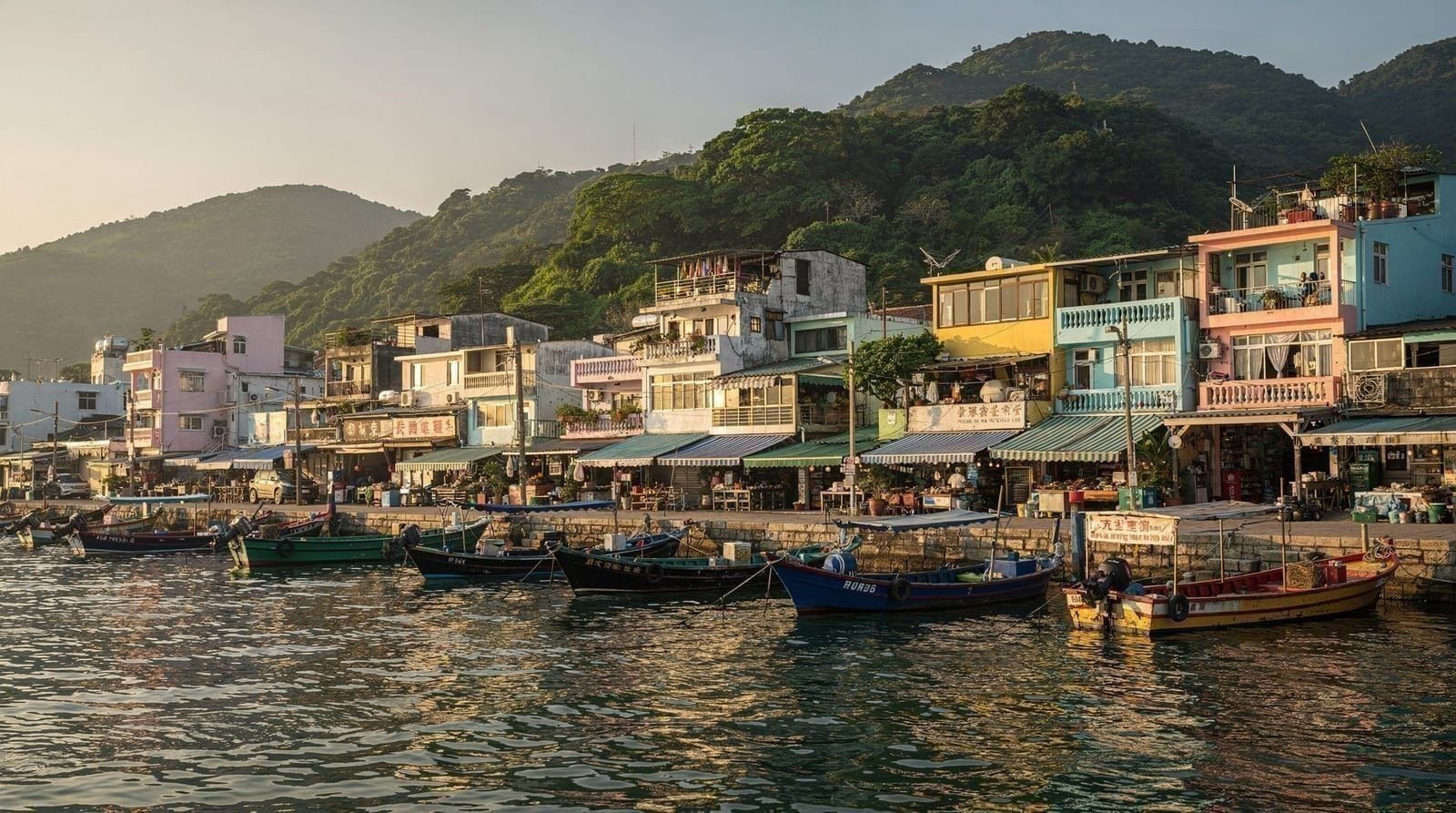
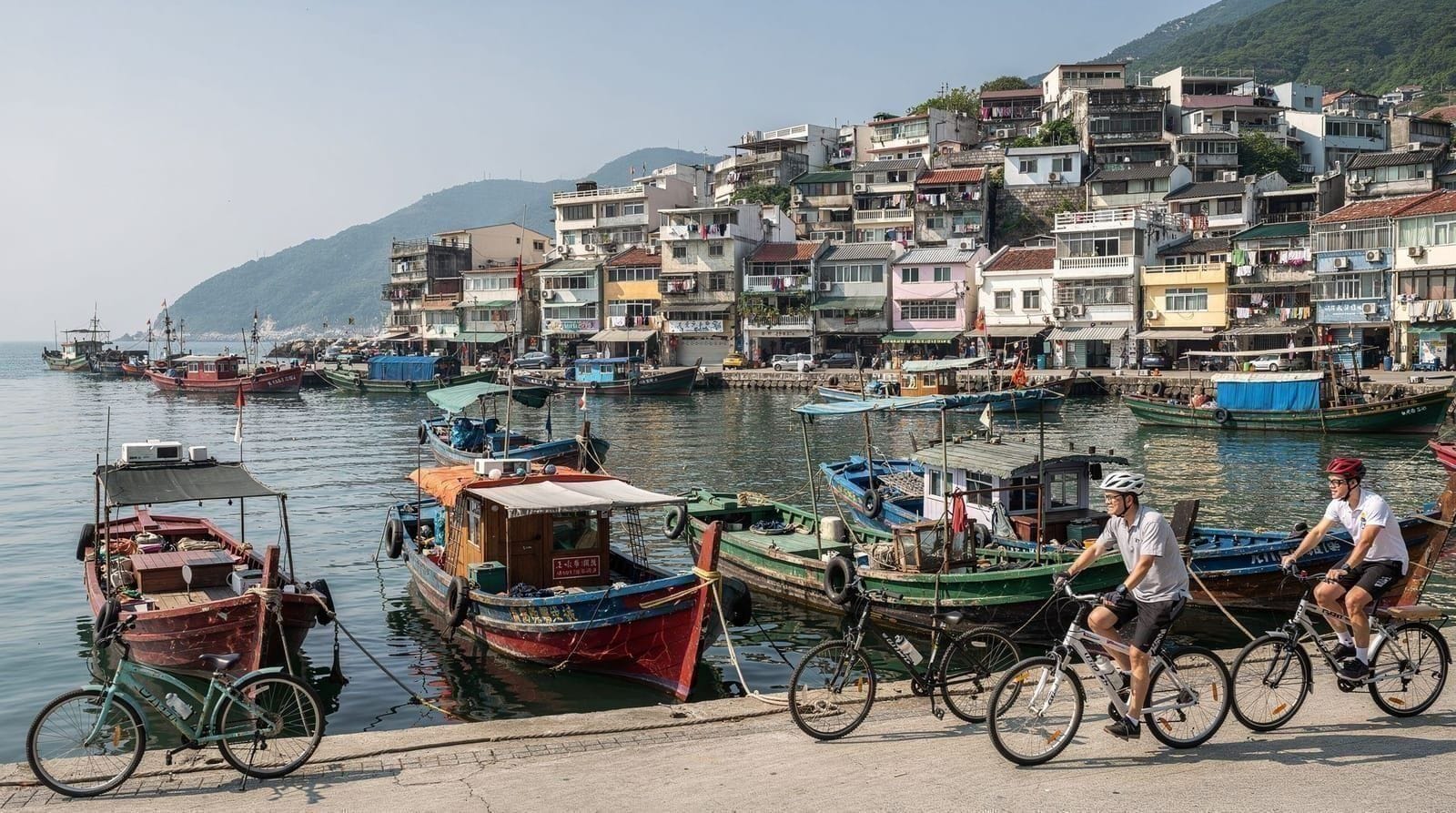
Cheung Chau (長洲) is the most visited outlying island and the one that best rewards a full day. It is a small dumbbell-shaped island with no private cars — only bicycles, small electric vehicles, and pedestrians. The atmosphere is immediately different from urban Hong Kong: narrow lanes, old temples, fishing boats, street food vendors, and a slow residential pace.
The main village on the east coast has a compact seafood market and rows of cheap restaurants serving fresh fish, fried squid, and the island’s specialty — giant fishballs on skewers. The west coast (Kwun Yam Beach and Tung Wan Beach) has sandy beaches suitable for swimming in summer. The south of the island has hiking trails and rock formations with a fort history.
The Bun Festival, held in spring (usually May), is Cheung Chau’s most famous event — towers of steamed buns are constructed in the main square and climbed in a competition. The island is mobbed during the festival weekend; plan accordingly.
For a full guide to what to do there, see the Cheung Chau guide.
Fares and journey time
Operated by New World First Ferry (NWFF) from Pier 4:
- Slow ferry: HKD 16.7 adult (ordinary class) Monday to Saturday, HKD 24.8 on Sundays and public holidays, about 55 to 60 minutes
- Fast ferry: HKD 32.9 adult Monday to Saturday, HKD 47.6 on Sundays and public holidays, about 35 to 40 minutes
- Children (aged 3 to 11) and seniors (65+) pay reduced rates
- Deluxe class (slow ferry): HKD 26.1 Monday to Saturday, HKD 38.0 on Sundays and public holidays
The slow ferry is perfectly comfortable and significantly cheaper. Unless you are very pressed for time, take the slow ferry — it gives you a proper harbour crossing experience rather than rushing to the island.
Frequency
Departures run throughout the day from around 06:30 to after midnight. Frequency during peak hours is every 30 to 60 minutes; off-peak gaps may be longer. Verify the current timetable on the NWFF website or app before arriving at the pier — schedules change seasonally and during public holidays.
Octopus card
Accepted on NWFF routes at the turnstile. You can also buy paper tickets at the counter with cash.
Lamma Island — Pier 5
What the island offers
Lamma Island (南丫島) is the closest outlying island to Central and has a laid-back character popular with expats, hikers, and seafood enthusiasts. It has two main villages connected by a hiking trail: Yung Shue Wan (榕樹灣) on the north coast and Sok Kwu Wan (索罟灣) on the south coast, with the 1.5-hour Family Walk trail connecting them through low hills and small beaches.
Yung Shue Wan has a longer main street with cafes, bars, restaurants, and a weekly market feel. It is more of a village you arrive into and walk around. Sok Kwu Wan is almost entirely dedicated to the string of large seafood restaurants along its waterfront — you arrive, eat fresh fish and crab, and return. Both villages are worthwhile; the circuit walk that connects them (with a ferry out at one end and back from the other) is the classic Lamma day-trip format.
See the Lamma Island guide for detailed recommendations on where to eat and what to do.
Fares and journey time
From Pier 5 to Yung Shue Wan:
- Ordinary class: HKD 24.9 adult Monday to Saturday, HKD 34.7 on Sundays and public holidays, 30 to 40 minutes
- Deluxe class (some sailings): air-conditioned cabin; see current fares on the official operator website
From Pier 5 to Sok Kwu Wan:
- Ordinary class: HKD 30.9 adult Monday to Saturday, HKD 43.5 on Sundays and public holidays, 40 to 50 minutes
Fares vary by class and are higher on Sundays and public holidays. For a 30 to 40 minute journey, ordinary class is fine — the open deck views are part of the experience.
Aberdeen to Sok Kwu Wan
There is an alternative route that many visitors overlook: the NWFF ferry from Aberdeen (Aberdeen Promenade) to Sok Kwu Wan on Lamma, taking approximately 30 minutes. This route works well for a combined day trip that includes Aberdeen’s typhoon shelter in the morning and a Sok Kwu Wan seafood lunch — you cross to Lamma from Aberdeen without returning to Central, then return to Central from Sok Kwu Wan by the standard route. It is a more interesting routing than the direct out-and-back from Pier 5.
Lantau Island (Mui Wo) — Pier 6
What the island offers
Lantau Island (大嶼山) is the largest island in Hong Kong — bigger than Hong Kong Island itself — but most of it is country park and sparsely inhabited. The ferry arrives at Mui Wo (梅窩), a small town on the east coast, which is the main point of access to Lantau’s south coast beaches and the starting point for bus routes to the Big Buddha and Ngong Ping.
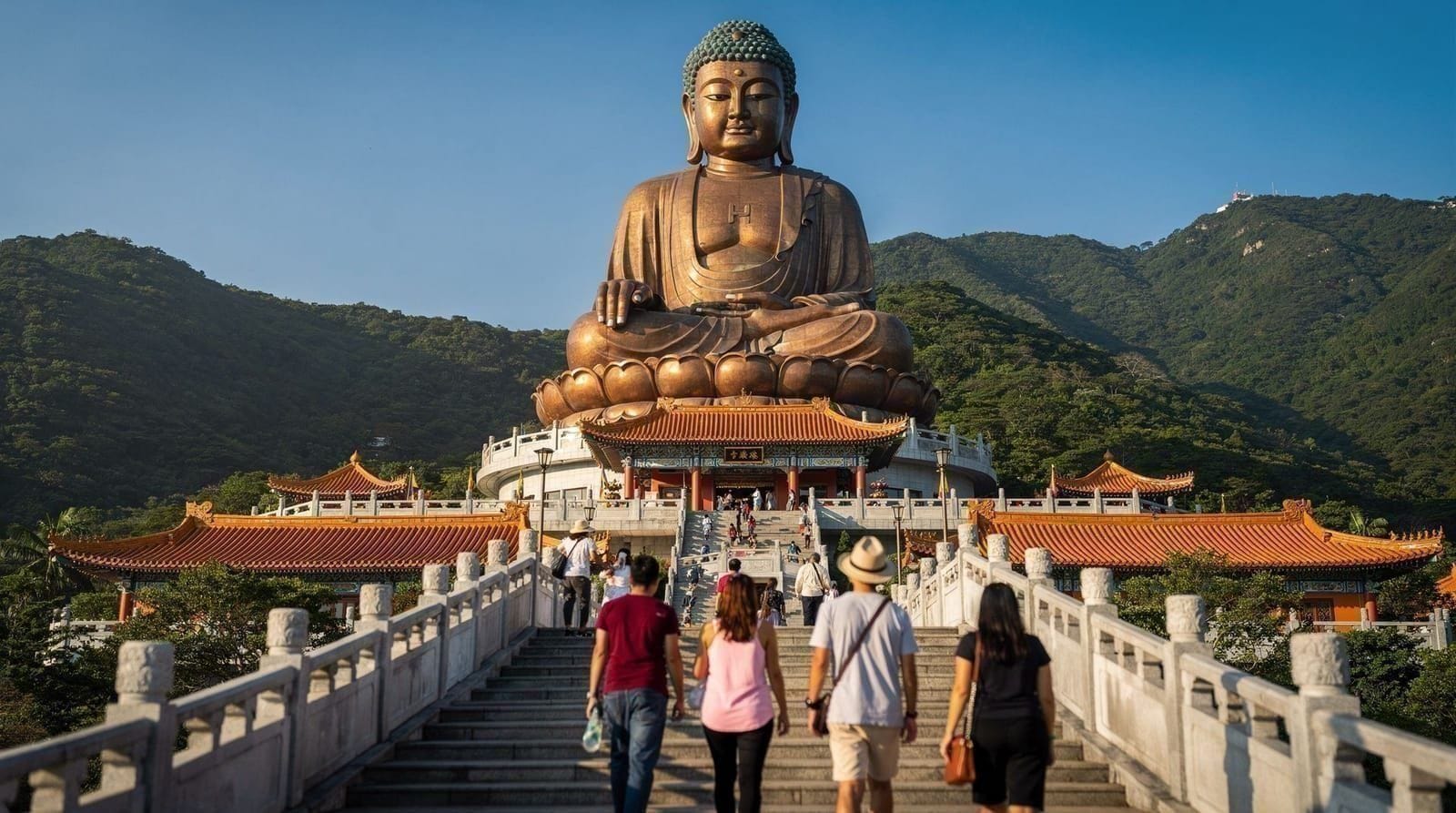
The combination that most day-trippers do: ferry from Central to Mui Wo, then bus 2 from Mui Wo bus terminus to Ngong Ping (about 45 minutes, scenic mountain road), walk to Tian Tan Buddha (the Big Buddha) and Po Lin Monastery, then return. This gives you the island experience of the ferry crossing combined with the well-known Big Buddha attraction.
Lantau’s southern coast also has relatively empty beaches — Cheung Sha Beach (long, sandy, two sections) is accessible by bus from Mui Wo and is one of the best beaches accessible from Hong Kong.
For the full logistics of the Big Buddha visit, see the Lantau Big Buddha day trip guide and the Lantau Island destination page.
Fares and journey time
From Pier 6 to Mui Wo:
- Fast ferry: HKD 33.5 adult Monday to Saturday, HKD 48.5 on Sundays and public holidays
- Ordinary and deluxe class: 55 to 60 minutes; see current fares on the official operator website
For a 55 to 60 minute crossing, the deluxe class air-conditioned cabin is comfortable. Ordinary class means open seating which can be exposed on the upper deck — fine in good weather but uncomfortable in heat or rain.
Alternative route via Ngong Ping 360
An alternative to the Mui Wo ferry for Lantau visits is the MTR to Tung Chung and the Ngong Ping 360 cable car up to Ngong Ping village. This avoids the ferry entirely and delivers you directly above the Big Buddha rather than starting from the coast. It is not a better or worse choice — they are genuinely different experiences. The ferry route is more scenic as a journey; the cable car is more spectacular for the approach to the Buddha.
Discovery Bay — Pier 3
What the island offers
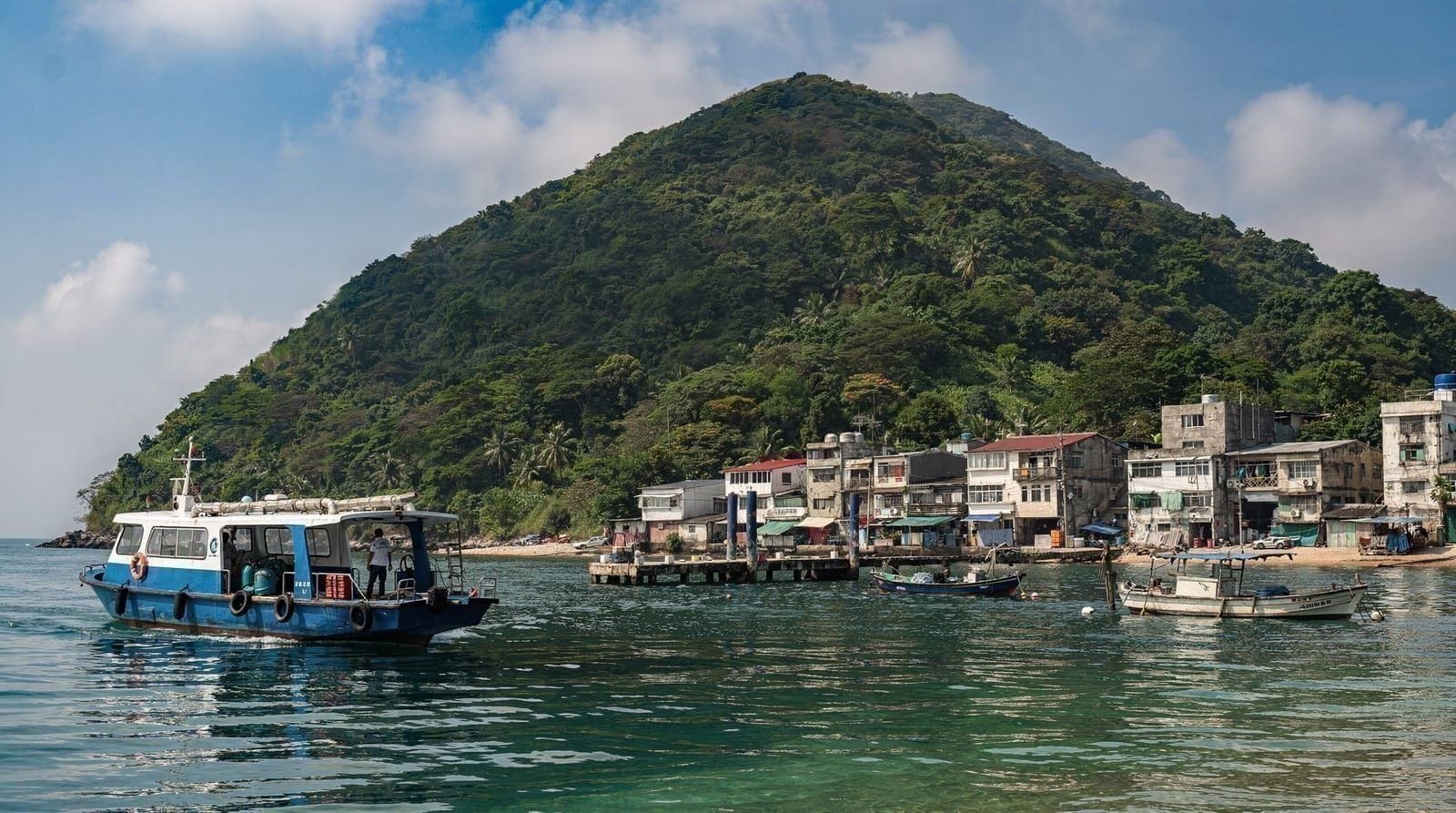
Discovery Bay is a private residential community on Lantau’s northeast coast, developed by Hongkong Land and operated by Discovery Bay Transportation Services (DBTL). It is not a tourist destination in the same way as Cheung Chau or Lamma — it is a planned residential enclave with its own shopping plaza, beaches, and golf course. Visitors go for the beach (DB Beach has clean sand and calm water) or as part of a Lantau itinerary.
The ferry is fast and runs frequently. The community is car-free in its main plazas, giving it a slightly surreal quiet-suburb atmosphere within Hong Kong.
Fares and journey time
Discovery Bay ferries: Approximately HKD 55 adult, 25 minutes. These are operated by DBTL, not NWFF, so Octopus card use and ticketing may differ — purchase tickets at the Pier 3 counter or through the DBTL app. Frequency is high, typically every 20 to 30 minutes during peak hours.
Which island fits your day
If you only have one free day for an island trip, the choice usually comes down to atmosphere and appetite rather than logistics — all four routes are manageable from Central.
| Island | Pier | Fare (approx) | Journey time | Best for |
|---|---|---|---|---|
| Cheung Chau | Pier 4 | HKD 17–33 (Mon–Sat) | 35–55 min | Car-free lanes, beaches, full day out |
| Lamma Island | Pier 5 | HKD 25–31 (Mon–Sat) | 30–50 min | Seafood lunch, hiking trail between villages |
| Lantau (Mui Wo) | Pier 6 | Fast ferry HKD 33.5 (Mon–Sat) | 55–60 min | Big Buddha day trip, quieter beaches |
| Discovery Bay | Pier 3 | Around HKD 55 | 25 min | Quick beach visit, low-key half day |
First-time visitors with only a morning or afternoon to spare tend to do best with Lamma — the crossing is short, the village-to-village walk is easy, and a seafood lunch at Sok Kwu Wan gives the trip a clear purpose. If you have a full day, Cheung Chau rewards lingering: wander the lanes, eat street food, and catch the ferry back after sunset. Lantau via Mui Wo suits travellers who want to combine the ferry crossing with the Big Buddha, though the Ngong Ping 360 cable car is the faster way there if the ferry itself isn’t the point. Discovery Bay is the outlier — most visitors go for a specific reason (a beach afternoon, visiting someone who lives there) rather than as a standalone destination.
Weather and seasonal considerations
Hong Kong’s ferries run in all but the most severe weather, but conditions do change the experience noticeably. During typhoon season (roughly June to October), services are suspended entirely once the Hong Kong Observatory raises Typhoon Signal No. 8 or higher — if a storm is forecast, check sailing status before heading to the pier, and build a buffer day into island plans if you’re travelling during this window. Heavy rain without a typhoon warning generally does not stop ferries, but the open-deck sections become unpleasant; deluxe or indoor class is the better choice on a wet day.
In summer (roughly May to September), the outlying islands are considerably more comfortable than dense urban streets — sea breezes cut the humidity that makes walking around Kowloon or Central uncomfortable at midday. This is also when island beaches (Cheung Chau’s Tung Wan, Lantau’s Cheung Sha) are at their best, though it’s also the peak weekend crowd period. Winter (December to February) brings cooler, drier weather that suits the hiking-focused routes, like the Lamma Family Walk, particularly well — pack a light layer for the open-deck crossing, since sea air feels several degrees cooler than the city.
Combining an island day with other Hong Kong plans
Because the ferries run from early morning to after midnight, an island trip doesn’t have to consume an entire day. A popular pattern: take an early ferry to Lamma or Cheung Chau, spend the morning and early afternoon there, and be back in Central by mid-afternoon with enough time for shopping or an evening in Causeway Bay or Tsim Sha Tsui.
Families travelling with young children often find a half-day island trip — ferry out, a couple of hours on a beach or in a village, ferry back before nap time — easier to manage than a full urban sightseeing day; see the Hong Kong with kids guide for more on pacing a family itinerary around transport like this.
If you’re building a longer stay, spreading island visits across two separate half-days (rather than trying to see two islands in one day) generally gives a more relaxed trip — the return-to-Central-then-out-again logistics eat more time than they seem to on paper, and each island rewards unhurried time more than a rushed circuit does.
Booking and timing around public holidays
Hong Kong’s public holidays and long weekends push island ferry demand sharply higher, particularly to Cheung Chau and Lamma. On these dates, expect queues at the pier turnstiles, fuller boats, and occasional need to wait for the next sailing rather than the one you planned for. NWFF does not typically require advance booking for standard fares, but arriving 15 to 20 minutes before a popular departure — rather than the usual 10 — is worth the extra buffer on Saturdays, Sundays, and holidays like Easter, Chinese New Year, or the Cheung Chau Bun Festival weekend itself. Weekday mid-mornings and early afternoons are consistently the quietest times to travel if your schedule is flexible.
Harbour cruises from the Central pier area
Beyond the outlying island routes, the Central waterfront is also the starting point for guided harbour cruises that offer a different perspective on the city than you get crossing to a destination. An afternoon cruise gives you time on the water with views of both the Hong Kong Island skyline and the Kowloon Peninsula.
Star Ferry afternoon harbour cruise from CentralThe sunset cruise is particularly well-regarded — the timing catches the golden hour light on the harbour and the beginning of the city’s evening illumination:
Star Ferry sunset harbour cruiseThese cruises depart from the Star Ferry pier area and run for around 45 to 60 minutes. They are a good option if you want the harbour experience without a specific island destination.
Aberdeen and the typhoon shelter
Aberdeen (香港仔) on the south side of Hong Kong Island is not served by a ferry from Central — it is reached by bus or taxi from the MTR — but it is the home of a significant maritime experience: sampan rides through the Aberdeen Typhoon Shelter.
The typhoon shelter is a vast floating community of fishing boats and live-aboard vessels anchored in the bay. Informal sampan operators offer tours of the shelter from the Aberdeen Promenade — negotiate a price (typically HKD 60 to 100 per person for a 20 to 30 minute circuit) with the women operating the small motorised sampans at the waterfront. There is no official ticket system; approach the promenade and operators will find you.
This is an informal arrangement and prices vary — be clear about duration and cost before boarding. It gives you a view of traditional Hong Kong boat-dwelling life that has almost entirely disappeared from the main harbour.
From Aberdeen, as noted above, you can also take the NWFF ferry to Sok Kwu Wan on Lamma Island to continue an outlying island day trip.
Macau ferries: a separate system
A common point of confusion: the ferries to Macau do not depart from the Central outlying island piers. The Macau Ferry Terminal is in Sheung Wan (about 15 minutes walk west of Central, or one MTR stop from Sheung Wan station). A second ferry terminal is at the Skypier at Hong Kong International Airport, useful if you are arriving from overseas and going directly to Macau.
Operators include Cotai Water Jet and Turbojet, and tickets require advance booking, particularly on weekends and during holidays. The crossing takes about 55 to 60 minutes.
For the full breakdown of getting to Macau by ferry, including operator comparison, fares, and booking tips, see the guide to getting to Macau.
Practical tips for island ferry travel
Timetables change — always check in advance
Ferry schedules change seasonally, with extra sailings during summer beach season and during public holidays (when demand spikes sharply). Do not rely on printed timetables from last year or general information online. Always check the NWFF website, the NWFF app, or the government’s GovHK transport resources for current departure times before arriving at the pier.
Sunday and public holiday fares
NWFF adult fares are higher on Sundays and public holidays than from Monday to Saturday (for example Cheung Chau ordinary class HKD 16.7 versus HKD 24.8). Plan this into your budget if you are visiting on a Sunday or holiday.
Arrive at the pier early
Island ferries do not wait. If you arrive at Pier 4 three minutes before departure, you will likely be too late — passengers board five to ten minutes before sailing. Arrive 10 to 15 minutes early, especially on busy weekend sailings when the boarding queues can be long.
Octopus card logistics
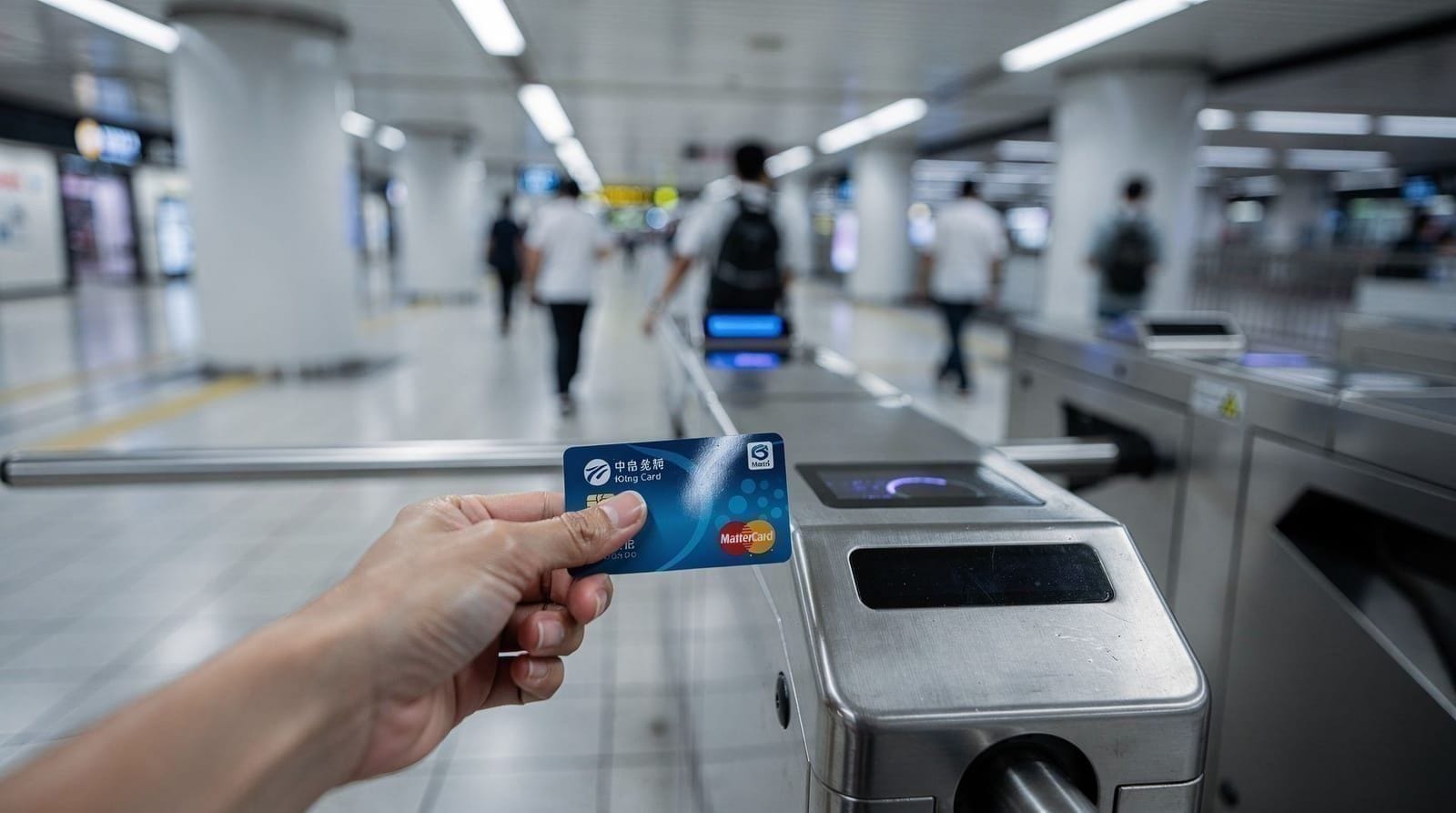
On NWFF routes (Cheung Chau, Lamma, Mui Wo), tap your Octopus card at the turnstile. Keep it readily accessible — fumbling for it in the boarding queue is awkward. For routes not on NWFF (Discovery Bay), buy tickets at the counter. If in doubt about whether Octopus is accepted, buy a paper ticket rather than risk a problem at the gate.
Ordinary vs deluxe class
For routes under 40 minutes, ordinary class is comfortable. For the Lantau/Mui Wo route at 55 to 60 minutes, the air-conditioned deluxe class cabin is worth the price difference, particularly in summer. The upper open deck on ordinary-class ferries has better views but no shade.
What to bring
Ferries are air-conditioned indoors — bring a light layer if you are sensitive to cold. Take water, especially in summer. Seasickness is not usually an issue on these protected harbour and island routes, but if you are sensitive to motion, sit indoors toward the middle of the vessel rather than at the bow.
Connecting the ferries to the rest of Hong Kong
The outlying island ferries connect naturally with a broader day structure. Taking the MTR to Central or Hong Kong Station in the morning gives you easy access to the piers. Many visitors combine a morning island trip with an afternoon in the city.
If you are spending time in Central and Sheung Wan before catching your ferry, note that the pier walk from Central MTR takes 10 to 12 minutes — manageable but not instant. Sheung Wan MTR is marginally closer to the piers at the western end of the complex.
For visitors covering multiple islands over several days, the outlying islands overview guide provides a comparative perspective to help prioritise which islands to visit given your time and interests. For day trips that go further afield — to Shenzhen, Macau, or elsewhere — see that broader day trip planning guide.
The Star Ferry and trams guide covers the crossings within Victoria Harbour (Central to TST, Central to Wan Chai) as a complement to the outlying island ferry system described here.
Frequently asked questions about Hong Kong island ferries guide — Central piers, routes, and tickets
Where are the ferry piers for the outlying islands in Hong Kong?
Can I use my Octopus card on the island ferries?
How much does the ferry to Cheung Chau cost?
How much does the ferry to Lamma Island cost?
Are there night ferries to the outlying islands?
Are Macau ferries from the same piers?
What is the difference between ordinary and deluxe class on island ferries?
How do I get from Aberdeen to Lamma Island?
Top experiences
Bookable activities with verified prices and instant confirmation on GetYourGuide.