Lamma Island guide — hiking, seafood, and Hong Kong's car-free island life
Hong Kong: Lamma Island day tour spectacle
How do I get to Lamma Island from Hong Kong?
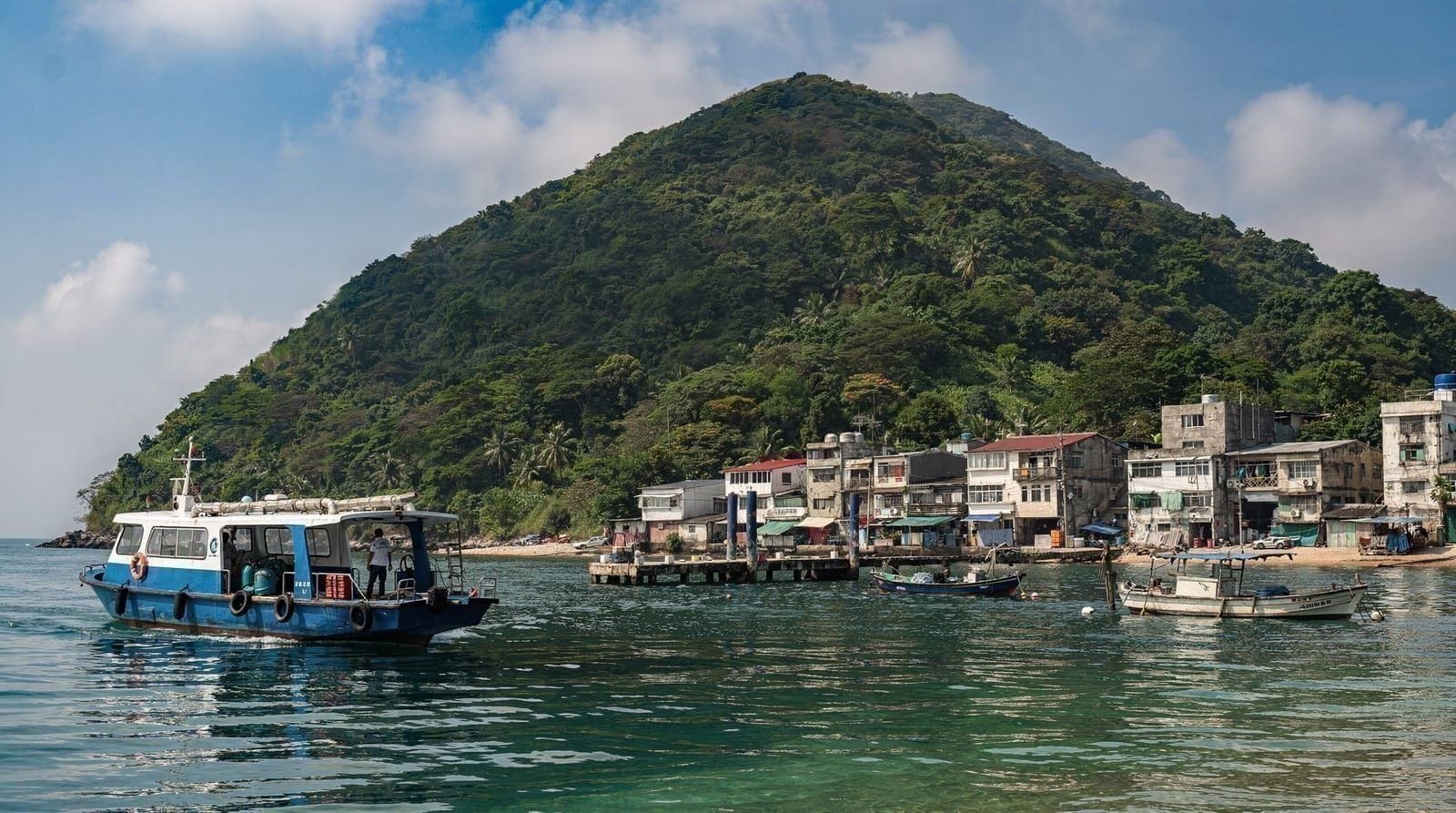
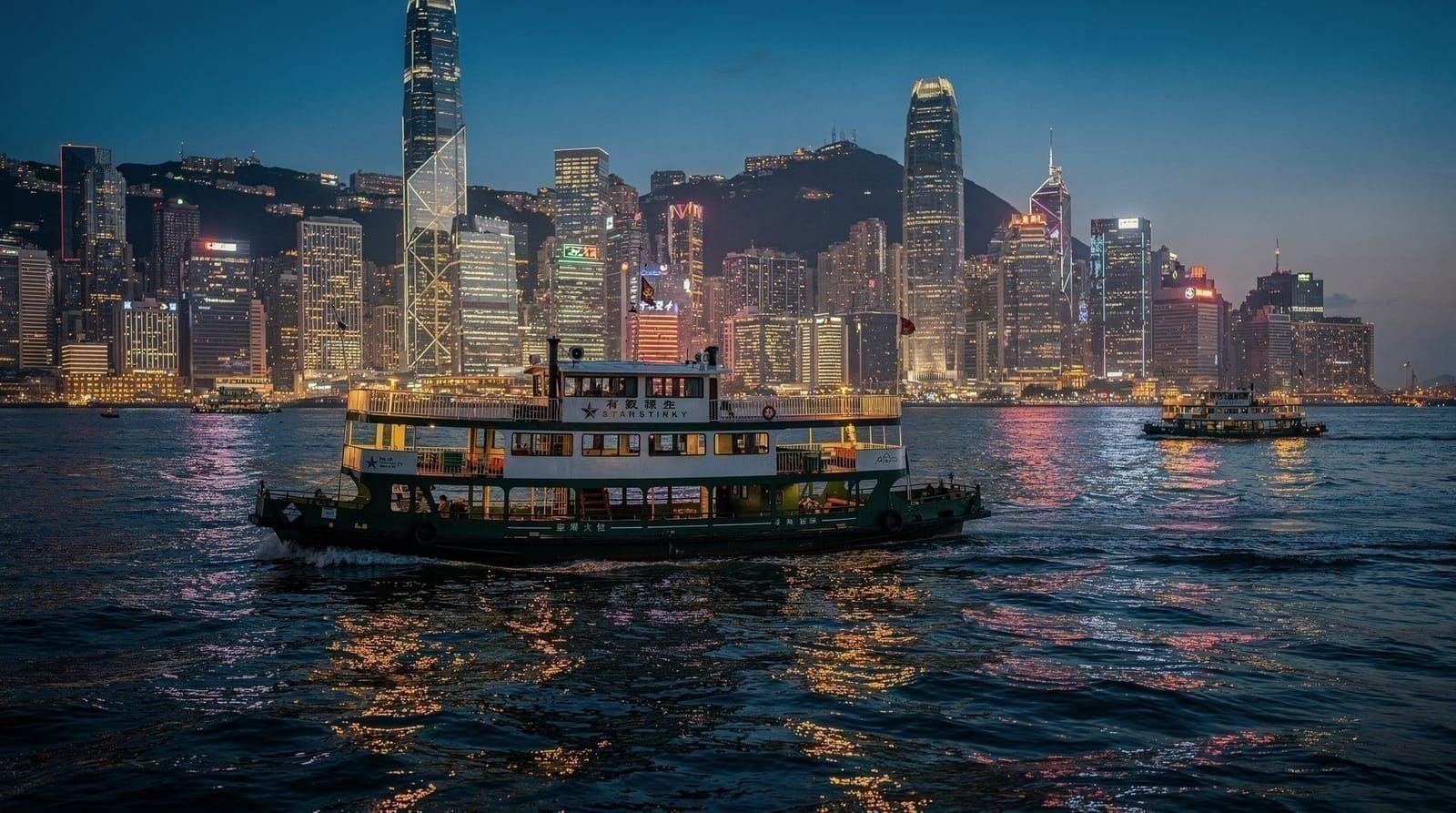
Take the Hongkong Ferry from Central Pier 4 to Yung Shue Wan — 30-35 minutes, HKD 24.9–34.7 one way. For the seafood village, take the ferry from Aberdeen to Sok Kwu Wan (30 minutes, fare on the official ferry website). Both routes accept Octopus card. No cars exist on Lamma — transport is on foot or by bicycle.
What Lamma Island actually is
Lamma is Hong Kong’s third-largest island, about 13 square kilometres of hills and fishing villages 30 minutes south of Central by ferry. It has no cars, no high-rises, and no shopping centres. It does have some of the best seafood restaurants in the territory, a well-maintained hiking trail between its two main villages, a quieter beach than anything on the Kowloon or island waterfront, and a thriving community of expats, artists, and long-term residents who chose Lamma over city life and stayed.
Most visitors spend a day here doing some combination of the Family Trail hike, a beach detour, and a seafood lunch. It is the kind of day that makes a good counterweight to two or three days of urban sightseeing — the pace is different, the setting is genuinely beautiful, and the food is very good.
| Getting there | Ferry from Central Pier 4 (30–35 min, HKD 24.9–34.7) |
| Time needed | 4–6 hours |
| Cost | ferry fares (Central–Yung Shue Wan HKD 24.9–34.7 one way) + HKD 350–600 seafood lunch |
| Best for | Hiking, seafood, a slower-paced day trip |
| Best time | October–March for hiking; June–Sept for swimming |
| Bring | Cash, sunscreen, water, swimwear |
If you’re weighing Lamma against Hong Kong’s other outlying islands, see best day trips from Hong Kong for a full comparison.
Lamma suits travellers who have already spent a few days on the busier side of the territory. If this is your first visit, the first-time Hong Kong guide and the top things to do in Hong Kong will help you decide where an island day fits. The island also has its own short profile on the Lamma Island destination page.
Getting to Lamma Island: the two routes
Central to Yung Shue Wan (the village side)
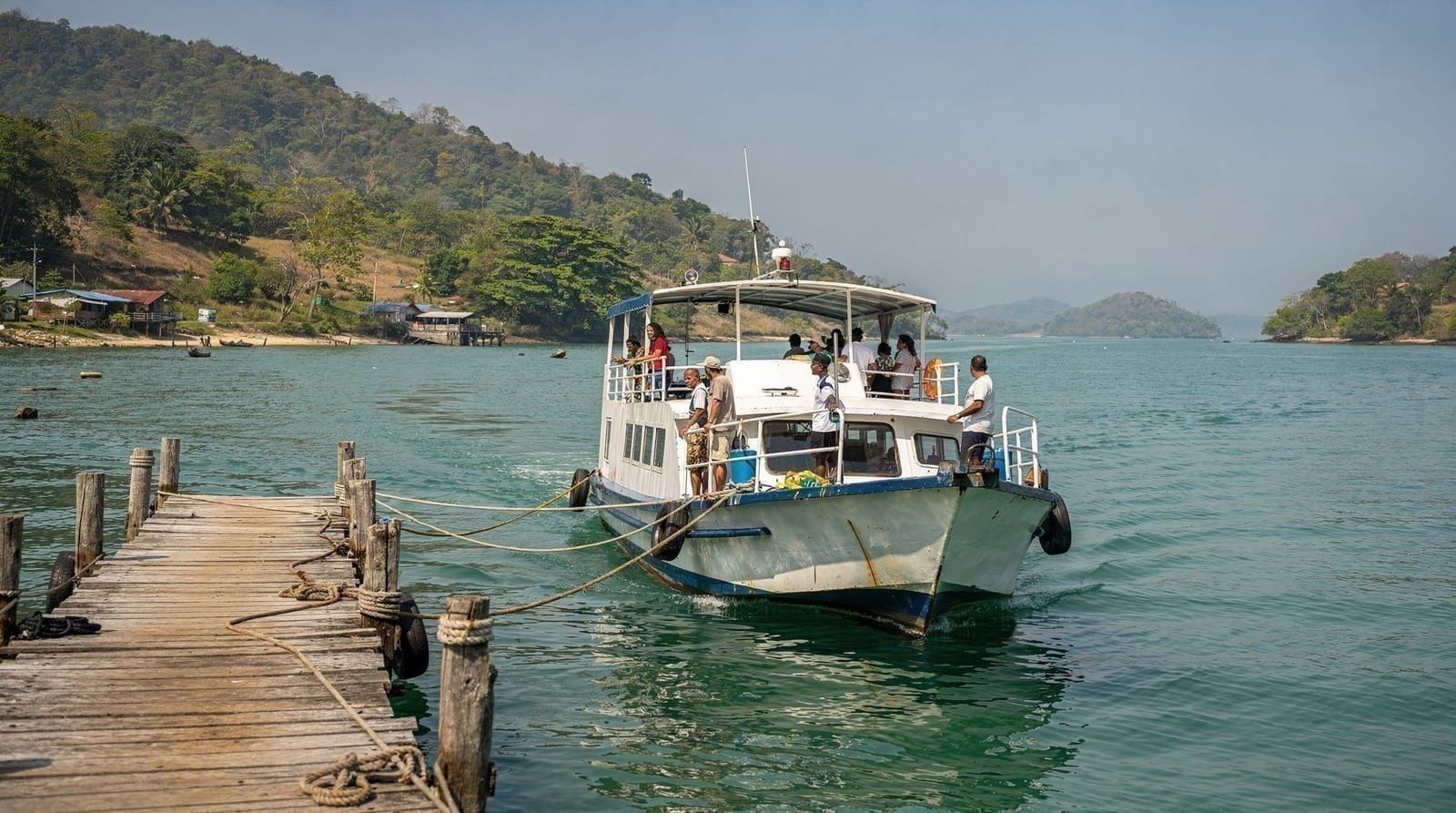
This is the main tourist route. Hongkong Ferry operates sailings from Central Pier 4 throughout the day, roughly every 30-60 minutes. The journey takes 30-35 minutes and costs HKD 24.9 Monday to Saturday and HKD 34.7 on Sundays and public holidays per adult (ordinary class).
Yung Shue Wan is the larger and more developed of Lamma’s two villages. It has a proper high street — shops, bakeries, cafes, and pubs — along the main road from the ferry pier, and it is the logical starting point for the Family Trail hike heading south.
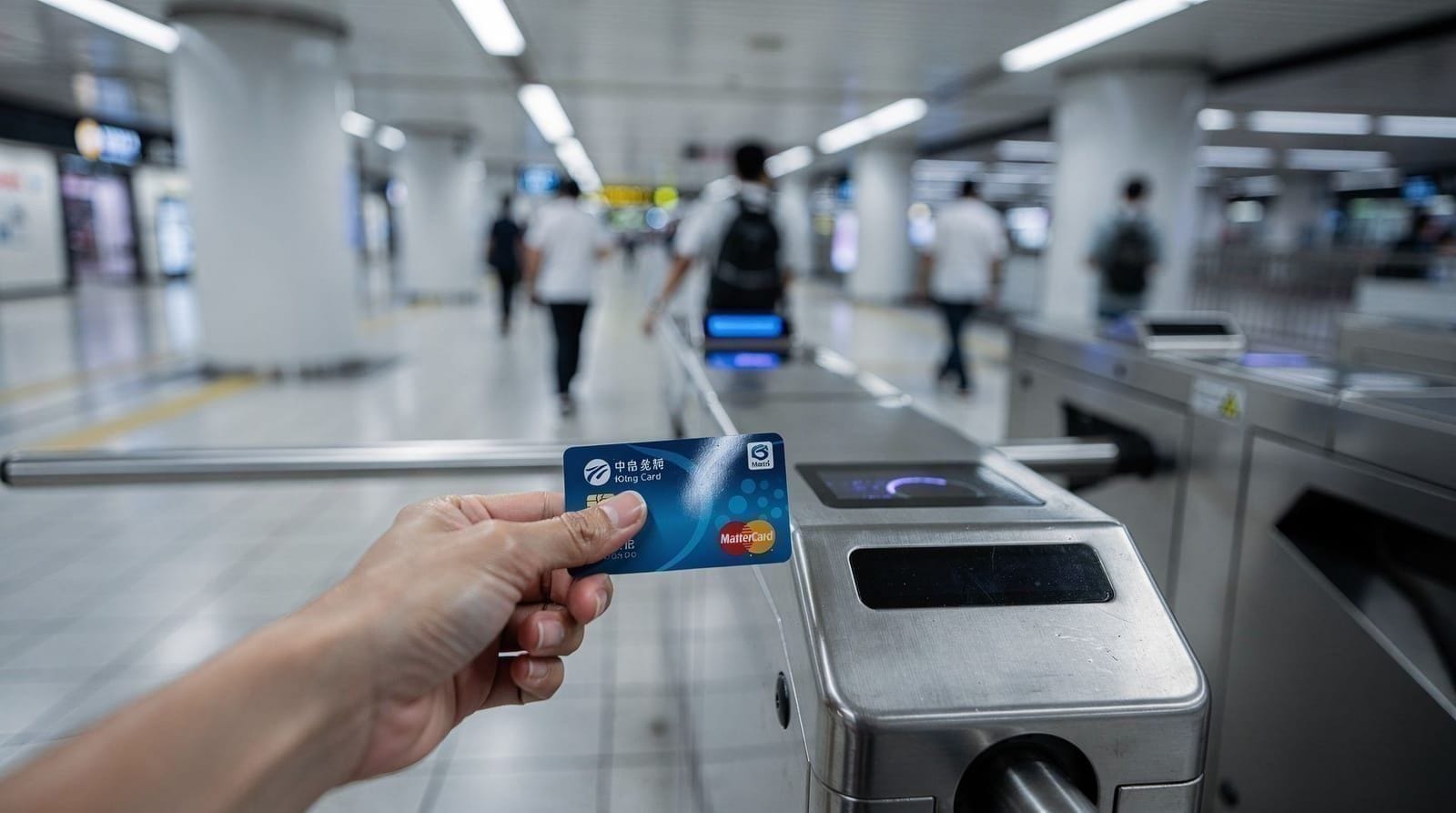
Octopus card is accepted at the turnstile. The ferry is comfortable with indoor seating and an outdoor deck. If you have not yet picked up a card, the Octopus card guide explains how it works, and the Hong Kong MTR guide covers getting to the Central piers from other districts.
Aberdeen to Sok Kwu Wan (the seafood village side)
Alternatively, take bus 70 or a taxi from the city to Aberdeen on the south side of Hong Kong Island, then take the Hongkong Ferry service from Aberdeen to Sok Kwu Wan — about 30 minutes, fare on the official ferry website. This route delivers you directly to the seafood restaurant row without the hike.
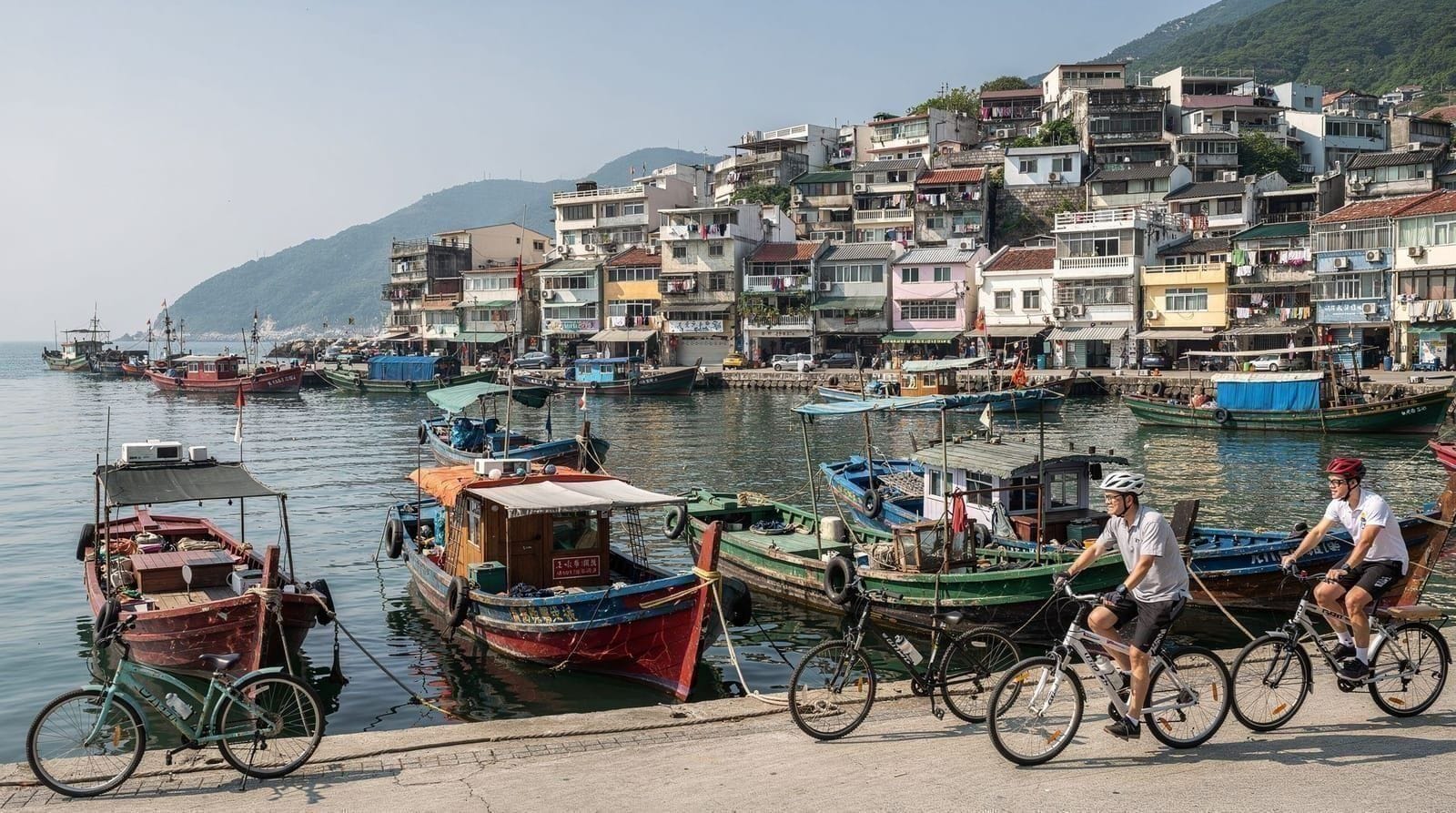
Sok Kwu Wan is quieter and more concentrated than Yung Shue Wan: a single waterfront lane of seafood restaurants with tanks of live fish and crustaceans visible from the path, a pier where the fishing boats come in, and very little else. It is perfect if your priority is lunch rather than hiking.
If you like the idea of arriving by water rather than by bus, a harbour cruise from Aberdeen that continues to Lamma with a seafood lunchCheck availability packages the boat ride and the meal into one booking.
A popular structure for the day: take the Central ferry to Yung Shue Wan, hike the Family Trail to Sok Kwu Wan, eat lunch there, then take the Aberdeen ferry home. This gives you both villages and the trail without doubling back.
The Family Trail — walking between the villages
The Family Trail (officially part of the Lamma Island Family Walk) runs approximately 3km between Yung Shue Wan and Sok Kwu Wan, crossing the island’s central ridge at about 120 metres elevation. It is classified as easy-to-moderate — there are some steps, some incline, but nothing that requires special fitness or equipment. Trainers or comfortable walking shoes are sufficient; hiking boots are unnecessary.
Route from Yung Shue Wan: Walk south along the main road from the ferry pier through Yung Shue Wan village. The trail entrance is marked with a signpost about 10-15 minutes from the pier, past the last row of restaurants. The initial section climbs moderately through hillside scrub with views appearing over the bay. The trail then passes through the small hamlet of Mo Tat Wan, with a handful of houses, a small beach below, and the option to detour to Lo So Shing Beach.
Duration: 1 to 1.5 hours at a walking pace, longer if you stop for photos or the beach detour.
The descent to Sok Kwu Wan: The last third of the trail descends steeply-ish toward Sok Kwu Wan bay, and the view as the bay opens up below you — with the seafood restaurants visible along the waterfront — is a good payoff for the climbing.
Signage on the trail is clear throughout. You are very unlikely to get lost.
The Family Trail is a gentle introduction to walking in Hong Kong. If it leaves you wanting more, the best hikes in Hong Kong roundup covers tougher options, and the Dragon’s Back hike guide is the natural next step for a more dramatic ridge walk. Take your time on the first stretch: the views over the bay are the reason to come, so there is no prize for rushing. If you would rather have a guide for a more demanding ridge walk on another day, a Dragon’s Back hike with a guide is a good companion to a Lamma day.
Lo So Shing Beach
About 15-20 minutes off the main Family Trail (well-signposted), Lo So Shing Beach is a small sandy cove on Lamma’s western coast. The beach is quiet — genuinely so on weekdays, pleasantly uncrowded even on weekend mornings. The water is clean and the swimming is good from June to early October when the sea temperature is 26-29 degrees Celsius.
There are no facilities at the beach beyond a basic changing area. Bring water, sunscreen, and a towel. The only shade is under the handful of trees at the beach’s edge.
This is the beach to choose on Lamma over any alternatives. Most visitors skip it because it adds 40 minutes to the trail time — which is exactly why it stays pleasant.
For a wider look at where to swim around the territory, the Hong Kong beaches guide compares the options, and Repulse Bay is the busier city-side alternative if you would rather have facilities close at hand.
Seafood lunch in Sok Kwu Wan
The row of seafood restaurants along Sok Kwu Wan’s waterfront is Lamma’s main attraction for most visitors, and rightly so. The formula is consistent across all the major restaurants: choose live seafood from tanks at the entrance, specify your preferred cooking method (steamed, fried, with black bean, with ginger and spring onion), add a few dishes of vegetables and tofu, and share around the table.
The quality of the seafood is high across the board — the fish is genuinely fresh because it is genuinely live. Prices are set by weight for most items, so check before you order. A mantis prawn (pi ha) runs roughly HKD 300-500 per 600g depending on the season. A 600g garoupa (grouper fish) is around HKD 200-350 steamed. A shared meal for four people with several seafood dishes, vegetables, and rice comes to HKD 1,200-2,000 — roughly HKD 300-500 per person.
Rainbow Seafood Restaurant is the most famous name, with a large outdoor terrace extending over the water and a high-turnover lunch operation that has been running for decades. The food is excellent, the service is efficient, and the setting is hard to beat.
The Lamma Hilton (the name is entirely unofficial and entirely local — it is a tiny restaurant with no connection to any hotel group) is smaller, more intimate, and favoured by Lamma residents and long-term visitors. Booking ahead is easier here than at Rainbow, where walk-ins are common.
Both restaurants fill up between noon and 1:30pm. If you arrive at 11:30am, you eat immediately. If you arrive at 12:30pm on a Sunday, expect to wait.
Ordering live seafood by weight can feel unfamiliar the first time. Ask the staff to show you the fish and tell you the price before it goes to the kitchen, and share dishes rather than ordering one each. If you enjoy this style of eating, the Hong Kong dim sum guide, the dai pai dong guide and the best street food in Hong Kong guide cover the rest of the city’s food scene. Keep the scams to avoid page in mind for any restaurant where prices are not displayed.
Yung Shue Wan — the village worth exploring
Yung Shue Wan is more than just a ferry terminal. The village has a real community feel: a handful of genuinely good cafes (Island Bar has been a fixture for years), a pharmacy, several grocery shops, a few yoga studios and small galleries, and a beach bar strip at the far end of the main road. It is the kind of place where longstanding residents know each other and newcomers are immediately made to feel welcome.
If you arrive early and the Family Trail start time is not yet ideal, spending 30-45 minutes in Yung Shue Wan over coffee and a pastry is a good way to ease into the day. The morning light on the bay from the pier-end restaurants is also good for photographs.
The village has several restaurants serving Western-style breakfasts and brunch — a legacy of the expat community. For a cheap, local alternative, the congee and noodle shops near the main pier serve full breakfast from around 7am for HKD 40-60 per person.
A practical day itinerary
9:15am: Catch the Central Pier 4 ferry to Yung Shue Wan
9:50am: Arrive Yung Shue Wan, coffee and a walk through the village
10:30am: Start the Family Trail south toward Sok Kwu Wan
11:00am: Detour to Lo So Shing Beach for a swim (optional, adds 40 min)
12:00pm: Arrive Sok Kwu Wan
12:00-1:30pm: Seafood lunch at Rainbow or Lamma Hilton
1:45pm: Walk the Sok Kwu Wan waterfront, cold beer at the pier
2:30pm: Catch Aberdeen ferry from Sok Kwu Wan
3:00pm: Arrive Aberdeen, bus or taxi back to city
Total cost: ferry fares (Central–Yung Shue Wan HKD 24.9–34.7 one way), HKD 350-600 lunch, optional beer HKD 30-50.
Treat these times as a flexible frame rather than a strict schedule. If the trail is pleasant and the beach is calling, let lunch slide later; if you would rather skip the swim, you gain time for a slower meal. This day also sits well inside a longer plan: the Hong Kong islands itinerary and the Hong Kong 3-day itinerary both show how an island day can slot between city days, and the budget breakdown helps you plan what the day will cost.
Organised tours of Lamma Island
This Lamma Island guided day tour covers the Family Trail, a boat section around the island’s coast, and a seafood lunch in Sok Kwu Wan — a well-structured way to see both sides of the island if you prefer not to navigate independently.Check availabilityWhy take a guided option
Going independently is easy on Lamma, and most visitors do. A guided option makes more sense if you want the island’s story explained as you go, prefer not to plan the ferry connections yourself, or are travelling in a group and want one booking to cover the day. The Hong Kong food tours guide is worth a look if eating is your main motivation for the trip.
Lamma and the broader island network
Lamma is the starting point for many visitors to Hong Kong’s outlying islands — it is the easiest to reach, the most food-rewarding, and the most reliably enjoyable. After Lamma, the natural next island to visit is Cheung Chau for a different atmosphere — beachier, busier, with more street food and less of the expat village character. See the Cheung Chau guide and the outlying islands overview for the full picture.
The Hong Kong island ferries guide has complete timetables and Octopus card advice for the ferry network.
Practical tips
Ferry frequency: Ferries from Central Pier 4 run roughly every 30-60 minutes throughout the day. Check the Hongkong Ferry website or CityMapper app for the current schedule before you go — last ferries from Yung Shue Wan to Central are around 11pm on weekdays, midnight on weekends.
What to bring: Sunscreen (the trail has limited shade), water (1 litre minimum per person in summer), swimwear and a towel if you plan to use Lo So Shing Beach, and cash for the beach cafe and street food. The main seafood restaurants accept cards; smaller stalls are cash only.
Weather: June to September is hot and humid but the swimming is excellent. October to March is the best weather for hiking — cool, clear, and comfortable. Rainy days on Lamma are still pleasant in the village but the trail gets slippery.
Power plants: The large chimneys you see from the ferry and trail belong to Lamma Power Station, which has supplied electricity to Hong Kong Island since the 1960s. It is visible but does not dominate the experience — Lamma is large enough that the natural landscape overwhelms the industrial infrastructure.
Lamma vs Cheung Chau vs Sai Kung
If you’re choosing between Hong Kong’s most popular day-trip areas, here’s the honest comparison:
| Destination | Best for | Travel time from Central |
|---|---|---|
| Lamma Island | Seafood, an easy hike, quiet beach | 30–35 min ferry |
| Cheung Chau | Beaches, cycling, a lively town feel | 35–55 min ferry |
| Sai Kung | Geopark boat trips, wild coastline | 1–1.5 hrs (bus + boat) |
Lamma is the easiest to combine with a half-day city itinerary since the ferry frequency is high and the round trip fits comfortably into an afternoon. For a broader view of how a day trip fits your total stay, see how many days in Hong Kong.
Rainy or hot-weather alternative
If the weather turns during your visit — heavy rain or a summer heat spike — Lamma is still workable but less rewarding. The Family Trail gets slippery in rain, and shade is limited in the heat. On a poor-weather day, it’s worth swapping Lamma for an indoor-heavy alternative and saving the island for a clearer day if your schedule allows; the best time to visit Hong Kong guide has month-by-month expectations to help you plan around it.
Family visits and accessibility
Lamma works reasonably well with children old enough to manage the Family Trail’s gentle inclines and occasional steps — it is not stroller-friendly, so plan on carrying younger children for parts of the walk. The family itinerary has more on which day trips suit which ages; Lamma is a better fit for kids 6 and up than for toddlers, who are better served by the flatter options in the Hong Kong with toddlers guide.
Frequently asked questions about Lamma Island guide — hiking, seafood, and Hong Kong's car-free island life
How long does the ferry to Lamma Island take?
Is there a hiking trail between the two Lamma villages?
How much does a seafood lunch cost on Lamma Island?
Can I swim at Lamma Island?
Are there bicycles to rent on Lamma Island?
Which Lamma restaurant is best for seafood?
How long should I spend on Lamma Island?
Top experiences
Bookable activities with verified prices and instant confirmation on GetYourGuide.