Hong Kong 3-day itinerary — Island, Kowloon, and a day trip to Lantau
Hong Kong: Big Bus hop-on hop-off tour with optional Peak Tram
Why three days is the sweet spot for Hong Kong
Three days gives you enough time to see Hong Kong without feeling like you are rushing a checklist. The first two days cover the two sides of Victoria Harbour — Hong Kong Island and Kowloon — and Day 3 adds a genuinely different experience: Lantau Island, home to the Tian Tan Buddha and the traditional stilt-house fishing village of Tai O.
This itinerary is the most requested on this site for good reason: it covers the landmarks without being exhausting, allows proper meals at every stop, and finishes with a day that feels unlike anything you will have seen in the main urban areas. First-time visitors leave with a real picture of what Hong Kong is — not just the skyline.
Daily budget (mid-range): HK$600–900 per day (USD $77–115) excluding accommodation.
Pick up an Octopus card at the airport on arrival — it handles all MTR, bus, and ferry fares on this itinerary. Load HK$300 to start.
| Day 1 | Hong Kong Island — The Peak, Central, Wan Chai, Causeway Bay, Star Ferry |
| Day 2 | Kowloon — dim sum, Mong Kok markets, Chi Lin Nunnery, Temple Street |
| Day 3 | Lantau Island — Ngong Ping cable car, Big Buddha, Tai O village |
| Daily budget | HK$600–900 (USD $77–115), mid-range |
| Best for | First-timers, couples, families, solo travellers |
| Book ahead | Peak Tram + Sky Terrace combo, Ngong Ping cable car on weekends |
If you are still deciding whether three days is the right length for your trip at all, the how many days in Hong Kong guide compares this plan against shorter and longer options.
Day 1 — Hong Kong Island
08:30 — Breakfast in Central
Start at a cha chaan teng (Hong Kong-style diner) in Central. The areas around Wellington Street, Peel Street, and Lyndhurst Terrace have several well-established options. Order milk tea (HK$22–28) and toast with butter and condensed milk or a classic egg sandwich (HK$28–35). This is a fast, cheap, thoroughly local start.
09:30 — Victoria Peak
Take Bus 12 from Des Voeux Road Central (8 minutes; check the operator’s website for the current fare) or walk 12 minutes uphill to the Lower Peak Tram Terminus on Garden Road. The tram ride takes 8 minutes and the incline — 27 degrees at the steepest — is steeper than it looks in photographs.
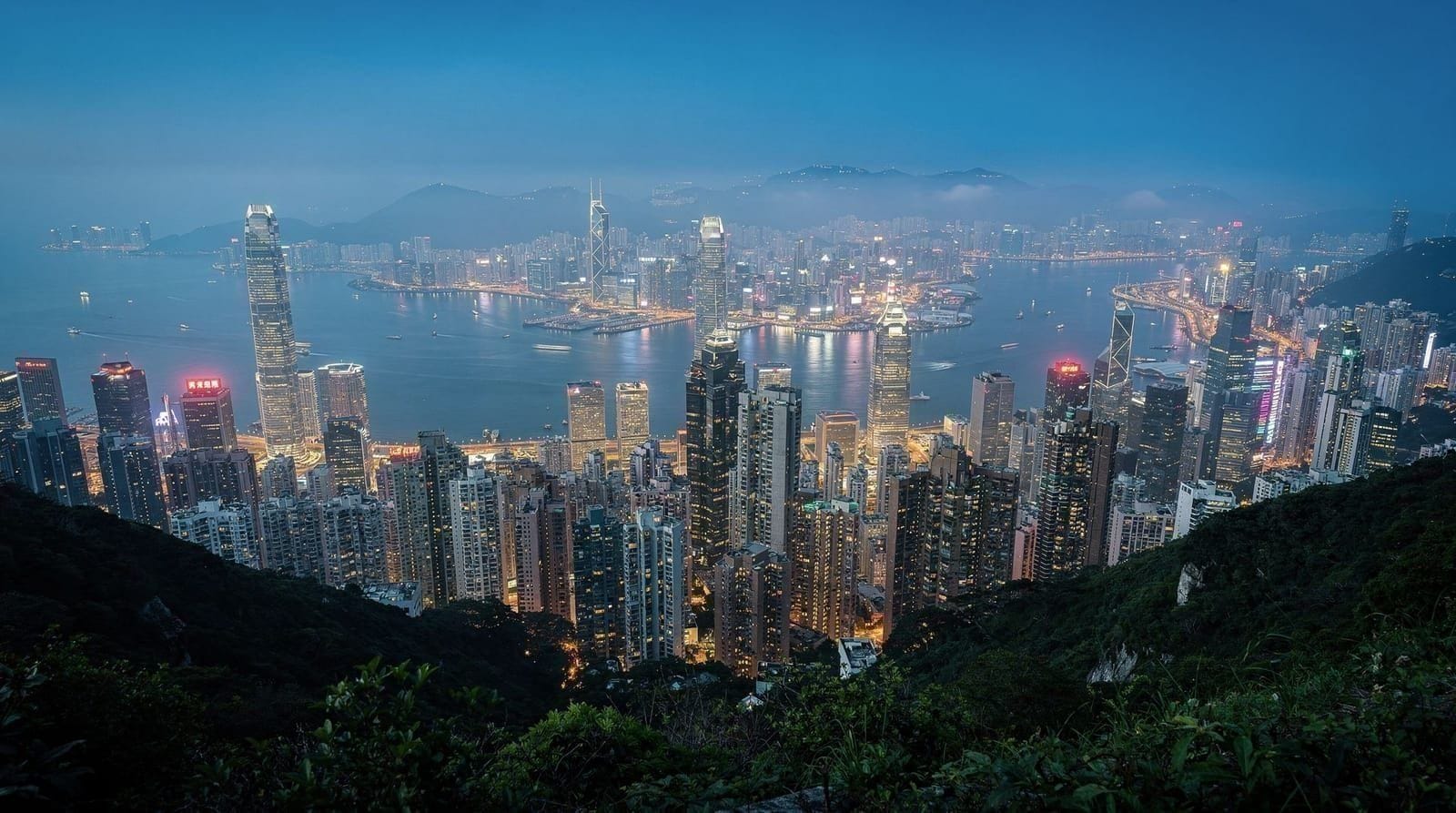
Book the Peak Tram and Sky Terrace 428 combo in advance. Weekend queues at the walk-up window frequently exceed one hour.Check availabilitySky Terrace 428 sits at 428 metres and provides the city’s most complete skyline panorama. Spend 30–40 minutes there, then walk the Peak Circle Walk (3.5 km loop, flat, free, 40–50 minutes) for a quieter perspective through forest with filtered views of Aberdeen and the southern coast. The Victoria Peak guide covers what to see and common mistakes in more detail.
At The Peak, you can also visit the Peak Tower’s retail floor for Madame Tussauds if the group has any interest, though the walk and the views are the real draw.
Take the tram back to Central (HK$82 one way for adults; HK$116 return) or walk down Old Peak Road (45 minutes, pleasant, free).
12:00 — Man Mo Temple and Sheung Wan
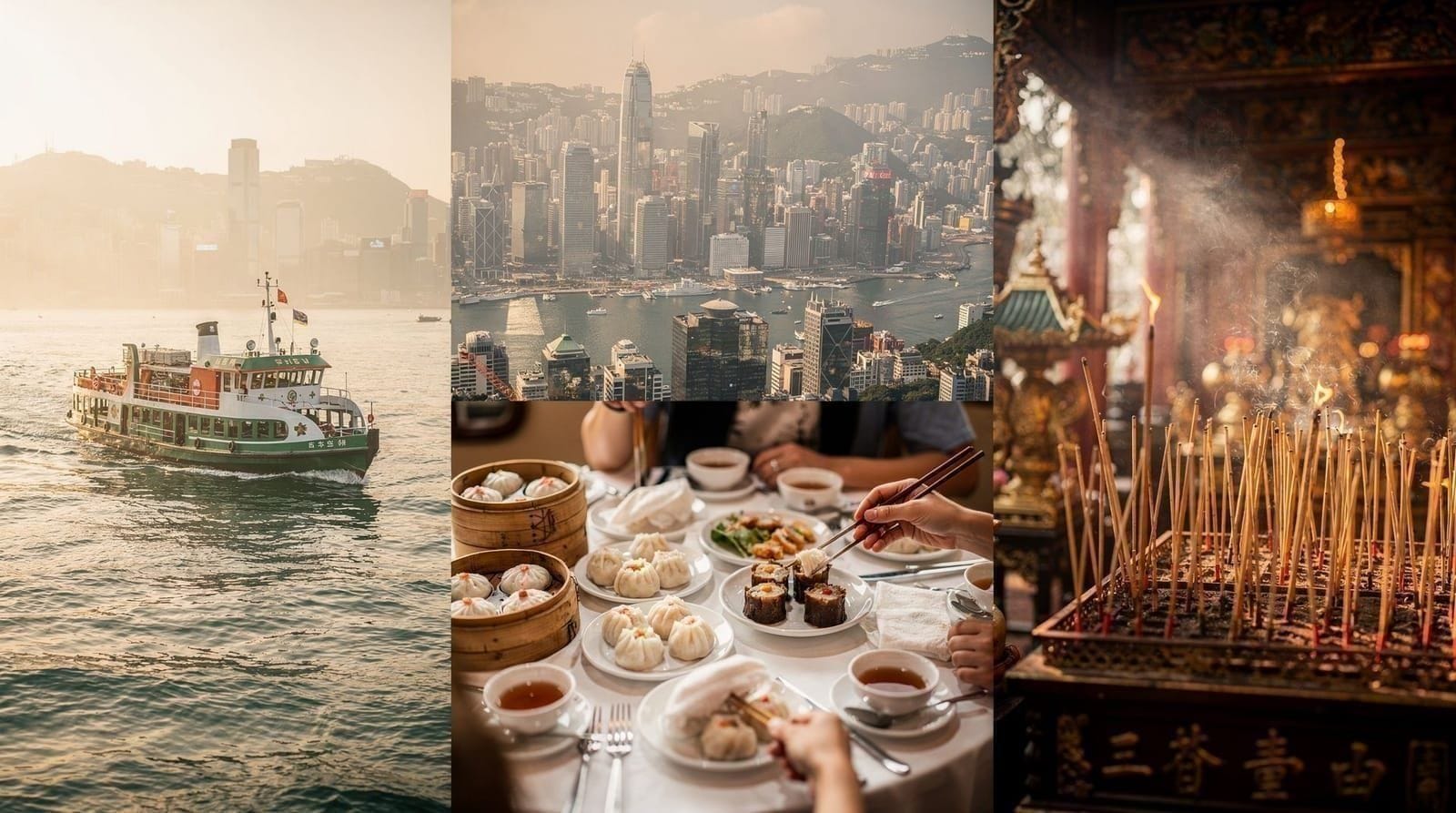
Walk along the Central-Mid-Levels Escalator (free, world’s longest covered outdoor escalator) uphill to Hollywood Road. Man Mo Temple on Hollywood Road is one of Hong Kong’s oldest temples (1847), with large coils of incense hanging from the ceiling creating a permanently smoky, cinematic interior. Free entry. Allow 20–30 minutes.
Continue along Hollywood Road for antique shops and galleries, then head down into Central and Sheung Wan for lunch. The area around Sheung Wan MTR station has noodle shops, congee specialists, and Cantonese restaurants at HK$60–100 for lunch. Dried seafood shops on Des Voeux Road West are worth walking past for the sensory experience.
14:30 — Wan Chai
Take the MTR east to Wan Chai (Island Line, 5 minutes, HK$5.8). Wan Chai is one of Hong Kong’s most layered districts. The Blue House cluster (1920s tenement buildings) on Stone Nullah Lane is free to see. Queen’s Road East has traditional crafts shops. The waterfront Convention Centre terrace offers harbour views without entry fees.
16:30 — Causeway Bay
Continue one stop east to Causeway Bay (Island Line, HK$4.3). Causeway Bay is the city’s densest retail district. If shopping is not your goal, Victoria Park is a calm green space — and the Noon Day Gun on the waterfront fires at 12:00 daily (free, worth knowing about even if you miss the timing).
18:30 — Star Ferry crossing and Tsim Sha Tsui promenade
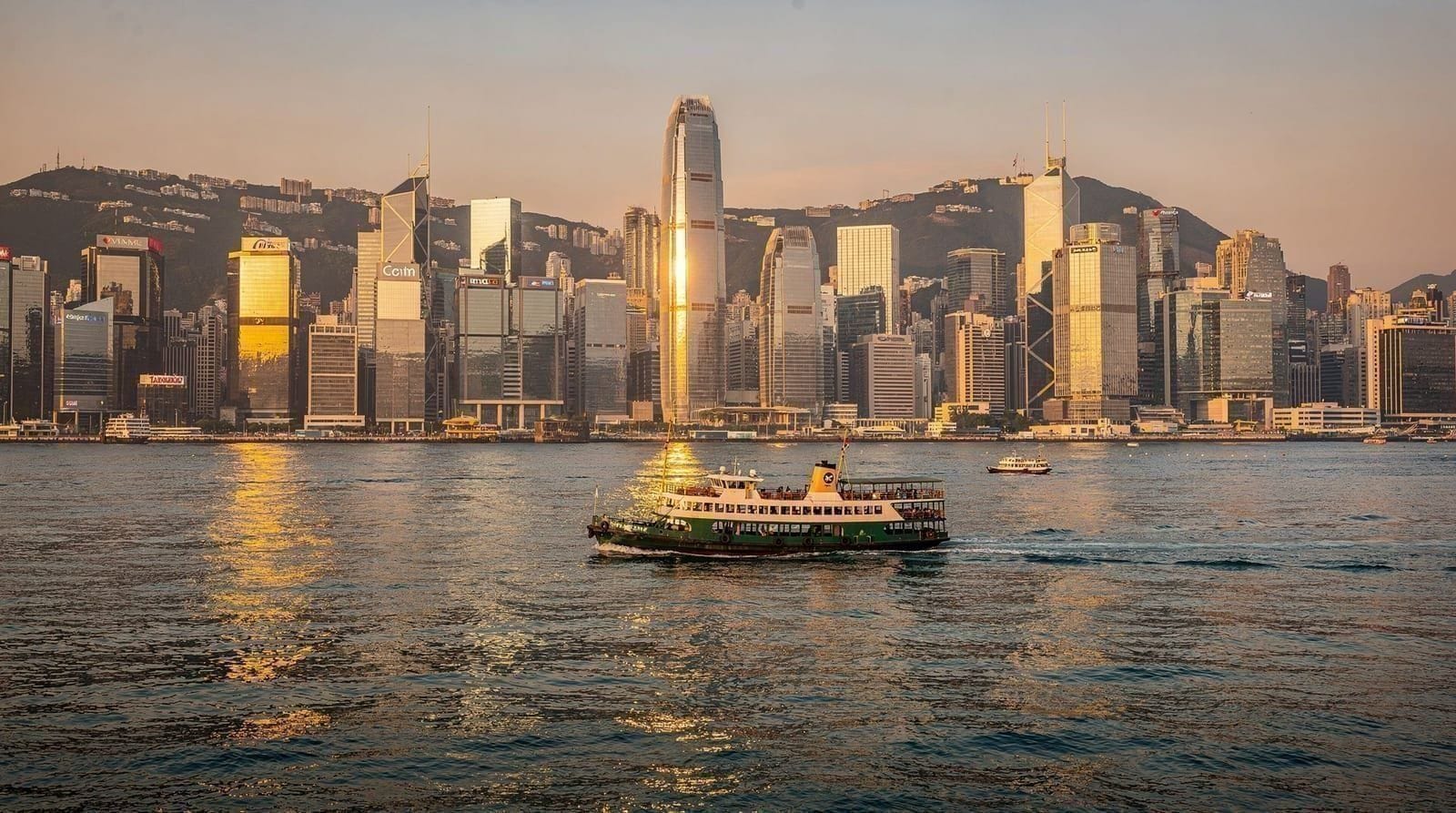
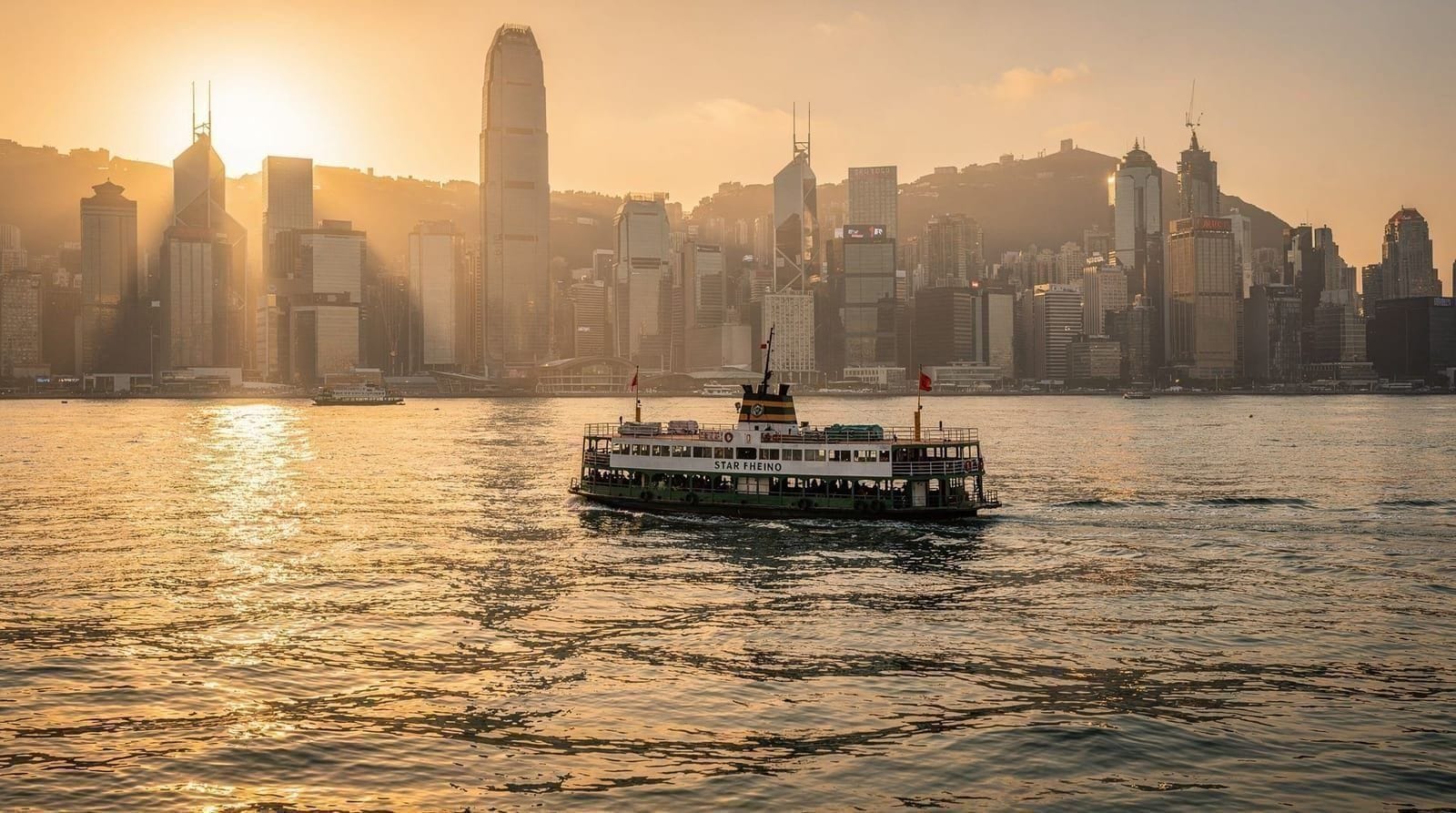
Take the MTR back to Central (15 minutes), walk to Pier 7 at the Central Ferry Piers, and take the Star Ferry to Tsim Sha Tsui (upper deck HK$5.0 Monday–Friday, HK$6.5 at weekends and public holidays; 8 minutes). This is the defining crossing in Hong Kong — the skyline from the water at dusk is one of the best urban views in the world. Read the Star Ferry guide for the best deck position and timing.
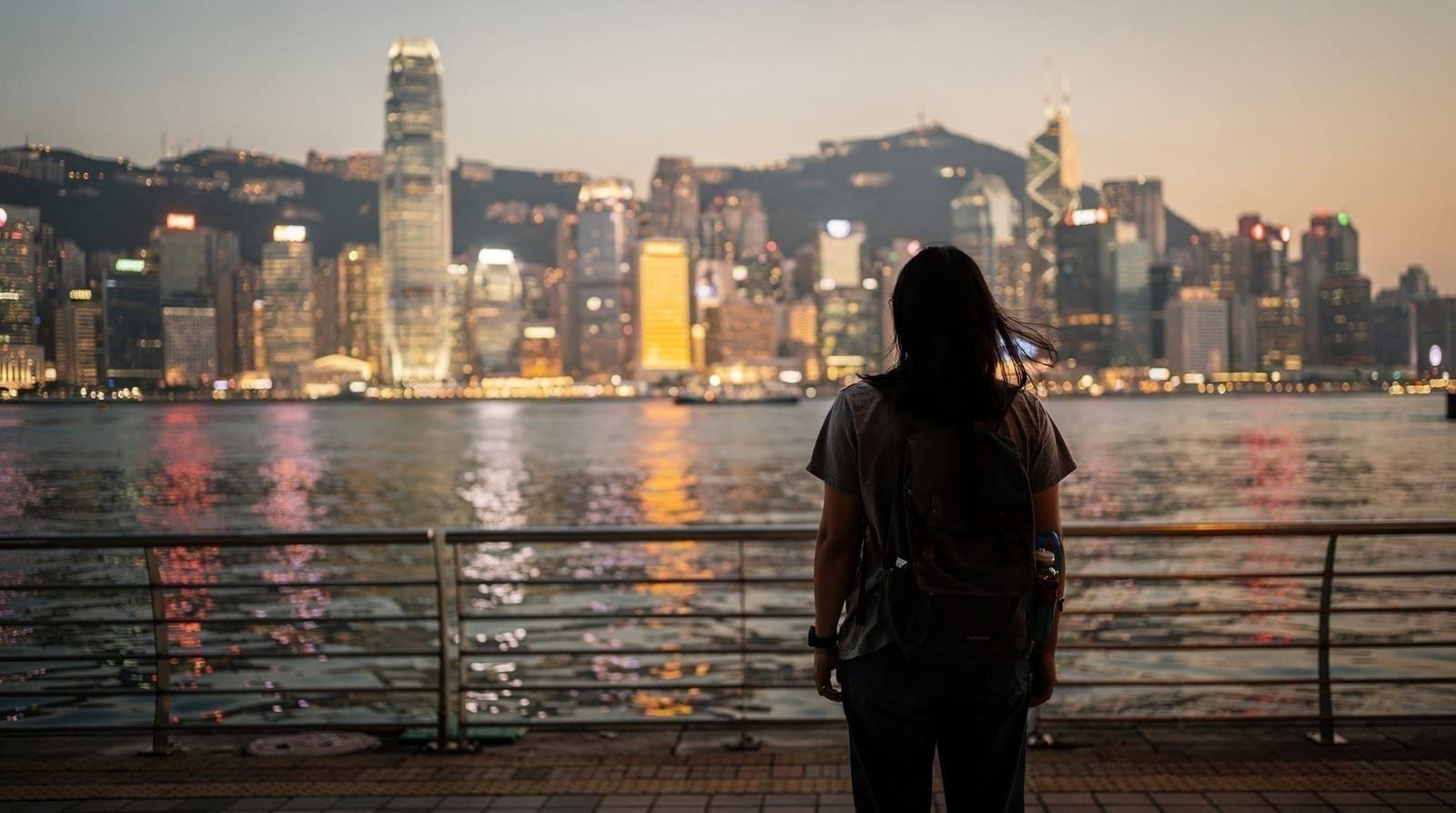
Walk the Tsim Sha Tsui Promenade (Avenue of Stars) as the city lights up. The Symphony of Lights begins at 20:00 and lasts about 10 minutes — laser beams and LED lights coordinated across the harbour skyline.
20:00 — Dinner in Tsim Sha Tsui
Dinner in Tsim Sha Tsui: the streets around Knutsford Terrace and Carnarvon Road have concentrated restaurant options from Cantonese seafood to Japanese to Indian. Mid-range Cantonese restaurants in this area run HK$150–250 per person for a proper multi-dish meal.
Day 2 — Kowloon
09:00 — Dim sum in Jordan or Yau Ma Tei
Start Day 2 with dim sum — a quintessential Hong Kong morning ritual. Traditional dim sum houses around Jordan and Yau Ma Tei open from 07:00, with trolley service at its most active before 10:30. Per person: HK$80–130 for a substantial meal including tea. See the Hong Kong dim sum guide for what to order.
10:30 — Temple Street by day, then Yau Ma Tei
Walk around Yau Ma Tei — the streets around Public Square Street and the area around Jade Market (covered jade and jewellery stalls, open 10:00–17:00, free entry, bargaining expected) give a picture of the neighbourhood before the night market sets up. Temple Street itself by day is quiet and unremarkable; its character is entirely nocturnal.
12:00 — Mong Kok
Take the MTR north to Mong Kok (Tsuen Wan Line, 5 minutes, HK$5.6). The afternoon’s agenda is Mong Kok’s famous specialty markets:
Ladies’ Market (Tung Choi Street): Clothing, bags, accessories at negotiable prices. Active from 11:00, busiest 14:00–20:00.
Flower Market (Flower Market Road): A working wholesale flower market selling retail. Best visited in the morning.
Bird Garden (Yuen Po Street): Songbirds, cages, and live food — genuinely unlike anything else in the city.
Goldfish Market (upper Tung Choi Street): Street devoted entirely to aquarium fish.
Allow 2 hours to cover all four at a relaxed pace.
14:00 — Lunch near Mong Kok
The streets around Mong Kok MTR station have dozens of local restaurants. Wonton noodle shops, congee counters, and claypot rice restaurants are everywhere — expect to pay HK$50–80 for a proper lunch.
A guided street food tour through Mong Kok and nearby areas covers the dishes you might otherwise walk past without knowing what they are — wonton, cheong fun, egg waffles, and more.Check availability15:30 — Chi Lin Nunnery and Nan Lian Garden
Take the MTR to Diamond Hill (Kwun Tong Line, 15 minutes from Mong Kok, HK$9.3). The Chi Lin Nunnery (free entry) is a large wooden Tang Dynasty-style Buddhist complex — a striking counterpoint to the surrounding apartment blocks. Adjacent Nan Lian Garden is a formal Chinese garden with pavilions, a lotus pond, and a small teahouse. Allow 45–60 minutes for both.
17:30 — Wong Tai Sin Temple
Walk 10 minutes (or take a short taxi ride) to Wong Tai Sin MTR station and the adjacent Wong Tai Sin Temple. This is one of Hong Kong’s most active places of worship — a Taoist temple where the fortune-telling courtyard operates commercially throughout the day. Entry is free. See the Wong Tai Sin Temple guide for what to expect from the fortune stick ritual and the numbered fortune teller booths.
19:30 — Temple Street Night Market
Take the MTR back towards Jordan (Kwun Tong Line to Kowloon Tong, switch to Tsuen Wan Line, or taxi from Wong Tai Sin to Jordan). Temple Street Night Market is best from 19:00–21:00. The outdoor cooking stalls in the middle of the market are the most interesting for food — typhoon shelter crab (seasonal), clams, roasted pigeon, and seafood dishes. Dinner at a night market stall: HK$100–180 per person.
Day 3 — Lantau Island: Big Buddha and Tai O
08:30 — Depart for Lantau via MTR
Take the MTR Tung Chung Line from whichever Kowloon or Hong Kong Island station is nearest your hotel to Tung Chung Station (approximately 20–35 minutes, HK$15–22). Tung Chung is at the foot of Lantau Island near the cable car base station.
09:30 — Ngong Ping 360 Cable Car
The Ngong Ping 360 gondola runs from Tung Chung to the Ngong Ping plateau at 530 metres. The cable car ride is about 20 minutes and covers 5.7 km over forested hillsides and a descent into the plateau. Crystal cabins (glass floor) cost slightly more and have more dramatic downward views.
The Ngong Ping 360 tour including the cable car, Big Buddha entry, and a guided Tai O village stop bundles the key Lantau activities with transport — useful for keeping the logistics simple on a day trip from the main city.Check availability10:00 — Tian Tan Buddha (Big Buddha)
From the Ngong Ping Village plaza, walk 10 minutes (or take a shuttle bus) to the base of the Tian Tan Buddha. The statue is 34 metres tall and sits on a lotus throne on top of 268 steps. Entry to climb the stairs and enter the Wisdom Path area below is free. The indoor exhibition (Stairway to Heaven) has a separate admission fee; see the official Po Lin Monastery website for current prices. The statue is best photographed in the morning before mist builds up; overcast conditions make the surrounding mountains atmospheric rather than clear.
At the top, the view extends across the Lantau hillsides, North Lantau, and on clear days towards the distant airport. Allow 30–40 minutes at the statue.
12:00 — Po Lin Monastery and lunch
Po Lin Monastery at the base of the Buddha steps (free entry) has been operating since 1906 and is still an active Buddhist institution. The main hall is ornate and busy with incense offerings. The monastery operates a vegetarian restaurant for public visitors (see the official website for current prices; advance purchase recommended at the office near the steps).
If you are not vegetarian or the queue is long, the Ngong Ping Village plaza has several restaurants and food stalls at standard tourist prices (HK$80–120).
13:30 — Tai O Fishing Village
Bus 21 runs from Ngong Ping Village to Tai O (30 minutes, paid by Octopus, departing roughly every 30 minutes). Tai O is a traditional stilt-house fishing village on the western coast of Lantau — one of the last places in Hong Kong where this architectural style survives at scale. The village proper is built over a tidal channel, connected by footbridges, and still home to Tanka boat people who have fished here for generations.
The market street sells dried seafood (shrimp paste is the local speciality), sea creatures of considerable variety, and traditional snacks. Boat tours of the stilt houses and the mangrove channels run from the main bridge area (HK$25–30 per person, 20 minutes). Pink dolphins are sometimes visible in the channel — the tour boats actively look for them.
Allow 1.5–2 hours in Tai O.
15:30 — Return to the city
Bus 21 back to Ngong Ping (30 minutes), then the cable car back to Tung Chung, then MTR. Alternative: bus B6 from Tai O runs direct to Tung Chung (45 minutes) without the cable car return — faster if you have done the cable car in the morning.
18:30 — Evening and final dinner
After the relative quiet of Lantau, ease back into the city. Dinner recommendations for the final evening: roast goose is a Hong Kong speciality worth seeking out (the restaurants around Wan Chai and Causeway Bay have several reliable options at HK$150–220 per person), or return to TST for the promenade one more time before the Symphony of Lights.
Lantau versus the other day-trip options
Day 3 sends you to Lantau, but it is not the only worthwhile day trip within reach of Hong Kong. Here is how the main options compare if you are wondering whether to swap Lantau for something else:
| Lantau (this itinerary) | Macau | Shenzhen | |
|---|---|---|---|
| Travel time each way | 45–60 min (MTR + cable car) | 60–75 min (ferry) | 45–60 min (MTR + border) |
| Highlight | Big Buddha, Tai O stilt village | Historic centre, casinos | Shopping, theme parks |
| Passport needed | No | Yes | Yes (visa may apply) |
| Best for | Nature, culture, photography | History, contrast of scale | Budget shopping, novelty |
Lantau stays inside this itinerary because it needs no passport or border crossing, which keeps a 3-day trip simple. If Macau or Shenzhen interests you more, see the Macau day trip guide or the Shenzhen day trip guide — both work better as a fourth day than as a swap, and the 4-day itinerary builds one in properly.
Making the most of Day 3 if the weather turns
Lantau is the one day in this itinerary most exposed to weather, since the cable car and the Buddha viewpoint both depend on visibility. If Day 3 arrives with poor forecasts, consider the bus alternative to Ngong Ping (Bus 11 from Tung Chung, about 45 minutes, avoids the cable car closure risk entirely) rather than cancelling the day outright. Tai O and Po Lin Monastery remain worthwhile even in light rain — it is really only the cable car ride and the open-air Buddha viewpoint that lose their appeal in poor conditions.
If the whole day looks washed out, an indoor-heavy alternative is to swap in a museum-focused morning instead — the Hong Kong Palace Museum or the M+ Museum in West Kowloon both make a respectable substitute and are a short MTR ride from most Kowloon hotels, before returning to the original Day 3 plan on a clearer day later in the trip if your schedule allows it.
Where to stay for this itinerary
Because Day 1 is Hong Kong Island and Days 2–3 involve Kowloon and Lantau via the MTR’s Tung Chung Line, Tsim Sha Tsui is the most balanced base — it sits on the Kowloon side for Day 2 and has a direct MTR connection to both Central (Day 1) and Tung Chung (Day 3). See the full where to stay in Hong Kong guide for a breakdown by budget and neighbourhood.
Practical information
Transport summary:
- All journeys covered by Octopus card
- MTR dominates the itinerary
- Day 3 Lantau: MTR to Tung Chung + cable car (not covered by standard Octopus card — purchase separately) + bus (Octopus)
- Cable car (return): HK$295 standard cabin, HK$365 crystal cabin
Full 3-day budget estimate (mid-range, per person):
- Accommodation (3 nights, not included): estimate separately
- Daily transport: HK$60–90
- Meals: HK$280–450 per day
- Victoria Peak + cable car: HK$116 + HK$295 = HK$411
- Total 3 days (excluding accommodation): approximately HK$2,000–2,800 (USD $256–359)
For a complete breakdown see Hong Kong budget breakdown guide.
Frequently asked questions about this 3-day Hong Kong itinerary
Is 3 days enough to see Hong Kong?
Three days covers the essential highlights — the Peak, Central, Kowloon markets, and Lantau — at a pace that allows you to actually experience each place rather than photograph it and leave. You will not have time for the New Territories, Macau, or the smaller outlying islands (Lamma, Cheung Chau). For those, the 4-day or 5-day itineraries extend the plan.
Should I do the Ngong Ping cable car if the weather is bad?
The cable car suspends operations in strong winds (Typhoon Signal 3 and above) and heavy rain, and poor visibility makes the ride significantly less rewarding. Check the weather forecast the night before Day 3 and consider swapping the order — doing Kowloon on Day 3 and Lantau on Day 2 if the weather outlook is better later in the trip. The cable car queues are also much shorter on weekdays.
How difficult is the hike up to the Big Buddha?
There is no required hiking. The cable car reaches the Ngong Ping plateau and a short walk leads to the Buddha’s base. The 268 steps up to the statue are manageable for most visitors, though steep. The alternative is to visit the base and the monastery without climbing to the top.
Is Tai O suitable for children?
Yes. The stilt houses and the boat tours are genuinely engaging for children, the village is compact enough to navigate without complicated logistics, and the market stalls sell interesting things to look at and smell. The bus ride from Ngong Ping is 30 minutes on winding roads, which some young children find uncomfortable.
Where is the best spot to watch the Symphony of Lights?
The TST Promenade (Avenue of Stars) on the Kowloon waterfront is the most popular and provides a clear sightline to the illuminated buildings on Hong Kong Island. The show runs at 20:00 nightly and lasts about 10 minutes. Arrive at the promenade by 19:45 to secure a good position.
How many steps are there to the Big Buddha?
268 steps from the base terrace to the statue platform. The steps are wide and well-maintained. There is no elevator. Most able-bodied adults manage the climb in 10–15 minutes; allow more time in summer heat and humidity.
What are the best things to do on Lantau beyond the Big Buddha?
Tai O village is the clear second stop. Beyond those two, the Wisdom Path (a bamboo grove with wooden columns inscribed with the Heart Sutra, free, 10-minute walk from the Ngong Ping plateau) is worth seeing, and the Lantau Trail offers serious hiking for those inclined. The small town of Mui Wo on the eastern coast is reached by ferry from Central and has a quieter, more local character than the Ngong Ping tourist circuit.
Top experiences
Bookable activities with verified prices and instant confirmation on GetYourGuide.