Wong Tai Sin Temple guide — fortune telling, prayer, and local ritual
Hong Kong: Guided tour of Wong Tai Sin Temple
Is Wong Tai Sin Temple worth visiting?
Yes — it is one of Hong Kong's most active places of worship, not a tourist set piece. The fortune-telling courtyard is genuine and busy, entry is free, and the surrounding gardens are calm. Allow 1.5 to 2 hours and arrive before 10:00 to avoid crowds.
What actually happens at Wong Tai Sin Temple
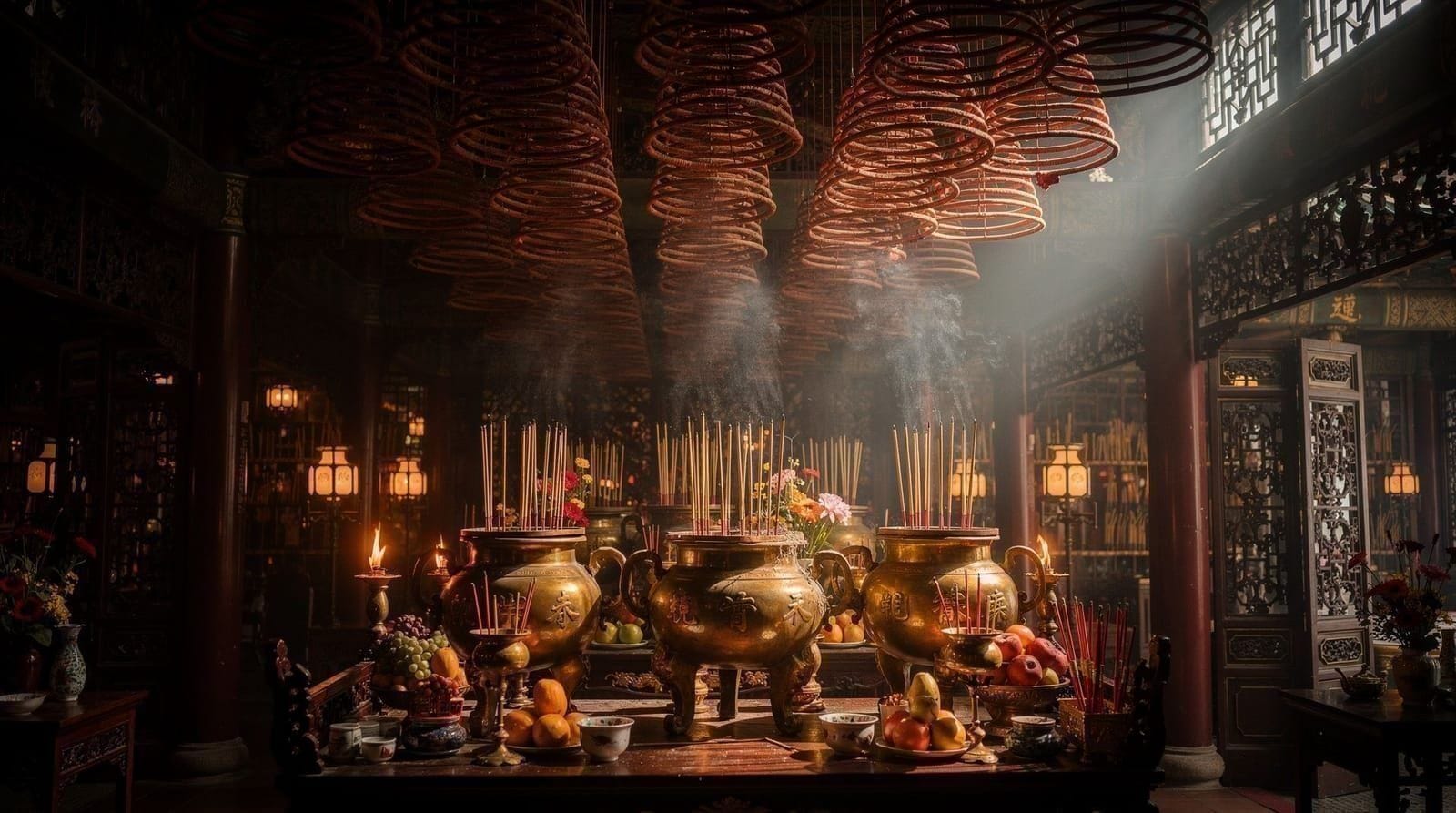
Most visitors come expecting a quiet religious monument. Wong Tai Sin Temple is the opposite: it is one of the busiest places of worship in Hong Kong, operating as a living Taoist shrine with a constant stream of worshippers, incense smoke thick enough to sting your eyes, and a courtyard packed with fortune tellers who have paying clients all day.
The temple is dedicated to the deity Wong Tai Sin, known for granting three types of wishes: the good and virtuous are granted health, those who marry shall have conjugal bliss, and the poor shall prosper. In practice, the modern reputation centres on three things: health guidance, financial luck, and (particularly) lottery predictions. The fortune-telling corridor along the left side of the main courtyard operates commercially, with licensed practitioners who interpret the kau cim (fortune sticks) readings.
This is not a tourist attraction that was repurposed. Local Hongkongers genuinely visit to pray and seek guidance. On weekday mornings you’ll see elderly residents doing solo ritual, families with young children, professionals in business attire taking a few minutes before work. The atmosphere is purposeful, not performative.
| Where | Wong Tai Sin, Kowloon (MTR Wong Tai Sin, exit B2) |
| Cost | Free entry; Good Wish Garden HK$2; fortune readings HK$50–150 |
| Time needed | 1.5–2 hours; half-day if combined with Chi Lin Nunnery |
| Getting there | MTR Kwun Tong Line, temple entrance 3 min walk from exit B2 |
| Best time | Weekday mornings before 10:00, avoid Lunar New Year’s first day |
How to reach the temple
MTR: The most straightforward route is the Kwun Tong Line to Wong Tai Sin station (exit B2). From Central it is about 25–30 minutes via the Jordan interchange. From Tsim Sha Tsui (East Tsim Sha Tsui station) change to the Kwun Tong Line at Yau Ma Tei — about 15 minutes total. The station exit deposits you almost directly in front of the temple entrance on Lung Cheung Road.
Bus: Several routes stop on Lung Cheung Road and Junction Road. Bus 2F from Yau Ma Tei MTR and Bus 70 from Central are commonly used, though the MTR is faster.
Taxi: From Tsim Sha Tsui the fare is roughly HK$35–45 (10–15 minutes without traffic). Specify “黃大仙” (Wong Tai Sin) to the driver.
Opening hours are 07:30–16:30 daily. Arrive before 10:00 on weekdays for a noticeably calmer visit, before 09:00 if you want near-solitude.
Navigating the temple complex
The complex is larger than it appears from the entrance. After passing through the main gate on Lung Cheung Road, the route follows a courtyard sequence:
Grand Hall (Main Temple): The central three-tiered hall is the principal shrine, with a large altar to Wong Tai Sin flanked by Taoist Immortals. Incense offerings are made here. Photography inside the hall itself is discouraged; the exterior and courtyard are freely photographed. The smell of incense is intense close to the altar — fine for most visitors but potentially uncomfortable if you are sensitive.
Three Saints Hall: Adjacent to the Grand Hall, this shrine houses Taoist deities Lü Dongbin, Guan Di (the deified General Guan Yu), and Guanyin (the Buddhist bodhisattva — Wong Tai Sin incorporates both Taoist and Buddhist elements). Many worshippers stop here after the main hall.
Fortune Telling Arcade: The corridor along the left side of the main courtyard houses approximately 150 licensed fortune tellers. Services range from kau cim (stick readings, HK$50–150) to face reading (HK$100–200) and palmistry. Booths are individually licensed and quality varies. The practitioners who display English-language signs tend to offer more tourist-friendly explanations, though local clients are their primary business.
Good Wish Garden (Yuen Cheng Lou): Behind the main complex, accessed for HK$2. A formal Chinese garden with rockeries, pavilions, and a small waterfall. It is the quietest part of the site and worth the nominal fee if you want to decompress after the main courtyard. Opens 09:00–16:30.
Zodiac Year Garden: A free garden designed around the 12 Chinese zodiac signs. More decorative than meditative, but pleasant for a short walk.
Guided tour of Wong Tai Sin Temple with a local guideThe kau cim ritual: what to actually do
The fortune stick ritual (kau cim) is simple in process, specific in etiquette:
- Buy incense sticks at the entrance (included in a small offering packet, HK$5–15).
- Light the incense at the braziers in the courtyard and hold it with both hands at chest level.
- Approach the altar or kneel at one of the prayer cushions in front of the main hall.
- Hold the cylindrical bamboo canister containing numbered sticks. Concentrate on a specific question — worshippers believe vague questions produce vague answers.
- Shake the canister horizontally, tilted slightly downward, until one stick rises high enough to fall out.
- Note the number on the stick and keep it.
- Collect a paper slip corresponding to your number from the slotted board near the altar.
- Take the slip to a fortune teller’s booth in the arcade for interpretation.
One practical note: sticks tend to fall more quickly if you tilt the canister at a sharper angle. If multiple sticks fall simultaneously, this is considered a bad omen — restart the ritual.
The paper slips themselves contain classical Chinese poems. A basic translation is available on some slips, but the nuanced interpretation — whether the poem applies to health, finance, relationships, or career — is what the fortune tellers provide.
What to expect from a fortune teller session
Plan HK$50–150 for a basic kau cim reading (15–20 minutes). Higher-end practitioners charge more for face reading or combined services. The quality of English varies considerably; if this matters, look for booths with explicit English signage.
Practitioners do not cold-read (they don’t know your personal situation unless you tell them). You are expected to state your question or general area of concern. Some visitors find the readings remarkably specific; others find them general enough to apply to anyone. Treat it as cultural participation rather than consultation with professional credentials.
Do not negotiate prices — rates are posted and standardised. Tipping is not expected.
The architecture: three religions in one compound
Wong Tai Sin Temple is often cited as an example of Hong Kong’s religious syncretism. The main hall follows Taoist temple architecture: curved roofs, red and gold colour scheme, and the characteristic tilted eaves. But the Three Saints Hall includes Guanyin (Buddhist), and the broader complex incorporates elements of Confucian thought in its annual ritual calendar.
This mixture is intentional and reflects broader Hong Kong religious practice, where the lines between Taoism, Buddhism, and Confucianism are frequently blurred. Worshippers may light incense to both Taoist deities and the Buddhist Guanyin on the same visit without seeing any contradiction.
The original temple was established in Wan Chai in 1915, moved to Kowloon in 1921, and gradually expanded to its current scale. The elaborate main hall and surrounding gardens were substantially rebuilt and extended through the 1970s–2000s using donations from the Chinese community. The temple is administered by the Sik Sik Yuen charitable organisation, which also runs hospitals, schools, and elderly care facilities — partially funded by the fortune-telling arcades.
Kowloon local markets and culture walking tourCombining Wong Tai Sin with Chi Lin Nunnery
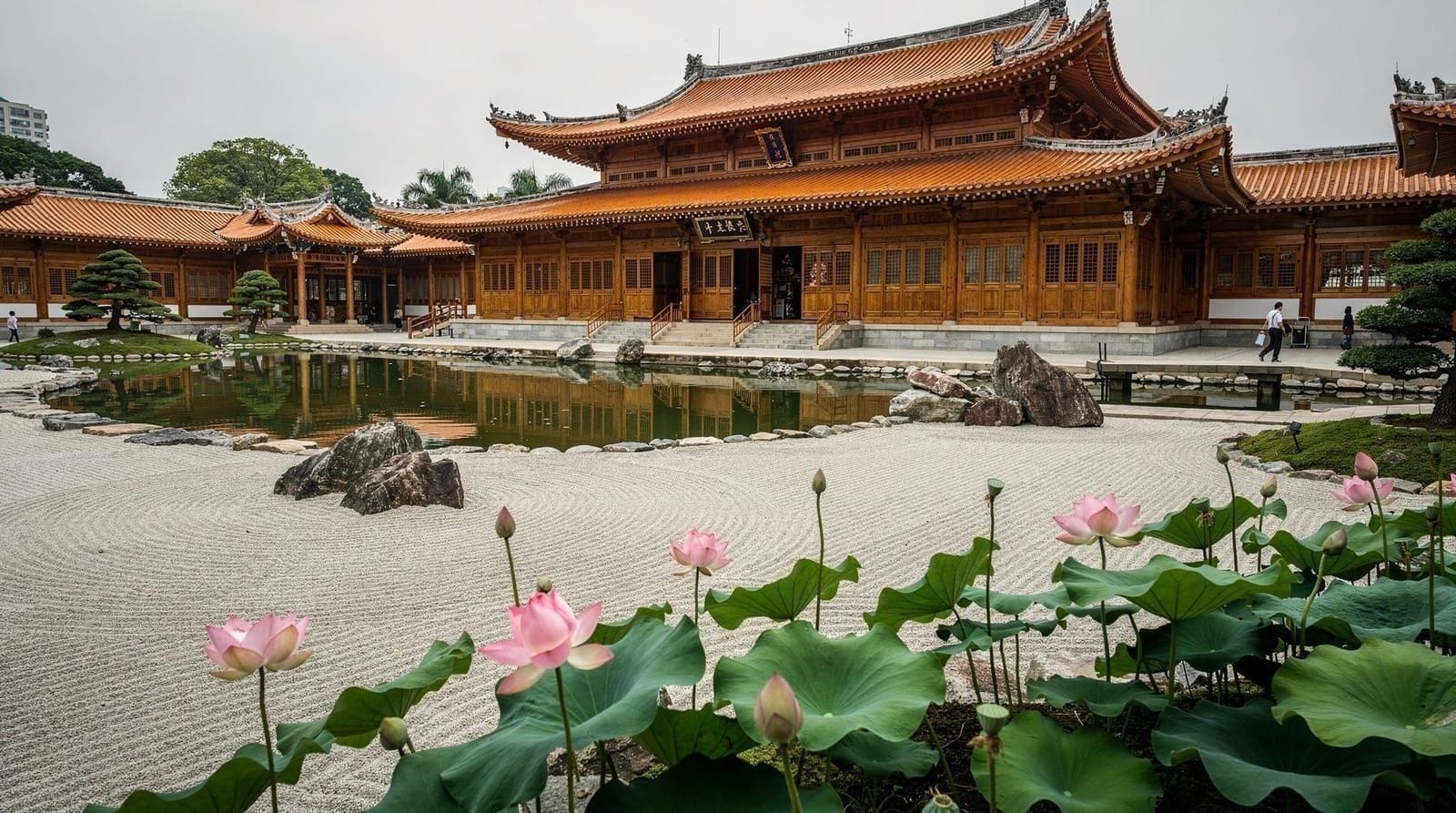
The most logical half-day temple circuit in Kowloon pairs Wong Tai Sin with the Chi Lin Nunnery and Nan Lian Garden. The contrast is striking: Wong Tai Sin is incense-heavy, crowded, commercially active; Chi Lin is hushed, meticulously maintained, and visually minimal.
Route: From Wong Tai Sin temple, take a taxi to Chi Lin Nunnery (15 minutes, HK$30–40) or MTR back to Diamond Hill station (two stops on the Kwun Tong Line, 5 minutes). The nunnery is a 5-minute walk from Diamond Hill exit C2.
Doing Wong Tai Sin first (starting at 08:30–09:00) and Chi Lin second works well: you catch Wong Tai Sin before the mid-morning rush, then arrive at Nan Lian Garden at 11:00–11:30 when the light is good and the garden is less busy than afternoon.
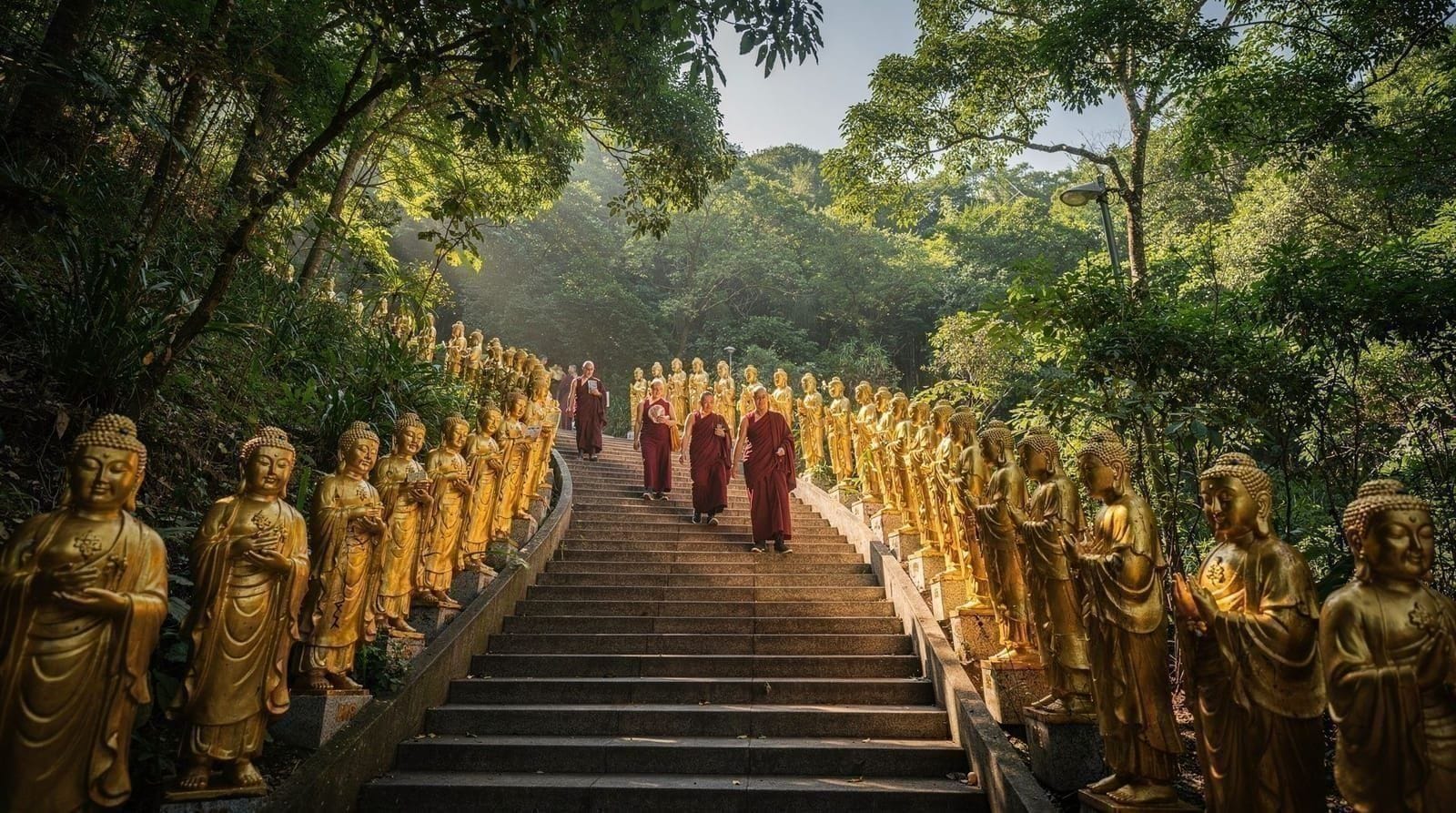
For a broader day of Kowloon culture, Ten Thousand Buddhas Monastery in Sha Tin is further afield but reachable by MTR (East Rail Line from Kowloon Tong).
Festivals at Wong Tai Sin
The temple is most crowded during:
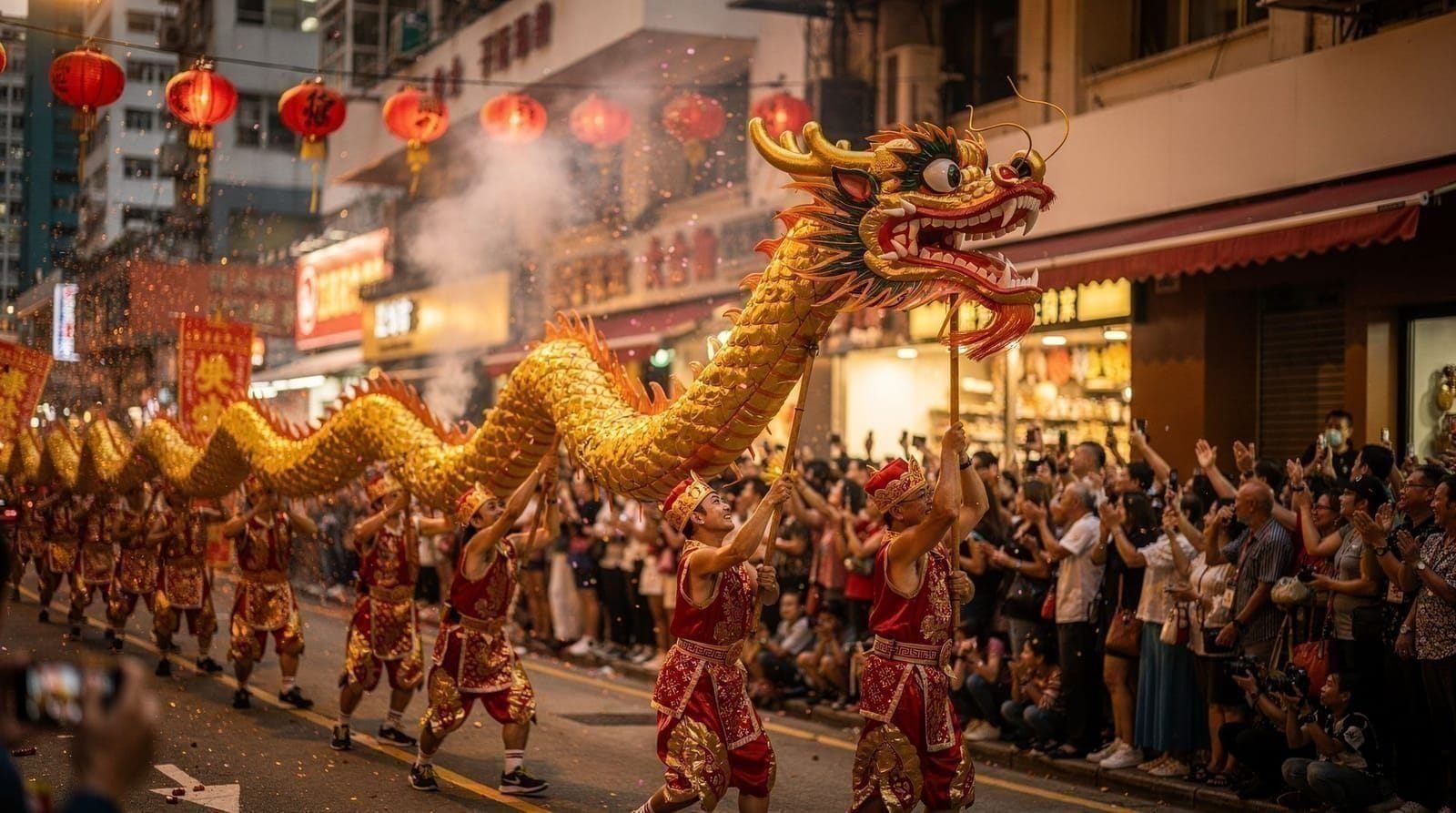
Chinese New Year (January/February): The first day of the lunar new year is the single busiest day. Worshippers queue from before dawn to be among the first to offer incense — a tradition called “planting the first incense” that is believed to bring good luck for the year. The queue can stretch outside the temple complex by 06:00. If you want to observe without participating in the crush, the surrounding streets offer good vantage points.
Wong Tai Sin’s Birthday (23rd day of the 8th lunar month, typically September): Large-scale rituals, Cantonese opera performances, and increased visitor numbers. The temple adds additional prayer sessions and the charity organisation distributes food to the elderly.
Tin Hau Festival (23rd day of the 3rd lunar month, April/May): Not specific to Wong Tai Sin but relevant to Hong Kong temple visits generally — many temples hold simultaneous events. For the Hong Kong festivals guide covering the full annual calendar.
Eating near Wong Tai Sin
The temple is in a residential area without notable restaurants immediately adjacent. Options:
Wong Tai Sin Road and Shatin Pass Road: Small Cantonese restaurants and cha chaan tengs (Hong Kong milk tea cafes) within a 5-minute walk. Lunch at a local cha chaan teng runs HK$40–70 per person. Nothing remarkable, but satisfying if you want a break before continuing.
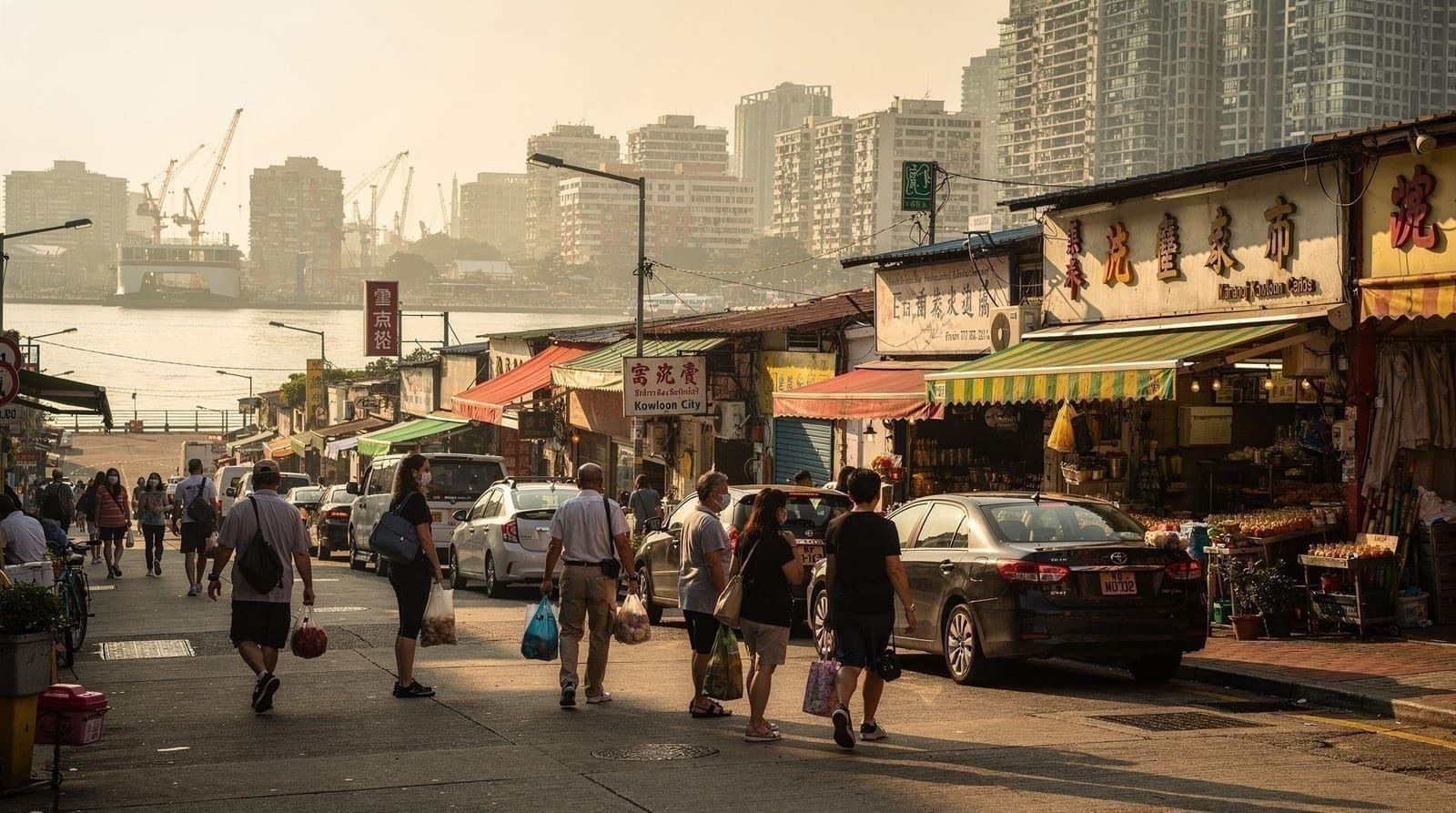
Kowloon City: 10–15 minutes by taxi. The Kowloon City neighbourhood has a cluster of Thai restaurants and authentic Cantonese roast meat shops that are better value than anything in the tourist belt. Specifically: the stretch of Nga Tsin Wai Road and City Garden Road has been a Thai food enclave since the 1970s–80s due to immigration patterns.
Diamond Hill MTR area (if continuing to Chi Lin): Several mid-range restaurants and the Diamond Hill mall have reasonable options around 11:30–12:30.
What the other guides won’t say
The fortune telling arcade is a real business. Practitioners pay licensing fees and operate commercially. Treating a reading as a photo opportunity while someone else is waiting for a genuine consultation is inconsiderate. If you are genuinely curious, book a reading. If you only want to observe, do so briefly and without intrusion.
The incense smoke is genuinely dense. If you have asthma or respiratory sensitivity, the area immediately in front of the main hall (where large communal braziers burn continuously) can be uncomfortable. Wind direction matters — on still days the smoke banks up considerably. The Good Wish Garden behind the main complex has clean air.
The fortune tellers’ quality ranges widely. Some practitioners are genuinely skilled interpreters of classical Chinese poetic texts; others provide generic readings. There is no public rating system. Returning visitors with a preferred practitioner will specifically seek out the same booth over years.
Non-Cantonese speakers can still participate. The ritual itself requires no language. Several fortune tellers provide written English interpretations or use translation apps. The experience does not require a guide.
For broader temple context across Hong Kong, the Man Mo Temple guide covers the oldest temple on Hong Kong Island, and Tian Tan Big Buddha guide covers the iconic Lantau landmark that combines Buddhist sculpture with scenic hiking.
Photography and etiquette in more detail
Wong Tai Sin is a working place of worship first and a photogenic backdrop second, and the two goals occasionally conflict. Wide shots of the courtyard, the roofline, and the gardens are uncontroversial. Photographing individual worshippers at the altar or mid-prayer, without asking, is not — many are there for a genuinely private moment, not a scene. If someone is clearly posing for their own photo near the incense braziers, that is different from a stranger kneeling in prayer.
Inside the Grand Hall itself, avoid photography entirely; it is treated as the most sacred part of the complex and staff will ask you to stop. The Good Wish Garden and Zodiac Year Garden have no such restriction and are the easiest places to get an uncrowded photograph of the temple’s architecture. Early morning (before 09:00) gives the clearest light and the fewest people in frame, which also happens to be the calmest time to visit for its own sake.
Wong Tai Sin compared with Hong Kong’s other major temples
| Temple | Character | Time needed | Best paired with |
|---|---|---|---|
| Wong Tai Sin | Busy, commercial, fortune-telling focus | 1.5–2 hrs | Chi Lin Nunnery |
| Man Mo Temple | Small, historic, incense coils, Hong Kong Island | 30–45 min | Central & Sheung Wan walk |
| Chi Lin Nunnery | Hushed, minimalist Tang-dynasty style | 45–60 min | Wong Tai Sin (same day) |
| Ten Thousand Buddhas Monastery | Hillside, 400+ statues, more physical | 1.5–2 hrs | Sha Tin day out |
Wong Tai Sin is the temple to choose if you want to see genuine, active devotional practice at scale — crowds, incense, and commerce included. If a quieter, more contemplative experience is the priority, pair it with Chi Lin the same day rather than substituting one for the other; the contrast between the two is part of what makes the Kowloon temple circuit worthwhile.
None of these four are in direct competition with each other — they sit at different points on a spectrum from bustling street-level worship to quiet contemplation, and a first Hong Kong trip has room for at least two of them without feeling repetitive. Visitors staying in Mong Kok or elsewhere in Kowloon have the easiest logistics for a Wong Tai Sin and Chi Lin double-header, since both sit on or near the Kwun Tong Line with no Harbour crossing required.
Practical summary
- MTR: Kwun Tong Line, Wong Tai Sin station, exit B2
- Hours: 07:30–16:30 daily
- Entry: Free; Good Wish Garden HK$2
- Fortune sticks: HK$50–150 per reading at courtyard booths
- Best time to visit: Weekday mornings before 10:00
- Allow: 1.5–2 hours for temple + gardens; half-day if combining with Chi Lin
- Nearby: Chi Lin Nunnery (15 min taxi), Kowloon City (15 min taxi)
- Avoid: Lunar New Year first day if crowds are a concern
Frequently asked questions about Wong Tai Sin Temple guide — fortune telling, prayer, and local ritual
How do I get to Wong Tai Sin Temple?
What is the entry fee for Wong Tai Sin Temple?
How do I use the fortune sticks at Wong Tai Sin?
When is Wong Tai Sin Temple most crowded?
What is the dress code at Wong Tai Sin Temple?
Who is Wong Tai Sin?
Can I visit Wong Tai Sin Temple as a non-religious visitor?
Is there anything else near Wong Tai Sin Temple?
Can I take photos inside Wong Tai Sin Temple?
How does Wong Tai Sin compare to Man Mo Temple or Chi Lin Nunnery?
Top experiences
Bookable activities with verified prices and instant confirmation on GetYourGuide.