Hong Kong festivals guide — the complete calendar of events worth seeing
Hong Kong: Cheung Chau Island walking day tour
What is the best festival to see in Hong Kong?
The Cheung Chau Bun Festival (May) and the Dragon Boat Festival (June) are Hong Kong's most visually distinctive celebrations. Chinese New Year (January/February) is the largest but also the most crowded and commercially oriented. For a genuine local atmosphere with less tourist density, the Tin Hau Festival (April/May) at seaside temples is the best choice.
The festival calendar: what actually matters for visitors
Hong Kong has a dense calendar of festivals and events, a mix of traditional Chinese celebrations following the lunar calendar, British colonial-era events that survived the handover, and internationally significant arts and sports festivals. Not all of them are worth rearranging travel plans for. This guide focuses on the festivals that offer distinctive viewing experiences, honest context for planning, and realistic advice on crowds, logistics, and what you actually see.
The festivals are divided here by their practical visitor impact: those that change the character of the city for days (Chinese New Year, Mid-Autumn), those with specific viewing spectacles that justify a trip to a particular location (Dragon Boat, Cheung Chau Bun Festival, Tin Hau), and those that represent arts and cultural programming (Hong Kong Arts Festival, Hong Kong International Film Festival).
| Most distinctive | Cheung Chau Bun Festival (May), Tai Hang Fire Dragon (Oct) |
| Biggest but crowded | Chinese New Year (Feb) |
| Free to watch | Fireworks, Fire Dragon, flower markets, most parades |
| Book ahead | Ferries for Cheung Chau/Tin Hau, hotels for CNY |
| Best “local” pick | Tin Hau Festival at Joss House Bay |
| Weather risk | Dragon Boat/Mid-Autumn fall in wet/typhoon season |
Chinese New Year — January or February
Chinese New Year (Lunar New Year) is Hong Kong’s most significant public celebration and its most disruptive event for visitors simultaneously. The exact date varies annually — Year of the Horse begins February 17, 2026.
What happens:
Flower markets: In the week before the new year, temporary flower markets open at Victoria Park (Causeway Bay), Mong Kok Flower Market Road, and several other sites. The Victoria Park market is the largest — thousands of stalls selling orchids, narcissus, pussy willow branches (for good luck), and decorative items. The market is busiest in the final 24–48 hours before midnight on New Year’s Eve. The atmosphere is genuinely festive and overwhelmingly local.
Firecracker ceremony: A token firecracker ceremony (real fireworks are prohibited in Hong Kong for safety reasons) is held in a controlled setting on the morning of New Year’s Day. This is a symbolic ritual rather than a full display.
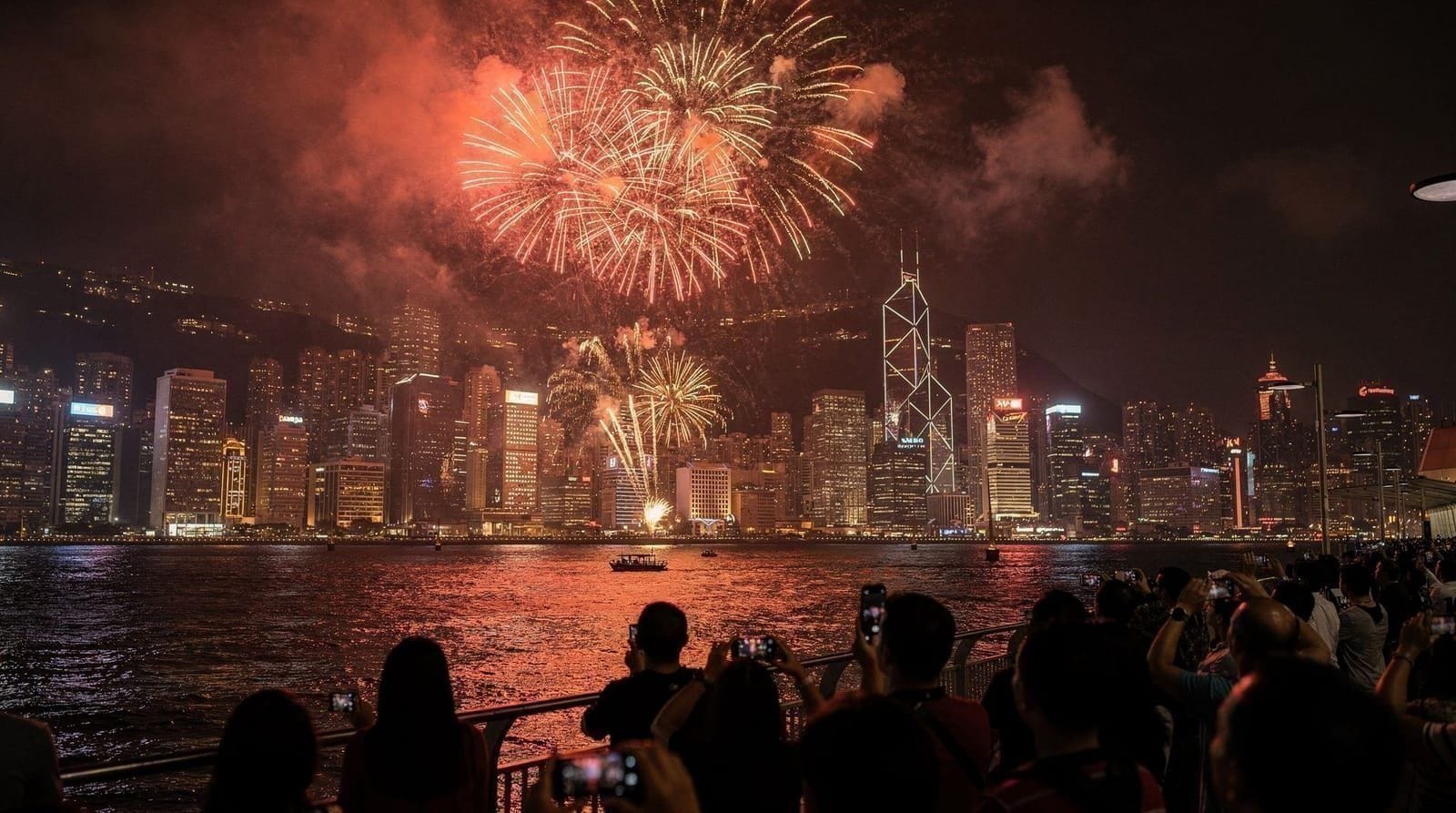
Victoria Harbour fireworks: The main fireworks display runs for approximately 30 minutes on the second evening of the new year (February 18, 2026). Viewing points include the Tsim Sha Tsui waterfront promenade, the Central ferry piers, and elevated points on Hong Kong Island. The display is free. Arrive 1.5–2 hours early to secure a good position; crowds of hundreds of thousands fill the waterfront.
Parade: The Chinese New Year Parade through Tsim Sha Tsui on the first evening includes floats, lion and dragon dances, international performance groups, and marching bands. Viewing is along Nathan Road and the surrounding streets. Arrive early — standing room fills by the time the parade begins.
Lantern Festival: The 15th day of the first lunar month (Yuan Xiao, a full moon) is technically the end of New Year celebrations. Parks are lit with lanterns; the atmosphere is quieter than New Year’s Day. Lover’s Rock (Amah Rock) in Sha Tin is a traditional gathering point.
Practical reality: The three-day public holiday sees many local restaurants and shops closed. Hotels raise prices 30–100%. The MTR runs extended hours but is very crowded. If your main interest is experiencing Hong Kong’s restaurant and market culture, the period immediately around Chinese New Year is awkward — but the flower market and harbour fireworks are genuinely worth seeing.
Tin Hau Festival — April or May
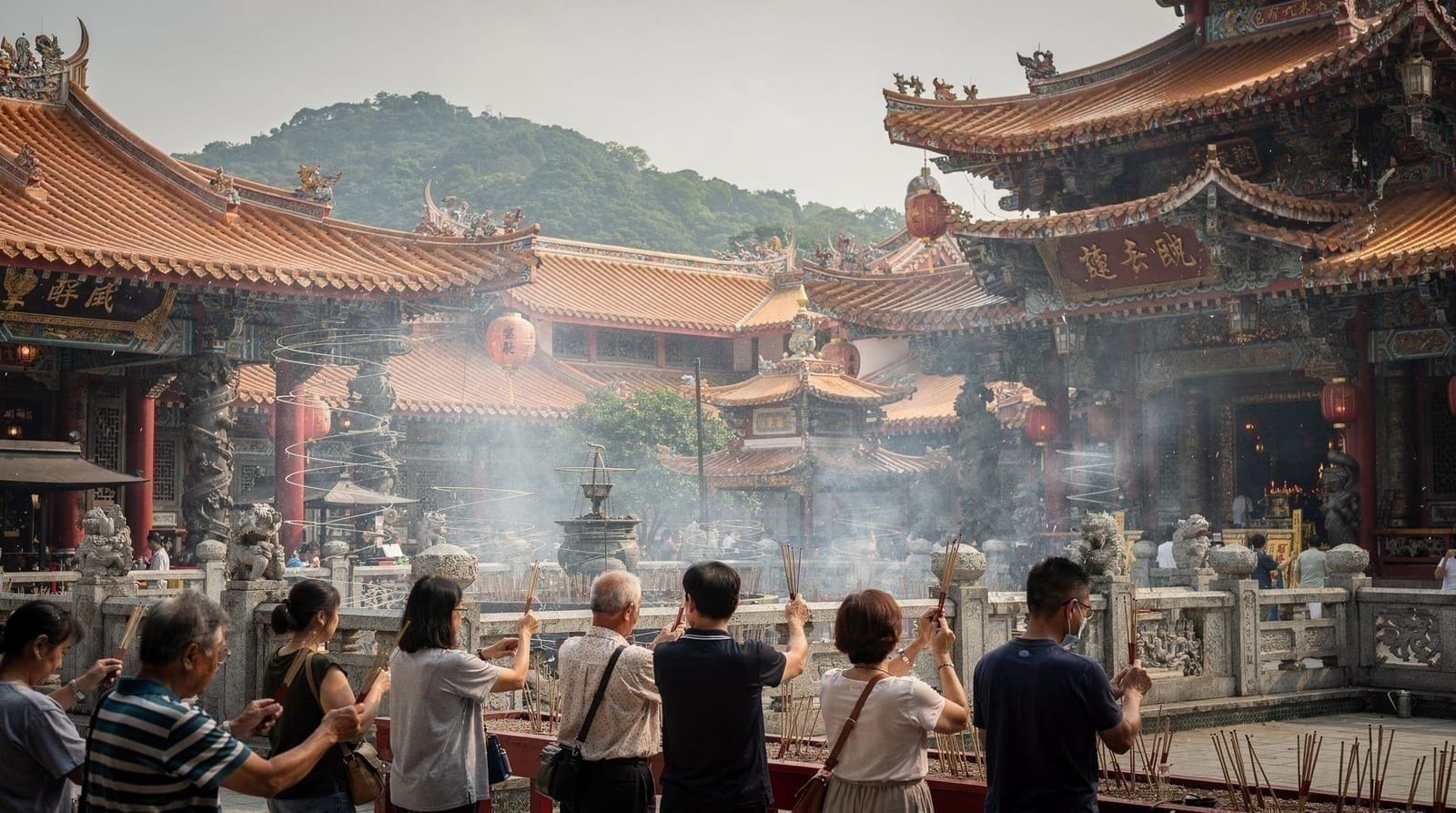
The Tin Hau Festival celebrates the birthday of the sea goddess (23rd day of the 3rd lunar month — April 23, 2026). Hong Kong has over 60 temples dedicated to Tin Hau, reflecting the city’s maritime history and the fisherman communities that built many early settlements.
Best locations for festival viewing:
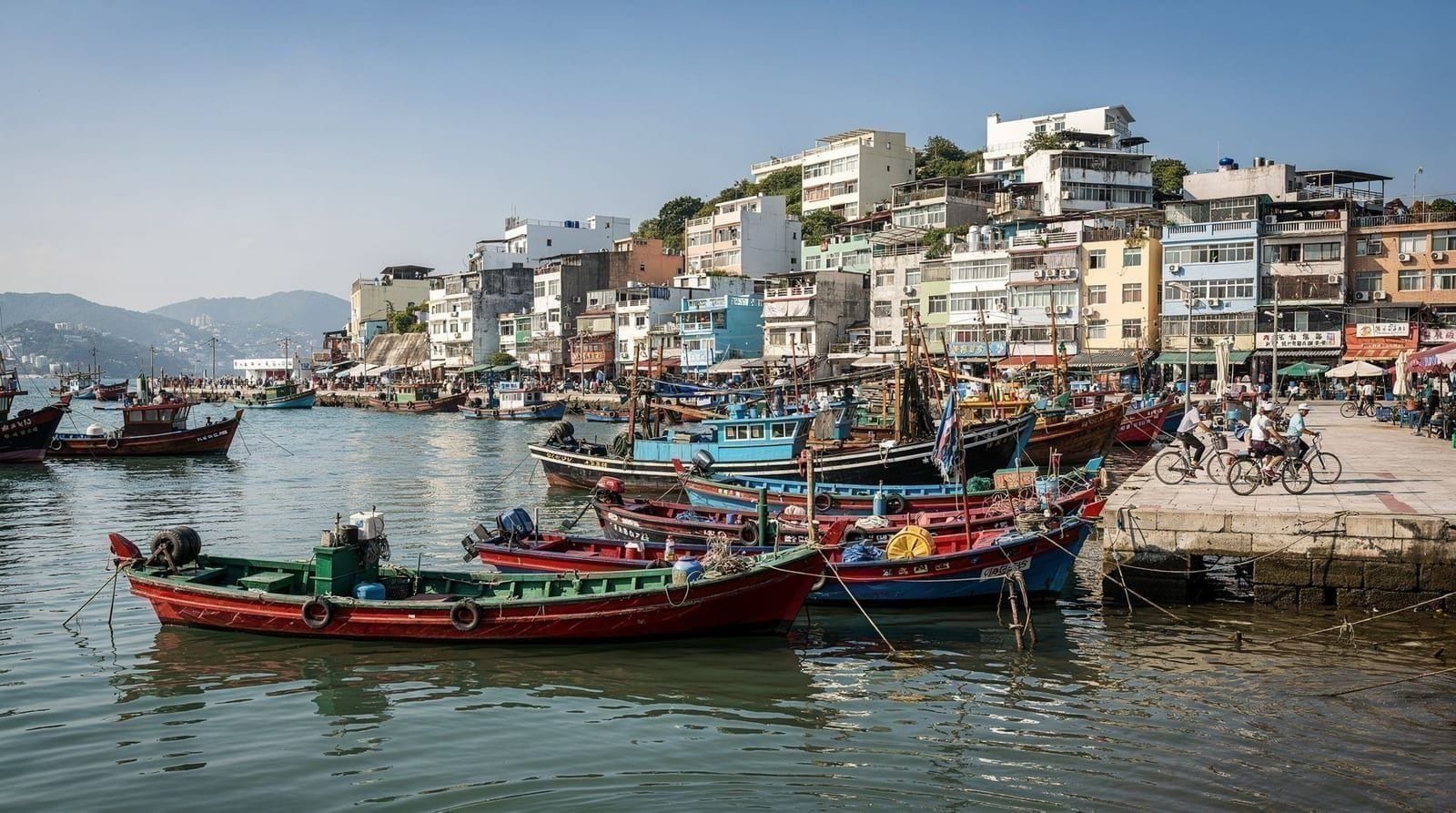
Joss House Bay, Sai Kung: The largest and most atmospheric gathering in Hong Kong. Hundreds of fishing boats, decorated with colourful flags and pennants, converge on the small temple at Joss House Bay. The procession of boats on the morning of the festival — many carrying families who have maintained the annual pilgrimage for generations — is one of Hong Kong’s most distinctive sights. Access by kaito (small ferry) from Ma Liu Shui (Sai Kung area) or by chartered boat; the bay itself is not accessible by road. Book kaito passage well in advance for the festival date. The Sai Kung destination page gives the wider picture of the area if you want to turn the trip into a longer outing on the eastern side of the territory.
Stanley Tin Hau Temple: Stanley’s small temple by the market has less spectacular boat activity but is more easily accessible (Bus 6, 6A, or 260 from Central) and still holds a substantial local ceremony with incense offerings and lion dances. If you are heading there anyway, the Stanley destination page and the Stanley Market guide help you build the rest of the day around the temple visit.
Aberdeen Waterfront: Aberdeen’s fishing community maintains a strong Tin Hau observance. The floating restaurant boats are decorated, and the waterfront temple draws significant local attendance.
Tin Hau is one of many deities woven into Hong Kong’s temple culture year-round, not just at festival time — the Wong Tai Sin Temple guide and Man Mo Temple guide cover two of the city’s other major temples worth visiting outside festival dates, both of which hold their own smaller-scale celebrations tied to their respective deities’ birthdays through the year.
Cheung Chau Bun Festival — late April or May
The Bun Festival (Cheung Chau Da Jiu / Piu Sik) is one of the most distinctive events in the Hong Kong calendar. It takes place on Cheung Chau island for approximately a week in late April or early May (the 4th month of the lunar calendar — dates vary, typically May 2–6, 2026).
The festival’s core elements:
Piu Sik parade: The daytime parade through Cheung Chau’s narrow main street features children in elaborate costumes of deities and historical figures, apparently floating in midair — they are supported on hidden metal structures worn by concealed carriers. This is the most photographed element and genuinely remarkable in execution.
Bun towers: Three 14-metre bamboo towers covered in buns (steamed buns with auspicious characters) stand in the plaza in front of the Pak Tai Temple. Originally, local residents would scramble up the towers at midnight to collect buns (higher buns are considered luckier). The scramble was banned in 1978 after a tower collapse; a controlled competition was reinstated in 2005 with safety equipment.
Midnight Bun Scrambling Competition: The official competition runs at midnight on the festival’s main night — teams of athletic competitors in harnesses race up the tower structures to collect buns and place them in a basket. This is broadcast live and a significant spectacle.
Vegetarian requirements: For the week of the festival, no meat, poultry, or beef is served on Cheung Chau. The island’s restaurants switch to all-vegetarian menus. This is a genuine religious observance maintained by the island community, not a tourist affectation.
Getting to Cheung Chau: Regular ferries from Central Ferry Pier 5. Fast ferry about 35–40 minutes (HK$32.90 Monday–Saturday, HK$47.60 Sunday and public holidays), standard ferry about 55–60 minutes (HK$16.70 Monday–Saturday, HK$24.80 Sunday and public holidays). On festival peak days, additional ferries are added but queues at Central pier can be 60–90 minutes. Purchase return tickets before departing.
For the island visit beyond the festival period, see the Cheung Chau guide for year-round information, and the Cheung Chau island guide for a more detailed walk around the waterfront and its lanes. The Hong Kong island ferries guide explains how the ferry network works, which helps when you are planning around festival-day queues.
Cheung Chau island walking day tourDragon Boat Festival — June
Tuen Ng Festival (Dragon Boat Festival) falls on June 19, 2026. Dragon boat racing is deeply rooted in Hong Kong — the city has one of the world’s most active competitive dragon boat scenes, and the international events draw teams from across Asia, Europe, and North America.
Where to watch:
Stanley International Dragon Boat Carnival (June weekend near the festival): Stanley beach hosts the main international event with corporate and international teams. The atmosphere is festive — food stalls, beer, and racing from the beach. Access by Bus 6, 6A, or 260 from Central. Arrive early — beach space fills quickly on race days.
Aberdeen and Sai Kung local races: Local races in smaller venues have less international participation but are more genuinely traditional in atmosphere. Aberdeen fishing community races are particularly rooted in the festival’s original context.
Tai O and outlying island races: Outlying island communities hold their own races. Lamma Island’s Sok Kwu Wan and Yung Shue Wan both have local dragon boat celebrations worth seeing if you are on the island.
Hong Kong in June: Dragon Boat Festival falls in the early wet season — expect humidity, frequent rain, and the possibility of typhoon. Check weather before planning outdoor events. The typhoon season guide explains what warnings mean for outdoor plans, and the Hong Kong in summer guide covers what to expect from the heat and humidity.
A note on the festival’s food: Zongzi (rice dumplings wrapped in bamboo leaves, filled with pork, mushroom, salted egg, or sweet red bean) are the traditional food of Dragon Boat Festival, sold at bakeries, dim sum teahouses, and market stalls throughout the surrounding weeks. They’re worth trying alongside watching the races — most vendors sell single dumplings rather than requiring a full box, making them an easy low-commitment taste of the festival even if you can’t make it to a race day.
Mid-Autumn Festival — September or October
Mid-Autumn Festival (Chung Chiu) in 2026 falls on September 25 (the following day, September 26, is the public holiday). The festival celebrates the harvest moon and family reunion.
Key events:
Victoria Park Lantern Carnival: (Victoria Park sits in Causeway Bay, an easy neighbourhood to combine with an evening out.) The week before the festival, elaborate handmade lanterns (some multi-metre installations) are displayed in Victoria Park. Open evenings. Entry free. Lanterns are sold throughout the period and the park fills with families and children carrying them on the festival night.
Tai Hang Fire Dragon Parade: The Fire Dragon parade in Tai Hang (a neighbourhood north of Causeway Bay accessible from Causeway Bay MTR) is the most spectacular single event of the festival. A 67-metre dragon made of straw studded with thousands of burning incense sticks winds through the narrow streets of Tai Hang for three evenings around the festival date. The dragon is carried by over 300 people. The spectacle of the burning, smoking dragon moving through the night streets is genuinely extraordinary. Arrive at Tai Hang by 19:30 for a good street position. Entry is free.
Stanley waterfront: Lantern-lit evening at Stanley waterfront and waterfront restaurants. More relaxed than Tai Hang; good for families with young children.
Mooncakes: Mooncakes (月餅) are the festival food — dense pastries filled with lotus paste, red bean, or mixed nuts, typically with a salted egg yolk in the centre. Sold from late August in hotel lobbies, department stores, and cake shops. Quality ranges from excellent (Peninsula Hotel mooncakes, sold from the hotel lobby) to purely commercial. They are rich — one mooncake is approximately 700–900 calories. Worth trying once; rarely a favourite on first encounter. Modern variations (snow skin mooncakes, chocolate, ice cream) have become popular alongside the traditional baked version, and many visitors find these easier to enjoy than the classic lotus-and-yolk combination.
For the dedicated guide to the mid-autumn festival in Hong Kong, see the detailed editorial.
Ching Ming and Chung Yeung — tomb-sweeping festivals
Two traditional festivals involve sweeping and tending ancestral graves: Ching Ming (around April 4–6 in the Gregorian calendar, after winter solstice) and Chung Yeung (9th day of the 9th lunar month, typically October). Both are public holidays in Hong Kong.
Visitor impact: Both festivals see significant activity at cemeteries and on hillsides — families burning paper offerings and cleaning grave sites. Major cemeteries in Aberdeen, Happy Valley, and Chai Wan see heavy attendance. The Happy Valley Catholic Cemetery in particular is architecturally significant. These are not spectator events, but visitors who happen to be in the area may observe the rituals.
For hikers, Chung Yeung is traditionally the date for climbing hills (from the Han dynasty tale of Wang Bo and the Chrysanthemum Hill), so hiking trails are unusually busy on this day.
Comparing the major festivals at a glance
| Festival | When (2026) | Crowds | Worth planning a trip around? |
|---|---|---|---|
| Chinese New Year | Feb 17-19 | Very high | Only if flower markets/fireworks are the draw |
| Cheung Chau Bun Festival | May 2-6 | High on-island | Yes — genuinely unique |
| Dragon Boat Festival | June 19 | High at Stanley | Yes, if watching races interests you |
| Mid-Autumn (Tai Hang) | Sep 25 | High, narrow streets | Yes — one of Hong Kong’s best free events |
| Tin Hau (Joss House Bay) | Apr 23 | Moderate, remote | For repeat visitors wanting something different |
| Hong Kong Arts Festival | Late Feb-Mar | Venue-dependent | Only if the programme interests you specifically |
Hidden costs and logistics people miss
Several of these events involve transport that isn’t obvious until you’re planning around it. Joss House Bay for Tin Hau has no road access — you need a kaito or chartered boat, and these fill up on the festival date itself. The Cheung Chau ferry queue on Bun Festival day can run 60-90 minutes even with extra sailings added, so budget accordingly and buy a return ticket before you queue rather than after. For the Tai Hang Fire Dragon, the MTR station itself (Causeway Bay) gets extremely congested in the hour after the parade ends as thousands of spectators try to leave simultaneously — walking to Tin Hau or North Point MTR instead is often faster than fighting the Causeway Bay crowd. The Hong Kong MTR guide and the Octopus card guide are worth a read beforehand, since festival evenings are not the moment to work out fares or top-ups at a crowded gate.
Hong Kong Arts Festival — February to March
The Hong Kong Arts Festival (usually 6 weeks, late February to late March) is one of Asia’s premier annual arts events. The 2026 programme follows the standard format of international opera, dance, theatre, and music at the Hong Kong Cultural Centre, the Hong Kong City Hall, and the Academy for Performing Arts.
For visitors with interests in classical arts, the festival programme rewards advance planning — tickets at HKAF are reasonably priced by international standards (HK$150–500 for most events) and the venue quality is high. The Cultural Centre in Tsim Sha Tsui has good acoustics and is easily accessible from most hotels in the area.
Book at www.hk.artsfestival.org from around October for the following February’s programme. Even without buying tickets to a specific performance, the festival period brings a livelier evening atmosphere to Tsim Sha Tsui’s Cultural Centre precinct — worth a walk past even if you didn’t plan your trip around it.
Hong Kong International Film Festival — March to April
The HKIFF (Hong Kong International Film Festival) is Asia’s most significant film festival for distribution and rights, running for approximately 10 days in late March and early April. Public screenings take place at the Hong Kong Cultural Centre, the Palace IFC cinema in Central, and satellite venues.
For film-interested visitors, the programme ranges from Chinese art cinema to European competition titles to Hong Kong retrospectives. Tickets are available online and at box offices — advance booking for popular screenings is advisable. The Palace IFC venue in Central pairs well with a broader day in the area if you’re combining a screening with sightseeing.
Planning around festivals: practical advice
For Chinese New Year: Book accommodation 3–4 months in advance. Budget for 30–50% hotel price increases. Plan to eat at hotel restaurants, international chains, and cha chaan tengs that stay open through the holiday.
For the Cheung Chau Bun Festival: Book the ferry trip in advance for the Piu Sik parade day. The main parade is daytime — you do not need to stay for the midnight competition unless the bun scrambling is the specific draw. The last fast ferry from Cheung Chau is around 00:30, so staying for midnight is logistically manageable.
For Tin Hau at Joss House Bay: This requires specific advance planning for kaito boat transportation and is more rewarding for visitors who have already seen Hong Kong’s main sights. Not a first-timer priority but genuinely special.
For Mid-Autumn Tai Hang Fire Dragon: Arrive at least 45 minutes before the parade starts (check current year start time — typically 20:00–21:00). The streets are narrow and crowded; good positions fill early. The area around Tung Lo Wan Road and Lin Fa Kung Street has the clearest views, though even a spot along the periphery gives a good view of the dragon as it passes given its size and the smoke trail it leaves behind.
For the full seasonal planning context — including weather, prices, and what changes by month — see the best time to visit Hong Kong guide. For the specific Chinese New Year in Hong Kong guide with crowd management and logistics.
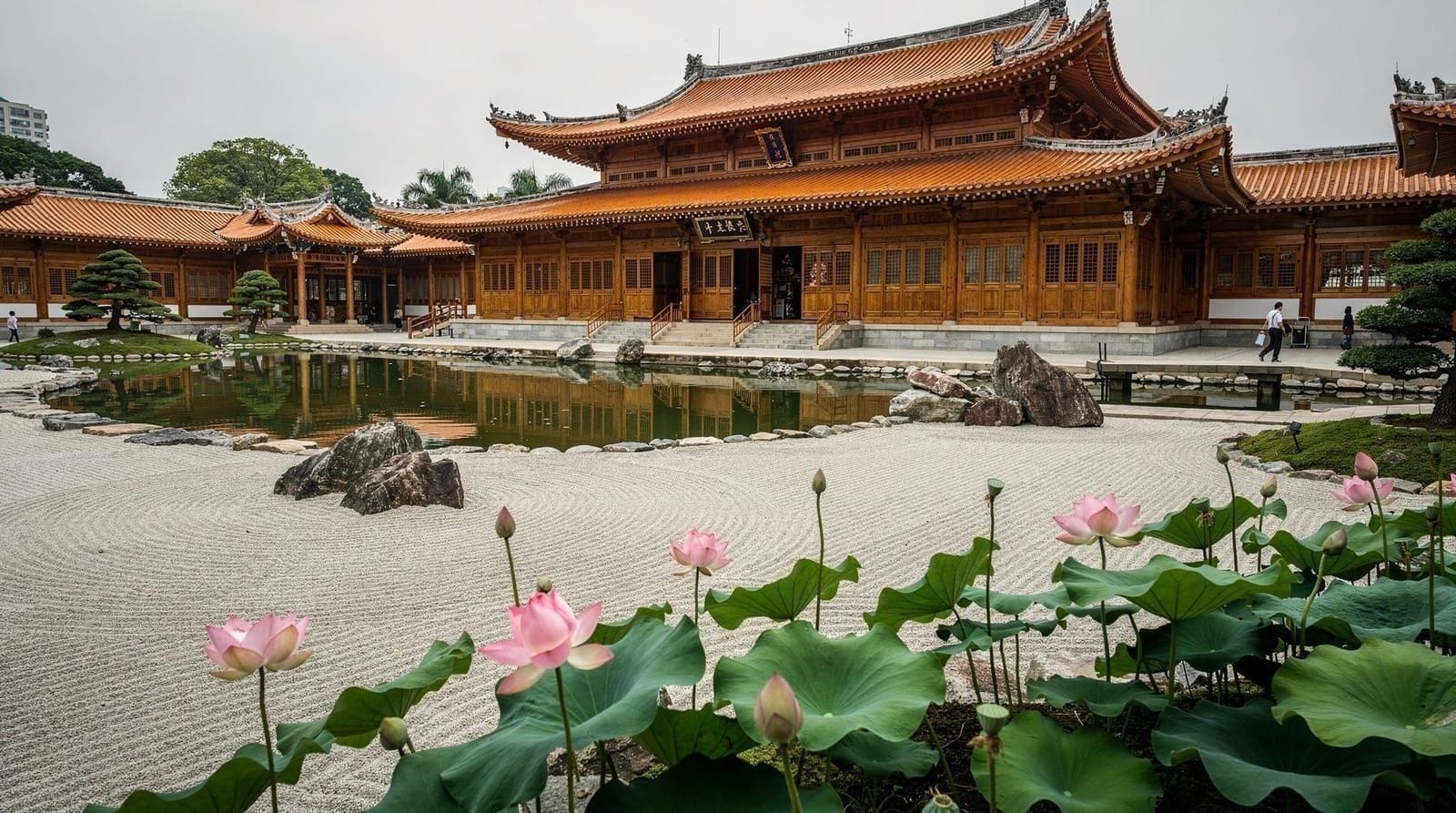
Outside festival dates, the Chi Lin Nunnery guide is another calm place to see religious and cultural traditions at work, and the first-time Hong Kong guide helps you slot a festival into a wider itinerary.
A guided cultural walk is a genuinely useful way to get context on Hong Kong’s temple and festival traditions outside the festival dates themselves, since many of the ritual details (why buns, why fire dragons, why boats) aren’t obvious without explanation.
Hong Kong heritage: past to present walking tourFrequently asked questions about Hong Kong festivals guide — the complete calendar of events worth seeing
When is Chinese New Year in Hong Kong 2026?
Is Hong Kong worth visiting during Chinese New Year?
What is the Tin Hau Festival?
How does the Dragon Boat Festival work in Hong Kong?
What is the Cheung Chau Bun Festival?
What happens at the Mid-Autumn Festival?
What is the Hong Kong Arts Festival?
Top experiences
Bookable activities with verified prices and instant confirmation on GetYourGuide.