Chinese New Year in Hong Kong — what to expect as a visitor
Hong Kong: Evening cruise tour in Chinese junk boat with wine
Is Chinese New Year a good time to visit Hong Kong?
Yes, if you book far in advance and accept some trade-offs. The atmosphere is extraordinary — flower markets at Victoria Park, the Tsim Sha Tsui parade, fireworks over the harbour, and temple visits at Wong Tai Sin are genuine highlights. The downsides are high hotel prices, very busy MTR, and restaurant closures on the first three days of the new year.
| When | Late January to mid-February (Feb 6, 2027); 3-day public holiday |
| Highlights | Parade, harbour fireworks, Victoria Park flower market |
| Book by | 3–4 months ahead for hotels |
| Watch for | Many local restaurants close Day 1–3 |
| Best window | 5–7 days before New Year’s Day for atmosphere with fewer crowds |
Why Chinese New Year in Hong Kong is genuinely worth seeing
Chinese New Year in Hong Kong is the largest annual festival event in one of the world’s most densely populated cities. Unlike Chinese New Year in mainland China (where much of the city empties out as workers return home), Hong Kong fills up — residents stay, many overseas Hong Kong diaspora return, and mainland Chinese tourists add to the crowd. The combination produces an atmosphere that is genuinely unmatched.
This is not a sanitised tourist spectacle. The flower markets at Victoria Park are where local families buy lucky plants and flowers. The Wong Tai Sin Temple in the early hours of New Year’s Day is packed with worshippers making the first prayers of the year. The lion dances in local shopping streets are for the merchants, not the cameras. Visitors who lean into the genuine local side of the festival rather than waiting for the set-piece events have a better experience.
The calendar of events
Flower markets (1–2 weeks before New Year’s Day)
The Victoria Park flower market in Causeway Bay is the largest and most famous. Hundreds of stalls sell peonies (prosperity), narcissus (good luck), plum blossom (perseverance), pussy willows, and yuletide cacti. Evening visits (after 6pm, when locals come after work) have the best atmosphere. The market runs until midnight on New Year’s Eve.
Other flower markets: Mong Kok (Flower Market Road is a permanent year-round market but is expanded significantly for CNY), Temple Street, and neighbourhood markets throughout Kowloon.
New Year’s Eve
The night before New Year’s Day sees large crowds at Wong Tai Sin Temple and various temples around Kowloon and Hong Kong Island. Midnight temple visits are a tradition — the first incense of the new year is considered particularly auspicious. Wong Tai Sin Temple stays open overnight and is extremely crowded but accessible.
The Tsim Sha Tsui waterfront and the Mid-Levels area are popular for countdown celebrations. Unlike Western New Year, there is no official citywide midnight countdown event — it’s more diffuse.
New Year’s Day
The first morning of the new year is quiet by Hong Kong standards — many people have been up very late at temple ceremonies. The Wong Tai Sin Temple sees enormous early morning crowds from those making first prayers.
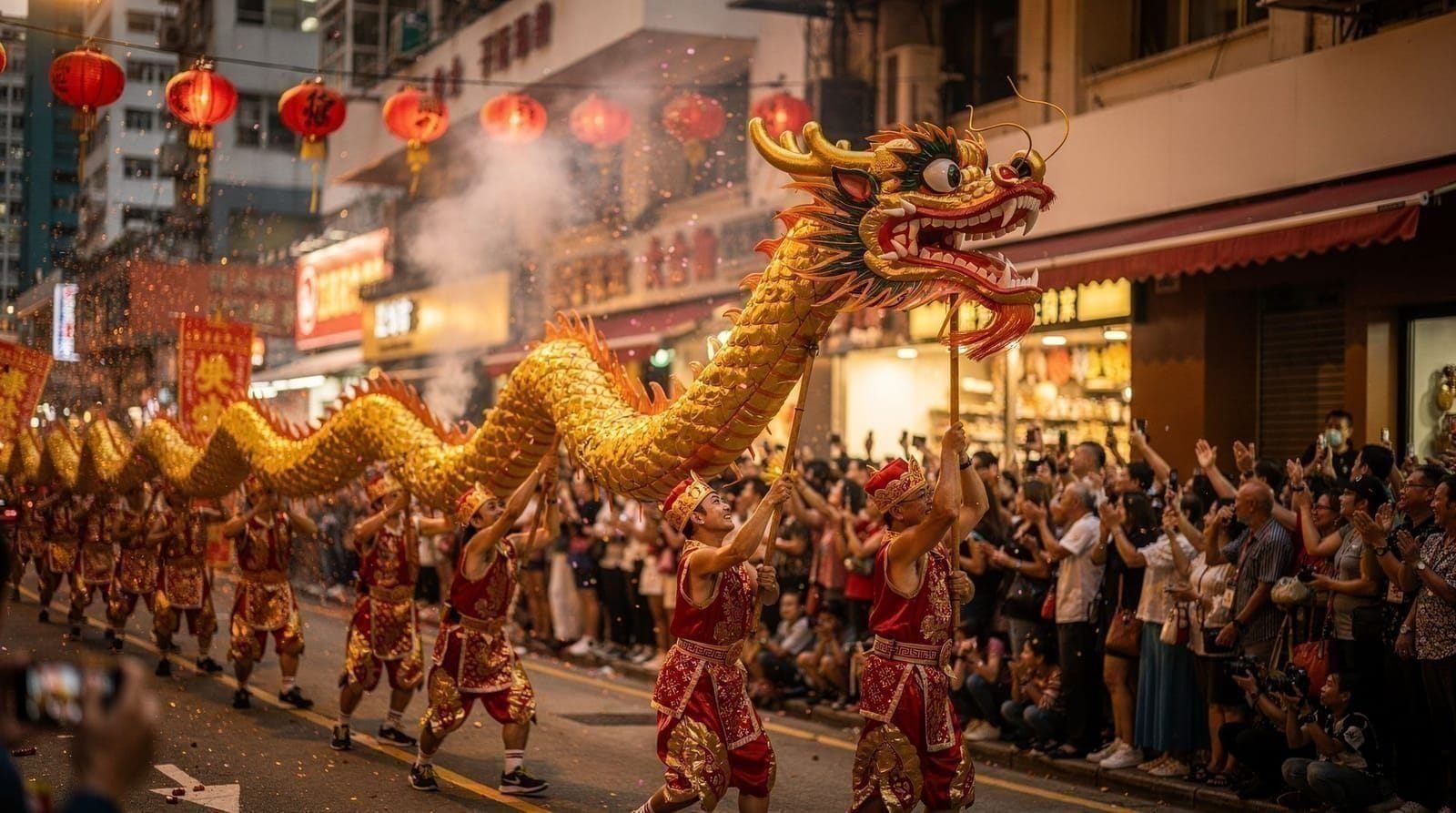
The International Chinese New Year Parade runs through Tsim Sha Tsui on the first evening (usually around 8pm, check the Hong Kong Tourism Board for annual scheduling). The route runs along Nathan Road and around Tsim Sha Tsui. International performers from multiple countries, float processions, lion and dragon dancers, and marching bands. The parade is better watched from the upper levels of the route than from the start in a crowd.
Day 2 — the fireworks
The harbour fireworks display on the 2nd day of the new year (usually 8pm) is Hong Kong’s annual showcase pyrotechnics event. The 23-minute display launches from barges in the harbour. The best positions fill quickly:
- Tsim Sha Tsui promenade: The primary viewing area. Crowded but the best angle. Arrive by 6:30pm for a good position.
- Wan Chai waterfront (Golden Bauhinia Square): Good alternative on the Island side.
- Hotel harbour-view rooms: Many hotels sell dinner packages that include the fireworks view from their restaurant windows. Expensive but comfortable.
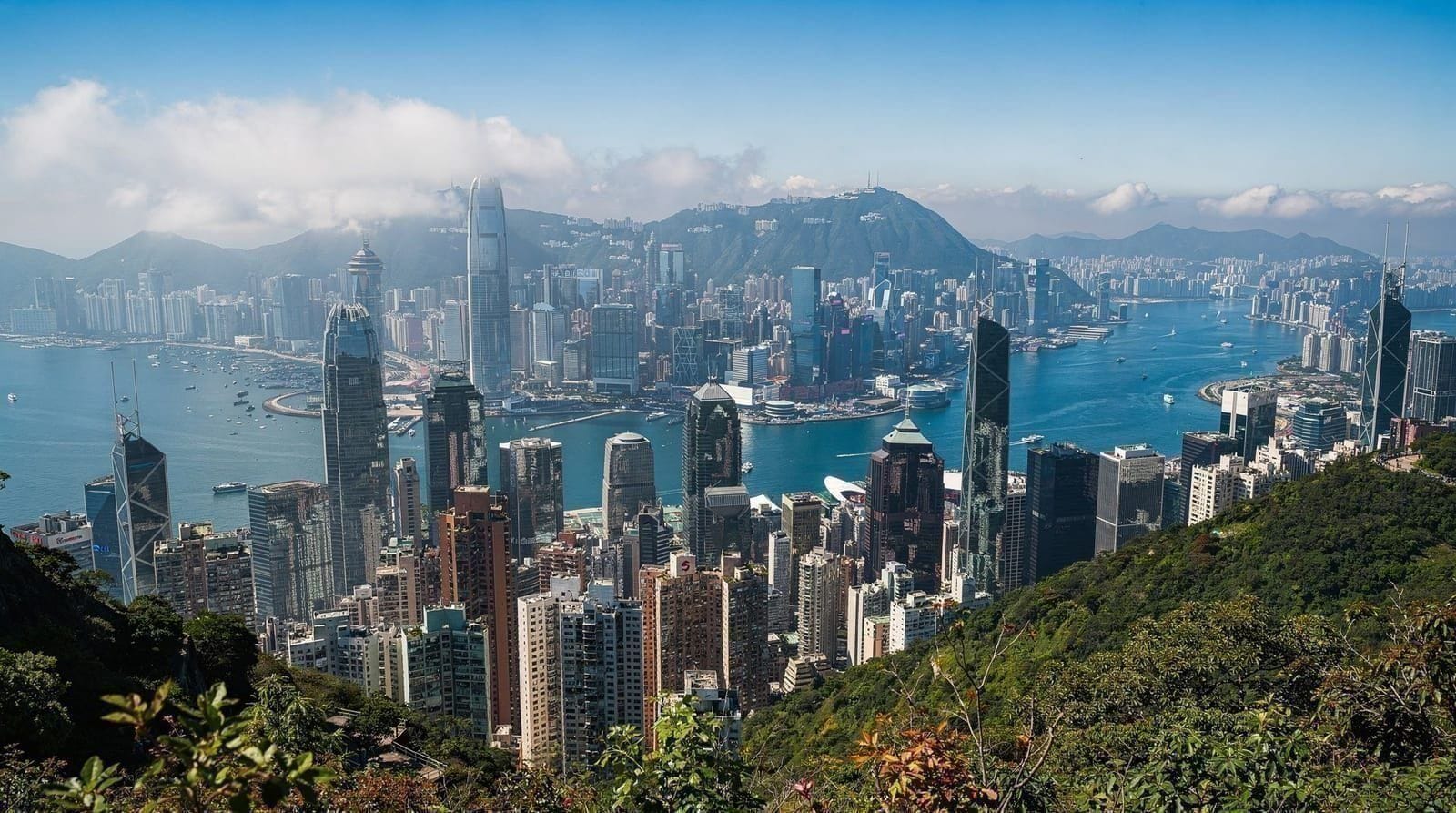
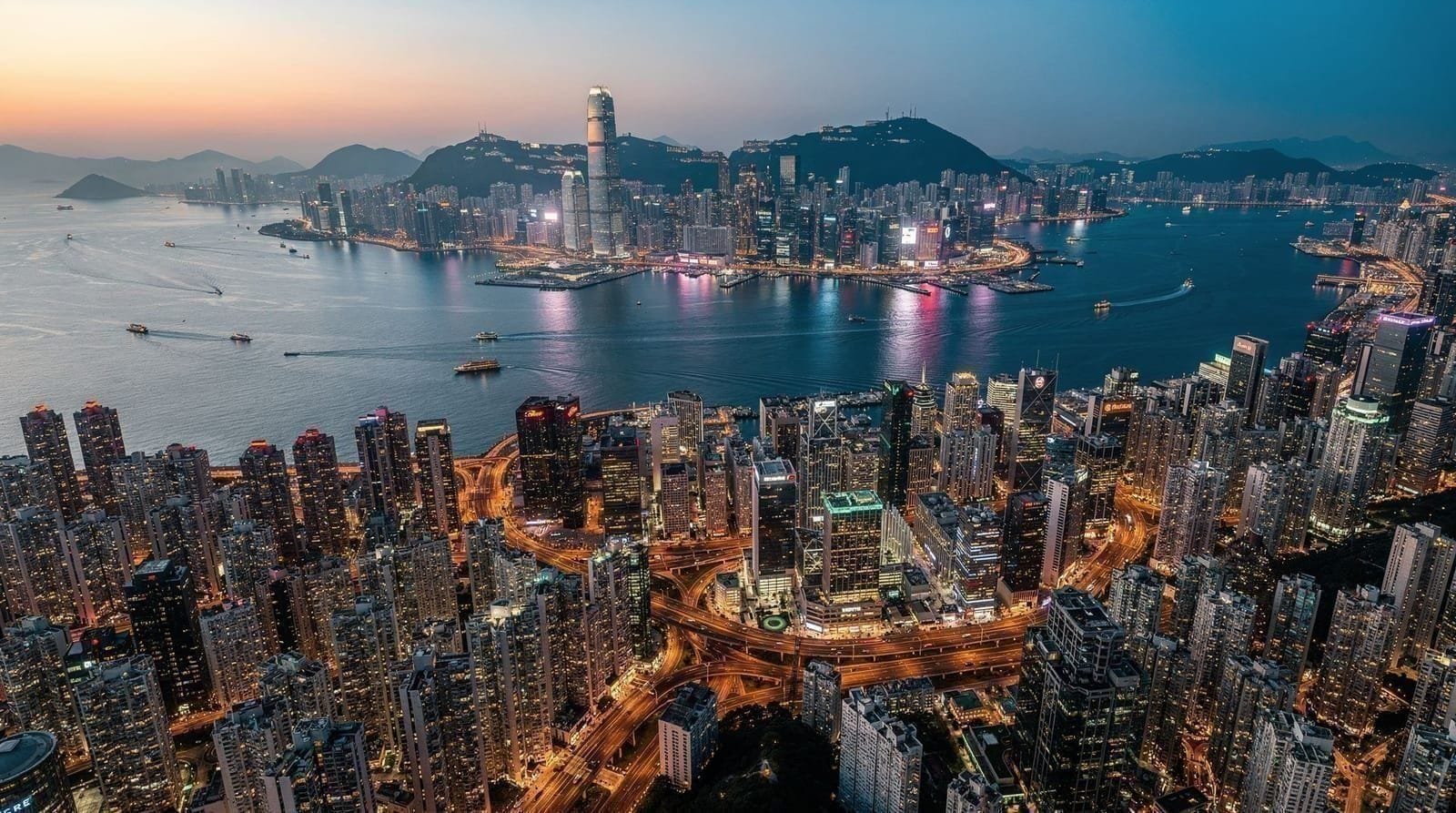
- On the water: If you would rather skip the promenade crush, an evening on the harbour such as a traditional junk boat cruise with a glass of wine gives you a different angle on the skyline. Check whether a given sailing coincides with the fireworks before you book, and read the Symphony of Lights guide for the everyday harbour show.
Days 3–15: the extended festival period
The Lantern Festival on the 15th day of the Lunar New Year marks the official end. In the period between Day 3 and Day 15:
- Lion and dragon dances visit businesses throughout the city (you’ll encounter them unexpectedly in neighbourhood streets)
- The Che Kung Temple in Sha Tin is extremely popular on the 3rd day of the new year (auspicious for making offerings to Che Kung)
- Various temple fairs and neighbourhood events run throughout
Visiting during CNY week vs the week before
Not every visitor should time a trip for New Year’s Day itself. Here’s how the two windows compare:
| Week before CNY | CNY holiday (Day 1–3) | |
|---|---|---|
| Atmosphere | Flower markets building, decorations up, city preparing | Peak festive energy, parade, fireworks |
| Crowds | Busy but manageable | Extremely busy, especially Wong Tai Sin and MTR |
| Restaurants | Normal hours | Many local places closed Day 1, some Day 2–3 |
| Hotel prices | Elevated | Highest of the year, 40–80% above normal |
| Best for | First-time visitors who want atmosphere without the crush | Repeat visitors specifically chasing the parade and fireworks |
If your main goal is general Hong Kong sightseeing rather than the festival itself, see the best time to visit guide — CNY is a special case that doesn’t always align with the calmest weather window, which for Hong Kong overall falls in the drier winter months covered in the Hong Kong in winter guide.
Practical considerations for visiting at CNY
Accommodation: Book 3–4 months in advance minimum. Hotels in Tsim Sha Tsui are the most in-demand — they’re close to the parade route, the harbour, and Wong Tai Sin Temple (20 minutes by MTR). Expect rates 40–80% above normal. Budget options fill entirely. If your trip budget is tight, the where to stay by budget guide covers alternative neighbourhoods (Mong Kok, Causeway Bay) that fill up slightly less aggressively than TST during the holiday, though rates still rise across the whole city.
Trip length: Most visitors combine CNY with a broader Hong Kong trip rather than a festival-only visit. The how many days guide and the budget breakdown guide are useful for planning the rest of the days around the festival period, since CNY itself typically only occupies 2–3 of them.
Restaurants: New Year’s Day and often Day 2 see the most closures among local restaurants and teahouses. Mid-range Cantonese restaurants, hotel restaurants, and most tourist-facing operations stay open. Plan your restaurant dinner for Day 3+ when local places reopen. Hotel buffet dinners and restaurant packages for CNY are common and worth booking ahead.
Transport: The MTR runs on public holiday schedules (later start, same end) and is genuinely packed. Avoid the MTR during peak hours if you have a pram or heavy luggage. Buses run on holiday schedules — check the schedule rather than assuming normal frequency. Taxis are harder to find on the night of the parade and fireworks.
Attractions: Peak Tram, Ngong Ping 360 cable car, and major museums operate on public holiday hours — typically shorter. Check before going. Crowds at the Peak are enormous during the CNY week.
What the festival atmosphere actually looks and feels like
Red and gold decorations go up across the city two to three weeks before the new year: in shopping malls, on restaurant facades, on building entrances. The flower market areas smell of narcissus and plum blossom. Lucky red envelopes (lai see) are exchanged between employers and employees, restaurants and regular customers, grandparents and grandchildren — you’ll see the red envelopes everywhere.
The sound of the firecrackers in the early hours of New Year’s morning is now only a recording in Hong Kong (real firecrackers were banned in 1967), but the tradition of the recording playing at major landmarks is maintained. Restaurants put out trays of pineapple cake, turnip cake, and other festival foods.
If you’re primarily interested in seeing this dimension of Hong Kong culture rather than the set-piece events, the period from 5–7 days before the new year (when the flower markets are at their peak and the city is preparing) is arguably more atmospheric than the holiday itself, which has high crowds without necessarily having more to see.
Wong Tai Sin Temple during CNY
The Wong Tai Sin Temple guide covers the temple in detail. During CNY, this temple sees tens of thousands of visitors — the line for incense and fortune stick readings (kau cim) runs for hours on the first days. The atmosphere is electric but crowded. Go very early (6–8am) if you want a manageable experience. The temple remains accessible throughout the holiday period with extended hours.
If navigating the temple’s customs and etiquette alone feels daunting during the year’s busiest day, a guided visit explains the fortune-telling ritual and the temple’s history in context.
Guided Wong Tai Sin Temple tourGetting around and eating during the festival
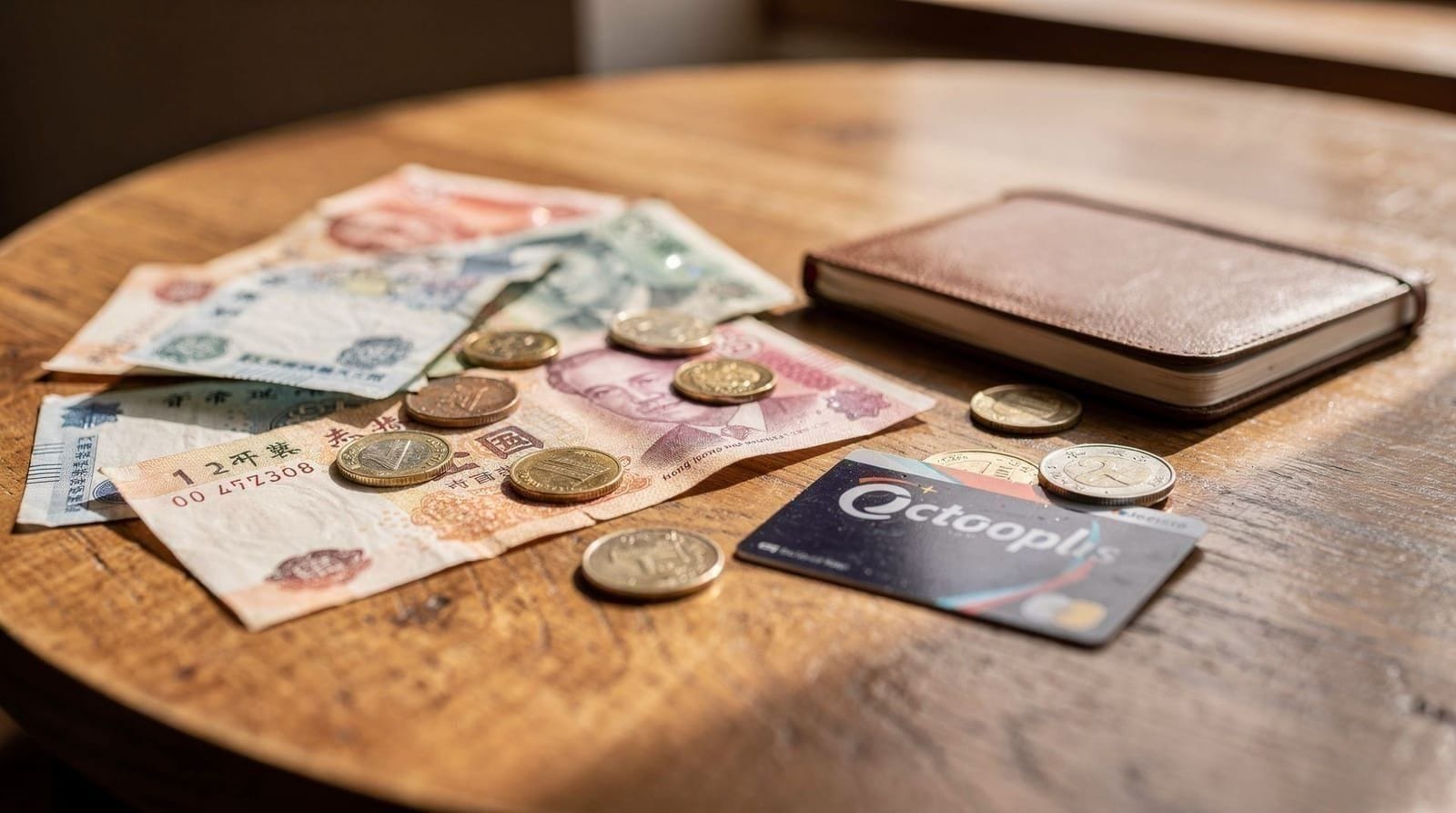
Plan your days around the way the city shifts rather than against it. The Hong Kong MTR guide explains how the network works, and during the holiday it pays to know your interchange stations in advance so you are not working it out on a packed platform. An Octopus card loaded before you go saves you queuing at ticket machines when everyone else is doing the same. For the harbour crossing, the Star Ferry guide is worth a read: the ferry is a pleasant alternative to the train when the underground is crowded, though expect queues on the evenings of the big events.
For food, the festival is a good moment to lean on places that stay open and on festive treats you can eat on the move. The street food guide and the dim sum guide will help you decide where to eat when your first-choice local restaurant has a shutter down for the holiday. Hotel dining rooms and large malls are the safest fallback, and the malls guide is useful for knowing which complexes are likely to stay lively when smaller shops close.
Shopping and last-minute errands
The days before the new year are when locals buy gifts, decorations and new clothes, so shopping streets feel busier and more purposeful than usual. If you want to browse, the shopping guide and the Ladies’ Market guide cover the main areas. Be realistic about timing: some stalls and small shops shut for the first days of the holiday, so buy souvenirs before New Year’s Day rather than assuming you can pick them up afterwards.
If crowded stalls feel overwhelming, a guided evening through the Ladies’ Market and Temple Street lets someone else handle the navigation and explain what you are looking at. The Temple Street Night Market guide covers the second market in more detail.
Pairing the festival with other days of your trip
Because the festival itself fills only a few evenings, think about what else you can do in between. Quieter days suit a ferry out to the islands, which the outlying islands guide describes, or a slower stroll through a neighbourhood that is not on the parade route. If you are building a full plan, the first-time Hong Kong guide and the itinerary planning guide give a sensible frame to hang the festival events on. Visitors travelling with children can look at the family itinerary for gentler pacing, because late evenings and dense crowds can be tiring for younger travellers.
A few ideas for making the most of the crowds
- Choose one big event per day and leave the rest of the day loose. Trying to fit the parade, a temple visit and a dinner into the same afternoon usually ends with you standing in queues.
- Walk when you can. In busy districts, moving a few streets away from the main crossing often gets you out of the worst of the crush.
- Keep your plans flexible on the night of the fireworks. Viewing spots fill early, and having a second option on the Island side or at a hotel restaurant takes the pressure off.
- Talk to the people around you. Stallholders, hotel staff and fellow spectators are usually happy to explain what a custom means, and that is often the most memorable part of the festival.
- Remember that the festival is a family occasion for residents. Be patient, keep your voice down at temples, and follow the lead of those around you; the safety and etiquette guide has more on how to behave respectfully.
Why the lucky traditions matter
Many of the rituals you will see have a clear logic. Flowers and plants are chosen for their names and symbolism, red is used to attract good fortune, and the first prayers of the year are meant to set the tone for the months ahead. Understanding this makes the markets and temples far more rewarding than treating them as photo opportunities. The festivals guide puts Chinese New Year alongside the other celebrations in the Hong Kong calendar, which helps if you are deciding whether this is the right festival for your trip or whether another time of year suits you better.