Hong Kong shopping malls guide — best malls by purpose and location
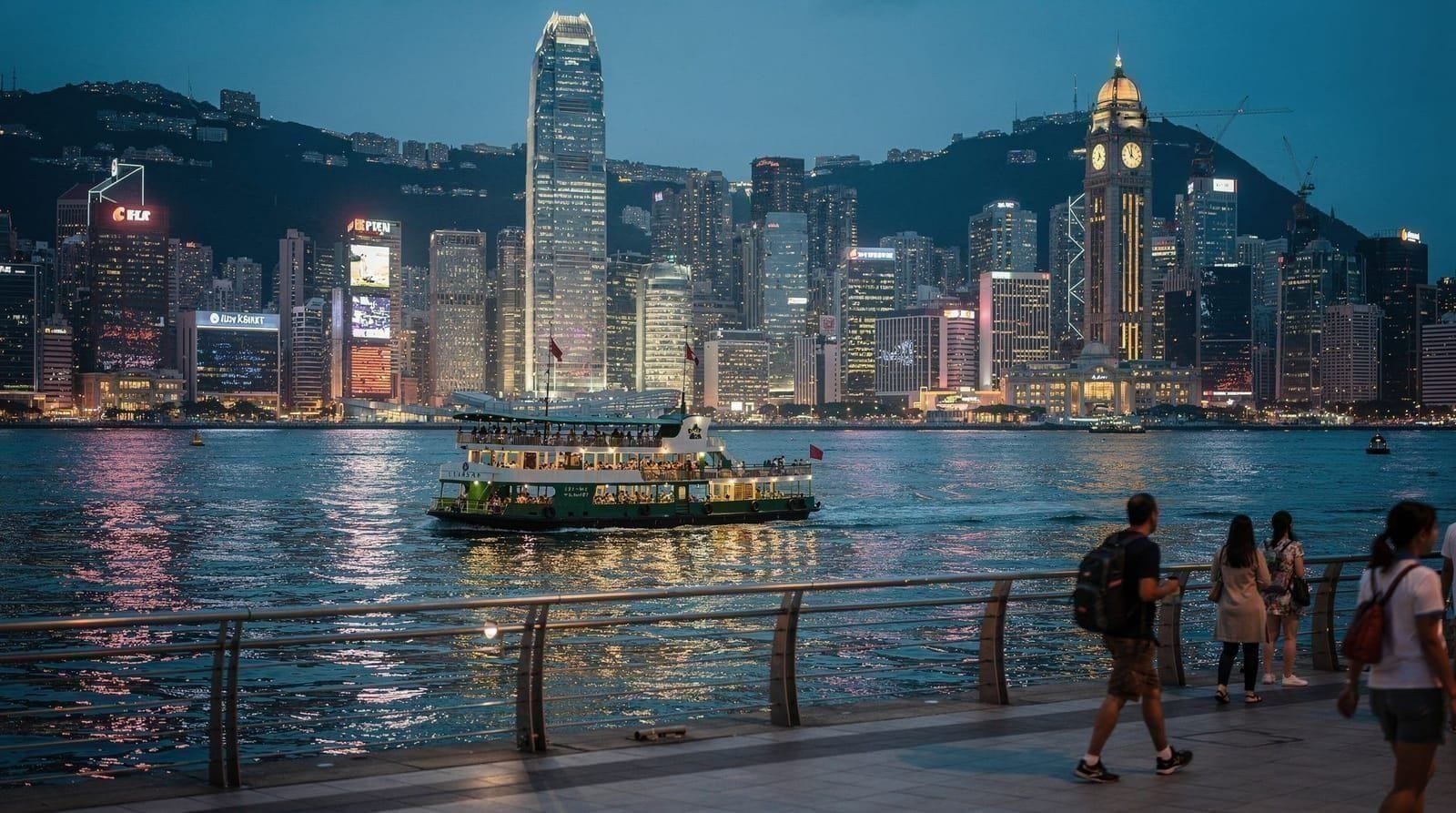
Hong Kong: Star Ferry Victoria Harbour cruise sunset tour
What are the best shopping malls in Hong Kong?
IFC Mall (Central) for luxury and convenience, Harbour City (Tsim Sha Tsui) for scale and variety, Pacific Place (Admiralty) for mid-range to luxury with a cinema, Times Square (Causeway Bay) for mid-range fashion, and K11 Musea (Tsim Sha Tsui) for a younger, art-integrated experience. Hong Kong malls are also genuinely useful as air-conditioned rest stops and food courts.
Why Hong Kong malls matter beyond shopping
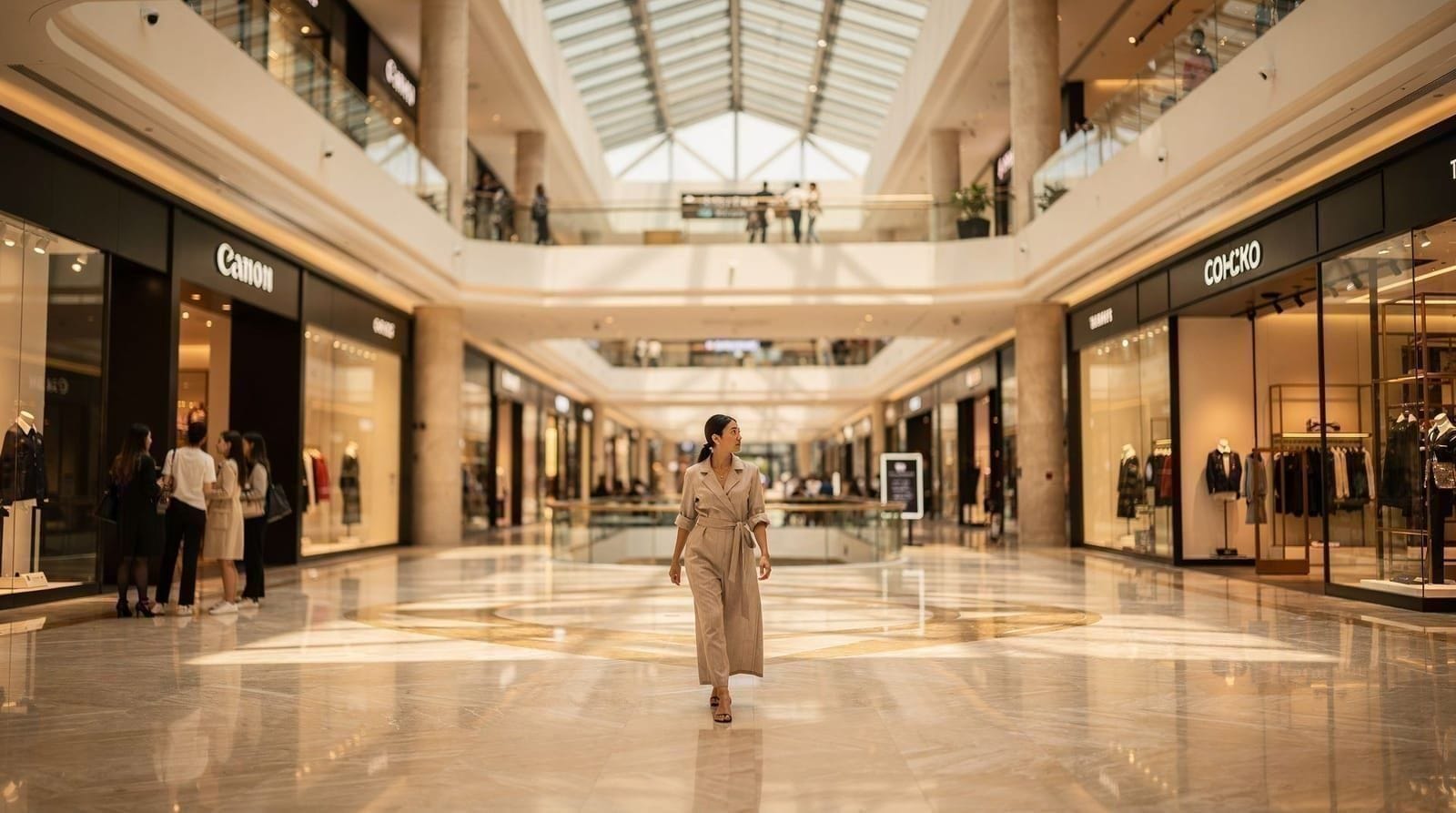
Hong Kong’s shopping malls serve a function beyond retail. In a city where summer heat (33°C+, 85%+ humidity) makes outdoor activity in July and August genuinely unpleasant, large air-conditioned malls become community spaces — places to eat, walk, shelter, meet, and pass time. Understanding this helps explain why local Hongkongers spend significant time in malls even without shopping intent.
For visitors, the practical value of malls is threefold: shopping, dining (often the best concentration of mid-range restaurants in any given neighbourhood), and transport connectivity (several of Hong Kong’s best malls sit directly above or adjacent to MTR stations with direct air-conditioned passage).
| Best overall | Harbour City (Tsim Sha Tsui) — scale and variety |
| Best luxury | IFC Mall (Central) |
| Best mid-range | Times Square (Causeway Bay) |
| Best atmosphere | K11 Musea (Tsim Sha Tsui) |
| Also useful for | Shelter from heat, rain and typhoon weather |
Comparing the main malls at a glance
| Mall | Area | Nearest MTR | Best for |
|---|---|---|---|
| IFC Mall | Central | Hong Kong Station | Luxury, pre-airport shopping |
| Harbour City | Tsim Sha Tsui | Tsim Sha Tsui | Scale, variety, dining |
| Pacific Place | Admiralty | Admiralty | Mid-to-luxury, cinema, museum nearby |
| Times Square | Causeway Bay | Causeway Bay | Mid-range fashion, dining floors |
| K11 Musea | Tsim Sha Tsui | Tsim Sha Tsui East | Art-integrated, younger crowd |
| Elements | West Kowloon | Kowloon Station | Pre-flight, pre-HSR, families |
IFC Mall — Central / Hong Kong Station
Location: 8 Finance Street, Central, Hong Kong Island. Above Hong Kong MTR station (Airport Express terminal).
Character: upscale, businesslike, international-luxury. The tenant mix skews toward European luxury fashion and jewelry (Louis Vuitton, Dior, Hermès, Cartier, Rolex, Tiffany), with supporting food and beverage options. Lane Crawford, Hong Kong’s flagship department store, anchors one end.
Best for:
- Luxury shopping with maximum efficiency
- Pre-airport purchases (Airport Express departs from the basement)
- High-end dining with harbour views (il Milione, The Chip, AMMO)
- Air-conditioned walkable connection between the MTR station and the Central/Sheung Wan neighbourhood
Practical notes: the mall is connected via covered walkway to the Central waterfront and the Star Ferry Pier, making it a useful sheltered route in wet or hot weather. The level 2 outdoor garden area (accessible from the walkway) offers one of the less-crowded harbour viewpoints in Central. IFC sits at the edge of the Central and Sheung Wan district, so it pairs naturally with an afternoon exploring Hollywood Road and the antique shops beyond the mall’s doors.
Harbour City — Tsim Sha Tsui
Location: Canton Road, Tsim Sha Tsui, Kowloon. Adjacent to the Ocean Terminal ferry pier and Tsim Sha Tsui MTR.
Character: the biggest mall in Hong Kong and one of the largest in Asia, covering over 700 shops across Ocean Terminal, Ocean Centre, and the Gateway complex. The sheer scale means something for every budget and interest, from mid-range international brands to luxury flagships.
Best for:
- Complete coverage — if it is sold in Hong Kong at scale, it is probably available somewhere in Harbour City
- Dining variety (the L6 restaurant cluster is excellent for mid-range dining)
- Canton Road exterior for luxury brand streetfront shopping (Chanel, Prada, Bottega Veneta have significant street-facing stores)
- The Star Ferry and harbour views from the Ocean Terminal Deck rooftop (free, open to the public)
Practical notes: Harbour City is large enough to get genuinely lost in. The signage is adequate but the interconnected buildings have different floor numbering. Allow extra time if navigating to a specific shop. The mall connects directly to several hotels (Marco Polo, Gateway, InterContinental) via internal walkways — useful for guests of those hotels in wet weather. Harbour City sits within the wider Tsim Sha Tsui district, so a mall visit combines easily with the promenade, the Museum of History, or an evening at the Symphony of Lights.
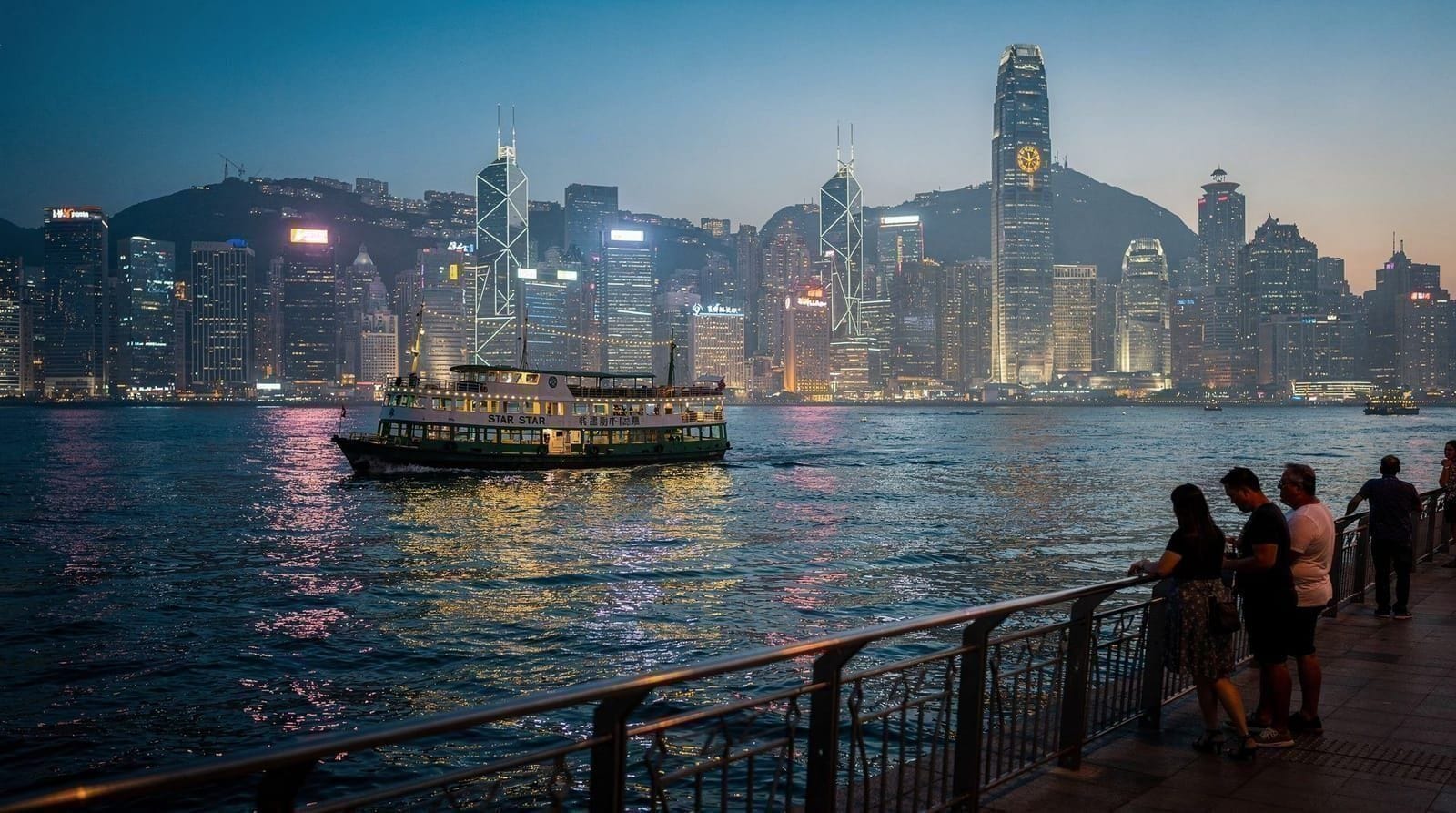
If the shopping leaves you wanting a break from the crowds, the waterfront next door is the natural reset. Many visitors end a Harbour City afternoon with a sunset cruise across Victoria Harbour, which gives a different view of the skyline you have just been walking beneath.
Pacific Place — Admiralty
Location: 88 Queensway, Admiralty. Above Admiralty MTR station (connected via underground walkway).
Character: a four-level mall with a more manageable scale than Harbour City. The tenant mix is mid-range to upper-luxury, anchored by Lane Crawford, Harvey Nichols (one of Asia’s strongest outposts), and a concentrated mix of luxury fashion and lifestyle brands.
Best for:
- Combining shopping with a visit to the Hong Kong Park (adjacent) and Flagstaff House Museum of Teaware (free, excellent)
- The AMC Pacific Place cinema (English-language screenings daily)
- Harvey Nichols food hall for an edited selection of premium goods
- Proximity to the Admiralty/Wan Chai government and business district
Practical notes: Pacific Place sits at the base of Conrad Hong Kong, JW Marriott, and Island Shangri-La hotels, giving it a resident-business-traveller clientele. More sedate than Harbour City; better for purposeful shopping than browsing.
Times Square — Causeway Bay
Location: 1 Matheson Street, Causeway Bay. Walking distance from Causeway Bay MTR station.
Character: sixteen floors of retail in a vertical mall configuration — the opposite of Harbour City’s sprawling horizontal plan. The lower floors are international mid-range fashion (Zara, H&M, Uniqlo and similar); upper floors carry local and Asian labels; restaurant floors occupy the top levels.
Best for:
- Mid-range fashion shopping (the most comprehensive mid-market selection in Hong Kong)
- Dining floors: the upper floors have a strong range of Cantonese, Japanese, and international restaurants with reasonable prices by Causeway Bay standards
- Access to the broader Causeway Bay shopping neighbourhood (Sogo department store, Lee Gardens, the pedestrian-shopping streets)
Practical notes: the area around Times Square (particularly the streets between Causeway Bay MTR and Victoria Park) is one of Hong Kong’s most densely-shopped neighbourhoods, with independent fashion boutiques, cosmetics shops, and local brands filling the streets between the major malls. The Causeway Bay area guide covers the streets and markets around the mall in more detail, and the wider Causeway Bay destination page has restaurant and neighbourhood picks beyond the mall itself.
K11 Musea — Tsim Sha Tsui
Location: 18 Salisbury Road, Tsim Sha Tsui. Adjacent to the Tsim Sha Tsui East MTR exit, on Victoria Harbour.
Character: explicitly positioned as a “cultural-retail” destination rather than a conventional shopping mall. The building integrates significant artworks throughout the retail space, with rotating installations. Tenant mix leans toward younger luxury brands, design-led lifestyle shops, and a curated restaurant selection.
Best for:
- Younger adults and design-interested visitors
- The rooftop terrace (open to visitors) with direct Victoria Harbour views — one of the best outdoor viewpoints in TST
- Restaurant selection (BEEFBAR, Tim Ho Wan’s premium outpost, Wagyumafia)
- Browsing without feeling pressure to buy — the art-integration makes walking through the space pleasant regardless of shopping intent
Practical notes: K11 Musea is significantly smaller than Harbour City but much higher in curation and atmosphere. It is a genuinely interesting building to walk through even if you do not shop.
Because K11 Musea faces the harbour, it also works as a starting point for an evening on the water. After dinner, an evening cruise to see the Symphony of Lights from the harbour is an easy way to end a mall day without extra transfers.
Elements — Kowloon Station
Location: 1 Austin Road West, West Kowloon. Above Kowloon MTR station (Airport Express terminus and High Speed Rail station).
Character: a large five-element-themed mall with strong transport connectivity. Elements is organised into five themed zones (Earth, Water, Fire, Metal, Wood) — a marketing concept that is less useful to navigate than it sounds. The tenant mix is mid-range to luxury, with a strong dining component.
Best for:
- Pre-flight or post-HSR shopping (Kowloon station is the Hong Kong terminus for high-speed rail to mainland China and the Airport Express on the Kowloon side)
- Dining before a train departure (the food courts and restaurant level are well-stocked)
- Families with children: Toys”R”Us has a large outlet here, and the food court options are wide
Malls as rainy-day strategies
For families or visitors caught in Hong Kong’s summer rain or typhoon weather, malls serve as legitimate shelter and activity. A circuit of IFC → Central footbridge system → Pacific Place via footbridge can be done entirely under cover. In Kowloon, Harbour City → K11 Musea → the Tsim Sha Tsui MTR connection covers several hours without going outside. During typhoon season roughly June to October, keeping a mall circuit in reserve as a plan B is genuinely useful — outdoor sightseeing stops entirely once a Typhoon Signal No. 8 is raised, but malls with underground or covered MTR access often stay reachable even then.
See our guide to how many days in Hong Kong for suggestions on building rainy-day contingency into your itinerary. Families in particular benefit from having a mall circuit ready — the Hong Kong with kids guide notes that a mid-trip mall afternoon (air conditioning, food court, occasionally a play area) is one of the easiest ways to reset an overheated or overtired child without losing a whole day.
Choosing the right mall for your day
The simplest way to plan is to let the rest of your itinerary decide. If your morning is on the Island side, pick IFC or Pacific Place and keep the mall for lunch or a mid-afternoon break. If you are based in Kowloon, Harbour City and K11 Musea sit close enough together that one can serve as the sheltered fallback for the other. Elements makes sense only when you are already heading to Kowloon Station for a train or a flight. Treating the mall as a stop inside a zone, rather than a separate outing, keeps travel time low and the day coherent.
A few habits make mall visits smoother:
- Decide what you need before you go in. Large complexes reward a plan, and wandering without one is how an hour becomes three.
- Eat at off-peak times. Restaurant floors fill up around the usual meal times, especially at weekends, and a slightly early or late table is easier to get.
- Use the mall as a route, not only a destination. Covered walkways and footbridges link a surprising amount of the city, and the Hong Kong MTR guide helps you work out which exit puts you closest to the entrance you want.
- Carry your Octopus card as well as a payment card, since it is handy for the transport legs between malls.
Malls and your wider itinerary
Mall time works best when it is slotted into a larger plan. A first visit usually leaves room for just one or two; the first-time Hong Kong guide and the first-timer itinerary show how shopping fits alongside the headline sights. If you only have a short stay, the one-day itinerary leaves little room for retail, so a quick stop at the mall nearest your route is the realistic option. On a longer trip, the rainy-day itinerary is the natural home for a full mall circuit.
Shoppers who want more than malls should read the wider best shopping in Hong Kong guide, which covers districts, streets and markets together. Anyone watching their spending will find the Hong Kong budget breakdown useful for deciding how much room to give to shopping, and the Hong Kong on a budget guide explains where mall dining can be a sensible saving and where it is not.
Eating inside the malls
Dining is often the best reason to go in. If you want something more local than a mall restaurant floor offers, the cha chaan teng guide and the Hong Kong dim sum guide point you to the everyday places that sit just outside the mall doors. Many visitors alternate: a mall for air conditioning and a reliable table, then a short walk to a street-level spot for something with more character. Neighbourhood context helps here, and the Mong Kok and Tsim Sha Tsui pages show what surrounds the Kowloon-side malls.
Malls versus markets: when to choose which
Malls and street markets serve different purposes, and confusing them leads to disappointment either way. Malls are the right choice for fixed prices, air conditioning, reliable quality, returns, and brand-name shopping — none of which markets reliably offer. Markets like Ladies’ Market in Mong Kok or Temple Street Night Market are the right choice for bargaining, souvenirs, atmosphere, and genuinely local street food — none of which malls replicate.
Most visitors get the best of both by treating malls as the practical, comfortable base (lunch, air conditioning, a specific purchase) and markets as the evening activity for atmosphere and browsing. Trying to bargain in a mall, or expecting fixed prices and quality guarantees at a market stall, is the most common mismatch — see the Hong Kong tourist traps guide for more on where pricing expectations commonly go wrong.
Frequently asked questions about Hong Kong shopping malls guide — best malls by purpose and location
Are Hong Kong malls open on public holidays?
Is IFC Mall worth visiting?
What is the largest shopping mall in Hong Kong?
Which Hong Kong mall has the best food options?
Do Hong Kong malls offer tourist discounts?
Top experiences
Bookable activities with verified prices and instant confirmation on GetYourGuide.