Ladies Market Mong Kok — guide, bargaining tips and what to buy
Hong Kong: Ladies Market and Temple Street Night Market tour
Is Ladies Market worth visiting in Hong Kong?
As a market experience and atmosphere, yes. As a place to buy quality goods, it is limited — most merchandise is tourist-oriented, and counterfeit and low-quality items dominate. It is best approached as a lively street scene to walk through, bargaining practice, and a source of cheap novelties. Combine with the nearby Goldfish Market and Flower Market for a better overall Mong Kok experience.
What Ladies Market actually is
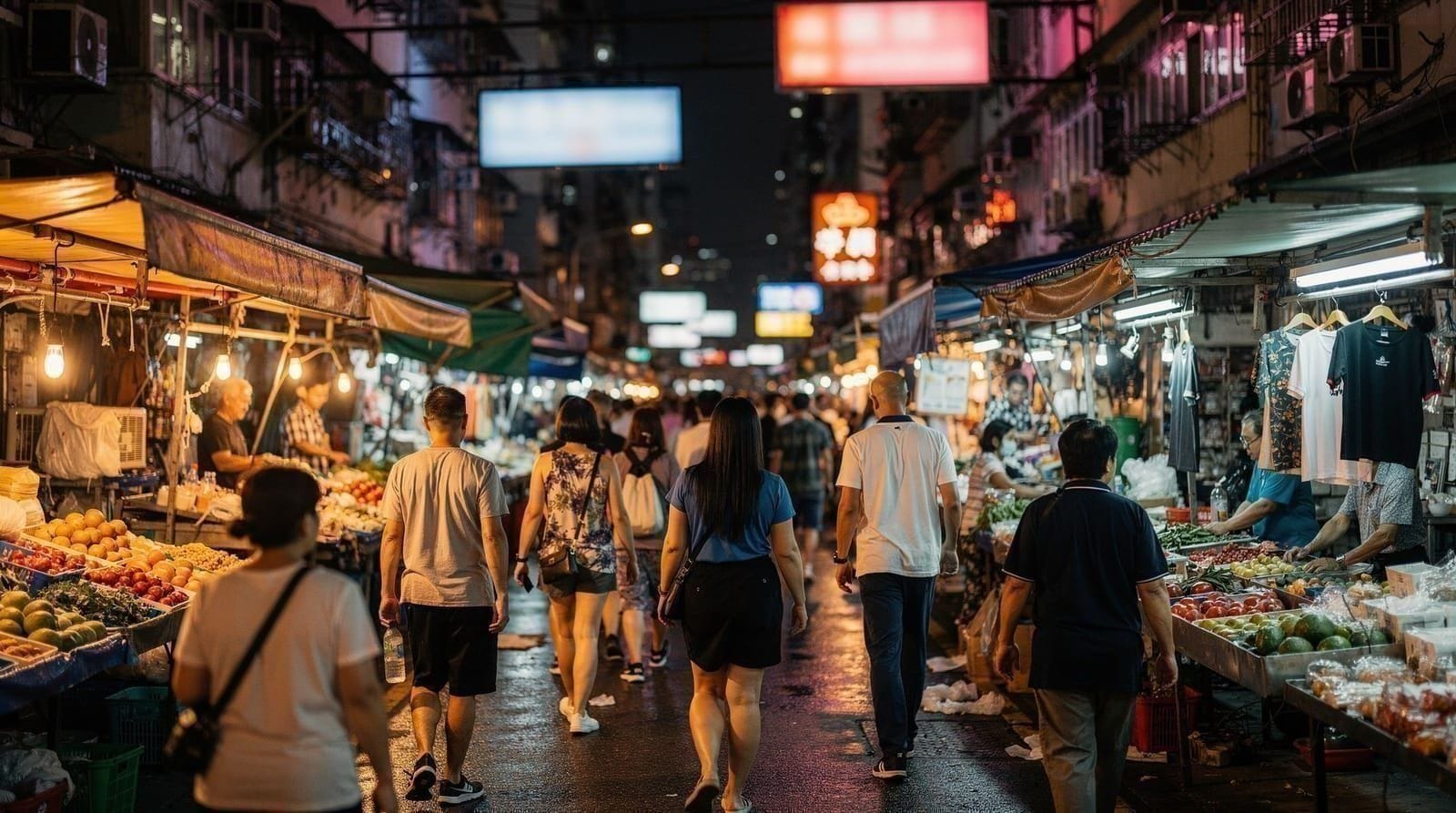
Ladies Market (女人街) runs along Tung Choi Street in Mong Kok, from Argyle Street down to Dundas Street — about 600 metres of open-air stall shopping. The name dates to the 1970s and 1980s when the market specialised in women’s clothing; today it sells a broad mix of tourist merchandise, fashion accessories, and novelty items.
The context that matters: Mong Kok is one of the world’s most densely populated urban districts, and the streets around the market are genuine Hong Kong at ground level — not a manufactured tourist experience. The market itself is tourist-oriented, but the surrounding streets — the electronics shops, the bakeries, the local restaurants, the men playing chess on upturned crates — are authentic urban Hong Kong.
Visit for the atmosphere. Buy selectively and bargain confidently.
| Where | Tung Choi St, Mong Kok, between Argyle & Dundas St |
| Hours | Roughly noon–11pm daily |
| Nearest MTR | Mong Kok station, 5-min walk |
| Typical spend | HKD 60–200 per item after bargaining |
| Best time | Weekday late afternoon (4–7pm) |
| Cash only | Yes, most stalls don’t take cards |
For the wider Mong Kok area guide covering food and other markets nearby, and for a comparison of Hong Kong’s malls versus street markets, see best shopping in Hong Kong.
What to buy (and what not to)
Worth considering
Souvenir T-shirts and novelty items: the selection is wide, the prices after bargaining are cheap, and Hong Kong-themed merchandise is more amusing here than in airport shops. HKD 60–100 for a T-shirt after negotiation.
Cheap accessories: hair accessories, simple jewelry, sunglasses — the quality is low, but the price reflects that. Useful for items you do not mind losing on the trip.
Phone cases: a practical purchase — the range is enormous and the prices after negotiation are competitive. Specify your phone model clearly.
Chinese cheongsams and novelty fashion: some stalls sell qipao-style dresses and tops at various price points. The cheaper end is novelty fabric at HKD 100–200; the higher end (HKD 400–800) may be better quality but is still not bespoke.
Dried goods and snacks: a few stalls near the southern end of the market sell local dried products — dried mango, pineapple cakes, and similar snacks. These make good gifts and do not require bargaining.
Not worth buying
“Branded” goods: handbags, wallets, sunglasses branded with designer logos are counterfeit. The quality is poor and there is import-risk in bringing these home. Customs in the US, EU and UK may confiscate counterfeit goods.
Electronics: phone accessories from market stalls often fail quickly. For anything with technical requirements, buy at established electronics shops on Nathan Road or in Sham Shui Po.
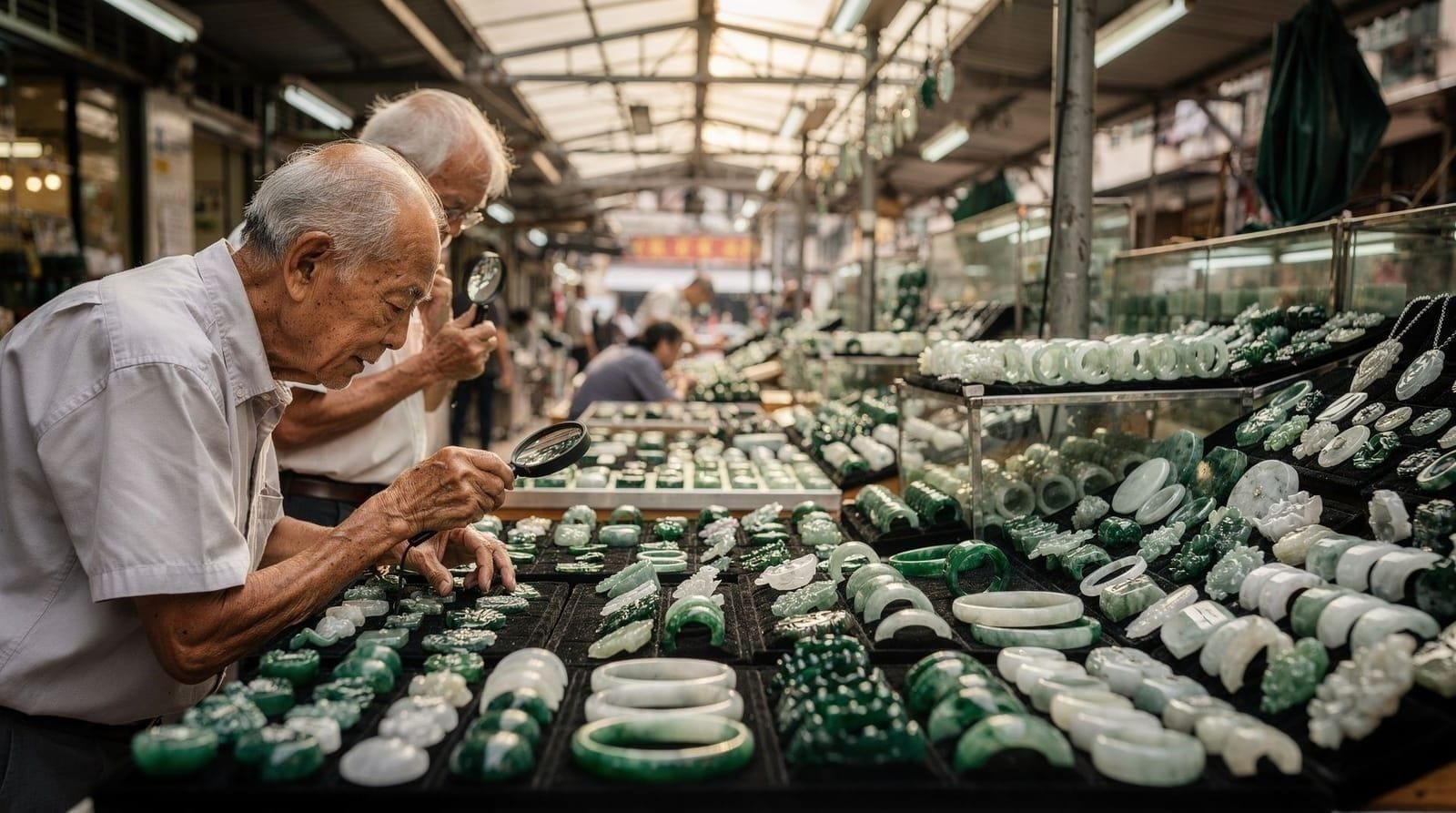
Jade: unless you are an expert, avoid jade purchases at street markets. The “jade” sold here is frequently dyed quartzite or serpentine. If you want genuine jade, visit the Jade Market and educate yourself first.
Bargaining — a practical guide
The process is simple, the mindset matters:
- Identify your maximum price before you pick up the item
- Ask the price — the vendor will show you a number or quote verbally
- Counter at 40–50% of the quoted price calmly (not aggressively)
- Meet somewhere in the middle — aim to land around 55–65% of original quote for most items
- Walk away if they will not go lower — there are identical stalls every few metres, and the vendor will often call you back
Do not accept the argument “very good quality, very cheap” — all vendors use this phrase regardless of quality. Do not feel pressured by the “last customer” story (someone else supposedly just paid full price). These are standard sales techniques.
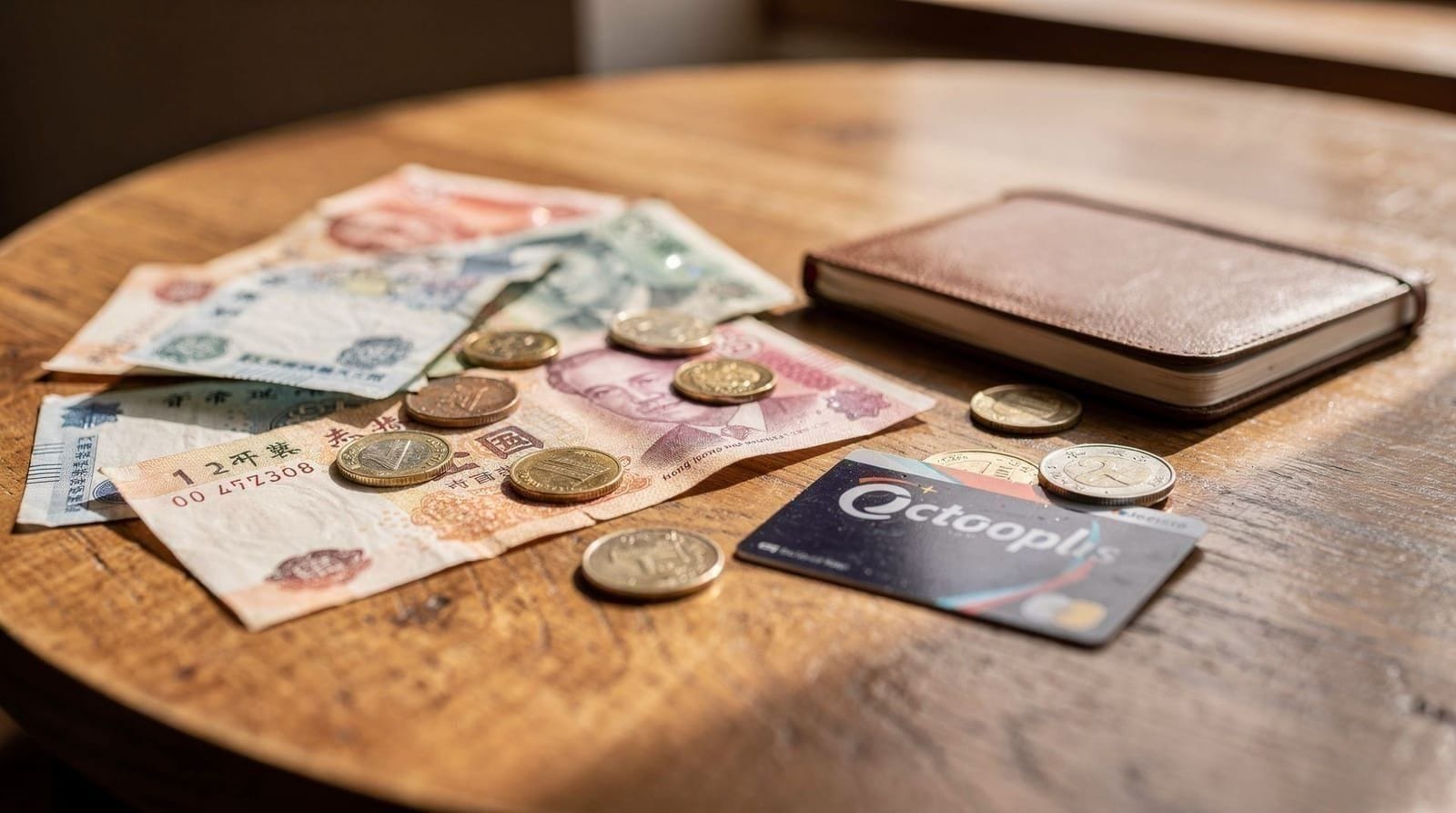
Cash is king: credit cards are not accepted at most stalls. Have HKD cash in small denominations (HKD 20 and 50 notes) — change is sometimes an issue. Ladies Market and Temple Street guided market tour ---
The Mong Kok market cluster
Ladies Market is most rewarding when combined with Mong Kok’s other specialised markets within a 10–15-minute walk:
Goldfish Market (Tung Choi Street — north end)
The northern extension of Tung Choi Street (between Boundary Street and Dundas Street, a different section from the clothing market) is Hong Kong’s wholesale goldfish and aquarium district. Rows of shops with hundreds of varieties of ornamental fish in plastic bags hung in the windows. This is a genuine local trade — Hongkongers buy fish as gifts (goldfish are considered auspicious). The visual impact is striking even if you have no interest in buying fish. Free to walk through.
Bird Garden (Yuen Po Street Bird Garden)
A 10-minute walk from Ladies Market, the Yuen Po Street Bird Garden is an enclosed market where elderly men bring their caged songbirds to socialise — the birds’ songs are compared and the owners chat. This is one of the most specifically Hong Kong scenes that remains: a tradition of bird-keeping culture that has been present in the city for over a century. The market also sells bird cages, cricket containers, and live insects as bird feed.
Flower Market (Flower Market Road)
The Flower Market on Prince Edward Road West (adjacent to the Bird Garden) is a wholesale and retail flower market active year-round, with the largest variety and crowds around Chinese New Year (late January/early February). Even outside festival season, the density and colour of the flower stalls — fresh orchids, chrysanthemums, birds of paradise — is visually memorable. Prices for visitors buying retail are fair.
Sneaker Street (Fa Yuen Street)
Fa Yuen Street, parallel to Tung Choi Street, is lined with sneaker shops — licensed retailers selling the complete ranges from Nike, Adidas, New Balance, Jordan, and other brands. Prices are the same as official retail, but the selection, particularly of Asia-market exclusive models, is broader than in most Western countries. This is a genuine shopping destination for sneaker buyers.
Getting around and staying comfortable
Mong Kok is easy to reach and easy to leave, which is part of why the market works so well as a short stop in a longer day. If you are new to the metro, the Hong Kong MTR guide explains how the lines connect, and an Octopus card makes the ride to and from the area painless. The stalls themselves are on a street, not in a hall, so dress for the weather: in the humid months a small towel and a bottle of water matter more than you would expect, and our notes on Hong Kong in summer and typhoon season cover what to do when the forecast turns.
The aisle between the stalls is narrow, and foot traffic moves in both directions. Keep your bag zipped and in front of you, avoid stopping dead in the middle of the flow to check your phone, and step to the side of the stall rather than blocking it when you want to think about a purchase. Crowded markets everywhere attract opportunists, so the general advice in the safety and etiquette guide applies here as much as anywhere in the city.
How to shop without regret
The best way to enjoy this market is to decide in advance what kind of shopper you are. If you want gifts for friends back home, walk the whole street once without buying anything. You will see the same T-shirts, phone cases and scarves repeated at stall after stall, and the first lap tells you which items are common (and therefore easy to bargain on) and which are rare. Then go back to the stalls that felt friendly and make your offers.
If you are shopping for yourself, be honest about quality. Check seams, zips and fabric before you start negotiating, because once you have agreed a price it is awkward to walk away. Try clothing against your body where you can, as sizing at these stalls follows no consistent standard. Photograph the item and the stall if you want to compare later, and keep your small notes separate from larger ones so that you are not seen pulling out a thick wad of cash.
Some travellers enjoy the market most as a game rather than a shopping trip. Treat each negotiation as a short, friendly exchange: smile, name your number, and be ready to leave. Most of the time the exchange ends with both sides laughing, and you come away with a story as much as an object. If bargaining makes you uncomfortable, set yourself a simple budget and a rule that you will buy only the things you would be happy to pay a fair price for anyway.
Who the market suits best
First-time visitors get the most from the market as part of a broader day in Kowloon. The first-time Hong Kong guide and the first-timer mistakes guide help you place it in context, and the what to skip in Hong Kong page is a useful reality check on how much time any one market deserves.
Budget travellers will find the market a good source of cheap extras, but the real saving comes from planning. The Hong Kong on a budget guide shows how a market stop fits into a low-cost day, and the first-timer itinerary places Mong Kok alongside other highlights.
Families can visit, but the narrow aisles and the crowds make strollers awkward, particularly in the evening. A weekday afternoon is gentler, and the family guide to Hong Kong with kids has broader advice on pacing a day with children.
Foodies will enjoy the surrounding streets as much as the stalls. Between bargaining rounds, the Mong Kok cheap eats blog post and the street food guide point to where to refuel without leaving the neighbourhood.
Nearby food while exploring the market
Good Hope Noodle (Fa Yuen Street, near the market end): excellent wonton noodles at HKD 45–55; simple, fast, very local.
Ho Hung Kee (Carnarvon Road, a 15-minute walk): this Mong Kok branch of the famous wonton noodle shop is slightly out of the way but worth the walk.
Cha chaan tengs (multiple along Nathan Road and side streets): for a full meal break during the market circuit, any of the local-facing cha chaan tengs will serve a full meal of rice, meat, and soup for HKD 80–130 per person.
Ladies Market vs Temple Street
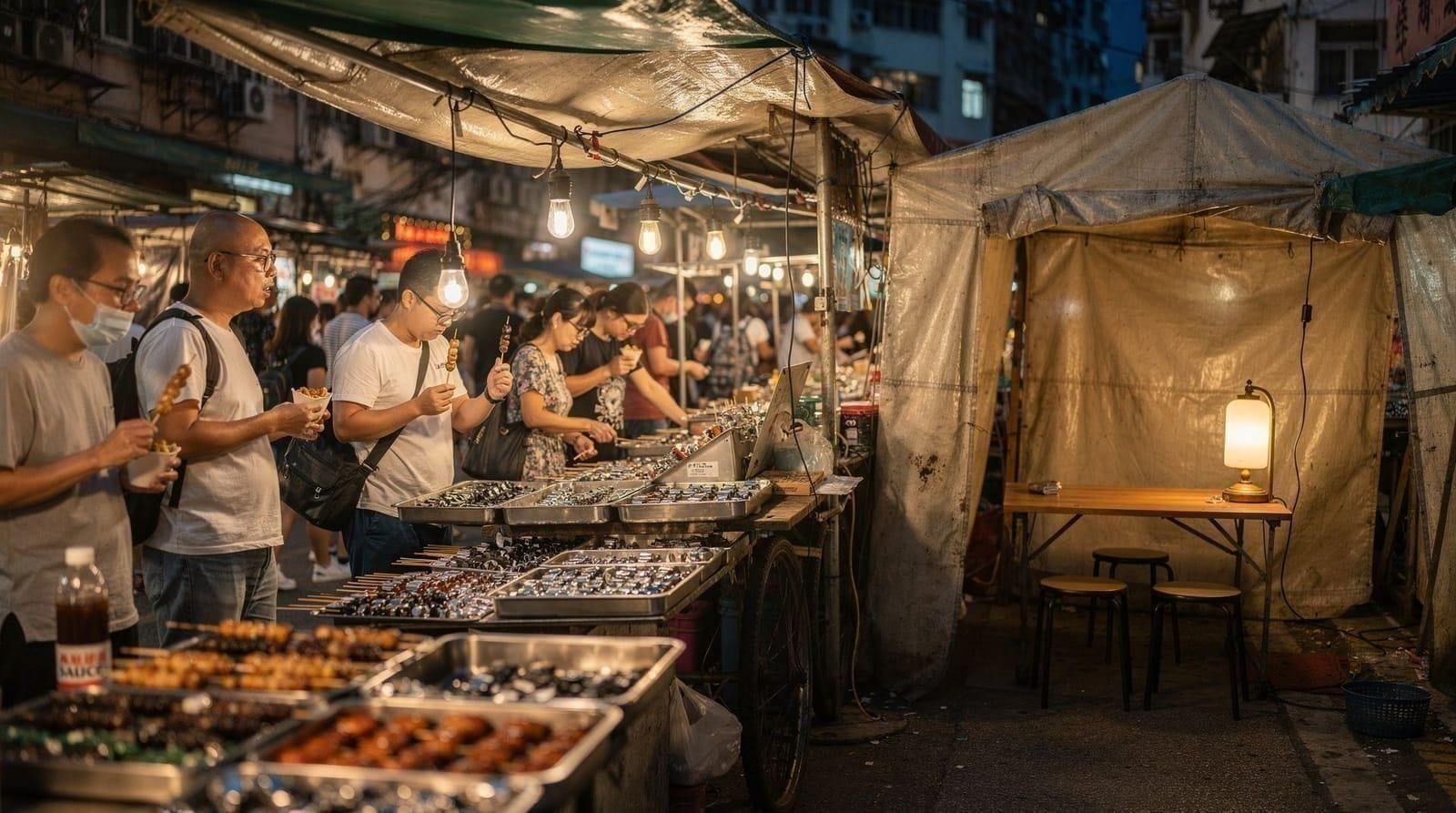
Both are evening street markets, but they serve different moods. Ladies Market is primarily clothing and accessories, active from noon into the evening. Temple Street Night Market is more atmospheric after dark — fortune tellers, street-food stalls, and a livelier night-out feel, but starts later (around 6pm) and peaks closer to 9–10pm. Doing both in one evening (Ladies Market first, Temple Street after dinner) works well since they’re a short MTR ride or a 20-minute walk apart via Yau Ma Tei.
Skipping the crowds
If the density of Mong Kok on a weekend evening isn’t for you, a weekday afternoon visit gets you nearly the same stall selection with far less jostling. Combine it with the Jade Market, which keeps daytime hours and sits a short walk south — a reasonable way to build an afternoon shopping loop through Yau Ma Tei and Mong Kok without waiting for evening crowds. For a broader sense of where markets fit into a Hong Kong trip budget, see the Hong Kong budget breakdown.
Making it part of a bigger plan
A market visit is rarely the whole day. Many travellers fold it into a Kowloon loop that also takes in Sham Shui Po for fabric and electronics, or Tsim Sha Tsui for the harbour front. If you are building a full trip, the Hong Kong itinerary planning guide and the weekend itinerary show where a couple of hours of street shopping fit best. For the neighbourhood itself, the Mong Kok destination page gives the wider picture.
Think of the market as a place to unwind after a morning of sights rather than the main event. Lunch nearby, a slow walk through the stalls, a detour to the Goldfish or Flower Market, and an early dinner before the evening crowds arrive is a sequence that works well and keeps the pace relaxed. If you would rather have someone else lead the way and explain what you are looking at, the guided market tour linked earlier in this guide is one option, and it is worth weighing against simply walking the streets on your own with the tips above.
If you want context on the wider district rather than just the stalls, a small-group walking tour of the Kowloon markets is a gentler way to understand how the neighbourhood works. For an evening with more food in it, a private night-market and street-food outing in Kowloon pairs the stalls with something to eat along the way. Neither is necessary, and the market is perfectly manageable on your own, but a local guide can save time if your visit is short.
Frequently asked questions about Ladies Market Mong Kok — guide, bargaining tips and what to buy
What can I buy at Ladies Market?
How much should I expect to pay at Ladies Market?
What time is best to visit Ladies Market?
Is bargaining mandatory?
How do I get to Ladies Market?
Top experiences
Bookable activities with verified prices and instant confirmation on GetYourGuide.