Hong Kong itinerary planning — how to structure your days
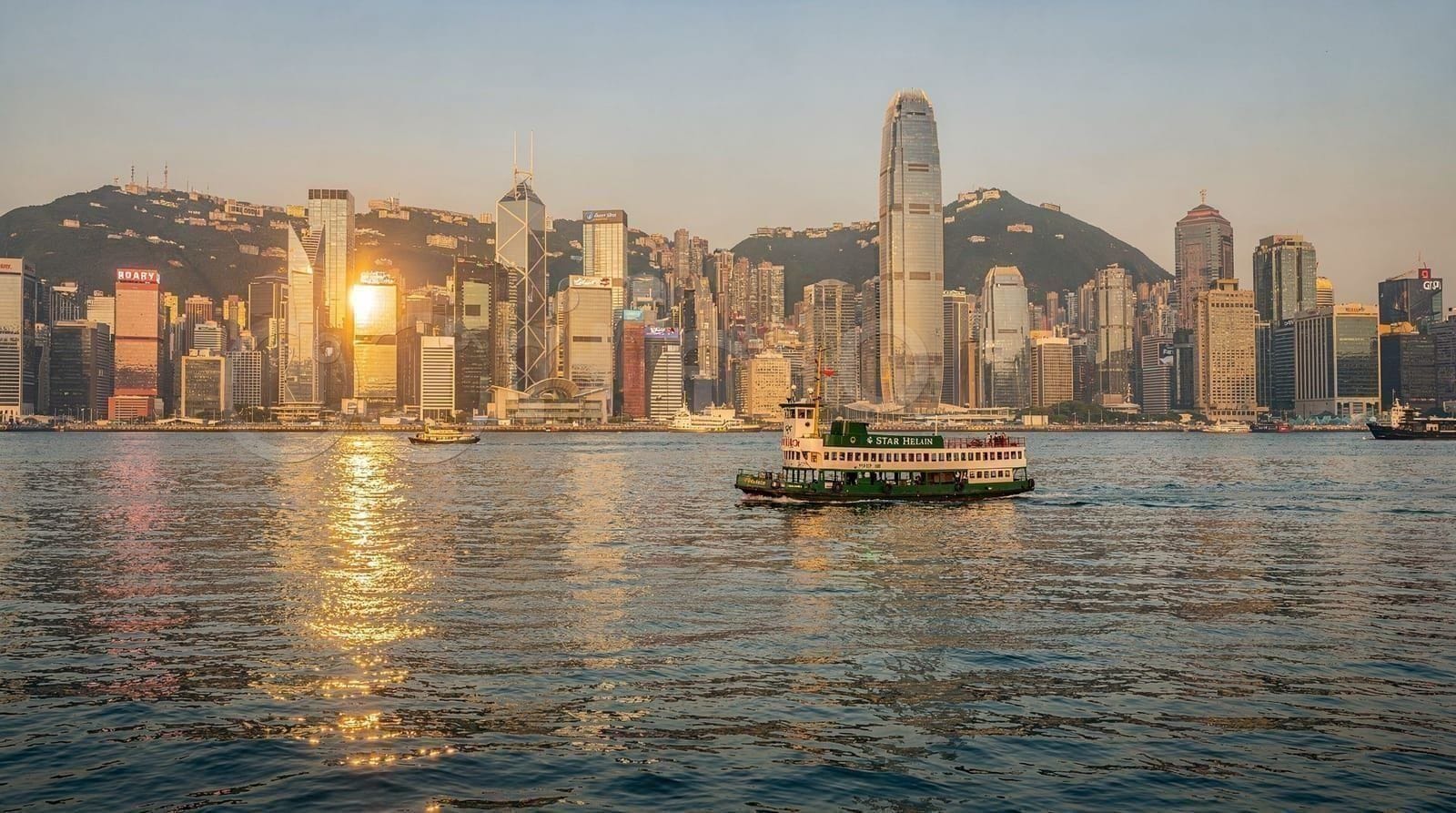
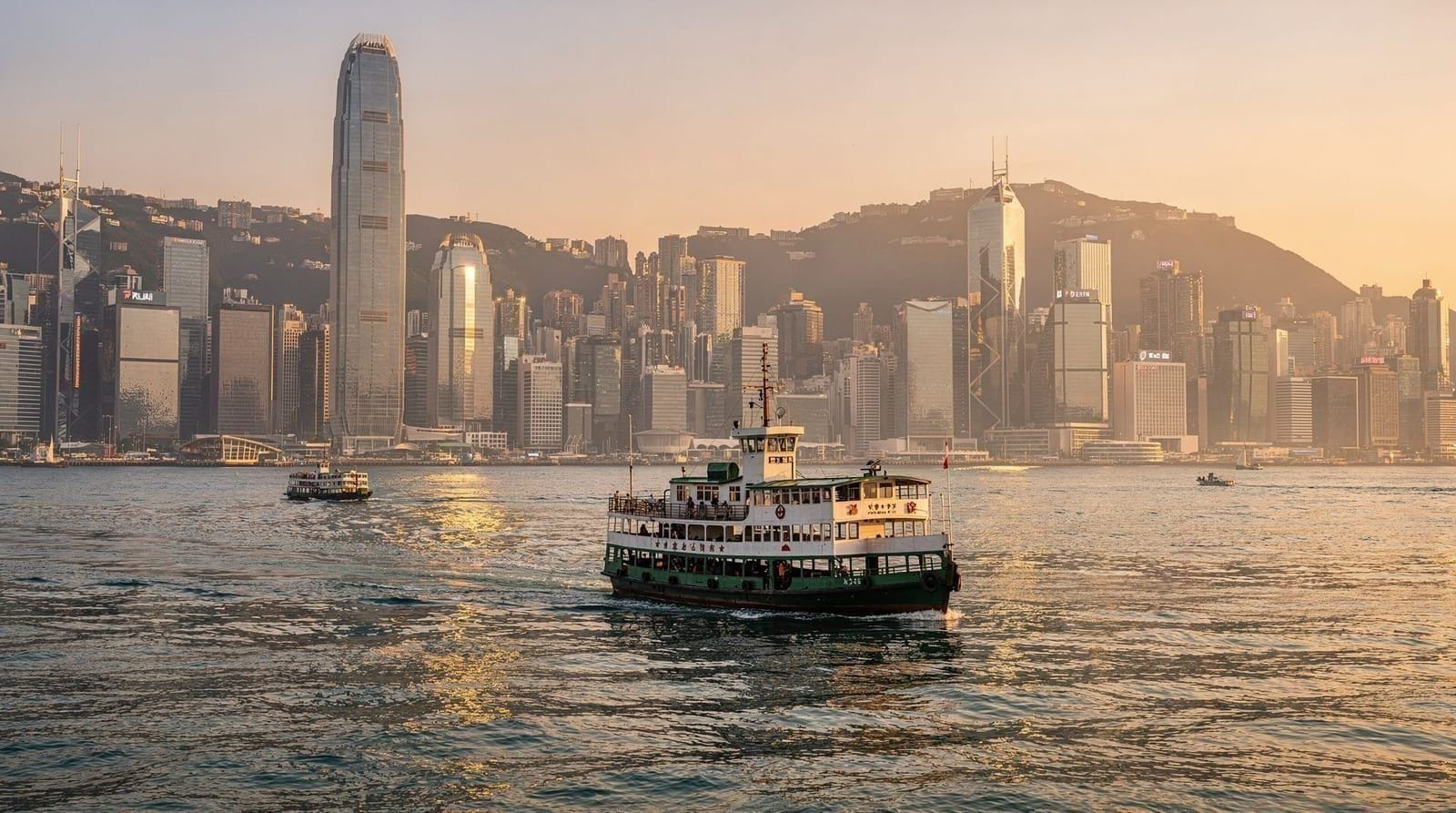
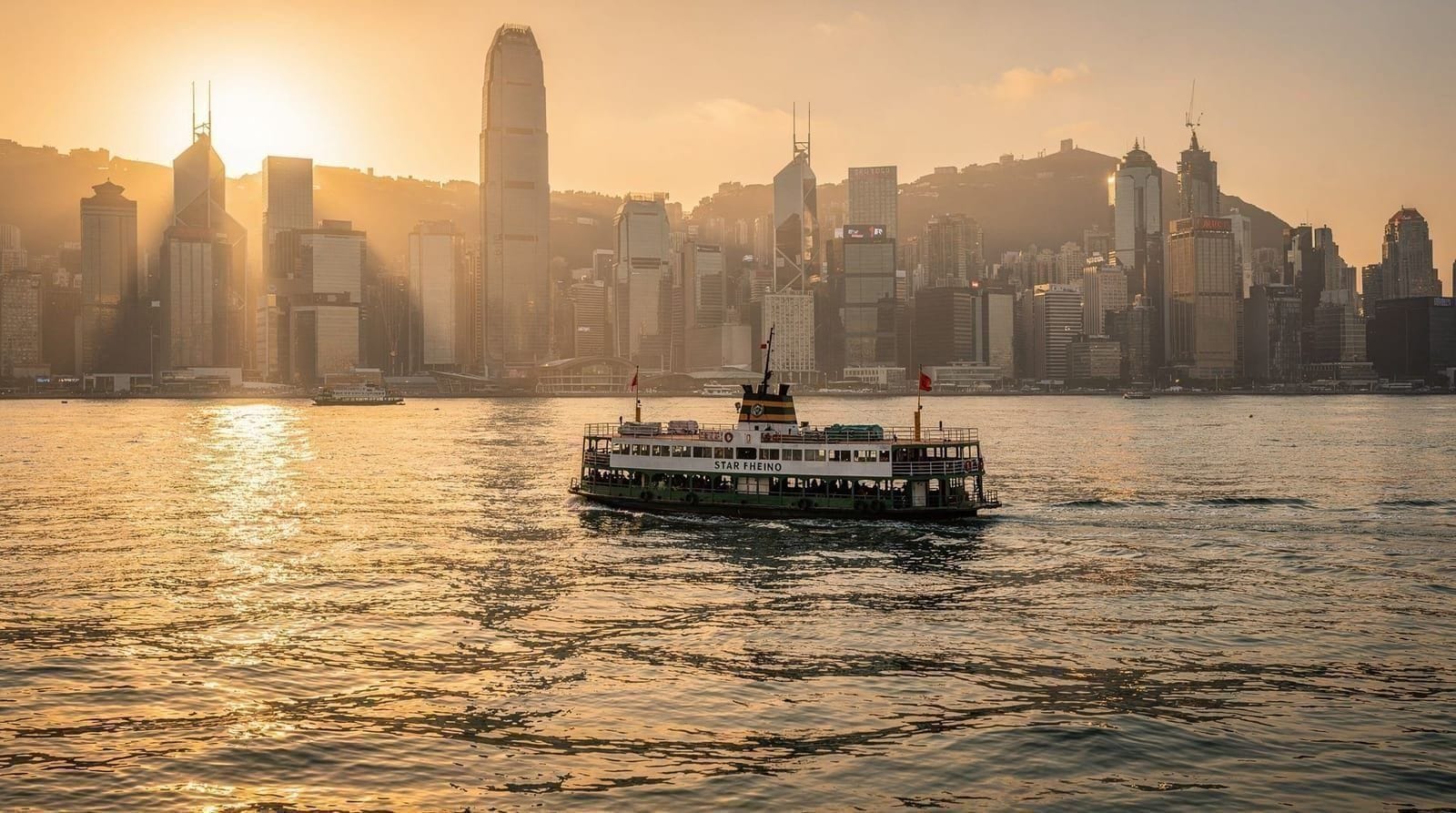
Hong Kong: Heritage highlights tour with Peak Tram and Star Ferry
How should I structure a Hong Kong itinerary?
Plan around geographic zones rather than landmarks. Each zone (Kowloon, Hong Kong Island, Lantau, New Territories) deserves at least half a day. Start the first morning in Tsim Sha Tsui to get your bearings across the harbour, then cross by Star Ferry to Central. Day trips to Lantau and Macau work best as standalone days rather than additions to a packed city day.
The planning principle that prevents a bad Hong Kong trip
Most Hong Kong itinerary mistakes come from landmark-chasing rather than zone-planning. “Day 1: Peak Tram, then Star Ferry, then Temple Street Night Market, then Mong Kok, then the harbour light show” sounds achievable on a map. In practice, you’ll spend 2 hours queuing for the Peak Tram, walk for two hours, cross to Kowloon, realise you’ve missed the Symphony of Lights timing, and end the day exhausted and behind schedule.
Plan by zone instead: each major area of the city has its own day, and within that day you move through it systematically rather than bouncing across the harbour.
| Approach | Plan by geographic zone, not by landmark list |
| Minimum stay | 3 days for the core zones; 5+ for a relaxed pace |
| Zones per day | 2–3, not 5–6 |
| Standalone days | Lantau and Macau — don’t bolt them onto a city day |
| Booking window | Peak Tram and Macau tours are worth pre-booking in high season |
How much time each zone actually needs
Before building day-by-day plans, it helps to see how the five zones compare in time commitment — this is the single biggest source of over-scheduling.
| Zone | Time needed | Best time of day |
|---|---|---|
| Tsim Sha Tsui / southern Kowloon | 4–5 hours | Afternoon into evening |
| Central, Sheung Wan, Mid-Levels | 4–6 hours | Morning through afternoon |
| Victoria Peak | 2–3 hours | Before 9:30am start |
| Lantau (Ngong Ping, Big Buddha, Tai O) | 8 hours (full day) | Early start, standalone day |
| Mong Kok / northern Kowloon | 3–4 hours | Afternoon or evening |
The five planning zones
Zone 1: Tsim Sha Tsui and southern Kowloon
What’s here: The harbour promenade, Kowloon Park, the Avenue of Stars, Symphony of Lights viewing point, Museum of History, Jade Market, Temple Street Night Market, the departure point for Star Ferry.
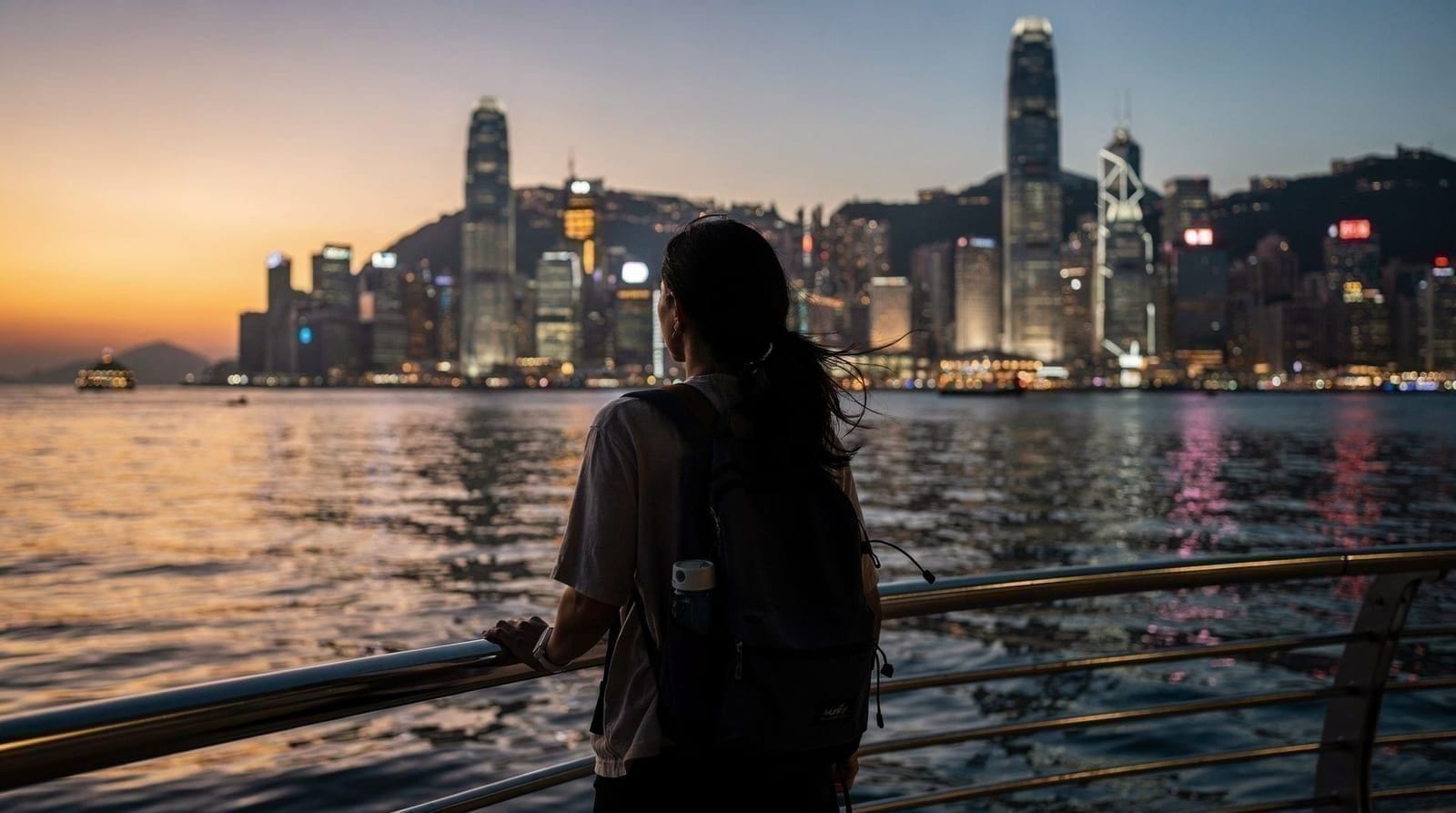
Best for: Day 1 orientation. Arrive in the afternoon, walk the promenade at sunset, eat dinner in a local restaurant on Kimberley Street or Ashley Road, watch the Symphony of Lights at 8pm, explore Temple Street Night Market.
Morning option: The Museum of History on Chatham Road is genuinely good (permanent exhibitions are free; closed on Tuesdays) and takes 1.5–2 hours.
Zone 2: Hong Kong Island — Central, Sheung Wan, Mid-Levels
What’s here: Star Ferry arrival (Pier 7), the escalator system, Hollywood Road, PMQ design complex, Man Mo Temple, SOHO restaurants, Lan Kwai Fong bar area.
Best for: Day 2 morning (cross from Kowloon by Star Ferry) through afternoon. Start at the ferry pier, walk west along the waterfront to the IFC, take the Escalator up through SOHO, visit PMQ and Man Mo Temple, walk down Hollywood Road through antique and furniture shops.
Zone 3: Victoria Peak and surrounding trails
What’s here: Peak Tram Lower Terminus (Garden Road), Peak Tower, Sky Terrace 428, Peak Circle Walk, Lion’s Pavilion free viewing terrace.
Best for: Morning start, before 9:30am. The Peak deserves 2–3 hours. Do the Circle Walk (3.5km, 1 hour, free) rather than just the paid viewing platform if weather is clear. Combine with Central as it’s walking distance to the Peak Tram terminus.
Guide: The Victoria Peak guide covers the tram, views, and walk in detail.
Zone 4: Lantau Island — Ngong Ping, Big Buddha, Tai O
What’s here: Tung Chung MTR station, Ngong Ping 360 cable car, Ngong Ping Village, Tian Tan Big Buddha, Po Lin Monastery, Tai O fishing village.
Best for: A full standalone day. Take the MTR to Tung Chung, cable car to Ngong Ping, walk to the Big Buddha, visit the Monastery for lunch, take a bus to Tai O for the afternoon. Bus back to Tung Chung for the MTR home. Allow 8 hours minimum.
Guide: The Lantau Big Buddha day trip guide structures this day in detail.
Zone 5: Mong Kok and northern Kowloon
What’s here: Ladies’ Market, Goldfish Market, Flower Market, Bird Garden, Fa Yuen Street sportswear shops, local food streets.
Best for: An afternoon or evening. Mong Kok doesn’t require a full day — 3–4 hours in the afternoon or evening covers the markets. Combine with a morning in Tsim Sha Tsui for a full Kowloon day.
Day-by-day planning frameworks
For 3 days (the standard first visit)
Day 1 (Kowloon): Arrive → Tsim Sha Tsui promenade → history museum or jade market → dinner on local streets → Symphony of Lights → Temple Street Night Market
Day 2 (Hong Kong Island + Peak): Dim sum breakfast in Jordan → Star Ferry to Central → Escalator through SOHO → Hollywood Road → Peak Tram (mid-morning, beat the crowds) → Circle Walk → back down for afternoon in Sheung Wan → dinner at a Wan Chai or SOHO restaurant
Day 3 (Lantau): Early MTR to Tung Chung → Ngong Ping 360 cable car → Big Buddha + monastery → afternoon at Tai O → return via bus + MTR → evening in Mong Kok
See the Hong Kong 3-day itinerary for the full version.
Join a half-day highlights tour including Peak Tram and Star FerryFor 4 days (add Macau or islands)
Add one of:
- Macau day: Morning ferry from Sheung Wan pier → historic centre → lunch → Cotai strip → return ferry. Full day.
- Outlying island: Morning Central Pier to Lamma Island → hike to Sok Kwu Wan → seafood lunch → return. Half-day possible, full day better.
- Sai Kung: MTR to Choi Hung → minibus 1A to Sai Kung town → kaido ferry to geopark volcanic columns → afternoon in Sai Kung town.
For 5+ days
Add:
- A second full morning for dim sum (don’t compress this into 45 minutes)
- Wong Tai Sin Temple + Kowloon City (local Hong Kong experience)
- Sham Shui Po for neon-signed markets and electronics bargaining
- The Star Ferry tram route across Hong Kong Island (HKD 3.30, deeply atmospheric)
- A proper hike if weather permits — Dragon’s Back is the one most worth scheduling
Timing that people consistently get wrong
Dim sum: This is a morning activity. Most traditional yum cha restaurants are busiest from 9–11:30am and serve until 2:30pm. If you try to do dim sum at 7pm, you’ll either find it isn’t served or get a tourist-oriented version. Schedule it as a proper slow morning.
Symphony of Lights: Happens at 8pm daily from the Tsim Sha Tsui waterfront. Be on the promenade by 7:45pm. The show lasts about 10 minutes. This is free and not particularly spectacular up close — it’s at its best from the TST promenade where you can see both the Hong Kong Island buildings and the Kowloon waterfront perspective.
Night markets: Temple Street Market runs 6pm–midnight. Ladies’ Market in Mong Kok runs roughly 11am–11pm but is most atmospheric after 7pm. Don’t schedule these for mid-afternoon.
Victoria Peak cloud cover: The Peak is clear roughly 60% of the time on a given day in winter, less in spring. Check the weather forecast the night before and be prepared to swap this for another morning slot if it’s cloudy. The Victoria Peak guide covers the free alternatives if the paid tram is crowded.
Building in slack, not just sights
The most common planning failure isn’t picking the wrong sights — it’s leaving no room for the city to slow you down. Hong Kong rewards a slower pace than the sight list suggests: queues at the Peak Tram, MTR interchange walks that take longer than the map implies, and restaurants with a wait at peak meal times all eat into a tightly scheduled day. Build one buffer block into each day — an hour with nothing planned — rather than assuming everything runs on schedule. This also gives you room to follow a good find (a market street, a temple you didn’t plan for) without derailing the rest of the day.
Trip length changes how much slack you need. A 1-day visit has almost no room for error and should stick to a single compact zone. A 2-day trip can cover Kowloon and Hong Kong Island but should skip Lantau entirely rather than rushing it. From 4 days onward, you have enough room to add a standalone day trip and still keep the core days unhurried; see the how many days in Hong Kong guide for a fuller breakdown by trip length and travel style.
Adjusting the plan for who you’re travelling with
The zone structure above works as a base for any traveller, but the pacing within each zone should flex. Families with young children generally do better spreading Zone 1 and Zone 2 activities over a slower two days rather than one packed day, with a hotel pool or park break at midday — the Hong Kong with kids guide covers pacing in more detail, and the family itinerary applies the zone framework specifically for that pace.
Budget-conscious travellers can skip paid viewpoints like the Peak Tower’s Sky Terrace in favour of the free Lion’s Pavilion viewpoint and put the savings toward the Hong Kong budget breakdown guide’s recommended splurges instead. Whatever the travel style, the zone-by-zone shape of the plan barely changes — only the pace and the specific stops within each zone do.
Choosing a base that fits your zones
Where you sleep shapes how many zones you can comfortably chain together. A base in Tsim Sha Tsui makes the first-evening promenade walk effortless and keeps the Star Ferry a short stroll away, while a base on Hong Kong Island shortens the mornings for Central and the Peak. The where to stay in Hong Kong guide compares the main areas, the Central vs Tsim Sha Tsui guide weighs the two most popular choices head to head, and the where to stay by budget guide helps if price is the deciding factor. Whichever you pick, the goal is the same: finish each day close to where you will start the next one.
Getting around between zones
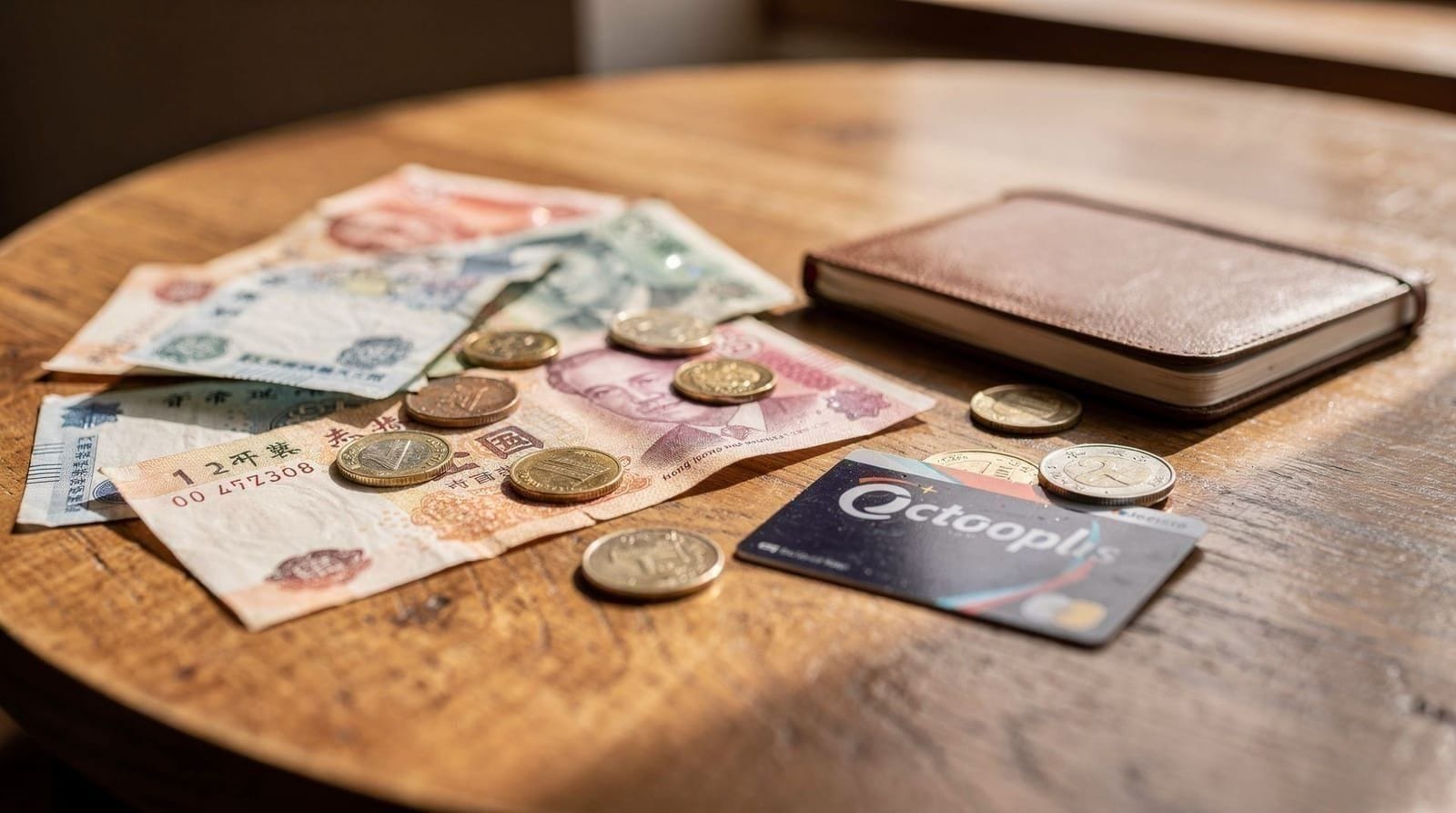
The plan only works if moving between zones feels easy. The Hong Kong MTR guide explains how the lines connect the main areas, and the Octopus card guide covers the one card that handles trains, ferries, trams and many shops. When you arrive, the airport to city guide shows how to reach your base without wasting the first afternoon. For the harbour crossing, the Star Ferry guide and the Star Ferry and trams guide explain why this short ride works as both transport and sightseeing, and the taxis guide is useful for late nights or heavy bags when the train is not the easiest option.
Build each day so that the trip between zones happens once, ideally in the middle of the day, rather than several times. A morning spent entirely on one side of the harbour and an afternoon on the other keeps transfers to a minimum and leaves energy for the evening.
Matching the plan to the season and the weather
Hong Kong’s weather changes what a good day looks like, so treat the zone plan as a template you can reshuffle. The best time to visit guide helps you pick the months that suit your priorities, while the typhoon season guide explains what to do if a storm disrupts your schedule. In hot, humid months, shift outdoor walks to the early morning and move museums, malls and long lunches into the middle of the day; the Hong Kong in summer guide has more on pacing for the heat. If rain arrives, the rainy day itinerary offers a ready-made indoor plan, so you can swap a zone without losing the whole day.
Keep one flexible zone in reserve — Mong Kok or a museum visit works well — so a cloudy Peak morning or a wet afternoon never leaves a hole in the schedule.
Pairing zones with food and rest stops
Meals are part of the structure, not an afterthought. Planning a proper lunch inside each zone stops you from crossing the harbour hungry and gives the legs a rest. The Hong Kong dim sum guide and the cha chaan teng guide cover the two meal styles most worth building a morning or a mid-afternoon break around, and the street food guide fits neatly into the evening Kowloon zones. If you want the meals to lead the day instead, the foodie itinerary turns the same zone logic into a food-first route.
Where to go next once the zones are set
Once you know how many days you have, pick the matching template and adjust. The first-timer itinerary is the natural starting point for a first visit, the Hong Kong 5-day itinerary gives longer trips room to breathe, and the best day trips from Hong Kong guide helps you choose what to add on a standalone day. Before you lock anything in, the top things to do in Hong Kong guide is a good way to check that your favourite sights fall into the zones you have chosen, and the what to skip guide will tell you which stops you can safely drop to protect your buffer time.
Frequently asked questions about Hong Kong itinerary planning — how to structure your days
What is the most efficient way to see Hong Kong?
Should I stay in Kowloon or Hong Kong Island?
How many neighbourhoods can I realistically cover per day?
When is the best time to do the Peak Tram?
Is it worth booking tours or doing everything independently?
Top experiences
Bookable activities with verified prices and instant confirmation on GetYourGuide.