Hong Kong 2-day itinerary — HK Island and Kowloon back to back
Hong Kong: Heritage highlights tour with Peak Tram and Star Ferry
Two days in Hong Kong: what to expect
Two days allows you to properly split Hong Kong into its two distinct personalities — Hong Kong Island on one side of Victoria Harbour, Kowloon on the other. These are very different urban experiences: the Island is dramatic topography, colonial-era lanes, and finance-district energy; Kowloon is denser, louder, more working-class, and (for many visitors) more compelling to wander.
This itinerary dedicates Day 1 to Hong Kong Island and Day 2 to Kowloon. You will cover the major landmarks without rushing past them, eat well at local prices, and have genuine breathing room at each stop. Total walking: roughly 10 km per day at a leisurely pace.
Budget for mid-range spending: HK$600–900 per day (USD $77–115), excluding accommodation. Pick up an Octopus card at the airport or any MTR station — it covers all transport on this itinerary.
| Day 1 | Hong Kong Island — The Peak, Central, Wan Chai, Causeway Bay |
| Day 2 | Kowloon — dim sum, Nathan Road, Mong Kok, Temple Street |
| Daily budget | HK$540–770 (USD $69–99), mid-range |
| Walking | About 10 km per day at a leisurely pace |
| Best for | First-timers, weekend visitors, couples |
| Book ahead | Peak Tram + Sky Terrace combo for Day 1 morning |
This split works well precisely because it avoids the most common first-timer mistake — see the first-timer mistakes guide — of zig-zagging across the harbour multiple times a day and losing hours to transit.
Day 1 — Hong Kong Island
08:30 — Breakfast in Central
Start at a cha chaan teng in Central. The streets around Wellington Street and Lyndhurst Terrace have several long-running local options serving Hong Kong milk tea (HK$22–28), congee (HK$35–50), and pineapple buns (HK$18–25). Sit at a shared table, order quickly, and move when done — that is the custom.
09:30 — Peak Tram and Victoria Peak
Walk up Garden Road (12 minutes) or take Bus 12 from Des Voeux Road Central (8 minutes) to the Lower Peak Tram Terminus. The tram ride takes 8 minutes and costs HK$82 one way or HK$116 return (without Sky Terrace).
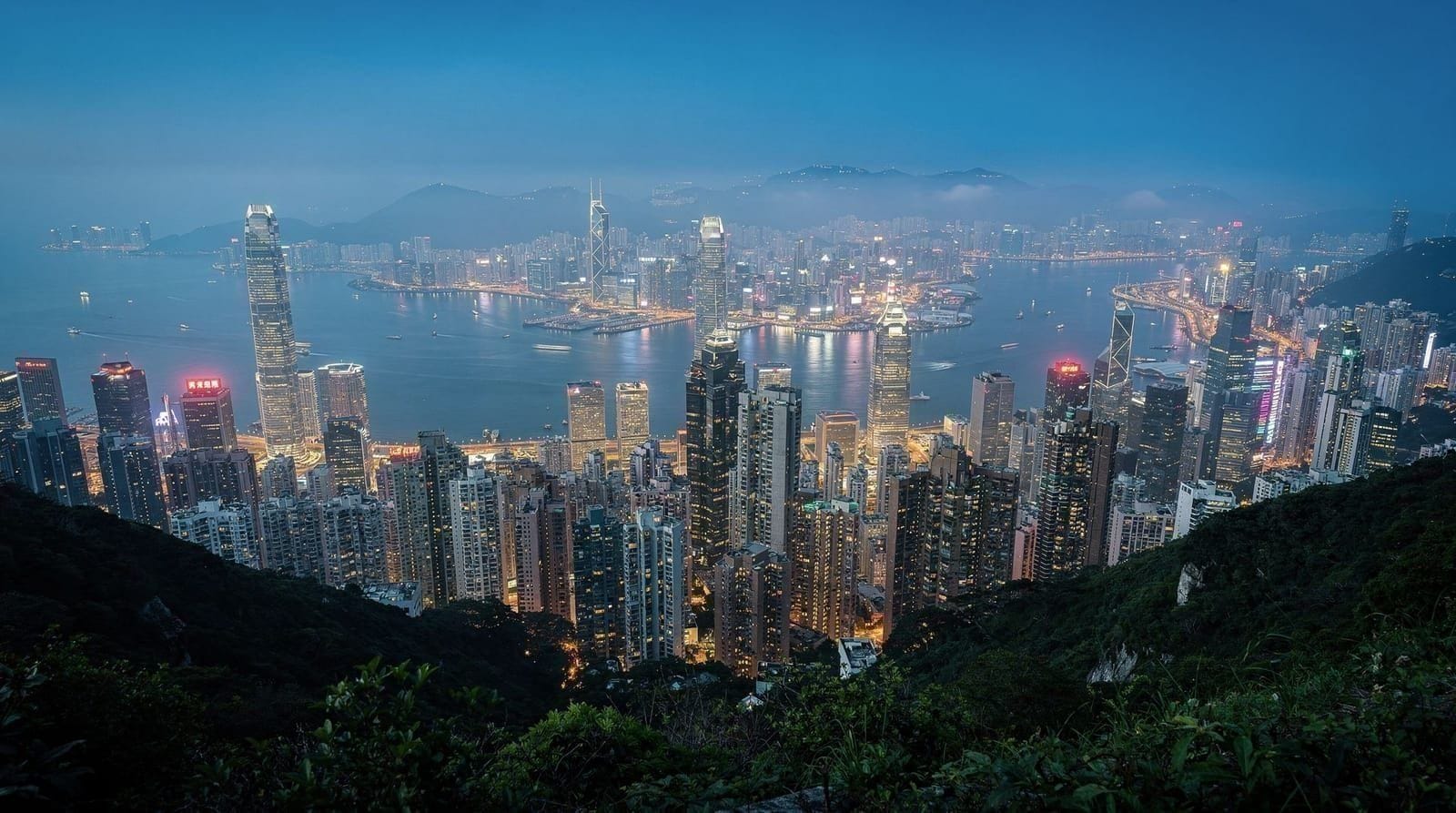
Book the Peak Tram and Sky Terrace 428 combo in advance to avoid queues that can reach 60–90 minutes on weekends and during summer.Check availabilityAt the summit, Sky Terrace 428 provides 360-degree views at 428 metres — forested hillsides dropping to skyscrapers, the harbour, and Kowloon on the far shore. Allow 30–40 minutes here. Then walk the Peak Circle Walk (3.5 km, 40–50 minutes, flat, free) for a quieter perspective through trees with filtered harbour glimpses.
You can read more about what to expect at The Peak before you go.
11:30 — Walk down to Sheung Wan
Take the tram back down (HK$82 one way) or walk via Old Peak Road (45 minutes, free, pleasant). End up in Central and Sheung Wan, which rewards slow exploration. Hollywood Road — accessible by escalator from the Central-Mid-Levels Escalator — has antique shops, art galleries, and Man Mo Temple (free entry). The escalator itself (the world’s longest covered outdoor escalator, 800 metres) is worth using as transport while watching the neighbourhood change from finance district to old residential.
13:00 — Lunch in Sheung Wan or Sai Ying Pun
The area west of Central (Sheung Wan and Sai Ying Pun) has excellent affordable restaurants. Noodle shops on Des Voeux Road West, wonton noodle counters near Sheung Wan MTR, and congee specialists on Jervois Street all serve lunch for HK$50–90. If you want something more substantial, the restaurants around the Western Market on Morrison Street do Cantonese lunch sets for HK$80–130.
14:30 — Wan Chai exploration
Take the MTR from Sheung Wan to Wan Chai (Island Line, 8 minutes, HK$6.3). Wan Chai is one of the most layered neighbourhoods in Hong Kong — the area around Queen’s Road East and Johnston Road still has traditional shops (herbal medicine, dried seafood, hardware) alongside modern restaurants and the Blue House heritage cluster. The Blue House itself (a cluster of 1920s tenement buildings painted yellow and blue) is on Stone Nullah Lane and is free to walk past.
Wan Chai also has the Hong Kong Convention and Exhibition Centre on the waterfront — the viewing terrace gives good harbour views without any entry fee.
16:00 — Causeway Bay
Walk or take the MTR one stop east to Causeway Bay (Island Line, HK$4.3). Causeway Bay is Hong Kong’s densest shopping district — Times Square, the Excelsior Hotel area, and the streets around Jardine’s Crescent offer everything from luxury brands to street-level fashion. If shopping is not your priority, the Noon Day Gun (free, on the waterfront near the Excelsior) is worth a look — it fires daily at 12:00 and has done so since 1860. Victoria Park, a few minutes’ walk north, is a calm counterpoint to the commercial intensity.
18:00 — Return to Central for the Star Ferry
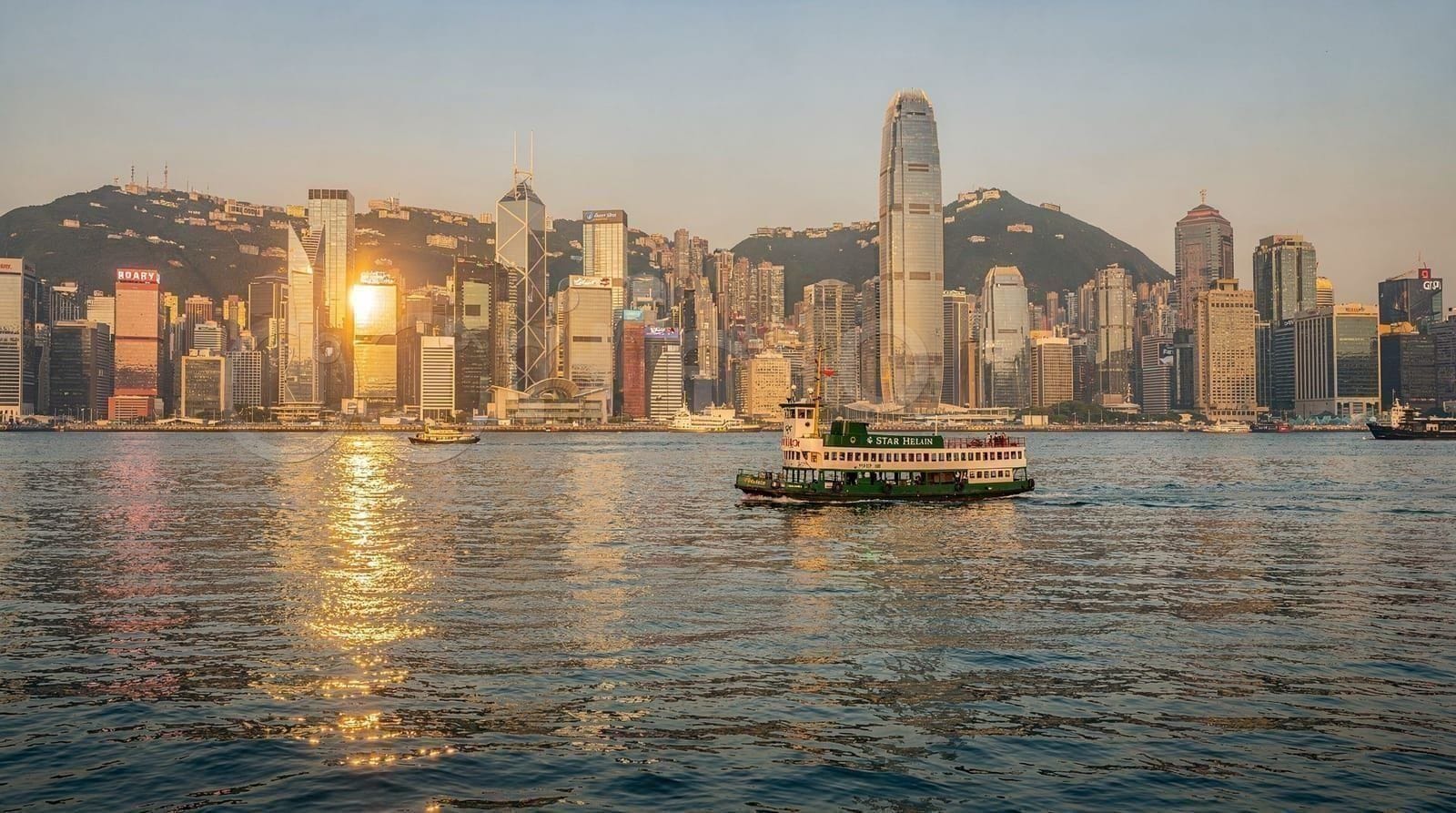
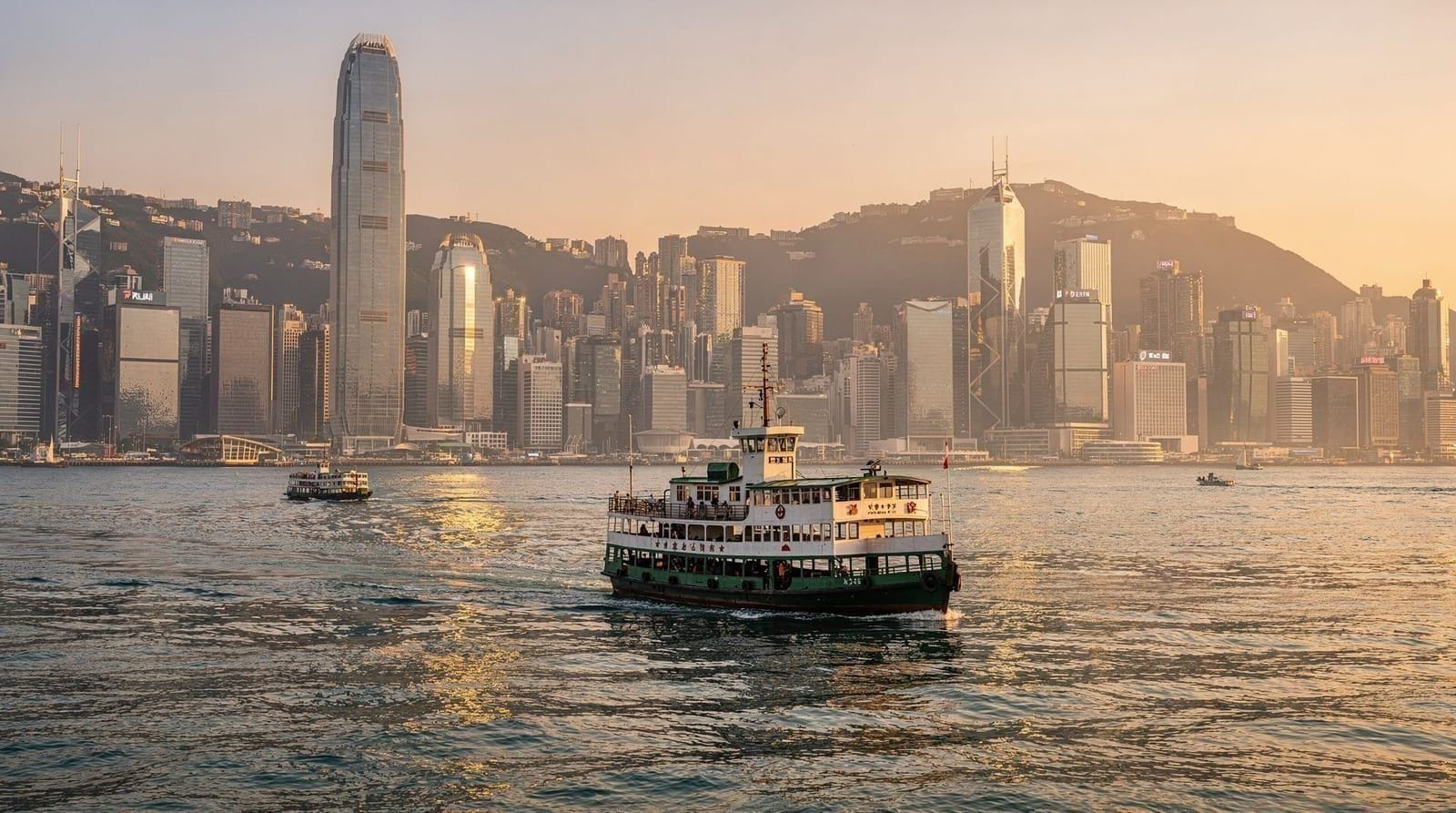
Take the MTR from Causeway Bay back towards Central (15 minutes, HK$10.7) and walk to the Central Ferry Piers on Man Kwong Street. The Star Ferry to Tsim Sha Tsui departs every 6–12 minutes, costs HK$5.00 on weekdays (upper deck; HK$6.50 at weekends and on public holidays), and takes 8 minutes.
For the crossing at golden hour, book a 45-minute sunset harbour cruise that includes the full circuit of the harbour — a more immersive alternative to the regular ferry.Check availability19:30 — Dinner in Tsim Sha Tsui or Jordan
After crossing, explore Tsim Sha Tsui for dinner. Knutsford Terrace (off Kimberley Road) has a concentrated strip of restaurants including good Cantonese options. For cheaper and more local, take the MTR one stop north to Jordan (Tsuen Wan Line) and explore Temple Street’s dai pai dong stalls — street food dinner at HK$100–180 per person. The night market is at its most animated from 19:00–21:00.
21:00 — Symphony of Lights
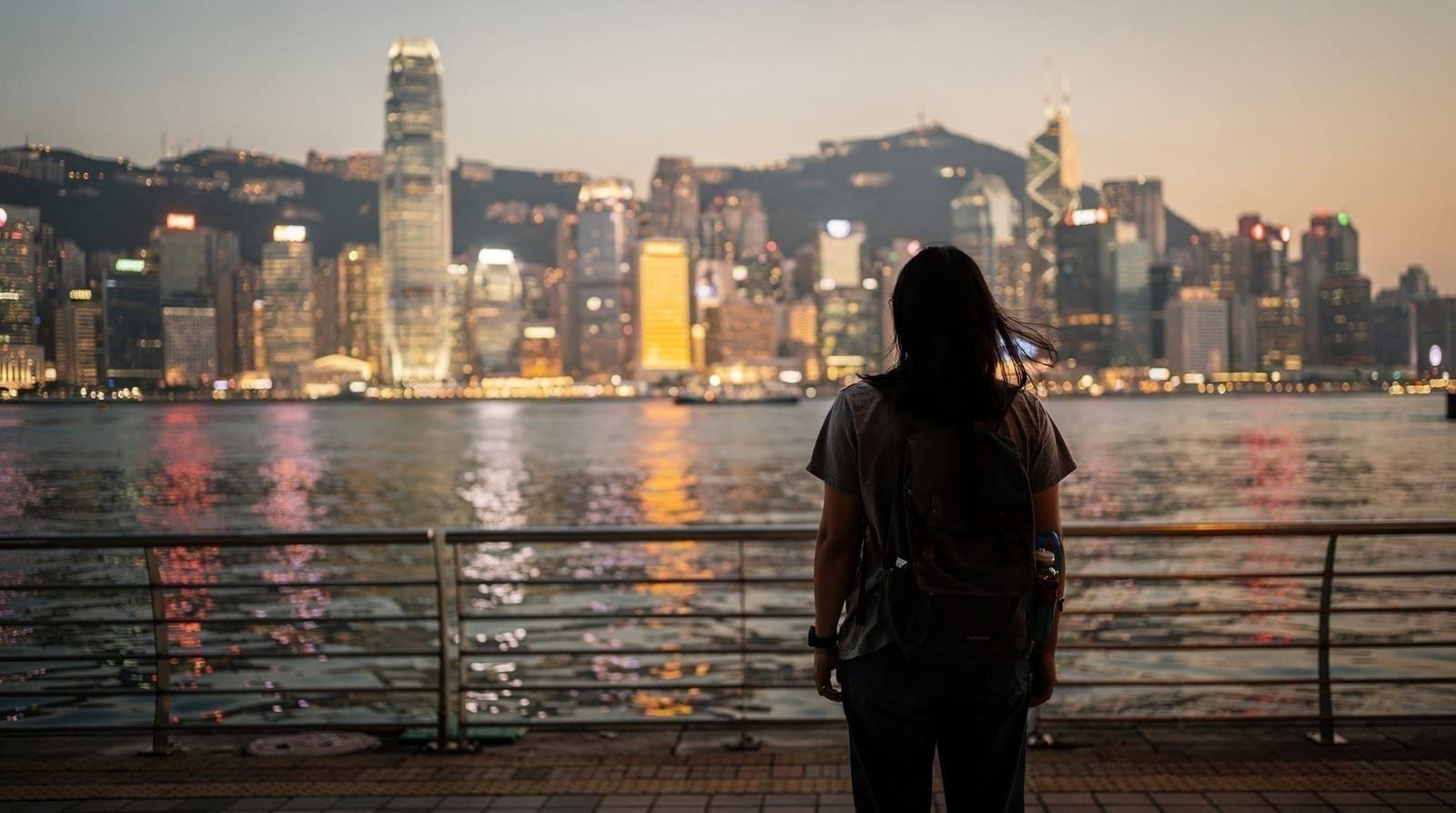
If you want to end the day with the Symphony of Lights (20:00 nightly, free from the promenade), head back to the Tsim Sha Tsui waterfront before the show or stay for the 20:00 time slot after an early dinner in the area.
Day 2 — Kowloon
09:00 — Dim sum breakfast
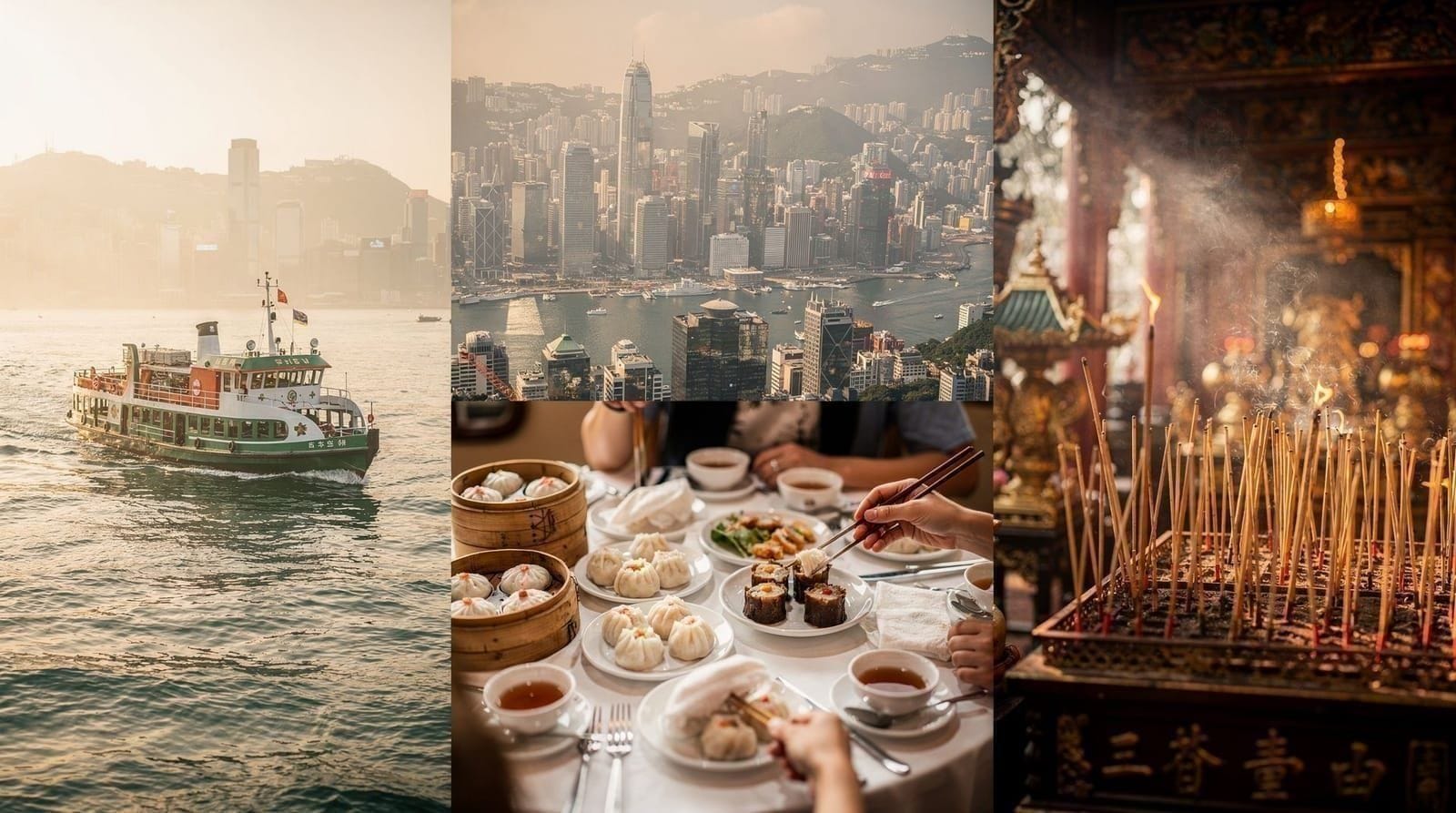
Start Day 2 with dim sum. The area around Jordan and Yau Ma Tei has several traditional dim sum houses that open at 07:00–09:00 and serve the full trolley service until midday. Expect to pay HK$80–130 per person for a proper dim sum meal. Read our Hong Kong dim sum guide for ordering tips and what to order.
10:30 — Nathan Road and Tsim Sha Tsui museums
Walk Nathan Road north from Jordan. The street is Kowloon’s main artery — less interesting than its reputation suggests in its central stretch, but worth walking once. The side streets (Knutsford Terrace, Carnarvon Road, Ashley Road) are better for wandering.
Near the Tsim Sha Tsui clock tower and the Cultural Centre complex, the Hong Kong Museum of History is one of the better free (or low-cost) museums in the city — an 8-floor permanent exhibition on Hong Kong’s history from prehistoric times to 1997. Admission is free. Allow 1.5–2 hours if history interests you; 45 minutes if you want a brief overview.
12:30 — Lunch in Tsim Sha Tsui or Yau Ma Tei
The blocks around Temple Street and Public Square Street in Yau Ma Tei (MTR from Tsim Sha Tsui, 5 minutes, HK$5.6) have excellent lunch options: congee shops, wonton noodle counters, and Cantonese BBQ restaurants where roast pork and char siu over rice is a standard order (HK$55–75). Alternatively, stay in Tsim Sha Tsui for the Kimberley Road restaurant strip or a sit-down Cantonese set lunch (HK$80–130).
14:00 — Mong Kok
Take the MTR to Mong Kok (Tsuen Wan Line, 10 minutes from Tsim Sha Tsui, HK$7.5). Mong Kok is possibly the densest urban area on earth by population and is Hong Kong’s most full-throttle neighbourhood for street-level commerce. The main draws:
Ladies’ Market (Tung Choi Street): Active from around 12:00, peak from 14:00–20:00. Clothing, bags, watches, and accessories at negotiable prices. Expect to pay 40–60% of the opening ask.
Flower Market (Flower Market Road): A proper working wholesale flower market that also sells to retail customers. More interesting as an experience than a shopping destination.
Bird Garden (Yuen Po Street Bird Garden): A covered market selling songbirds, cages, and live crickets as bird food. One of the most authentically local scenes in Kowloon.
Goldfish Market (Tung Choi Street North): An entire street of aquarium shops selling exotic fish and tanks.
Budget 2 hours for Mong Kok at a relaxed pace, or 1 hour if you move quickly.
16:00 — Wong Tai Sin Temple (optional extension)
If temples and local ritual interest you, take the MTR from Mong Kok to Wong Tai Sin (Kwun Tong Line, 15 minutes, HK$9.3). Wong Tai Sin Temple is one of Hong Kong’s most active places of worship, with a fortune-telling courtyard that operates with genuine commercial intent. Entry is free. Read the full Wong Tai Sin Temple guide for what to expect from the fortune stick ritual and the surrounding complex.
If you skip this, rest in the hotel or return to Tsim Sha Tsui to browse the waterfront in the late afternoon.
18:30 — Dinner and evening
For Day 2’s dinner, try something different from Day 1. If you ate street food the previous night, consider a sit-down Cantonese restaurant in Tsim Sha Tsui for roast goose, steamed fish, or claypot rice. Many mid-range Cantonese restaurants offer set dinners for HK$180–280 per person with enough variety to sample several dishes.
Alternatively, Sham Shui Po (two MTR stops west of Mong Kok) is one of Hong Kong’s most affordable and undervisited neighbourhoods — good for a final evening meal among local residents rather than tourists.
Where to eat if you want to go deeper
This itinerary sticks to itinerary-friendly stops, but Hong Kong’s food scene rewards a detour. If dim sum on Day 2 leaves you wanting more, the Hong Kong dim sum guide covers ordering etiquette and the difference between a trolley house and an à la carte menu. For street food beyond Temple Street, the best street food guide and the cha chaan teng guide both cover ground this itinerary only touches. Sham Shui Po, mentioned as an optional Day 2 dinner option, has its own dedicated area guide if you want to build a whole evening around it instead of a single meal.
Adapting this itinerary to your priorities
Not everyone wants the same split of Island and Kowloon. A few common adjustments:
If you care more about hiking than shopping, swap the Causeway Bay block on Day 1 for the Dragon’s Back hike — it starts from Shau Kei Wan (20 minutes from Central by MTR/tram) and takes about 2.5–3.5 hours round trip, finishing near Big Wave Bay’s beach cafes.
If temples matter more than markets, extend the Wong Tai Sin stop on Day 2 and skip the Goldfish Market and Flower Market in Mong Kok — 30 minutes saved there is enough to properly explore the temple’s fortune-telling arcade.
If you are travelling with kids, this pace is generally manageable, but check the family itinerary for a version with more downtime built in and fewer late-evening blocks.
What this itinerary leaves out
Two days cannot fit everything, and it is worth knowing what you are trading off. You will not reach Lantau Island, the Big Buddha, or any outlying island — those need a dedicated half or full day, covered in the 3-day itinerary. You will also skip Sai Kung’s country parks and beaches, and any day trip to Macau or Shenzhen. None of this is a flaw in a 2-day plan — it is simply the ceiling of what two days can honestly cover without turning every stop into a rushed photo.
Practical information
Daily budget (mid-range):
- Transport (MTR + Star Ferry): HK$60–90 per day (USD $8–12)
- Meals (3 per day): HK$250–400 per day (USD $32–51)
- Attractions (Peak Tram + Sky Terrace): HK$182 (USD $23, Day 1 only)
- Incidentals: HK$50–100 per day
- Total per day: approximately HK$540–770 (USD $69–99)
MTR basics: The MTR is clean, air-conditioned, and reliable. All journeys on this itinerary cost between HK$4.3 and HK$14.
Where to stay: Where to stay in Hong Kong covers the main options. Tsim Sha Tsui puts you in Kowloon for Day 2 without needing to commute in; Central or Wan Chai makes Day 1 very convenient.
Frequently asked questions about this 2-day Hong Kong itinerary
Is two days enough for Hong Kong?
Two days is enough to see the essential highlights of Hong Kong Island and Kowloon — the Peak, Central, Wan Chai, Causeway Bay, TST, and Mong Kok. You will not have time for the New Territories, the outlying islands, or a Macau day trip. For those, see the 3-day or 4-day itineraries.
Which day should I do first — the Island or Kowloon?
Either order works. Doing Hong Kong Island first (as in this itinerary) allows you to take the Peak Tram with good morning visibility and then cross to Kowloon on Day 2 for a different pace. If your accommodation is in Kowloon and you land late on Day 0, starting with Kowloon on Day 1 avoids the commute to the Island on your first morning.
Should I stay in Kowloon or on Hong Kong Island?
Kowloon (particularly Tsim Sha Tsui) is generally better value for accommodation and is more central for Day 2’s itinerary. Hong Kong Island (Central, Wan Chai) is slightly more expensive but saves commute time on Day 1. The Star Ferry crossing takes 8 minutes either way, so the distance penalty is minimal.
Do I need to book restaurants in advance?
For the restaurants mentioned in this itinerary — cha chaan teng, dim sum houses, street food stalls, and mid-range Cantonese restaurants — booking is not needed. Turn up, join any queue, and sit at the next available spot. High-end Cantonese restaurants and Michelin-starred venues are a different matter, but none feature in this mid-range itinerary.
How tiring is this 2-day itinerary?
Moderate. Both days involve around 10 km of walking in warm, humid conditions (especially in summer). Wear comfortable shoes, carry water, and use the MTR for any section where you are tired rather than walking. Hong Kong’s air-conditioned MTR stations and shopping malls provide relief on hot days.
What should I wear in Hong Kong?
Light, breathable clothing year-round in summer (May–September), when temperatures average 30–33°C with high humidity. A light layer is useful for air-conditioned interiors, which are aggressively cold by Hong Kong convention. For spring (March–May) and autumn (October–November), layers work well as mornings can be cool. The Peak and outdoor hilltop areas are always a few degrees cooler than street level.
Can I add a Macau day trip to this 2-day itinerary?
Technically yes, but it would require choosing a different day structure — Macau is a full-day commitment (ferry, exploration, return). For a Macau day trip as part of a Hong Kong visit, the 4-day itinerary builds it in properly.
Top experiences
Bookable activities with verified prices and instant confirmation on GetYourGuide.