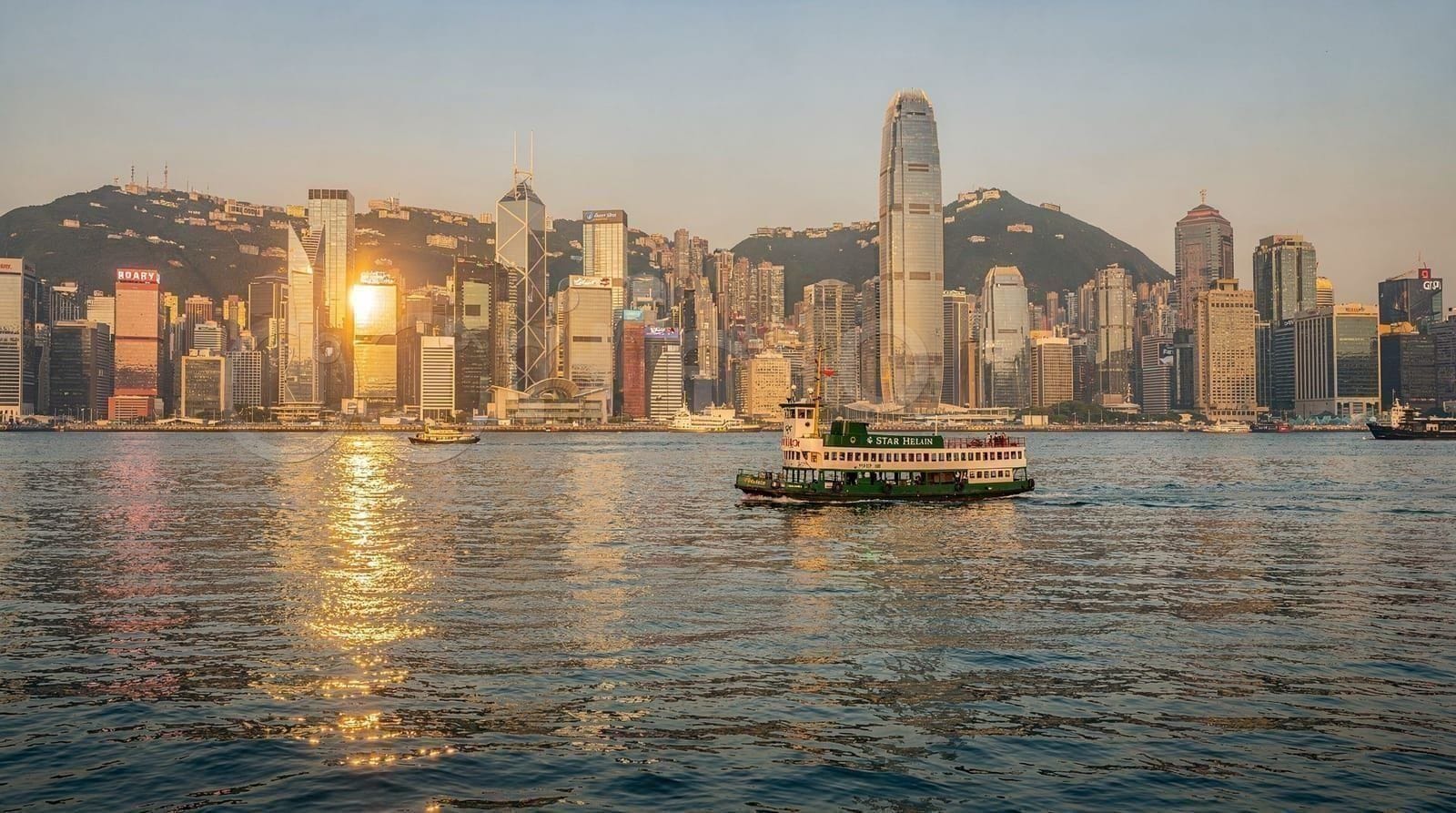
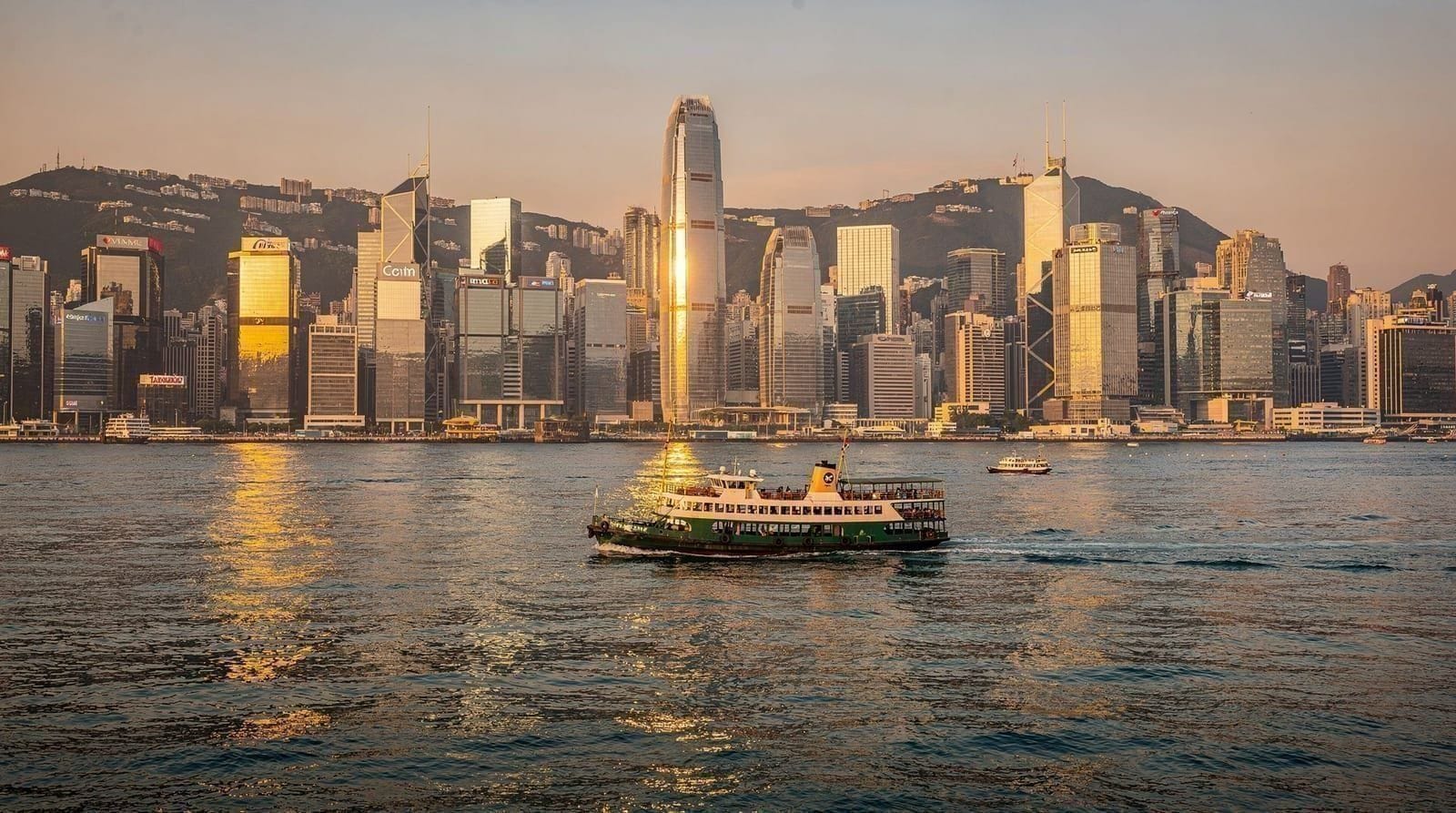
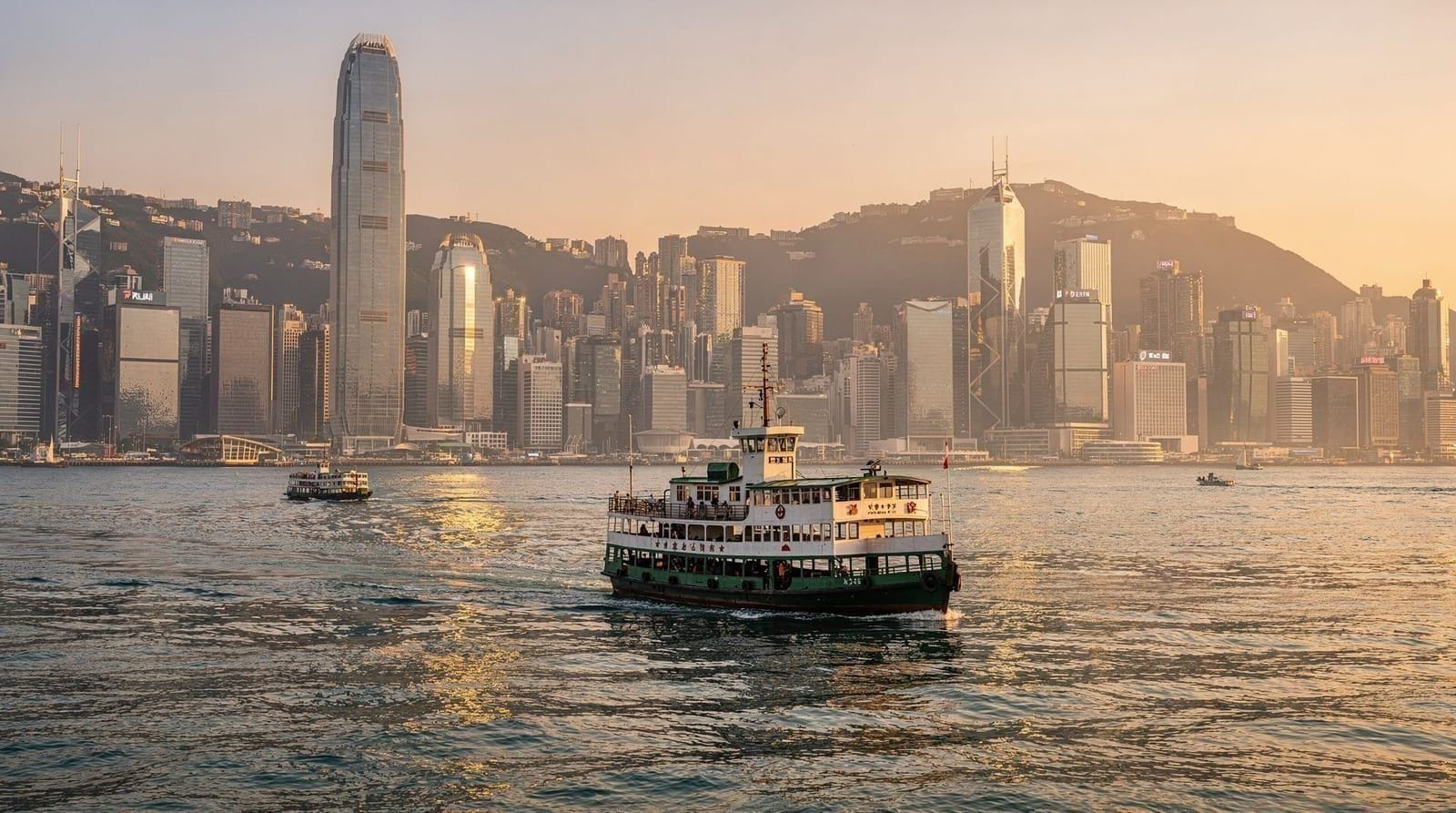
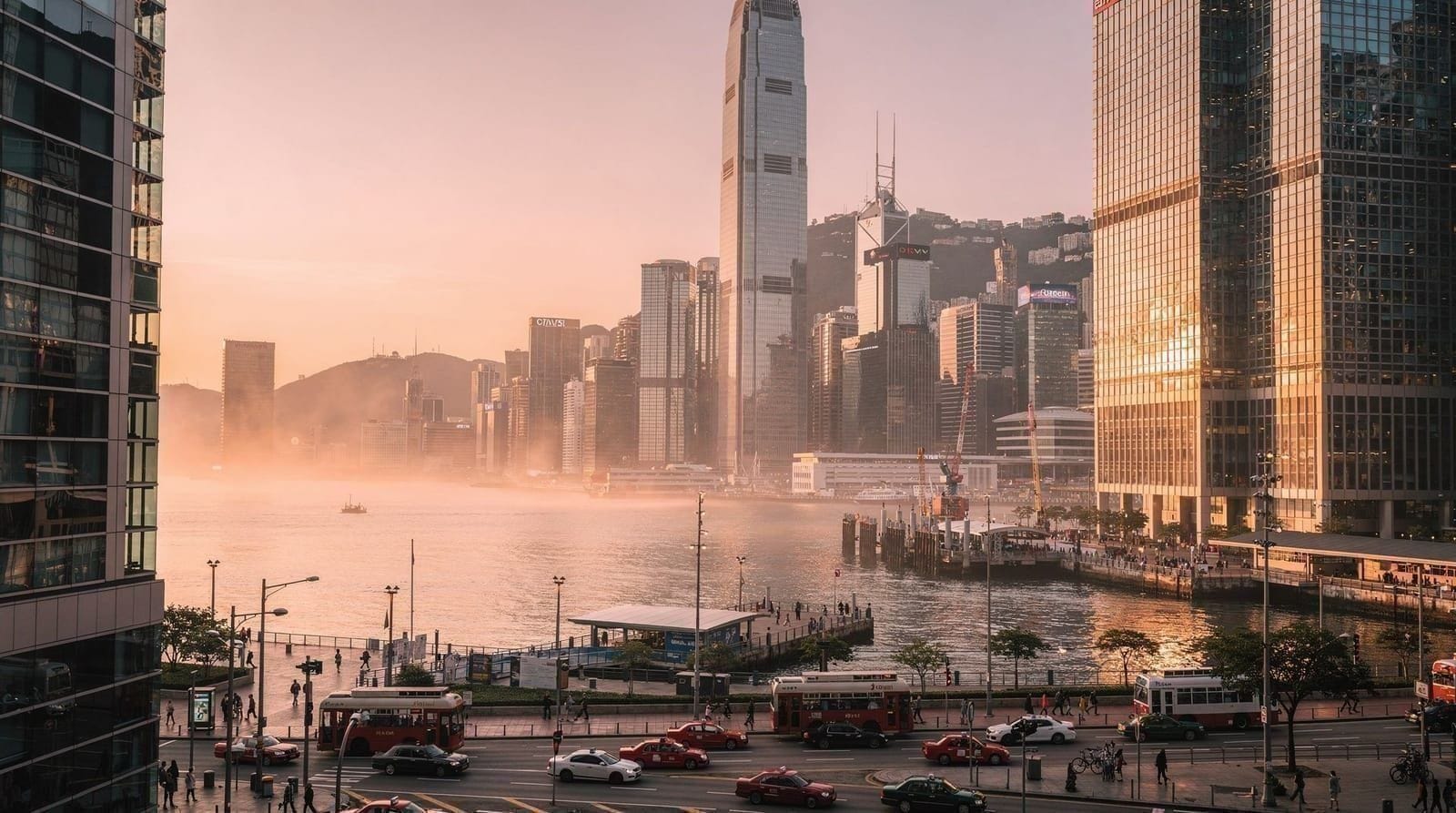
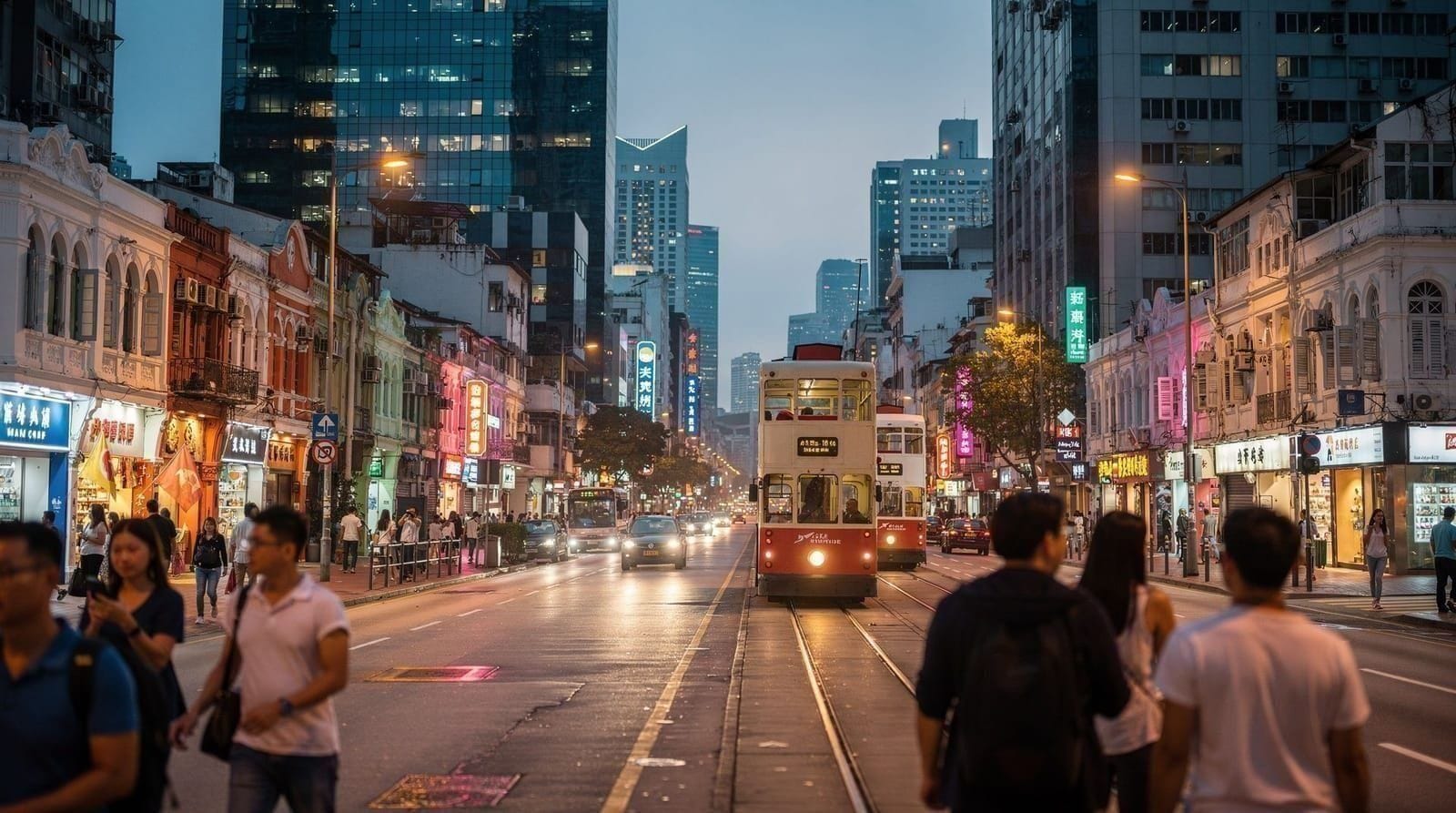
Hong Kong rainy day itinerary
Hong Kong: sky100 observation deck entry ticket only
What to do in Hong Kong when it rains
Rain in Hong Kong is not a trip-ruiner — it is a cue to use a different city. The MTR network runs entirely underground, IFC Mall connects to Central Station without stepping outside, and a network of elevated covered walkways links major buildings across Central and Sheung Wan. With a bit of planning you can spend a full, genuinely interesting day moving between world-class museums, a colonial heritage site, proper dim sum, and a view from the ICC tower — almost entirely without an umbrella.
This itinerary is built around what is actually worth doing indoors in Hong Kong, not simply what keeps you dry. The M+ Museum in West Kowloon is one of the most significant contemporary art and design museums to open in Asia in a generation. Tai Kwun, the converted former police headquarters and prison in Central, is a beautifully executed heritage space that most visitors skip. The sky100 observation deck on the 100th floor of ICC offers Hong Kong’s best interior view, but it has been closed for renovation since 17 May 2025, with no reopening date announced (see sky100.com.hk/en/renovation-notice) — check before you plan around it. A rainy day is a reasonable excuse to visit M+ and Tai Kwun in a single stretch.
Budget for the day: HK$400–600 (USD $51–77) including transport, entry fees, and meals.
| Where | West Kowloon, Central, Sheung Wan, ICC Tower |
| Cost | Around HK$400–600/person including entry fees and meals |
| Time needed | 1 full day, 09:00–21:00 |
| Getting there | MTR + covered footbridges throughout, minimal outdoor exposure |
| Best time | Any rainy day; avoid Mondays (M+ is closed) |
The day at a glance
| Time | Stop | Indoor/covered |
|---|---|---|
| 09:00 | M+ Museum | Fully indoor |
| 13:00 | Dim sum lunch | Indoor |
| 14:30 | Tai Kwun heritage site | Mostly covered |
| 18:00 | sky100 Observatory (currently closed for renovation) | Fully indoor |
| 19:30 | Dinner in Kowloon | Indoor |
Morning: West Kowloon museums
09:00 — M+ Museum, West Kowloon
Take the MTR to Exhibition Centre Station (East Rail Line) or Kowloon Station (Tung Chung Line). M+ is a 5-minute walk from either, entirely under cover via the West Kowloon Cultural District walkways once you exit Kowloon Station. From Hong Kong Island, take the West Rail Line one stop from Nam Cheong — or use the Tung Chung Line from Hong Kong Station to Kowloon Station (7 minutes).
M+ opened in 2021 and is the largest museum of visual culture in Asia — 33 galleries across 65,000 square metres of permanent and temporary exhibitions. The permanent collection covers design, architecture, moving image, and visual art from 1900 to the present, with a particular depth in work from Hong Kong, mainland China, and East Asia more broadly. The Sigg Collection of Chinese contemporary art alone justifies the visit.
Admission: see current prices on the official M+ website. Allow at least 2.5 hours to see the permanent collection without rushing. The museum café on the ground floor is a reasonable coffee stop at 11:00 if you need a break.
Practical note: lockers are available inside the entrance (HK$5 coin deposit, returned on exit). Store your umbrella and bag before heading into the galleries.
11:30 — Hong Kong Palace Museum (optional extension)
If the M+ leaves you wanting more, the Hong Kong Palace Museum is a 10-minute walk north along the West Kowloon waterfront promenade — which has a covered section, though you will get briefly damp between buildings during heavy rain. The museum holds artefacts on loan from the Palace Museum in Beijing and presents the history and material culture of the Chinese imperial court with clear, well-translated English interpretation.
Admission: HK$70 for galleries 1–7; some special exhibitions require a separate ticket (HK$30–50 extra). Allow 1.5 hours. If you visited M+ thoroughly, skip the Palace Museum and head to lunch instead — the two museums together are a full day in themselves.
Afternoon: Central, Tai Kwun, and covered footbridges
13:00 — Dim sum lunch in Sheung Wan or Central
Take the MTR from Kowloon Station back to Hong Kong Station (Tung Chung Line, 7 minutes) or from Exhibition Centre to Admiralty and change to the Island Line for Central (15 minutes total). Both deposit you underground and connect directly to IFC Mall via interior concourse.
Lunch options near Central Station:
- Lin Heung Tea House (160 Wellington Street, Sheung Wan): Old-school dim sum with trolley service, one of the last in the city. Arrive before 13:30 or expect a short wait. Budget HK$80–120 per person. Cash preferred.
- City Hall Maxim’s Palace (Edinburgh Place, Central): Large banquet-format dim sum in a classic 1980s Hong Kong setting. Tick-the-form ordering. Budget HK$100–150 per person.
- Tim Ho Wan (branches in Sham Shui Po and elsewhere): Michelin-listed, fast, reliable, and HK$60–90 per person. Best value option if you want to move quickly.
14:30 — Tai Kwun Heritage Site
Tai Kwun (literally “big station” in Cantonese) is the former Central Police Station compound — 16 declared monuments including the colonial-era police headquarters, magistracy, and Victoria Prison — converted into a cultural precinct and opened in 2018. It sits on Arbuthnot Road in Central, a 10-minute walk uphill from the MTR, mostly along sheltered footpaths and covered escalators via the Central–Mid-Levels system.
From IFC Mall, take the covered elevated walkways towards Jardine House and the IFC footbridge network — you can reach the Central Escalator entrance near Des Voeux Road without going outside. The covered Mid-Levels Escalator (the world’s longest outdoor covered escalator system) runs uphill from 10:30, which is relevant if the weather is very heavy.
Entry to the Tai Kwun compound is free. Temporary exhibitions in the JC Contemporary and JC Cube galleries carry their own admission, typically HK$120–160 depending on the show. The prison exercise yard, cell blocks, and former parade ground are open to walk through at no charge and are covered in many sections.
A guided tour of Tai Kwun covers the colonial police history, specific cells, and the architectural restoration decisions — background that makes the space significantly more legible than wandering it alone. Recommended if you are interested in Hong Kong’s colonial and legal history.Check availabilityThe courtyard restaurants and cafes at Tai Kwun are covered and serve decent food and coffee — a reasonable place for a mid-afternoon break. Budget HK$45–70 for a drink and snack.
16:30 — IFC Mall and covered footbridge network
When you descend back to Central, note that the entire area between Hong Kong Station (IFC), Exchange Square, the General Post Office, and the ferry piers is linked by a network of elevated covered footbridges. You can walk from IFC Mall to Central Market, to Sheung Wan, and towards Wan Chai along the elevated walkway system — several hundred metres without touching the pavement.
IFC Mall (Levels 1–4, Hong Kong Station) is more useful as a comfortable shelter and a place to charge devices than as a shopping destination, though the ground floor supermarket (Citysuper, Level 3) is genuinely excellent for browsing local snack foods, packaged goods, and local specialties to take home. Budget HK$50–100 if you browse.
Evening: sky100 and dinner
18:00 — sky100 Observatory, ICC Tower
Take the MTR from Hong Kong Station (Tung Chung Line) to Kowloon Station (7 minutes). ICC Tower (International Commerce Centre) is directly above the MTR exit — you enter the building without going outside. Note: sky100 has been closed for renovation since 17 May 2025, with no reopening date announced, so this stop is not currently possible; use the evening for dinner or a rooftop bar instead. When open, the sky100 observation deck occupies the entire 100th floor at 393 metres, one floor above an OZONE bar (one of the world’s highest bars, and one of the pricier ones).
On a rainy day, the glass-encased indoor deck is particularly relevant — there is no outdoor viewing platform to avoid. The 360-degree view from inside takes in the West Kowloon reclamation, Victoria Harbour, Hong Kong Island, the New Territories, and on clear evenings the distant mountains of Guangdong.
Admission and opening hours: no current figures, as the deck is closed — check sky100.com.hk before planning.
Book the sky100 entry ticket in advance to guarantee your slot and avoid the ticket queue. The same view costs the same price regardless — booking online just removes one variable from a busy evening.Check availabilityIf you would like to combine the visit with food at altitude, the Sky100 Café operates within the deck and serves set meals and drinks — a convenient option for keeping the evening simple on a wet day.
19:30 — Dinner in Tsim Sha Tsui or West Kowloon
After sky100, you are already in Kowloon with the MTR immediately at hand. Options for dinner:
- Tsim Sha Tsui: From Kowloon Station, take the Tung Chung Line one stop east to Tsim Sha Tsui (or walk 15 minutes underground along the covered concourse). The streets around Knutsford Terrace and Carnarvon Road have a good mix of local restaurants. Set dinner at a Cantonese restaurant: HK$150–250.
- Jordan dai pai dong: Take the MTR north to Jordan Station (two stops from Tsim Sha Tsui on the Tsuen Wan Line). The streets near the station have open-fronted restaurants with retractable awnings — covered from rain and good for hot pot, seafood, or roasted meats. Budget HK$120–200 per person.
- West Kowloon: The Elements Mall connected to ICC/Kowloon Station has a full floor of restaurants from fast-casual to sit-down — completely indoor, no weather to contend with, and a reasonable fallback if you want simplicity after a long museum day. Budget HK$100–180.
The covered footbridge network explained
This is worth understanding before you go. Central and Sheung Wan have an elevated pedestrian walkway system that connects:
- Hong Kong Station (IFC) → Exchange Square → Jardine House → Connaught Place
- Exchange Square → Central Ferry Piers (covered via the terminal building)
- Central Market → Sheung Wan direction along Jubilee Street
- The Central–Mid-Levels Escalator, covered for its entire length, running from Des Voeux Road Central up to Conduit Road (800 metres, 135 metres elevation gain)
For Wan Chai, the covered connection from the MTR is straightforward from Wan Chai Station via the Harbour Centre walkway. The Star Ferry terminal in Wan Chai also has covered waiting areas.
None of this eliminates rain entirely — some sections have gaps, and wind can push rain horizontally under canopies — but moving with this network in mind keeps you sheltered for most of any journey through the Central business district.
Practical information
Getting around: Use the MTR for all cross-harbour and longer journeys. Pick up an Octopus card if you do not already have one — it handles every transit in this itinerary including the MTR and any bus. Load HK$150 for the day.
Day budget (mid-range):
- M+ Museum: see the official M+ website for current prices
- Tai Kwun exhibitions (optional): HK$120 (USD $15)
- MTR (day total): approx HK$40–60 (USD $5–8)
- Dim sum lunch: HK$80–150 (USD $10–19)
- Afternoon coffee at Tai Kwun: HK$50 (USD $6)
- Dinner: HK$120–250 (USD $15–32)
- Total: approximately HK$410–630 (USD $53–81), excluding M+ admission
Budget version (free Tai Kwun compound only, no optional extras): from about HK$240 (USD $31), excluding M+ admission.
Best time for M+: Tuesday to Friday mornings are quietest. M+ is closed on Mondays; it is open Tuesday to Thursday, Saturday and Sunday 10:00–18:00 and Friday 10:00–22:00, with last entry 30 minutes before closing.
What to wear: Light rain gear or a compact umbrella is useful for the short exposed segments between covered areas. Comfortable shoes — even a rain day in Hong Kong involves 5–7 km of walking.
For a broader view of how to spend time in Hong Kong, see our first-time Hong Kong guide and the top things to do in Hong Kong. For a full breakdown of what Hong Kong costs per day, the Hong Kong budget breakdown is a useful reference. If you are still deciding when to travel, the best time to visit Hong Kong covers the rainy season in detail. If the weather clears, the 1-day Hong Kong itinerary picks up the outdoor highlights.
More indoor alternatives if you have a second rainy day
Hong Kong has enough indoor options to cover a second consecutive wet day without repeating anything above. The Hong Kong Science Museum in Tsim Sha Tsui East is genuinely engaging for families, with hands-on exhibits that run 3–4 hours. The Hong Kong History Museum, next door, covers the territory’s development from prehistory through the handover with well-produced dioramas.
Shopping malls double as weather shelters with real substance: the best shopping in Hong Kong guide and the Hong Kong malls guide both cover which centres are worth a few hours beyond simply staying dry. For a slower, less museum-heavy alternative, Hong Kong rooftop bars are mostly indoor-adjacent with covered terraces and make a reasonable substitute for the sky100 evening if you would rather have a drink with a view than pay observation-deck admission.
Adjusting this itinerary around a typhoon signal
A No. 3 rainstorm signal does not meaningfully change this itinerary — everything above already routes around exposed walking. A No. 8 typhoon signal is different: most shops, museums, and restaurants close, and the MTR itself may suspend or reduce service. If a No. 8 is hoisted or forecast, do not attempt this itinerary — stay at your hotel, since even covered walkways are not designed for typhoon-force wind and businesses along this route will likely be shuttered. Check the Hong Kong Observatory’s signal status each morning; signals are lowered as conditions improve, sometimes within a few hours, so a delayed start to this itinerary is often possible on the same day.
Frequently asked questions about this rainy day Hong Kong itinerary
Is M+ Museum worth visiting even if you are not usually interested in contemporary art?
Yes, with a caveat. The permanent collection at M+ covers design objects, architecture models, film, and material culture alongside fine art — it is not a gallery full of abstract paintings. The Hong Kong-specific sections (how the city’s built environment developed, design culture, the Sigg Collection documenting Chinese contemporary art from the 1970s onwards) are genuinely absorbing regardless of prior interest in art. Allow at least two hours and follow what catches your attention rather than trying to see everything.
Can I visit M+ and the Hong Kong Palace Museum in the same day?
Technically yes, but only one of them well. Together they represent about five hours of engaged visiting. This itinerary pairs M+ in the morning with Tai Kwun in the afternoon — a more manageable combination. If the Palace Museum is a priority, consider visiting it first (it opens at 10:00) and then doing Tai Kwun, leaving M+ for a separate visit.
How bad does Hong Kong rain actually get?
Rainstorms in Hong Kong are categorised by the Observatory and announced on TV, radio, and a public alert system. A No. 3 (Yellow) rainstorm signal means moderate rain — continue normally with an umbrella. A No. 8 signal means tropical cyclone conditions and most businesses close; stay inside if one is hoisted. Ordinary rainfall, even heavy, does not warrant changing plans significantly if you use covered connections. Check the Hong Kong Observatory app or website in the morning.
Is Tai Kwun suitable for children?
Yes. The former prison cells and parade ground are genuinely engaging for older children and teenagers, particularly with some context about Hong Kong’s colonial history. The compound has open spaces to run in (covered in parts), and several of the cafes serve snacks. Younger children may find the exhibitions less interesting — the outdoor exploration of the prison buildings usually holds attention better.
Where is the best place to eat dim sum near Central?
Lin Heung Tea House in Sheung Wan (160 Wellington Street) is one of the last places in Hong Kong still serving dim sum from traditional trolleys. It is genuinely old-school and slightly chaotic in the best way. For something calmer and more modern, City Hall Maxim’s Palace on Edinburgh Place is a classic banquet-format dim sum restaurant. Both are a 10-minute walk from Hong Kong Station. See our dim sum guide for a full breakdown of what to order.
Is the sky100 observation deck worth it on a cloudy day?
Note that sky100 has been closed for renovation since 17 May 2025, with no reopening date announced. Once it reopens, it depends on the cloud layer. Low cloud can sit at 200–300 metres and completely obscure the view from 393 metres — check the forecast before booking if visibility matters to you. The observation deck website sometimes posts current visibility conditions. On a rainy day with cloud above 400 metres you will have a clear view; if there is low fog, the deck becomes an expensive room with grey windows. The ICC lobby itself is worth seeing regardless — the atrium is architecturally striking.
How do I get from the airport to M+ Museum directly?
Take the Airport Express from HKG to Hong Kong Station (24 minutes, HK$120 with Octopus), then change to the Tung Chung Line (same platforms) towards Tung Chung and exit at Kowloon Station (7 minutes). M+ is a 5-minute walk from Exit C. Total transit time: approximately 45 minutes. See our full airport transfer guide for all options. Store luggage at the airport’s left luggage counters (HK$70–100 per bag per day) before heading into the city.
What if it stops raining halfway through the day?
Nothing about this itinerary needs to change — every stop is worth visiting regardless of weather, and none of it becomes worse in sunshine. If you would rather pivot outdoors once the rain clears, the natural swap is to take the Star Ferry across the harbour at dusk instead of an evening indoors, which costs HK$4.0–6.5 each way depending on deck and day and gives you fresh air after a day of museums and malls. Tai Kwun and M+ remain worth the visit either way.
Is this itinerary suitable during typhoon season specifically?
Yes, with the caveat above about No. 8 signals. June through September carries the highest typhoon risk in Hong Kong, and this itinerary is specifically designed to absorb ordinary rainstorm conditions (Signals 1 and 3) without disruption. If you are travelling during this period, build in a flexible day rather than fixing this itinerary to a specific date, and check the Observatory’s forecast the night before so you know whether to expect a normal rainy day or something that requires staying indoors entirely. The typhoon season Hong Kong guide has month-by-month risk data and what a signal escalation actually looks like on the ground.
Top experiences
Bookable activities with verified prices and instant confirmation on GetYourGuide.