Hong Kong History Museum guide — 400 million years in one afternoon
Hong Kong: Heritage past to present
How much does the Hong Kong History Museum cost and is it worth it?
The permanent exhibition is free (occasionally a small charge applies during renovation periods — check hk.history.museum before visiting). Special exhibitions charge HK$10–50. The museum covers Hong Kong's history from geological formation to the 1997 handover in eight themed galleries. Allow 2–3 hours. It is one of the best introductions to Hong Kong available in any format.
A serious introduction to Hong Kong’s layered past
The Hong Kong Museum of History’s permanent exhibition — “The Hong Kong Story” — is one of the most thorough and accessible introductions to any city’s history available in museum form. It spans 400 million years from geological formation to 1997, covers the full arc of indigenous Cantonese and Hakka culture before the colonial period, addresses the Japanese occupation with direct factual detail, and presents the colonial era’s social history without sanitising the inequality and labour conditions that underpinned Hong Kong’s development.
For first-time visitors who want to understand why Hong Kong feels and works the way it does — why the linguistic and cultural mix is what it is, why specific neighbourhoods have particular characters, why 1997 still carries emotional weight — this museum provides a foundation that guides, walking tours, and street observation cannot fully supply.
Practical reality: the permanent exhibition is free (barring occasional short closures for renovation, when a nominal fee sometimes applies). The museum in Tsim Sha Tsui East is within walking distance of the main Tsim Sha Tsui hotel cluster. There is no good reason not to spend a morning here.
| Where | 100 Chatham Road South, Tsim Sha Tsui East |
| Cost | Free (permanent exhibition); HK$10-50 temporary exhibits |
| Time needed | 2-3 hours (4-5 with the Science Museum) |
| Getting there | East Tsim Sha Tsui station, exit P2 (~10 min walk) |
| Best time | Weekday mornings, avoid Tuesday (closed) |
| Family-friendly | Yes — reconstructed environments engage children |
Getting there
MTR: East Tsim Sha Tsui station (Tuen Ma Line, exit P2) is the closest — approximately 8–10 minutes’ walk south along Chatham Road South. Alternatively, Tsim Sha Tsui station (Tsuen Wan Line, exit B2) is an 8–10 minute walk east through the Tsim Sha Tsui East area.
From the Tsim Sha Tsui Ferry Pier (Star Ferry): Walk 15–20 minutes east through the TST East area, or take a taxi (HK$20–25, 5 minutes).
Taxi: HK$25–35 from central Tsim Sha Tsui, HK$60–90 from the Cross-Harbour Tunnel from Hong Kong Island.
The museum address is 100 Chatham Road South — the building is easily identifiable from the street.
The permanent exhibition: gallery by gallery
The “Hong Kong Story” permanent exhibition is arranged chronologically across eight galleries that wrap around the museum’s ground floor:
Gallery 1 — Natural History and Geology: The geological formation of the South China coast from the Devonian period (400 million years ago) through the formation of the Hong Kong Archipelago. Includes fossil specimens, geological models, and explanations of how the current landscape came to exist. This gallery is foundational context that most Hong Kong visitors never encounter — the fact that Lantau was once contiguous with the peninsula, that the Pearl River Delta is the result of specific geological processes, that the rocky terrain explains both the fishing economy and the later difficulty of road construction.
Gallery 2 — Prehistoric Hong Kong: Archaeological finds from the Neolithic period through the Bronze Age and Han dynasty presence in the region. The Shang (c. 1600–1046 BCE) bronze items from Tai Wan village in Tuen Mun, the Han dynasty fortifications on Lamma Island, and the first evidence of Chinese imperial contact with the area. Hong Kong had human inhabitants long before the British arrived — this gallery firmly establishes that.
Gallery 3 — Folk Culture of the Hakka and Cantonese: This is one of the most distinctive galleries. The Hakka (客家) people and the Cantonese-speaking Punti (本地) communities that inhabited the region before colonial arrival had distinct cultures, languages, dress, and agricultural practices. The gallery includes reconstructed sampan dwellings, traditional dress, and objects from pre-colonial Hong Kong village life. The history of the Tanker (水上人) — the floating community who lived on boats and were for centuries barred from settling on land — is particularly striking.
Gallery 4 — The British Colonial Period: This is the longest single gallery, covering the period from the First Opium War (1839–1842) and the cession of Hong Kong Island through to the interwar period. The commercial and administrative architecture, the social stratification (Peak district reserved for Europeans until mid-20th century), the labour conditions of the coolie economy, the role of Shanghainese capital after 1949, and the waves of immigration that created Hong Kong’s demographic mix are all covered. The reconstructed colonial-era street — period storefronts, a tram, a colonial-era pharmacy — is the most popular section of the exhibition and genuinely well-executed.
Gallery 5 — The Japanese Occupation (1941–1945): The Japanese occupation is presented with full factual directness: the Christmas Day surrender, the internment camps (Sham Shui Po, Stanley), the Sino-Hong Kong population reduction (from 1.6 million to 600,000 through evacuation and starvation), the comfort women system, and the liberation. The museum does not soften this period. Japanese school groups are occasionally visible in this gallery; its reception varies accordingly.
Gallery 6 — Post-War Development: The transformation of Hong Kong from 1945 through the 1970s: refugee waves from the Chinese Civil War and the Cultural Revolution, the resettlement estates (public housing) that were built to house the population explosion, the transition from entrepôt to manufacturing economy, the 1967 leftist riots (the most significant internal unrest in Hong Kong’s post-war history). The 1967 riots — when Maoist-aligned trade unions mounted strikes, bombings, and street confrontations — are presented factually if not analytically; this period remains politically sensitive.
Gallery 7 — Hong Kong Rising: The 1970s–1990s period of economic transformation, the development of the container port, the film industry (Bruce Lee’s original costumes from Enter the Dragon are displayed here), the emergence of the middle class, and the negotiations leading to the Sino-British Joint Declaration (1984) which established the “one country, two systems” framework.
Gallery 8 — The Handover: The 1997 handover ceremony, the constitutional framework, diplomatic artefacts. The interpretation reflects the museum’s government-operated status — the presentation is celebratory and institutional rather than analytical. The physical objects (the Governor’s final order of the day, the ceremonial sword, the diplomatic correspondence) are historically interesting independent of the interpretive framing.
The reconstructed environments
The museum’s decision to include full-scale reconstructed historical environments — rather than display objects in cases with labels — makes it more accessible than most comparable institutions:
Colonial-era street scene: A full-scale recreation of a 1930s Hong Kong street, with period shop fronts (a pharmacy, a tailor, a provisions shop), a working tram, and period props. One of Hong Kong’s better museum experiences for getting a physical sense of the older city.
Pre-colonial fishing village: Reconstructed stilt-house dwelling with objects and interpretation about the Tanker (boat dwelling) community. Scale and detail are good; the context in Gallery 3 provides the framework.
1960s ice cream parlour: A minor exhibit in the post-war gallery but a surprisingly evocative piece of period social history — the emergence of Western consumer culture in Hong Kong’s economic expansion.
How to pace your visit
The galleries run in chronological order, and the simplest way to enjoy them is to follow that order rather than jumping to the sections you already know something about. The geology and prehistory rooms are quieter and set up everything that follows, while the colonial street and the post-war galleries tend to draw the longest pauses. If your energy is limited, move quickly through the early rooms and save your attention for the periods that explain the city you are actually walking around.
Reading every label is not necessary. Pick one object or reconstruction per gallery and spend time with it, then move on. Visitors who try to absorb everything often reach the later galleries tired, which is a shame because that is where the story connects most directly to modern Hong Kong. A short break in the shared garden between the museum and its neighbour is a good way to reset.
Many of the themes you meet here come back on the street. The mix of communities in Gallery 3 helps explain the village temples and fishing traditions you may later see on Cheung Chau or Lamma Island, and the post-war material makes the dense neighbourhoods of Sham Shui Po and Mong Kok easier to read. Doing the museum early in your trip, rather than on your last day, lets you use it as a lens for everything else.
For families with children
The museum’s reconstructed environments make it one of the better cultural stops for children in Hong Kong — the colonial street and fishing village are physically walkable spaces rather than glass cases, and most children engage with them readily even without much historical context. That said, gallery 5 (the Japanese occupation) includes some genuinely difficult material — photographs and descriptions of wartime conditions — that parents may want to preview or walk through more quickly with younger children. The Hong Kong with kids guide covers how a museum morning fits into a broader family itinerary, including nearby lunch options and pacing for different age groups.
Beyond the History Museum: other ways to go deeper
For visitors who want to extend their understanding of Hong Kong’s history and heritage beyond the museum’s galleries, a guided walking tour covering colonial-era sites and neighbourhoods adds a physical, street-level dimension the exhibits can’t fully replicate.
Hong Kong heritage: past to present walking tourFor a specific and unusually vivid piece of Hong Kong’s 20th-century history, a guided visit to the site of the former Kowloon Walled City — once the most densely populated place on Earth and effectively outside both British and Chinese jurisdiction until its demolition in 1993 — pairs well with the museum’s Gallery 6 and 7 material on post-war Hong Kong.
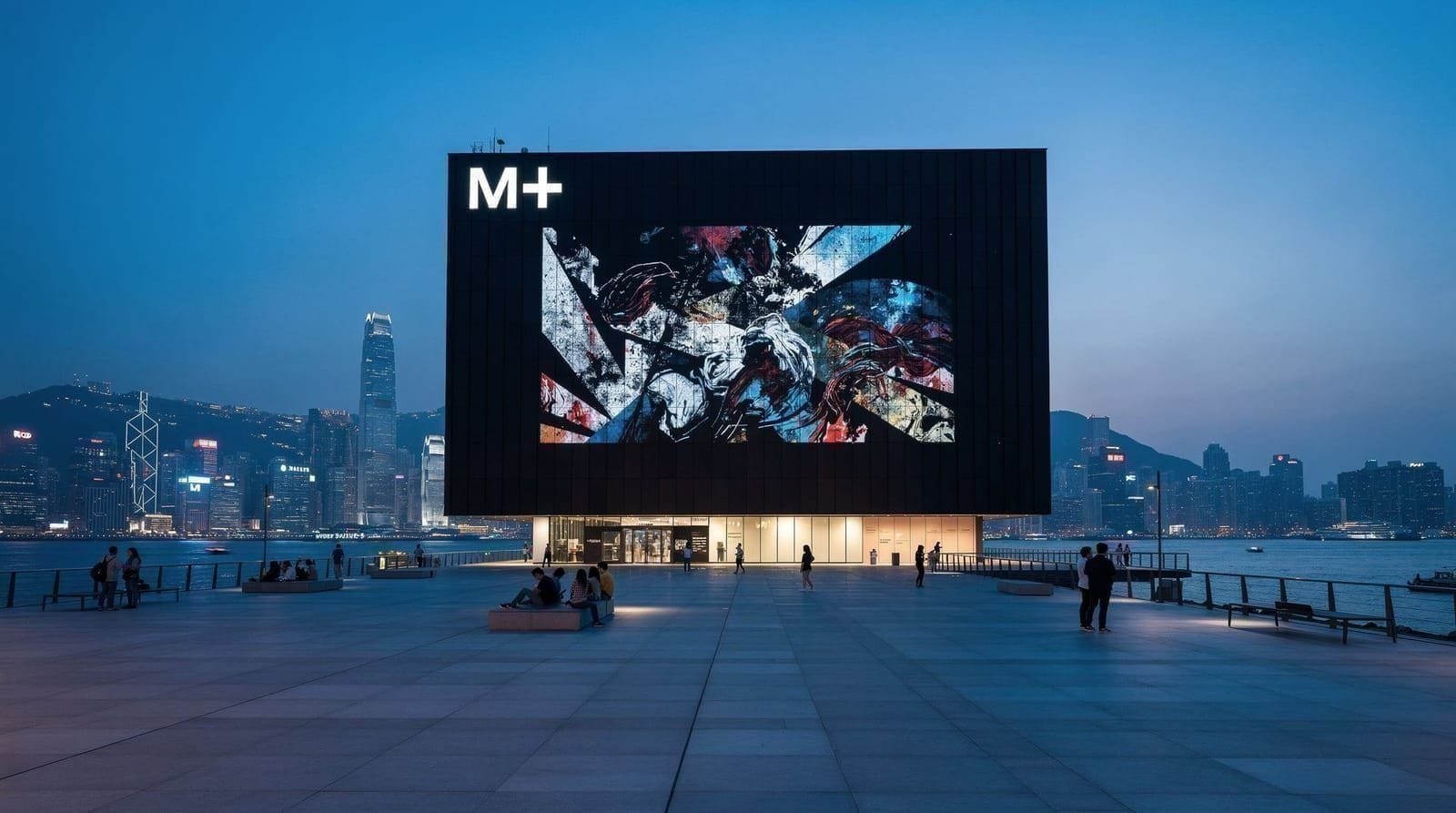
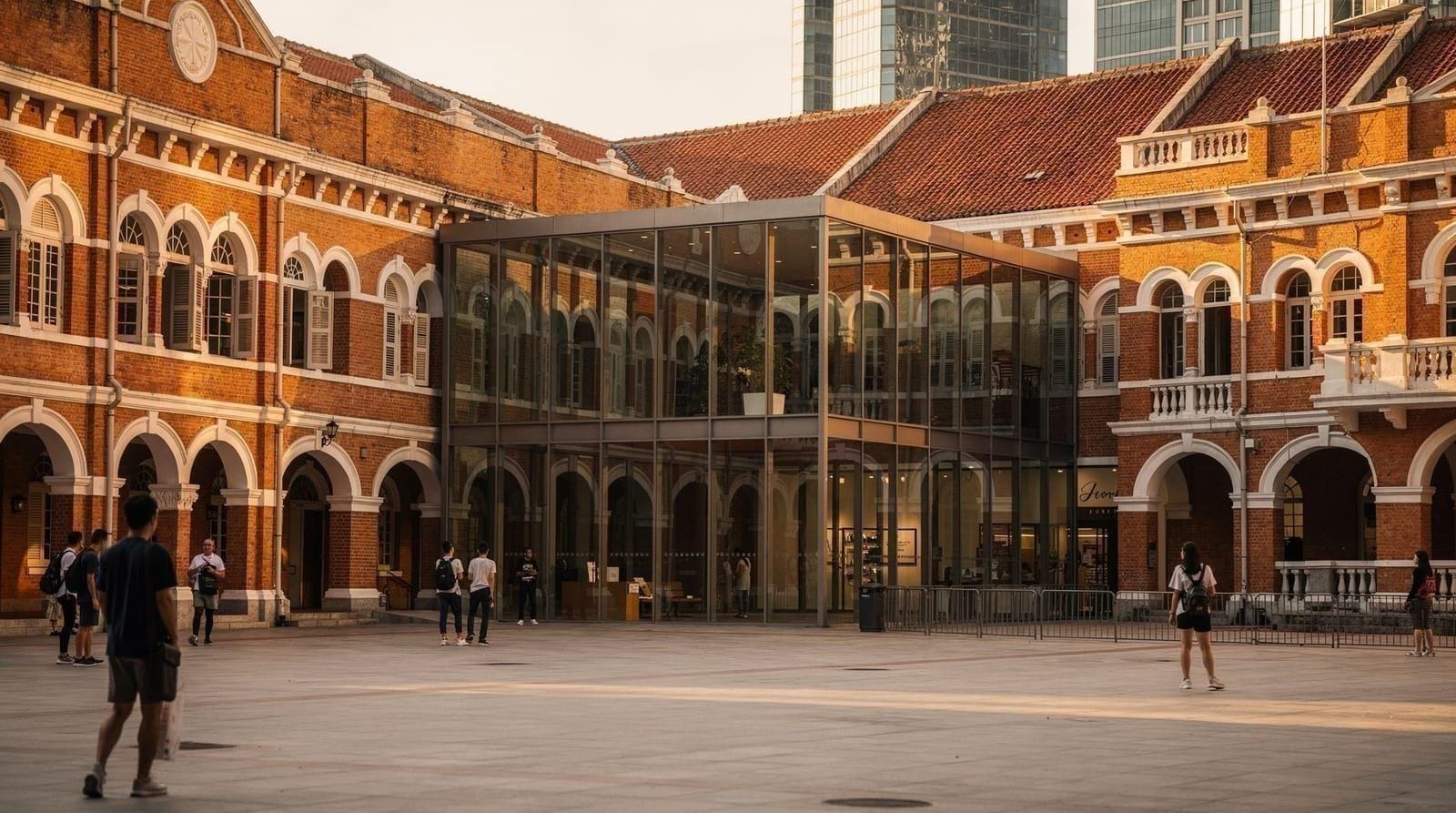
Private Kowloon Walled City history tourFor heritage sites within the city itself, Tai Kwun — the restored former Central Police Station compound — and the contemporary art and design museum M+ both extend the historical and cultural thread the History Museum establishes, in very different directions. If your interest is less “was it worth building a whole trip around Hong Kong’s history” and more general trip planning, the is Hong Kong worth visiting guide covers the broader case.
Fitting the museum into your itinerary
Because it is free and sits in a compact area, the museum slots easily into most plans. It works well as a first-day anchor for travellers following the first-time Hong Kong guide or a short stay such as the two-day itinerary, and it is a dependable choice when the weather turns, which is why it also suits the rainy day itinerary. If you are still deciding how long to stay overall, the how many days in Hong Kong guide helps weigh a museum morning against other priorities.
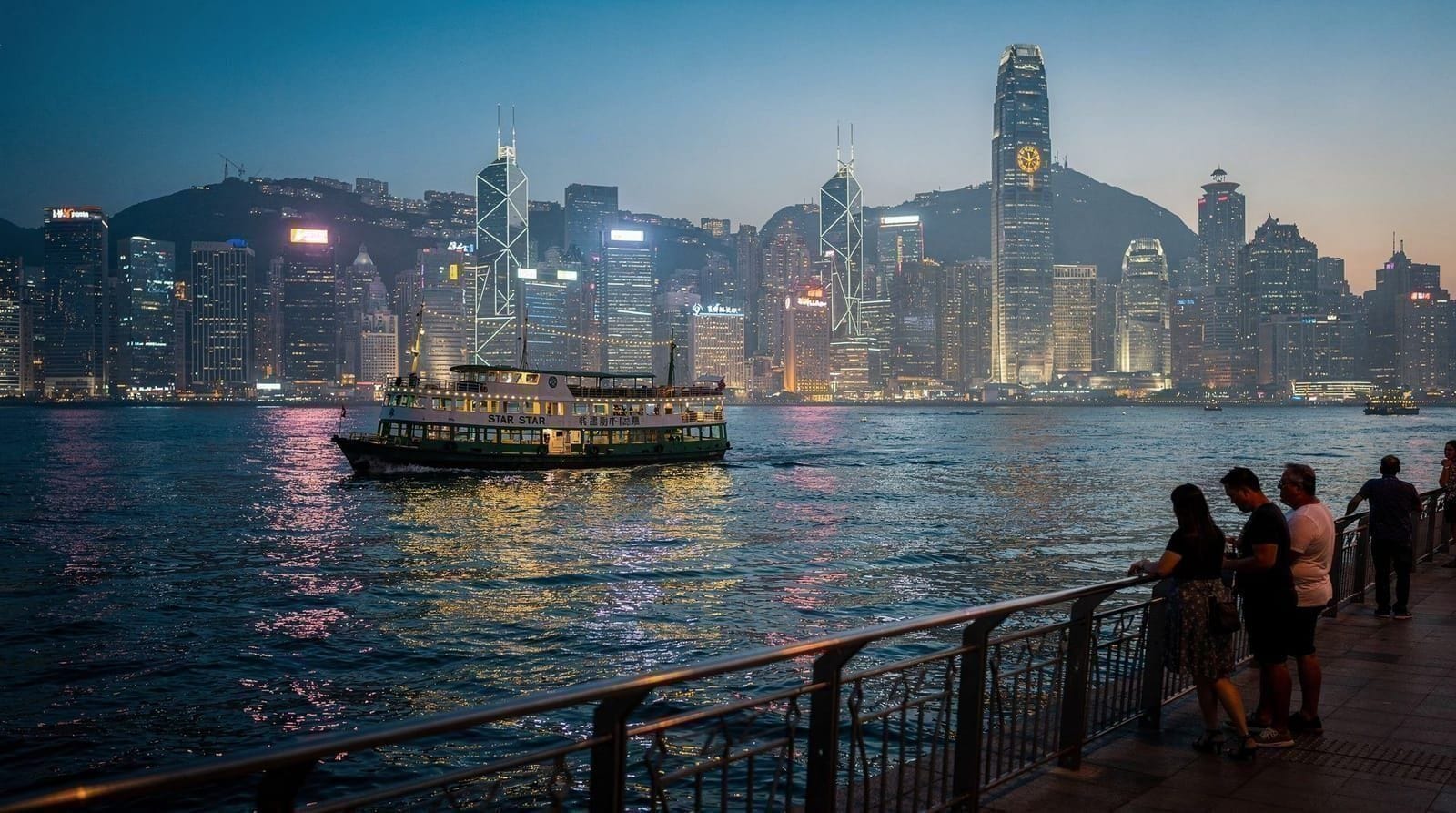
After the galleries, the waterfront nearby is a pleasant place to wind down, and the evening Symphony of Lights is an easy way to end a day that began in the past. For food between visits, the best restaurants in Tsim Sha Tsui covers options within reach.
Combining with the Science Museum
The Hong Kong Science Museum is in the adjacent building, connected through a shared garden. A combined visit covering both museums requires a full day but provides one of Hong Kong’s best value cultural experiences (the History Museum’s permanent galleries are free; the Science Museum charges HK$20, HK$10 concessions, and is free on Wednesdays).
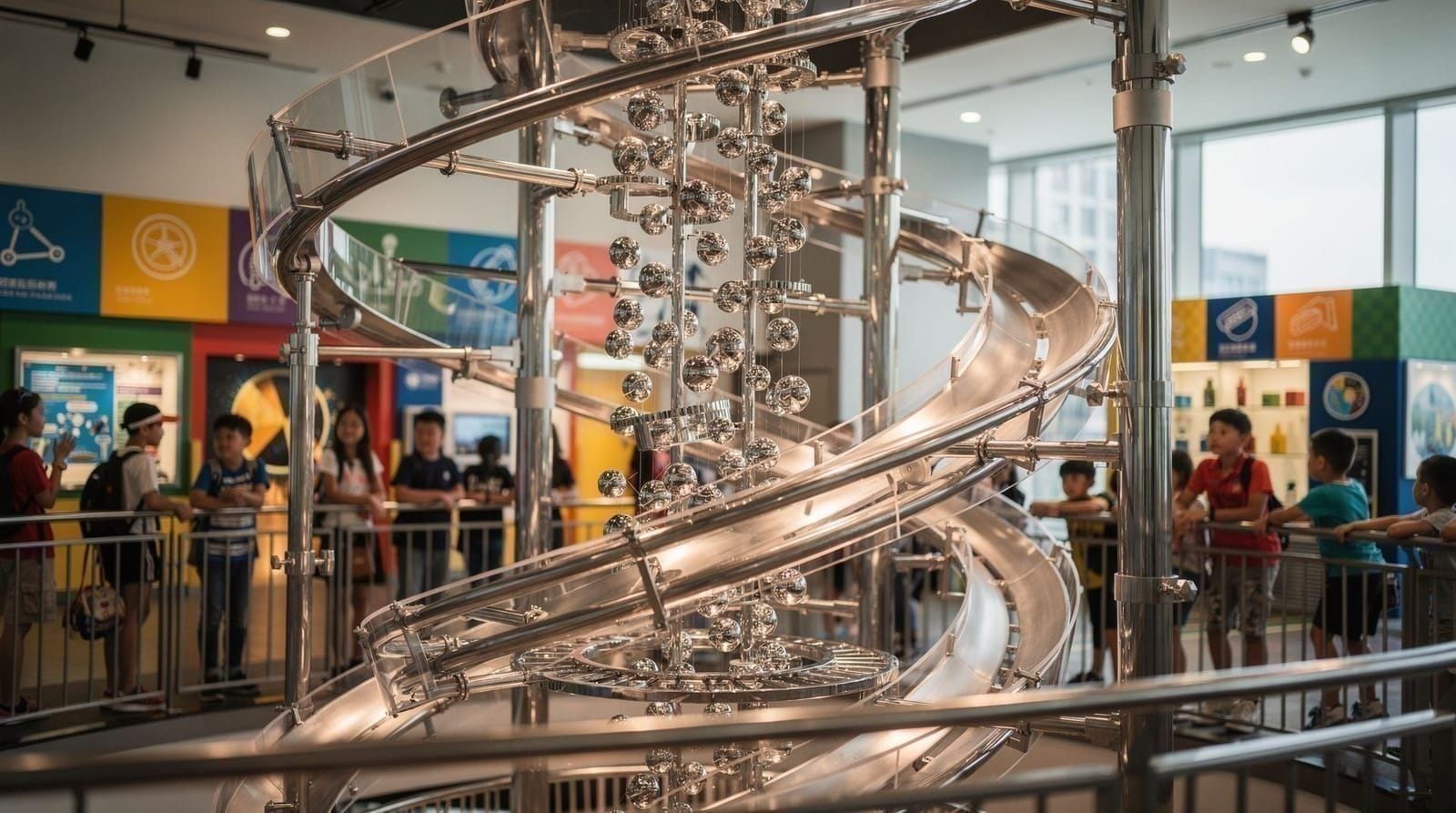
Practical sequence: History Museum from 10:00–12:30 (3 galleries per hour, roughly), lunch in the Tsim Sha Tsui East restaurant strip, Science Museum 14:00–17:00. The Science Museum focuses on applied science and technology with significant interactive exhibits — a better choice for afternoon when children’s energy peaks rather than declines.
Practical information
- Address: 100 Chatham Road South, Tsim Sha Tsui East, Kowloon
- MTR: East Tsim Sha Tsui station, exit P2 (10 min walk)
- Hours: Mon, Wed–Fri 10:00–18:00; Sat–Sun 10:00–19:00; closed Tuesday
- Entry: Free (permanent galleries); HK$10–50 for temporary exhibitions
- Allow: 2–3 hours for the permanent exhibition; 4–5 hours combined with Science Museum
- Adjacent: Hong Kong Science Museum (5 min walk, shared garden)
- Combine with: Tsim Sha Tsui for a full TST cultural day
Frequently asked questions about Hong Kong History Museum guide — 400 million years in one afternoon
Where is the Hong Kong Museum of History?
What is in the Hong Kong History Museum's permanent collection?
Is the Hong Kong History Museum family-friendly?
How does the Hong Kong History Museum cover the handover?
What is the temporary exhibition space used for?
Can I see the Hong Kong History Museum and the Science Museum in the same day?
Top experiences
Bookable activities with verified prices and instant confirmation on GetYourGuide.