M+ Museum guide — what to see, tickets, and honest expectations
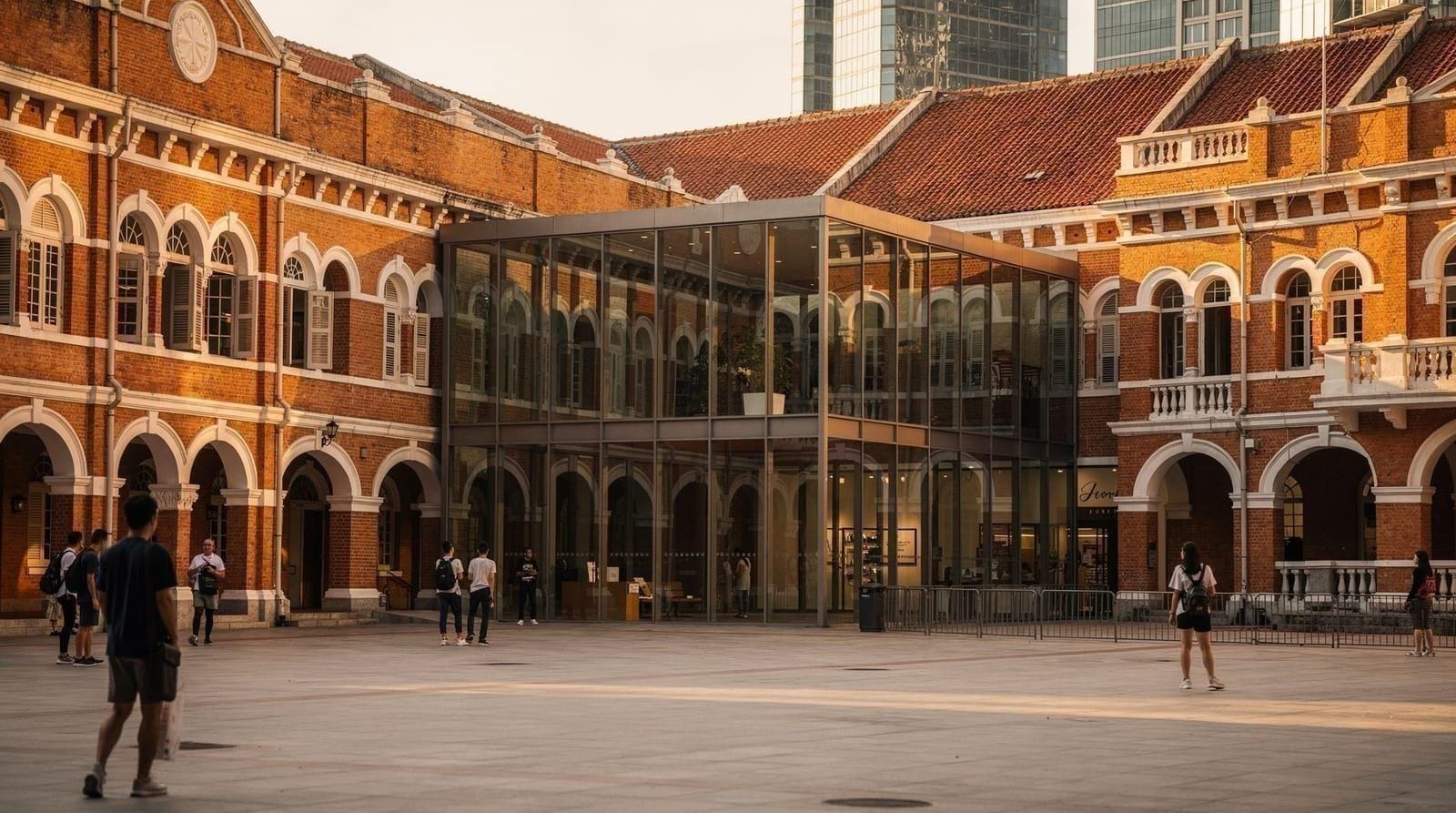
Tai Kwun: 2 hour British colony tour of Victoria Prison
Duration: 2 hours
Is M+ Museum worth visiting and how much does it cost?
Yes, M+ is one of Asia's most significant contemporary art and design museums. Permanent galleries are free; special exhibitions are ticketed separately (see the official M+ website for current prices). Allow 3–4 hours minimum. Open Tuesday–Sunday 10:00–18:00 (Friday until 22:00). The building itself is architecturally impressive — and the rooftop views of Victoria Harbour are among the best in Kowloon.
What M+ actually is — and what it isn’t
M+ opened in November 2021 after more than a decade of planning and construction. It is Asia’s largest museum of modern and contemporary visual culture — covering visual arts, design, architecture, and moving image. The scale alone is significant: 17,000 square metres of gallery space, a collection of approximately 8,000 works, and a building designed by one of the most significant architectural firms working today (Herzog & de Meuron).
M+ is not, however, a blockbuster art museum in the sense of the Louvre or the Metropolitan. The permanent collection focuses on work from the Asia-Pacific region, with particular depth in Hong Kong art and 20th–21st century Chinese contemporary art. If you are expecting an encyclopaedic survey of Western art history, you will not find it here. If you are interested in how art, design, and visual culture developed across Asia during the economic transformation of the last 70 years — this is an extraordinary resource.
The museum is also genuinely free (permanent galleries). In a city where most major attractions charge significant admission, this matters.
| Where | West Kowloon Cultural District waterfront, near Tsim Sha Tsui |
| Cost | Permanent galleries free; special exhibitions ticketed separately (prices on the official M+ website) |
| Time needed | 2 hours minimum, 3–4 hours for an engaged visit |
| Getting there | MTR to Austin or Exhibition Centre station (5–10 min walk) |
| Best time | Weekday mornings for quiet galleries; Friday evening for the lit-up tower |
Getting to M+ and the West Kowloon Cultural District
MTR: The closest stations are Exhibition Centre (East Rail Line, 5 min walk via the footbridge) or Austin (a 10-minute walk via the West Kowloon Cultural District waterfront path). The Exhibition Centre station approach is more sheltered; the Austin approach passes through the open Cultural District waterfront and has better views.
From Tsim Sha Tsui: 20-minute walk north along the Kowloon waterfront (via the waterfront promenade past the Avenue of Stars), or 10–12 minutes by taxi (HK$30–35).
From Hong Kong Island: Taxi via Cross-Harbour Tunnel (HK$100–130, 20–25 min) or MTR (Jordan interchange, then 5 minutes to Austin — total about 15–20 min from Central). The taxi is faster and convenient for groups.
On foot from the Jordan/Tsim Sha Tsui area: The waterfront walk from the Tsim Sha Tsui Ferry Pier, past the Avenue of Stars, and north to West Kowloon is pleasant in good weather — flat, paved, and well-lit. Allow 25–30 minutes.
Navigating the galleries: a practical map
M+ is organised across several floors in the podium block, with additional spaces in the tower. On arrival, collect the floor map from the information desk — the gallery layout changes as exhibitions rotate, so the current configuration may differ from online resources.
The permanent galleries fall into broad zones:
M+ Collections (multiple levels): Contemporary and modern art from Hong Kong, China, and the Asia-Pacific region. The Sigg Collection (donated by Swiss diplomat and collector Uli Sigg — the largest private collection of Chinese contemporary art in the world before its transfer to M+) is the centrepiece of this zone. Works by Ai Weiwei, Cai Guo-Qiang, Zhang Huan, Wang Guanyi, and earlier artists of the post-Cultural Revolution generation. Hong Kong-specific holdings include works by Luis Chan (one of Hong Kong’s first modernists), Frog King Kwok (whose conceptual performances began in the 1970s), and younger generations of Hong Kong artists.
Matters of Form (design and architecture): The design collection is significant and often undervisited relative to the visual art galleries. Key holdings include furniture design, product design from Hong Kong’s manufacturing period (1950s–80s), graphic design (specifically typography and signage from Hong Kong’s commercial culture), and architecture documents. The Kowloon Walled City collection — models, photographs, and documentation of the demolished city-within-a-city — is particularly remarkable.
Things, Spaces, Interactions: A thematic section examining design as it mediates daily life. Changes frequently with new installations. Often the most accessible gallery section for visitors without deep art knowledge.
Moving Image: The museum has exceptional video and film holdings. Dedicated cinema spaces screen films from the collection on rotating programmes. The main cinema has timed screenings (check the website for schedule); smaller gallery screens show individual works continuously. This section requires sustained attention but rewards it.
The Sigg Collection: understanding its significance
The Sigg Collection deserves special mention. Uli Sigg served as Swiss ambassador to China from 1995 to 1998, during which time he systematically acquired Chinese contemporary art at a period when it was largely ignored by Western and international institutions. The collection spans approximately 1,500 works by over 350 Chinese artists and represents the most comprehensive private survey of post-1979 Chinese art.
Major figures in the collection: Ai Weiwei (conceptual and political works spanning three decades), Cai Guo-Qiang (gunpowder drawings and proposals for large-scale installations), Zhang Xiaogang (Bloodline series — iconic dreamlike family portraits), Wang Guanyi (political pop combining Maoist imagery with commercial design), and scores of lesser-known but significant figures.
The collection was partially displayed in exhibitions globally before its donation to M+ — acquiring it rather than losing it to a mainland Chinese institution was a significant cultural achievement for Hong Kong. It gives M+ a depth in Chinese contemporary art that no other non-mainland institution possesses.
Special exhibitions: what to expect
M+ runs 2–4 major special exhibitions per year in its dedicated exhibition halls on the upper floors. These require separate tickets (see the official M+ website for current prices). The programme has included large survey shows of internationally significant architects and designers alongside smaller, more focused Hong Kong and regional art exhibitions.
Advance ticket booking is recommended for popular shows, particularly international travelling exhibitions. Check the M+ website for current and upcoming programmes. The special exhibition programme is the primary variable in planning the visit — if there is a show you specifically want to see, book tickets before arriving.
The M+ building and rooftop
The building is worth considering as an architectural destination independently. Herzog & de Meuron designed the structure as a deliberate visual landmark for the Kowloon waterfront — the tower’s southern face functions as a giant screen (visible from Victoria Harbour at night as a programmable LED display).
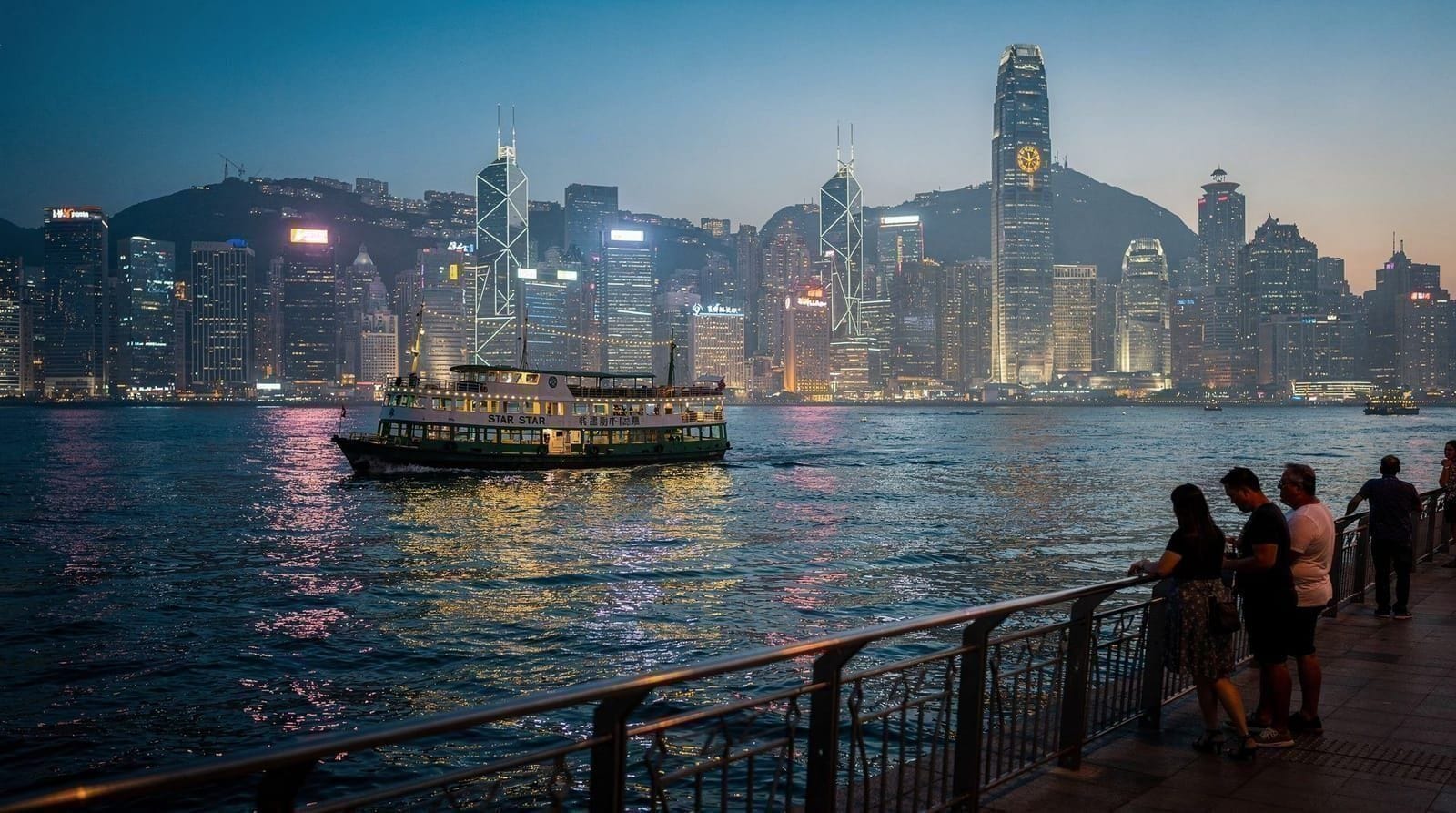
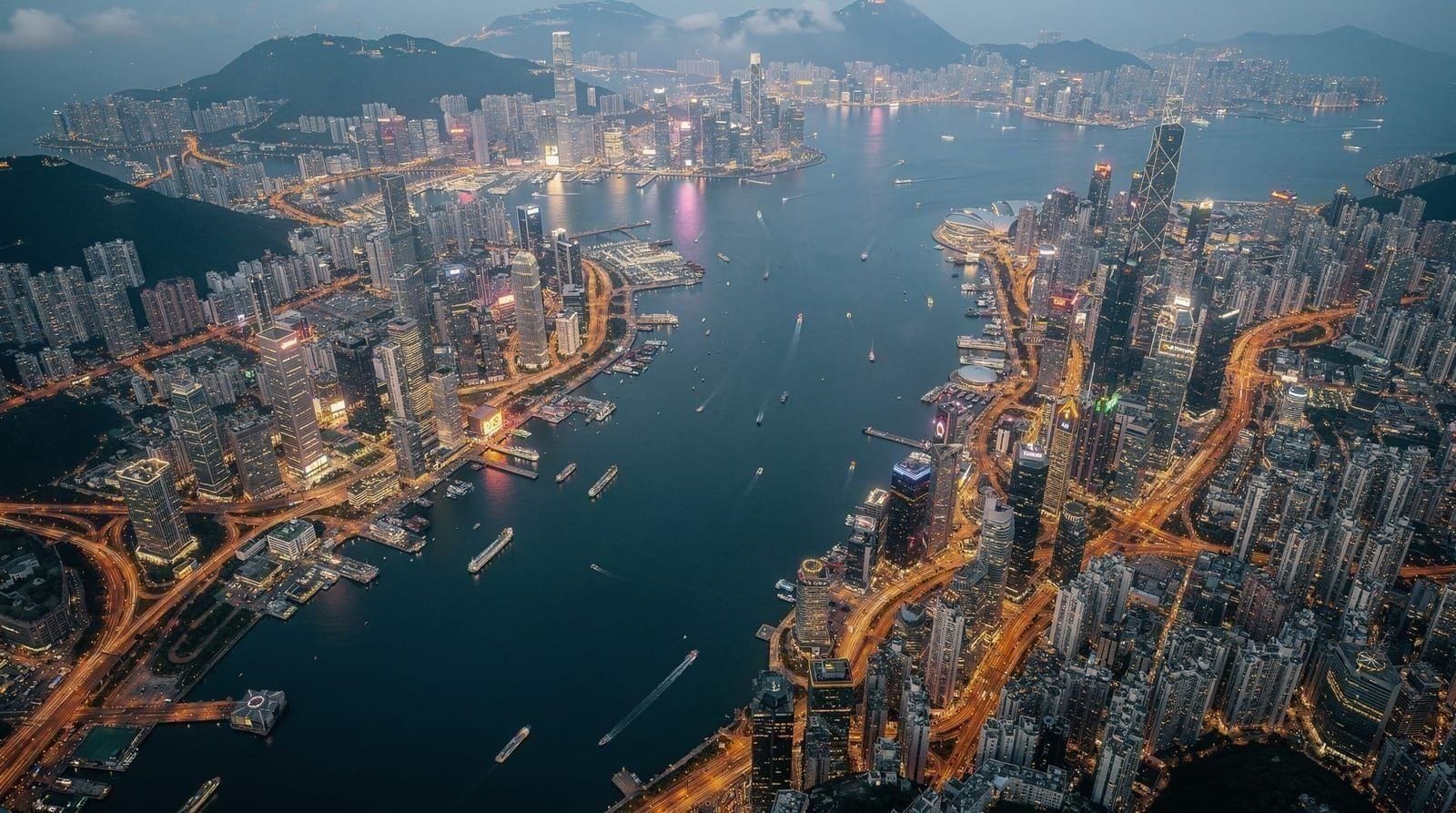
The rooftop is accessible from the upper floors and provides unobstructed views south toward Victoria Harbour, the skyline of Hong Kong Island, and the Tsim Sha Tsui waterfront. This is genuinely one of the best views in Kowloon and available for free with museum entry. In good weather, allow 15–20 minutes on the rooftop.
The building’s podium gardens at ground level connect to the broader West Kowloon Cultural District waterfront. On days when the museum is less visited, the architectural spaces themselves — double-height lobbies, exposed concrete, the relationship between interior and harbour view — are worth moving through slowly.
Private walking city tour with local guide — including West KowloonBest time to visit and avoiding crowds
M+ is busiest on weekend afternoons, when local families and weekend visitors fill the podium galleries and the queue for the rooftop lift can build up. Weekday mornings, especially Tuesday to Thursday shortly after the 10:00 opening, are noticeably quieter — you can move through the Sigg Collection and Matters of Form galleries without jostling for space in front of key works. Friday evenings are a different kind of busy: the museum stays open until 22:00, the after-work crowd is out, and the tower’s LED screen and rooftop views are at their best after dark. If your priority is a contemplative visit, go early on a weekday; if you want the full skyline spectacle, come on a Friday evening.
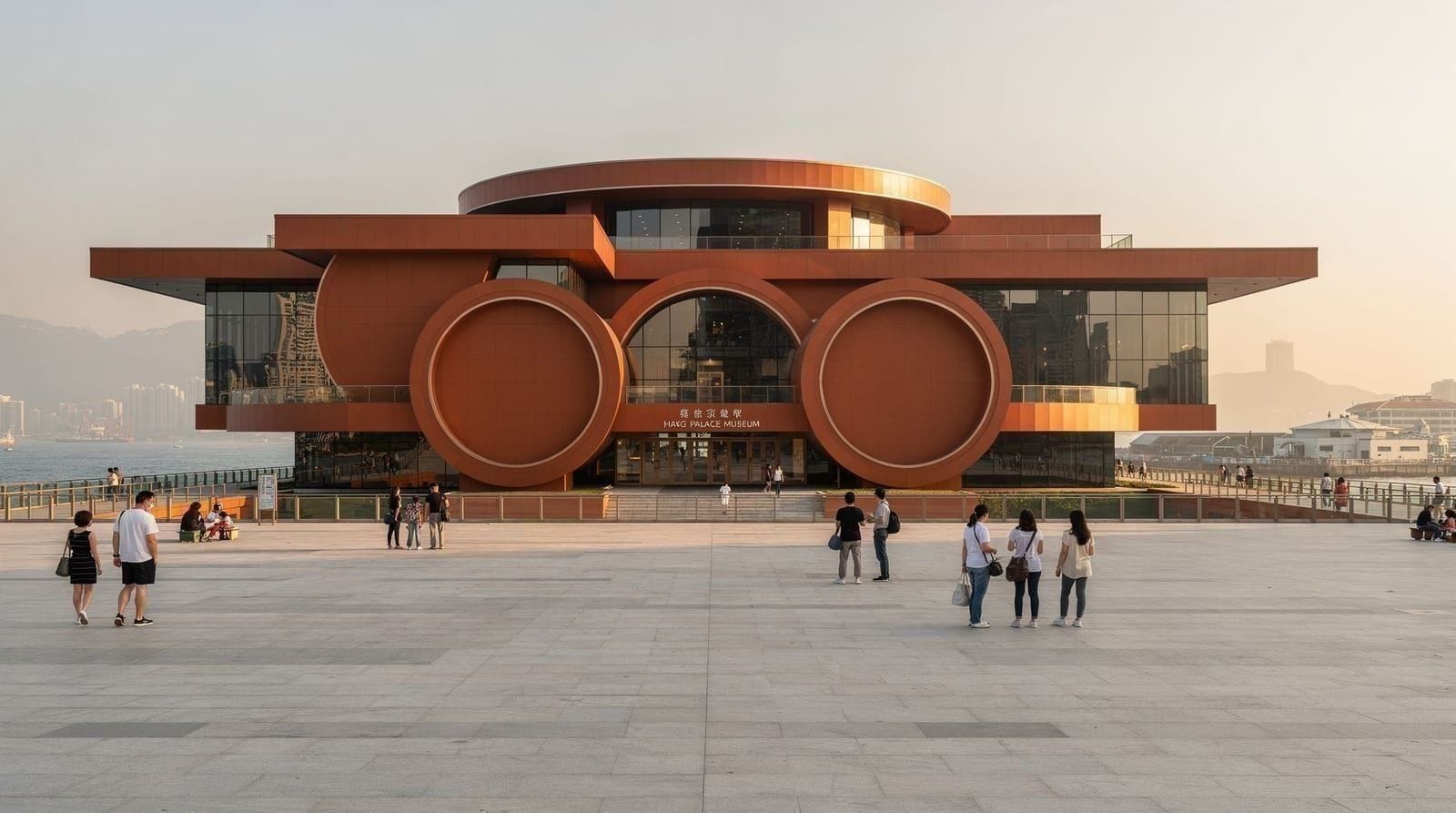
M+ vs the Hong Kong Palace Museum vs the Hong Kong History Museum
Visitors often ask which of West Kowloon’s museums is worth the time, especially on a short trip. Each covers different ground:
| Museum | Focus | Best for | Entry |
|---|---|---|---|
| M+ | Contemporary art, design, architecture, moving image | Design and modern-art fans | Free (permanent galleries) |
| Hong Kong Palace Museum | Chinese imperial art and Forbidden City treasures | Chinese history and dynastic art | Paid, all galleries |
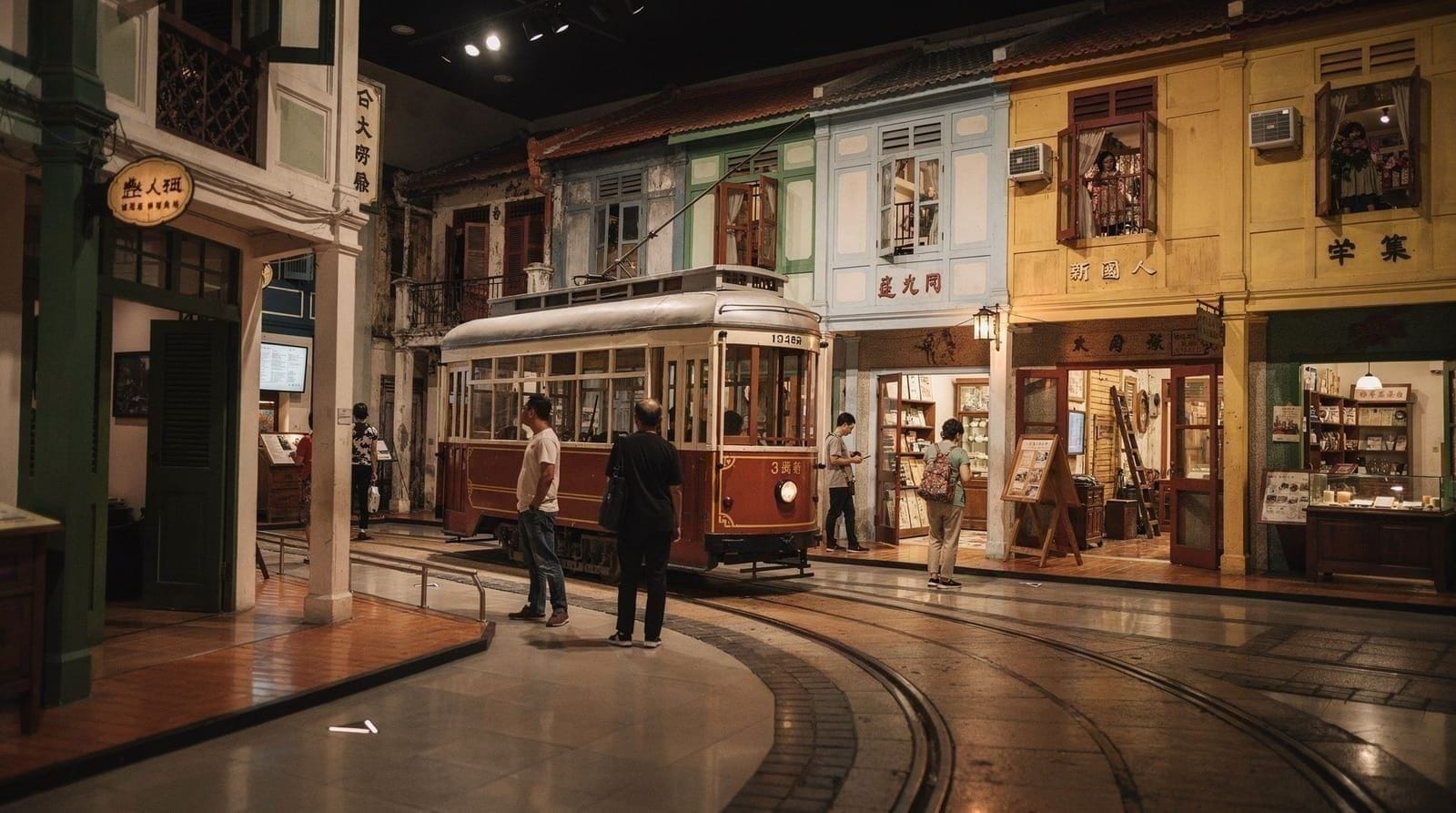
| Hong Kong History Museum | Hong Kong’s social and colonial history | First-time visitors wanting context | Paid |
If you only have time for one, choose M+ for contemporary design and visual culture, the Palace Museum for imperial Chinese treasures, or the History Museum for a narrative grounding in how Hong Kong became what it is today. All three sit within a short walk or MTR ride of each other in the wider Tsim Sha Tsui / West Kowloon area — see the Tsim Sha Tsui destination guide for how to plan a museum-heavy day around them.
Gift shop and practicalities
The ground-floor M+ Shop stocks design-forward books, prints, homeware, and exhibition-specific merchandise — a genuinely good browse even if you don’t buy anything, and one of the better museum shops in Hong Kong for design gifts. Lockers are available near the entrance for bags and coats, useful if you’re combining the visit with a day of sightseeing around Tsim Sha Tsui and don’t want to carry shopping. Wheelchair access is good throughout — lifts connect all public floors, and accessible toilets are on multiple levels. Free Wi-Fi covers the public areas, and phone charging points are available in the café.
Combining M+ with the Hong Kong Palace Museum
The Hong Kong Palace Museum is a 15-minute walk north along the West Kowloon Cultural District waterfront from M+. The two museums together form a natural full-day cultural circuit: M+ for contemporary and design; the Palace Museum for Chinese imperial art and the Forbidden City collections.
If combining both on the same day, start at the Palace Museum when it opens (10:00) and move to M+ for the afternoon and evening (open until 22:00 on Fridays — useful if you also want to have dinner in the area). The walk between them passes by the cultural district’s waterfront spaces and the future Lyric Theatre complex.
For the full cultural district context, see the Tsim Sha Tsui destination guide which covers the broader area including the Harbourfront and its dining and evening options.
Food at and near M+
Within M+: The museum has two food service options — a café on the ground floor with sandwiches, coffee, and light meals (HK$60–120), and a restaurant on an upper floor with harbour views (dinner reservation recommended, HK$150–300 per person). Neither is exceptional value but the restaurant view is arguably Hong Kong’s best over the harbour.
West Kowloon Cultural District waterfront: The district’s public spaces have several outdoor food/drink stalls during events and on weekends. Quality is inconsistent — treat these as convenient rather than destination eating.
Austin Road / Jordan: 10–15 minutes’ walk east, the Jordan and Yau Ma Tei residential areas have dense clusters of authentic Cantonese restaurants and cha chaan tengs at considerably lower prices than the cultural district venues. The blocks around Temple Street (north of Jordan MTR) are worth exploring for an evening meal after M+.
Kowloon local markets and culture walking tourPractical checklist
- MTR: Exhibition Centre station (5 min walk) or Austin station (10 min walk)
- Hours: Tue–Sun 10:00–18:00; Friday until 22:00; closed Monday
- Entry: Free (permanent galleries); special exhibitions ticketed separately (see the official M+ website)
- Allow: 3–4 hours for a selective visit covering 2–3 gallery zones
- Combine with: Hong Kong Palace Museum (15 min walk north)
- Rooftop: Best views mid-afternoon to evening; accessible with free entry
- Café: Ground floor; restaurant on upper floor (reservation recommended for dinner)
Frequently asked questions about M+ Museum guide — what to see, tickets, and honest expectations
How do I get to M+ Museum?
What does M+ stand for?
What is in the permanent collection at M+?
Are the permanent galleries really free?
How long should I spend at M+?
What is the M+ building like architecturally?
Is M+ suitable for children?
What is the best time of day to visit M+ to avoid crowds?
Is photography allowed inside M+?
Top experiences
Bookable activities with verified prices and instant confirmation on GetYourGuide.