Hong Kong Palace Museum guide — Forbidden City treasures in West Kowloon
Tai Kwun: 2 hour British colony tour of Victoria Prison
Duration: 2 hours
What is the Hong Kong Palace Museum and is it worth visiting?
The Hong Kong Palace Museum is a partnership with the Palace Museum in Beijing, displaying rotating loans from the Forbidden City's imperial collections alongside Hong Kong's own holdings. General admission (galleries 1–7) HK$70. Open Mon, Wed, Thu, Sun 10:00–18:00; Fri, Sat and public holidays 10:00–20:00; closed Tuesday. It is Hong Kong's most significant museum for traditional Chinese art and a serious destination for visitors interested in imperial China.
Understanding what the Hong Kong Palace Museum is
Opened in July 2022, the Hong Kong Palace Museum was established through a partnership between the West Kowloon Cultural District Authority and the Palace Museum (故宫博物院) in Beijing. The partnership gives the Hong Kong institution the right to borrow objects from the Forbidden City’s collection of approximately 1.86 million items — the largest collection of Chinese imperial art in the world.
The Hong Kong museum’s own holdings are not on the same scale as Beijing’s, but the rotating loan exhibitions from the Palace Museum provide access to objects that rarely leave the Forbidden City. The institution has also built its own collection of Chinese art, focused on supplementing the imperial narrative with broader context — Hong Kong-produced work, objects from Hong Kong family donations, and contemporary responses to imperial culture.
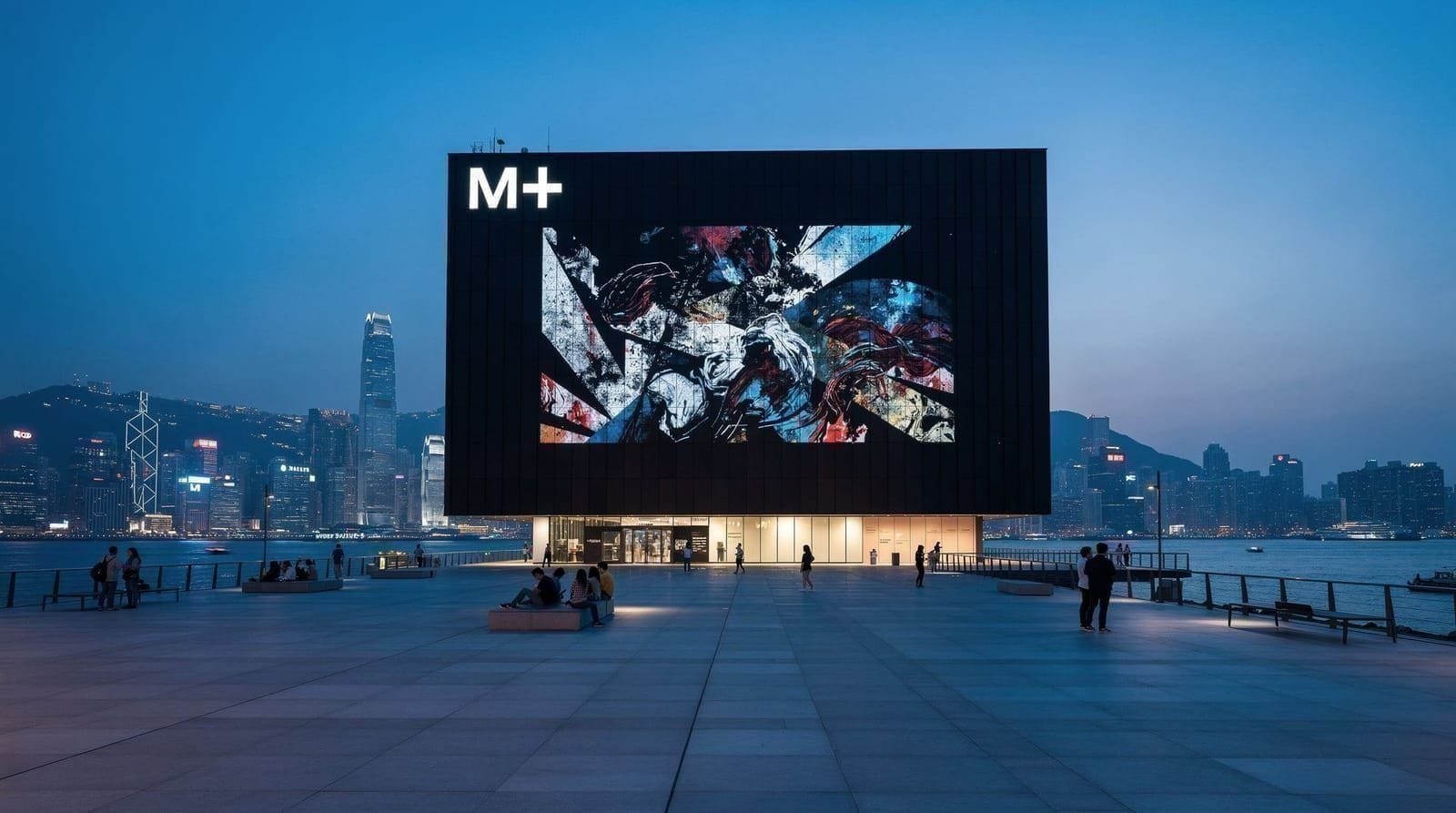
The museum is located in the West Kowloon Cultural District, making it a natural pair with M+ Museum 15 minutes’ walk to the south on the same waterfront.
| Where | West Kowloon Cultural District (West Kowloon MTR station) |
| Cost | HK$70 for galleries 1–7; special exhibitions ticketed separately (see the official website) |
| Time needed | 2–3 hours; 3–4 hours for a thorough visit |
| Getting there | West Kowloon station, 10 min walk; or 20–25 min walk from Tsim Sha Tsui |
| Best time | Late Friday afternoon (open until 20:00, quieter) |
Getting there
MTR: West Kowloon station is the most direct approach (serves the Airport Express and the Guangzhou–Shenzhen–Hong Kong Express Rail Link — an easy option if arriving from the high-speed rail terminus). Walk north from the station exit toward the Cultural District waterfront (10 minutes).
Alternatively: Exhibition Centre station (East Rail Line) and walk approximately 20 minutes south along the waterfront path, or Austin station (10 minute walk west).
From Tsim Sha Tsui: 20–25 minutes on foot north along the Kowloon waterfront (past the Avenue of Stars). Taxi about 10 minutes.
Tip: If combining M+ and the Palace Museum in one day (highly recommended), start at the Palace Museum when it opens (10:00), walk south along the waterfront to M+ for lunch, and spend the afternoon in M+‘s galleries.
What is on display: the nine galleries
The museum is organised into nine gallery spaces across seven floors. The permanent galleries cover:
Gallery 1 (The Grandeur of the Palace Museum): An introduction to the scope of the Forbidden City collection and the history of the Palace Museum from the imperial period through to the present. Useful context before the subsequent galleries.
Galleries 2–4 (Rituals and Insignia of Imperial China): Bronze ritual vessels from the Zhou dynasty through Han; jades representing imperial and elite culture; ceramics from the Song (960–1279) imperial kilns at Ru, Jun, Guan, Ge, and Ding — the “five great kilns” whose output is among the most prized in Chinese art history. The Song ceramics alone justify a visit.
Gallery 5 (Paintings and Calligraphy): Imperial paintings and calligraphy on rotation (original works are sensitive to light exposure and cannot be displayed continuously). The selection changes but includes works from the Song, Yuan, Ming, and Qing dynasties. Text panels provide context on how imperial Chinese art was produced, valued, and classified.
Gallery 6 (Imperial Textiles and Costumes): Qing dynasty (1644–1912) imperial robes, court costumes, and silk textiles from the imperial workshops. The embroidery technique and dye quality visible in close examination is extraordinary. Rotating selection due to textile sensitivity to light.
Gallery 7 (Imperial Decorative Arts): Cloisonné enamelwork, lacquerware, and carved jades from the imperial workshops. These works — produced by craftspeople to imperial specifications — represent the applied art production of the Qing court at its height.
Gallery 8 (Chinese Architecture): Models, drawings, and documentation of imperial Chinese architecture, focusing on the Forbidden City complex. This is a useful gallery for visitors who want to understand the spatial and structural logic of Chinese imperial palace architecture before (or instead of) visiting Beijing.
Gallery 9 (Changing Exhibition Gallery): Major temporary exhibitions that rotate throughout the year. These have included thematic shows on imperial leisure, the imperial garden, court portraiture, and international loans from museums globally. Separate tickets (see the official website for prices) are required.
Private walking city tour with local guideThe ceramics collection: why it matters
For visitors with specific interest in Chinese ceramics, the Palace Museum partnership loans give Hong Kong access to Song dynasty imperial wares that are very rarely displayed outside Beijing or Taipei (the National Palace Museum in Taipei has the largest collection of Forbidden City objects outside Beijing, acquired during the Chinese Civil War).
Song dynasty ceramics (960–1279): The Ru ware (tea-green celadon from the brief 20-year production at Ru kiln, Henan province, c. 1086–1106) is among the rarest in the world. Fewer than 100 examples are confirmed to exist; several are in the Forbidden City collection. If any Ru ware is on display during your visit, this is genuinely uncommon. Guan, Jun, and Ge wares are more frequently displayed and equally significant.
Ming dynasty blue-and-white: The Yongle and Xuande period (1402–1435) blue-and-white porcelain from the Jingdezhen imperial kilns is widely considered the pinnacle of the form. Examples from the imperial collection are displayed in the permanent galleries on rotation.
Qing dynasty imperial wares: The famille rose and famille verte (粉彩, 斗彩) enamelled porcelains from the Qianlong and Yongzheng emperors’ reigns (18th century) are the most colourful and largest in scale — easier for non-specialist visitors to immediately appreciate.
The building: a deliberate cultural statement
The museum building was designed by Rocco Yim (Rocco Design Architects), a Hong Kong architect. The design incorporates traditional Chinese spatial concepts — specifically, the progression from outer to inner spaces and the interplay of enclosed courtyards with the harbour view — within a contemporary building envelope. The exterior uses a perforated bronze screen that creates shifting light conditions throughout the day.
The choice of a Hong Kong architect for the building was deliberate: the Palace Museum partnership brings imperial China to Hong Kong, and the locally-designed building contextualises it within Hong Kong’s own architectural tradition. The contrast with M+‘s international (Herzog & de Meuron) design is intentional.
The harbour view from the upper gallery terrace is good, though slightly more restricted than M+‘s rooftop — the Palace Museum’s position at the northern end of the cultural district means the sightline to the open harbour is partially blocked by the Convention Centre.
Practical planning: tickets and booking
Advance booking is recommended but not always essential for the general galleries (HK$70 admission). For special exhibitions (see the official website for prices), timed entry slots fill up on weekends and during popular shows — book via the museum’s website (hkpm.org.hk) in advance.
The museum is open 10:00–18:00 on Monday, Wednesday, Thursday and Sunday, and 10:00–20:00 on Friday, Saturday and public holidays; it is closed on Tuesday. Late Friday visits are quieter than daytime and the gallery lighting is particularly effective on the ceramics in the dimmer conditions.
Combined visit with M+: Purchase M+‘s special exhibition tickets separately if needed; check M+‘s official website for current ticket prices. Allocate 2.5–3 hours for the Palace Museum and 3 hours for M+ — a full day is appropriate. Have lunch between the two at one of the Cultural District’s waterfront cafes.
Food near the Hong Kong Palace Museum
Within the museum building there is a café/restaurant on the upper floors. The Cultural District waterfront has several food outlets of varying quality — these are convenient rather than destination dining.
Better food options are a short taxi ride or walk away:
- Tsim Sha Tsui: 20 minutes’ walk south; wide range of restaurants from Cantonese to international.
- Jordan / Yau Ma Tei: 15 minutes east; better value for Cantonese roast meat, noodles, and dim sum.
For specific restaurant recommendations in the wider area, see the Tsim Sha Tsui destination guide.
Hong Kong heritage — past to present guided tourHow the Hong Kong Palace Museum fits into your trip
If you are primarily interested in contemporary art and design, prioritise M+ Museum and visit the Palace Museum as a secondary destination. If you are primarily interested in Chinese art history, imperial culture, or traditional craftsmanship, reverse this priority.
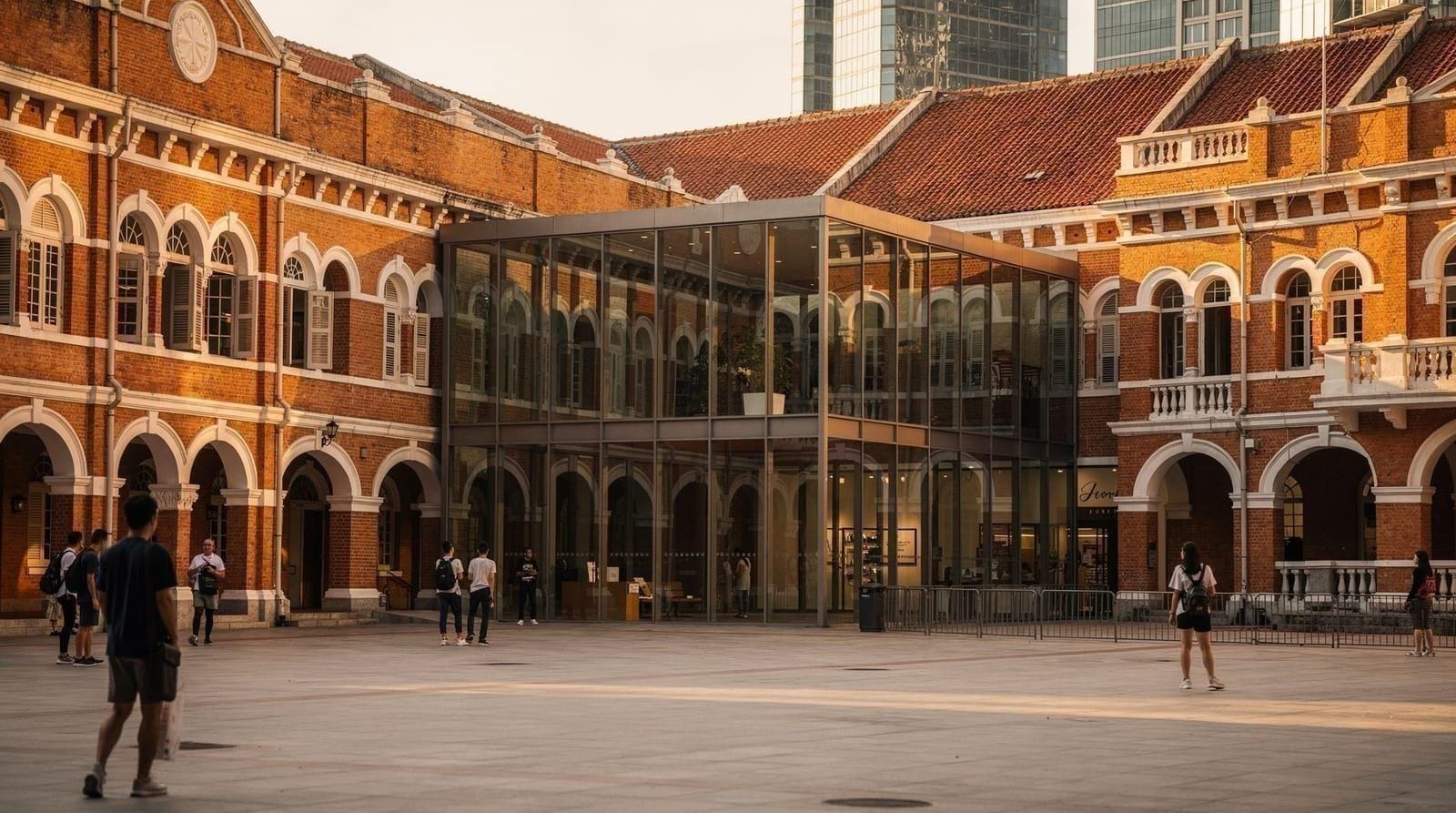
For visitors with an interest in both, the two museums together with the Tai Kwun heritage complex (Central, Hong Kong Island — 30 min by taxi) create a strong Hong Kong cultural circuit covering colonial heritage, Chinese imperial tradition, and contemporary visual culture.
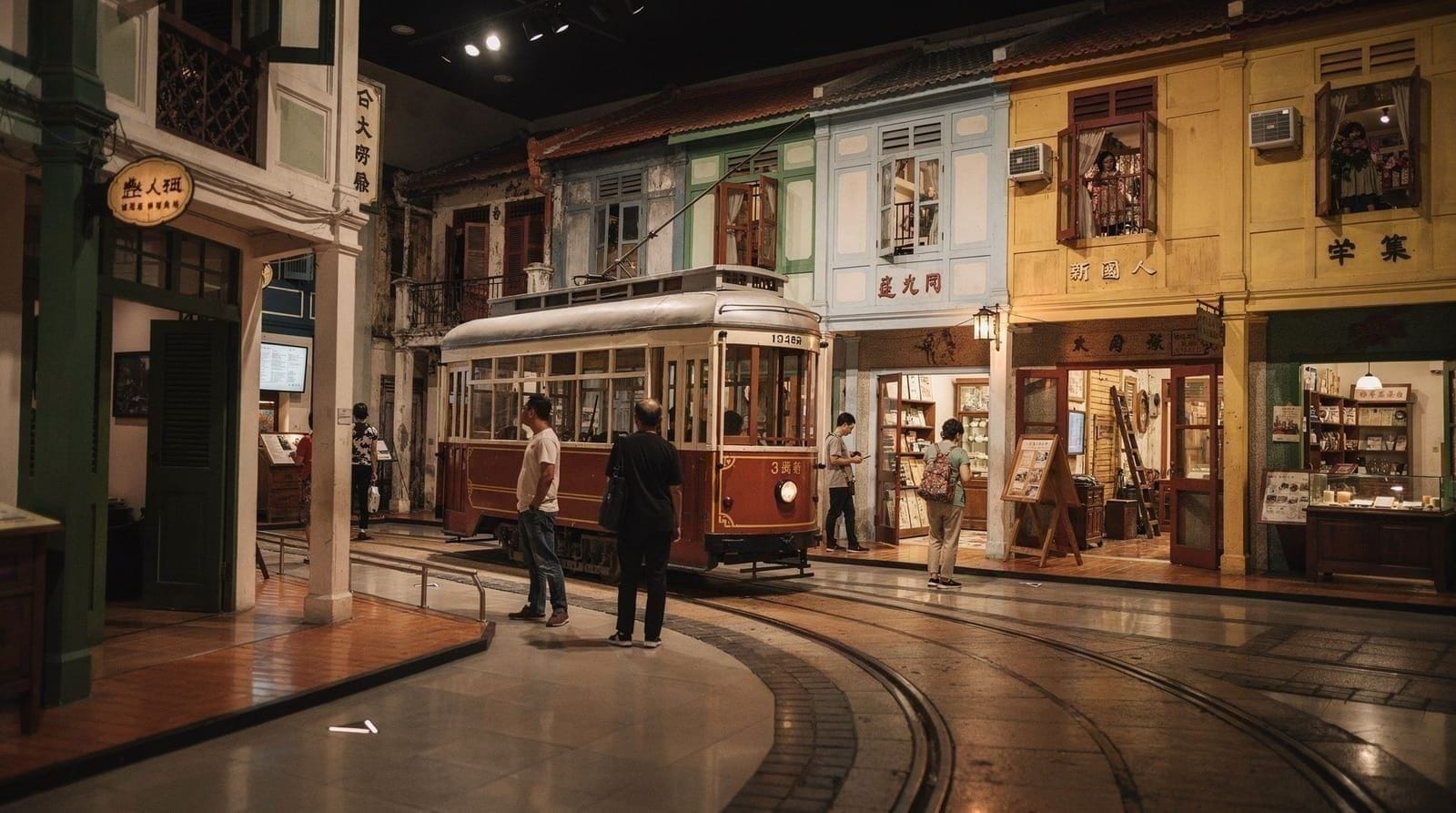
The Hong Kong History Museum in Tsim Sha Tsui adds the specifically Hong Kong historical narrative and is 10–15 minutes by taxi from the Cultural District — a logical addition for a cultural day.
Building the museum into a wider itinerary
The museum works best as one anchor in a day rather than the whole plan. If you are still shaping your trip, the Hong Kong itinerary planning guide explains how to balance indoor and outdoor days, and the first-timer itinerary shows where a cultural stop can slot in without crowding out the big sights.
A museum visit is also a sensible answer to bad weather. If a typhoon warning or a heavy downpour disrupts your plans, the rainy day itinerary groups indoor options together, and the Palace Museum fits naturally into that kind of day.
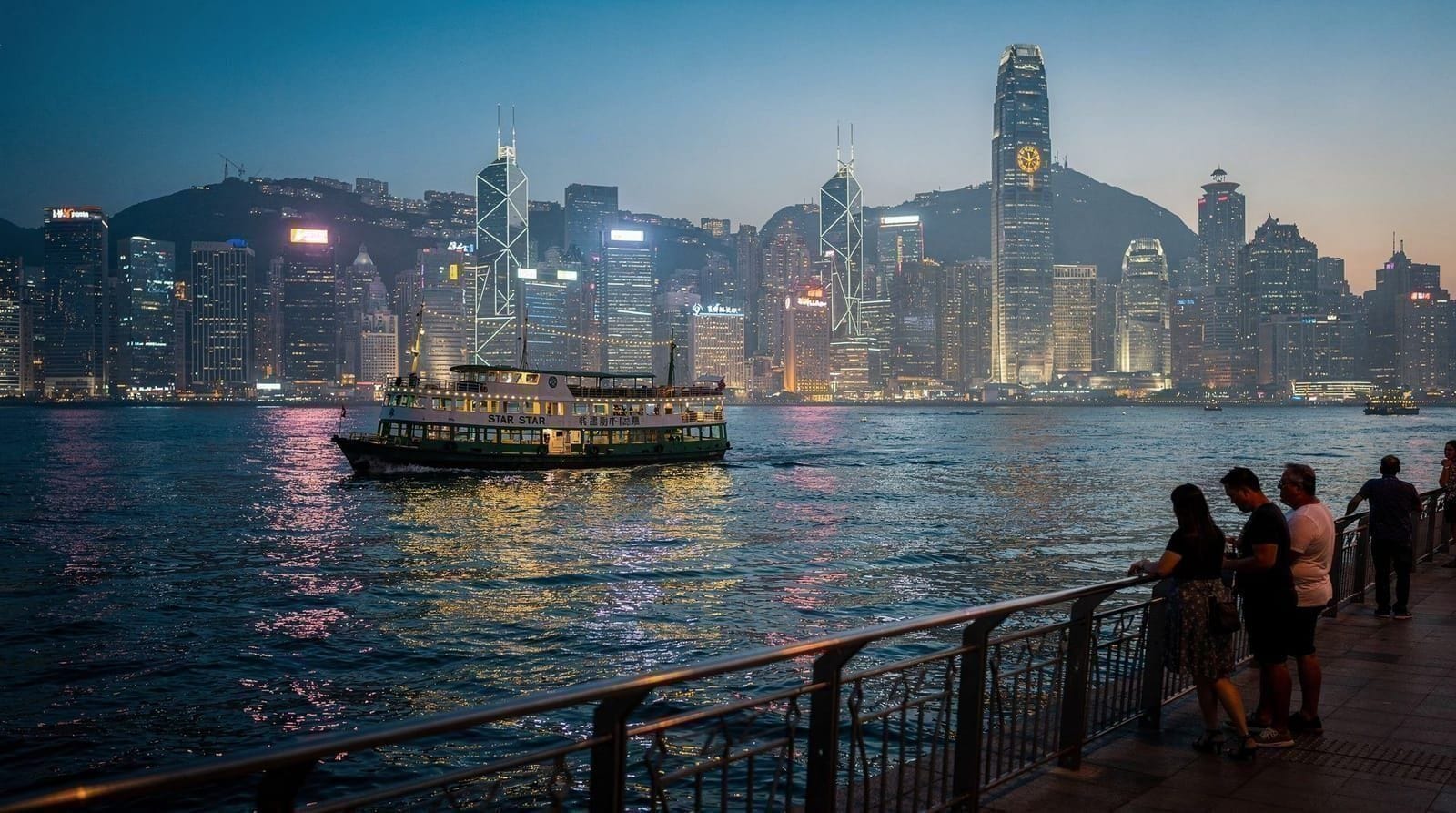
For another Chinese heritage stop with a very different feel, the Chi Lin Nunnery guide covers a quiet, architecture-focused site that pairs well with the imperial themes you see here. In the evening, the Symphony of Lights guide is a relaxed way to end a day spent indoors, and the Star Ferry guide describes a classic harbour crossing if you want to return to Hong Kong Island by water.
Getting around between these stops is straightforward with the Hong Kong MTR guide, and the Octopus card guide explains the simplest way to pay for trains, ferries and more. If you are choosing between neighbourhoods as a base, the Tsim Sha Tsui destination page and the Hong Kong 3-day itinerary help you decide how much time to give Kowloon.
Who should skip it
Not every visitor needs this museum, and it’s worth being honest about that. Travellers on a tight one- or two-day itinerary with no particular interest in Chinese art history are usually better served spending that time on Hong Kong’s signature outdoor experiences — the harbour, a hike, an outlying island — rather than a text-heavy museum gallery, however good the objects.
Families with young children should also weigh this carefully: the collection is genuinely world-class, but the interpretive material is dense and aimed at adults, and a bored six-year-old in gallery three is not a good use of anyone’s afternoon. For those visitors, M+ Museum’s more visual, design-forward galleries or a straightforward walk along the Cultural District waterfront deliver more value per hour.
Visiting with limited time
If you only have an hour rather than the recommended two to three, prioritise ruthlessly rather than rushing every gallery. Galleries 2–4 (the Song dynasty ceramics) are the single strongest reason to visit and should not be skipped even under time pressure — this is where the rarest objects, including any Ru ware on display, tend to be. Gallery 9’s changing exhibition is worth checking only if the current theme genuinely interests you; skip it if you’re short on time and it doesn’t. The upper-floor architecture gallery (Gallery 8) and the harbour terrace are easy to cut without losing the core experience.
Comparing the West Kowloon museum circuit
| Museum | Focus | Time needed | Best paired with |
|---|---|---|---|
| Hong Kong Palace Museum | Imperial Chinese art, Forbidden City loans | 2–3 hours | M+ Museum (same district) |
| M+ Museum | Contemporary art, design, visual culture | 3 hours | Palace Museum (same district) |
| Tai Kwun | Colonial heritage, former police/prison complex | 2–3 hours | Central/Sheung Wan sightseeing |
| Hong Kong History Museum | Hong Kong’s own historical narrative | 1.5–2 hours | Tsim Sha Tsui promenade day |
Frequently asked questions about Hong Kong Palace Museum guide — Forbidden City treasures in West Kowloon
Is the Hong Kong Palace Museum different from the Palace Museum in Beijing?
How much does the Hong Kong Palace Museum cost?
What types of objects are in the Hong Kong Palace Museum collection?
How long should I spend at the Hong Kong Palace Museum?
Is the Hong Kong Palace Museum better or worse than going to Beijing's Forbidden City?
Can I photograph inside the Hong Kong Palace Museum?
Who is the Hong Kong Palace Museum for?
Top experiences
Bookable activities with verified prices and instant confirmation on GetYourGuide.