Tai Kwun guide — Hong Kong's heritage arts centre in Central
Tai Kwun: 2 hour British colony tour of Victoria Prison
Duration: 2 hours
What is Tai Kwun and is it free to visit?
Tai Kwun is a heritage and arts complex in Central built within the restored 19th-century Central Police Station compound. Entry to the grounds and heritage buildings is free; exhibitions in the JC Contemporary gallery have ticketed shows. Open daily 11:00–23:00 (heritage areas from 10:00). It combines galleries, restaurants, bars, and performance spaces within genuinely historic colonial architecture.
A working police station for 150 years
The Central Police Station compound at 10 Hollywood Road sat at the physical and administrative centre of British colonial Hong Kong for most of its history. It was not a secondary installation — it was the primary police headquarters, the central magistracy, and the main prison for the colonial city. Every significant criminal proceeding in Hong Kong for over a century passed through one of its 16 buildings.
The compound closed operationally between 2004 and 2006 as the Police moved to a modern facility and the magistracy to the new courts complex. What remained was a set of Grade I listed historic buildings in genuine disrepair — and a site of enormous heritage value in the middle of one of Hong Kong’s most expensive and densely developed districts.
The restoration and conversion, completed by Herzog & de Meuron (also responsible for M+) and opened to the public in 2018, is one of the most successful heritage adaptive reuse projects in Asia. The compound now operates as Tai Kwun Centre for Heritage and Arts — part museum, part gallery, part hospitality venue, part performance space.
| Where | 10 Hollywood Road, Central |
| Cost | Free for the compound and heritage buildings; JC Contemporary around HK$50–120 |
| Time needed | 2–3 hours for the heritage buildings; half a day with a meal |
| Getting there | Central MTR exits D1/D2, 12-min walk uphill |
| Best time | Mornings 10:00–13:00 for a quiet visit |
How to reach Tai Kwun
From Central MTR: Exit D1 or D2, walk uphill through Central Market and along Pottinger Street (approximately 10–12 minutes). The complex entrance on Hollywood Road and Old Bailey Street is well signposted.
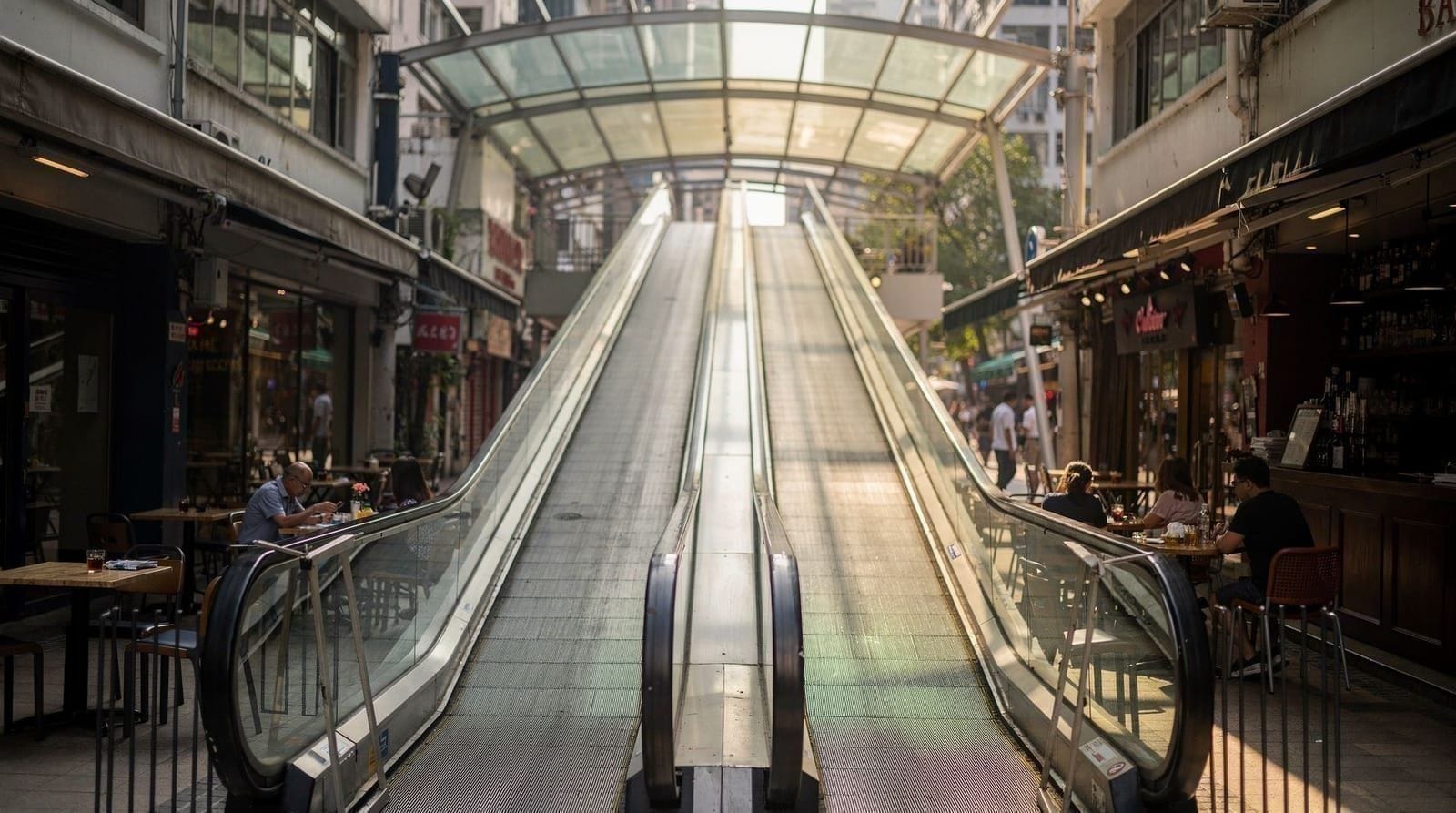
From the Mid-Levels Escalator: The escalator runs along Hollywood Road. The Tai Kwun entrance is a 2-minute walk east from the Cochrane Street/Hollywood Road escalator junction.
From Lan Kwai Fong: The Old Bailey Street entrance to Tai Kwun is directly adjacent to the Lan Kwai Fong bar district — walking distance from any venue on D’Aguilar Street or Wellington Street.
Taxi from Kowloon: Cross-Harbour Tunnel, metered fare plus HK$25 tunnel surcharge, 10–15 minutes without traffic.
The compound has two main entrances: Hollywood Road (main, signposted) and Old Bailey Street (secondary, more often used by people coming from Lan Kwai Fong).
The heritage buildings: what to explore
The Parade Ground: The central open square — the operational heart of the police station — is now a public space with outdoor seating. Heritage interpretation panels around the perimeter explain the compound’s administrative and social history. Concerts, film screenings, and art installations are held here regularly. At night it transforms into the centre of the compound’s restaurant and bar scene.
The Central Police Station (former, 1919 building): The main police headquarters building is now the primary gallery space. JC Contemporary on the upper floors hosts the major contemporary art exhibitions (ticketed). The ground floor lobby and stairwell are accessible with free entry and worth seeing for the restored colonial architecture alone — original tiled floors, cast iron railings, and the administrative spatial logic of a colonial police bureaucracy.
The Victoria Prison cellblocks: The prison accommodation blocks (B Hall and D Hall) are among the most distinctive spaces in Hong Kong heritage. The four-storey cellblock can be explored freely — individual cells (approximately 2.2m × 3.5m with a plank bed and ventilation slot) are open, allowing visitors to experience the scale directly. Heritage panels in the corridors and cells explain the prison’s history from 1841 through to its 2006 closure, including accounts of political prisoners from the Japanese occupation period and the Cold War era.
The Magistracy: The Central Magistracy building (facing Arbuthnot Road) has been converted to food and beverage use on the ground floor while retaining the courtroom architecture above. The restored courtroom interior — available on specific guided tours — is an extraordinary space, with the magistrate’s bench, dock, and gallery seating preserved. The scale of colonial justice is palpable; check the Tai Kwun website for when the courtroom is open for tours.
The former Barrack Block (Block 01 and Block 02): These three-storey verandah buildings (colonial barracks architecture with covered walkways on each floor) now house restaurants and galleries. The verandah circulation system allows excellent views into the courtyard and, from upper floors, over the compound’s rooflines. The design of the heritage conversion — which adds glass and steel circulation structures without obscuring the original fabric — is worth examining for the quality of the architectural intervention.
Tai Kwun — British colony and Victoria Prison guided tourJC Contemporary and the exhibition programme
The JC Contemporary building is the most visually dramatic addition to the compound — a new-build gallery constructed by Herzog & de Meuron behind a retained stone facade, with an interior that creates double-height exhibition space while maintaining the Victorian-era grid of the original prison wing. It sits at the northeastern corner of the compound, connected to the cellblock by a bridge.
Exhibitions at JC Contemporary are ticketed (HK$50–120) and run on a seasonal programme. The space has hosted both Hong Kong and international contemporary artists; the programme is generally credible and has featured artists with significant international reputations. Check the website before visiting — the exhibition programme is the most important variable in planning a Tai Kwun visit.
Free gallery spaces in the heritage buildings run smaller shows and installations alongside the main JC Contemporary programme.
Food and drinking at Tai Kwun
Tai Kwun has deliberately curated a food and beverage programme that matches the heritage setting. This is not a museum cafeteria arrangement — several operators in the compound are among the more interesting eating and drinking options in Central.
The Armoury (bar): The former armoury building is now a bar with exposed stone walls and original wooden ceiling beams. One of the more atmospheric drinking spots in Central, particularly in the early evening before the Lan Kwai Fong crowd arrives. Hours align with general compound opening.
Madame Sixty Ate (restaurant, Block 01): A contemporary European restaurant on the parade ground level. Lunch set menus HK$200–300; dinner à la carte HK$400–700 per person. The verandah terrace is a popular booking.
Yard (café/restaurant, Block 02): More casual daytime option with salads, sandwiches, and Asian-inflected plates. HK$80–150 for lunch.
Additional operators: The compound hosts several rotating pop-ups and permanent outlets; check the Tai Kwun app for current operators and hours.
Evening atmosphere: From 19:00–22:00, the parade ground and its surrounding bars fill with Central’s after-work crowd. On weekends it is noticeably livelier. If you want to experience the compound in a quieter context, morning visits (from 10:00) are significantly calmer.
Guided tours of the compound
Tai Kwun offers self-guided audio tours (in Cantonese, Mandarin, and English) and periodically runs facilitated group tours — particularly for the magistracy courtroom and specific heritage buildings not accessible at all times. Booking through the Tai Kwun website (taikwun.hk) is required for facilitated tours.
The self-guided audio tour is the practical choice for most independent visitors. It covers the main heritage buildings and provides the historical context that the panels alone cannot fully supply — specifically the social history of the prison (what kinds of people were imprisoned, how the colonial justice system worked, the 1967 riots and political detention), which is valuable and not well covered elsewhere in Hong Kong.
3-hour Hong Kong Island historical and cultural walking tourCombining Tai Kwun with Central and Sheung Wan
Tai Kwun’s location on Hollywood Road puts it at the centre of an excellent half-day cultural circuit on Hong Kong Island:
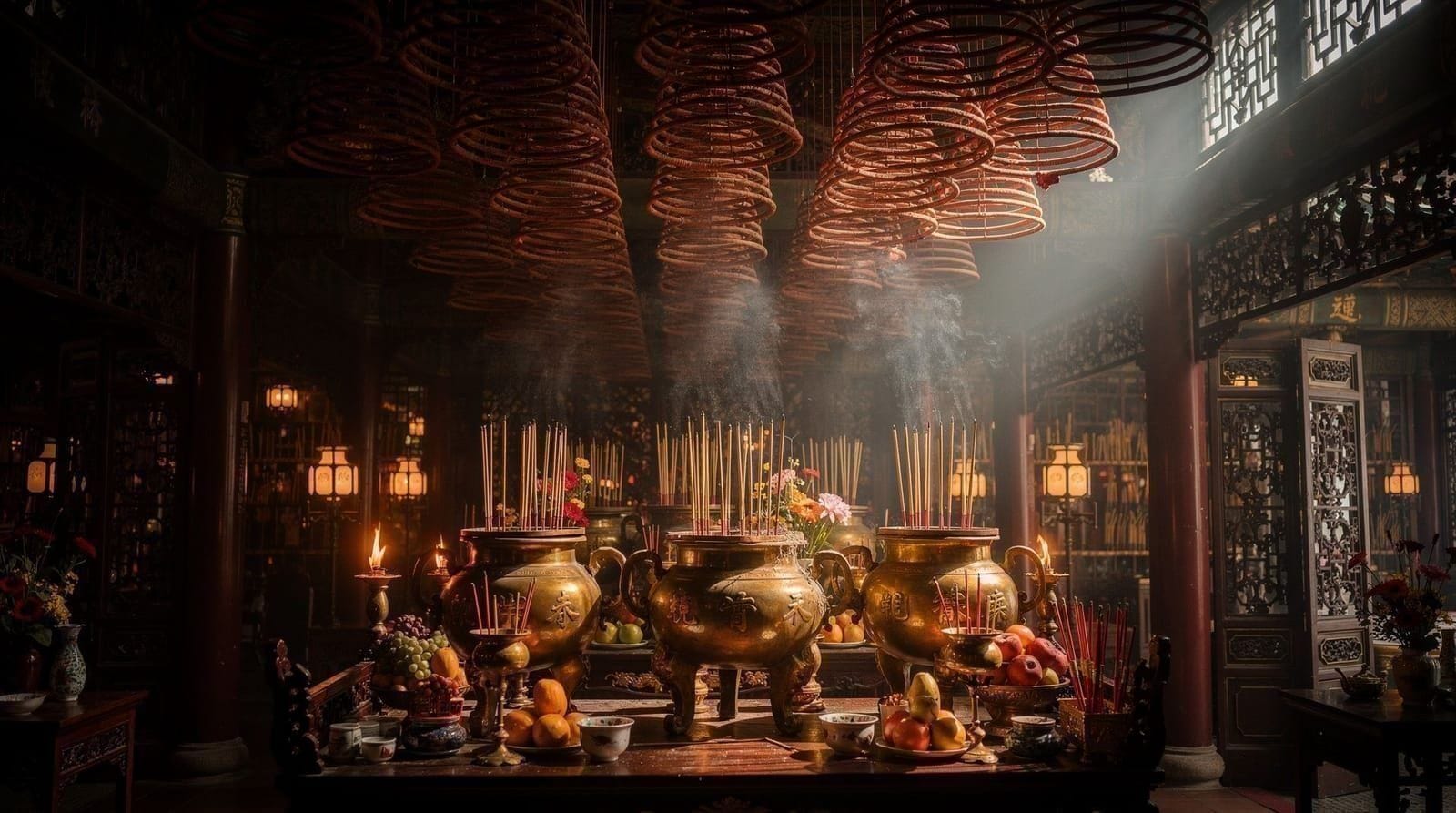
Tai Kwun + Man Mo Temple + Hollywood Road antiques: Walking 5–7 minutes west along Hollywood Road from Tai Kwun brings you to Man Mo Temple, Hong Kong’s oldest remaining temple (1847). Continue west along Hollywood Road through the antique dealers for Cat Street (Upper Lascar Row) and the dried goods markets of Sheung Wan. This circuit covers colonial heritage, religious history, and commercial character in a 2km walk.
Tai Kwun + Central business district + PMQ: Walking 5 minutes east from Tai Kwun on Hollywood Road leads to Aberdeen Street and PMQ (a creative complex in a former police married quarters building — different from Tai Kwun but related in heritage character). PMQ hosts independent designers and weekend markets; combined with Tai Kwun it makes a full exploration of Central’s heritage-converted spaces.
Tai Kwun + Central Escalator + SoHo: The Central–Mid-Levels Escalator is 2 minutes from the complex entrance. Going up the escalator to the Elgin Street/Staunton Street level in SoHo gives access to the neighbourhood’s restaurants and coffee shops — practical for lunch or dinner before or after the heritage complex.
For the full neighbourhood context, see Central and Sheung Wan and the SoHo and Central guide.
If Tai Kwun is one stop in a longer trip, the Hong Kong first-timer itinerary and the 2-day Hong Kong itinerary show where a Central heritage morning fits alongside the harbour, the Peak and the Kowloon side. The compound also works well as an indoor-leaning option when the weather turns, so keep it in mind when reading the rainy day itinerary.
Getting to and from the area is simple once you know the basics. The Hong Kong MTR guide explains how the network works, and the Octopus card guide covers the easiest way to pay for the train, the escalator-side trams and the ferry on the same day. For a cheap and scenic way back to Kowloon in the evening, the Star Ferry guide is worth a look.
What makes Tai Kwun different from other Hong Kong museums
Most museums in Hong Kong separate the building from the collection: you visit a purpose-built or converted structure to see objects brought in from elsewhere. Tai Kwun reverses this — the compound itself is the primary heritage object. The objects, exhibitions, restaurants, and events are all contained within an original site that has its own specific and continuing history.
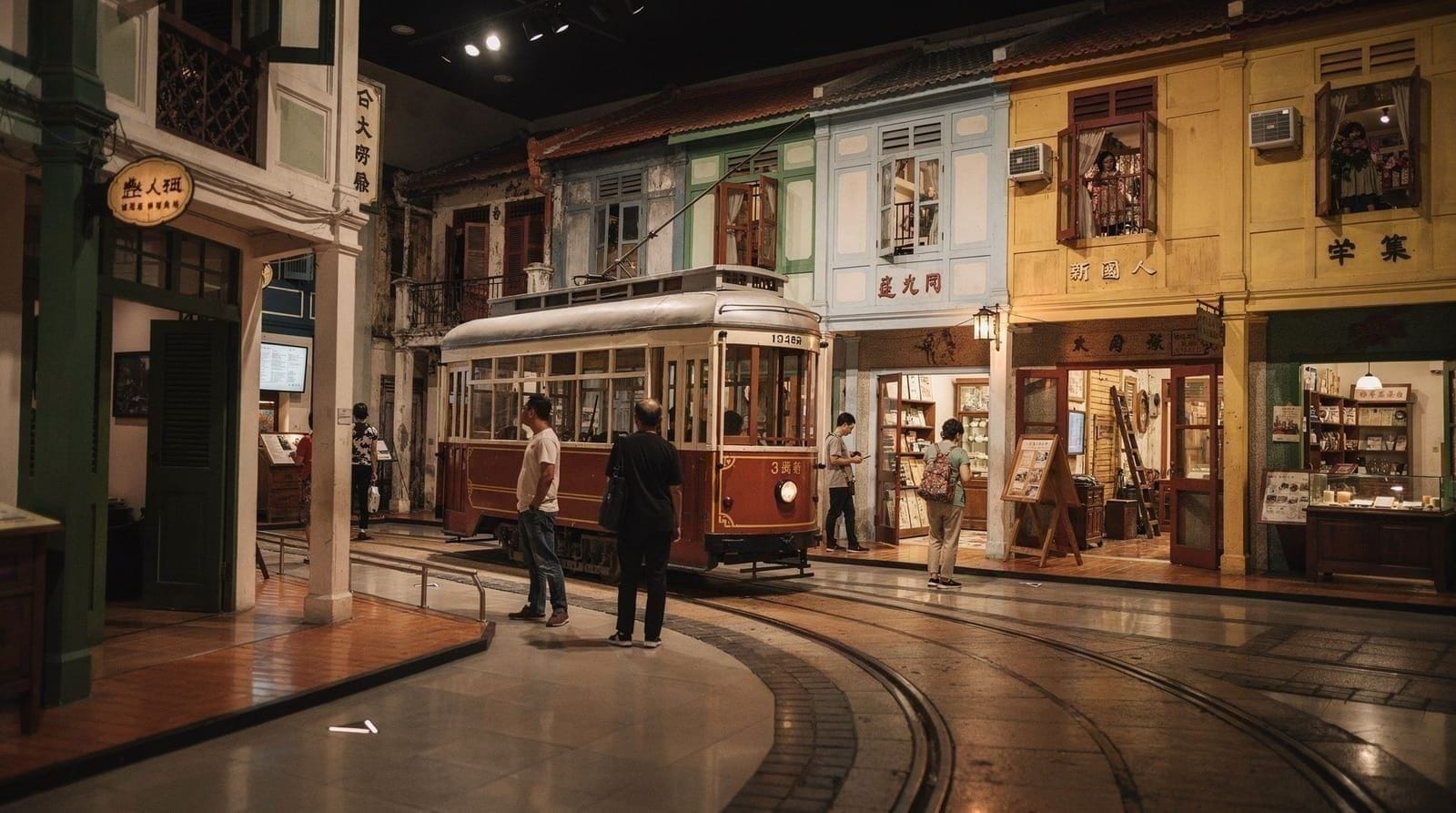
Visiting the prison cellblocks is more immediately affecting than reading about colonial justice. Standing in the parade ground where police formations were held for 150 years is a different kind of historical experience from examining artefacts in a case. The Hong Kong History Museum provides a different but complementary perspective — broad narrative of Hong Kong history through objects and dioramas rather than through preserved space.
Practical information
- Address: 10 Hollywood Road, Central, Hong Kong Island
- MTR: Central station, exits D1 or D2 (12 min walk) or Mid-Levels Escalator to Hollywood Road (2 min walk)
- Hours: Daily 11:00–23:00; heritage areas open 10:00
- Entry: Free for the compound and heritage buildings; JC Contemporary gallery HK$50–120 per exhibition
- Best time: Mornings (10:00–13:00) for quiet heritage exploration; evenings (19:00–22:00) for the food/drink atmosphere
- Audio tour: Available via Tai Kwun app (free download)
- Combine with: Man Mo Temple (5 min west along Hollywood Road)
Accessibility and getting around the compound
Tai Kwun is built on a hillside site and the terrain varies significantly between buildings, but the compound has been retrofitted with lifts and ramps connecting the main levels — a requirement of the heritage conversion project. The parade ground, JC Contemporary, and most ground-floor spaces are step-free. The historic prison cellblocks retain some original stairs between levels, though lift access is available to reach the upper cellblock galleries; ask staff at the entrance for the accessible route if needed. Given the uphill approach from Central MTR, visitors with mobility limitations may prefer a taxi directly to the Hollywood Road entrance rather than the 12-minute walk.
Photography inside the compound
Tai Kwun is one of the more rewarding sites in Hong Kong for photography, and unlike many heritage venues it places few restrictions on visitors. The cellblock corridors, with their repeating grid of cell doors and open gallery walkways, photograph particularly well in the soft, indirect light of late morning.
The parade ground works best either early (before the crowds and the food-and-drink setup begin) or at dusk, when the heritage buildings are floodlit and the contrast between stone facades and the glass-and-steel JC Contemporary building is most visible. Tripods are generally not permitted in the busier public areas without prior arrangement with Tai Kwun; handheld photography is unrestricted throughout the free heritage zones. Flash photography is discouraged inside the galleries out of respect for the artwork and other visitors.
Tai Kwun in context: Hong Kong’s museum landscape
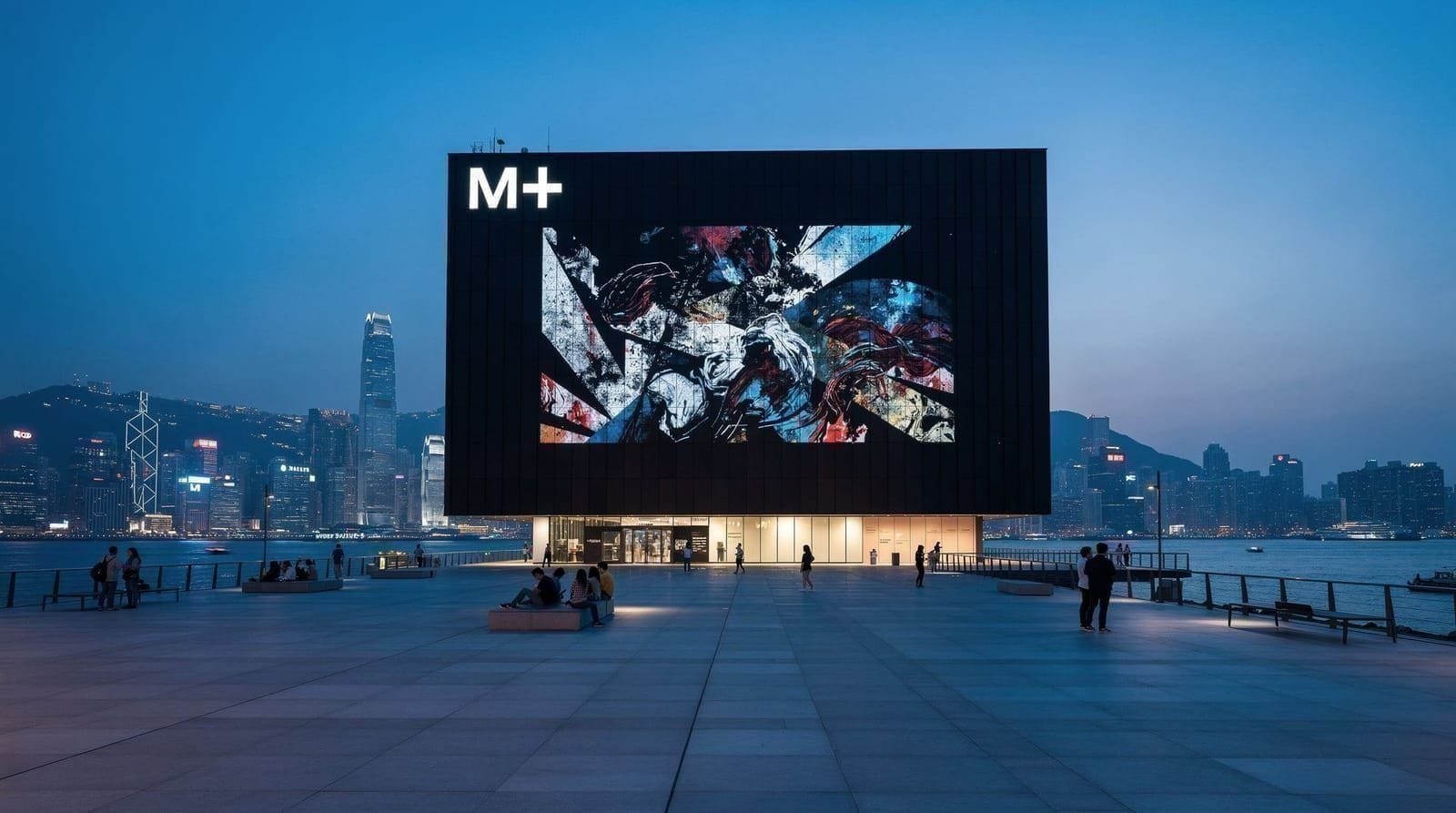
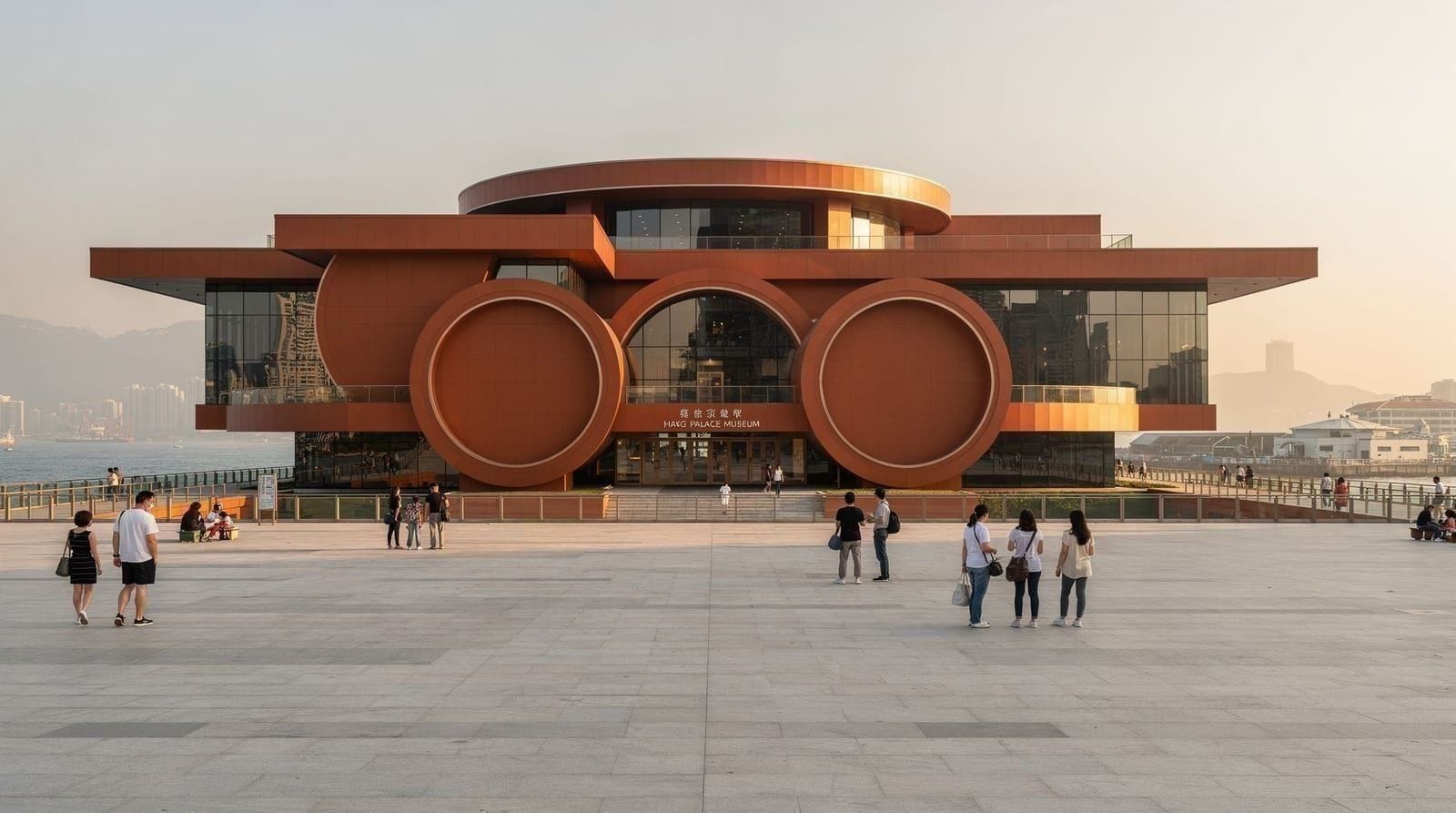
Central and West Kowloon between them hold most of Hong Kong’s serious museum-going, and Tai Kwun sits at one end of a useful comparison. Where M+ and the Hong Kong Palace Museum are purpose-built contemporary structures housing collections brought together for the buildings, Tai Kwun’s primary exhibit is the site itself — the 1841 police compound, magistracy, and prison.
Anyone building a wider plan around Hong Kong’s sights can start with the top things to do in Hong Kong, and families deciding whether the compound suits younger travellers will find more context in the Hong Kong with kids guide. Evening plans in the same district are covered in the Hong Kong rooftop bars guide, a natural follow-on if the parade ground bars feel too busy.
Visitors planning a museum-heavy day in Hong Kong should treat these as complementary rather than substitutes: an hour or two at Tai Kwun for the heritage architecture and prison cellblocks, paired with an afternoon at M+ or the Palace Museum across the harbour in West Kowloon, covers both ends of Hong Kong’s cultural offer without duplicating either experience.
Hong Kong heritage unveiled private walking tourFrequently asked questions about Tai Kwun guide — Hong Kong's heritage arts centre in Central
What does "Tai Kwun" mean?
How do I get to Tai Kwun?
What can I see inside Tai Kwun for free?
What is the history of the Central Police Station compound?
Is the actual prison interior accessible?
What restaurants and bars are at Tai Kwun?
Is Tai Kwun suitable for children?
Top experiences
Bookable activities with verified prices and instant confirmation on GetYourGuide.