SoHo and Central guide — escalators, antiques, and where to eat and drink
Hong Kong: 3 hour Hong Kong Island historical and cultural tour
Duration: 3 hours
What is SoHo in Hong Kong and how do I get there?
SoHo stands for South of Hollywood Road — it is a hillside dining and bar district between Central and the Mid-Levels, packed with international restaurants on Elgin, Shelley, and Staunton Streets. The easiest way to reach it is via the free Mid-Levels Escalator, which runs uphill from Central Market from 10:20am until midnight.
The heart of Hong Kong Island, floor by floor
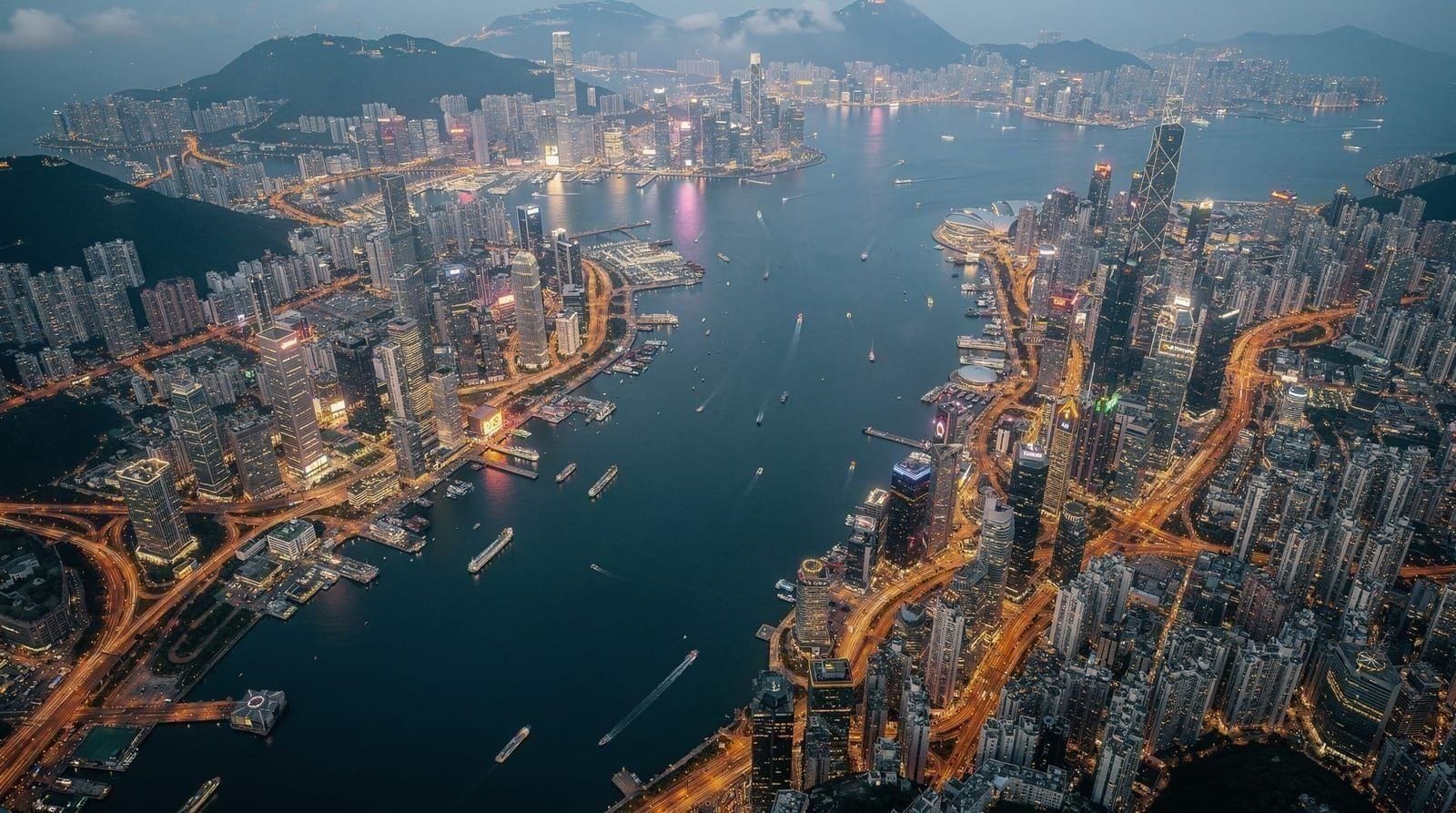
Central and SoHo occupy a narrow band of Hong Kong Island’s northern shore where the land rises steeply from sea level to the Mid-Levels in the space of a few hundred metres. That gradient is the defining fact of both neighbourhoods. Skyscrapers crowd the waterfront. Old shophouses cling to the hillside. And connecting the two — running through everything in between — is a chain of outdoor escalators that has become one of the most unexpectedly useful and genuinely atmospheric things in the city.
This area is where Hong Kong’s financial district, its best international dining strip, its colonial history, and its most concentrated nightlife all collide in a space compact enough to cover on foot in an afternoon. It is also one of the city’s most confusing areas for first-timers, where the MTR has two relevant stations, where “SoHo” is not a neighbourhood on any official map, and where uphill and downhill mean something very specific depending on what time of day it is.
This guide covers everything in a logical sequence — from the waterfront upward — so you can build a realistic picture of how Central and SoHo actually function.
| Where | Hong Kong Island, between Central waterfront and the Mid-Levels |
| Cost | Free to walk; dinner in SoHo around HKD 200–350/person |
| Time needed | Half a day minimum, a full day with dining and bars |
| Getting there | Central MTR, multiple exits (see below) |
| Best time | Morning for temples and market, evening for SoHo/Lan Kwai Fong |
Central Market and the bottom of the escalator
The clearest starting point for understanding both neighbourhoods is Central Market, located at the corner of Queen’s Road Central and Jubilee Street. The building is a 1939 Bauhaus-style structure that operated as a wet market for decades before being extensively renovated and reopened in 2021 as a community food and arts space. The clean geometric facade stands out sharply from the towers surrounding it.
Inside, you will find food stalls serving a range of local and international dishes, independent shops, and a covered courtyard that hosts weekend markets and community events. Entry is free. It is an easy place to orientate yourself before heading uphill, and the prices inside are considerably more reasonable than the restaurants in SoHo above.
Central Market marks the base of the Mid-Levels Escalator system. Look for the covered walkway structure on the east side of the building — that is where the escalators begin.
The Mid-Levels Escalator — what it actually is
The Mid-Levels Escalator is, by measured distance, the longest covered outdoor escalator system in the world. It runs approximately 800 metres from Central Market at the bottom up to Conduit Road in the Mid-Levels residential district, climbing roughly 135 metres in elevation across a series of escalator sections linked by covered walkways. The full journey end-to-end takes about 20 minutes.
It is free to use. There are no gates, no tickets, and no Octopus Card required. You simply walk on.
The key operational fact that catches many visitors off guard is the direction rule. The escalator runs downhill from 6:00am to 10:00am, which is the morning commute direction for Mid-Levels residents heading to work in Central. From 10:20am onward, the direction reverses to uphill, and it continues running uphill until midnight. If you arrive at the bottom before 10:20am intending to ride up, you cannot — you will need to walk up the steep stone stairways running parallel to the escalator instead.
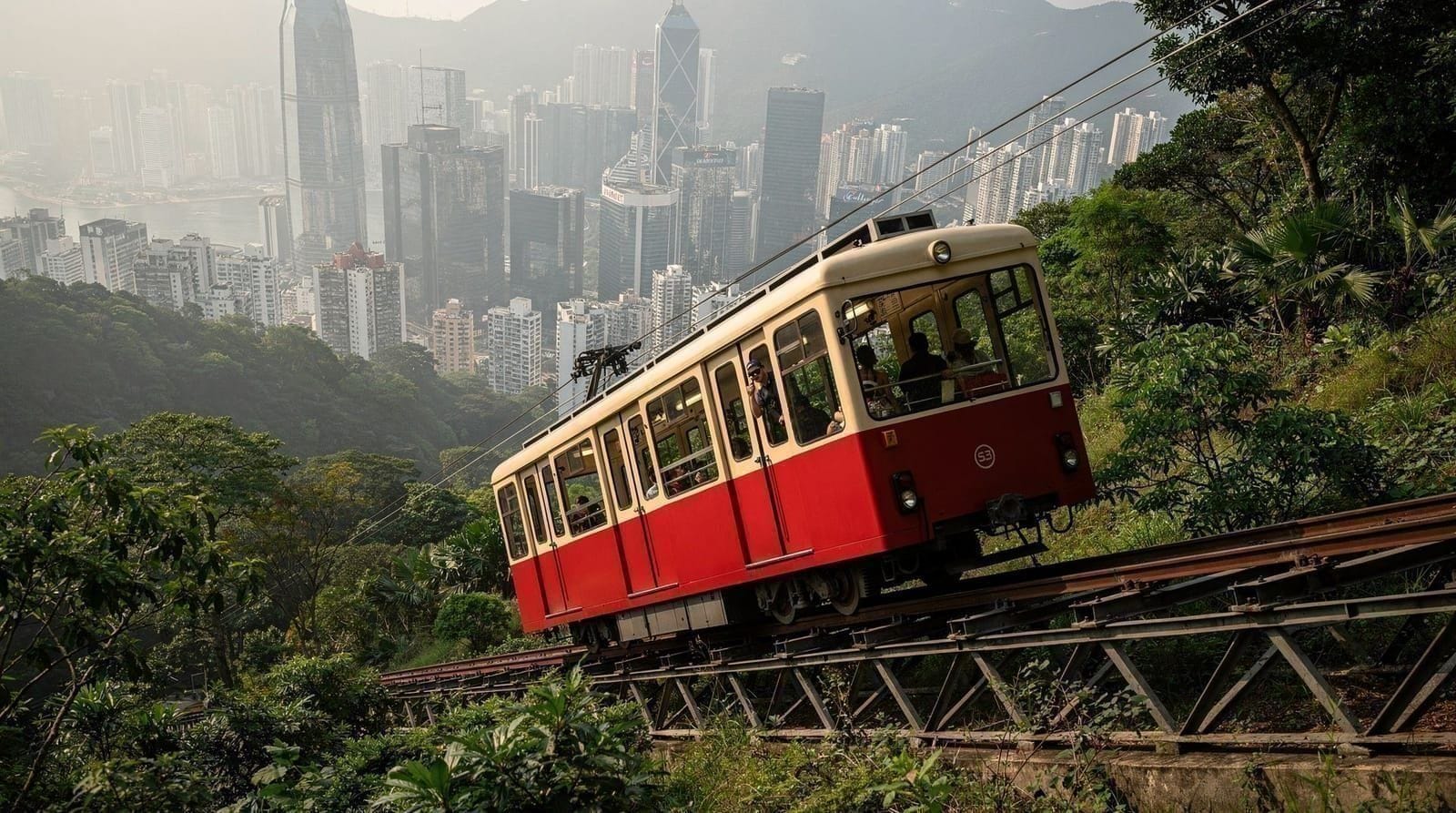
The system is not the Peak Tram. That distinction matters because both are elevated transport routes in this part of Hong Kong Island and both get mentioned in the same breath. The Peak Tram is a funicular railway on a separate route starting from Garden Road, about 10 minutes’ walk east of Central Market, and it climbs all the way to Victoria Peak. The Mid-Levels Escalator goes nowhere near the Peak — it stops well below the summit at Conduit Road, depositing you in a quiet residential area of apartment blocks. The two systems serve completely different purposes.
A guided historical and cultural tour of Hong Kong Island is a practical way to cover Central, SoHo, and the surrounding area with someone who knows the back alleys and the stories behind the facades — useful if you want more than a self-directed wander.
SoHo — the escalator’s neighbourhood
SoHo is the district that made the Mid-Levels Escalator famous, and the relationship is entirely mutual. The name stands for South of Hollywood Road, which is a precise geographic description: it is the hillside zone immediately south of Hollywood Road and north of the Mid-Levels proper. The escalator runs directly through the heart of it on Shelley Street, and the restaurants and bars that line Shelley Street, Elgin Street, and Staunton Street have built their entire business model around the fact that thousands of people ride past their windows every day.
What makes SoHo unusual — and genuinely different from every other dining district in Hong Kong — is the density and variety of international cuisine packed into a very small area. On a single block of Elgin Street you can walk past Mexican tacos, Spanish tapas, French bistros, Japanese ramen, Italian trattorias, and Thai street food concepts. The international diversity here is higher than anywhere else in the city, and the quality is consistent enough that the area has attracted serious restaurateurs alongside casual operators.
Budget roughly HKD 200-350 per person for a casual dinner at a mid-range restaurant, and HKD 400-600 at the more established spots. Lunch is cheaper. Most places open around noon, slow through the afternoon, and fill up from 7pm onward. Tables on weekend evenings benefit from a reservation, particularly at the smaller establishments.
The escalator access transforms dinner logistics in a practical way. You can step off the escalator, walk through a restaurant door, eat, and step back on the escalator without ever navigating a staircase or figuring out a taxi. For visitors staying near Central MTR who want an easy evening out, SoHo is the most efficient choice in the city.
After 10pm, SoHo transitions into bar territory. The smaller bars along Staunton Street and the upper sections of Shelley Street tend to stay open until 2am or later. The crowd shifts from dinner groups to people settling in for the night, and the atmosphere becomes considerably louder.
Hollywood Road — antiques, temples, and art
Hollywood Road runs east-west across the hillside, forming the northern boundary of SoHo and connecting Central and Sheung Wan across several kilometres of one of Hong Kong’s oldest commercial streets. It was laid out in the early colonial period and has been associated with antiques and curio trading for well over a century.
The character of Hollywood Road changes as you walk westward. The eastern end near Central is more art-gallery oriented, with contemporary Hong Kong art alongside some antique dealers. As you move into Sheung Wan, the street becomes increasingly dominated by genuine Chinese antiques: furniture from the Qing and Republican eras, ceramics, cloisonné, scroll paintings, jade carvings, and decorative bronzes. Prices at reputable dealers reflect genuine rarity — this is not a budget souvenir strip. If you are buying anything of significant value, request provenance documentation and treat unverifiable authenticity claims with appropriate scepticism.
Man Mo Temple
Midway along Hollywood Road, at the corner with Ladder Street, stands Man Mo Temple — one of the oldest and most atmospheric temples in Hong Kong, built in 1847. It is dedicated to two deities: Man, the god of literature, and Mo, the god of war, a pairing that captures something essential about how Hong Kong has always balanced intellectual and martial virtues.
Entry is free. The interior is permanently hazy from the giant incense coils that hang in spirals from the ceiling, burning slowly for days at a time. The coils are offerings left by worshippers and create a particular quality of diffused golden light that makes the temple feel genuinely timeless rather than staged. Visit on a weekday morning if you want quiet reflection — weekends draw larger crowds. It takes around 20-30 minutes to look around properly.
Cat Street and Upper Lascar Row
South of Hollywood Road, running parallel behind it, Upper Lascar Row — universally known as Cat Street — is a narrow lane that functions as Hong Kong’s most atmospheric outdoor flea market. The name “Cat Street” dates from colonial slang for the traders who dealt in goods of uncertain provenance, “cat” being a term for a fence or receiver.
Today it is a compact strip of stalls and tiny shops selling old coins, Mao-era memorabilia, jade bangles, antique pocket watches, Soviet badges, wooden toys, replica ceramics, and miscellaneous curios. Some items are genuinely old; many are not. It is best approached as a place to browse rather than invest. The atmosphere is the point — the physical compression of the lane, the mix of locals and tourists picking through the same boxes, the particular kind of Hong Kong commercial energy that has not changed much in fifty years.
PMQ — the arts and design complex
At 35 Hollywood Road, between Central and the SoHo escalator district, stands PMQ — Police Married Quarters, a pair of 1951 colonial residential blocks that were converted into a creative arts and design complex in 2014. The two seven-storey wings face each other across a central courtyard, and the ground-floor and mezzanine units are occupied by independent designers, concept shops, fashion labels, and cafés.
Entry is free and open daily. The quality of the retail varies, but the complex reliably has a few standout shops worth exploring: local jewellery designers, Hong Kong-made leather goods, graphic print studios, and ceramics workshops. The courtyard hosts pop-up markets on weekends. Budget 30-60 minutes for a relaxed visit. It is a useful reference point if you are walking between Central Market at the bottom and the upper stretches of Hollywood Road.
Lan Kwai Fong — the bar district
Lan Kwai Fong sits just uphill from Central MTR on D’Aguilar Street and Wyndham Street. It is Hong Kong’s most concentrated bar and club district: expatriates, financial workers, young professionals, and international visitors in a space compact enough to walk in five minutes. It opens around 5pm and peaks on Friday and Saturday from 9pm to 2am. Weeknights are manageable enough that you can hear the person you came with.
Prices are not low. Beer runs HKD 80-100, cocktails HKD 120-180, and some clubs charge a weekend cover of HKD 100-200. There are no budget workarounds — if you want cheaper drinks, Mong Kok and Wan Chai offer livelier local bar scenes at lower price points. Taxis are consistently available on D’Aguilar Street throughout the night.
If you’d rather not plan your own route between venues, a guided pub crawl through Lan Kwai Fong bundles entry and drinks across several bars into one night out.
Guided Lan Kwai Fong pub crawlThe causeway bay area guide covers the island’s other main entertainment district if you want a comparison with a more local atmosphere.
IFC Mall and the Central waterfront
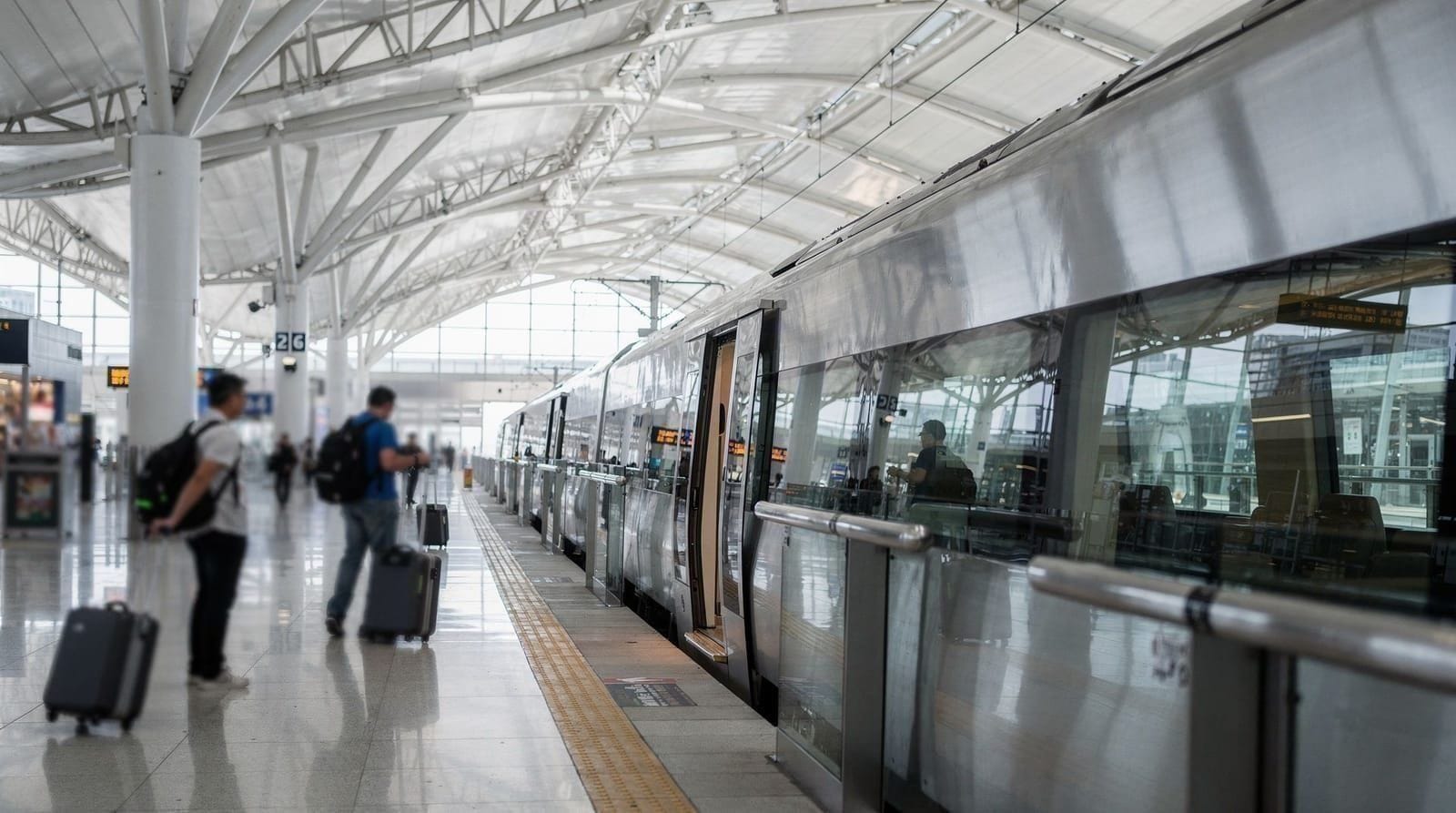
IFC Mall sits at sea level on the harbour, connected underground to Hong Kong MTR station. It combines upscale retail — Apple Store, Lane Crawford, and the French fine-dining institution Caprice — with one of the city’s most useful transport hubs. The Airport Express departs from Hong Kong station directly beneath the mall, running to Hong Kong International Airport in 24 minutes for HKD 120. Full details are in the airport to city Hong Kong guide.
The in-town check-in service at Hong Kong station is worth knowing about. Most major airlines let you drop checked luggage and collect your boarding pass at the station counter from around 6am, so you arrive at the airport holding only cabin baggage. Not every airline participates — check the list posted at the station.
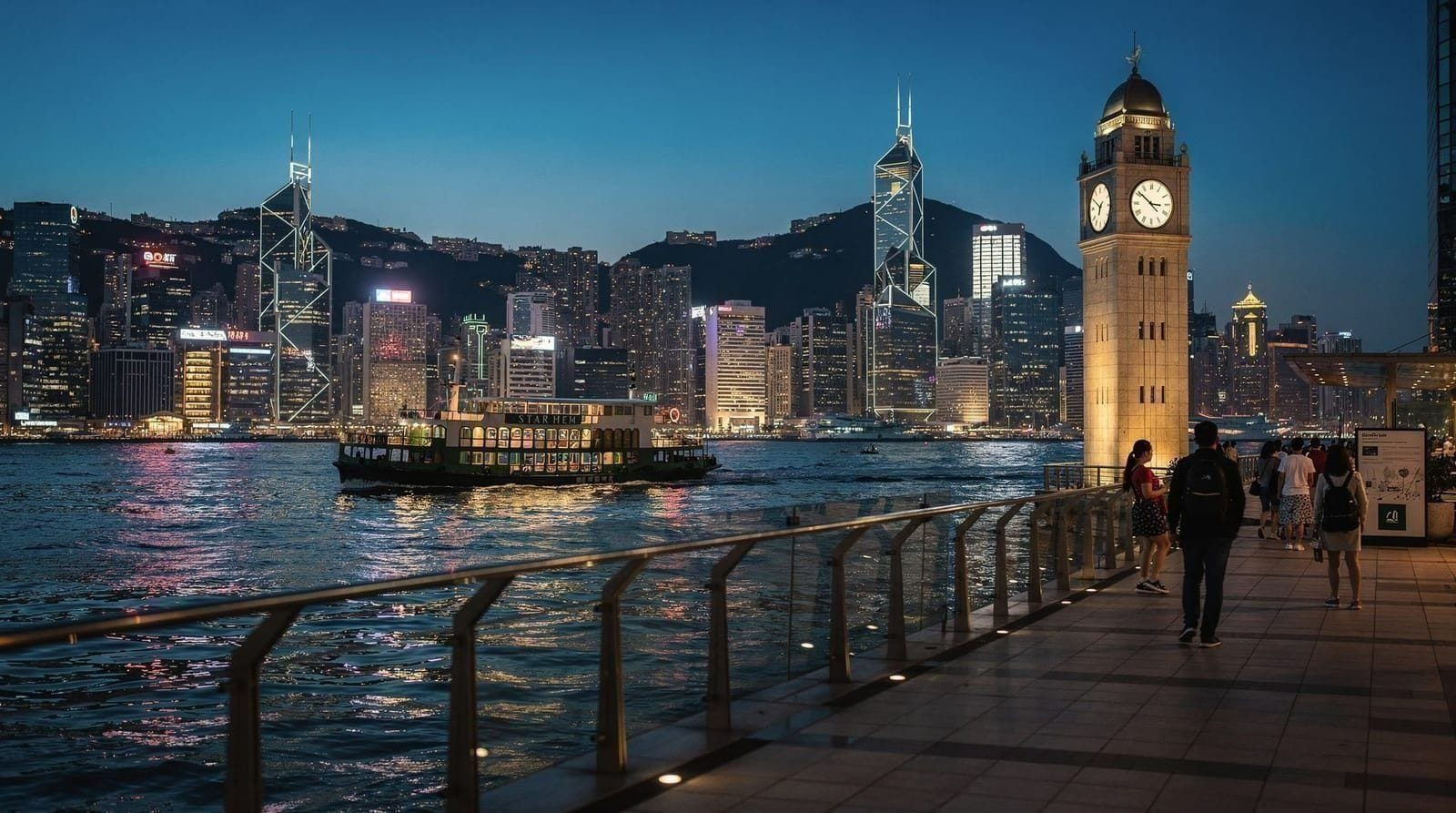
Walking through IFC toward the harbour brings you to the waterfront promenade near Pier 9. The views across to Tsim Sha Tsui are clear and unobstructed — the same skyline everyone photographs from the Kowloon side, seen in reverse.
The Star Ferry connection
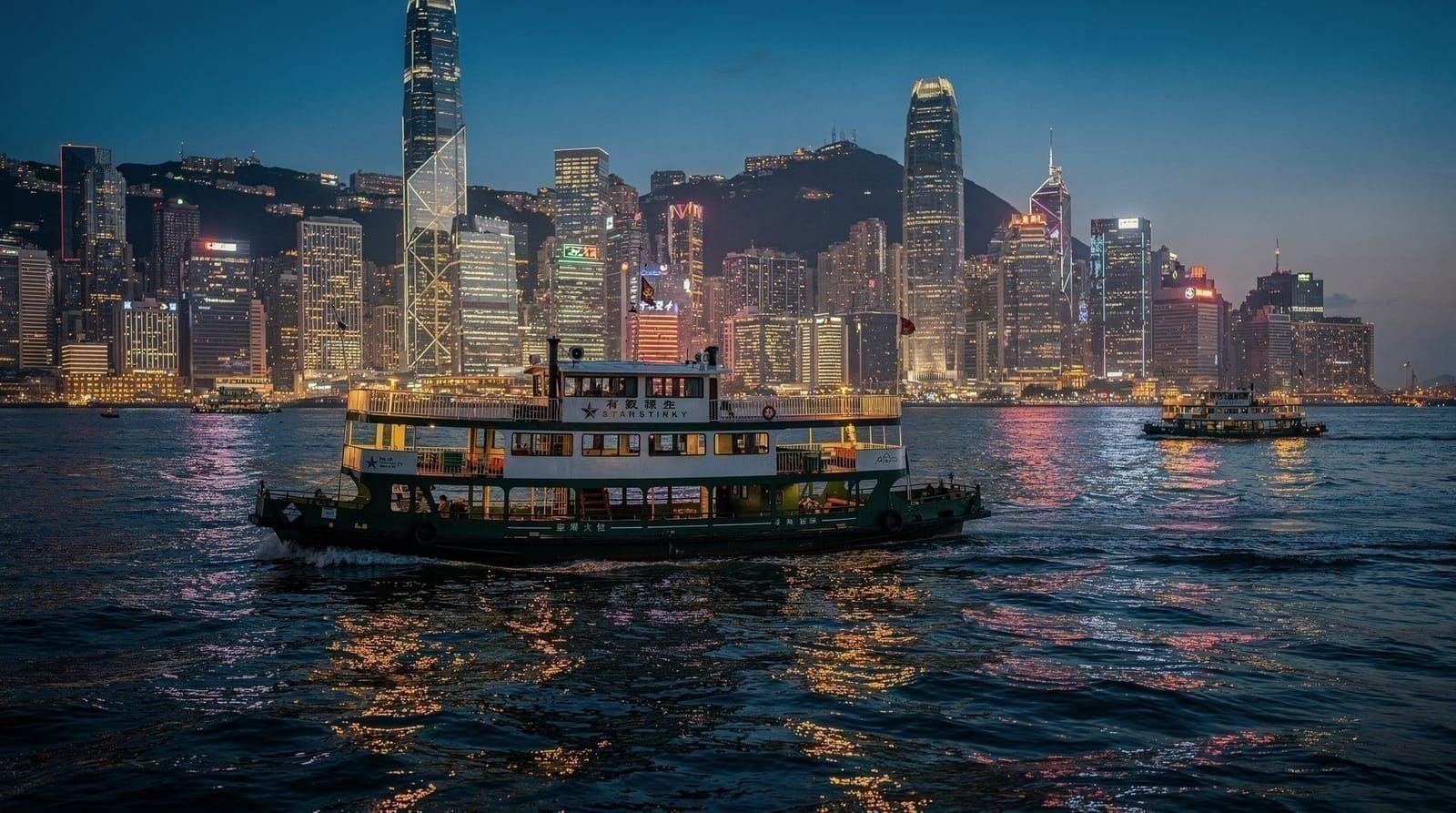
Star Ferry Pier 7, from which the historic Tsim Sha Tsui crossing departs, is a five-minute walk from Hong Kong MTR station through the elevated pedestrian walkways inside IFC Mall. The Star Ferry and trams guide covers the full service in detail, but the key fact for Central visitors is that the ferry runs roughly every 10-12 minutes during the day, costs HKD 2.70 on weekdays (HKD 3.70 on weekends), and takes about 8 minutes to cross.
The crossing from Central to Tsim Sha Tsui remains one of the most scenically satisfying eight minutes available in any city in the world. On a clear day the full sweep of the harbour — the towers on both shores, the container traffic in the middle distance, the green hills above Kowloon beyond — is visible from the upper deck. Taking the ferry at least once, even if you are primarily using the Hong Kong MTR for practical transport, is worth prioritising.
The comparison of Central against Tsim Sha Tsui as a base for your trip — including the hotel cost differential and practical access considerations — is covered in detail in the Central vs Tsim Sha Tsui guide.
Getting around Central — navigating the exits
Central MTR station is the largest and most confusing station on Hong Kong Island, and the confusion is compounded by the fact that adjacent Hong Kong station on the Airport Express Line sits underground nearby, connected by a five-minute underground walk but technically a separate station.
Key exits worth memorising:
Exit K is the one you want for IFC Mall, Star Ferry, and the waterfront. It deposits you inside the mall’s ground level, from which you can navigate to the ferry pier or the harbour promenade.
Exit J2 leads toward Garden Road and is the correct exit for walking to the Peak Tram Lower Terminus. From J2, turn left onto Garden Road and walk uphill for about 10 minutes. Alternatively, bus 15C runs from Edinburgh Place near the Star Ferry pier up to the terminus — useful if the hill feels steep.
Exit D puts you on Des Voeux Road Central, useful for reaching Sheung Wan on foot or catching trams westward.
For the Mid-Levels Escalator, walk north from the MTR toward Queen’s Road Central and Jubilee Street — Central Market is signposted from most exits. If you are arriving by taxi, the rank on Chater Road outside the Mandarin Oriental is the clearest reference point.
Pottinger Street — running steeply uphill just east of the escalator system — is paved with the distinctive stone slabs that give it its local name of “stone slabs street.” It connects Queen’s Road Central up to Hollywood Road and is the walking route if the escalator is running downhill during the morning hours. It is steep but manageable and takes about five minutes.
Planning a full day in Central and SoHo
The most practical sequence starts at the waterfront and works uphill. Begin at the Star Ferry pier in the morning — the view of Kowloon is clearest before haze builds. Walk through IFC Mall to note the Airport Express check-in counters at Hong Kong station if you are departing that day.
Move uphill to Central Market for breakfast. By 10:20am, join the Mid-Levels Escalator for the ride up through SoHo. Step off along Shelley Street or Elgin Street to explore. From SoHo, walk across Hollywood Road to PMQ for 30-45 minutes of browsing, then westward to Man Mo Temple, then down Ladder Street to Cat Street.
In the afternoon, continue west into Sheung Wan’s antique district or head back downhill to Central. The 3-day Hong Kong itinerary places this area within a broader island sequence if you want a pre-planned structure.
Evening: return to SoHo for dinner — book ahead on Fridays — then choose between SoHo’s late bars or Lan Kwai Fong for the busier club scene.
A private walking tour with a local guide can compress this sequence if your time is limited — a good guide will know which stops are worth the detour on a given day.
What Central and SoHo are not good for
It is worth being direct about where this part of Hong Kong Island falls short, because visitor expectations sometimes outrun reality.
Budget accommodation is scarce. Central hotel prices start around HKD 1,200 per night for anything with reasonable standards and climb sharply from there. The where to stay in Hong Kong guide covers the full accommodation landscape across all districts.
Local market culture is largely absent here. For the kind of dense, cheap, chaotic street market experience that many visitors associate with Hong Kong, Mong Kok and Sham Shui Po on the Kowloon side are far more appropriate. The Sham Shui Po area guide covers a neighbourhood where everyday Hong Kong life is far more visible than in the polished streets of Central.
Street food on the cheap is limited in SoHo. Dai pai dong stalls and noodle shops at HKD 40-80 per bowl are not the character of this district. The international restaurant strip is genuinely good but it is oriented toward sit-down dining at moderate-to-high prices.
Connecting Central to the rest of Hong Kong Island
Central’s MTR position makes it the logical base for the island’s other districts. Causeway Bay is four stations east and 12 minutes by train — a denser, more local shopping and dining atmosphere. The Causeway Bay area guide covers it in detail.
Day trips are straightforward from the Central piers. Macau ferries depart from the Outlying Islands Pier near Pier 2. The best day trips from Hong Kong covers the main options; the Macau day trip guide and getting to Macau guide handle the logistics, while the Lantau Big Buddha day trip guide covers Lantau Island.
For first-timers figuring out how the city connects, both the Hong Kong 1-day itinerary and the Hong Kong budget itinerary treat Central and SoHo as the natural starting point.
What locals do differently in this district
Hong Kong Island residents who live or work near Central tend to use this area quite differently from how visitors experience it in a single pass. Central Market functions as a genuine lunch spot for office workers rather than a novelty stop — arriving between 12 and 1:30pm puts you shoulder to shoulder with people on an actual lunch break, which is a more honest slice of daily Hong Kong life than the tourist-hours version of the same space.
Locals also tend to treat the escalator as pure transport rather than an attraction, riding it in short bursts to a specific street rather than end-to-end, and they favour the smaller, less-signposted restaurants tucked into side streets off Elgin and Staunton over the more visible corner spots that draw the biggest crowds. If you want a slightly more local flavour of the neighbourhood without leaving it, timing your visit to overlap with the lunch and after-work rushes (roughly 12–2pm and 6–8pm) puts you among people using the area for its actual daily purpose rather than as a sightseeing stop.
SoHo vs Lan Kwai Fong: picking your evening
Both districts sit within a few minutes’ walk of each other, but they suit different moods, and conflating them is a common first-timer mistake. SoHo is a dining district first — restaurants dominate, bars are secondary, and the atmosphere stays conversational even late into the evening. Lan Kwai Fong is a bar and club district first — food exists but is not the point, and the energy from 9pm onward is louder, denser, and more oriented toward standing and drinking than sitting and eating.
A natural sequence for one evening: dinner in SoHo around 7–9pm, then a short walk downhill into Lan Kwai Fong if you want the later, livelier scene. If you’d rather skip the crowds and cost entirely, Wan Chai and Mong Kok both offer a more local, lower-priced bar experience.
Coffee and daytime cafés worth knowing
Beyond the dinner and bar scene, Central and SoHo also has one of Hong Kong’s better daytime café concentrations, useful if you’re pacing a full day of walking and want a proper sit-down break rather than a quick bubble tea. Staunton Street and the upper stretches of Peel Street have several independent specialty coffee shops that cater to the same office and creative crowd that fills SoHo’s restaurants in the evening — expect HKD 45–65 for a coffee and pastry, on the higher end for Hong Kong but consistent with the district’s overall pricing. Mid-morning (10am–12pm) and mid-afternoon (2–4pm) are the quietest windows if you want a table without a wait, since the lunch and after-work periods draw the heaviest local traffic.
A rainy-day version of this itinerary
Hong Kong’s humidity and sudden downpours can derail an outdoor-heavy plan, and Central/SoHo actually holds up better than most districts on a wet day because so much of it connects via covered walkways. The Mid-Levels Escalator itself runs under a roof for its full length, IFC Mall connects underground to Central MTR and Hong Kong station, and PMQ, Central Market, and much of Hollywood Road’s gallery strip are indoor or covered. The main exposure is the walk along Hollywood Road itself and the approach to Man Mo Temple, both manageable with an umbrella. If the forecast looks bad for your whole trip, it’s worth checking the wider list of covered options rather than writing off an outdoor day entirely.
Budgeting a day in Central and SoHo
Costs here run higher than most of Hong Kong, and it’s worth setting expectations before you arrive. A realistic day: free browsing at Central Market, PMQ, Man Mo Temple and Cat Street; HKD 40–80 for a casual lunch if you eat at Central Market rather than a SoHo restaurant; HKD 200–350 per person for a SoHo dinner; and HKD 80–180 per drink if you extend the evening into Lan Kwai Fong. A couple doing dinner and a couple of drinks can expect to spend HKD 600–1,000 for the evening alone, well above the citywide average — factor this into an overall trip budget alongside cheaper days elsewhere, such as a Sham Shui Po afternoon.
Frequently asked questions about SoHo and Central guide — escalators, antiques, and where to eat and drink
What is the Mid-Levels Escalator in Hong Kong?
Is Lan Kwai Fong worth visiting?
What is on Hollywood Road in Central and Sheung Wan?
How do I get to the Peak Tram from Central?
Can I check in for my flight at Hong Kong MTR station?
What is PMQ in Hong Kong?
Top experiences
Bookable activities with verified prices and instant confirmation on GetYourGuide.