Peak Tram guide — tickets, queues, and what to expect
Hong Kong: Victoria Peak Tram & Sky Terrace 428 ticket
How do I ride the Peak Tram without waiting an hour in the queue?
Book your timed ticket online before you arrive at Garden Road station. Online tickets let you bypass the standby queue entirely. A return ticket costs HKD 116 (or HKD 182 combined with Sky Terrace 428 admission). If queues are already long and you just want the view, Bus 15 from Exchange Square reaches The Peak with no wait at all (fare on the operator's website).
What the Peak Tram actually is
The Peak Tram is not a tram. It is a funicular railway — a cable-hauled system that runs on fixed rails up a steep hillside, with two counter-balancing cars that ascend and descend simultaneously on a single track. The distinction matters because the experience is entirely unlike a street tram: you sit in a carriage tilted to compensate for the gradient, the buildings outside appear to lean as you climb, and the city falls away below you at an increasingly vertiginous angle.
It opened in 1888, making it the first funicular railway in Asia and one of the oldest operating public funiculars in the world. The technology has been modernised repeatedly — the current sixth-generation cars entered service in 2021 — but the route, the experience, and the essential drama of the ascent are unchanged. For a city that changes its skyline every decade, the Peak Tram is one of the most durable things in Hong Kong.
The destination is The Peak (Victoria Peak area, officially the Jardine’s Lookout plateau at the upper terminus sits at 396 metres). The view from the top — over Central, the harbour, Kowloon, and on clear days the hills of the New Territories — is the single most famous image of Hong Kong. The tram is the most atmospheric way to get there.
| Where | Garden Road, Central, up to The Peak (396m) |
| Cost | Around HKD 116 return, HKD 182 with Sky Terrace 428 |
| Time needed | 2–3 hours including the top |
| Getting there | Walk from Central MTR, or free Bus 15C |
| Best time | Weekday morning before 11am, or evening for city lights |
Getting to the lower terminus
From Central MTR
The lower terminus is at Garden Road, a moderate uphill walk from Central. From Central MTR, take Exit J2 (City Hall) and follow Garden Road uphill for 15 to 20 minutes. The road climbs through the lower Mid-Levels residential district, passing the Hong Kong Zoological and Botanical Gardens on your right. It is not a difficult walk, but it is uphill and exposed — factor in the humidity if you are visiting in summer.
If you would rather not walk up, the free Bus 15C runs from the Exchange Square bus terminus (ground floor, adjacent to Central MTR Exits D1 and D2) directly to the Peak Tram lower terminus. It is free to board, accepts Octopus card, and runs frequently throughout the day. Journey time is 10 to 20 minutes depending on traffic. This is the easiest option if you are arriving with luggage, with young children, or in summer heat.
From Sheung Wan or SOHO
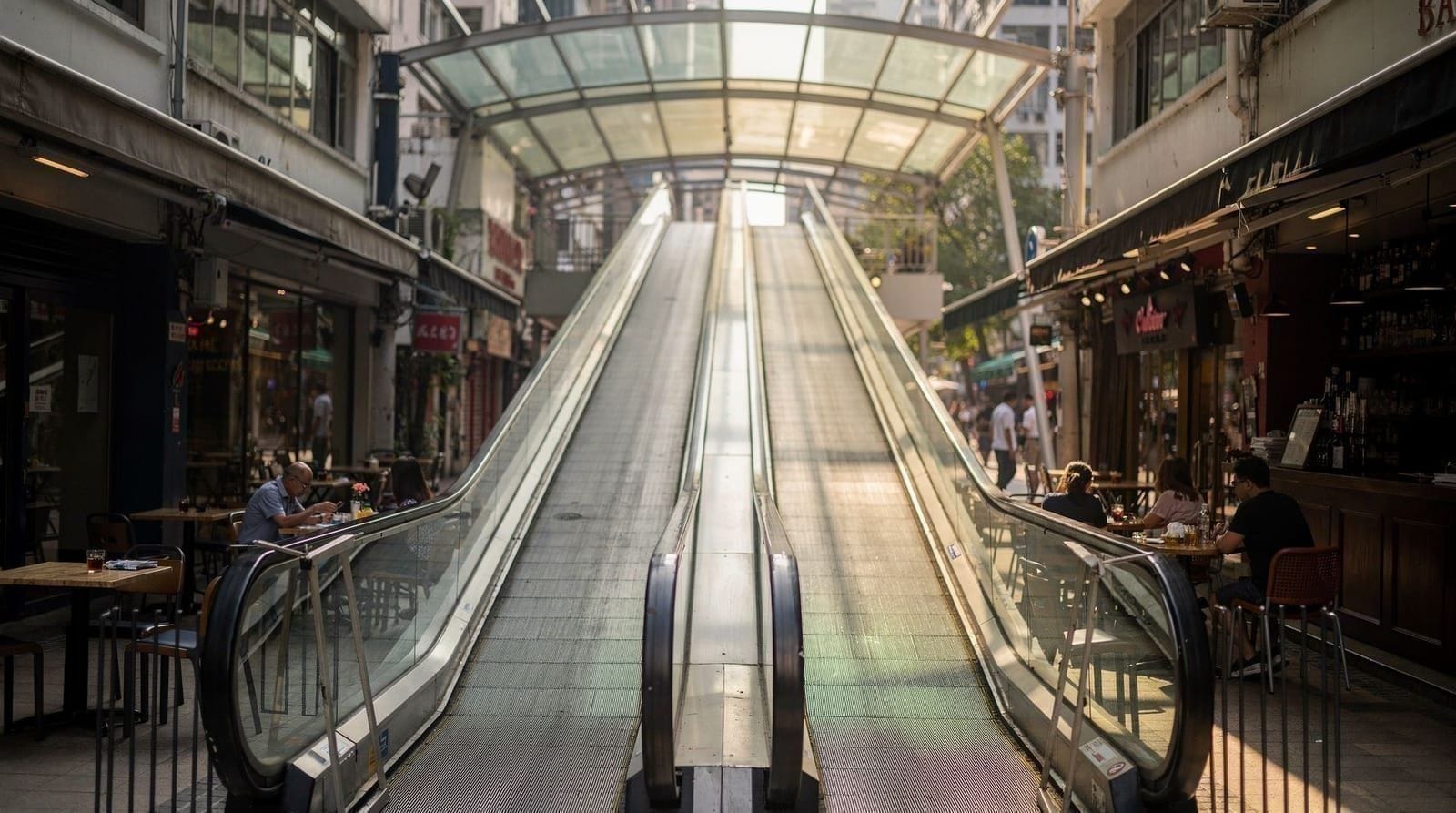
If you are based in SOHO or Central’s mid-levels, you may already be partway up the hill via the Central-Mid-Levels Escalator. From the top of the escalator system (Conduit Road), you can walk across to Garden Road in around 15 minutes without significant additional climbing. This routing makes sense if your day already includes the Mid-Levels area — it saves doubling back to the MTR station.
By taxi
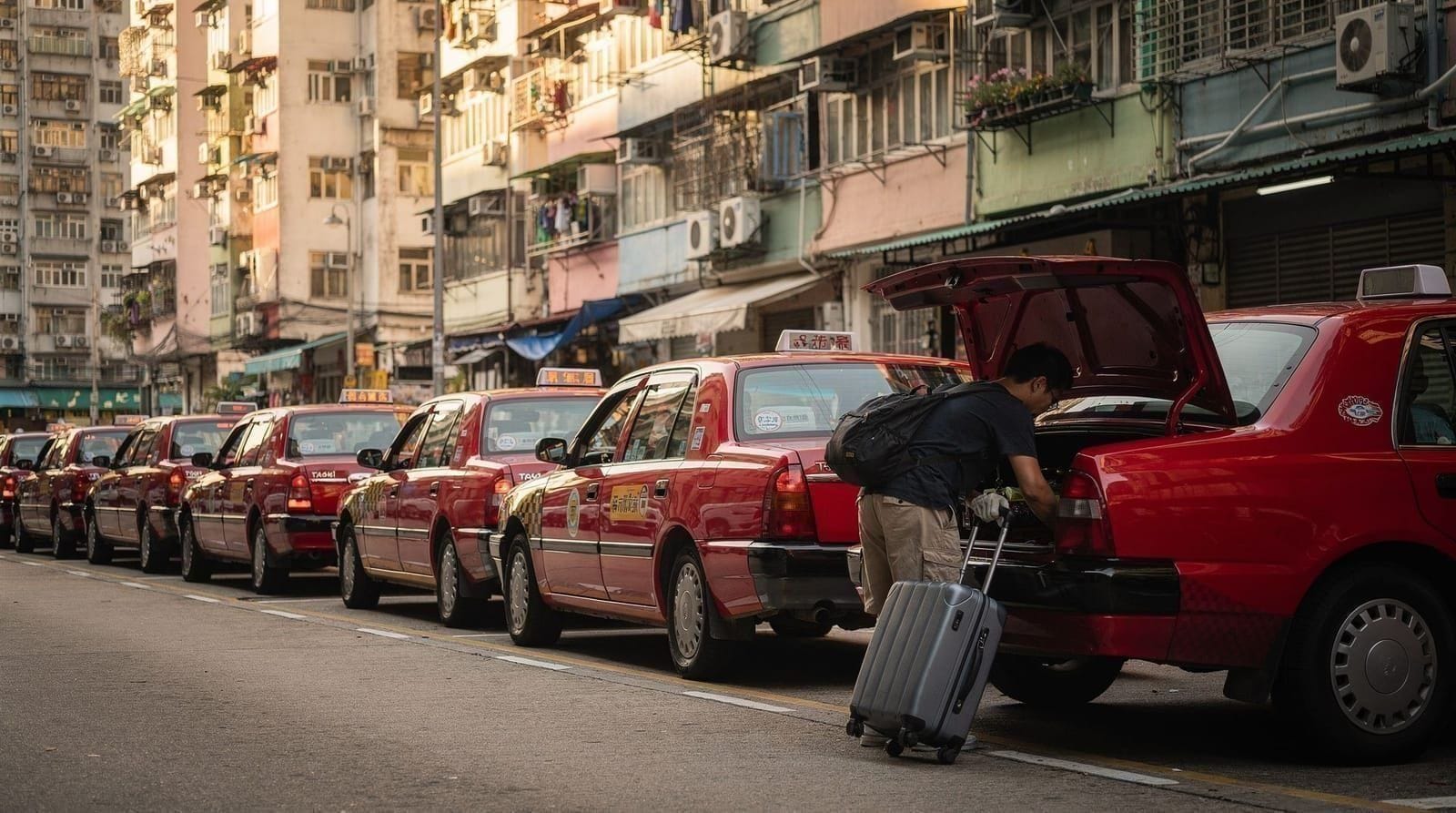
A taxi from Central to the Garden Road terminus costs HKD 30 to 50 depending on traffic. For the Octopus card and MTR users, this represents a meaningful premium over free Bus 15C, but it is quick and saves walking on humid days.
Tickets and booking
Current prices
As of 2025 to 2026, the standard adult fares are:
- One-way: HKD 82
- Return: HKD 116
- Return plus Sky Terrace 428 admission (combo): HKD 182
- Sky Terrace 428 standalone (without tram): see thepeak.com.hk for the current price
Children (aged 3 to 11) and seniors (65 and over) pay reduced fares — check the Peak Tram website or the booking link for current rates.
Why you should book online
The single most important practical advice about the Peak Tram is to book your tickets before you arrive at the station. Online timed tickets give you access to the priority boarding queue, which is separate from the standby queue that walk-up visitors join. On busy days, the standby queue can run 60 to 90 minutes. The priority queue is rarely more than 10 to 15 minutes.
You can book through the official Peak Tram site or through platforms like GetYourGuide. Choose your preferred departure time and collect your tickets on your phone.
Book the Peak Tram return ticket with Sky Terrace 428 comboIf you want to skip all queuing and have full flexibility over your schedule, the fast-track option gives guaranteed boarding without a timed slot:
Book the Peak Tram fast-track ticketWhat if the queue is already too long?
If you arrive at the terminus without pre-booked tickets and the standby queue is very long, the rational alternative is Bus 15 from Exchange Square. It is far cheaper (fare on the operator’s website), runs every 10 to 15 minutes, and reaches the same destination with no queue. The view at the top is identical. For a return visit or for travellers who have already done the tram, the bus is a perfectly good choice. The tram is the experience; the view is the reward at both ends.
The journey itself
The ride takes 7 to 8 minutes each way. From the Garden Road lower terminus, the car climbs through a cut in the hillside, passing through a sequence of intermediate stops (Kennedy Road, MacDonnell Road, May Road, Barker Road) where passengers can board or alight. Most tourists ride end-to-end.
The gradient reaches 27 degrees on the steepest section. The sixth-generation carriages seat 210 passengers and are air-conditioned. As the car tilts on the incline, passengers sit upright while the world outside appears to tilt the other way — buildings lean, the harbour tilts, the city becomes a diagonal. This visual effect is engineered into the carriage design and is the defining aesthetic experience of the ride. It is also the reason every visitor in the carriage points their camera out the right-side window at the same moment.
The descent is, if anything, more dramatic than the ascent. You are looking down into Central with the harbour spread beyond it, and the carriage appears to be driving at an impossible angle into the city below.
At the top: The Peak area
Peak Tower
The upper terminus deposits you inside the Peak Tower, a curved building shaped like a wok. It houses a retail mall with souvenir shops and cafes at the lower levels, and the Sky Terrace 428 observation deck at the top. The restaurants inside the building — several themed chains and one or two more serious options — are expensive relative to their quality. If you are hungry, eat in Central before coming up, or find the simpler noodle and rice options at the lower level of the tower rather than the premium-priced panorama restaurants higher up.
Sky Terrace 428
The Sky Terrace 428 is an outdoor observation deck at the top of the Peak Tower, at 428 metres elevation. It offers a 360-degree view of the surrounding area — north over Central and the harbour, east to Wan Chai and Causeway Bay, south over the southern residential districts and Lamma Island.
See thepeak.com.hk for current opening hours and the standalone admission price; it is included in the HKD 182 return tram combo. The deck is generally less crowded than the free viewing areas because the additional fee filters out visitors who only want the free view.
On a clear day, it is excellent. On a hazy day, the difference between paying and not paying is negligible.
Peak Galleria and the free viewing area
Across the road from the Peak Tower is the Peak Galleria, a competing retail and food complex. Its rooftop terrace is free to access and offers comparable views northward over the harbour. There is no 360-degree coverage (the southern hillside blocks that direction), but for the classic Hong Kong harbour photograph, the Galleria rooftop is a perfectly usable free alternative.
The Peak Circle Walk
The Peak Circle Walk is the best free experience at The Peak and one of the best easy walks in Hong Kong. The route (Lugard Road and Harlech Road combined) is a 3.5-kilometre loop around the peak plateau through forested hillside, taking 45 to 60 minutes at an easy pace. The path is paved and mostly flat.
The north-facing section of Lugard Road runs directly above the cliff edge, with the same harbour view as the observation decks visible continuously through the trees. It is genuinely quiet compared to the crowds at the tower, and on weekday mornings you may have long stretches of it to yourself.
Access from the upper tram station: turn left out of the Peak Tower, cross Lugard Road, and follow the path signposted for the circuit walk. The signage is clear.
This walk is recommended regardless of whether you pay for the Sky Terrace — it adds an hour to your visit and delivers a significantly better experience than spending that hour inside the tower.
When to go
Best for views
October to December is the prime period: the northeast monsoon brings dry, cool air and visibility that can exceed 50 kilometres. The harbour photographs with blue sky that you see in guidebooks are almost all taken in this period. Temperatures at The Peak are 2 to 4 degrees cooler than downtown — bring a light layer for evenings.
January to March is generally clear but can include foggy patches in February and early March. Still a good bet.
Worst for views
June to September brings haze, humidity, and the risk of typhoons. The tram closes when Typhoon Signal 3 is hoisted. Visibility on overcast summer days can be poor enough that the harbour is a flat grey backdrop rather than the spectacular panorama you came for. Check the Hong Kong Observatory forecast before committing to the trip in summer months.
Morning vs evening
Morning (before 10am) has the clearest air and shortest queues. The light falls directly on the harbour from the east, which is good for photography.
Evening gives you the city lights view, which is genuinely spectacular — particularly from 7pm onward when the office towers are all illuminated. The Symphony of Lights show runs at 20:00 nightly (visible from The Peak, though better from the Tsim Sha Tsui waterfront). Evening visits draw the longest queues of the day, so book your timed ticket with particular care if you plan an evening ascent.
Weekday vs weekend
Weekday mornings are considerably less crowded than weekends. If you have flexibility, visiting Tuesday to Thursday before 11am gives you the best combination of short queues and good visibility.
Combining the Peak Tram with other transport
The Peak Tram fits naturally into a day that starts in Central. A typical sequence: arrive by MTR to Central, walk or bus to Garden Road for the tram, spend 2 to 3 hours at The Peak (tram ride, Sky Terrace or free viewing, circle walk), return by tram or Bus 15, then proceed to Sheung Wan or the harbour front.
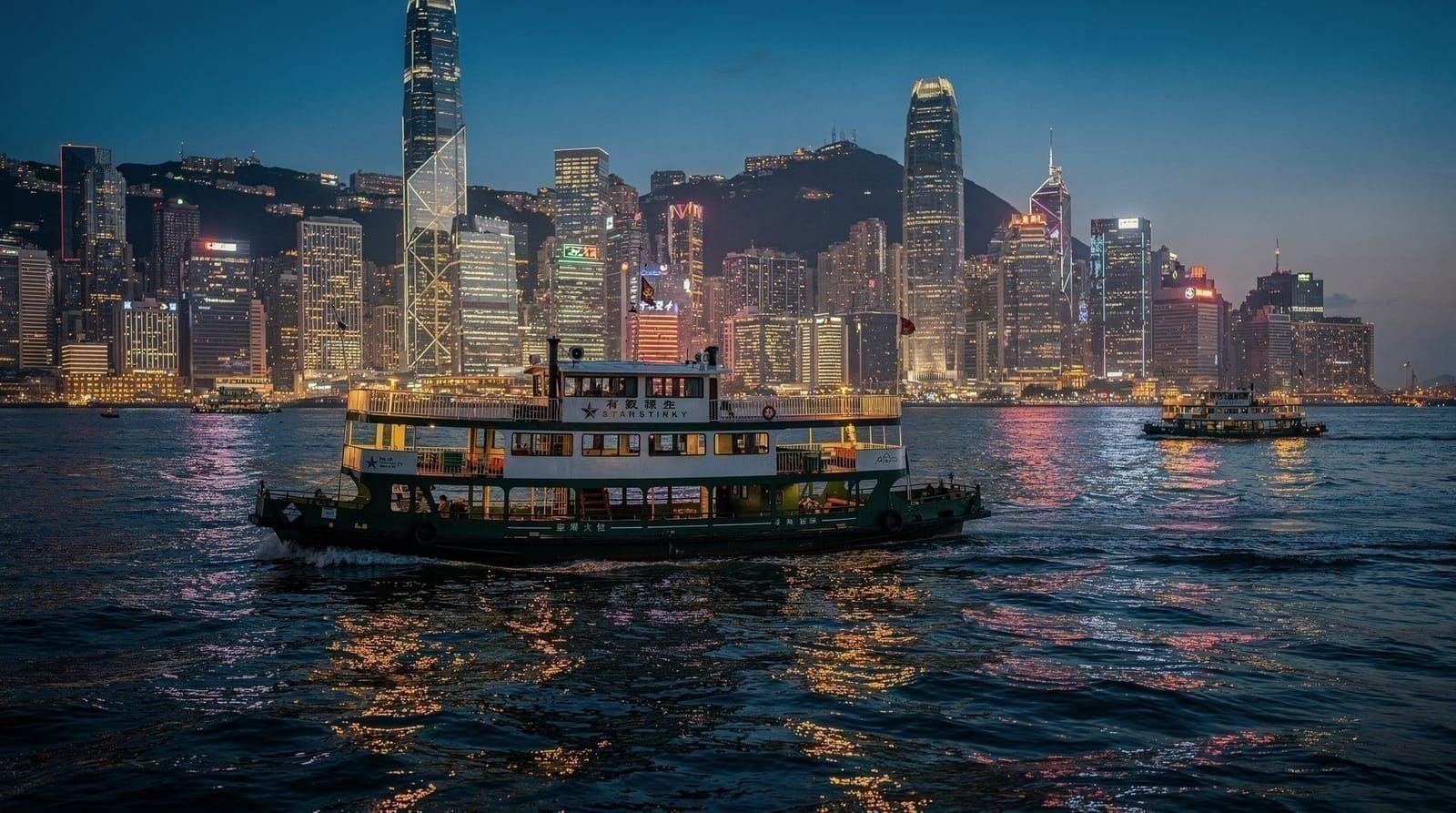
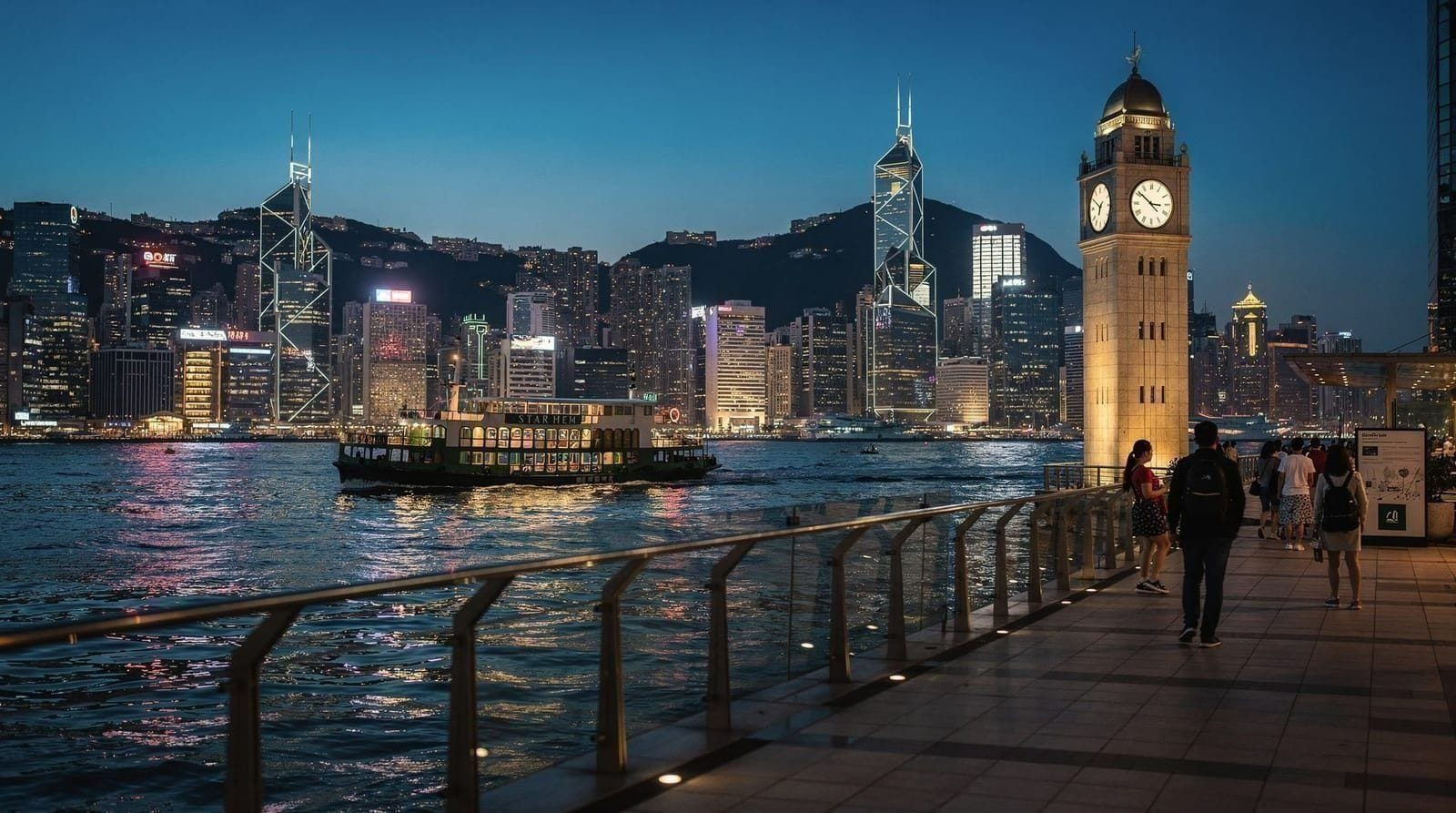
The Star Ferry from the Central piers to Tsim Sha Tsui works well as an afternoon complement — you see the Hong Kong Island skyline from the water, which is a different and equally worthwhile perspective. From TST waterfront you can look back at The Peak and understand the geography of your morning.
If your day includes SOHO, note that the Central-Mid-Levels Escalator drops you in the right general area to continue toward Garden Road without retracing your route entirely.
For a full day itinerary that builds the Peak Tram into an efficient loop, see the one-day Hong Kong itinerary.
Some visitors combine the Peak with a hop-on hop-off bus tour that includes a tram ticket, which can be convenient if you want to cover multiple sights without managing separate transport:
Big Bus hop-on hop-off tour including Peak Tram accessPractical details
Operating hours: See the official Peak Tram website (thepeak.com.hk) for current hours.
Frequency: See the official website for current departure frequency.
Payment at the gate: Octopus card is not accepted for the Peak Tram itself. Buy tickets at the gate counter or online in advance. Octopus is accepted for Bus 15C (free) and Bus 15.
Accessibility: The Peak Tram has steps at the boarding areas and is not currently wheelchair-accessible. Bus 15C from Exchange Square is the accessible alternative to reach The Peak.
With children: The tram is suitable for all ages. Very young children should be seated or held securely during the steep climb. The steepness can surprise young children — manage expectations before boarding so the tilt is exciting rather than alarming.
Typhoon closures: The tram halts when Typhoon Signal 3 or above is hoisted. Check the Hong Kong Observatory app before travelling during June to October.
Comparing options: tram vs bus vs taxi
| Option | Cost | Time to peak | Queue | Experience |
|---|---|---|---|---|
| Peak Tram (pre-booked) | HKD 82-116 | 8 min | 10-15 min | High |
| Peak Tram (walk-up) | HKD 82-116 | 8 min | 60-90 min peak | High |
| Bus 15 (Exchange Square) | See operator’s website | 25-35 min | None | Standard |
| Bus 15C (free shuttle) | Free | 15-20 min | None | Standard |
| Taxi from Central | HKD 70-100 | 10-15 min | None | Standard |
The tram wins on experience; Bus 15 wins on simplicity and cost. Pre-booking the tram gives you the experience without the queue penalty — it is the practical choice for most visitors.
Understanding the neighbourhood: what else is nearby
The Peak Tram lower terminus at Garden Road sits at the boundary of Central’s commercial district and the Mid-Levels residential area. If you are exploring Central and the surrounding area before or after the tram, the Hong Kong Zoological and Botanical Gardens (free, open from 06:00) are a five-minute walk from the terminus. The animals, aviaries, and gardens make a calm complement to the crowds at The Peak.
Central’s Sheung Wan district is 20 to 30 minutes on foot downhill from the terminus, via the laneways of Hollywood Road and the antique dealers of Cat Street. If you walk down rather than taking the tram or bus for the descent, this route adds an interesting urban layer to your visit.
If The Peak is crowded, other viewpoints exist
The Peak is the famous viewpoint, but it isn’t the only one, and knowing the alternatives helps you decide how much queueing and expense it deserves on a tight itinerary. Sky100 in Kowloon has been closed for renovation since May 2025, with no reopening date announced, so it is not an option for now.
The Star Ferry gives a sea-level perspective on the same skyline for a fraction of the cost, and a harbour cruise at dusk covers similar ground with drinks included. None of these fully replace the funicular ride and the 428-metre panorama, but if your schedule genuinely can’t accommodate the queue and the tram is disappointing on the day you visit, they’re solid fallbacks rather than a wasted afternoon.
Peak Tram vs the bus: making the actual decision
The comparison with Bus 15 comes up constantly, and the honest answer depends on what you value that day. First-timers who have never ridden a funicular should take the tram at least one way — it’s a genuine Hong Kong experience, not just transport, and the 27-degree tilt is memorable in a way a bus window never will be. Repeat visitors, budget travellers, or anyone travelling with a stroller who wants to avoid the tram’s boarding steps will find Bus 15 does the job for a fraction of the cost with zero queue. A sensible compromise many visitors use: tram up (for the experience), bus or taxi down (since the descent view, while dramatic, is less essential once you’ve done it once).
Photography tips at The Peak
The classic harbour shot works best from Lugard Road on the Peak Circle Walk or from the Sky Terrace 428’s north-facing side, both around golden hour in the hour before sunset when the light softens and the towers below start lighting up ahead of full darkness. A wide-angle lens or your phone’s ultra-wide setting captures more of the harbour sweep than a standard lens. Avoid shooting straight down into the Peak Tower’s mall interior for anything harbour-related — the interesting light is all outside. If you’re also planning photos elsewhere in the city, the Star Ferry crossing at dusk offers a genuinely different angle on the same skyline from water level.
A note on the history worth knowing before you ride
The Peak Tram was built in 1888 partly to serve the wealthy residents who lived in the cooler air of the upper levels, at a time when Hong Kong Island’s elite deliberately settled above the humid, crowded harbourfront. Until 1904, non-Europeans were barred from living at The Peak entirely — a colonial-era restriction that shaped the neighbourhood’s development for decades and explains why the area still reads as distinct, spacious and villa-like compared to the density below. Knowing this context adds a layer to the ride: you’re retracing a route that was, for most of its history, a genuinely exclusive corridor rather than the shared tourist experience it is today.
What to skip if you’re short on time
If you only have 90 minutes at The Peak rather than the recommended 2–3 hours, prioritise the tram ride itself and one viewing point — either the free Peak Galleria rooftop or the paid Sky Terrace 428, not both — and skip the full Peak Circle Walk, which needs 45–60 minutes on its own. The Peak Tower’s shops and themed restaurants are skippable for most visitors; the same experiences (better value, similar variety) are available down in Central or around SOHO without paying peak-area prices.
Frequently asked questions about Peak Tram guide — tickets, queues, and what to expect
How much does the Peak Tram cost in 2026?
How long is the wait for the Peak Tram?
How long is the Peak Tram journey?
What is the difference between the Peak Tram and Bus 15?
Where is the Peak Tram lower station?
Is the Sky Terrace 428 worth the extra cost?
What is the best time of day to ride the Peak Tram?
Does the Peak Tram run every day?
Top experiences
Bookable activities with verified prices and instant confirmation on GetYourGuide.