Hong Kong Science Museum guide — interactive science for all ages
Hong Kong: Heritage past to present
How much is the Hong Kong Science Museum and what should I see first?
Permanent galleries cost HK$20 (HK$10 reduced) and are free on Wednesdays. Special exhibitions are ticketed separately (see the official site for current prices). Start on the top floor (floor 5) and work your way down — this avoids the crowds from school groups who typically fill the lower interactive floors. Allow 2.5–3 hours. The four-storey Energy Machine in the main atrium is the centrepiece and runs every 8 minutes.
| Where | 2 Science Museum Road, Tsim Sha Tsui East |
| Cost | HK$20 (HK$10 reduced), free on Wednesdays (permanent); special exhibitions ticketed separately |
| Time needed | 2.5–3 hours (add 1 hour with special exhibition) |
| Getting there | East Tsim Sha Tsui MTR, exit P2 (5–8 min walk) |
| Best time | Weekday 11:30–13:00 or after 15:30 |
What the Science Museum does well
The Hong Kong Science Museum is a large, five-floor interactive science and technology museum in Tsim Sha Tsui East. It is primarily designed for educational engagement — particularly for school-age children and family visits — rather than as a research or curation institution. Within that brief it is genuinely effective: the interactive exhibits work, the scale is significant, and the Energy Machine atrium is one of the more impressive single museum installations in Hong Kong.
For parents travelling with children aged 5–15, this museum is one of the most straightforward recommendations in Hong Kong’s cultural landscape. The permanent galleries cost only HK$20 (free on Wednesdays), the interactive elements are well-maintained, and the museum is large enough to absorb a family visit without feeling cramped.
For adult visitors without children, the museum is a secondary priority after M+, the Hong Kong Palace Museum, and the History Museum — unless you specifically have an interest in applied science education or the special exhibition programme.
Getting to the museum
MTR: East Tsim Sha Tsui station (Tuen Ma Line, exit P2) is the closest — approximately 5–8 minutes’ walk south. The museum is on Science Museum Road, directly behind the Hong Kong Museum of History and well signposted from the MTR exit.
Tsim Sha Tsui station (Tsuen Wan Line, exit B2): Walk 10 minutes east through the Tsim Sha Tsui East area. Signs appear from Chatham Road South.
Taxi: From central Tsim Sha Tsui, the metered fare starts at HK$29 for the first 2 km (about 5 minutes). From Hong Kong Island via Cross-Harbour Tunnel, expect the metered fare plus a HK$25 tunnel supplement and a HK$25 return toll (20 minutes).
From the History Museum: The Science Museum is a 3-minute walk through the shared garden courtyard. If combining both museums, the walk between them is seamless.
The Energy Machine: the centrepiece
The Energy Machine (能量穿梭機) is the museum’s signature installation and worth orienting your visit around. The 22-metre kinetic sculpture occupies the full height of the main atrium from ground floor to the ceiling of floor 4. Balls travel through a sequence of levers, ramps, spirals, chain conveyors, wheels, and tubes — demonstrating kinetic energy conversion, momentum, gravity, and mechanical advantage in a continuous sequential display.
The machine runs for approximately 8 minutes, then resets for the next cycle. Each cycle is different in some small details as balls take slightly different paths. Viewing from multiple floors simultaneously is the recommended approach — stand on the floor 2 or 3 balcony to see the intermediate stages, then move to floor 1 for the finale. Crowds gather at the railings; arrive a few minutes before the next cycle starts (staff typically signal the start).
The practical tip: the machine is most crowded during school group visits (typically 09:30–11:00 and 13:30–15:00 on weekdays). If you can time your Energy Machine viewing for 11:30 or 16:00, you will have better visibility from the balconies.
Floor-by-floor guide
Floor 1 (Ground level — Transportation and Computer): Transportation exhibits cover the mechanics of flight, marine engineering (model ship propulsion, hull design), and ground transport. The computer science section covers the history of computing from mechanical calculators to current processors, with several interactive stations. The transportation section has scale models of aircraft engines and marine propulsion systems that are genuinely informative in physical form.
Floor 2 (Life Science and Earth Science): Life science covers biology from cellular level through to ecology. Earth science addresses geology, weather, and oceanography. Several interactive workstations let visitors conduct simulated experiments. The weather section — with a working weather monitoring station and cyclone simulation — is particularly effective for children.
Floor 3 (Mathematics and Robotics): The mathematics section uses visual and physical models to explain concepts from geometry to statistics to probability. The probability machine (a Galton board demonstrating normal distribution with falling balls) is a perennial favourite. The robotics and artificial intelligence section has interactive demonstrations and, periodically, live demonstrations by mechanical systems. This floor is quieter than floors 1 and 2 and better for adults.
Floor 4 (Physical Science and Sound): Physical science covers optics, magnetism, and electricity with demonstration equipment. The sound section is typically the most immediately engaging for families — standing wave demonstrations, resonance tubes, and the Theremin (a musical instrument played without touching it) that children invariably queue for.
Floor 5 (Special exhibitions and lecture theatre): The top floor is reserved for temporary exhibitions (separately ticketed) and the museum’s lecture theatre. The special exhibitions change seasonally — past topics have included the science of superheroes, space exploration, and DNA research. Check the museum website (hk.science.museum) for current programming.
Special exhibitions: worth checking before you go
The special exhibitions at the Science Museum are occasionally excellent — international travelling shows that combine scientific content with high production values and interactive design. Past exhibitions that have been well-received in Hong Kong include space exploration retrospectives, robotics and AI demonstrations, and science of the human body shows.
Special exhibitions are ticketed separately; check the official website for current prices before visiting. The ticket is reasonable relative to the content when the exhibitions are strong. Check the website before visiting — if the current special exhibition aligns with your interests, it may be the most valuable part of the museum visit.
School groups: timing your visit
The Science Museum is a major destination for Hong Kong school outings. The museum can be very crowded during school group hours:
- Weekday mornings 09:30–11:30: High school group density on floors 1 and 2
- Weekday afternoons 13:30–15:30: Afternoon school groups, though often less numerous than morning
Best times: Weekday late morning (11:30–13:00, between the morning and afternoon school group waves) or late afternoon (15:30 onwards). Saturday mornings are family-busy but without school groups.
The upper floors (3, 4) are consistently less crowded than the lower floors regardless of school group presence — start on floor 5 and work downward if school groups are present.
For families: specific recommendations
Age 5–8: Focus on floors 1 and 2 — the transportation models, weather station, and interactive life science exhibits at this level are sized and paced appropriately. The Energy Machine is accessible and memorable for this age group. Allow 2 hours; energy levels typically flag before the full museum is explored.
Age 8–14: The full museum is relevant. The mathematics and robotics section on floor 3 engages older children who have some school context for the concepts. The computing history section provides context for children who use devices without understanding what is inside them. Allow 3 hours for a thorough visit.
Age 14+: The special exhibitions are the primary draw. The permanent galleries at this age range are most interesting in the physics sections and the robotics demonstrations. 2–2.5 hours for the permanent galleries; special exhibitions add time.
Practical eating nearby
There is a small café within the museum. The better food options are in the surrounding Tsim Sha Tsui East area:
Tsim Sha Tsui East restaurants: The streets around the museums (Granville Road, Mody Road) have a mix of Japanese, Korean, and Cantonese restaurants at mid-range prices (HK$80–150 for lunch). Nothing particularly notable, but convenient and varied.
K11 Musea mall (15 min walk): A mall with a curated food hall and multiple casual dining options, worth visiting if you want a broader choice. Also near the Tsim Sha Tsui cultural district and the waterfront promenade.
For a complete Tsim Sha Tsui day, see the Tsim Sha Tsui destination guide which covers restaurants, the waterfront, and the broader area in detail.
Combining with the Hong Kong History Museum
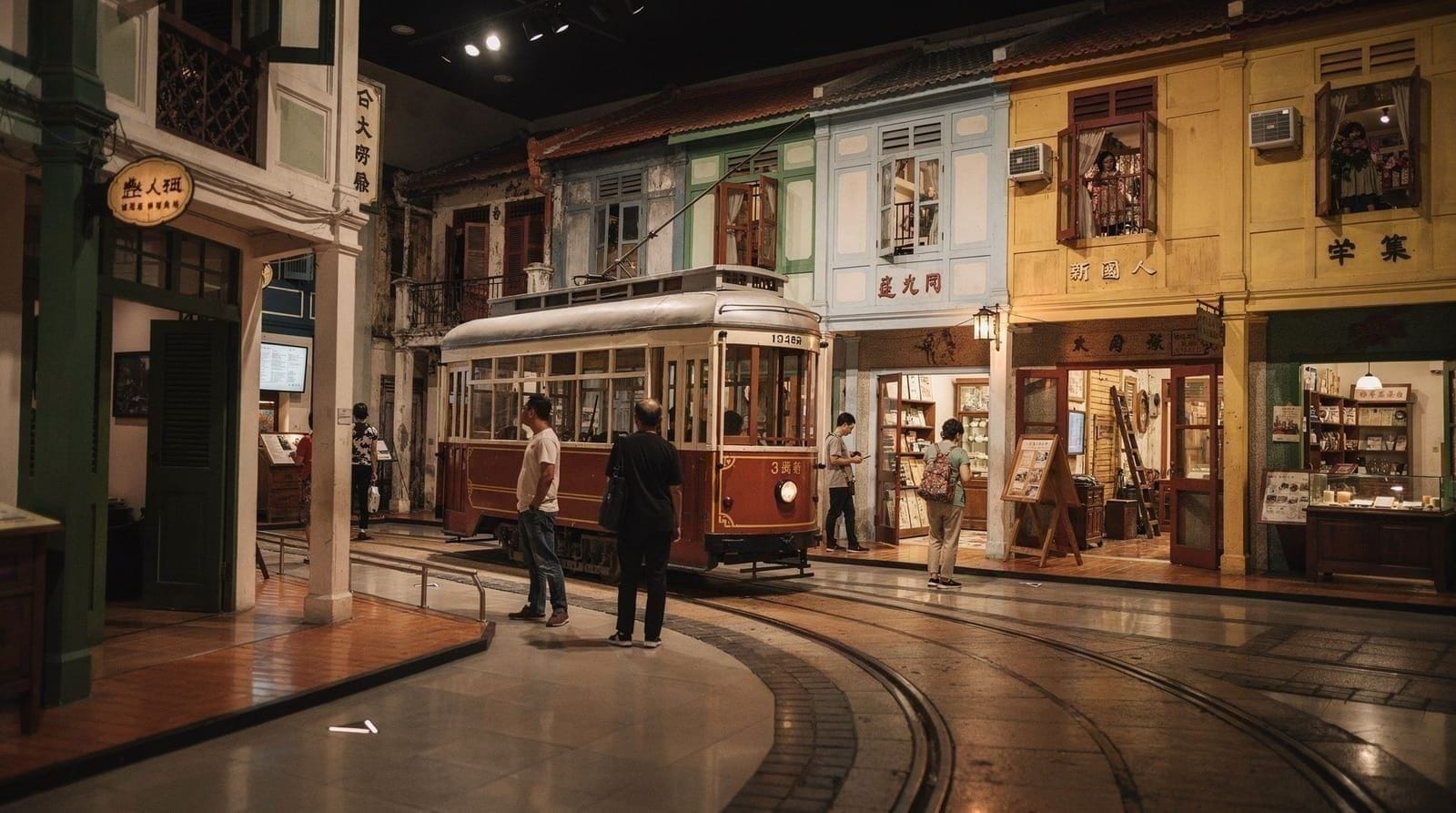
The most natural combination is the adjacent Hong Kong History Museum — the History Museum’s permanent galleries are free, the Science Museum’s cost HK$20 (free on Wednesdays), accessible in one day, and covering complementary material (historical context in the History Museum, scientific principles in the Science Museum).
Recommended sequence for a full-day family visit:
- 10:00–12:30: Hong Kong History Museum (cover galleries 1–5, most relevant for older children; adjust based on age)
- 12:30–13:30: Lunch at Tsim Sha Tsui East restaurants
- 13:30–16:30: Science Museum (floors 4 down to 1; catch Energy Machine at 14:00 or 15:00)
For the broader Hong Kong with kids context and what to prioritise across the city, see Hong Kong with kids.
Comparing Tsim Sha Tsui’s museum cluster
Kowloon has an unusually dense cluster of museums, and the Science Museum is only one option among several strong choices. Here is how it stacks up for planning purposes:
| Museum | Best for | Cost | Time needed |
|---|---|---|---|
| Science Museum | Families, interactive exhibits | HK$20 (free Wed) | 2.5–3 hours |
| History Museum | Cultural and historical context | Free (permanent) | 2–2.5 hours |
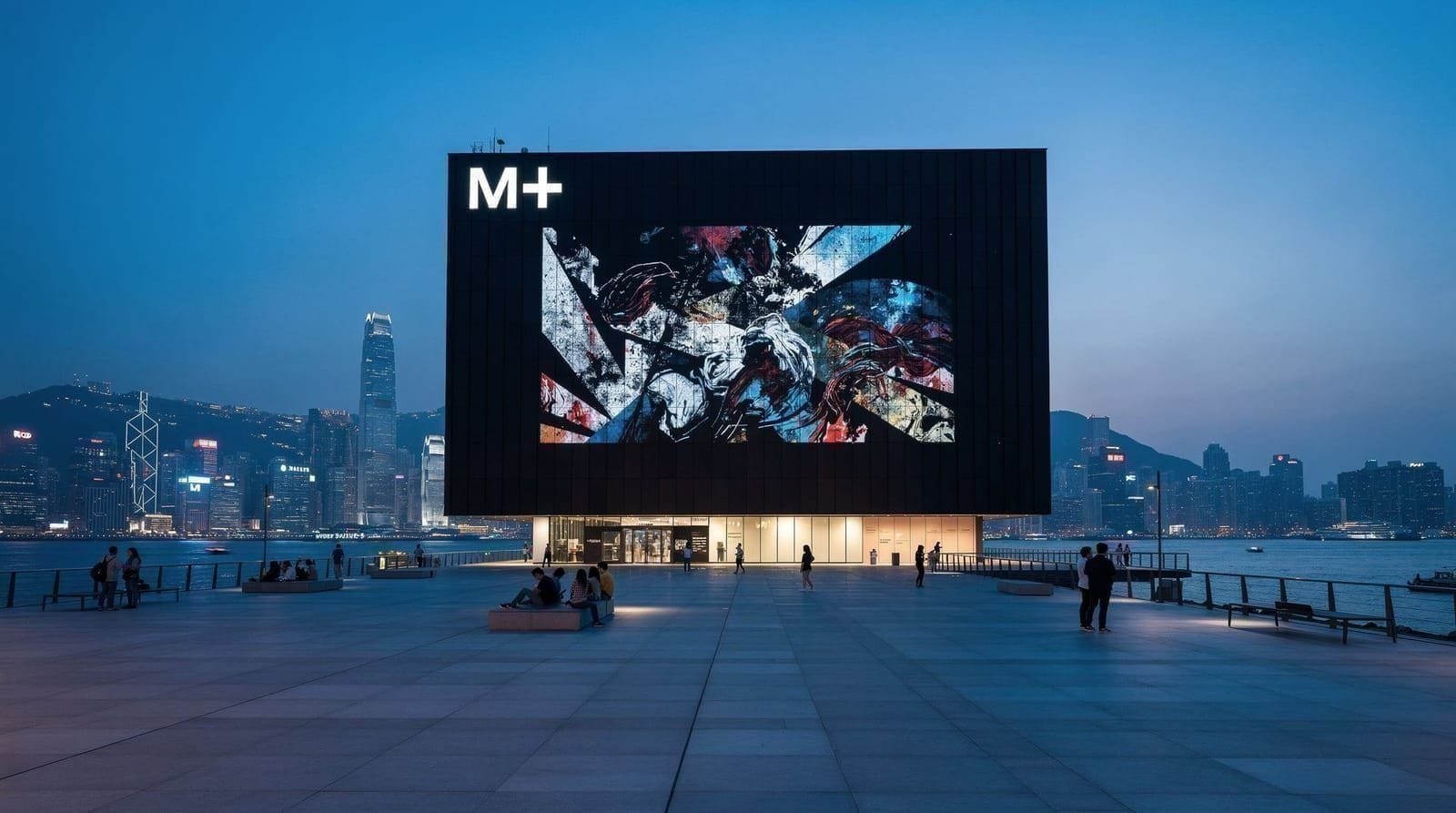
| M+ | Contemporary and visual art | See official site | 3–4 hours |
| Hong Kong Palace Museum | Chinese imperial art and artefacts | HK$70 (galleries 1–7) | 2–3 hours |
For adults building a museum-focused day, M+ and the Palace Museum (both in West Kowloon Cultural District, a short taxi or MTR ride from Tsim Sha Tsui East) generally reward the time investment more than the Science Museum, unless the current special exhibition is a strong draw. For families, the Science Museum paired with the History Museum next door remains the most efficient combination.
If you are building out a broader family day plan around Tsim Sha Tsui, the family itinerary guide and the wider Hong Kong itinerary planning guide both help sequence museum time against the rest of the neighbourhood.
Adding a guided or high-view experience
The museum is self-guided, so it pairs well with something that adds context outside the galleries. If the History Museum next door sparks curiosity about how the city grew, a guided heritage tour from past to present fills in the story. For travellers who would rather see several areas in one outing without planning the route, a private walking tour with a local guide is a flexible way to cover the neighbourhoods around Tsim Sha Tsui at your own pace. And for a view of the harbour after a day indoors, an observation deck visit gives families a skyline moment that suits the same curious mood (note: Sky100 has been closed for renovation since 17 May 2025, with no reopening date announced — check sky100.com.hk before planning around it).
Fitting the museum into a wider trip
The Science Museum works best as a single block of the day rather than the reason for a whole day. On a short stay, it slots naturally into a rainy afternoon: the rainy day itinerary and the Hong Kong with kids advice both lean on indoor options like this one, and it is worth reading typhoon season in Hong Kong if you are travelling in the wetter months and want a fallback plan that does not depend on the weather.
If you are travelling with a family, the family itinerary shows how to balance museum time with outdoor activities, so children are not asked to walk through galleries all day. Families with very small children should also look at the advice in Hong Kong with toddlers, since the quieter upper floors and the Energy Machine are the easiest parts of the museum to enjoy with a short attention span.
Before and after your visit
A museum morning leaves you well placed for the rest of Tsim Sha Tsui. Once you are done, the waterfront is the obvious next stop: the Star Ferry guide explains the classic crossing to Central, and the Symphony of Lights guide helps you plan an evening along the harbour if you stay on in the area. For wider context on the neighbourhood, the Tsim Sha Tsui destination page covers what else sits within easy reach.
If the museum is part of your first days in the city, the first-time Hong Kong guide and the top things to do in Hong Kong put it in perspective against the headline sights. Getting around is simple, and the Hong Kong MTR guide and the Octopus card guide cover the practicalities of reaching the area without fuss. Travellers working out how many days they need can also check how many days in Hong Kong.
Making the most of the interactive exhibits
Most of the value comes from slowing down at the stations that reward patience. Read the short explanation first, then try the exhibit; many of them make more sense once you know what to look for. With children, let them choose where to stop rather than steering them floor by floor, and keep the Energy Machine as a shared moment the whole group watches together. Adults visiting alone often get more from the physics, mathematics and robotics sections than from the busier lower floors, so treat those as the place to linger and move quickly through anything that is crowded.
Practical information
- Address: 2 Science Museum Road, Tsim Sha Tsui East, Kowloon
- MTR: East Tsim Sha Tsui station, exit P2 (5–8 min walk)
- Hours: Mon–Wed, Fri 10:00–19:00; Sat–Sun and public holidays 10:00–21:00; closed Thursday
- Entry: HK$20 (HK$10 reduced), free on Wednesdays (permanent galleries); special exhibitions ticketed separately
- Allow: 2.5–3 hours (permanent only); 3.5–4 hours with special exhibition
- Best time: Late morning (11:30–13:00) or late afternoon (15:30+) for manageable school group crowds
- Adjacent: Hong Kong History Museum (3 min walk)
Frequently asked questions about Hong Kong Science Museum guide — interactive science for all ages
Where is the Hong Kong Science Museum?
What is the Energy Machine at the Science Museum?
Is the Science Museum free?
What floors have the most interactive exhibits?
Is the Science Museum good for adults without children?
How long does a Science Museum visit take?
Can I combine the Science Museum and History Museum in one day?
Is the Science Museum worth visiting without children?
Is there parking at the Hong Kong Science Museum?
Top experiences
Bookable activities with verified prices and instant confirmation on GetYourGuide.