Is Hong Kong worth visiting in 2026?
Hong Kong: Heritage highlights tour with Peak Tram and Star Ferry
Is Hong Kong worth visiting in 2026?
Yes, for most travellers. Hong Kong remains one of Asia's most compelling cities — exceptional food culture, remarkable urban density, efficient transport, and a coastline that few expect. The city has changed since 2019, but the factors that make it a great destination remain largely intact. If you are comparing it against other Asian cities for a first visit, it earns a high recommendation.
What the question really means
“Is it worth visiting” is doing a lot of work as a question. Worth it compared to what — Tokyo? Bangkok? Taipei? Worth it for a solo traveller versus a family? Worth it on a limited budget or with flexibility? This guide addresses the question honestly across those dimensions, based on what Hong Kong is actually like in 2026.
The short version: Hong Kong remains one of the most distinctive cities in Asia and is genuinely different from every other city in the region. The long version follows.
| Bottom line | Yes, for most travellers |
| Best for | Food lovers, first-timers to Asia, city hikers |
| Think twice if | You prioritise nightlife/party scene |
| Best months | October–December |
| Main cost pressure | Hotels (HKD 800–1,500/night) |
| Minimum trip length | 3 days for the headline experience |
What Hong Kong does exceptionally well
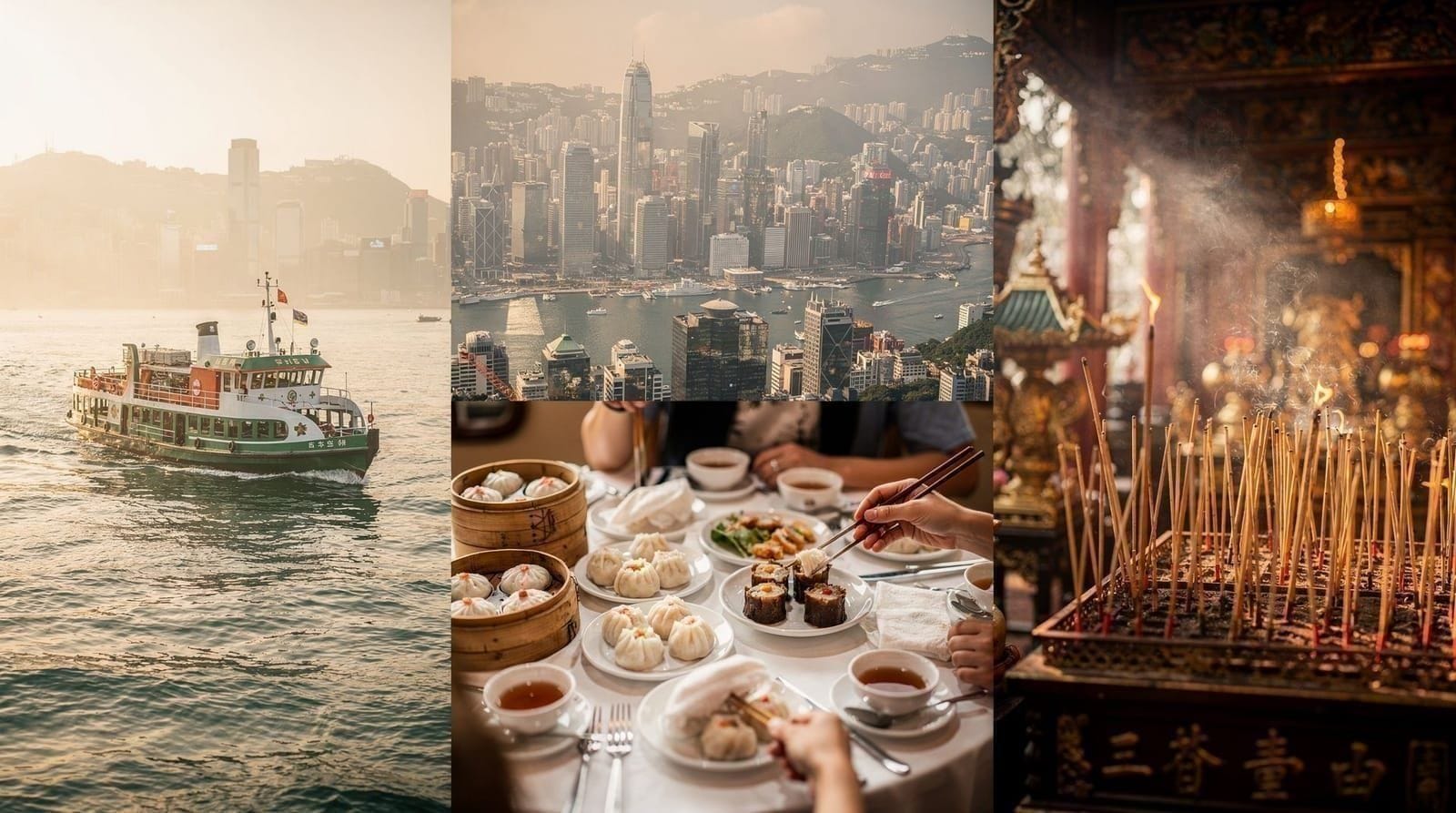
Food. Hong Kong’s food culture is one of the world’s great cuisines, and it operates at every price point. A full dim sum brunch for two costs HKD 120–200 at a local teahouse. A bowl of wonton noodles at a proper noodle shop costs HKD 40–60. The Michelin cheap eats guide lists restaurants with Michelin Bib Gourmand recognition for under HKD 200 per person. The density and quality of food options — across cha chaan tengs, dim sum houses, noodle shops, and dai pai dong — is not matched by any comparable city.
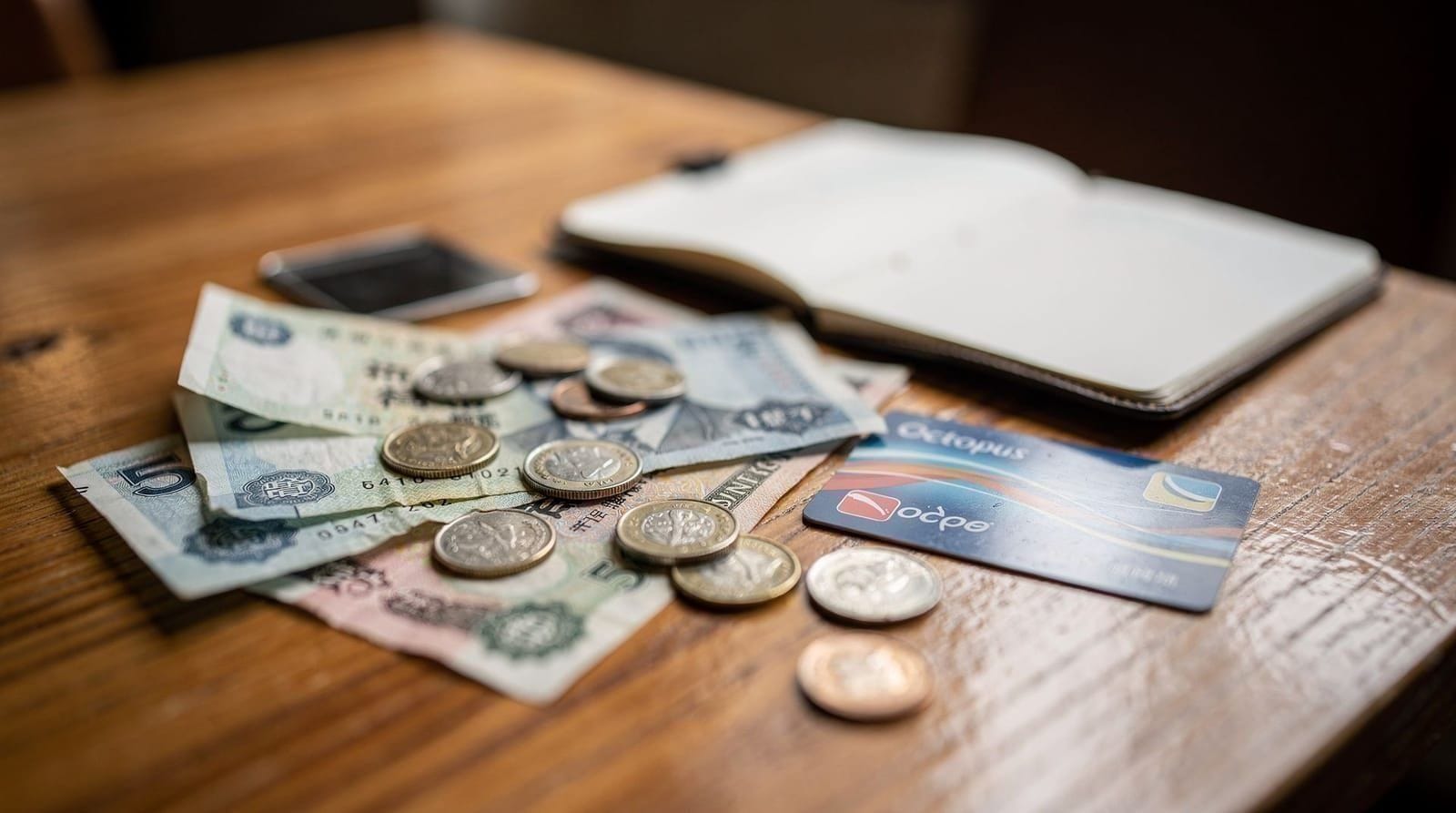
Transport. The MTR is fast, clean, reliable, bilingual, and covers nearly every tourist area. Octopus card works seamlessly across the subway, buses, trams, and Star Ferry. The Airport Express gets you from the airport to Central in 24 minutes. Getting around Hong Kong is genuinely easy — easier than Tokyo, Tokyo, and much easier than Bangkok.
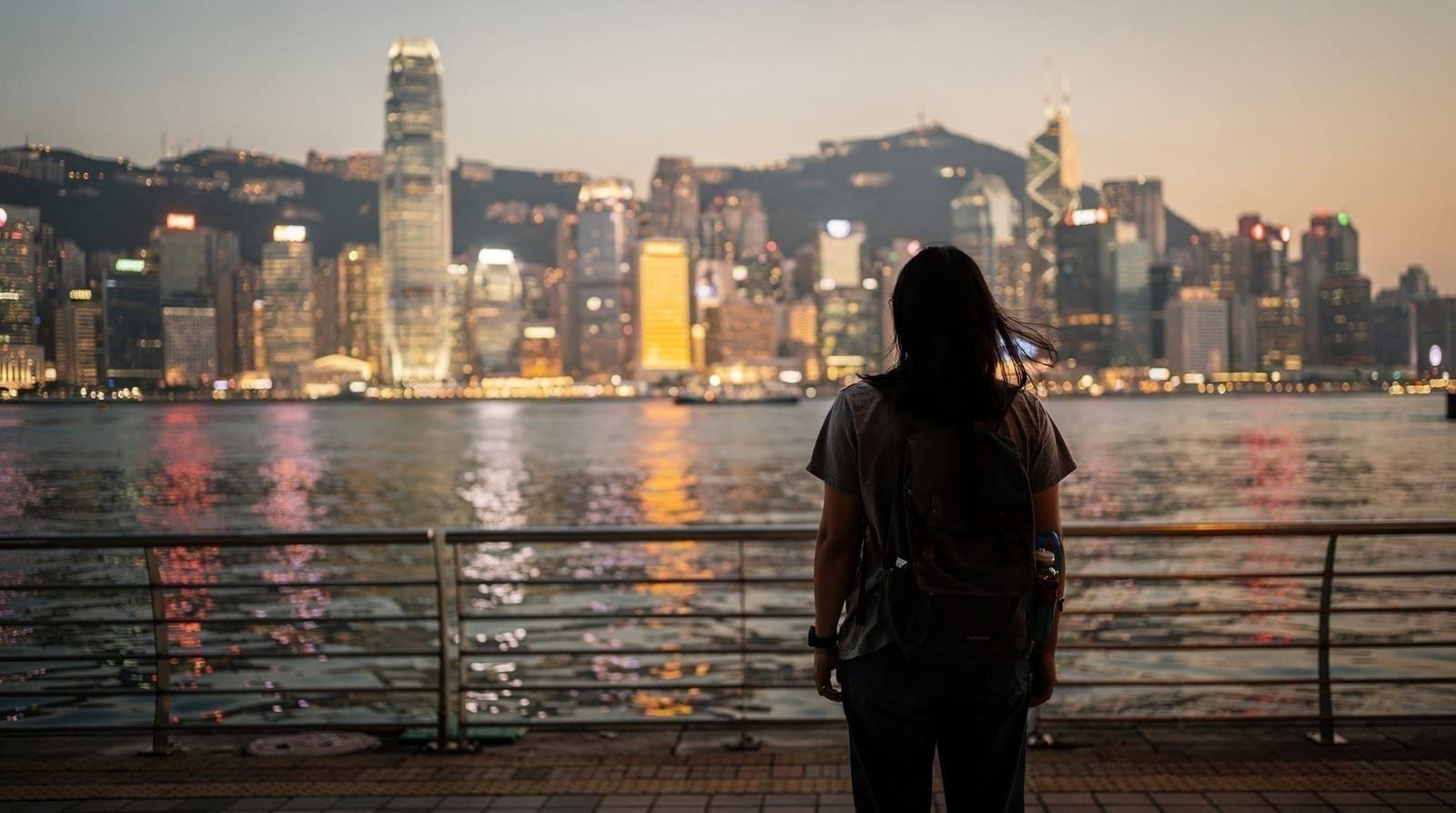
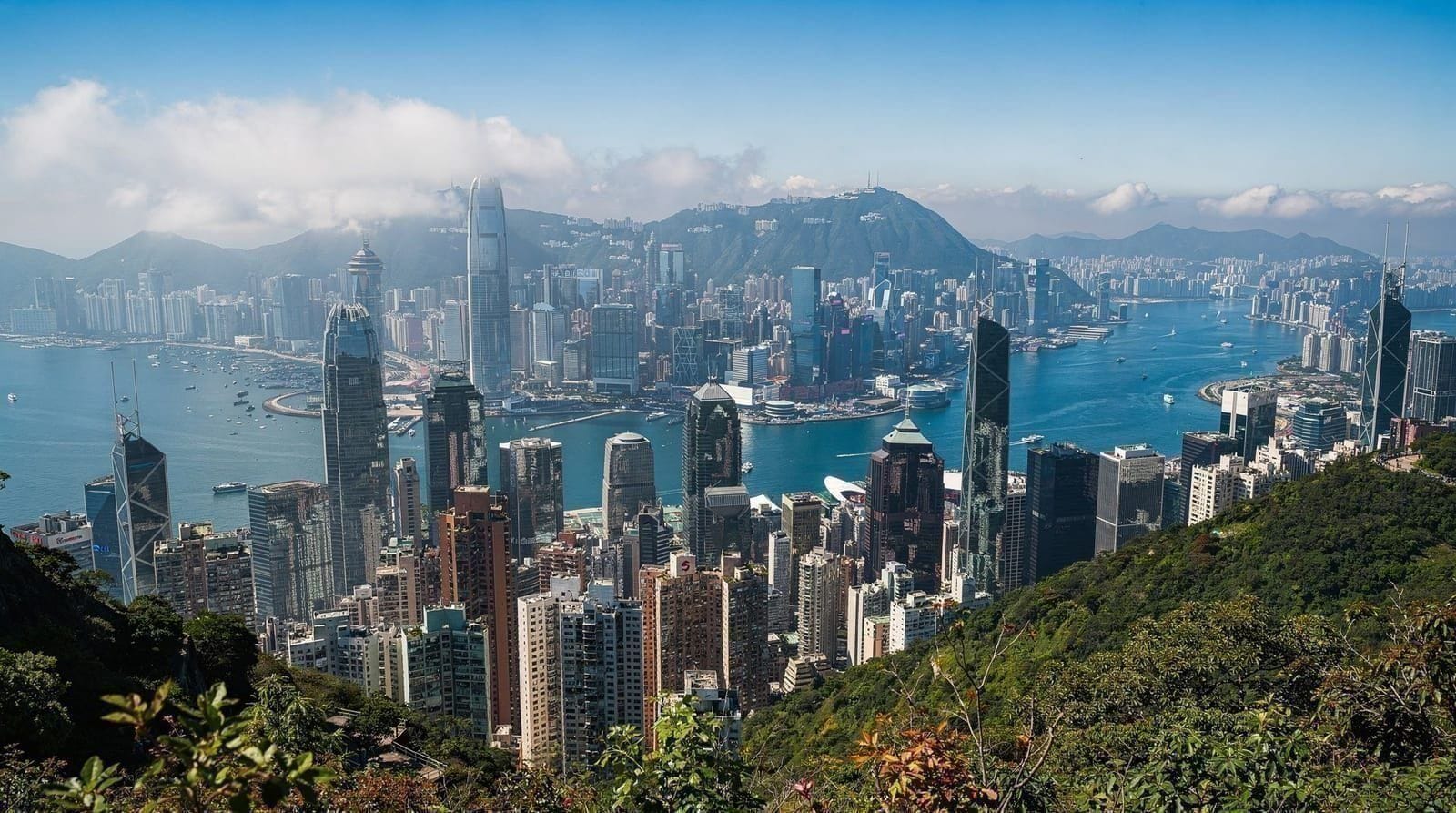
The physical setting. Hong Kong is a remarkable landscape — forested mountains rising immediately behind a dense waterfront city, with a harbour in between and dozens of islands offshore. The view from Victoria Peak is among the best urban views in the world. The Sai Kung coastline, the Ngong Ping plateau, and the outlying islands are dramatically beautiful and accessible within an hour of Central.
Safety. Hong Kong is one of Asia’s safest cities for tourists. Street crime is very low; the main risks are minor (pickpocketing in crowded markets, tourist-trap restaurants overcharging). The safety guide is a short read because there is not much to warn about.
English accessibility. English is an official language, used in all MTR signage, menus at most restaurants, and understood by most service staff. Hong Kong is among the easiest cities in Asia for English-speaking travellers who do not speak Cantonese.
What has changed
Hong Kong has changed since 2019. The political environment has shifted significantly, and some venues, cultural institutions, and organisations that were part of what made the city culturally distinctive have changed or closed. The city’s nightlife and entertainment scene has contracted somewhat, with some expat-oriented venues closing.
For most tourists, these changes are not directly felt day-to-day. The MTR works the same way. Dim sum is the same. The Peak has the same view. The Star Ferry crosses the same harbour. However, the city has a different atmosphere from the pre-2019 period that long-term visitors will notice.
What remains: the food culture, the transport system, the physical landscape, the temples, the markets, and the day-trip options to Macau, Sai Kung, and the outlying islands. These are the foundations of why Hong Kong was a great destination, and they remain intact.
Who should visit Hong Kong
Strong yes: food enthusiasts (the food culture is among the world’s best), city hikers (Dragon’s Back, Lion Rock, and the Geopark coast are excellent), travellers combining with mainland China (Hong Kong is the natural gateway), first-timers to Asia (Hong Kong is an excellent introduction — comfortable, safe, English-friendly).
Worth considering: families with children (see the families guide — the city has excellent options but requires planning for the heat and crowds). Budget travellers who can eat local (quite manageable — see Hong Kong on a budget).
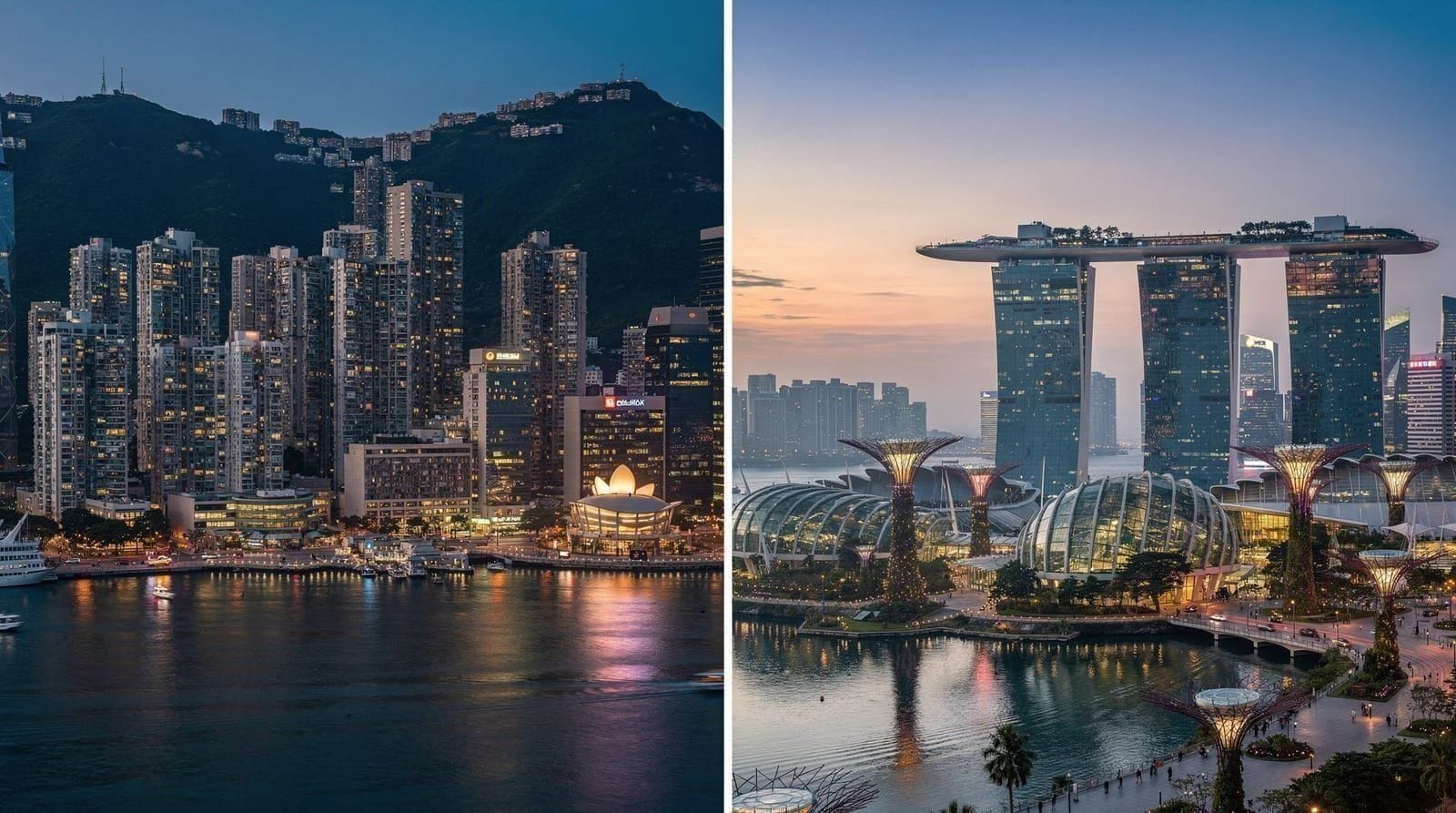
Think carefully: Travellers who prioritise nightlife and a strong party scene (this has contracted). Travellers comparing with Singapore for a single Southeast/East Asia stop (both are high-quality; Hong Kong has more food depth and landscape, Singapore has better tropical greenery and more relaxed atmosphere).
Hong Kong versus other Asian cities
Hong Kong vs Singapore: Both are efficient, English-friendly, and expensive by regional standards. Hong Kong has better food, more dramatic landscape, and greater neighbourhood character. Singapore has more tropical greenery, a more relaxed pace, and more consistent English infrastructure. See the comparison guide.
Hong Kong vs Tokyo: Different experiences. Tokyo is vast and varied; Hong Kong is compact and intense. Hong Kong is easier to navigate for a short trip. Tokyo requires more time and navigation complexity. The food cultures are both world-class but very different.
Hong Kong vs Taipei: Taipei is cheaper, more relaxed, and has strong food credentials of its own. Hong Kong has more dramatic urban density and landscape. The outlying islands and Macau are major advantages for Hong Kong.
Hong Kong vs Bangkok: Bangkok is cheaper across the board — hotels, food, and transport — and has a more relaxed, tropical pace. Hong Kong is more compact, more efficient to navigate, and has a stronger food scene at the mid-range and Michelin level. Travellers on a tight budget often prefer Bangkok; travellers who value efficiency and a compact geography prefer Hong Kong.
The honest limitations
Cost: Hotels are expensive. A decent hotel in a central location costs HKD 800–1,500 per night (USD 100–190). This is the most frequent complaint from budget travellers. If you can eat local (HKD 50–100 per meal), the food cost is manageable. The hotel cost is not.
Weather June–September: The typhoon season (June–September) brings intense heat (32–36°C), very high humidity, and occasional typhoon disruption. A Signal 8 typhoon closes transport, restaurants, and attractions until the all-clear is issued. Visiting during this period requires tolerance for heat and contingency planning. See the best time to visit guide.
Tourist trap zone: The restaurants and shops immediately adjacent to the TST waterfront promenade, and some near the Peak, are aimed at tourists and charge accordingly. Most are mediocre at elevated prices. These are easily avoided — walk two streets back — but first-timers without guidance often end up spending their food budget there. The tourist traps guide is worth reading before arrival.
What you will remember
The things Hong Kong visitors consistently report as most memorable are not the formal attractions. They are the cha chaan teng breakfast that cost HKD 55, the Star Ferry crossing at sunset, the narrow streets of a market district in Yau Ma Tei, the incense fog of Wong Tai Sin Temple on a weekday morning, and the disorientation of standing at a restaurant table in a Sham Shui Po housing estate watching the neighbourhood go about its business.
These are not curated tourist experiences. They are the result of a city with a genuinely distinct food culture, urban density, and living tradition. They have not changed.
The verdict
Hong Kong is worth visiting in 2026 for the overwhelming majority of travellers. It is one of the world’s most distinctive cities — not despite its density and intensity but because of it. Plan for the hotel cost, eat local, go in October–December if you can, and spend at least one afternoon somewhere that is not a formal tourist attraction.
The city has changed since its peak international reputation years. But what it has always done well — the food, the harbour, the transport, the layered urban landscape — it still does as well as anywhere in the world.
What a typical 3-day visit actually looks like
First-time visitors often spend Day 1 in TST and at the Victoria Peak — the classic tourist layer. Day 2 tends to be where the city opens up, as visitors move to Mong Kok for the markets, to Wan Chai for local food, or to the outlying islands. Day 3 often involves a day trip to Macau or Sai Kung.
What visitors consistently report from this structure is that Day 2 and Day 3 are better than Day 1 — the tourist surface layer is impressive but not what makes Hong Kong memorable. The cha chaan teng breakfast that costs HKD 55, the afternoon in a wet market watching food culture in operation, the Star Ferry at dusk with nobody else on the upper deck at 7pm on a Tuesday — these are the experiences that consistently appear in “what I loved about Hong Kong” conversations.
For a structured 3-day plan, the site covers this in detail.
The day trip question: Macau, Sai Kung, or islands?
Every multi-day visit to Hong Kong benefits from at least one day that leaves the main urban area. The options:
Macau: A 60-kilometre ferry ride west, a UNESCO-listed historic centre, excellent food, and the specific culture of a former Portuguese colony. Genuinely different from Hong Kong in feel and character — quieter, more Mediterranean, with a different food tradition. A full day trip from Hong Kong covers the historic centre comfortably. See the Macau day trip guide.
Sai Kung and the UNESCO Geopark: The east coast of the New Territories has some of the most dramatic coastal scenery in East Asia — hexagonal volcanic rock columns visible from boat tours, clear water, and beaches accessible only by water. The contrast with the urban density of the main city is stark and refreshing. See the Sai Kung guide.
Outlying islands (Lamma or Cheung Chau): 45–55 minutes by ferry from Central, both islands offer a different pace — seafood restaurants, hiking paths, minimal motor traffic, and the Hong Kong that existed before the city became what it is now. Lamma Island is the most popular for day trips; Cheung Chau has excellent beaches.
Any of these adds depth to a Hong Kong visit that cannot be substituted by spending additional time in TST or Central.
Book a half-day city highlights tour with Peak Tram and Star FerryIf you’d rather not plan the logistics yourself for a first orientation day, a guided city highlights tour covers the Peak, the harbour, and the essentials in a single half-day — a reasonable shortcut if your total trip is on the shorter end (2–3 days).
If the Peak is on your list, you can pre-book a Peak Tram ride combined with the Sky Terrace viewing deck rather than deciding on the day. Whether the tram is worth it for you is covered in the Peak Tram verdict, and the Victoria Peak guide explains the alternatives.
Travellers who prefer to see the older neighbourhoods with someone who knows them can book a private walking tour with a local guide. It pairs well with the Hong Kong hidden gems and exploring old Hong Kong articles if you want to choose your own themes.
Reading the city beyond the headline sights
Much of what makes the answer a yes sits outside the postcard list. If food is your reason for going, the street food guide and the food tours guide show how to approach the city one neighbourhood at a time, and the egg tart guide is a small, delicious detour. For a sense of the city’s older layers, the temples reward a slow visit: Man Mo Temple and Wong Tai Sin Temple are two good starting points.
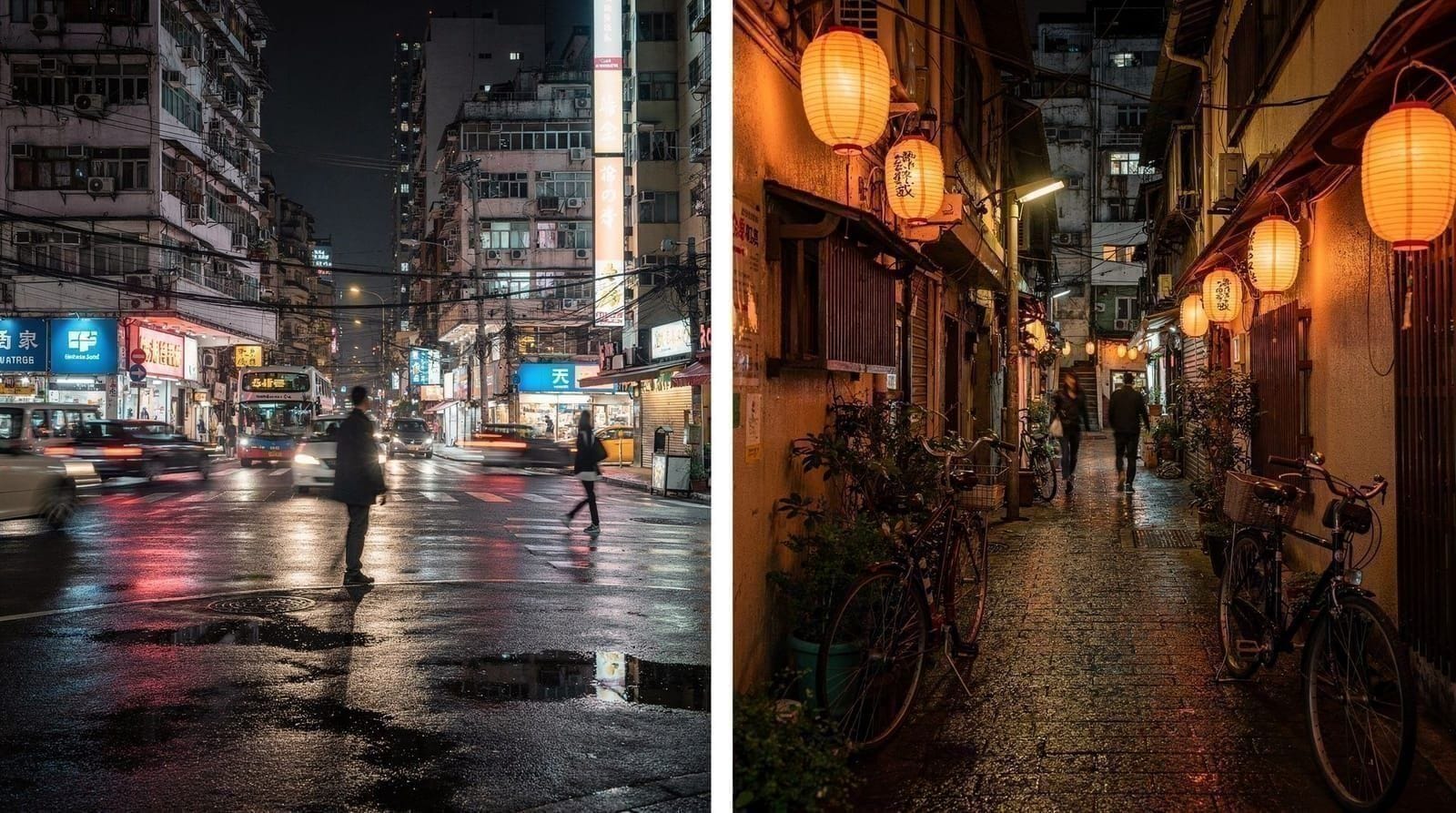
Neighbourhoods carry the rest. Mong Kok is the intense, crowded end of the spectrum, while Sham Shui Po feels more workaday and local. Central and Sheung Wan mix old shopfronts with the financial district. Spending an afternoon in one of them, without a checklist, tells you more about whether Hong Kong suits you than any ranking.
If you are still weighing the trip, two other guides help from opposite directions: the top things to do shows what is on offer, and the guide to what to skip is honest about what you can leave out without regret.
Turning a yes into a plan
Once you have decided, shape the trip around how you like to travel. The first-timer itinerary is a sensible default, the weekend itinerary suits a short break, and the foodie itinerary puts eating at the centre. If you are travelling with children, the family itinerary spreads the effort more kindly. Whatever you choose, the Octopus card guide and the MTR guide are worth a quick read before you land, because they make the first day much smoother.
The practical planning questions
How many days is enough? Three days covers the headline attractions. Four to five allows for one day trip and deeper neighbourhood exploration. Seven days is unhurried. See how many days in Hong Kong for specific structures.
Which neighbourhood to stay in? Tsim Sha Tsui for first-timers (convenient, harbour access, well-connected). Wan Chai or Causeway Bay for longer stays (more local food options, cheaper hotels, good tram access). See where to stay in Hong Kong.
What time of year? October–December is significantly better than June–September for first-timers. The heat and typhoon risk of summer are real obstacles to enjoying the outdoor aspects of the city. See the best time to visit guide.
Budget reality check: Hotels are the main budget pressure. Everything else — food, transport, most attractions — is either cheap or free. A realistic mid-range budget is HKD 1,200–2,000 per day for two people including accommodation. See the Hong Kong budget breakdown for detailed figures.
The one-sentence answer
Hong Kong in 2026 is worth visiting because it has one of the world’s great food cultures, an extraordinary physical setting, an efficient and affordable transport system, and a neighbourhood-level urban life that remains genuinely fascinating to explore — all in a compact geography that lets you experience multiple different Asias in a single day.
Frequently asked questions about visiting Hong Kong in 2026
Is Hong Kong safe for tourists to visit in 2026?
Yes. Hong Kong remains a very safe destination for tourists. The political situation that dominated headlines from 2019 does not affect tourist travel in practical terms. Street crime is very low. The main safety considerations are practical — traffic drives on the left, typhoon season disrupts transport, and some restaurants near tourist sites overcharge. See the safety and etiquette guide for the full picture.
Has Hong Kong changed much for tourists since 2019?
The day-to-day tourist experience is largely unchanged. The MTR, food culture, markets, temples, and natural landscape are all intact. The cultural scene has contracted somewhat — some performance venues and independent bookshops that were distinctive to Hong Kong’s cultural character have closed. For most tourists on a first visit, this context is background rather than something directly experienced.
Is Hong Kong expensive?
Hotels are expensive by Asian standards. Food is very reasonable if you eat local. Transport is cheap. Total daily costs for a mid-range traveller are roughly USD 120–180 per day including accommodation, meals, and transport. See the budget breakdown for specific numbers. The budget guide covers how to keep costs down.
How does Hong Kong compare to visiting mainland China?
Hong Kong is a separate entry point from mainland China with its own visa policy, currency, and legal system. It is considerably easier to navigate for English-speaking tourists than most mainland Chinese cities. Visiting Hong Kong does not require a Chinese visa. Combining Hong Kong with Shenzhen or Guangzhou is popular; those destinations require a mainland China visa (or Shenzhen e-visa for some nationalities).
Is Hong Kong better than Singapore as a destination?
Different experiences for different travellers. Hong Kong has more dramatic urban landscape, deeper food culture (particularly at the cheap and mid-range levels), and more neighbourhood texture. Singapore has more consistent English infrastructure, a more relaxed pace, and cleaner streets. Both are excellent; most travellers who visit both prefer whichever one they visited second, because it feels less overwhelming than the first introduction to dense, intense Asian urbanism. See the Hong Kong vs Singapore comparison for the full analysis.
How much time do I need for a satisfying Hong Kong visit?
Three days covers the highlights comfortably. Four to five days adds a day trip and deeper neighbourhood exploration. Seven days is enough for a thorough, unhurried experience including multiple outlying islands. Fewer than two days (layover territory) allows the main iconic experiences but not depth. See how many days in Hong Kong.
What should I see if I only have one day?
Victoria Peak in the morning, Star Ferry crossing at midday, dim sum or local lunch in TST or Wan Chai, the Tsim Sha Tsui waterfront promenade in the afternoon, and the Symphony of Lights at 8pm. This sequence covers the geographical orientation, the iconic views, the signature food experience, and the harbour light show — the essential first-day Hong Kong experience. See the 1-day Hong Kong itinerary for the full structure.
Is Hong Kong worth visiting if I’ve already been to mainland China?
Yes — it is different enough to justify a separate trip. The food traditions, the built environment, the language mix (Cantonese and English rather than Mandarin), and the colonial-era architecture layered over the skyline give Hong Kong a distinct identity from mainland cities. Many travellers who found mainland China overwhelming find Hong Kong considerably easier to navigate, thanks to English signage and a more compact geography.
Is Hong Kong worth visiting on a repeat trip, or is once enough?
Most travellers who visit once return, often specifically because a first trip focuses on the headline sights (the Peak, TST, one market) and leaves the outlying islands, the New Territories hikes, and Macau under-explored. A second trip lets you skip the orientation phase and go straight to Sai Kung, Lamma Island, or a slower neighbourhood pace — many people rate the second trip more highly than the first.
Is Hong Kong worth visiting with elderly parents or grandparents?
Largely yes, with some planning around heat and hills. The MTR is step-free at most major stations, taxis are cheap and plentiful, and the food and comfort level are high. The main obstacles are summer heat and humidity, and the steep terrain around the Peak and parts of Central — both manageable if you build in slower mornings, air-conditioned breaks, and taxis rather than long walks between sights. Avoid scheduling more than one demanding outing (a hike, a full day trip) per day.
Does Hong Kong feel crowded compared to other big Asian cities?
Yes, in specific pockets — Mong Kok’s Ladies’ Market, the TST waterfront at Symphony of Lights time, and Central during rush hour are all genuinely dense. But the city is large enough that crowding is uneven: the outlying islands, the Sai Kung coastline, and most residential neighbourhoods away from the main tourist strips feel calm by comparison. If crowd density bothers you, timing (early morning for the Peak, weekday visits to markets) matters more than avoiding Hong Kong altogether.
Should you book anything before you decide?
If the honest assessment above tips you toward “yes,” the practical next step is deciding on a base and a rough day count rather than booking individual attractions immediately. Where to stay in Hong Kong and how many days in Hong Kong are the two guides worth reading next — everything else (Peak Tram tickets, dim sum reservations, Macau ferry timing) can be arranged closer to the date.
Is a Hong Kong stopover worth it if I’m not doing a full trip?
Yes, even a 24–48 hour layover is worthwhile — the Airport Express makes the city genuinely accessible from the airport, and a condensed version of the highlights (Peak, Star Ferry, one meal) fits comfortably into a stopover. See Hong Kong on a layover for a stopover-specific plan.