Hong Kong vs Tokyo — which city should you visit?
Hong Kong: Street food tour with locals dim sum and wonton
Should I visit Hong Kong or Tokyo?
Tokyo for depth of cultural immersion, food diversity, and a quieter pace with extraordinary detail. Hong Kong for urban intensity, harbour drama, hiking within a city, and a more international atmosphere. They're very different cities. First-time Asia travellers who want to be eased in choose Tokyo; those who want immediate urban density and a Cantonese food education choose Hong Kong.
Two world-class cities with genuinely different characters
Tokyo and Hong Kong are both among the world’s great cities — dense, cosmopolitan, food-obsessed, and deeply compelling. They serve different travel needs, and the choice between them is less about “which is better” and more about which kind of experience you’re after.
Size and navigability
Tokyo is enormous. The Greater Tokyo Area has 37 million people and a rail network that serves over 40 million passengers per day. Getting from Shinjuku to Asakusa to Odaiba to Harajuku in a single day requires planning multiple rail line changes, and the geography of interesting districts means significant transit time between them.
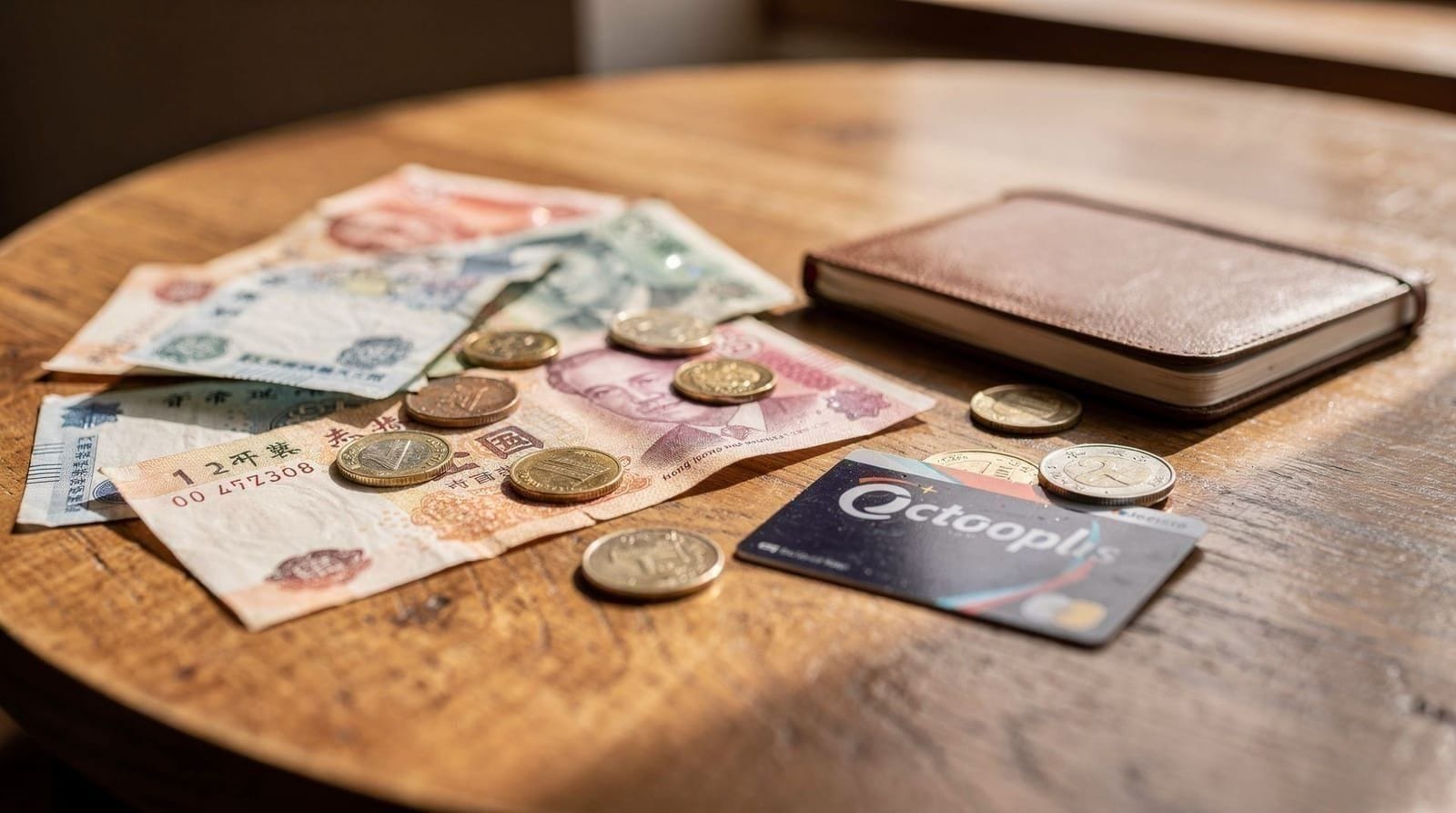
Hong Kong is smaller and more concentrated. The tourist circuit from Tsim Sha Tsui to Central to Victoria Peak sits within a few kilometres. The MTR is easier to learn in a day — less complex than Tokyo’s layered system. The Octopus card guide covers the payment system; the equivalent in Tokyo requires navigating IC card systems, Suica or Pasmo cards, and sometimes separate ticketing for the shinkansen.
Verdict: Hong Kong is easier to navigate for a first-time visit. Tokyo rewards familiarity and repeat visits.
Food: two world-class cities, different strengths
Tokyo claims the world’s highest Michelin star count. Its ramen culture alone encompasses hundreds of distinct regional styles. Sushi, soba, tempura, yakitori, tonkatsu, and izakaya food all exist at extraordinary levels of craft. The sheer variety of Japanese cuisine traditions available in Tokyo is remarkable.
Hong Kong’s strength is Cantonese food executed at the highest level. Dim sum at a traditional yum cha restaurant, roasted goose at Yung Kee or similar, wonton noodles at a neighbourhood noodle shop, and egg tarts at the Tai Cheong bakery are all experiences that cannot be replicated in Tokyo at equivalent quality.
Explore Hong Kong’s street food scene on a guided tasting tourFor sushi, ramen, and Japanese cuisine specifically: Tokyo.
For dim sum, Cantonese roasted meats, and wonton noodles specifically: Hong Kong.
For breadth of Asian food traditions: Tokyo (Japanese cuisine variety is wider; Hong Kong specialises in Cantonese with some Southeast Asian influences).
Budget eating: Both cities have excellent cheap-eating cultures. Tokyo’s standing-room ramen shops and convenience store food culture are legendary. Hong Kong’s cha chaan teng breakfast at HKD 45–60 and noodle shop lunches at HKD 55–80 are genuinely cheap. Slight edge to Hong Kong for the cheapest satisfying meals.
If Cantonese food is the part of the comparison that tips you toward Hong Kong, it helps to know where to start. The Hong Kong dim sum guide explains how a yum cha meal works, the cha chaan teng guide covers the everyday tea-restaurant breakfasts and set lunches, and the street food guide points you to snacks you can eat standing up. If you would rather have a local lead the way through the crowded stalls, a walking tour through Kowloon’s local markets and food culture is an easy way to put the Cantonese side of this comparison to the test. For a more structured introduction, the food tours guide compares the guided options. Tokyo has its own equally deep set of food routines, but the point of this comparison is that Hong Kong’s food scene is easy to enter without a reservation or a word of the local language.
Nature and outdoor options
Hong Kong wins this comparison significantly. The 24 country parks covering 44% of the territory’s land give Hong Kong a unique identity as a city where a 30-minute MTR ride gets you to a genuine wilderness hike. Dragon’s Back is one of Asia’s best urban hikes; Sai Kung Geopark has UNESCO-listed geology accessible by public transport.
Tokyo has excellent parks (Shinjuku Gyoen, the Imperial Palace grounds, Ueno Park) and day trips to nature destinations (Nikko, Hakone, Kamakura) that require 1–2 hours by train. The nature around Tokyo is beautiful, but it’s an hour away from the city rather than within it.
For combining urban sightseeing with genuine wilderness hiking: Hong Kong is the better choice.
In practice this changes how you build a day. In Hong Kong you can spend a morning on a ridge trail and be back among the skyscrapers for lunch, which is a very different rhythm from Tokyo, where a nature day usually means committing the whole day to a train journey out and back. The Dragon’s Back hike guide is the gentlest introduction to what that looks like, and the Sai Kung geopark guide covers the coast and islands for those who want something wilder. Hong Kong’s outlying islands also offer a slower, car-free change of pace that Tokyo’s day trips only partly match; the outlying islands guide shows what each one offers.
Harbour and cityscape drama
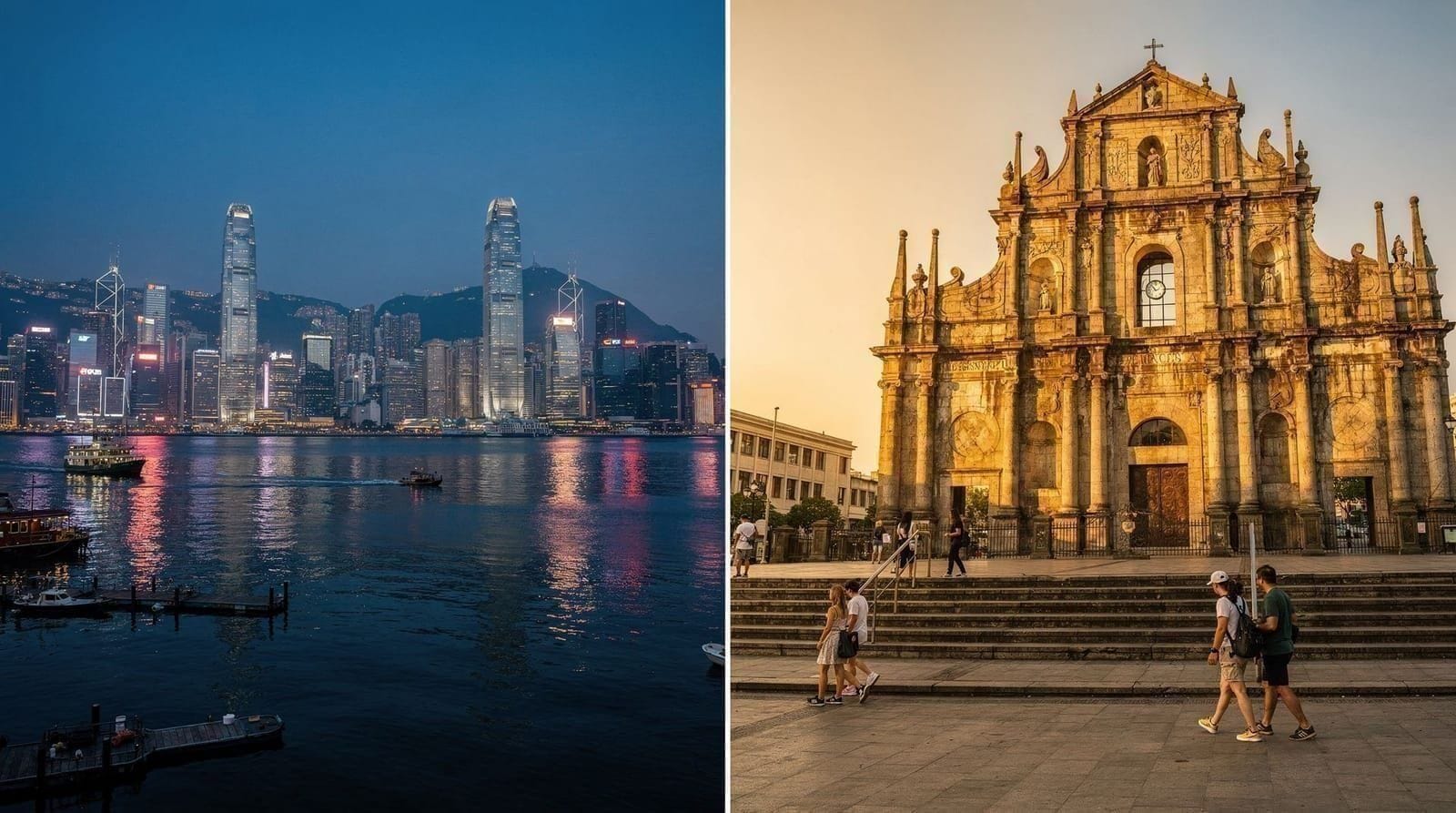
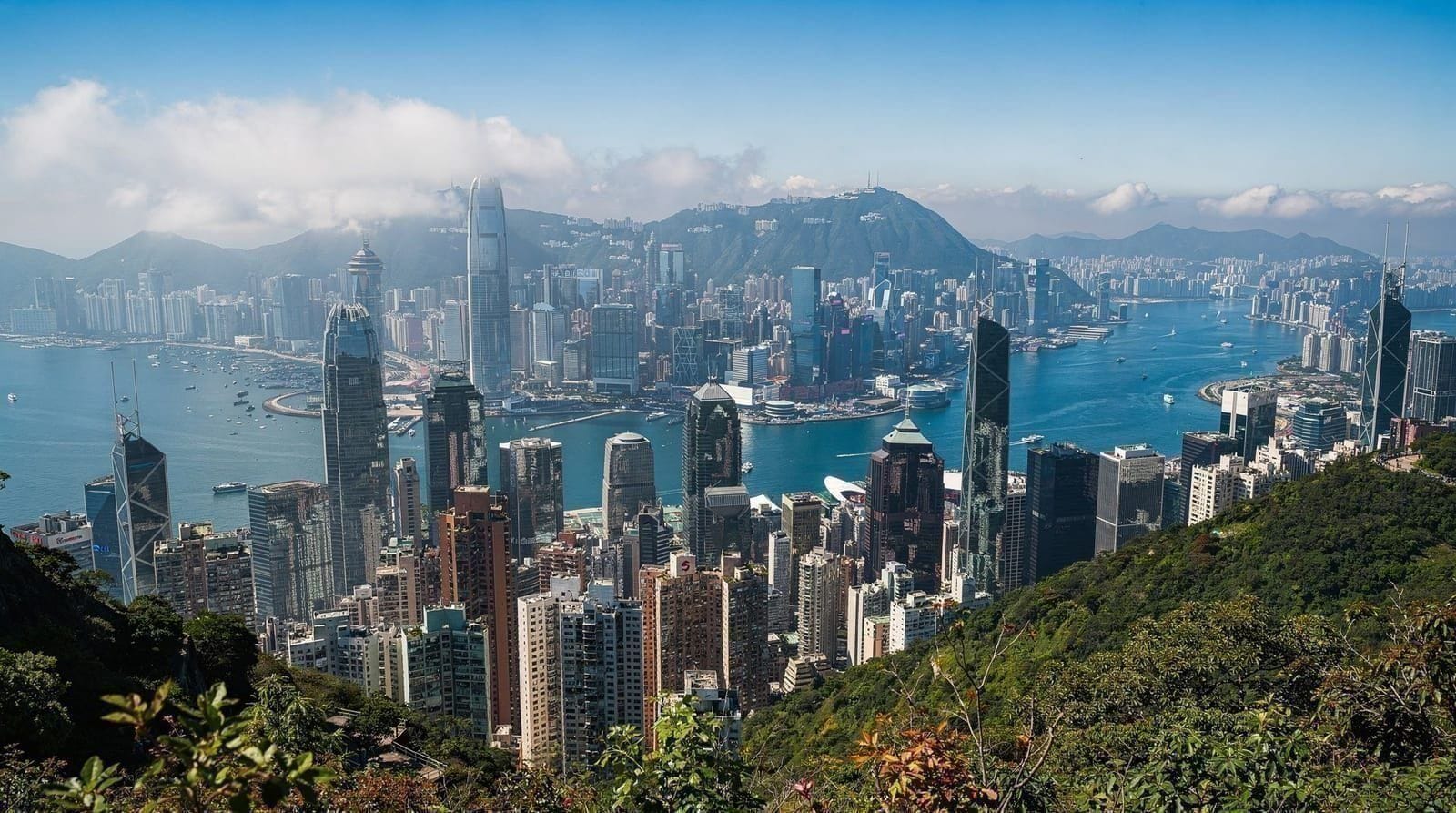
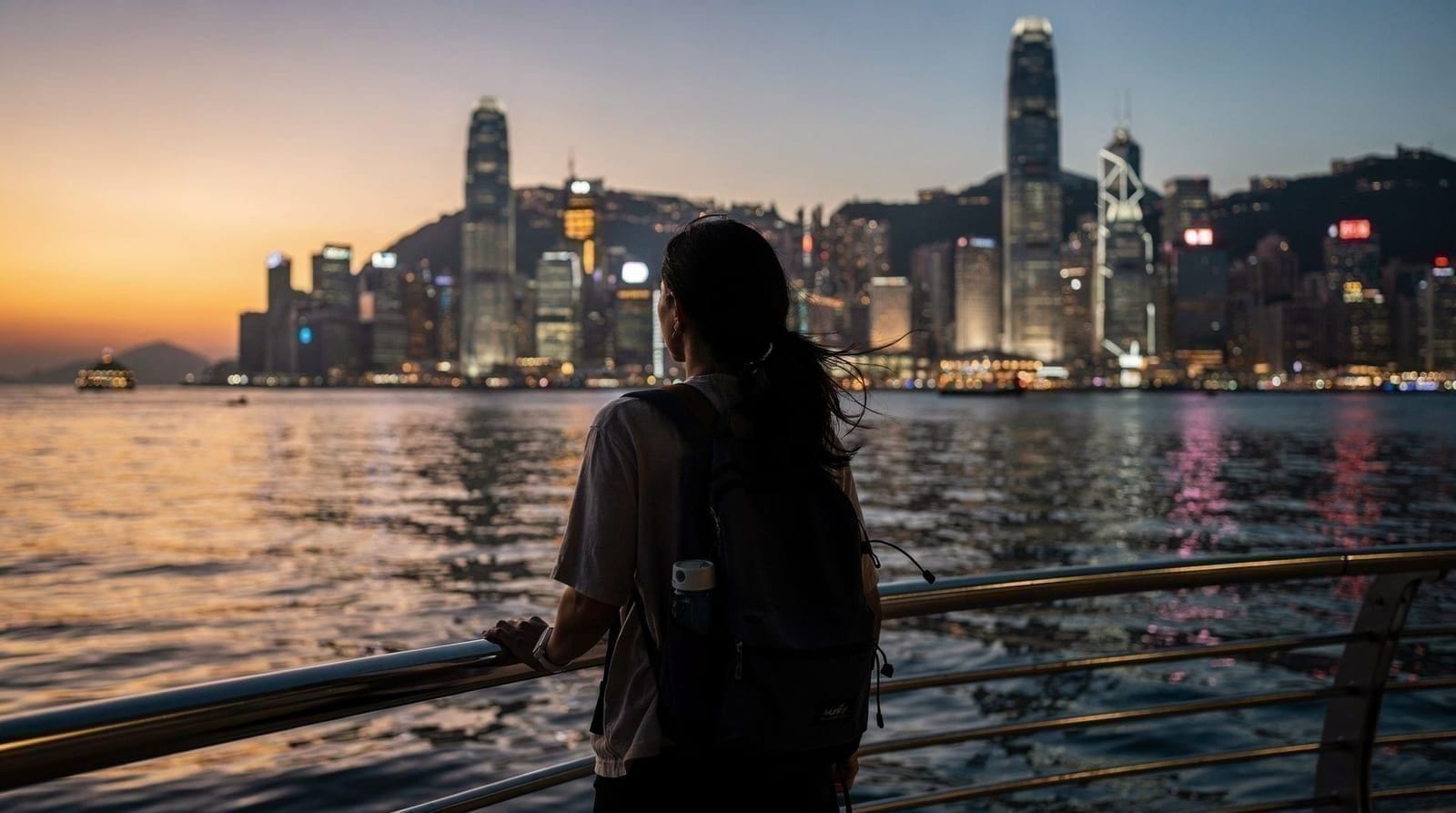
Hong Kong’s Victoria Harbour and the skyline viewed from either Kowloon or Hong Kong Island is one of the world’s definitive city views. The density of skyscrapers cascading down from the Peak to the water is extraordinary. The Symphony of Lights at 8pm, the Star Ferry crossing, and the night views from Victoria Peak are visual experiences without equivalent.
Tokyo’s cityscape is impressive but more horizontal and less dramatic from a single viewpoint. Shibuya Crossing is iconic; the view from the Tokyo Skytree or Tokyo Tower at night is excellent; the Sumida River at dusk is attractive. But the concentrated harbour drama of Hong Kong has no Tokyo equivalent.
For dramatic cityscape views: Hong Kong.
The good news is that the best of these views cost very little effort. The Star Ferry guide explains the harbour crossing, the Symphony of Lights guide tells you where to stand for the evening show, and the Victoria Peak guide lays out the options for seeing the skyline from above. Pick one clear evening for the Peak and one for the waterfront, and you will have seen what makes Hong Kong’s skyline different from Tokyo’s wide, flat sprawl.
Cost comparison
| Category | Hong Kong | Tokyo |
|---|---|---|
| Budget accommodation (per night) | HKD 250–500 (USD 32–64) | JPY 2,500–5,000 (USD 17–33) |
| Mid-range hotel | HKD 800–1,500 (USD 103–192) | JPY 8,000–15,000 (USD 53–100) |
| Budget meal | HKD 50–80 (USD 6–10) | JPY 600–1,000 (USD 4–7) |
| Mid-range restaurant per person | HKD 200–400 (USD 26–51) | JPY 2,000–4,000 (USD 13–27) |
| City transport (daily) | HKD 40–70 (USD 5–9) | JPY 500–1,500 (USD 3–10) |
Tokyo is broadly cheaper at the budget level, particularly for accommodation and food. Hong Kong’s mid-range and above is more competitive, but Tokyo’s cheap-end is genuinely cheaper — convenience store food, standing ramen, and capsule hotels have no real Hong Kong equivalent.
Overall budget: Tokyo is 10–20% cheaper than Hong Kong for similar-quality experiences at budget and mid-range levels.
Culture and immersion
Tokyo rewards patience and depth. The city’s cultural texture reveals itself slowly — through the neighbourhood konbini culture, the ryokan experience outside the city, the tea ceremony, the meticulousness of service. Visitors who spend 7+ days in Tokyo and venture beyond the obvious tourist circuit tend to feel they’ve barely scratched the surface.
Hong Kong’s culture is more immediately accessible. The cha chaan teng is an open-door experience — walk in, point at the menu, eat alongside locals. The MTR is comprehensively signed in English. The city’s colonial history and its hybrid Cantonese-British-international identity are legible to Western visitors in a way that Tokyo’s Japanese culture requires more active effort to access.
For first-time Asia visitors who want cultural immersion without a steep learning curve: Hong Kong.
For travellers willing to invest time and preparation in a more layered culture: Tokyo rewards this investment more.
Hong Kong’s culture is not shallow, though; it simply shows itself in a different way. Temples sit between apartment blocks, old tea houses share streets with glass towers, and festivals still shape the calendar. The Man Mo Temple guide and the Tai Kwun guide are good starting points for the city’s history, and the festivals guide helps if you want your dates to coincide with something. For a hands-on look at the traditional side of the city, a guided visit to a Hakka village in the countryside shows a quieter layer of Hong Kong that most comparisons with Tokyo overlook. If you are unsure how much of this you want, the first-time Hong Kong guide gives a balanced overview.
Seasonal comparison
Hong Kong’s best season (October–December) and Tokyo’s best season (cherry blossom April, autumn foliage November) overlap somewhat but with different peak moments. Hong Kong should be avoided in summer; Tokyo’s summer is hot but not dangerous and doesn’t have typhoon risk for most of the prefecture.
For a trip that can be scheduled any time of year without risk of weather disruption, Tokyo is slightly more reliable. Hong Kong’s seasonal range from excellent (Oct–Dec) to genuinely challenging (Aug–Sep) is wider.
Think of it as a question of how you like to travel. If you enjoy planning, reading up on etiquette in advance, and being rewarded for effort, Tokyo will feel like a puzzle you want to keep solving. If you would rather arrive, walk out of the station and have the city make sense quickly, Hong Kong will feel friendlier from the first hour. Neither approach is better, and many travellers find that one city suits their mood far more than the other, so be honest with yourself about which kind of trip you want before booking.
Shopping and markets
Tokyo’s shopping runs from ultra-modern (Shibuya, Ginza flagship stores) to eccentric specialist districts (Akihabara for electronics and anime, Shimokitazawa for vintage clothing) spread across a wide geography that requires real transit time between them. The depth of specialist retail in Tokyo — camera shops, vintage kimono dealers, record stores — is arguably unmatched anywhere in Asia.
Hong Kong’s shopping is more geographically concentrated: the malls of Causeway Bay and Central sit within walking distance of the markets of Mong Kok and Sham Shui Po, letting a single afternoon cover both mall retail and street-market bargaining. The best shopping in Hong Kong guide and the Mong Kok area guide cover this in detail. For pure market atmosphere and bargaining culture, Hong Kong’s night markets have an intensity Tokyo’s more orderly shopping districts don’t replicate.
Which city suits which kind of traveller
A few quick profiles can help when the comparison above still leaves you undecided.
- Families: Hong Kong’s compact layout means less time on trains with tired children. The Hong Kong with kids guide and the family itinerary show how the city works for younger travellers.
- Food-focused travellers: both cities reward you, so decide whether you are chasing Japanese or Cantonese cooking. The foodie itinerary shows what a Hong Kong trip built around eating looks like.
- Budget-conscious travellers: the cost table above shows where Tokyo is cheaper, while the Hong Kong on a budget guide shows how to keep Hong Kong affordable.
- Short-stay visitors and layovers: Hong Kong’s size is a real advantage, and the layover itinerary shows how much can be done with limited time.
- Repeat Asia travellers: if you have already done an easy first city, Tokyo’s depth may be the more interesting challenge.
Which city suits a shorter trip better
For a 3–4 day stopover specifically, Hong Kong’s compactness works strongly in its favour — the how many days in Hong Kong guide shows how much of the city’s highlights fit into a short window without excessive transit. Tokyo’s scale means a 3–4 day visit inevitably means picking one or two neighbourhoods and accepting you’ve barely scratched the surface, which is fine for some travellers and frustrating for others expecting to “see Tokyo” in that time. If your total trip time is under 5 days, Hong Kong is the more satisfying single-destination choice; Tokyo rewards a longer, more dedicated visit.
The combined trip
Tokyo and Hong Kong are a natural combination on a longer Asia trip. Direct flights run frequently (3.5–4 hours, multiple times daily). A 12–14 day trip splitting 6–7 days each gives both cities proper time. They complement each other well — the Cantonese food culture of Hong Kong offsets Tokyo’s Japanese cuisine immersion, and the harbour drama of Hong Kong contrasts with Tokyo’s temple-garden quiet.
For help structuring the Hong Kong portion, the Hong Kong itinerary planning guide covers day-by-day frameworks by trip length. For a shorter first taste of the city before deciding how much time to allocate, see how many days in Hong Kong.