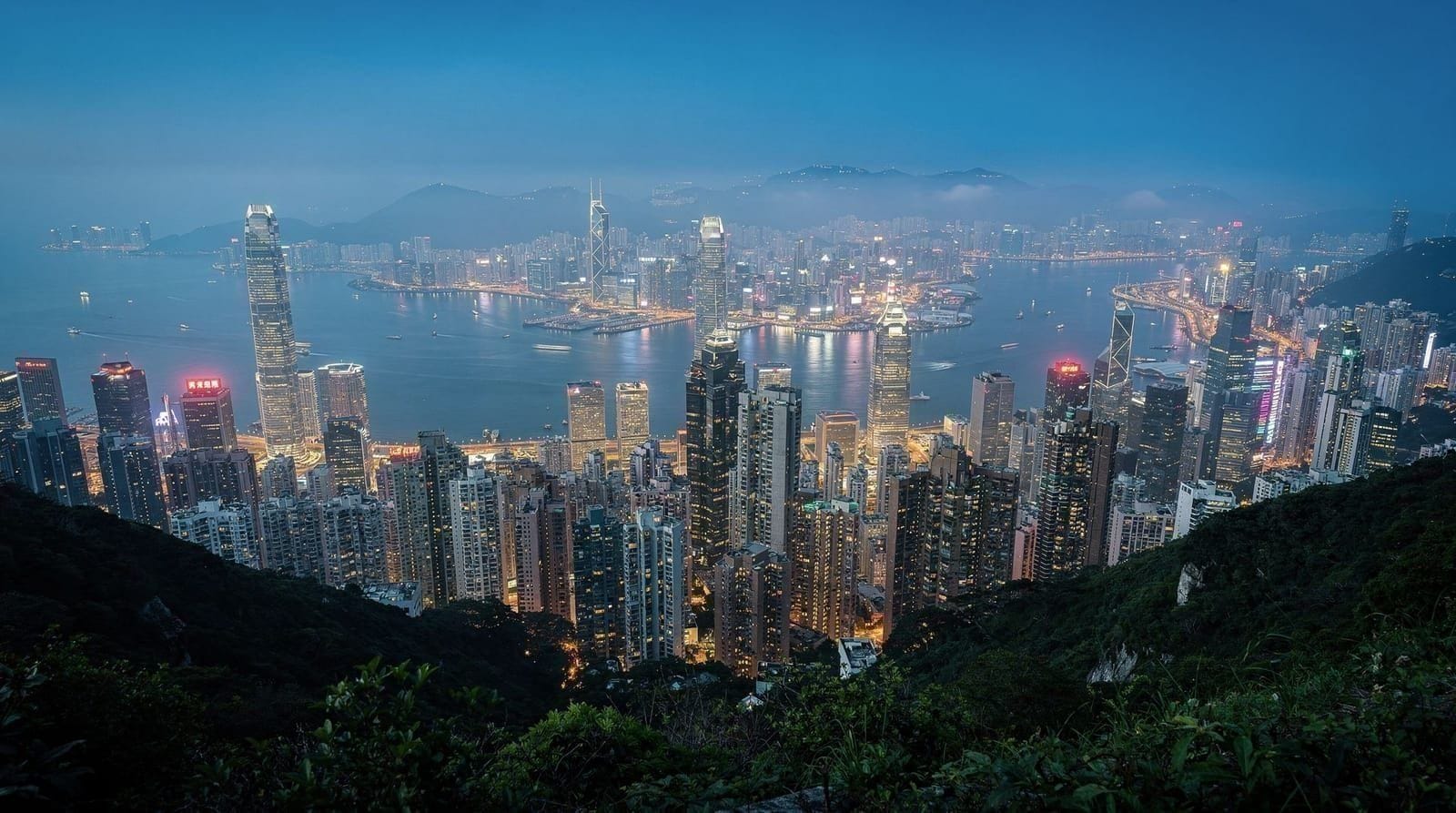
Hong Kong layover itinerary
Hong Kong: Airport Express e-ticket Kowloon/HK/Tsing Yi
How much can you actually see of Hong Kong in a layover?
More than you might expect — provided your layover is at least 8 hours from landing to departure and you plan the return buffer carefully. Hong Kong International Airport is one of the most well-connected airports in the world, and the Airport Express delivers you to Central in 24 minutes. The real question is not whether to leave the airport, but how much to attempt once you are out.
This itinerary covers three realistic scenarios based on layover length: 6 hours (which means staying at the airport), 8 hours (which gets you into Central and along the Tsim Sha Tsui waterfront), and 10 hours (which adds Victoria Peak or a Wan Chai wander). Each scenario includes exact timing, what to realistically skip, and when to be back at the airport.
One fixed rule regardless of layover length: allow at least 90 minutes from your departure from the city back to your departure gate. For early morning or late night international flights, allow 2 hours. HKG is large and efficient, but check-in cutoffs, immigration, and terminal distances are real constraints.
| Where | Central + Tsim Sha Tsui waterfront, plus The Peak or Wan Chai on longer stops |
| Cost | HKD 250–450/person for transport, luggage storage, and lunch |
| Time needed | Minimum 8 hours landing-to-departure to leave the airport at all |
| Getting there | Airport Express (24 min to Central) is the only realistic option |
| Best time | Any season; check departure time to calculate your true return buffer |
Which scenario fits your layover
| Layover length | What you can realistically do | Leave the airport? |
|---|---|---|
| 6 hours | Airport-only — food court, lounges, Sky Deck | No |
| 8 hours | Central, Star Ferry, TST waterfront, lunch | Yes |
| 10 hours | Scenario B plus The Peak or Wan Chai | Yes |
Before you leave the airport: the logistics
Luggage storage
Leave bags at the airport before heading into the city. Hauling luggage on the MTR wastes time and complicates every move.
Left luggage is available at HKG in:
- Terminal 1, Level 5 (Arrivals Hall, multiple counters near baggage claim)
- Terminal 2, Level 6
Cost: HK$70–100 per bag per day depending on size. Pay in cash or by Octopus card. Storage is 24-hour, so a short layover still pays the full daily rate — budget HK$100–150 for two bags.
Transport card
Pick up an Octopus card at any MTR station inside the airport (Arrivals Level 5, or platform level). Deposit HK$50 plus loaded value. For an 8-hour layover, load HK$150. For a 10-hour layover, HK$200. The card handles every transit move in this itinerary — Airport Express, MTR, bus, and the Star Ferry.
Check your visa requirements
Most nationalities (EU, UK, US, Canadian, Australian) receive a 14-day visa-free entry to Hong Kong. Check your passport’s specific conditions. Some nationalities require a pre-arranged visa — confirm before planning to exit the airport. HKG’s airport hotels and transit areas are landside (before immigration) for passengers who cannot or do not wish to clear immigration.
Scenario A: 6-hour layover — stay at the airport
If your layover is under 7 hours, do not leave the airport. The logistics — immigration queuing (allow 30–60 minutes at peak times), the 24-minute Airport Express journey each way, and the 90-minute return buffer — leave too little margin for anything worthwhile in the city.
What to do at HKG during a 6-hour layover:
Sky Bridge and Terminal Transit: Terminal 1 is connected to Terminal 2 via the SkyPier transit link. Both terminals have a wide range of restaurants, duty-free, and retail. The food court on Level 7 (Terminal 1) has decent Hong Kong-style food — wonton noodle soup, roast pork rice, pineapple buns — at airport-premium prices (HK$80–150 per dish).
HKIA Hotel (airside): The Regal Airport Hotel has a business centre and a gym available for hourly use — useful for long transits.
Observation deck: The Sky Deck on Level 7 (check current access, occasionally closed for maintenance) gives a view over the apron and runway from inside the terminal — no boarding pass required for the section before security.
Napping and charging: Quiet zones with charging points and reclining seats exist in both terminals in the transit/airside areas. HKG consistently ranks among the world’s better airports for comfort during a long wait.
If your 6-hour layover extends to 7.5 or 8 hours after your flight lands, reassess once you are through immigration and have checked the current queue time — some days immigration is 15 minutes, some days 50 minutes. Do not commit to leaving the airport until you see the actual queue.
Scenario B: 8-hour layover — Central, Star Ferry, and TST waterfront
This scenario requires: landing at least 8 hours before your departure. Do the return-time maths before leaving the airport.
Return calculation example: Departure at 19:00. Subtract 90 minutes (gate cutoff buffer) = must be back at airport by 17:30. Subtract 24-minute Airport Express + 10-minute walk to check-in = depart Central or Kowloon by 16:55. That means you have usable city time from roughly 10:00 (landing 08:00, immigration 30–45 min, luggage storage 15 min, Airport Express 24 min) until 16:45.
That is approximately 6 hours of city time — enough for the route below.
10:00 — Airport Express to Central
Book the Airport Express ticket in advance — it costs the same as the walk-up fare (HK$130 one-way, HK$215 return) but saves the queue at the ticket machine, particularly during morning arrival peaks.Check availabilityThe 24-minute journey to Hong Kong Station deposits you at the IFC complex in the heart of Central, connected underground to the MTR and covered footbridge system. You will not need to go outside immediately.
10:30 — Coffee and orientation in Central
IFC Mall (above Hong Kong Station) has a Pret A Manger and a Pacific Coffee on the lower levels — familiar, fast, and useful if you want to get moving quickly. For something more distinctly local, exit at Exit E2 and walk 5 minutes to any cha chaan teng on Des Voeux Road West. Hong Kong-style milk tea and a toast set: HK$30–45. This is the first exposure to what makes Central and Sheung Wan different from everywhere else.
11:00 — Walk to the Central Ferry Piers
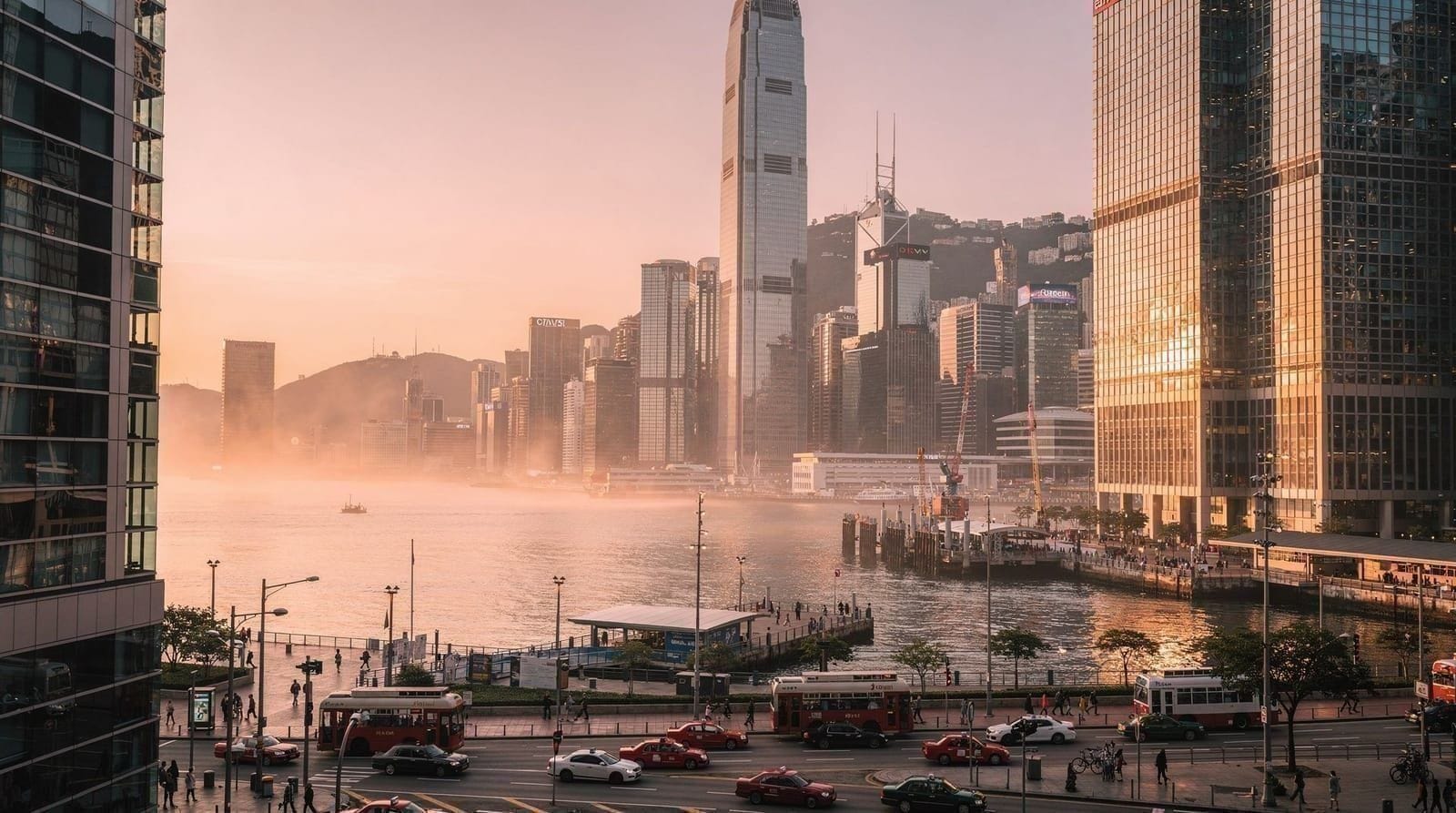
From Hong Kong Station, follow the covered elevated walkway signs towards the Central Ferry Piers. The walk takes 8 minutes and is mostly sheltered. Pier 7 is the Star Ferry to Tsim Sha Tsui.
11:10 — Star Ferry to Tsim Sha Tsui
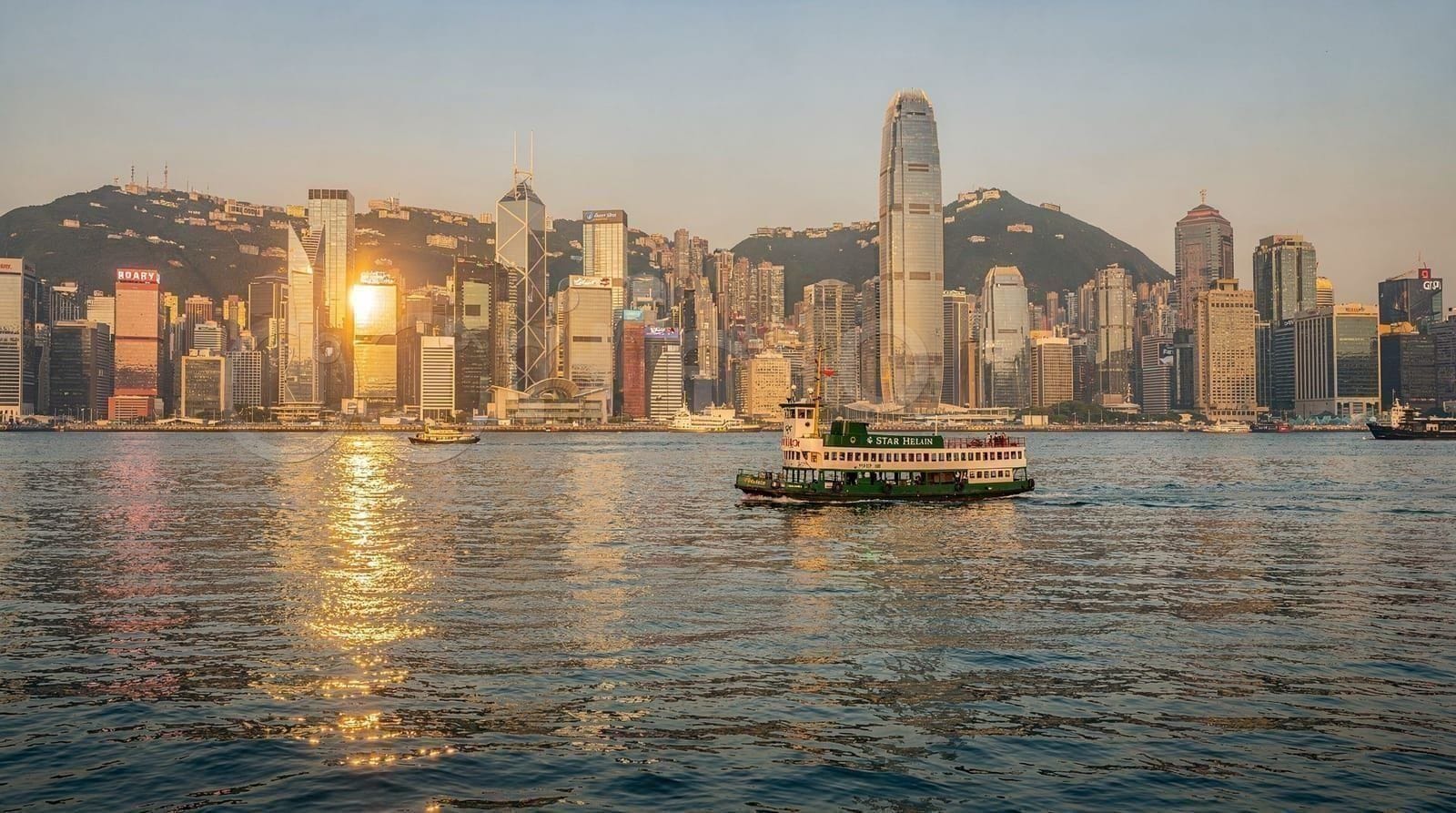
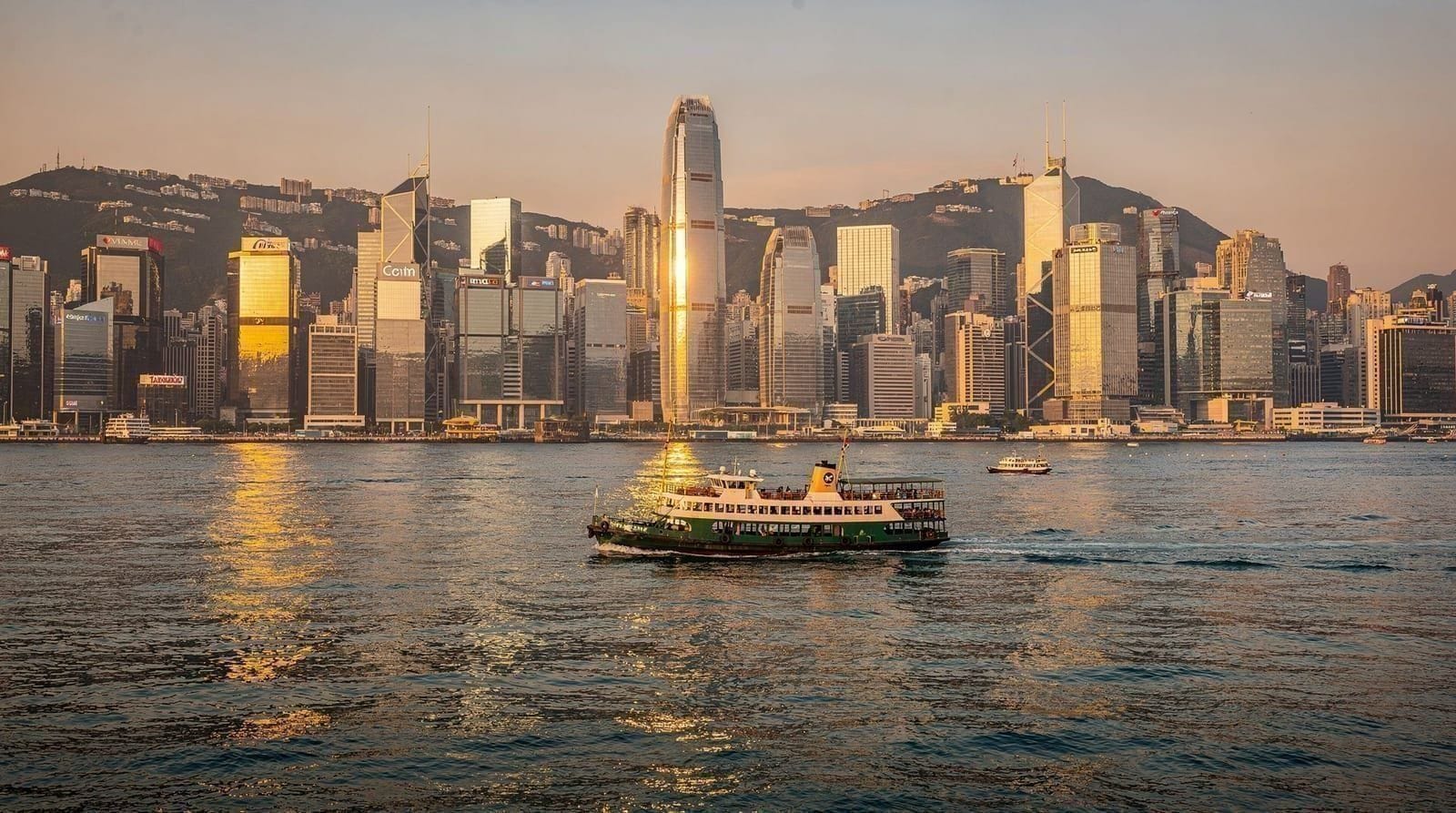
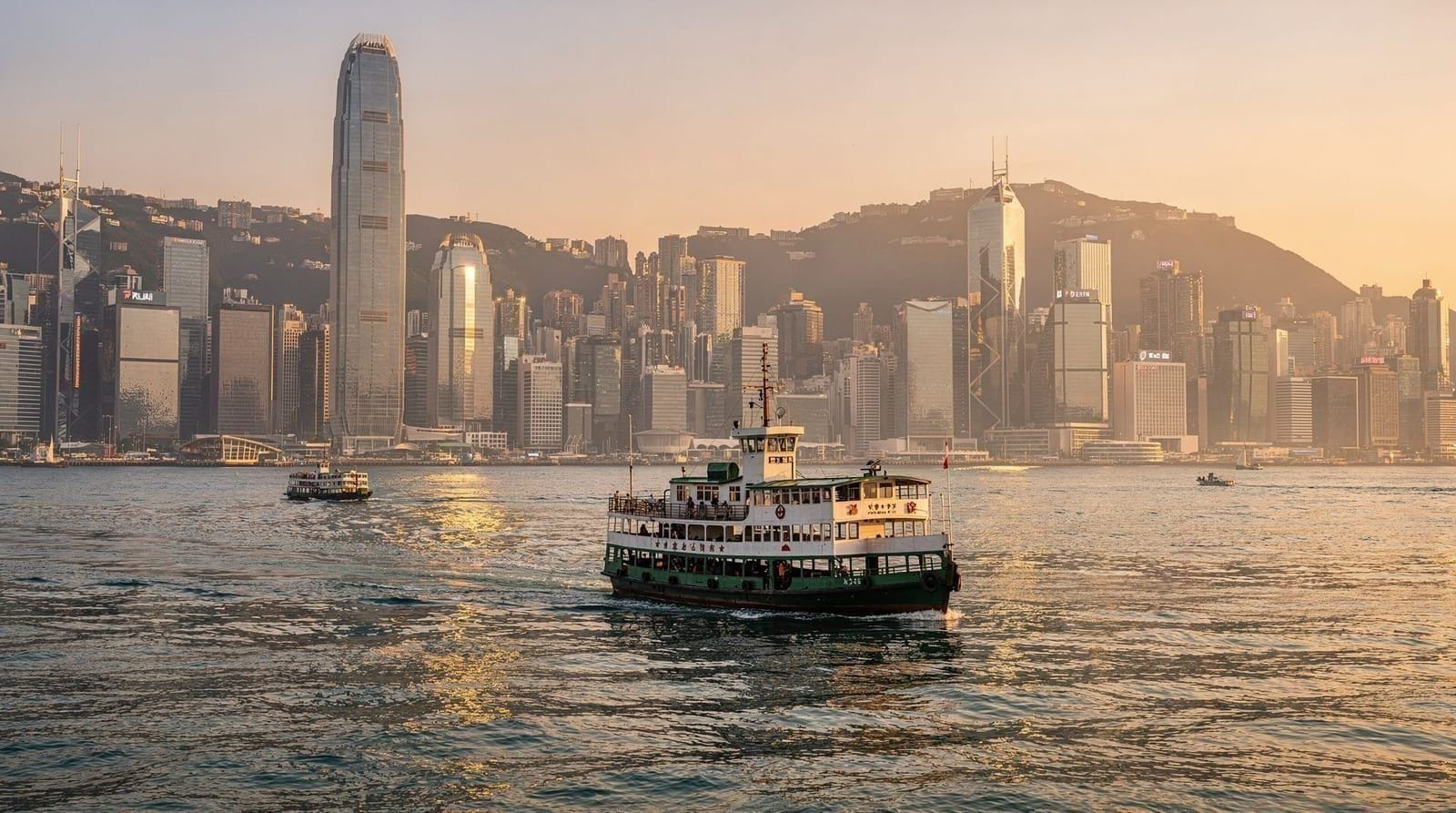
The crossing takes 8 minutes and costs HK$5.0 on weekdays and HK$6.5 at weekends and public holidays (upper deck). Take the upper deck on the right-hand side (facing forward, sitting port-side) for the best view of the skyline as you pull away from Central. This is the most iconic transit in Hong Kong and it costs less than a dollar — see our Star Ferry guide for more context on the history and best vantage points.
11:20 — Tsim Sha Tsui waterfront promenade
Turn left out of the Star Ferry terminal and walk the Tsim Sha Tsui Promenade, also known as the Avenue of Stars. The waterfront stretch runs 1.7 km along Victoria Harbour with an unobstructed view of the Hong Kong Island skyline. The Bruce Lee statue is along the route, as are various film star handprints in bronze. The walk is flat and takes 25–30 minutes at a comfortable pace.
Do not try to add museums (the Heritage Museum or the Museum of History in nearby areas) — the transit time does not support it on an 8-hour layover.
12:00 — Lunch in Tsim Sha Tsui
Return slightly inland from the promenade. Options:
- Spring Deer Restaurant (Mody Road): Traditional Peking duck, sit-down, HK$200–300 per person. Iconic but needs a booking.
- Cha chaan teng on Carnarvon Road: Local diner, set lunch (soup + main + drink), HK$55–75. Fast and filling.
- Din Tai Fung (Gateway Arcade, Harbour City): Reliable Taiwanese-style dumplings, HK$100–160 per person. Expect a 20-minute wait without a reservation.
Budget 45–60 minutes for lunch. Order and eat with purpose — you have a ferry and a train to catch.
13:15 — Return Star Ferry to Central
Take the Star Ferry back from Tsim Sha Tsui Pier 1 to Central (HK$5.0–6.5 upper deck, 8 minutes). Walk back through IFC to Hong Kong Station and the Airport Express platform.
13:45 — Depart for airport
Allow 24 minutes on the Airport Express plus 10 minutes between the train and your check-in desk. If your departure is before 18:00 and you are not sure of the check-in queue, build in an extra 15-minute buffer. Arrive at the terminal with 90 minutes to departure — international security at HKG is generally fast (10–20 minutes) but it is not guaranteed.
Scenario C: 10-hour layover — add Victoria Peak or Wan Chai
A 10-hour layover — landing by 08:00 for a 19:00+ departure — creates room for one significant additional stop beyond the Scenario B route. The two most efficient options are Victoria Peak or a walk through Wan Chai.
Option 1: Victoria Peak (add 2.5 hours to Scenario B)
After arriving in Central via Airport Express, go directly to the Peak Tram Lower Terminus on Garden Road rather than the ferry piers. The tram is a 12-minute walk from Hong Kong Station Exit D or a short bus ride (Bus 12 from Des Voeux Road Central; check the operator’s site for the fare).
Book the Peak Tram and Sky Terrace 428 combo online before you arrive — during school holidays and weekends, walk-up queues at the terminus reach 60–90 minutes and could derail your entire return schedule.Check availabilityThe tram ride takes 8 minutes. Sky Terrace 428, on top of The Peak Tower, gives you the defining view of Hong Kong — skyscrapers, harbour, and Kowloon at 428 metres. Spend 30–40 minutes at the top. Walk the Peak Circle Walk (3.5 km loop, flat, free) if time allows — but on a 10-hour layover you probably cannot. Come back down on the tram (HK$82 one-way for adults, HK$116 return).
From The Peak, take the tram back to Central by 11:30, then proceed with the Star Ferry and TST promenade from Scenario B. Compress lunch to 30–40 minutes and be back on the Airport Express by 15:00 for a 18:30 departure (90-minute buffer).
See our full Victoria Peak guide for detail on the tram, the walk, and what is actually worth your time at the summit.
Option 2: Wan Chai wander (add 1.5 hours to Scenario B)
Wan Chai is one stop east of Central on the Island Line (3 minutes). The neighbourhood packs a remarkable variety into a small area: old tong lau tenement buildings on Johnston Road, the Wan Chai wet market (Wan Chai Market on Cross Street, mornings only, worth a brief look), contemporary bars and restaurants, and the Lockhart Road strip that feels entirely different from the tourist-focused areas of Central and TST.
Walk from Wan Chai MTR Exit A3 along Johnston Road, turn north onto Wan Chai Road past the market, and loop back via Hennessy Road. This is a 1.2 km walk through a real residential and commercial neighbourhood — not a tourist circuit. Allow 45 minutes of walking, 15 minutes in the market, and lunch on Johnston Road (HK$60–90 for a local noodle or rice dish).
From Wan Chai, take the MTR to Hong Kong Station (2 minutes) for the Airport Express. Be at the station by 15:30 for a 18:30 departure.
What to skip on a layover
Ocean Park and Hong Kong Disneyland: Both require 30–40 minutes of transit beyond Central plus 4–5 hours inside the park to be worthwhile. Neither is viable on a layover of any reasonable length. See our Hong Kong with kids guide if you are planning a full trip.
Day trips to Macau or Shenzhen: The ferry to Macau takes 55–75 minutes each way from Sheung Wan. A Macau day trip from Hong Kong needs at least 8 hours in Macau alone. On a layover, this is not feasible. See the Macau day trip guide for how to do it properly on a full day.
Lantau Island (Big Buddha): Cable car, monastery, and return transit take 5–6 hours minimum from Central. Not suitable for a layover.
Mong Kok markets: Mong Kok is worth visiting but adds 20–25 minutes of MTR transit each way. On an 8-hour layover, this eats too much of your margin. On a 10-hour layover, you could substitute it for the Wan Chai option above — but TST and Central remain more efficient for the time.
Return timing: the non-negotiable rules
Write these down and do not adjust them:
- Leave the city at least 90 minutes before departure for most international flights
- Allow 110–120 minutes if it is a peak morning (07:00–10:00) or holiday period
- Airport Express from Hong Kong Station to HKG: 24 minutes (from Kowloon Station: 20 minutes)
- HKG security is usually fast (10–20 minutes), but immigration for re-entry to transit after clearing arrivals is not required — you stay landside once you return
Check-in closes 60 minutes before departure for most airlines at HKG; some budget carriers close at 45 minutes. When in doubt, aim to be at check-in 100 minutes before departure.
Practical information
Airport Express: HKG to Hong Kong Station HK$130 one-way ticket (HK$120 with Octopus), HK$215 return ticket (valid 30 days). Trains from Hong Kong Station run 05:50–00:48 daily. The return ticket is worth buying if you are doing an 8 or 10-hour layover — it is slightly cheaper than two one-way tickets and you will definitely be coming back.
MTR fares in the city: HK$4–12 per journey depending on distance. Load HK$150–200 on your Octopus card for the day. See the MTR guide for a full network overview.
Currency: HK dollars. ATMs are available throughout HKG and in every MTR station. Most restaurants in Central and TST accept credit cards; street food and dai pai dong do not. Carry HK$200–300 cash.
SIM card or data: A local SIM or eSIM is worth picking up at the airport for navigation. HKG has multiple operators in the arrivals hall. A 1-day eSIM with unlimited data typically costs HK$30–50 — check current availability. For detailed options see our airport to city guide.
How to orient: The Airport Express and Octopus card are the two logistics that, once handled, make everything else straightforward. Do both in the first 20 minutes after landing.
Weather check before you commit: Hong Kong’s subtropical climate means a rainy or typhoon-affected layover changes the calculation. During typhoon season (June–September), a Typhoon Signal 8 or above can suspend the Airport Express and close ferry services entirely — in that scenario, stay airside regardless of how many hours you have, since the city itself is not safely navigable and your return could be disrupted. Outside typhoon warnings, light rain does not meaningfully affect this itinerary — the Star Ferry runs in all but the worst weather, and the TST promenade is walkable with an umbrella. Check the Hong Kong Observatory’s current signal status if the forecast looks uncertain before you leave the airport.
Connectivity while you plan: Free Wi-Fi is available throughout HKG and at MTR stations, which is enough to check timetables and confirm your return calculation without committing to a SIM card if your layover is short. For an 8- or 10-hour layover where you will be relying on maps and live MTR updates for several hours, the eSIM or physical SIM mentioned above is worth the HK$30–50 for the peace of mind alone.
For a complete Hong Kong trip rather than a layover, see the 1-day Hong Kong itinerary, the 2-day itinerary, or the guide on how many days to spend in Hong Kong. And if you are trying to understand what the city costs, the Hong Kong budget breakdown is a useful starting point.
Turning a layover into the start of a longer trip
If your “layover” is actually a stopover you booked deliberately — some airlines and routings allow a free or cheap extended stay in Hong Kong on the way to another destination — the calculation changes completely.
Anything over 24 hours stops being a layover problem and becomes a short-trip planning problem: the Hong Kong 1-day itinerary is the natural next step up from Scenario C, adding an evening on top of a full day, and the first-time Hong Kong guide is worth reading if this stopover might turn into your first proper visit to the city later. Many travellers use a long layover specifically to decide whether Hong Kong is worth a dedicated return trip — it usually is.
Frequently asked questions about this Hong Kong layover itinerary
Do I need a visa to exit Hong Kong airport on a layover?
Most Western European, North American, Australian, and New Zealand passport holders can enter Hong Kong visa-free for 14 days. However, Hong Kong immigration is a separate jurisdiction from mainland China — your China visa status does not affect Hong Kong entry. Check the Hong Kong Immigration Department’s published list for your specific nationality before planning to leave the airport. If in doubt, the airport’s Transit Without Visa (TWOV) rules apply to onward-transit passengers who do not clear immigration.
Is 8 hours enough for a meaningful visit to Hong Kong?
Yes — specifically the Star Ferry crossing and the Tsim Sha Tsui waterfront give you a genuine experience of what Hong Kong is: the density, the harbour, the visual contrast between the colonial-era ferry piers and the glass skyline behind them. You will not have time for everything, but what you do see will be substantive rather than the inside of the airport. The key is honest time management: leave when your schedule says to leave, not when you feel ready.
What happens if my inbound flight lands late and my layover shrinks?
Recalculate immediately. If your original 10-hour layover is now 7 hours due to a late landing, drop to Scenario B planning (8-hour route). If it drops to 5–6 hours after delays, do not leave the airport. The Star Ferry is always there on the next trip — there is no prize for pushing the schedule and missing your onward flight.
Can I store luggage at the airport for a few hours?
Yes. Left luggage counters are at Terminal 1 Level 5 (Arrivals Hall) and Terminal 2 Level 6. Cost is HK$70–100 per item per day regardless of how many hours you use it. It is worth it — carrying bags on the MTR and Star Ferry during a timed layover adds unnecessary friction. Book the service at the counter, pay by Octopus or cash, and pick up with your receipt on return.
Is the Airport Express the only way to get between HKG and Central?
For a layover, yes — it is the only option that fits the time constraint. Bus A11 runs from the airport to Central and Wan Chai (check the operator’s site for the fare), but takes 60–75 minutes depending on traffic. The taxi to Central costs approximately HK$300–350 and takes 40–55 minutes. Neither is viable when time is tight. The Airport Express at 24 minutes and from HK$120 is the correct choice. You can pre-book an e-ticket or buy at the station; buying online just saves the machine queue.
What is the best thing to do if I only have 8 hours?
Do exactly the Scenario B route: Airport Express to Central, Star Ferry to Tsim Sha Tsui, the waterfront promenade, dim sum or a local lunch, and Star Ferry back. You will have seen Victoria Harbour from both sides, eaten something authentic, and walked through a genuine section of the city. Resist the urge to add more — the ferry crossing and the promenade are the experience. Everything else is a bonus available on a longer trip.
Should I book tours for a layover?
A guided half-day tour makes sense if you are not comfortable navigating solo or if you want guaranteed logistics and a local English-speaking guide explaining context. The guided city highlights tours that combine Peak Tram and Star Ferry are designed for exactly this kind of short visit — a guide manages the queueing and transit while you focus on what you are seeing. If you are an experienced independent traveller with a data connection and an Octopus card, you do not need one. If uncertainty about navigation would eat into your enjoyment, a half-day guided tour removes that concern entirely.
Can I leave the airport on a layover under 6 hours if I clear immigration fast?
Generally no, and it is not worth the risk. Even a fast immigration queue (10–15 minutes) still leaves you with roughly 4.5–5 hours of usable city time once you subtract luggage storage, the Airport Express there and back, and the mandatory 90-minute return buffer — barely enough for the Star Ferry crossing and a rushed lunch before turning straight back around. A single unexpected delay (a slow train, a queue at the ferry pier, immigration on re-entry to transit) can turn a tight margin into a missed flight. Below 6 hours, the airport’s own facilities — described in Scenario A — are the safer and still genuinely comfortable choice.
Do I need to clear immigration twice on a layover?
Only once, on the way out. When you leave the airport on an 8- or 10-hour layover, you clear Hong Kong immigration as a normal visa-free entry, spend your time in the city, then return to the airport and go through security and check-in again for your onward flight — there is no separate transit-immigration process on return since you already hold an entry stamp. If you choose to stay airside instead (Scenario A), you never clear immigration at all, and the Transit Without Visa facilities are available depending on your nationality and onward routing.
Top experiences
Bookable activities with verified prices and instant confirmation on GetYourGuide.