Hong Kong tourist traps — what to avoid and what to do instead
Hong Kong: Fast track Victoria Peak Tram ticket combos
What are the biggest tourist traps in Hong Kong?
The Peak Tram without skip-the-line tickets (queue up to 90 minutes), the tourist-menu restaurants in Tsim Sha Tsui, the "tea ceremony" tours that end in high-pressure sales situations, buying electronics in Nathan Road tourist shops instead of legitimate retailers, and paying full price for merchandise at Ladies Market without bargaining.
| Biggest time-waster | Peak Tram queue without skip-the-line ticket |
| Biggest money-waster | Tsim Sha Tsui tourist-corridor restaurants |
| Free alternative | Star Ferry + waterfront promenade for skyline views |
| Rule of thumb | Picture menus in multiple languages = keep walking |
| Worst offenders | Nathan Road electronics shops, market “designer” goods |
Why Hong Kong has tourist traps — and how to navigate them
Hong Kong receives tens of millions of visitors annually in a concentrated urban geography. The tourist infrastructure that has grown around this traffic includes both genuine world-class experiences and a layer of businesses specifically designed to extract money from visitors who do not know better. This guide identifies the traps by category and, more usefully, explains what to do instead.
The distinction this guide makes: a “tourist trap” is not simply something that is expensive or crowded. Some expensive things are genuinely worth paying for in Hong Kong. A tourist trap is something where you pay a premium for an inferior experience compared to the alternatives — or where the experience is actively deceptive.
Most of these traps catch people in their first day or two, when jet lag is high and local knowledge is low. If this is your first visit, read the first-time Hong Kong guide alongside this page, and keep the Hong Kong safety and etiquette guide in mind for the everyday habits that keep you out of trouble. Money matters too: the Hong Kong budget breakdown shows where spending is worthwhile and where it simply leaks away.
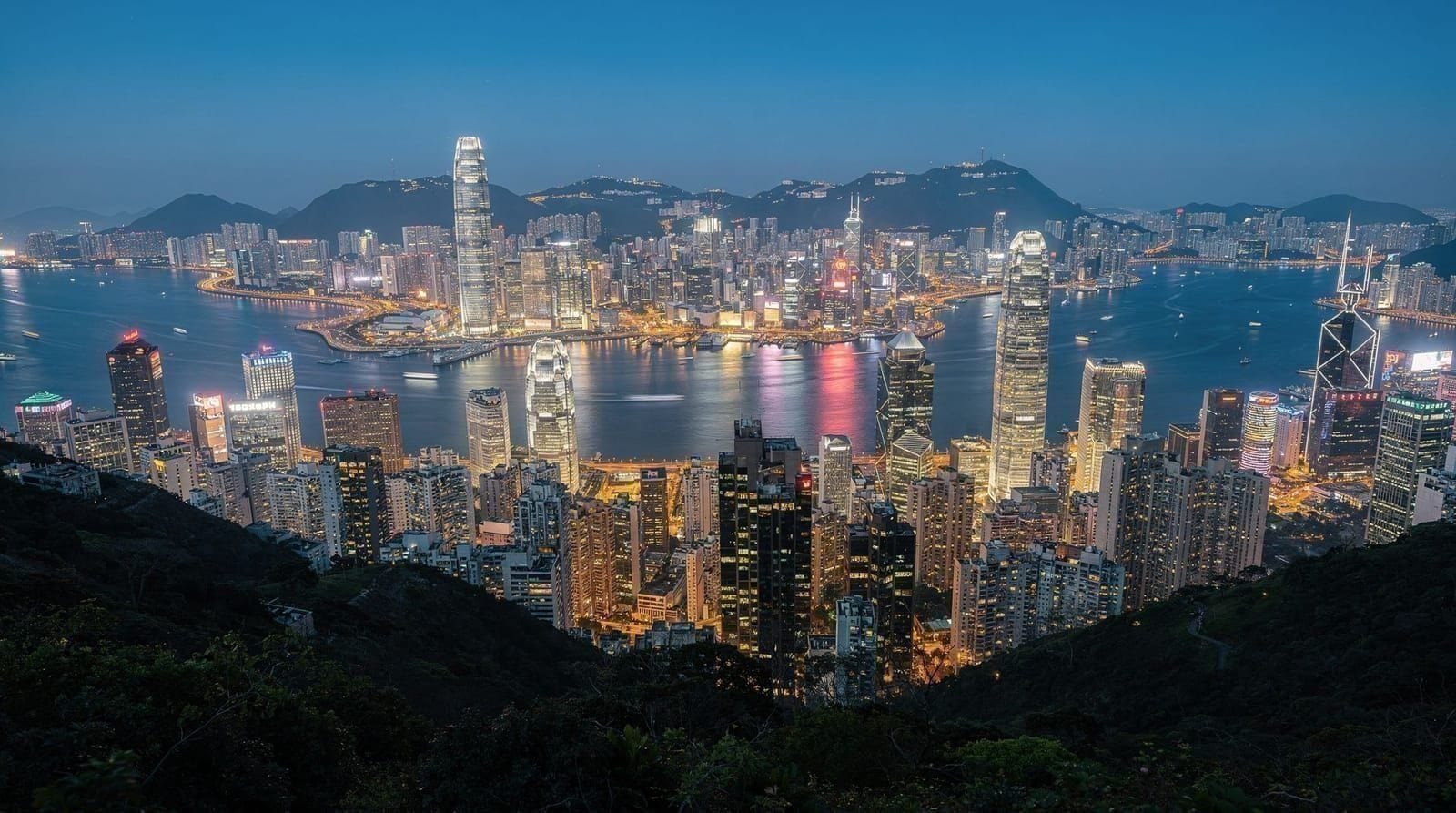
The Peak Tram queue
The trap: The Peak Tram Lower Terminus at Garden Road can have queues of 45–90 minutes on busy weekdays and 2+ hours on weekends and public holidays. Visitors queue in the heat (or rain) without shade, often with young children, for the privilege of a 7-minute tram ride. The queue management is improved from its worst years but remains the single biggest time-waste in Hong Kong tourism.
What makes it a trap: the queueing time is not disclosed prominently at the booking stage. The tram is one of many ways to reach the Peak; the tram itself is not the only option.
What to do instead:
Option 1 — Book skip-the-line tram tickets in advance. The Peak Tram sells priority boarding tickets online and through authorised operators. The cost is higher than the standard ticket (adult return HKD 116 for the standard ticket; see thepeak.com.hk for current priority fares) but the wait time drops to under 10 minutes. For a clear-day visit to the Peak, this is the better approach.
Option 2 — Take the 15X bus. Bus 15X departs from Exchange Square in Central (next to Hong Kong station), takes approximately 35 minutes to the Peak terminus, is inexpensive (see the operator’s website for the current fare), and has no queue. The bus route through the Mid-Levels is itself an interesting journey through residential Hong Kong. At the top, you have the same Peak views and the same facilities. The return journey is the bus back down or a walk down the Peak Circle Walk.
If you prefer to book ahead and be done with it, a fast-track Peak Tram ticket is the simplest way to skip the line at the Lower Terminus.
The Peak itself is worth visiting. The tram queue is the avoidable part. See our detailed analysis at is the Peak Tram worth it.
If you are still deciding how to get up there, the Peak Tram vs bus comparison lays out the trade-offs, and the Victoria Peak guide explains what to do once you arrive. Walking the Peak Circle Walk is a good way to get away from the crowds around the main viewing platforms.
Tourist corridor restaurants
The trap: The stretch of Nathan Road from Jordan MTR to Tsim Sha Tsui MTR, the area around the Star Ferry Tsim Sha Tsui terminus, and the streets immediately adjacent to Temple Street Night Market contain many restaurants that exist to serve tourists who do not know the area. These are identified by: photo menus displayed in stands at the street, multilingual signage promising “authentic Hong Kong food,” touts at the entrance calling to passing tourists, and prices that are 30–80% above comparable local restaurants.
What makes it a trap: the food quality is often below what you would get at a proper local restaurant at half the price. The setting prices in these tourist corridors have been set relative to tourist-level expectations, not local competition.
What to do instead:
For dim sum: walk to Tim Ho Wan (multiple MTR-adjacent locations — the original in Mong Kok), One Dim Sum in Prince Edward, or Yum Cha in Tsim Sha Tsui’s less touristed streets. All are within 10 minutes of the tourist corridor; none have photo menus at the door.
For roast duck and Cantonese BBQ: Yat Lok BBQ (Central), Joy Hing Roasted Meat (Wan Chai), or the roast meat shops in Sham Shui Po are genuine. The price is HKD 60–90 for a plate of roast duck rice; the same item on Nathan Road tourist stretch is HKD 140–180.
For noodles: any noodle shop without an English menu and with local clientele at peak times (12–1 pm and 6–8 pm). Pay HKD 45–65 for a bowl; do not pay HKD 120 for the same at a tourist-facing restaurant.
The rule that works consistently: if a restaurant has picture menus in multiple languages displayed on a sign or stand at the entrance, keep walking.
Better food is rarely far away. The best restaurants in Tsim Sha Tsui are worth consulting if you are staying on the Kowloon side, and the cha chaan teng guide and dai pai dong guide explain the local-style eateries where prices stay honest. For cheap, well-regarded meals, see the Michelin cheap eats guide and the best street food guide. If you would rather not choose at all, a food tour takes you straight to the places locals actually eat.
Market merchandise
The trap: Ladies Market (Mong Kok) and Temple Street Night Market both sell merchandise at dramatically inflated prices to tourists who pay the opening quoted price. Additionally, the merchandise — particularly “designer” watches, electronics accessories, and any item with a brand name — is either counterfeit or very low quality.
What makes it a trap:
- Watches: typically fail within weeks. The quoted price (HKD 300–600) is 3–5x the actual market value.
- Electronics: phone cases and accessories from market stalls often use low-grade materials. Cables may not meet safety standards.
- “Jade”: quartzite, serpentine, or dyed stone sold as jade at the street markets.
- Branded goods: counterfeit — illegal to import in most countries and seized by customs.
What to do instead:
Visit the markets for the atmosphere, the street food, and the experience — these are genuinely interesting places. Our Ladies Market guide and Temple Street Night Market guide explain what to expect at each, and the Mong Kok area guide puts the neighbourhood in context. Buy cheap souvenir items (novelty T-shirts, keyrings) that you are treating as what they are — cheap tourist items. Bargain aggressively and enjoy it. If you would like context rather than a shopping gamble, a guided walk through Kowloon’s local markets with food stops shows you which stalls are worth your time.
For real electronics: Fortress and Broadway (authorised retailers at major MTR malls) for new items. Golden Shopping Centre in Sham Shui Po for components and second-hand goods with more knowledge required but better prices.
For real jade: the Jade Market is the place to browse, but even there, significant expertise is needed to verify authenticity. At minimum, require certification for any jade purchase above HKD 500.
The “free tea ceremony” invitation
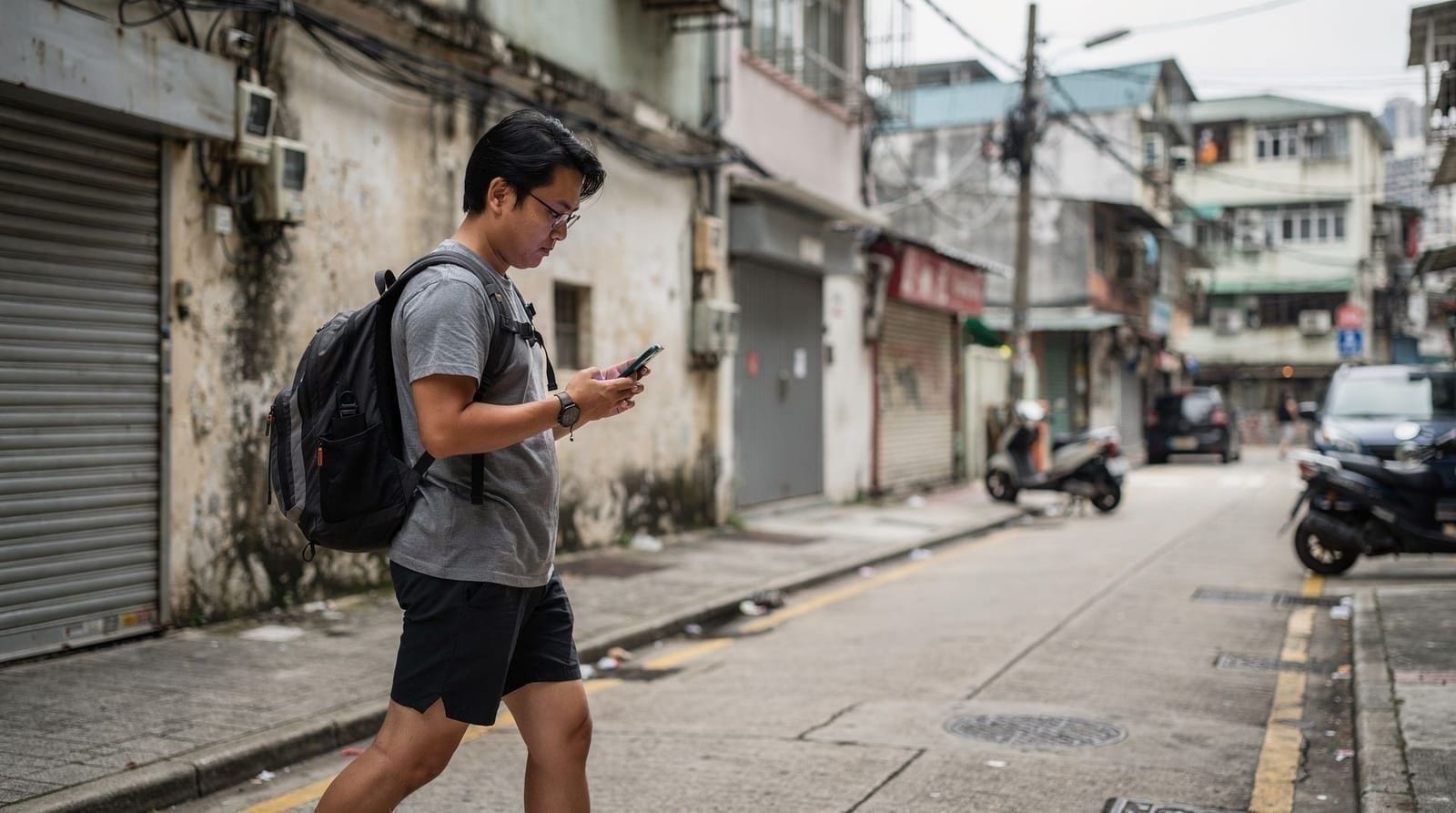
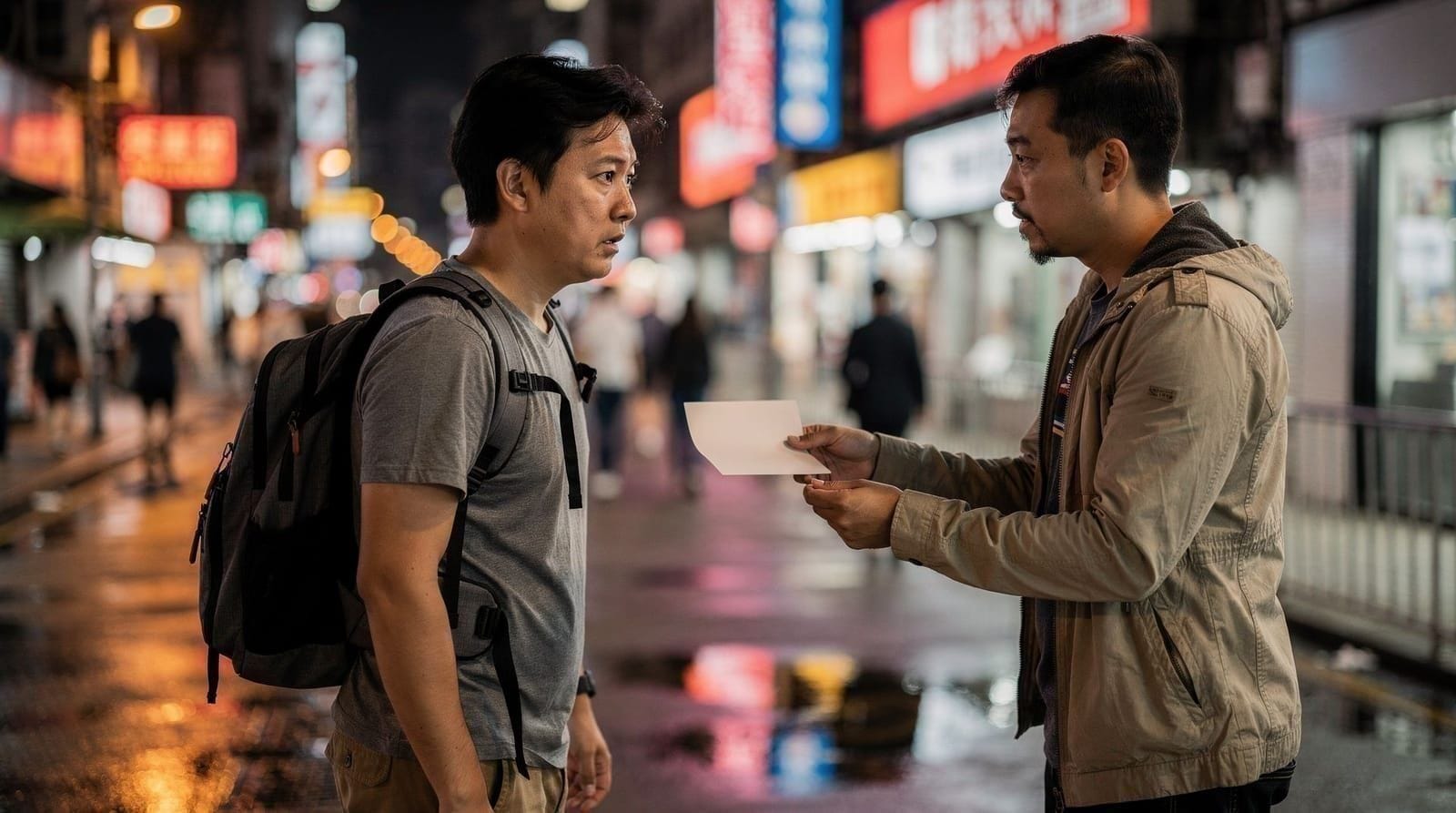
The trap: visitors walking near the Jade Market, Temple Street, or in tourist-heavy areas of Yau Ma Tei and Mong Kok may be approached by a person (often a well-dressed woman who appears to speak some English) inviting them to a “traditional tea ceremony” or “free tea tasting.” The ceremony does happen — they sit you down and serve you tea — and then present a bill for HKD 200–800 per person for tea you were told was free.
A second variant: a “tea shop tour” that ends in a high-pressure sales pitch for expensive teas, using the social obligation created by the hospitality to push buyers into purchasing items at dramatically marked-up prices.
What to do instead: decline any unsolicited street invitation from a stranger to a free experience. If you want a genuine tea experience, visit a legitimate tea shop (Fook Ming Tong in IFC Mall or Pacific Place, or the tea houses on upper Wellington Street in Central). Pay an honest price for an honest product.
Electronics shopping in tourist areas
The trap: electronics shops on Nathan Road and in Tsim Sha Tsui (not the large chain stores — the smaller independent shops in arcades and side streets) have a history of bait-and-switch pricing. A camera is quoted at a reasonable price; when you try to buy, the model displayed is “sold out” but a more expensive model is available; accessories you expected to be included are billed separately; an “international warranty” is added to the price after you agreed.
What to do instead: Buy electronics at Fortress, Broadway, or Apple (legitimate chain retailers with fixed pricing). If buying second-hand or from independent dealers, use the Golden Shopping Centre in Sham Shui Po where prices are realistic and the dealers are competing with each other rather than with a tourist’s lack of local knowledge.
The “night tour” busses
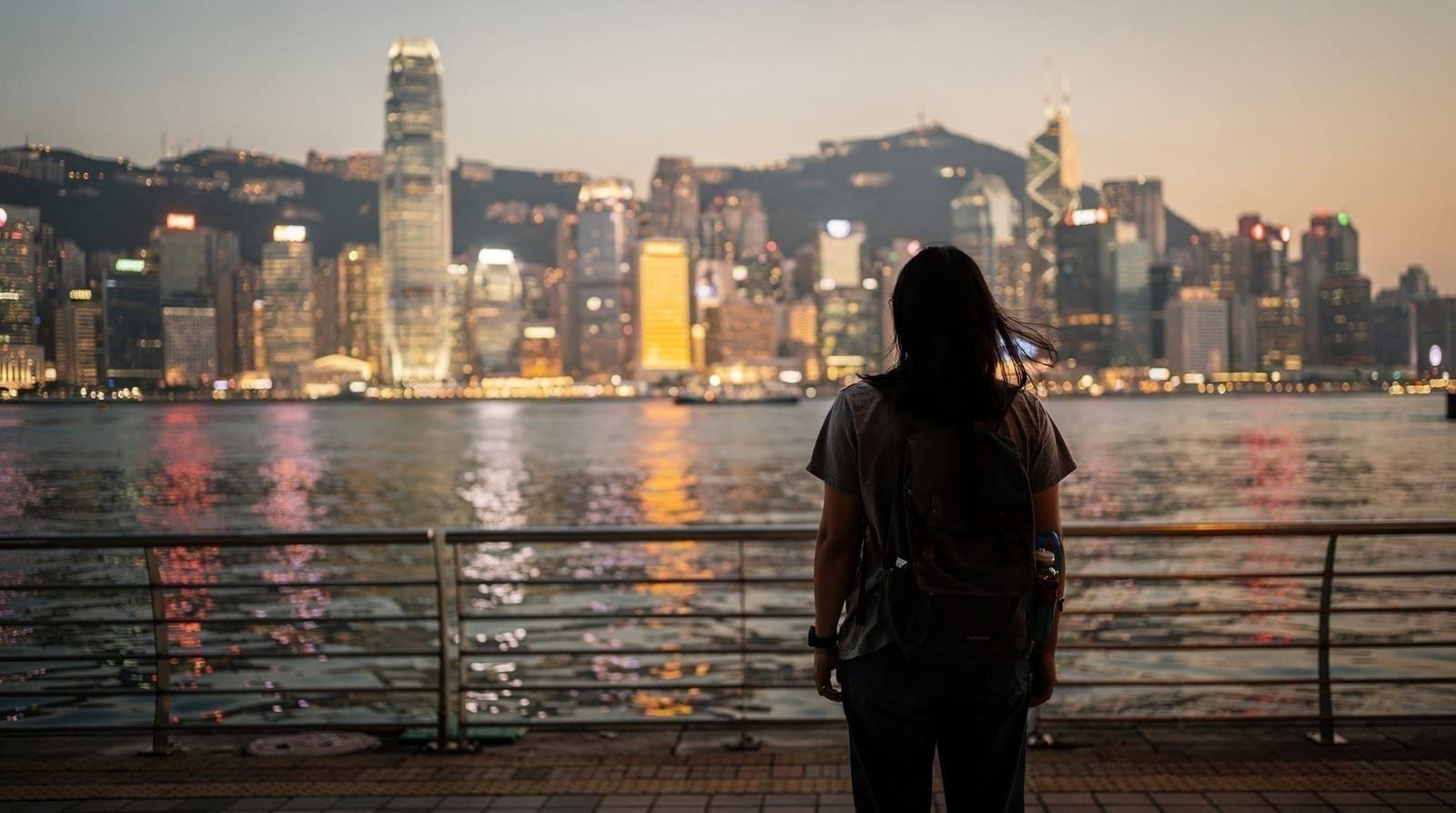
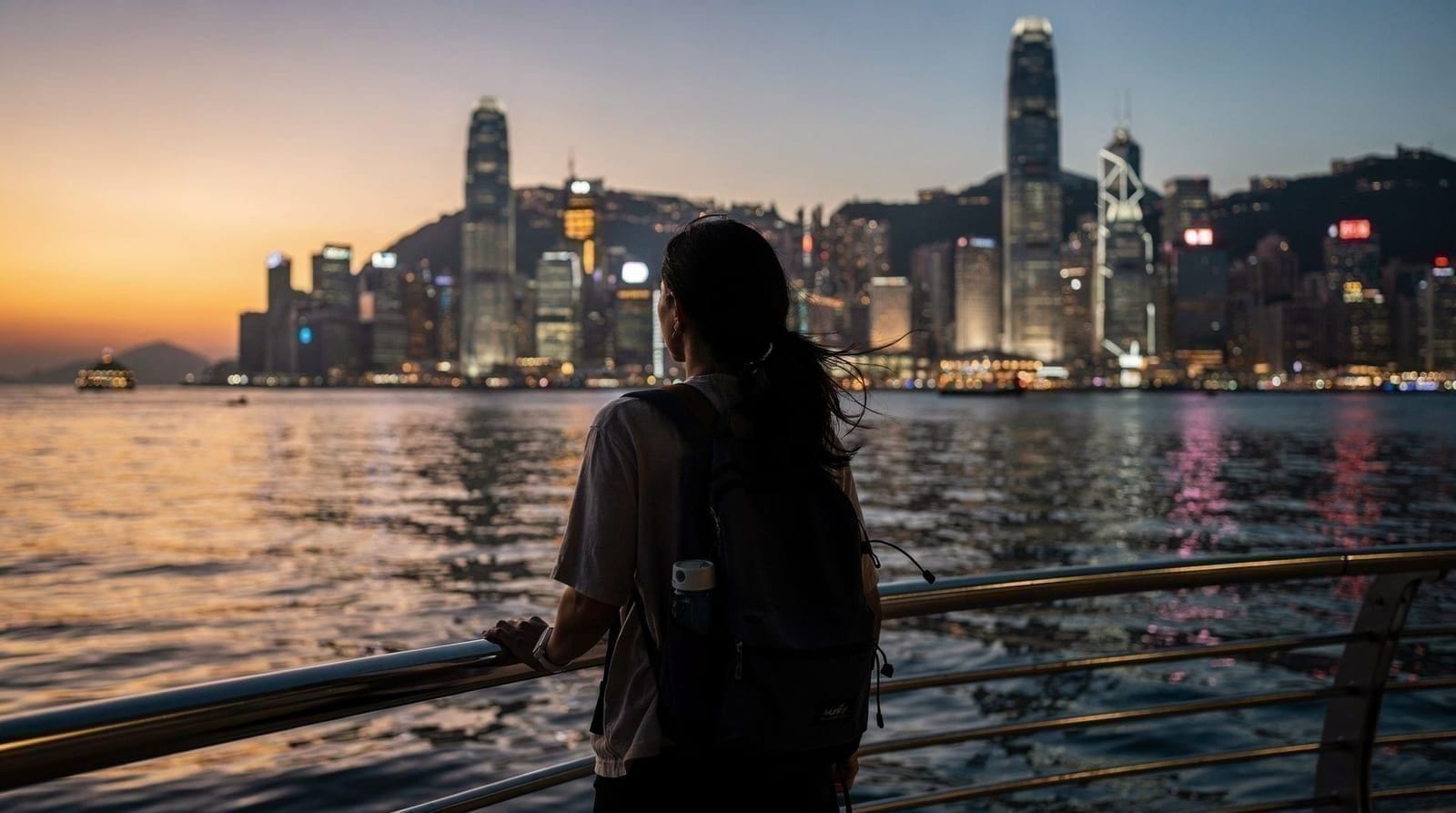
The trap: some “Hong Kong night tour” products sold near the Tsim Sha Tsui waterfront are overpriced and low-value — specifically the open-top bus tours that promise “the best view of Hong Kong at night” for HKD 250–400 per person. These are legitimate bus services, but the view from the bus is inferior to the view from the Star Ferry (from HKD 4) or the Kowloon waterfront promenade (which is free).
What to do instead: the Star Ferry from HKD 4 gives you harbour views from water level. The Tsim Sha Tsui Promenade from the Star Ferry Pier to the Hong Kong Museum of Art is free and gives you the same skyline without moving. The Symphony of Lights (8 pm daily) is free from any point on the Kowloon waterfront. The Symphony of Lights guide covers the best spots to watch from, and the Star Ferry and trams guide shows how to combine the old-fashioned ways of crossing the harbour and moving around the island.
If you want an organised harbour cruise with drinks and a better experience than the promenade, legitimate evening harbour cruises (typically HKD 200–350 per person including drinks) are available from the pier area and offer a more substantive experience than the bus tour.
Overpriced hotel breakfasts
The trap: international hotels in Hong Kong charge HKD 250–500 per person for breakfast buffets. This is a significant proportion of a daily food budget.
What to do instead: walk to the nearest cha chaan teng. A full Hong Kong breakfast — toast with butter and condensed milk, macaroni soup or rice, eggs, milk tea or coffee — costs HKD 40–70 per person. The experience of eating at a busy Hong Kong-style café is itself worth having, and the Hong Kong on a budget guide shows how much a few of these small swaps add up over a trip. For hotel guests who find the breakfast buffet included in their rate, this is fine; paying for it à la carte is poor value.
Trap vs alternative: a quick reference
| Instead of… | Do this | Savings/benefit |
|---|---|---|
| Peak Tram queue (45–90+ min) | Book skip-the-line, or take bus 15X | Save up to 2 hours |
| Nathan Road tourist restaurants | Walk 1–2 streets back, or Tim Ho Wan | 30–80% cheaper, better food |
| Open-top night bus tour (HKD 250–400) | Star Ferry + waterfront promenade | From HKD 4 vs HKD 250+ |
| Market “designer” watches | Fortress or Broadway for real electronics | Avoid counterfeit/customs risk |
| Hotel breakfast buffet (HKD 250–500) | Nearest cha chaan teng | HKD 40–70 per person |
If you want the fuller list of what’s genuinely not worth your time in Hong Kong beyond these specific traps, see the what to skip in Hong Kong guide. For the scam-specific version of this content — situations involving deliberate deception rather than just poor value — see the Hong Kong scams to avoid guide.
For a more efficient first day that sidesteps most of these traps automatically, a guided introduction to the city covers the legitimate highlights without the tourist-corridor detours:
Half-day city highlights tour: Peak Tram and Star Ferry includedGetting around cheaply helps as well: the Hong Kong MTR guide, the Octopus card guide and the taxis guide cover the transport side. If you want a ready-made plan, the first-timer itinerary and the Hong Kong 3-day itinerary are built around the genuine highlights, and the blog’s Hong Kong hidden gems is a good source of ideas away from the tourist corridor.
Planning your trip length around these efficiencies matters too — see how many days in Hong Kong and the first-timer mistakes guide for the broader planning context.