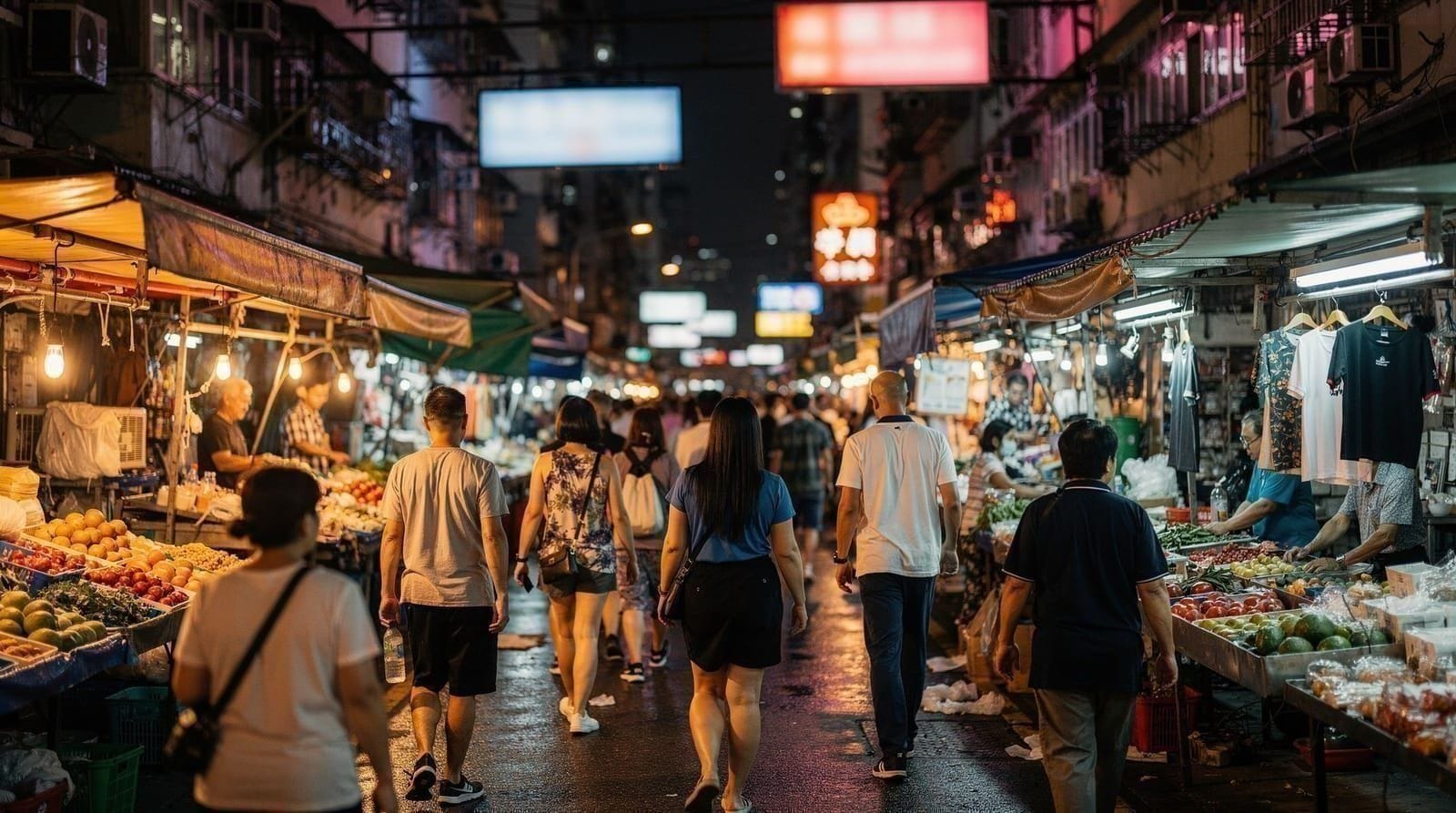
Jade Market Yau Ma Tei — guide to visiting Hong Kong's jade bazaar
Hong Kong: Ladies Market and Temple Street Night Market tour
Is the Jade Market in Hong Kong worth visiting?
Worth visiting for the experience and the authentic market atmosphere — it is one of the most distinctively Hong Kong-local markets you can visit. Buying jade is a different matter — without knowledge, distinguishing genuine jade from dyed quartzite or glass requires expertise. Browse freely; buy cautiously.
The Jade Market — what it actually is
The Yau Ma Tei Jade Market (玉器市場) occupies a permanently covered pavilion under the elevated highway at Kansu Street and Battery Street. Around 400 stalls operate here, selling jade, coral, amber, crystal, pearls, and other semi-precious stones in raw and finished form. It has operated at this location since 1984, when the government consolidated jade dealers who had previously operated in scattered street stalls around the neighbourhood.
The market serves two distinct customer types: local Hongkongers (particularly older Cantonese-speaking residents who know jade well and buy here as part of a lifelong familiarity with the material) and tourists. The local trade is the more interesting: retired men in polo shirts examining nephrite bangles under magnifying glasses, dealers consulting on colour and grain in Cantonese, morning regulars who have bought from the same stall for twenty years.
For tourists, the market offers a browsing experience that is authentically local in character — not a stage-managed tourist attraction — and the opportunity to buy inexpensive small jade items as souvenirs. For serious jade purchases, read carefully before spending.
| Where | Kansu St / Battery St, Yau Ma Tei |
| Hours | Approx. 10am–6pm daily |
| Nearest MTR | Jordan (10 min walk) or Yau Ma Tei (8 min) |
| Typical spend | HKD 50–400 for safe souvenir items |
| Best time | Morning (10am–noon) for local atmosphere |
| Bargaining | Expected; settle around 65–75% of asking |
Walking through the market
The market is divided into two sections by the Kansu Street intersection:
West pavilion (Battery Street side): the larger section, with the highest concentration of jade and the most established dealers. This is where the serious trade happens — the early-morning conversations between dealers, the careful examination of rough stones and finished bangles.
East pavilion (toward Shanghai Street): slightly smaller, with more tourist-friendly stalls offering small pendants, bracelets, and packaged items at lower price points. A good starting point for first-time visitors.
Walk through both sections before buying anything. The range across stalls is wide, and identical item types (a small round jade disc, for example) will vary significantly in price between stalls without obvious reason. Understanding the market’s range before committing to a stall is worth the time.
How to approach your first visit
Arrive with a loose plan rather than a shopping list. The Jade Market rewards slow looking: stand back from a stall for a minute, watch how a dealer handles a piece, and notice which stalls attract regulars rather than passing tour groups. A stall that lets you handle items without pressure, answers questions plainly, and is comfortable with you walking away is usually a better bet than one that calls out to every passer-by.
Bring small notes and a little patience. Part of the pleasure is the pace: conversations are unhurried, and a purchase can take several minutes of talking, turning a piece in the light, and settling on a number. If you feel rushed, that is a signal to move on. The general habits of polite behaviour in Hong Kong’s markets are covered in our safety and etiquette guide, and they apply here as much as anywhere.
If you are new to the city, it also helps to read up on the common pitfalls first. Our guides to scams to avoid in Hong Kong and tourist traps explain the general patterns, and the Jade Market is a good place to put that caution into practice without letting it spoil the visit.
Reading a stall before you buy
Look at the display as a whole. Stalls that group their goods clearly, with similar items together, tend to be easier to compare. Be wary of a stall where every stone is the same intense shade of green and the pieces look suspiciously uniform: natural stone varies in colour, translucency, and grain, and that variation is part of what makes a piece genuine.
Pick pieces up, feel their weight and temperature, and hold them against the light. Ask the dealer what the stone is called and where it comes from. A dealer who answers specifically, and who distinguishes between jadeite and nephrite, is more reassuring than one who simply says “jade, very good”. You will not become an expert in one visit, and you do not need to; the aim is to buy something you like at a price you are comfortable losing if it turns out to be less than advertised.
Photographs of pieces on your phone can help when you want to compare across stalls later in the walk. Many visitors find that walking the full length of both pavilions first, then returning to the one or two stalls that felt most trustworthy, gives the best result.
What to buy — and what not to
Safe purchases for visitors
Small carved pendants (HKD 50–300): the most accessible jade purchase. Small bi discs, carved fish, or simple geometric pendants in pale nephrite or light green jadeite are readily available at low prices. These are genuine stone items (though their jade credentials at this price point are difficult to verify definitively) and make meaningful souvenirs.
Freshwater pearl bracelets (HKD 100–400): several stalls specialise in freshwater pearls. At the price range available here, these are likely genuine freshwater pearls (relatively abundant and inexpensive in China). A pearl bracelet in the HKD 200–350 range is a reasonable purchase.
Amber and coral items: genuine amber (fossilised resin) is available at some stalls. Testing: real amber floats in saturated salt water; plastic sinks. Burning a small hidden area — real amber produces a pine resin smell; plastic smells synthetic. Coral items: genuine red coral is increasingly controlled due to conservation concerns; most red coral items at this price point are dyed bone or bamboo coral.
High-risk purchases
Expensive jadeite: vivid green jadeite (the “imperial jade” that reaches extraordinary auction prices) is almost certainly not what you are looking at in the Jade Market. Heavily saturated green stones at market stalls are very likely dyed quartzite, dyed nephrite, or “C-jadeite” (bleached and polymer-impregnated material). If a stall is selling a rich green bangle for HKD 500, it is not jadeite of the colour it appears to be. Genuine imperial-grade jadeite costs thousands to millions per piece.
Certified purchases above HKD 1,000: if you want to spend this amount, require a gemological certificate. The Hong Kong Jade and Stone Manufacturers’ Association issues certificates; reputable dealers will have these for higher-value pieces. Without a certificate, you are buying on trust.
Pricing and bargaining
The Jade Market is a bargaining environment. Stall holders will quote prices and expect negotiation, particularly for tourist-oriented items (small pendants, bracelets). A reasonable approach:
- Start at 50–60% of the quoted price for small items
- Settle at 65–75% for most purchases
- For items above HKD 300, request more significant discount and do not be afraid to walk away
Note that local buyers (visible in the morning sessions) are often getting different pricing through established relationships — the tourist-facing price is not necessarily the bottom of the market.
Jade Market vs the other Yau Ma Tei / Mong Kok markets
If you’re deciding which markets to prioritise on a limited schedule, it helps to know how they differ:
| Market | Best for | Time needed |
|---|---|---|
| Jade Market | Jade, gemstones, browsing | 30–45 min |
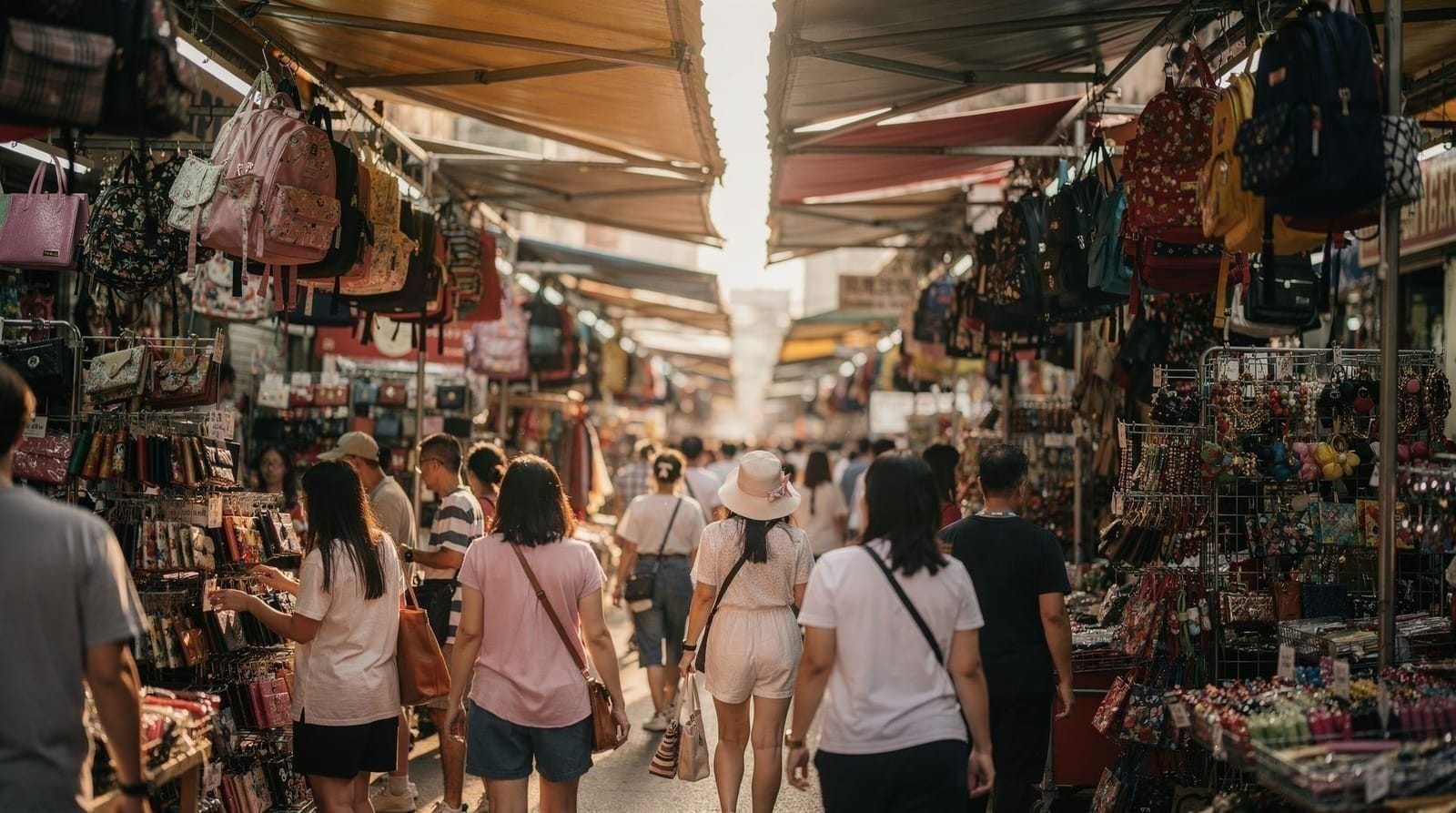
| Ladies’ Market | Clothes, souvenirs, bargaining practice | 45–60 min |
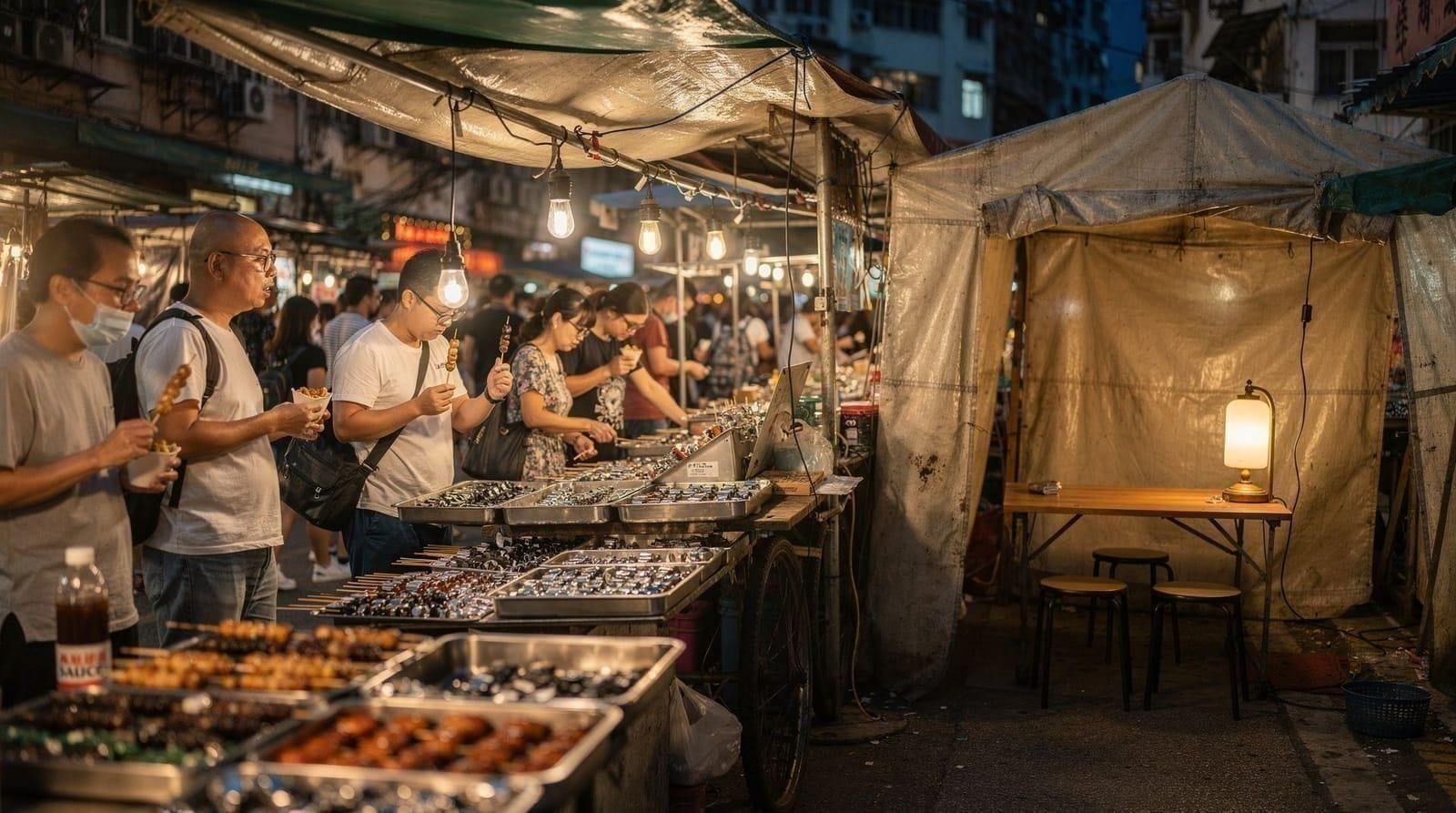
| Temple Street | Night atmosphere, street food, fortune tellers | 1–2 hrs |
All three sit within a 15–20 minute walk of each other, which makes combining two or three of them in a single afternoon-to-evening loop straightforward — see the best shopping in Hong Kong guide for how to sequence them.
If you would rather see the two busiest markets of the area with a guide, an evening tour covering the Ladies’ Market and the Temple Street night stallsCheck availability pairs naturally with a daytime browse at the Jade Market.
If navigating the stalls solo feels daunting, a guided market walk covers the jade, food, and night-market layers of this neighbourhood with someone who can vouch for stall quality. Kowloon markets walking tour, small group
The surrounding Yau Ma Tei neighbourhood
The Jade Market is most rewarding when combined with the surrounding streets of Yau Ma Tei.
Temple Street begins 200 metres south of the Jade Market (see our Temple Street guide for the evening market). In the afternoon, the southern end of Temple Street has local shops and restaurants that pre-date the evening market setup.
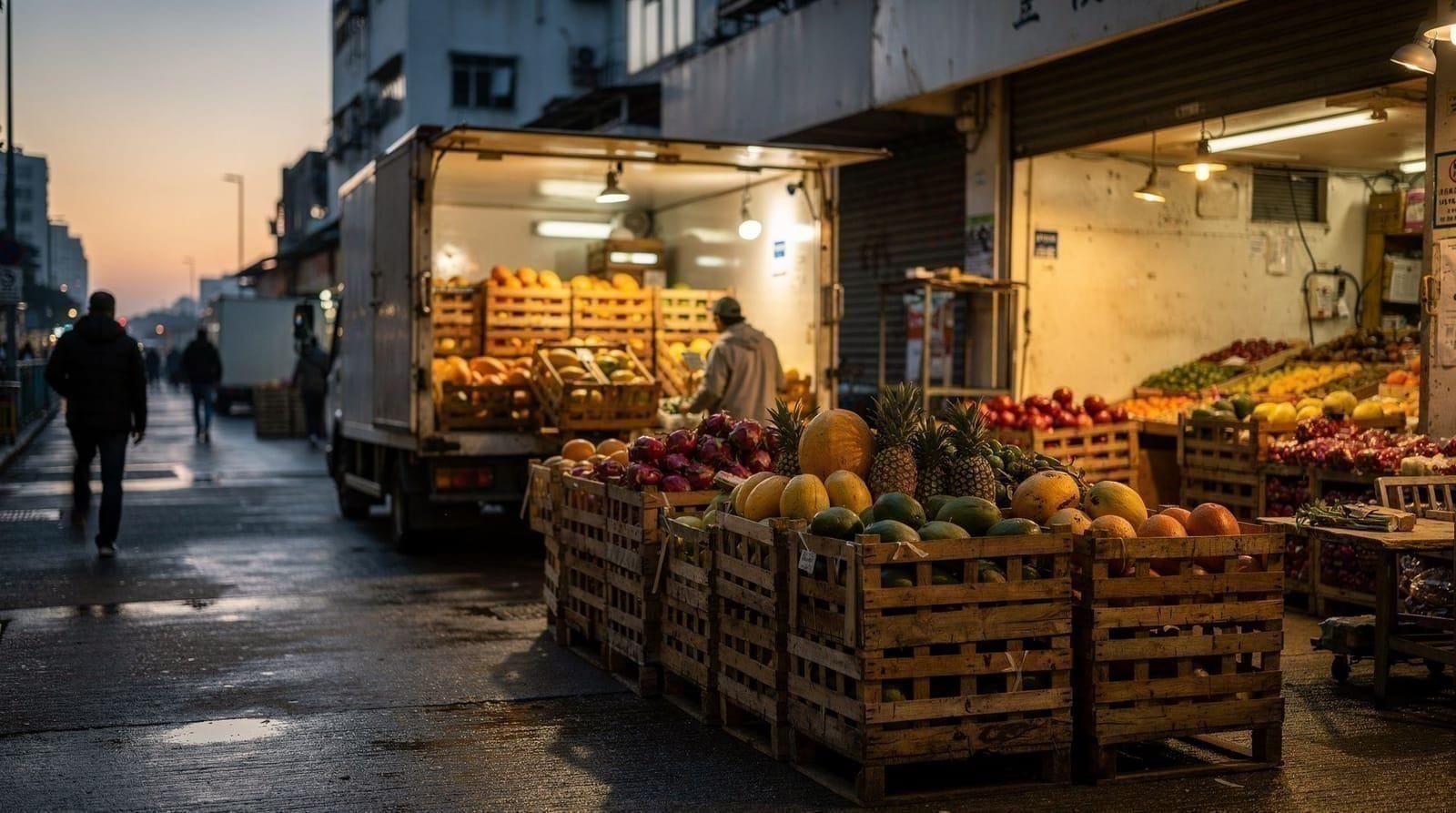
Wholesale Fruit Market (Yau Ma Tei Wholesale Fruit Market, just north of the Jade Market): operating from 4–10 am, this is one of Hong Kong’s authentic early-morning wholesale markets. If you are awake early, it is worth a visit — the volume and variety of tropical fruit at wholesale is striking.
Temple Street area food: before the night market stalls set up, several excellent local restaurants operate around the Jade Market area. Kau Kee Restaurant (near Jordan, about 10 minutes’ walk) is famous for its beef brisket noodles and extremely long queues — arrive before 11 am for lunch service.
Getting there
From Jordan MTR: Exit A (Tsuen Wan line), walk north along Jordan Road, then left on Kansu Street. The market is at the intersection with Battery Street, under the overpass. About 10 minutes on foot.
From Yau Ma Tei MTR: Exit C (Tsuen Wan line), walk south on Nathan Road, then right on Kansu Street. About 8 minutes on foot.
Opening hours: approximately 10 am – 6 pm daily.
Fitting the market into your day
The Jade Market is a short stop, so it works best as part of a wider Kowloon day. Many visitors pair it with a morning in the neighbourhood and then continue north toward Mong Kok for the street markets there, or go south to Tsim Sha Tsui for the waterfront. If you are building a longer plan, our Hong Kong itinerary planning guide and the first-timer itinerary show where a market morning can sit alongside the bigger sights.
Because the pavilions are covered by the overpass, the market is also a sensible option when the weather turns. It is not a full rainy-day plan on its own, but it pairs well with indoor stops; see the rainy day itinerary for ideas on what to combine it with.
For food between stalls, the surrounding streets have plenty of local options, and our street food guide will help you choose what to try. If jade has made you curious about more local-feeling neighbourhoods, Sham Shui Po offers a similarly working-class, less polished side of Kowloon, and Stanley Market is a very different, more tourist-oriented market experience on the south side of Hong Kong Island.
Practical tips for the visit
- Getting around: the MTR is the easiest way to reach the market, and our MTR guide explains how the lines connect. An Octopus card makes the journey effortless.
- Cash: small stalls generally prefer cash for modest purchases, so it is worth carrying some in smaller notes rather than relying on cards.
- Souvenirs with a story: ask the dealer to explain the symbolism of a carved piece. Traditional motifs carry meanings, and knowing the story makes a small pendant feel more personal.
- Take your time: with no fixed schedule to keep, a relaxed pace is the best way to see the market at its most natural.
- Treat it as culture first: even if you leave empty-handed, you will have seen a part of everyday Hong Kong that most guidebook itineraries skip.
Is it worth visiting if you’re not buying jade?
Yes. Even with no intention to buy, the Jade Market is worth 20–30 minutes for the atmosphere alone — it’s a working local market rather than a tourist reconstruction, and the mix of dealers, materials, and quiet transactional culture is a contrast to the more performative markets like Ladies’ Market. Pair it with a walk through Mong Kok or a stop in Yau Ma Tei proper for context on the neighbourhood beyond the market stalls.