What to skip in Hong Kong — an honest skip list for first-time visitors
Hong Kong: Fast track Victoria Peak Tram ticket combos
What should you skip in Hong Kong?
Skip Madame Tussauds (expensive and outdated), the Peak tram without priority tickets (queue is not worth it), Repulse Bay if swimming is the goal (crowded and mediocre), the tourist-menu restaurants on Nathan Road, and Mong Kok on weekend evenings with young children. These are not bad in absolute terms — they simply do not justify the time or money relative to better alternatives.
Every Hong Kong itinerary has a handful of things that eat time and money without giving much back. None of the items below are scams — the views are real, the wax figures are genuine wax — but each has a free or cheaper alternative nearby that delivers most or all of the same experience. This list works through each one with the reasoning, so you can decide for yourself rather than just taking “skip it” on faith.
| Type | Honest skip list, not a scam warning list |
| Money saved | Roughly HKD 150–400 per swapped item |
| Applies to | First-time visitors with limited days |
| Use with | Hong Kong on a budget |
| See also | Tourist traps and scams to avoid |
The skip list — with reasoning
Madame Tussauds Hong Kong (The Peak)
Skip it. Madame Tussauds is located at the Peak Galleria shopping complex at Victoria Peak. The venue charges admission (see current prices on the official website) for access to a wax figure collection that is smaller and less well-maintained than the flagship London location. The figures represent a mix of international celebrities and Hong Kong entertainment personalities — interesting mainly for visitors who follow Cantopop and Hong Kong cinema deeply.
The cost-opportunity analysis: the price of a ticket buys a very good dinner at a mid-range local restaurant, two return journeys on the Star Ferry with money left over, or a comfortable margin of the budget for a Lantau day trip. None of those things are wax.
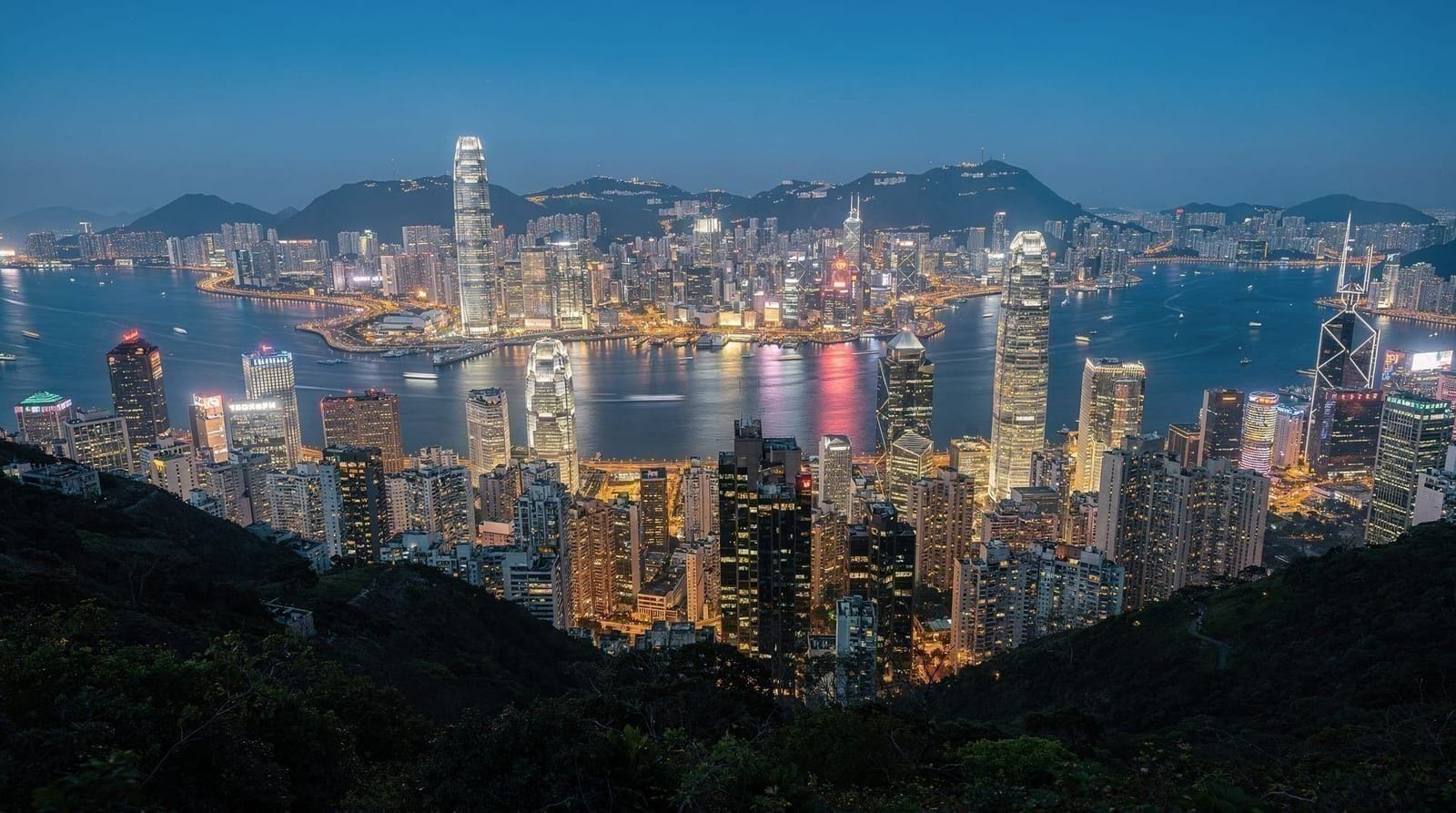
Do this instead: the public viewing areas at the Peak (the Peak Lookout terrace, the exterior of the Peak Galleria) are free. The walk down the Peak Circle Walk (free, 45 minutes) gives better views and a more interesting experience than any indoor attraction at the Peak.
The Tsim Sha Tsui tourist corridor restaurants
Skip them. The restaurants on Nathan Road between Jordan and Tsim Sha Tsui MTR, and the streets immediately adjacent to the Star Ferry terminal, are disproportionately targeted at visitors who do not know the area. Photo laminated menus in multiple languages, touts at the door, air conditioning that makes the interior visible from the street — these are reliable indicators of overpriced food.
Do this instead: walk to Tim Ho Wan (Michelin-recognised dim sum), Yat Lok (roast goose, Central), or any of the local noodle and rice shops in Jordan or Yau Ma Tei that do not have an English menu. The meal costs 40–60% less and is better.
Repulse Bay beach in summer on weekends
Skip it for swimming. Repulse Bay (南灣) is accessible and attractive as a beach on Hong Kong Island’s south side, and the bus route there from Central (Bus 6/6X, HKD 9.40) passes through the hills and makes the journey pleasant. In October through March, it is a good beach for walking or a quiet afternoon.
In summer (June–September) on weekends, the beach is packed to the point of unpleasantness — and the water quality in the summer months (runoff from typhoons, higher bacterial counts) is not ideal for swimming.
Do this instead: for a genuinely good Hong Kong beach, take the ferry to Cheung Chau Island or the bus to Cheung Sha on Lantau. Both are less crowded and have cleaner water. Shek O on Hong Kong Island is better than Repulse Bay but requires a bus journey.
The Peak Tram without priority tickets in peak season
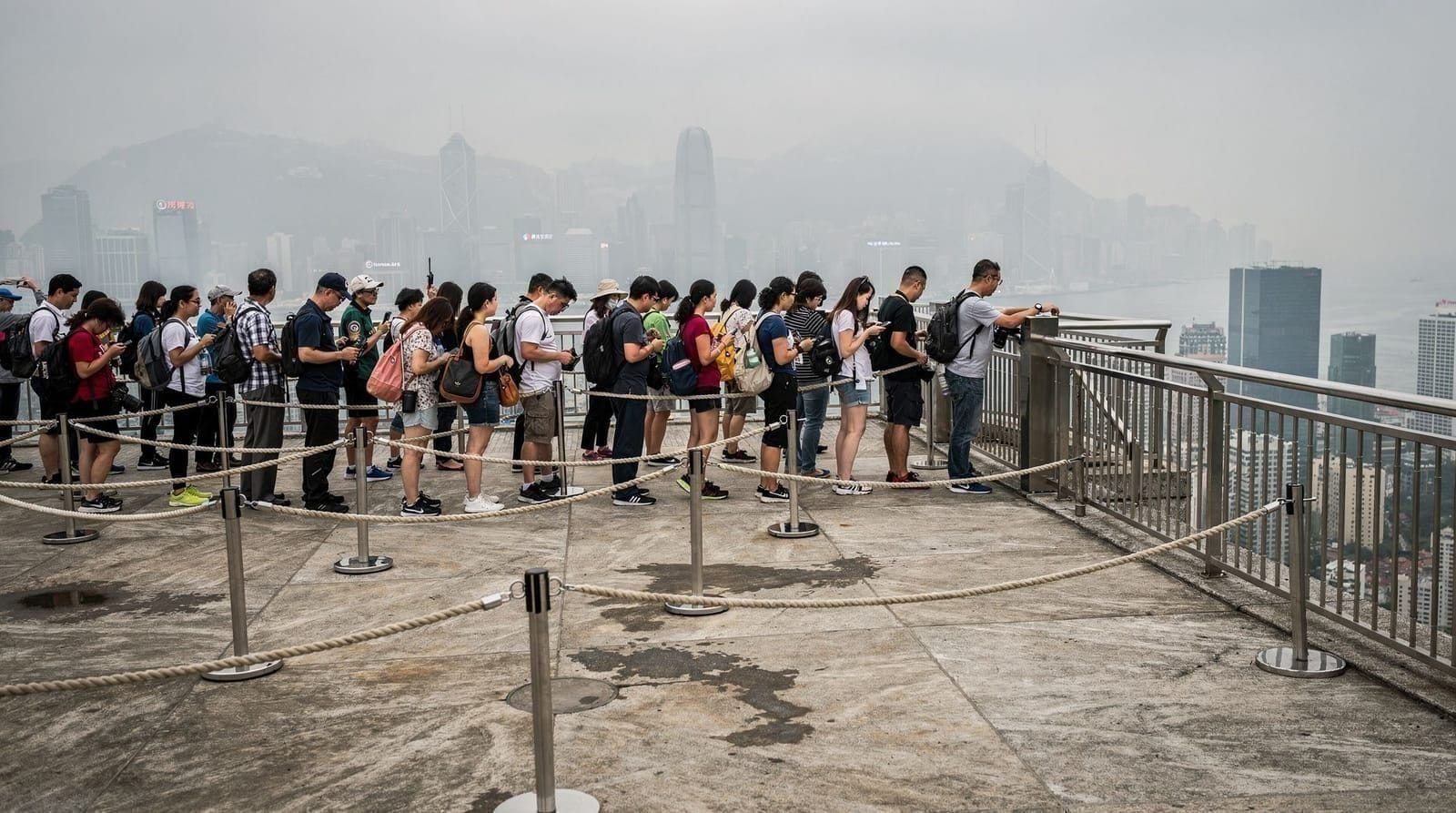
Skip the standard tram in peak hours. The tram itself is fine — a historic funicular, genuine Victorian engineering, excellent views from the open windows. The queue to board it (typically 60–90 minutes on weekend and public holiday daytimes, sometimes longer during school holidays) is not worth enduring.
Do this instead: book priority tram tickets online in advance for the same tram experience without the queue. Or take Bus 15X from Exchange Square — same destination, zero queue, a pleasant bus journey through the Mid-Levels. For the detailed analysis and verdict, see our guide is the Peak Tram worth it, and the full Victoria Peak guide for what to do once you’re up there. Peak Tram fast-track ticket — skip the standby queue ---
The night tour buses around Hong Kong
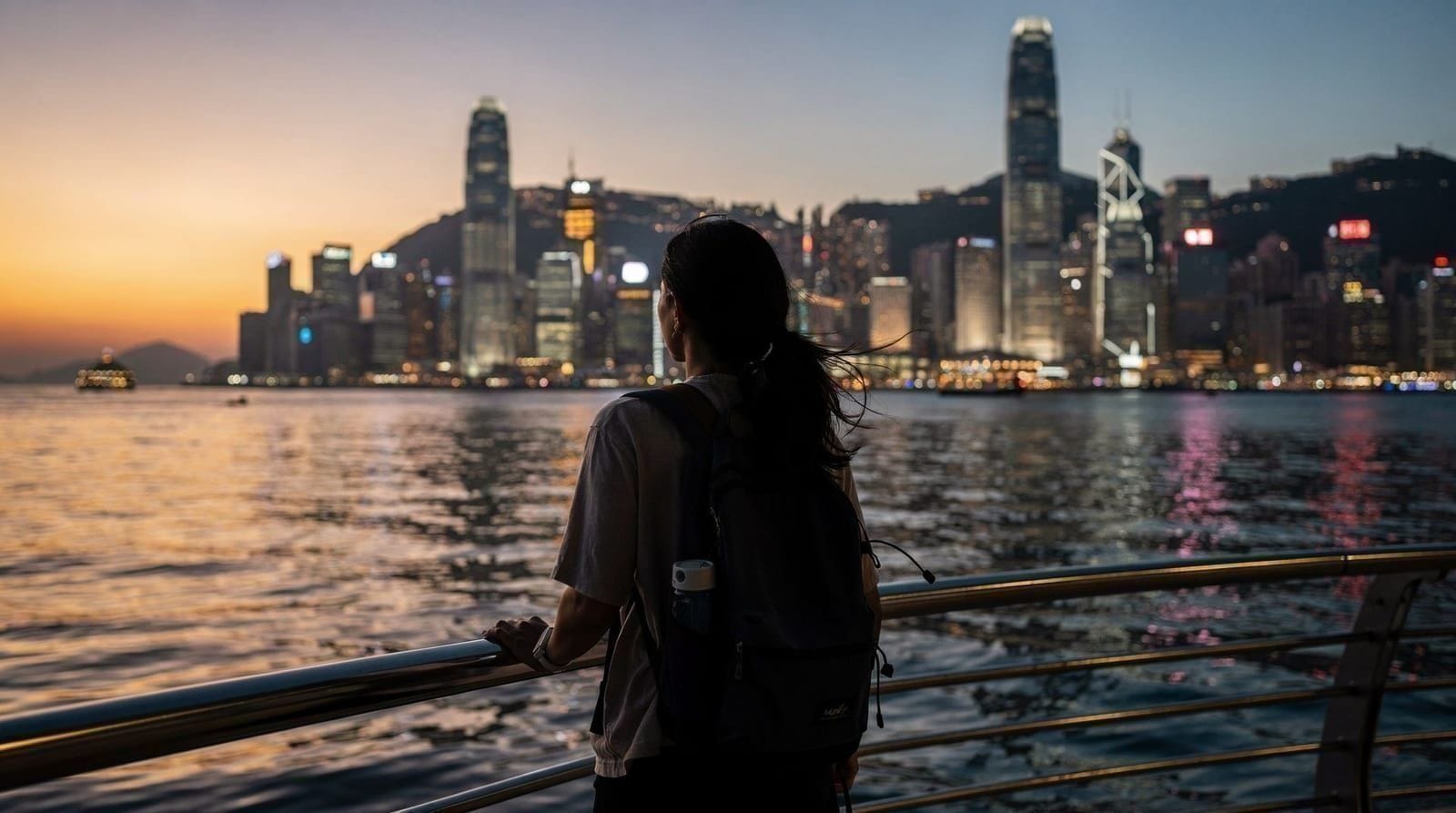
Skip them. Several operators run open-top bus tours of “Hong Kong at night” for HKD 250–400+ per person. The view from a double-decker bus roof is pleasant but not competitive with the view from the Star Ferry (HKD 4.0–6.5, from water level) or the free Kowloon waterfront promenade.
Do this instead: take the Star Ferry at 7:50 pm (arrive in time for the 8 pm Symphony of Lights from the water), then walk the Tsim Sha Tsui promenade back to your hotel. Free or nearly free; better view; more at your own pace.
Mong Kok on weekend evenings with children
Skip it with young children. The pedestrian density on weekend evenings around Ladies Market, Sneaker Street, and the surrounding blocks in Mong Kok is extraordinary — the streets are genuinely uncomfortable to navigate with a stroller, and even manageable for adults can become overwhelming for young children. The atmosphere is exciting for adults; it is overstimulating and physically tiring for children.
Do this instead: visit Ladies Market on a weekday afternoon (4–6 pm is active but not overwhelming). Or visit the Flower Market and Bird Garden, which are daytime markets with much less crowd density. See the Hong Kong with kids guide for a fuller picture of which markets and neighbourhoods work well with young children and which don’t.
The “big name” Western chain restaurants
Skip them entirely. McDonald’s, KFC, Starbucks — these exist in Hong Kong and are fine as emergency fallbacks. But they represent a complete waste of a dining slot in a city with world-class food at every price point.
The specific trap: dim sum at a proper Chinese restaurant, wonton noodles from a 10-table shop in Jordan, roast duck rice at a Cantonese BBQ stall, egg tarts from a genuine bakery — all cost the same as or less than a fast food meal and are measurably better. The only circumstance where a Western chain makes sense is a picky-eating child who will eat nothing else.
Any Hong Kong “attraction” that is just a view
Evaluate carefully. Several paid attractions in Hong Kong charge an admission fee for access to an observation deck or elevated viewpoint that competes with free alternatives.
- sky100 Observation Deck (International Commerce Centre, Kowloon): closed for renovation since May 2025, with no reopening date announced, so it is not an option for now. The Tsim Sha Tsui promenade (free) and the Peak Galleria terrace (free) remain strong alternatives.
- The Peak Tower Sky Terrace 428: price on thepeak.com.hk, for the outdoor deck at Victoria Peak. The views are the same as from the free public viewing areas nearby, with slightly better height.
Neither is a scam — the views are real and impressive. The question is whether you want to pay for a view you can substantially replicate for free from a nearby public space. For many visitors, the answer is no.
Airport departure-lounge shopping as a “last taste of Hong Kong”
Skip it as a destination. Hong Kong International Airport’s shopping area is well-run but priced like any other duty-free terminal, and treating it as a place to buy souvenirs means paying airport margins for things available cheaper in the city.
Do this instead: buy dried goods, tea, and packaged snacks at a Wellcome or ParknShop supermarket in town, or at the shops around Mong Kok or Sham Shui Po, days before your flight. It is a fraction of the airport price for the same products.
How to spot a skip-worthy stop yourself
The items above are the common cases, but new attractions open and old ones fade, so it helps to carry a few questions rather than a fixed list. Does the experience exist only in Hong Kong, or could you have it in any big city? Is there a free or cheaper version within a short walk? Does the price still make sense once you add the queue, the transport and the time of day? If the honest answer to the first question is “any big city” and the answer to the second is “yes”, you can usually drop the stop without regret.
Another useful test is what the stop replaces. A day in Hong Kong is short, and every paid indoor attraction takes the place of something the city does better: a long lunch in a cha chaan teng, an evening on a dai pai dong stool, or a slow ferry ride out to an island. Swapping a generic attraction for one of these rarely feels like a sacrifice.
Better ways to spend the saved time and money
Skipping something only helps if you put the time somewhere better. A few swaps that work well for first-time visitors:
- Instead of a wax museum, spend the afternoon at Tai Kwun or the Hong Kong Museum of History, both of which tell you something about the city itself.
- Instead of a paid viewing deck, walk the Victoria Peak circle walk or catch the skyline from the harbour during the Symphony of Lights.
- Instead of a tourist-corridor lunch, follow the street food guide or the list of Michelin-recognised cheap eats.
- Instead of a crowded beach, read the Hong Kong beaches guide and pick a quieter stretch.
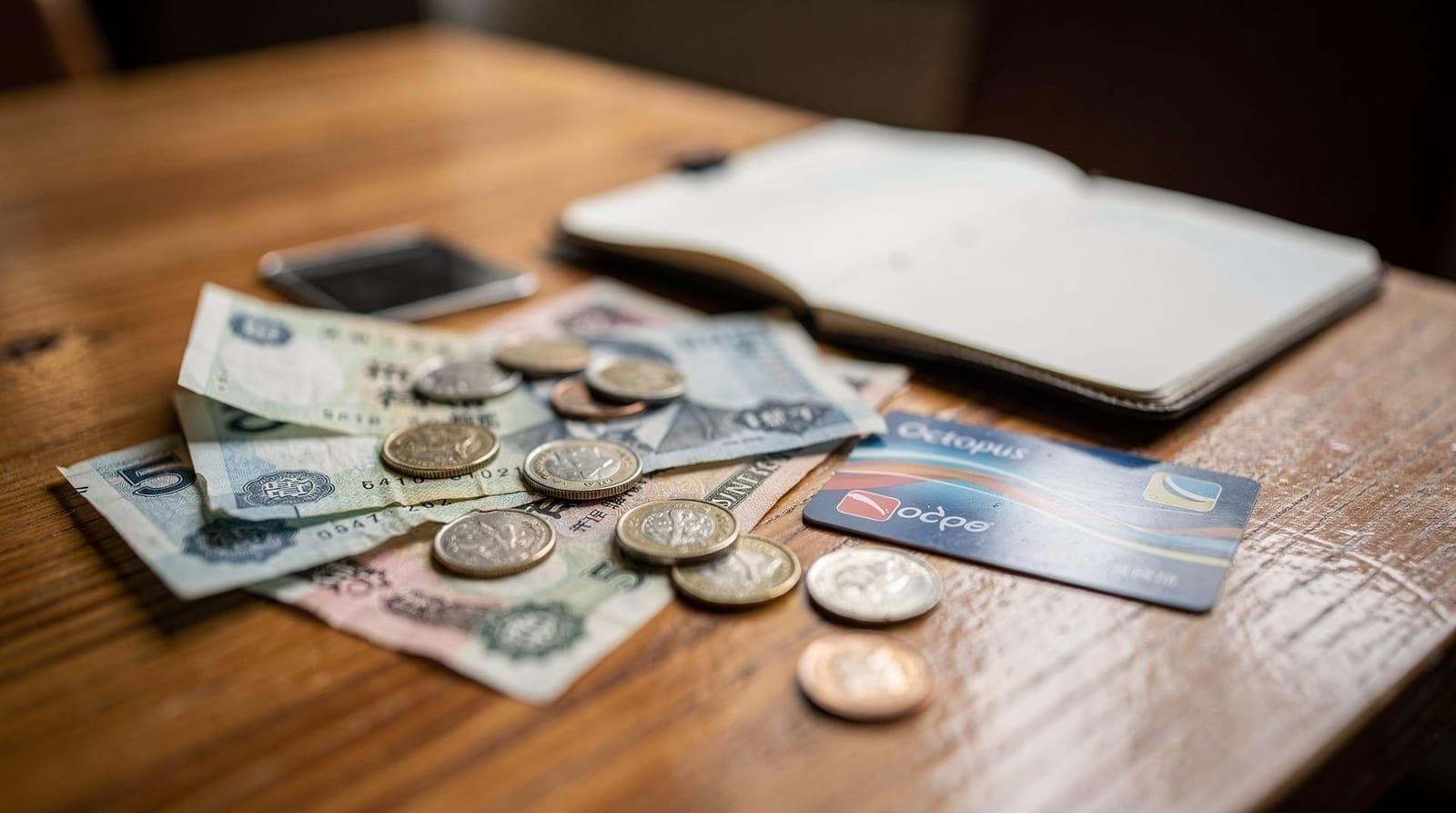
- Instead of a generic bus tour, ride the trams and use the MTR with an Octopus card, which is how locals actually see the city.
If you have a full day free after dropping a stop, the outlying islands guide and the best day trips are good places to look, and Sham Shui Po rewards anyone willing to wander without a plan.
When a skip item is actually fine
Context changes the verdict. A family with young children may find the wax figures a real highlight, and a visitor who loves photography may decide the extra height at a paid viewpoint is worth it on a clear day. Someone staying in the south of the island may find Repulse Bay and Stanley a convenient, relaxed outing in the cooler months. The point is not to follow the list blindly but to choose deliberately, knowing what the alternative is.
Weather matters too. On a wet or very hazy day, indoor options that look unnecessary in good weather can become sensible, and the rainy day itinerary shows how to rearrange a trip when the forecast turns. Timing also matters in the other direction: a view that is disappointing in haze can be stunning after rain has cleared the air, so flexibility beats any fixed rule.
Fitting this list into your plan
The easiest way to use this guide is before you book anything. Draft your days using the first-timer itinerary or the three-day plan, then strike out any stop that appears here without a good reason to stay. If you are still deciding how long to stay, how many days in Hong Kong helps you judge how much room you have, and the first-time guide covers the basics that make every day run more smoothly. For a wider list of what is worth doing, see top things to do in Hong Kong.
Things not on the skip list
To be clear, several things that attract visitor skepticism are genuinely worthwhile:
- The Star Ferry: HKD 4.0–6.5, genuinely historic, excellent harbour views. Worth it.
- Ocean Park: HKD 538 but delivers a full day of distinct animal exhibits and rides.
- Ngong Ping 360 cable car: significant cost but the aerial journey is genuinely spectacular.
- Dim sum at a proper restaurant: HKD 100–200 per person for an excellent meal — not a tourist trap. See the Hong Kong dim sum guide for where to go.
- Disneyland: expensive but delivers for the target audience (families with young children).
The framework: if the experience is distinctively Hong Kong — the MTR, the Star Ferry, the harbour, the dim sum, the market atmosphere — it is usually worth paying for. If it is a generic international attraction that happens to be located in Hong Kong (wax figures, observation decks with paid admission), evaluate whether the local free alternatives are sufficient. For the full cost picture across a trip, cross-reference this list with the Hong Kong budget breakdown.