Hong Kong on a layover — what you can actually do in 4, 8, or 12 hours
Hong Kong: Airport Express e-ticket Kowloon/HK/Tsing Yi
Whether to leave the airport at all
The first question for any layover is whether leaving is actually worth the logistics. Hong Kong International Airport (HKIA) is one of the world’s better airports — comfortable, well-equipped, with good food options on the terminal level. If your layover is under 4 hours, or if you’re travelling without checked luggage that needs to be collected and re-checked, staying in the airport is the pragmatic answer.
For layovers of 4 hours or more, leaving is worth considering. The Airport Express to Central takes 24 minutes. You can be in the middle of Hong Kong in 25 minutes from boarding.
| Where | Airport Express to Hong Kong Station or Kowloon Station |
| Cost | HKD 215 return (Airport Express) + city transport |
| Time needed | 4h minimum to leave; 8–12h for a meaningful visit |
| Getting there | Airport Express, 24 minutes each way |
| Best time | Any — city is accessible all day; check weather for the Peak |
Logistics first:
-
Immigration and re-entry: You will need to clear immigration on exit and re-entry. Have your passport, visa (if required — check before you go), and outbound boarding pass.
-
Your luggage: If your bags are checked through to your final destination, you can leave without them. If not, store them at the airport (luggage storage is available at the airport for HKD 25–50 per bag per day).
-
Airport Express: HKD 130 each way by ticket (HKD 120 with Octopus), HKD 215 return. Buy the return ticket before you leave — the Airport Express station is air-conditioned and you avoid queues at the airport end.
-
Allow time: Budget at minimum 45 minutes to return to the airport before your gate closes — plus the 24-minute Airport Express transit, plus airport transfer time from Central station to the correct terminal (allow 15 minutes). Total return buffer: 1.5 hours minimum, 2 hours safer.
If you would rather have the train sorted before you land, an Airport Express e-ticket bought in advance saves you one step at the station, which matters when every minute counts.
Before you commit, it helps to read the first-time Hong Kong guide for the general feel of the city, and the MTR guide so the train network holds no surprises once you are on the ground. A layover rewards preparation more than any other kind of trip, because every minute spent figuring out a ticket machine is a minute taken from the skyline.
4-hour layover — what’s realistic
With a 4-hour layover, accounting for immigration (both ways) and the Airport Express (both ways), your usable time in the city is about 1.5 to 2 hours. That’s tight.
The honest answer: 4 hours is borderline. You can do it if your priorities are clear and you’re comfortable moving quickly.
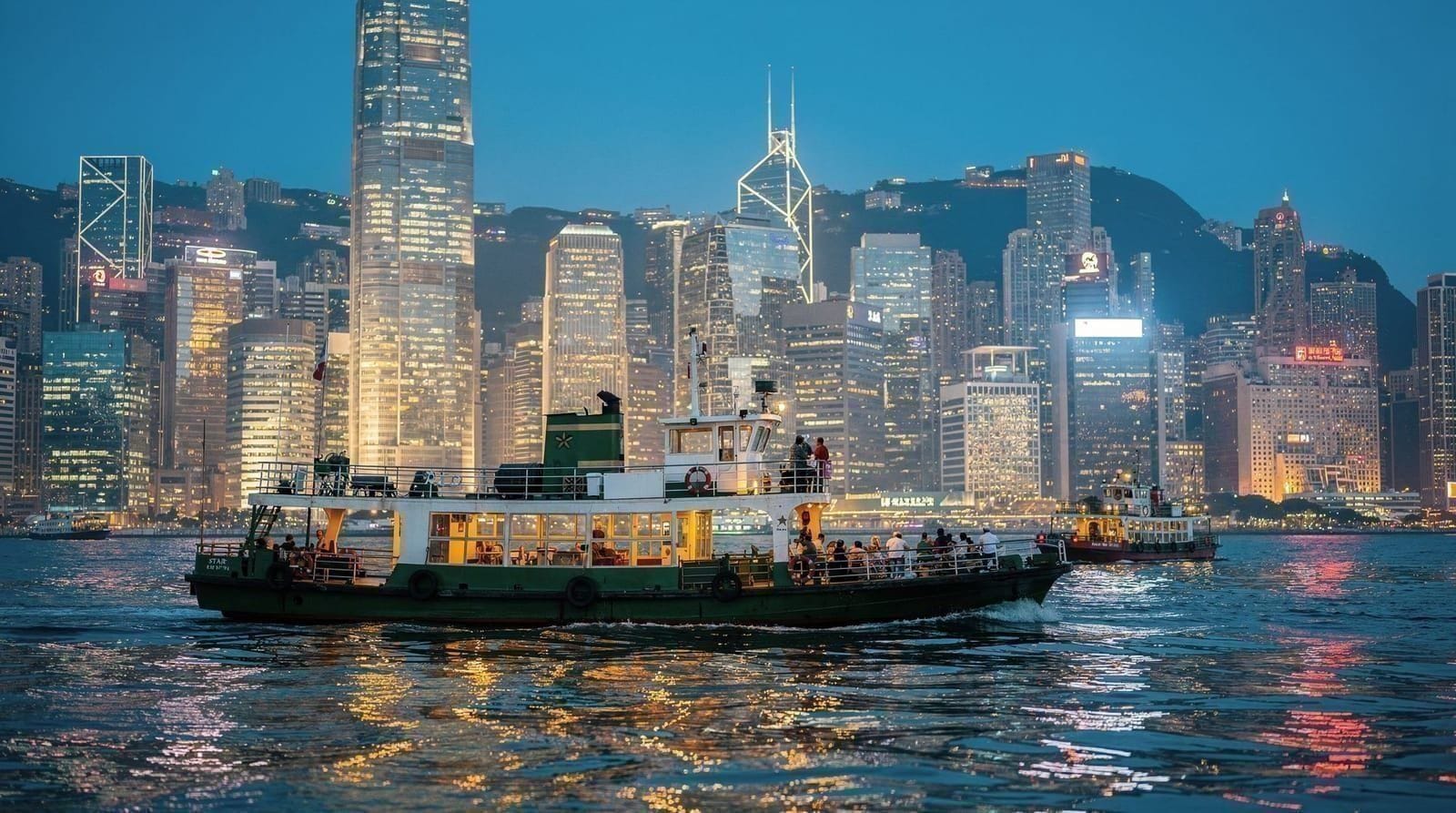
Best use of 1.5–2 hours in Hong Kong: Take the Airport Express to Hong Kong Station (Central). Walk to the Central Ferry Pier and take the Star Ferry to Tsim Sha Tsui (8 minutes, HKD 4.0–6.5 one way depending on deck and day). Walk the TST waterfront promenade for 20–30 minutes. Take the Star Ferry back to Central Pier. Airport Express back to the airport.
Total cost: Airport Express return (HKD 215) + Star Ferry return (HKD 8.0–13.0) = HKD 223–228 (about US$29). Total time: under 2 hours in the city. What you see: the two-sided Hong Kong skyline across Victoria Harbour, genuinely one of the world’s great urban views.
This is a real experience, not a tourism checkbox. The Star Ferry crossing is legitimately worth the trip.
If the crossing appeals, the Star Ferry guide explains where to board and what to expect, and the Central vs Tsim Sha Tsui comparison helps you decide which side of the harbour to spend your short window on. With so little time, pick one side and enjoy it rather than trying to split the difference. The Tsim Sha Tsui area rewards a slow walk, and a short visit is far better than a rushed one that leaves you checking your watch at every corner.
8-hour layover — meaningful time
With 8 hours, budget 1 hour total for Airport Express (both ways) and 1.5 hours total for immigration (arrival and departure), leaving approximately 5.5 hours in the city. This is enough to see two or three things properly.
Option A — Tsim Sha Tsui and Mong Kok
Take the Airport Express to Kowloon Station. Walk or taxi to Mong Kok (15 minutes). Have breakfast at a cha chaan teng (HKD 35–55). Walk the Ladies’ Market area and the Goldfish Market. Take the MTR to Tsim Sha Tsui (2 stops). Walk the harbour promenade. Star Ferry to Central (optional, adds 45 minutes). Airport Express back from either Hong Kong Station or Kowloon Station.
Option B — Victoria Peak
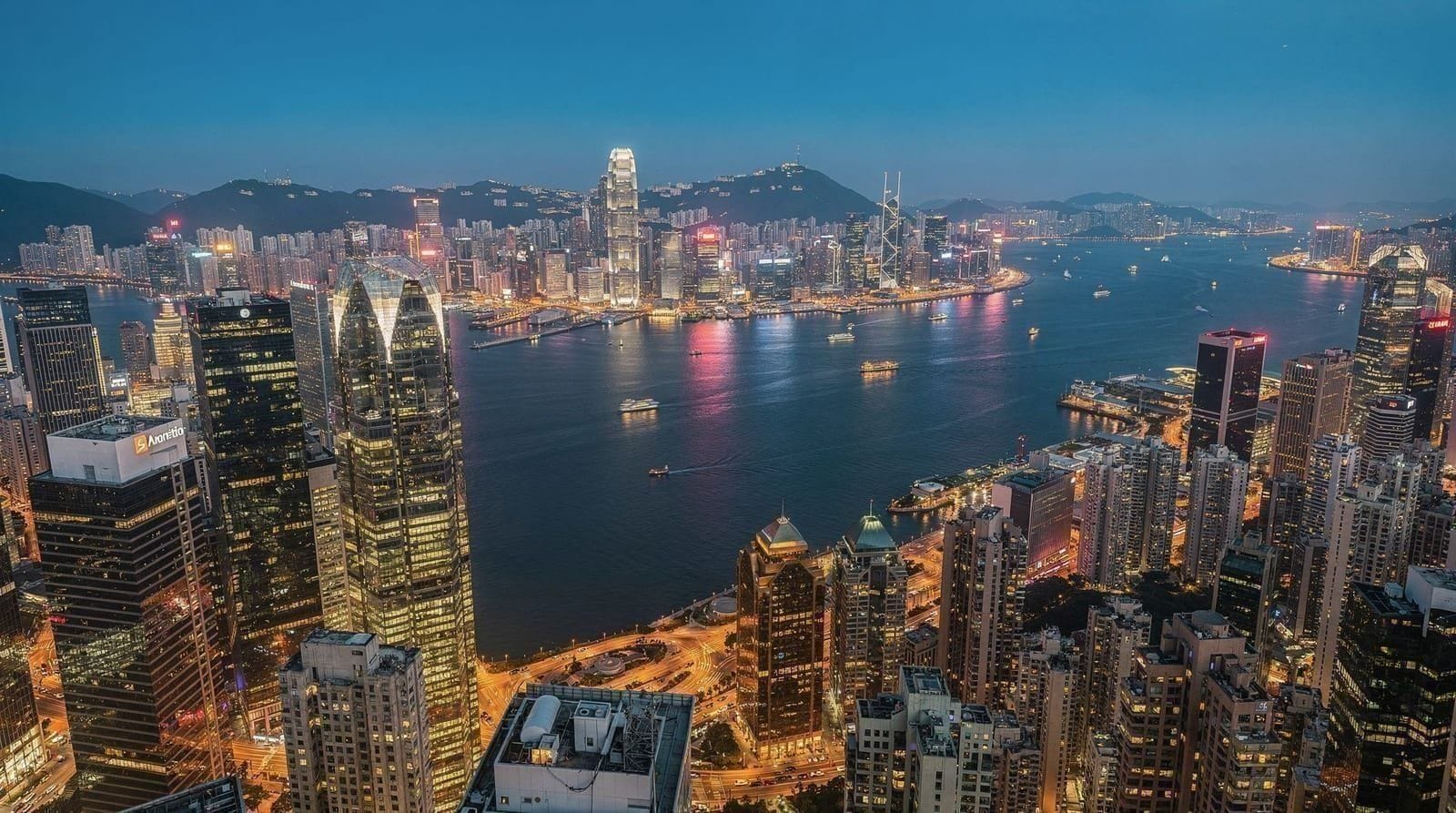
Airport Express to Hong Kong Station. Bus 15 from Exchange Square to the Peak (45 minutes; check the operator’s site for the current fare) — or Peak Tram from Central if queues are manageable. One hour at the Peak (Lion’s Pavilion lookout, lunch at the café). Bus 15 back to Central. Airport Express back.
Note: If visibility is poor (check weather.gov.hk before leaving), the Peak is not worth the round trip. Have a backup plan.
If you prefer to skip the ticket-window queue on a tight schedule, you can book a Peak Tram and Sky Terrace 428 ticket before you fly, so the only waiting left is the tram itself.
Option C — Dim sum and the harbour
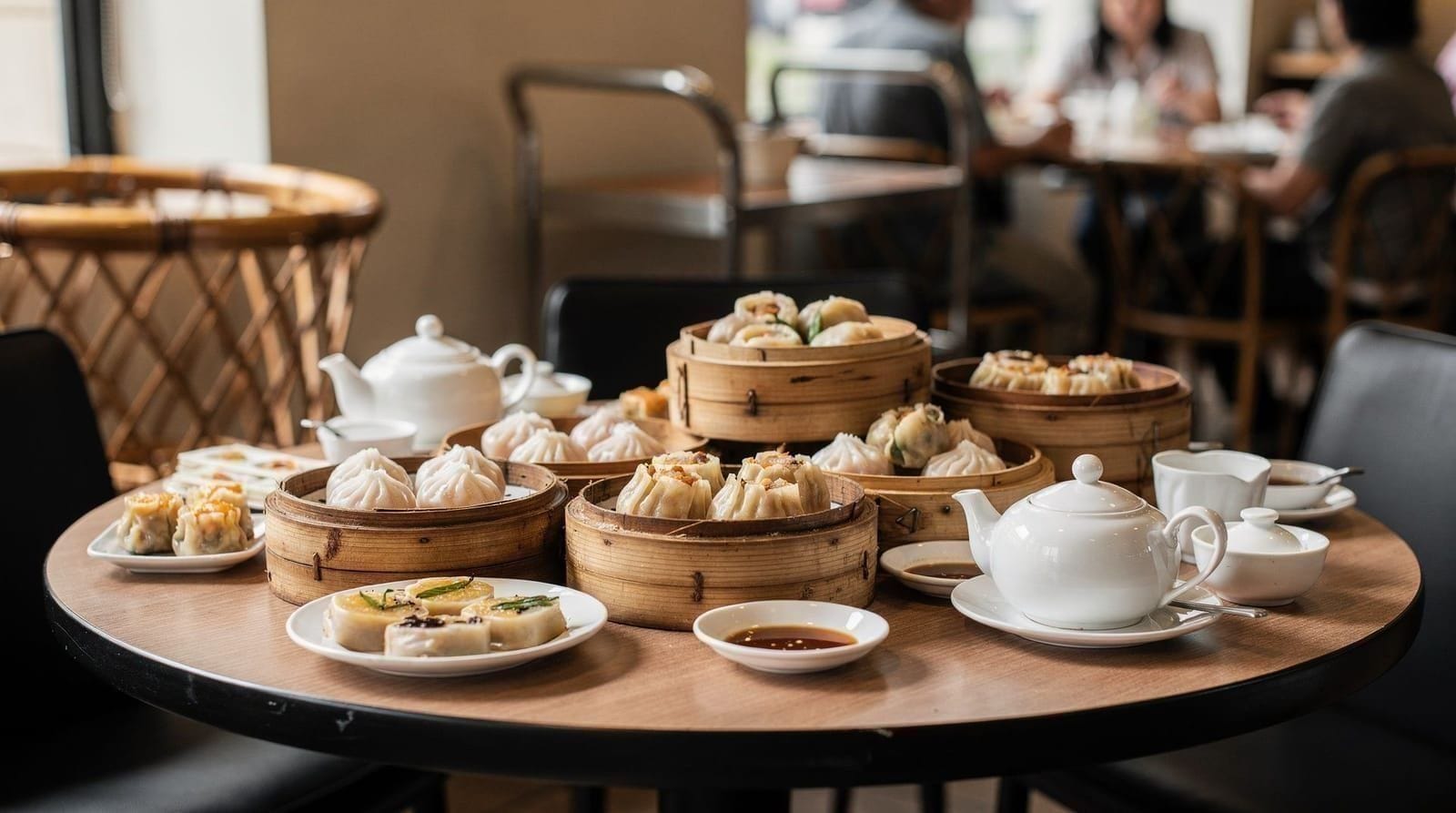
Airport Express to Hong Kong Station. MTR to any dim sum district. 90 minutes at a dim sum restaurant. Star Ferry and harbour promenade. Return.
Half-day city highlights tour — Peak Tram and Star FerryChoosing between the three options
Option A suits travellers who want street life, food and a sense of everyday Hong Kong. Option B suits anyone whose priority is the famous view, provided the weather cooperates; the Victoria Peak guide and the Peak Tram guide cover the details, and is the Peak Tram worth it is a useful read if queues worry you. Option C is the most relaxed and the best choice if you arrive hungry after a long flight; the dim sum guide and dim sum ordering etiquette will help you order confidently. For a cheaper, faster meal, the cha chaan teng guide explains how these local diners work.
12-hour layover — a proper day
With 12 hours and the same logistics, you have approximately 9 hours in the city. This is enough for a genuine Hong Kong experience.
Recommended structure:
Morning (3 hours): Start with dim sum in Kowloon or Central — arrive at the restaurant by 09:00 for the morning session. Walk through the neighbourhood surrounding the restaurant. Mong Kok or Yau Ma Tei for the Kowloon version; Sheung Wan for Hong Kong Island.
Midday (2 hours): Victoria Peak or a museum. The M+ Museum in West Kowloon is excellent for a midday visit — air-conditioned, world-class collection, harbour views from the terrace. The Hong Kong Museum of History is free.
Afternoon (2 hours): TST promenade and Star Ferry crossing if you haven’t done it. The Symphony of Lights at 20:00 is an option if your layover extends into the evening.
Late afternoon/evening: Return journey. Allow extra time if it’s rush hour (17:00–19:00) — the MTR is very crowded but the Airport Express itself runs reliably.
The layover itinerary builds this into a specific minute-by-minute schedule.
If you would rather see more than one corner of the city, the 48 hours in Hong Kong post shows how a longer stay can be shaped, and it makes a good reference for choosing what to save for a future trip. A layover is also a decent way to decide whether you want to come back; the top things to do in Hong Kong list gives you a sense of everything you will be leaving for next time.
The overnight layover question
An overnight layover of 12–16 hours typically means arriving in the evening and departing the next morning. The conventional advice is to stay airside or get an airport hotel. The better answer:
If you arrive by 20:00, you have time to take the Airport Express to the city, check into a hotel in Tsim Sha Tsui or Central, have dinner, sleep, and return to the airport by 08:00 with time to spare. This works best if you’re landing at a major hub rather than a regional one, and if you’ve pre-booked the hotel.
The difference in sleep quality between a proper hotel bed in a quiet room and an airport transit hotel is significant after a long flight. If you’re arriving from Europe or North America and have a 12+ hour stopover, the city hotel option is worth calculating against the cost.
What not to do on a layover
Don’t try to reach the outlying islands: Cheung Chau, Lamma Island, or Lantau require ferry transit and 30–45 minutes each way on the ferry. They’re wonderful on a full day but the transit overhead makes them impractical for any layover under 10 hours.
Don’t try to reach Macau: The ferry to Macau is 60 minutes each way, plus the usual border crossing time. Macau on a layover requires a minimum 8 hours to the island and back, which means a 12+ hour layover to get any time there. It’s not worth rushing.
Don’t take a tour if you can move independently: The city’s MTR and Airport Express system is so efficient that guided tours add minimal navigational value and consume time in assembly and disassembly. Move on your own with an Octopus card.
Don’t skip buying the Octopus card: At Hong Kong Station, there’s an MTR service centre where you can buy an Octopus card (HKD 200: HKD 50 refundable deposit + HKD 150 loaded value). For a single layover, you can return it at the end and get the deposit back. It’s much faster than buying individual tickets.
For the full airport-to-city logistics, the airport to city guide covers transport options in detail.
Layover options compared
| Layover length | Usable city time | Realistic plan | Risk if delayed |
|---|---|---|---|
| 4 hours | 1.5–2 hours | Star Ferry crossing + TST promenade | High — no buffer |
| 8 hours | ~5.5 hours | TST/Mong Kok, or the Peak, or dim sum | Moderate — some buffer |
| 12 hours | ~9 hours | Full morning-to-evening loop | Low — real buffer built in |
| 12–16 hours overnight | Full evening + morning | City hotel, proper sleep | Low, if hotel is pre-booked |
Weather and season on a short stop
Weather shapes a layover more than most people expect, because you cannot shuffle your plan around a rainy afternoon the way a week-long visitor can. If it is raining, lean towards indoor options such as museums and covered markets, and look at the rainy day itinerary for ideas. The typhoon season guide is worth a look if you are travelling in the hotter months, since storms can disrupt flights as well as sightseeing, and the best time to visit guide explains what to expect across the year.
Staying safe and keeping your money
Hong Kong is an easy city for a short visit, but a layover makes you a more tempting target for the usual tourist-facing tricks, simply because you are hurried. Skim the scams to avoid guide, and stick to the MTR and the Airport Express rather than negotiating with strangers outside the terminal. The Octopus card guide explains how to use and return the card so you are not left with stray credit.
What to do if your flight is delayed
Immigration re-entry and the Airport Express both have some slack built in, but a delayed return flight changes the calculation. Check your airline’s app or the departures board before committing to the furthest point of your route — if there’s already a known delay, you’ve bought yourself more time and can extend the city portion; if boarding has moved earlier, cut the trip short and head back immediately rather than risking the connection.
Keep your phone charged and data roaming active (or buy a local SIM/eSIM at the airport before leaving) specifically so you can check your flight status while you’re away from the terminal. The Airport Express transit leg itself is rarely the bottleneck — immigration queues and MTR connections are the more variable parts of the return journey.