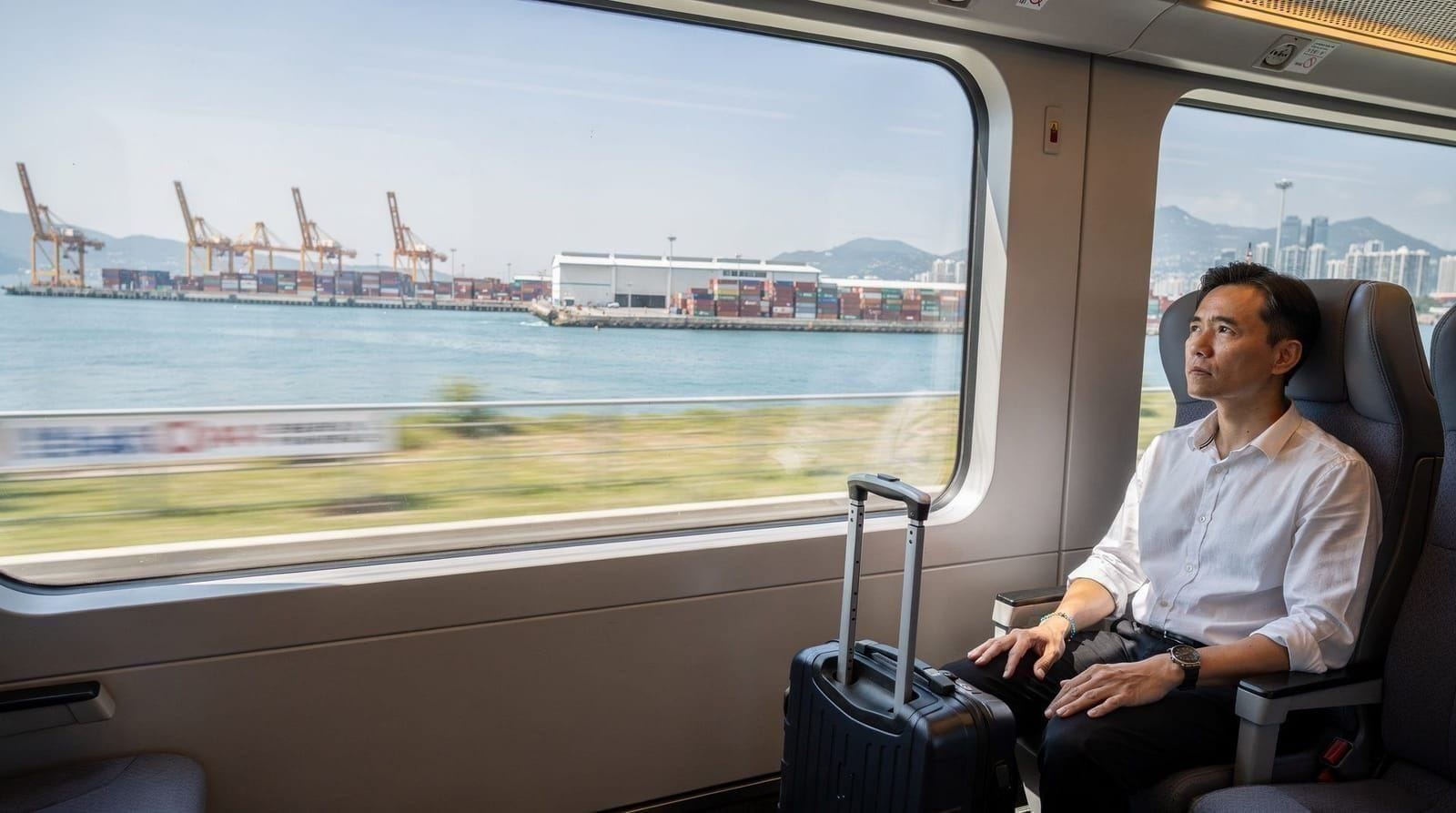
48 hours in Hong Kong — a realistic two-day itinerary
Hong Kong: Fast track Victoria Peak Tram ticket combos
What two days in Hong Kong actually gets you
Forty-eight hours in Hong Kong is enough to understand the city — the density, the harbour, the contrast between the neon-lit commercial streets and the green hills just above them, the quality of the food. It’s not enough to see everything, but it’s enough to see the things that make Hong Kong genuinely different from anywhere else.
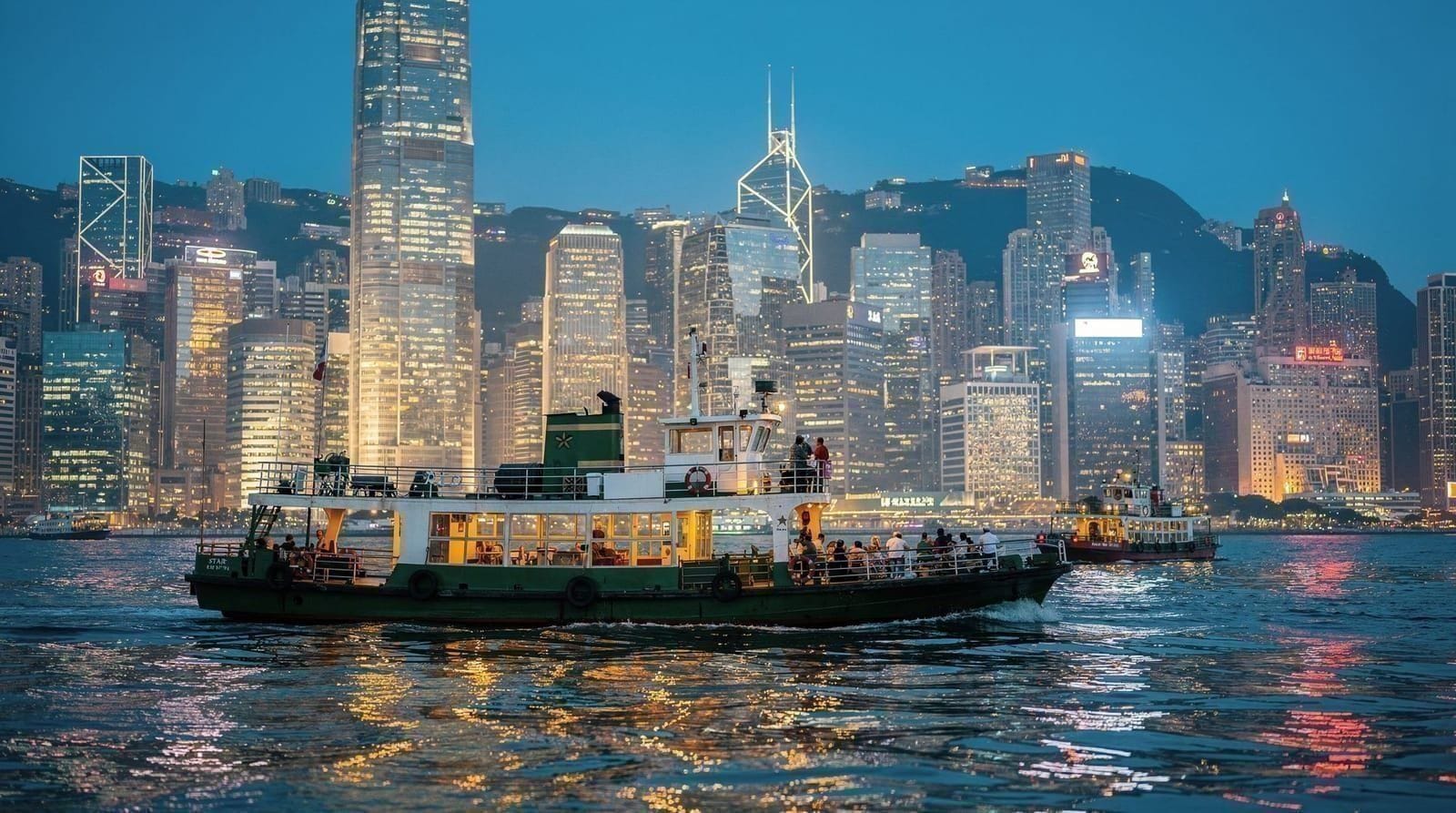
This itinerary is written for people arriving with limited time and no intention of wasting any of it on things that don’t justify the queue. Some things are left off that you might expect — Ocean Park and Hong Kong Disneyland each require a full day and serve a specific audience. The Star Ferry is included because it’s eight minutes and cheap and genuinely remarkable. The Symphony of Lights show is included because it’s free.
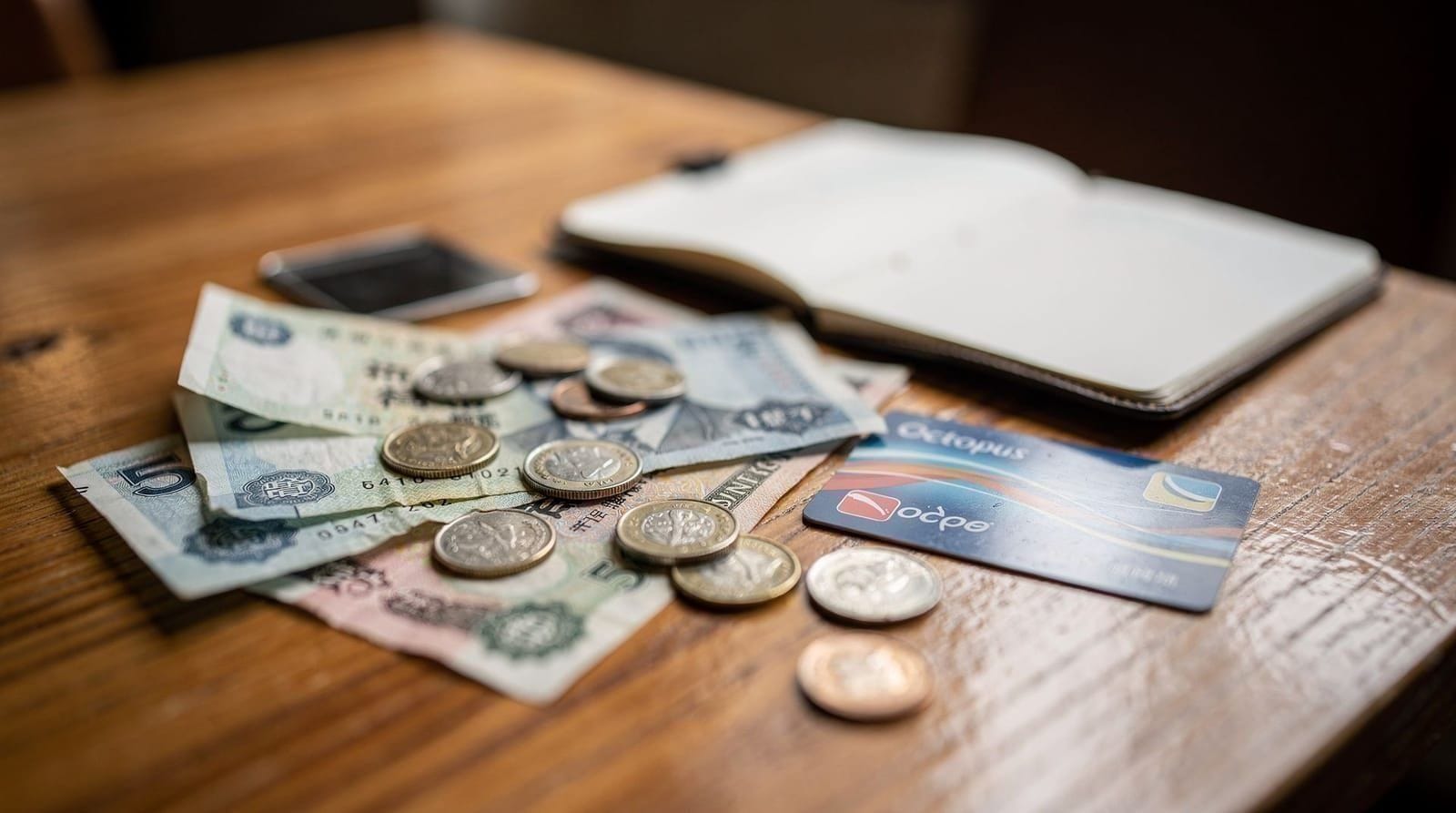
One note on logistics: get an Octopus card the moment you arrive at the airport (available at the Airport Express station). It covers the Airport Express, all MTR rides, bus, tram, Star Ferry, and some convenience store purchases. You need it for everything. The Octopus card guide covers the details.
| Pace | Fast — 2 neighbourhoods per day, minimal downtime |
| Total cost | Around HKD 1,200–1,800/person (food, transport, Peak Tram) |
| Getting around | Octopus card, mostly MTR + Star Ferry |
| Best for | First-timers with a hard time limit, layover extensions |
| Skip if | You want a slower pace — see the 3-day itinerary instead |
Day 1: Kowloon and the harbour
Morning: Dim sum in Mong Kok (08:00–10:00)
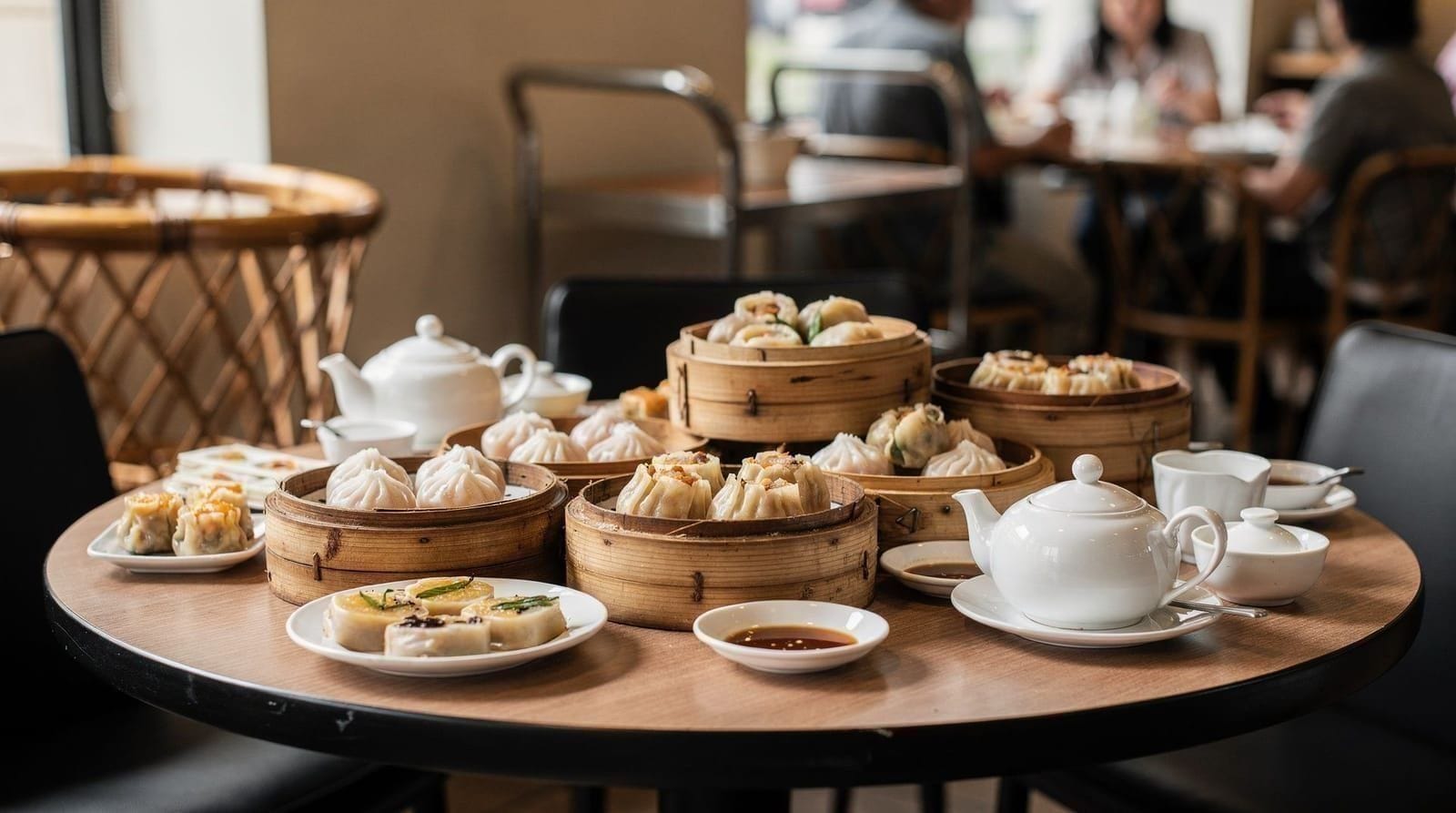
Start with dim sum. This is the correct first meal in Hong Kong, and Mong Kok is where you can get it without tourist pricing. The area around Argyle Street and Portland Street has several traditional dim sum houses that open at 07:00 and run until 14:00. Look for places where the clientele is mostly local workers and older residents — that’s the quality signal.
Order har gow (prawn dumplings), siu mai (pork and prawn), cheung fun (rice noodle rolls), and lo bak gou (turnip cake). Total for two: HKD 100–160. Pu-erh tea comes first. See the dim sum ordering guide for the full system.
Mid-morning: Mong Kok markets (10:00–12:00)
Mong Kok is densely commercial and worth an hour of wandering before the afternoon crowds. The Ladies’ Market on Tung Choi Street opens around 10:00; the Goldfish Market (Tung Choi Street north section) and the Flower Market Road are both open and interesting in the morning. The cheap eats in this neighbourhood are among the best in Hong Kong — see the cheap eats in Mong Kok guide for specifics.
The Mong Kok area guide covers the full neighbourhood.
Lunch: Temple Street or Jordan (12:00–13:30)
Walk south from Mong Kok to Jordan (20 minutes on foot or one MTR stop). Lunch options in this area: roast goose on rice at a cha chaan teng (Hong Kong-style café), wonton noodles, or a bowl of beef brisket curry from any of the small neighbourhood restaurants on Shanghai Street. Budget HKD 60–120 per person. Cash only at most places.
Afternoon: Tsim Sha Tsui waterfront (14:00–17:30)
Take the MTR from Jordan to Tsim Sha Tsui (one stop). Walk west to the Star Ferry terminal and spend 30 minutes on the TST promenade before your harbour crossing. The views of the Central skyline from here are good in the afternoon light.
Cross on the Star Ferry to Central (HKD 5.0 upper deck on weekdays, HKD 6.5 at weekends, 8 minutes). This is one of the genuinely great short journeys in Asia — do it rather than taking the MTR tunnel.
On Hong Kong Island, walk from the Central Ferry Pier east along the waterfront past the IFC complex toward Wan Chai. The waterfront promenade is pleasant and gives you a different angle on the harbour.
Late afternoon: The Peak (17:00–20:00)
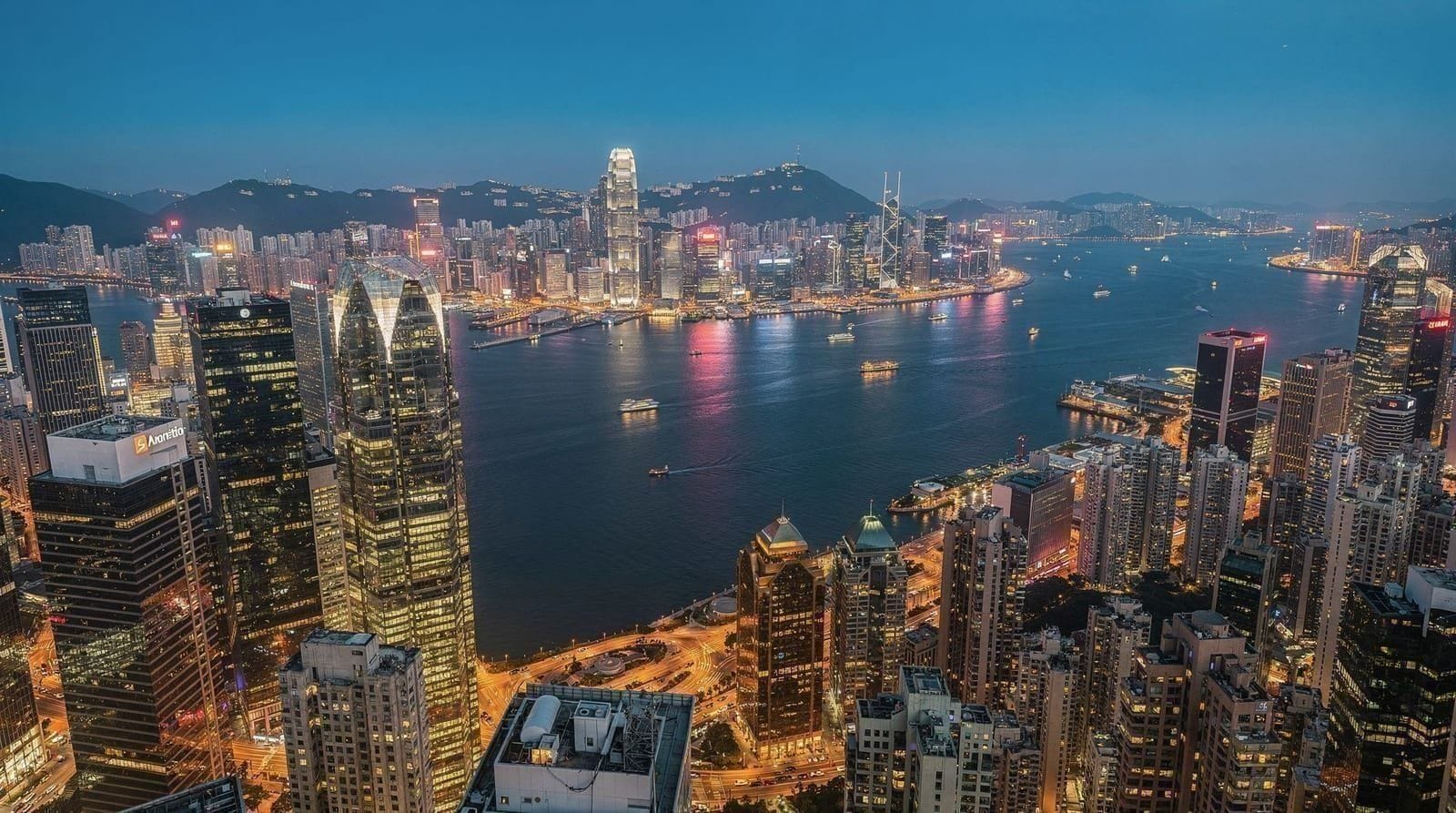
From Central, take the Peak Tram up Victoria Peak. Arrive before 18:00 to catch the transition from afternoon light to dusk — this is the best time for the view. The Lion’s Pavilion lookout (free) is immediately past the tram terminus and gives an unobstructed view directly over Central and the harbour.
Stay for the Symphony of Lights show at 20:00, which is visible from the Peak on a clear night. Then either walk down the Victoria Peak Circle Walk (45 minutes, relatively easy) or take the tram back down.
Peak Tram fast track ticket — avoid the queueThe tram queue at peak times (pun intended) can be 45–60 minutes without a timed ticket. Book in advance.
Evening: Temple Street Night Market (21:00–23:00)
Cross back to Kowloon (MTR from Admiralty or Central, change at Prince Edward for the Tsuen Wan line). Walk to Temple Street Night Market in Yau Ma Tei. The market operates 16:00–23:00 and is most active after dark — fortune tellers, outdoor Cantonese opera, street food stalls, and dense crowds.
Eat dinner here: claypot rice, typhoon shelter crab if the season is right, skewered fishballs from street vendors. Budget HKD 120–200 for dinner in the market stalls.
Return to your hotel: MTR from Yau Ma Tei to wherever you’re staying.
Day 2: Hong Kong Island and beyond
Morning: Cha chaan teng breakfast and the tram (08:00–10:30)
Start Day 2 on Hong Kong Island with a cha chaan teng breakfast near Causeway Bay or Wan Chai. These Hong Kong-style cafés serve a breakfast set (combo of toast, egg, coffee or milk tea) for HKD 35–55. It’s the standard local morning routine.
Then take the ding ding tram west from Causeway Bay toward Central, sitting on the upper deck. The tram goes through Wan Chai and gives you a street-level view of the commercial and residential layers of the island — old shophouses, neon signs, the general density. The fare is HKD 3.30.
Mid-morning: Hollywood Road and Man Mo Temple (10:30–12:00)
From the Western Market tram stop, walk up toward Hollywood Road. The Man Mo Temple on Hollywood Road is one of Hong Kong’s oldest, with incense spirals hanging from the ceiling and genuine religious activity. Entry is free.
Continue along Hollywood Road toward the Cat Street antique market (Upper Lascar Row), where you can browse vintage memorabilia, curios, and objects of questionable provenance.
The Soho and Central guide covers this area in detail.
Lunch: Sheung Wan or Central (12:00–13:30)
Sheung Wan and Central have a wide range of midday options. For Cantonese lunch: try any of the wonton noodle shops around Central Market. For something quicker: a pineapple bun (菠蘿包) from any traditional bakery — the bread is slightly sweet, the filling either plain or with cold butter. HKD 8–15.
If you want a proper sit-down lunch: the noodle shops around Cochrane Street and Lyndhurst Terrace do good congee (white rice porridge with various toppings) and noodles for HKD 60–90 per person.
Afternoon: Sai Kung or the nature option (14:00–17:30)
If you have the energy for an afternoon further afield, Sai Kung is worth it: take the MTR to Choi Hung, bus 92 to Sai Kung town (45 minutes total from Central). The town waterfront has live seafood restaurants and boat hire; the Sai Kung Geopark with its hexagonal rock formations is beyond by boat.
If you’d prefer to stay closer to central Hong Kong: spend the afternoon in Aberdeen on the south side of the island. The Aberdeen Harbour has traditional fishing junks and a sampan tour gives you a view of the floating community. Bus 70 from Central Exchange Square.
Evening: Harbour view and departure (18:00–20:00)
Return to the Kowloon waterfront for a final sunset view. The TST promenade at dusk is one of the best free experiences in Hong Kong: the Central skyline illuminates gradually as the sun drops behind Lantau.
Victoria Harbour sunset cruiseIf your departure is evening or overnight, the harbour view is a good way to finish.
What this itinerary leaves out, and why
Ocean Park and Hong Kong Disneyland are each a full-day commitment on their own, and squeezing either into a 48-hour trip means sacrificing an entire day of everything else above — not a good trade unless a theme park is the actual reason for your visit. The Ocean Park guide and Disneyland guide cover both if you decide to extend your stay for them.
The outlying islands — Lamma, Cheung Chau, Lantau beyond Ngong Ping — are also left off. Each requires a ferry crossing that eats 45–90 minutes each way, which doesn’t fit a schedule this tight. If you have a third day, Tai O and the Big Buddha are the best use of it. Macau is also off the table entirely at 48 hours; the ferry alone takes an hour each way before you’ve seen anything.
If the weather doesn’t cooperate
Hong Kong’s Peak visibility depends on cloud cover, and summer afternoons bring sudden thunderstorms. If the forecast for your Day 1 evening looks poor, swap the Peak and Day 2’s Hollywood Road walk — indoor-friendly and largely under cover — so you’re not stuck at a viewpoint with zero visibility. Check the forecast the morning of, not the night before; Hong Kong weather changes fast. If the Peak is genuinely socked in, the Symphony of Lights show is still visible (if dimly) from the TST promenade at sea level, so you don’t lose the evening entirely.
Two days, at a glance
| Day | Morning | Afternoon | Evening |
|---|---|---|---|
| 1 | Dim sum + Mong Kok markets | TST waterfront + Star Ferry | The Peak + Temple Street Night Market |
| 2 | Tram + Hollywood Road | Sai Kung or Aberdeen | Harbour sunset view |
Practical notes
Getting around: MTR for all cross-harbour and longer journeys (fare HKD 4.0–60.8 depending on distance). Tram on Hong Kong Island (HKD 3.30, slow but atmospheric). Star Ferry for the harbour crossing. Octopus card covers everything. See the MTR guide.
Budget: Budget traveller: HKD 600–900/day (local food, hostels, public transport, free sights). Mid-range: HKD 1,500–2,500/day (mid-range hotels, occasional restaurant meal, paid viewpoints).
Weather: In summer (June–September), expect heat (28–33°C) and humidity. Afternoon thunderstorms are common. The typhoon season guide is worth reading if you’re visiting June–September.
Where to stay: For a 2-day visit, Tsim Sha Tsui puts you centrally on the Kowloon side and within 15 minutes of everything in Day 1. Causeway Bay on Hong Kong Island is the alternative. See the where to stay guide.
If 48 hours convinces you to stay longer, the 3-day itinerary and 5-day itinerary extend the framework with more neighbourhood depth and day trips.