Dim sum ordering etiquette — how it actually works in Hong Kong
Hong Kong: Street food tour with locals dim sum and wonton
Yum cha, not just dim sum
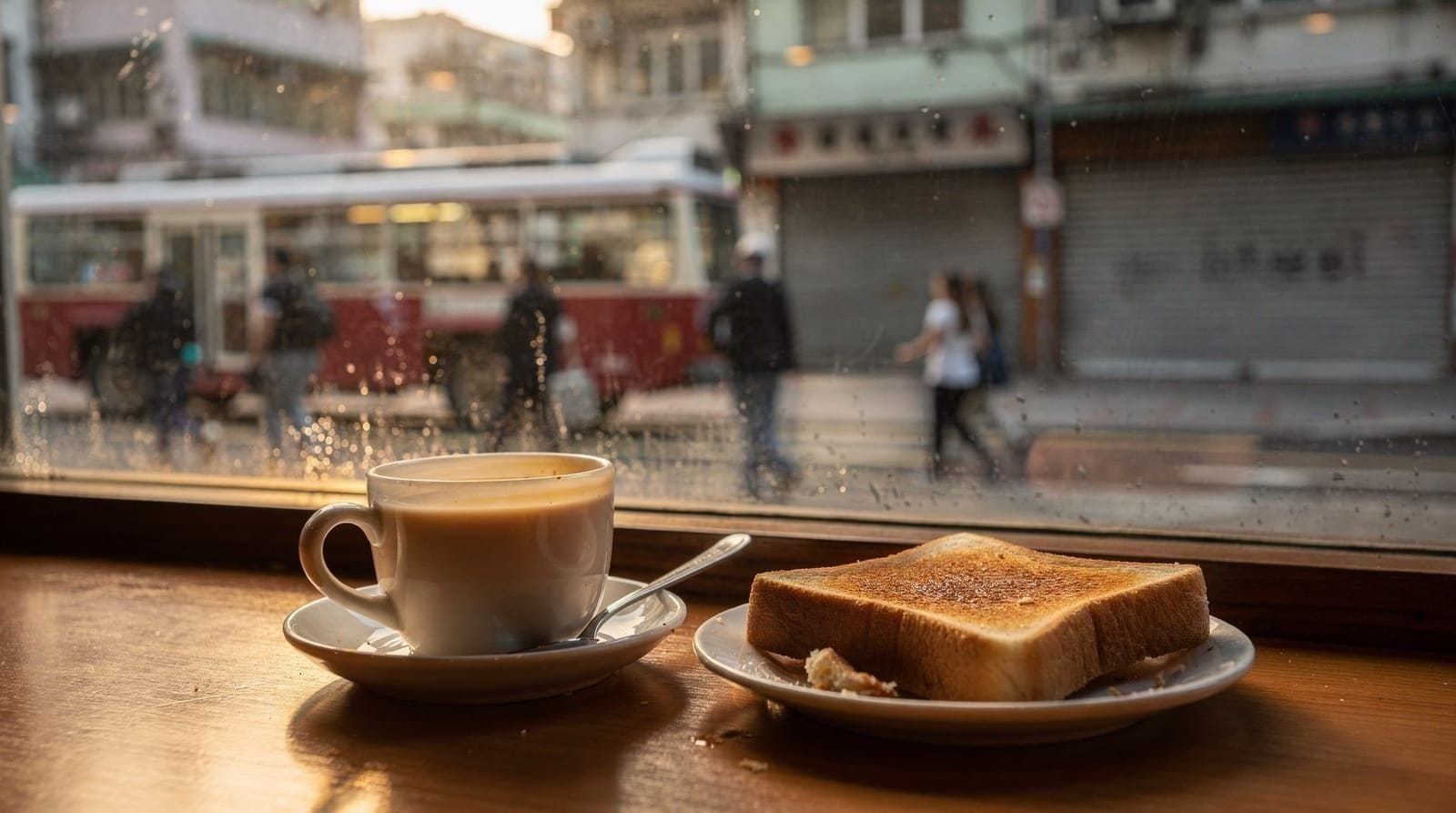
Most visitors call it “dim sum,” but in Hong Kong it’s also called 飲茶 (yám chàh) — literally “drink tea.” The tea comes first and matters as much as the food. Understanding this distinction helps you understand what the experience is actually about: it’s a social institution built around tea service and small plates, not a food delivery system with Chinese characteristics.
Dim sum restaurants in Hong Kong range from massive multi-storey operations in Mong Kok that seat 600 people (and feel like it), to quiet one-room teahouses in Sham Shui Po where the same families have been coming for decades. The etiquette varies slightly between these contexts, but the core system is the same.
| Where | Neighbourhood teahouses beat hotel dim sum for value |
| Cost | HKD 80–150/person incl. tea fee |
| Hours | 07:00–14:00/15:00, weekday mornings quietest |
| Payment | Cash common; larger places take cards |
| Booking | Not usually needed on weekdays; weekends can mean a queue |
When to go
Dim sum is specifically a morning-to-midday meal. Most restaurants open at 07:00 or 08:00 and stop dim sum service at 14:00 or 15:00, switching to a different menu. Some restaurants in the Causeway Bay area run dim sum until 17:00, but these are exceptions.
Weekend mornings from 10:00 to 12:30 are the busiest times. Queues of 20–60 minutes are normal at popular places. If you’re going for the traditional experience, a weekday at 09:00 is significantly more relaxed and gives you a better sense of the regular clientele.
The first-time Hong Kong guide recommends building dim sum into your first morning — it’s the most accessible entry point into Cantonese food culture.
The seating system
At large Hong Kong dim sum restaurants, you typically tell the host your party size and either receive a table or a queue number. Most places now use a computerised system rather than the paper slips of previous decades. If it’s busy, you’ll wait in a designated area until your number is called — the system is fairly efficient and the wait is typically tracked on screens.
Once seated, a staff member will take your tea order almost immediately. This is not optional — tea is the foundation of the meal, not an afterthought.
Choosing your tea
The standard teas at a Hong Kong dim sum restaurant:
- 普洱 (pou2 lei5, Pu-erh): A fermented, earthy dark tea. Strong and slightly bitter. The traditional choice and by far the most common. Cuts through fatty foods well.
- 菊花 (guk1 faa1, Chrysanthemum): Lighter, floral, technically not a tea (it’s an infusion). Popular in summer.
- 壽眉 (sau3 mei5, White Peony): A light white tea. Less common at traditional dim sum houses.
- 水仙 (seoi2 sin1, Narcissus oolong): Medium-bodied, slightly roasted. Good all-round choice.
The staff member will ask “飲咩茶?” (jam mat cha, “what tea are you drinking?”). State your choice. If you’re not sure, pointing at 普洱 and saying “Pu-erh” is fine everywhere.
The tea fee: Most dim sum restaurants charge a small per-person 茶位費 (tea cover charge) of HKD 5–15 per person, which covers unlimited refills of hot water. This is separate from the food bill.
The trolley system vs. the order sheet
Traditional dim sum restaurants use trolleys: staff push carts through the dining room, and you flag down what you want as it passes. This is chaotic, social, and very effective if you can see what you’re getting. The problem for non-Cantonese speakers is that items go by quickly and the names are called out in Cantonese.
Most modern and tourist-friendly restaurants have moved to order sheets: paper or tablet menus where you tick or tap what you want. These have pictures, Cantonese names, and sometimes English translations. The order sheet system is slower for the kitchen but easier for visitors.
If you get a restaurant with trolleys and no English menu, watch for the carts with distinctive items and point at what looks good. Staff at any reasonable restaurant will understand pointing. Don’t be shy.
What to order first
A standard table of four for dim sum would include 6–10 different dishes. Here’s a sensible starting sequence:
Round 1 — The essentials:
- 蝦餃 (haa1 gaau2, har gow): Steamed prawn dumplings in translucent wrappers. The technical benchmark for a kitchen — if the skin is thick, the filling watery, or the pleating sloppy, the rest will be average.
- 燒賣 (siu1 maai2, siu mai): Open-topped pork and prawn dumplings. Bright orange fish roe or corn on top is decorative.
- 腸粉 (cheung fan): Rice noodle rolls, typically filled with shrimp, beef, or char siu (BBQ pork). The sauce (a sweet soy) is poured over at the table.
Round 2 — Variety:
- 叉燒包 (char siu bao): BBQ pork buns. Steamed (白) have a soft, pillowy texture; baked (焗) have a glazed crust.
- 蘿蔔糕 (lo bak gou, turnip cake): Pan-fried daikon radish cake. Dense, slightly crispy outside, creamy inside.
- 鳳爪 (fung zau, chicken feet): Braised and steamed with black bean sauce. A test of commitment; the collagen-rich texture is not for everyone but is a genuine classic.
- 燒鵝腸 (roasted goose intestine): Less common, worth trying if available.
Round 3 — Finish:
- 蛋撻 (egg tarts): Portuguese-influenced custard tarts. The Hong Kong version has a flaky shortcrust pastry; the Macau version (from the pastelaria tradition) is more caramelised. For the best egg tarts in Hong Kong, the best egg tarts guide is worth consulting.
- 芒果布甸 (mango pudding): If available.
How to get refills
When your teapot is empty, leave the lid tilted or propped open. This signals to circulating staff that you need hot water. You do not need to flag anyone down — the open lid is the universal signal.
For food, on the order sheet system: flag a staff member and place a second order. On the trolley system: wait for the cart you want to come around.
The bill
In Cantonese dim sum culture, there is no splitting of the bill at the table. One person pays, and the group settles separately if necessary. The bill is often calculated from the used bamboo steamers and plates accumulated on or under the table — staff count these when finalising your total. Don’t stack the empty steamers into elaborate towers; it makes counting harder.
Tipping is not standard practice at traditional dim sum restaurants. At larger, more upmarket places, 10% service charge is sometimes included automatically — check the bill.
What to avoid
Tourist-trap dim sum restaurants around Tsim Sha Tsui: Several restaurants in the Salisbury Road and Nathan Road area of TST market aggressively to tourists with English menus, aggressive hosts outside, and photos of food on the facade. The food is typically mediocre at premium prices. See the tourist traps guide for specific places to avoid.
Dim sum outside of dim sum hours: Some restaurants offer dim sum on the dinner menu. The quality is usually lower — the items aren’t freshly made and staff rotate to a different system. Order the regular menu at dinner.
Dietary notes
Dim sum is not naturally vegetarian-friendly — most classic dishes involve pork, shrimp, or both, often in the same dumpling. Some restaurants offer vegetable dumplings (齋腸, jai cheung) or mushroom-based dishes (北菇包), but ask specifically rather than assuming a dish labelled “vegetable” is free of meat stock or lard in the wrapper. Shellfish allergies need particular care: har gow, cheung fan, and siu mai all typically contain shrimp, and cross-contamination on shared trolleys and steamers is common. If allergies are serious, an order-sheet restaurant where you can specify dishes clearly in writing is safer than a trolley system where communication is rushed.
Bringing children
Dim sum works well with kids — the small portions, communal ordering, and steady stream of new dishes suit shorter attention spans better than a single main course. Egg tarts, plain cheung fan, and char siu bao are the easiest starting dishes for less adventurous palates. Large restaurants can be loud, which some children find overwhelming; a smaller neighbourhood teahouse at a quieter hour (weekday, before 10:00) is a gentler introduction than a 600-seat weekend restaurant at full volume.
Fitting dim sum into your trip
Dim sum pairs naturally with a slow first morning. If you are planning a short stay, the Hong Kong foodie itinerary and the two-day itinerary both leave room for a late breakfast at a teahouse before the day’s sightseeing starts. Travellers watching their spending can read the budget guide to see how a shared table of small plates compares with other meals.
Once you have the basics of yum cha, the same confidence carries over to other local eating styles: the cha chaan teng guide explains the all-day tea-restaurant menu, and the street food guide covers what to eat between meals. If you are after cheap, no-frills plates in the same district as the teahouses, the Mong Kok cheap eats blog post is a natural next read.
Dish cheat sheet
| Dish | Cantonese | Contains | Typical price |
|---|---|---|---|
| Har gow | 蝦餃 | Shrimp | HKD 30–45 for 4 |
| Siu mai | 燒賣 | Pork, shrimp | HKD 25–35 for 4 |
| Cheung fan | 腸粉 | Shrimp/beef/char siu | HKD 30–48 |
| Char siu bao | 叉燒包 | Pork | HKD 28–38 for 3 |
| Lo bak gou | 蘿蔔糕 | Daikon, no meat stock varies | HKD 25–35 |
| Egg tarts | 蛋撻 | Egg, dairy | HKD 20–30 for 3 |
Where to go
The dim sum guide covers specific restaurants in detail, from the classic old-school teahouses to the modern refined versions. For the most authentic experience in 2026, the working-class dim sum houses in Sham Shui Po and Yau Ma Tei offer the best combination of quality and atmosphere without the tourist markup. Budget: HKD 80–150 per person for a full dim sum meal, including tea fee.
For a structured food experience with a guide who can explain the dishes:
Hong Kong street food tour including dim sum and wontonFor a smaller-group tasting format that goes deeper on fewer, well-chosen stops:
Secret food tour — six dim sum tastings with a local guide