Riding the Star Ferry — what it's actually like in 2026
Hong Kong: Star Ferry Victoria Harbour cruise sunset tour
Eight minutes across the harbour
The Star Ferry crossing between Tsim Sha Tsui and Central takes approximately eight minutes. Ferries run every six to twelve minutes depending on the time of day. The crossing costs HKD 4.0 (lower deck) or HKD 5.0 (upper deck) on weekdays, and HKD 5.6 or HKD 6.5 on weekends and public holidays — roughly US$0.51 to US$0.83. It’s one of the cheapest ways to move between Kowloon and Hong Kong Island, and it’s been doing this crossing since 1888.
This is not a tourist experience that has been constructed around a real object. It’s a real ferry that real people use to commute, to carry shopping, to cross the harbour because it’s faster for certain trips than the MTR. The tourist experience sits alongside that reality rather than replacing it.
| Where | Tsim Sha Tsui ↔ Central (main route) |
| Cost | HKD 4.0–6.5 one way (weekday vs weekend, lower vs upper deck) |
| Time needed | ~8 minutes per crossing |
| Best time | 17:30–19:30 for photography |
| Payment | Octopus card or cash |
The two routes
The Star Ferry Company operates two routes:
Tsim Sha Tsui ↔ Central — the original crossing, the harbour view route, the one tourists come for. Runs 06:30–23:30 daily. This is the route to take.
Tsim Sha Tsui ↔ Wan Chai — a slightly longer crossing to the east. Less used by tourists, slightly cheaper (current fares on starferry.com.hk). The view is similar but the Wan Chai terminal is less convenient unless Wan Chai is your destination.
Upper deck or lower deck?
The upper deck is the obvious choice for most visitors: the views are unobstructed, the benches are wooden and oriented to the water, and the upper-deck fare (HKD 5.0 on weekdays, HKD 6.5 on weekends) is essentially nothing. The lower deck is noisier, darker, and was historically the cheaper option for workers carrying loads. There’s no dramatic difference in view quality — both decks have windows — but the upper deck is the better experience.
Practical note: The upper deck fills faster. If you arrive during a departure surge (rush hour, or just before a major departure), there may be a short queue.
Best times to cross
07:30–09:00 commute crossing: The ferry runs with purpose. Workers with briefcases and convenience store coffee, a businesslike efficiency to the boarding and crossing. The early morning light on the Central towers is good. Less crowded than the tourist window.
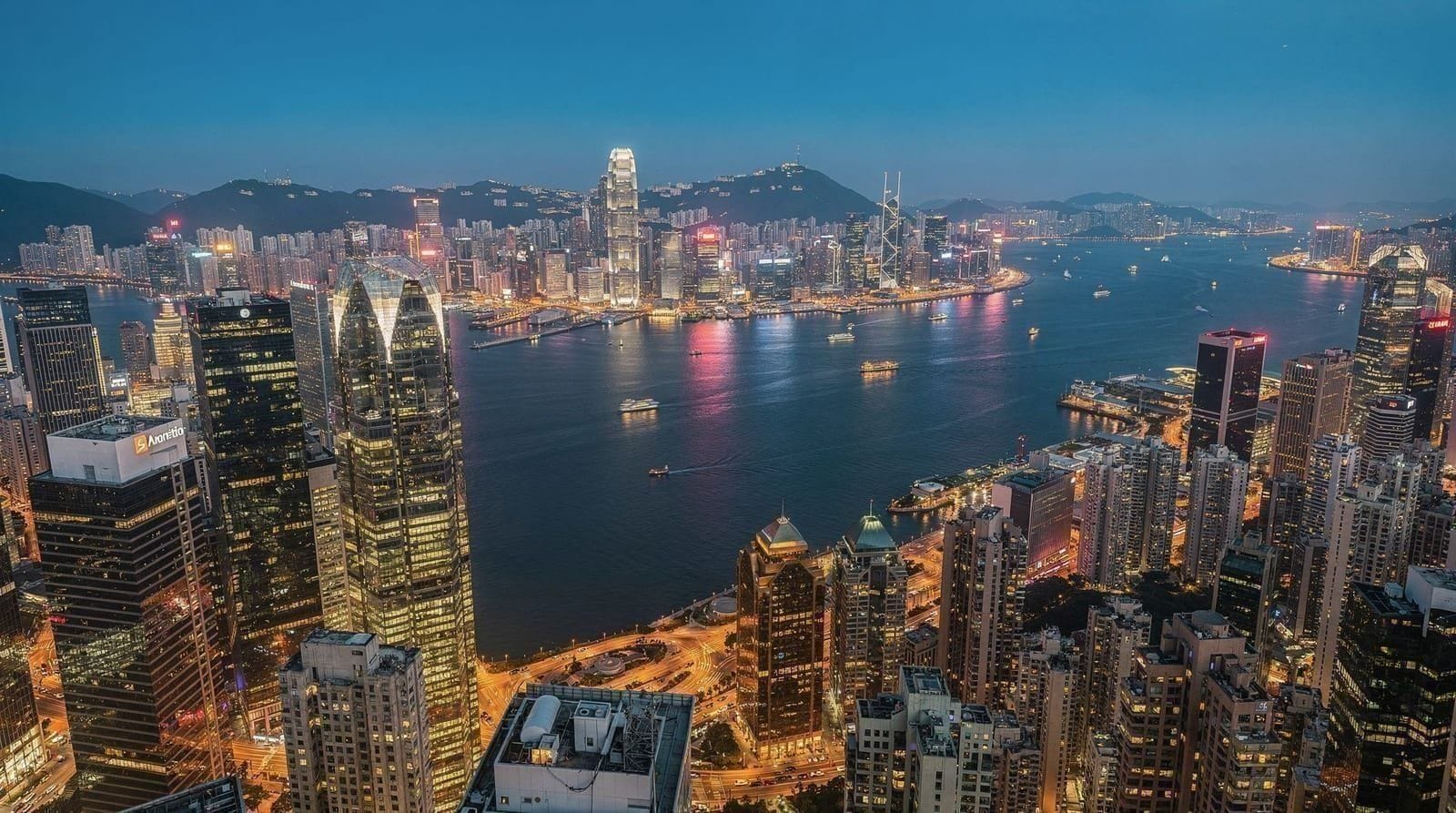
17:30–19:30 dusk crossing: The most photographically rewarding time. The sun is descending behind Lantau, the buildings start to illuminate against a blue sky, and the harbour is active with commercial traffic. This is when the Star Ferry earns its reputation.
After 20:00 night crossing: The full city-lights version. Fully lit, quiet, fewer people than the sunset window. The Symphony of Lights show at 20:00 can be seen from the water — some visitors time their crossing to catch it mid-harbour.
Avoid: Weekend afternoons between 13:00 and 17:00 — the queues are longest and the light is harshest. Typhoon season (June–September) crossings can be cancelled on short notice if weather conditions deteriorate.
How to board
The Central terminal is at the waterfront, a short walk west from the HKT Star Ferry Pier Bus Terminus. Look for the green-and-white Star Ferry sign. Octopus card accepted; cash also accepted. If you’re paying cash, have exact change or small bills.
At Tsim Sha Tsui, the terminal is at the western end of the promenade, near the clock tower and the Cultural Centre. Easy to find.
Boarding is casual — the gangway is lowered, the old wooden boats take on passengers, and departure happens when the ferry is reasonably full or the schedule demands it. There’s no seat reservation. Find a position on the upper deck rail facing the direction of travel.
What you see on the crossing
Kowloon to Central (facing south-east): The Central and Sheung Wan skylines come into view as you clear the ferry terminal. The two ICC towers in West Kowloon are behind you; ahead is the layered arrangement of glass towers, the harbour infrastructure, and the hills of Hong Kong Island above. On a clear day, Victoria Peak is visible to the left.
Central to Kowloon (facing north): West Kowloon with the ICC towers, the clock tower at the TST waterfront, and the density of Kowloon behind. This crossing is less photographed but the ICC towers are visually dramatic at night.
The water itself is active — container ships, tugs, sampans, and the occasional research or coast guard vessel. Hong Kong Harbour is one of the busiest ports in the world and the ferry crossing makes that visible in a way that the MTR tunnel doesn’t.
Is the Star Ferry worth it?
This is probably the most honest “worth it” question in Hong Kong tourism. The answer is straightforwardly yes — but with one qualification.
The Star Ferry is worth exactly what it is: an eight-minute harbour crossing that costs less than a dollar, gives you an unobstructed view of one of the world’s great urban waterfronts, and connects two parts of a city that you might need to move between anyway. If you’re already travelling between Kowloon and Hong Kong Island, taking the Star Ferry instead of the MTR costs you about 15 extra minutes and gives you a harbour crossing. This is not a difficult trade-off.
What it is not: a harbour cruise. If you want to spend time on the water rather than simply crossing it, see the dedicated harbour cruises below. The Star Ferry guide covers the history and operations in more detail.
Star Ferry sunset harbour cruiseThe harbour cruise option
If you want more than a crossing, the Star Ferry also operates dedicated sightseeing cruises — the Afternoon Cruise, the Sunset Cruise, and the Symphony of Lights Cruise (which times the crossing to the 20:00 light show). These are on different booking systems from the commuter service and cost significantly more (HKD 260–400 per person).
For most visitors, the regular commuter ferry provides almost all of the same views for a fraction of the price. The cruise is worth considering if you want to stay on the water for the Symphony of Lights, or if you want a relaxed time at sea rather than a brief crossing.
Star Ferry Symphony of Lights cruiseGetting the most from the crossing
A few practical things that aren’t obvious:
Photograph on the way there, experience on the way back: If you’re crossing from Kowloon to Central, spend the outward crossing with your camera. On the return, put the phone away and just watch. The second crossing in an hour is quieter and gives you the experience without the pressure to document it.
The clock tower: The old Kowloon-Canton Railway clock tower (1915) next to the Tsim Sha Tsui terminal is one of the few pre-war structures remaining in Kowloon. Worth five minutes of your time before or after the crossing.
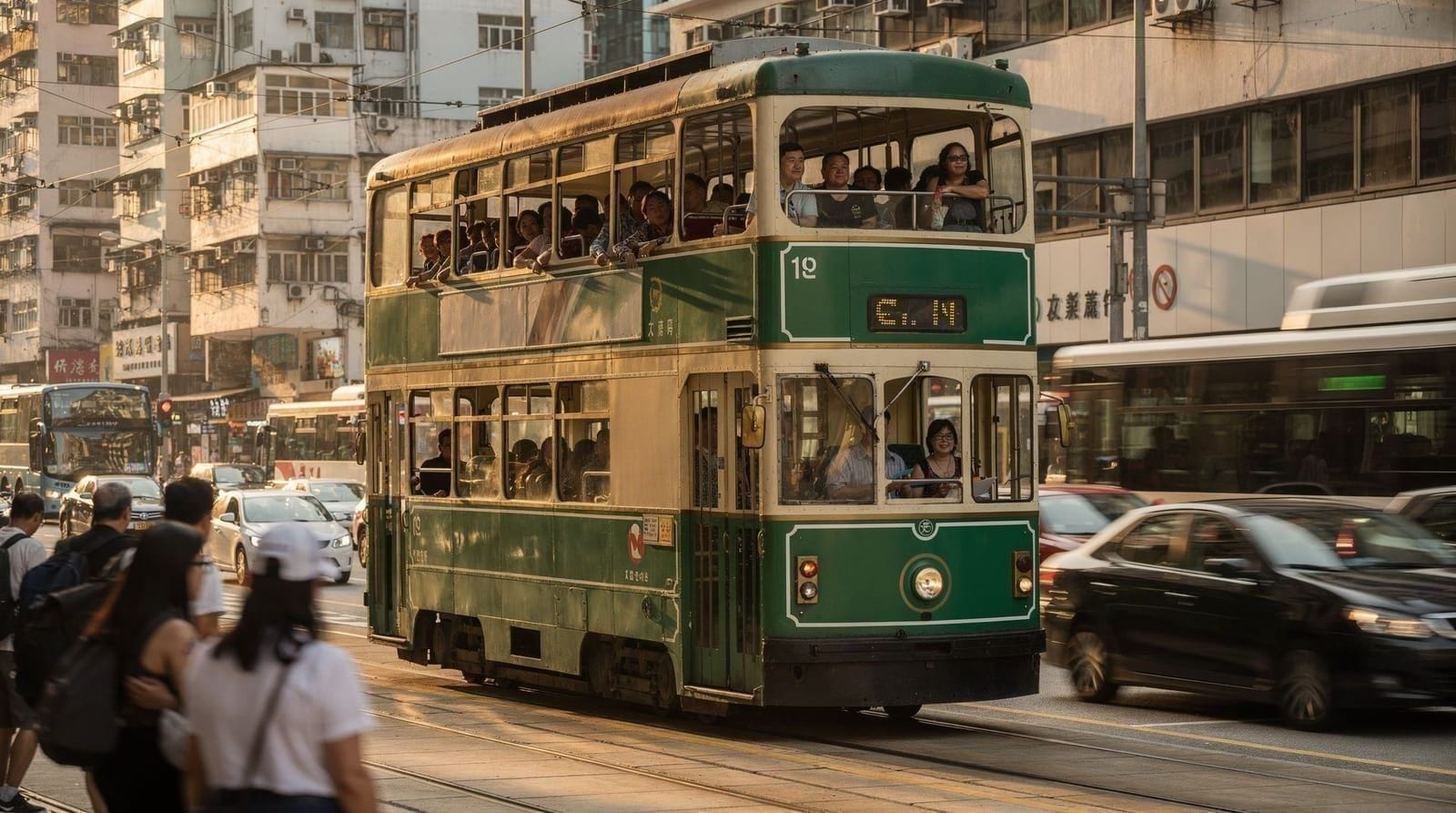
Combine with the tram: If you’re crossing to Central, the ding ding tram stops near the ferry terminal on the Hong Kong Island side. The combination — a harbour crossing then a tram journey through Wan Chai to Causeway Bay — is a good afternoon for roughly HKD 7.3–9.8 total.
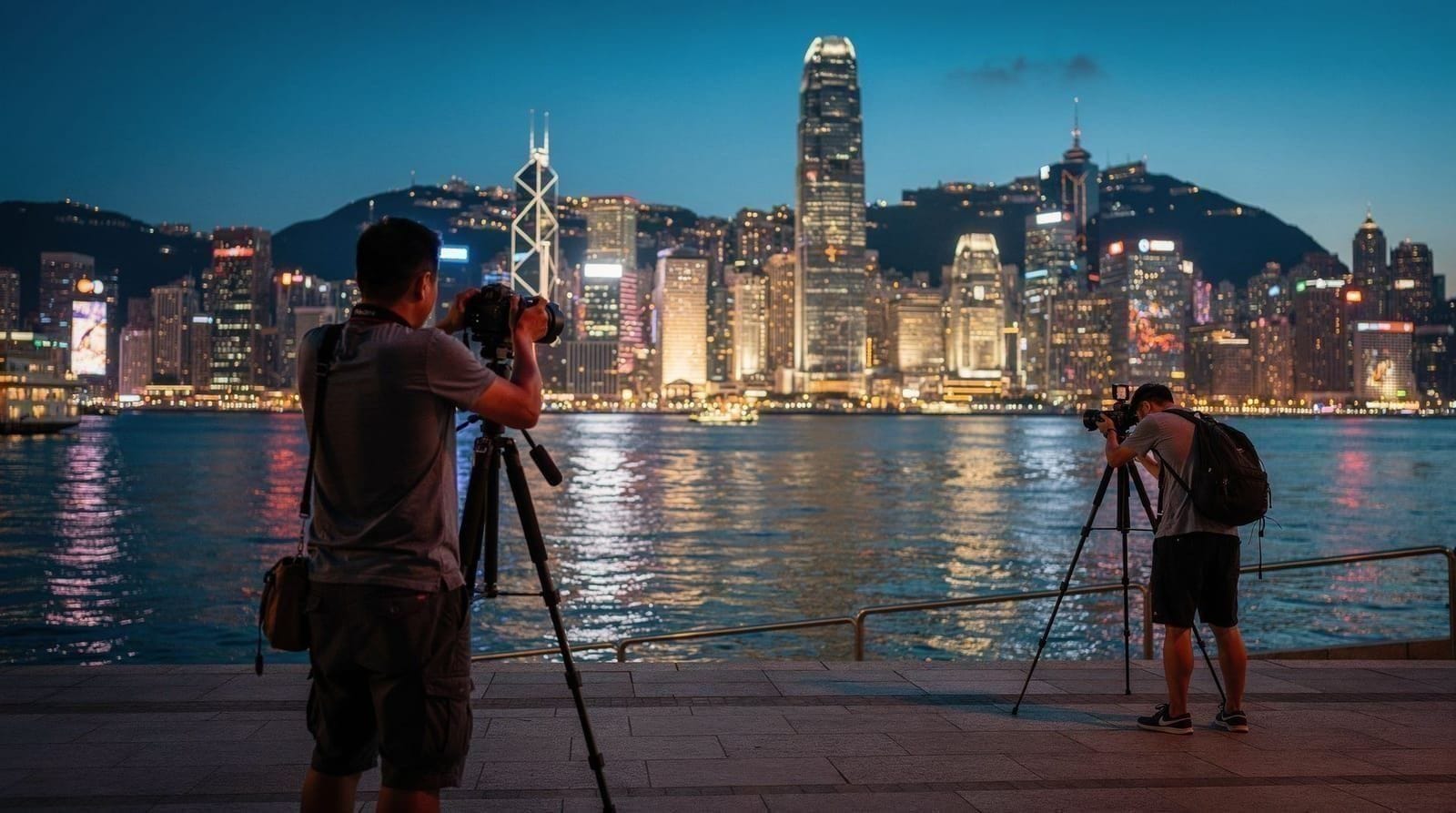
Combine with the waterfront walk: The TST promenade east of the Star Ferry terminal is one of the best sunset spots in Hong Kong. Arrive 30 minutes before sunset, watch the light change over the Central skyline, then take the ferry back after dark.
The Star Ferry is genuinely one of those rare experiences that lives up to its reputation because the reputation is accurate rather than exaggerated. Eight minutes, a dollar, one of the world’s great harbour views. Take it.
How the Star Ferry compares to other harbour crossings
The MTR’s Tsuen Wan line tunnel between TST and Central takes about 3 minutes and costs about HKD 10.6 with an Octopus card — faster and more expensive, with zero view. The Hong Kong MTR guide covers the full network if speed matters more than the crossing itself. Walking isn’t an option (there’s no pedestrian route across the harbour at this point), and taxis get stuck in the Cross-Harbour Tunnel traffic, which can turn an 8-minute ferry ride into a 25-minute crawl during rush hour. For a harbour crossing that’s also part of the sightseeing, the Star Ferry is close to unbeatable on cost versus experience.
Combining the ferry with a skyline view
The crossing itself only gives you a moving view — for a static, longer look at the same skyline, pair it with a stop at the Tsim Sha Tsui waterfront before or after, or go up to The Peak on the Hong Kong Island side afterward. The skyline guide ranks every viewpoint in the city, including how the Star Ferry crossing itself stacks up against elevated options.
Timing the ferry around the rest of your day
If you’re on a tight schedule, the Star Ferry slots naturally into a Central-to-Kowloon transition without adding meaningful time to your day, since you’d need to cross the harbour anyway. The 48-hours in Hong Kong itinerary uses the dusk crossing as a hinge point between a Hong Kong Island afternoon and a Kowloon evening. If you only have a few hours in the city — say, on a layover — the layover guide treats the ferry as one of the highest-value, lowest-time-cost activities available.
What locals actually use it for
Despite the tourist attention, roughly half the daily ridership is still commuters, delivery workers, and residents making a habit crossing rather than a scenic one. Watching this happen — the newspaper readers, the trolley of vegetables, the office workers checking phones — is part of what makes the crossing feel authentic rather than staged. It’s a useful contrast to purpose-built tourist attractions like the Peak Tram, which exist primarily for visitors.
Frequently asked questions about Riding the Star Ferry — what it’s actually like in 2026
Is the Star Ferry faster or slower than the MTR between TST and Central? Slower — about 8 minutes versus roughly 3 minutes on the MTR — but the ferry gives you a harbour view the tunnel can’t. For most visitors, the extra 5 minutes is worth it at least once.
Do I need to book the Star Ferry in advance? No. The commuter ferry has no reservation system — you simply pay and board. Only the dedicated sightseeing cruises (Sunset, Symphony of Lights) benefit from booking ahead, mainly on weekends.