Hong Kong in winter — what to expect December through February
Hong Kong: Victoria Peak Tram & Sky Terrace 428 ticket
Is winter a good time to visit Hong Kong?
Yes — winter is one of the best times to visit. December offers the city's most spectacular Christmas lighting, clear skies, and temperatures of 17–22°C. January is cooler and sometimes grey, with Chinese New Year as the major event. February is the quietest and cheapest month outside of the CNY week. No typhoon risk at all from December to May.
The case for winter travel in Hong Kong
Winter is an underrated travel window for Hong Kong. The city has a well-deserved reputation as a summer typhoon destination, but the October-to-February dry season is when Hong Kong is genuinely at its best — clear skies, cool temperatures, low humidity, and a festive season that transforms Nathan Road and the harbour waterfront with lights that are, by any objective measure, spectacular.
The trade-offs are the occasional cold grey days in January and February, the Christmas week price surge, and the Chinese New Year booking chaos. None of these are deal-breakers with proper planning.
| Temperature | 10–22°C depending on month |
| Typhoon risk | None — essentially zero December–May |
| Best month | December (clear skies, Christmas lights) |
| Cheapest window | Mid-January to early February (outside CNY) |
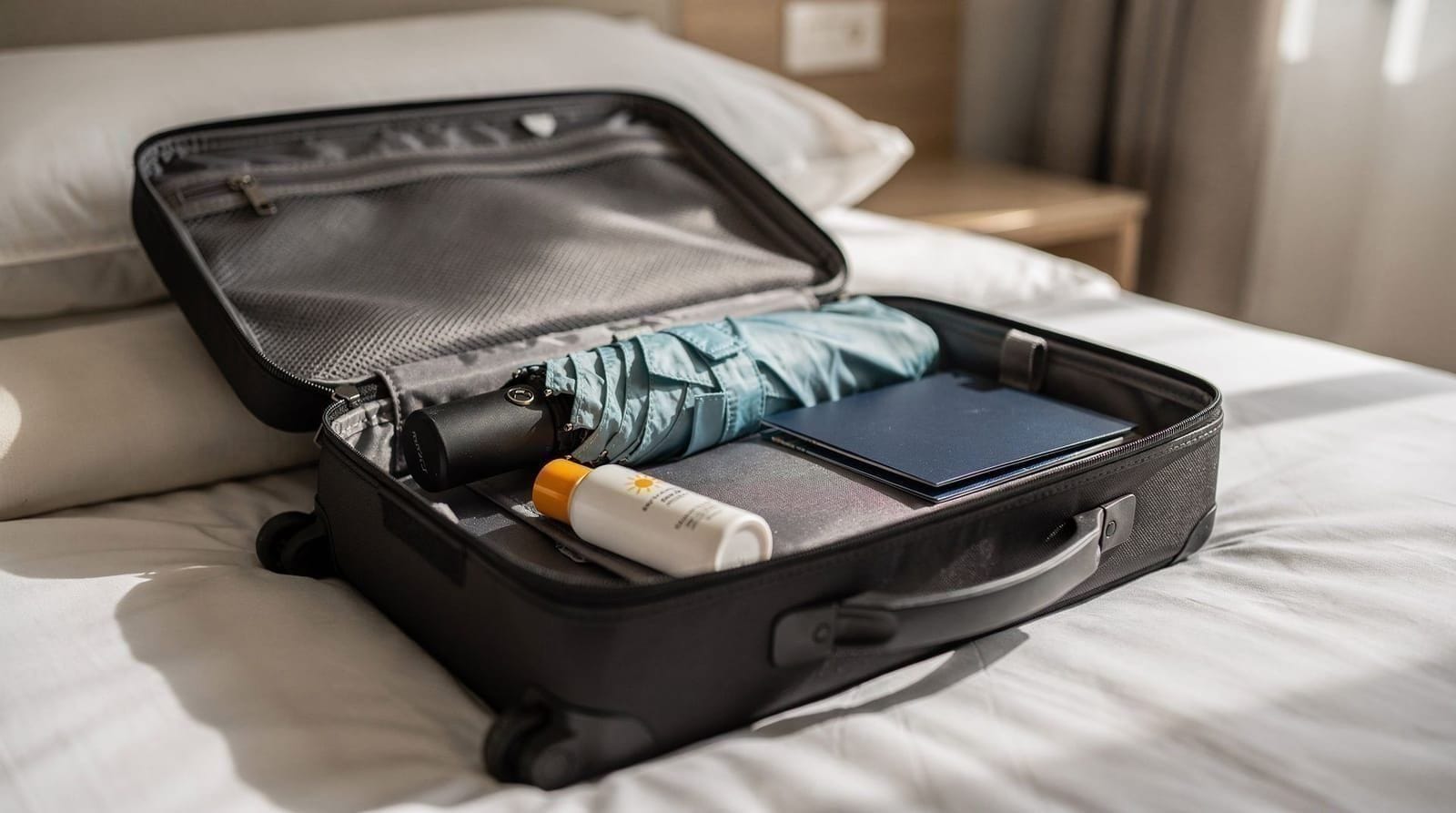
| Pack | Medium jacket, layers for indoor A/C |
| Compare to | See Hong Kong in summer for the opposite trade-off |
December in Hong Kong
December is the final month of the peak travel window and one of the best months overall.
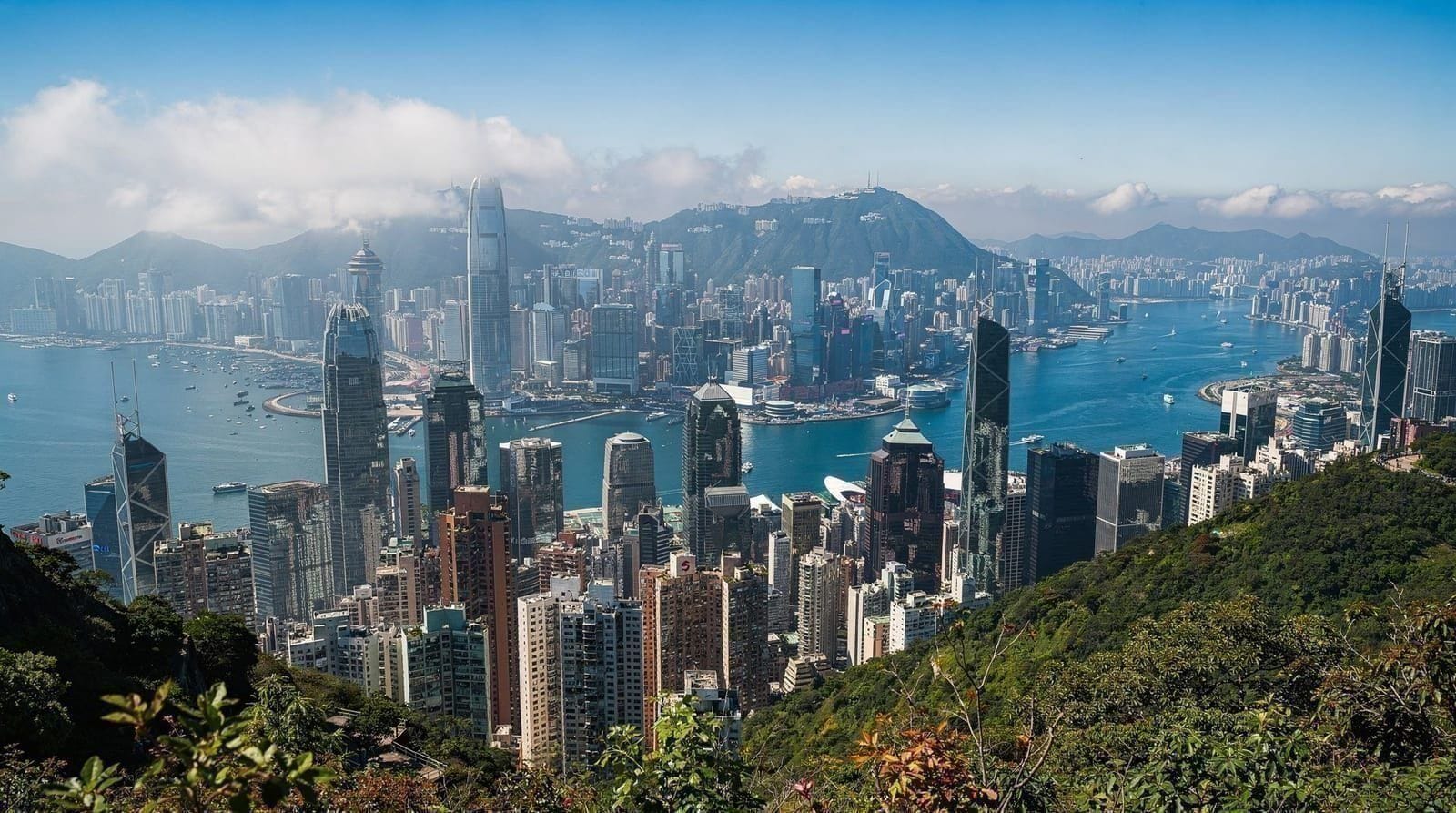
Weather: Temperatures of 14–22°C, low humidity, and predominantly clear skies. Evenings cool to 12–15°C — a jacket is necessary. The Peak delivers its best views in December; the likelihood of finding the summit in cloud is lower than any other month.
Christmas atmosphere: Hong Kong goes all-in on Christmas decorations. Nathan Road from Tsim Sha Tsui to Mong Kok has avenue lighting. The IFC mall, Harbour City, Times Square in Causeway Bay, and the Pacific Place mall on Hong Kong Island all have elaborate seasonal displays. This has nothing to do with Christianity — it’s a commercial and civic event that Hong Kong does with characteristic energy.
The Peninsula Hotel is worth walking through in December specifically for the decorations — the ground-floor lobby, accessible without staying, is a seasonal landmark. The rooftop area and Felix restaurant have views that are particularly good on clear December nights.
Christmas week (23–28 December): Hotel prices jump 40–80%. Popular restaurants fill weeks ahead. The Christmas Eve and Christmas Day dinners at mid-range to upscale restaurants require reservations. If you can shift your trip to early December or the week after Christmas, you get the decorations without the premium.
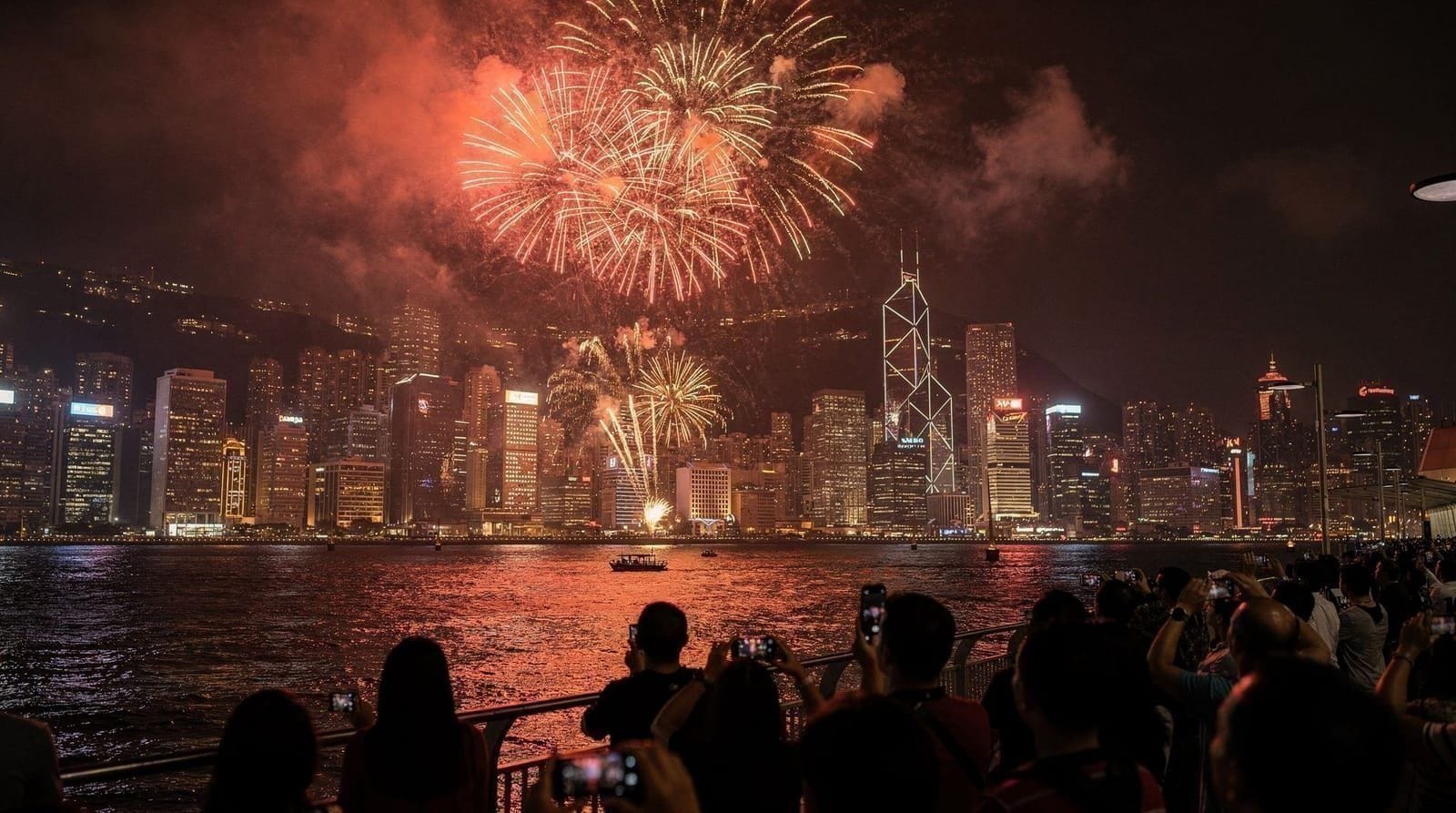
New Year’s Eve: Tsim Sha Tsui waterfront and the harbour area see large crowds for midnight. A harbour fireworks display (smaller than the CNY fireworks) takes place. Hotels offer NYE dinner packages at significant premiums. Similar to Christmas, arriving a few days before NYE or after is more economical.
January in Hong Kong
January is Hong Kong’s coolest and often most overcast month. The clear autumn skies give way to more variable conditions — sometimes crystal clear, sometimes grey and misty for days at a time. Temperatures average 10–17°C.
Why this can work for you: Hotel prices in January (outside CNY) are at their lowest point of the year. The MTR and major attractions have shorter queues. The city is quieter.
What doesn’t work: If cloud settles over the Peak for 3 days, your Victoria Peak visit becomes a cloud-in-cloud experience with no view. The temperature at the summit can be 8–10°C — genuinely cold for outdoor viewing. Have an indoor alternative plan for any day you intend to visit the Peak.
Lunar New Year (January or February, depending on the calendar): This transforms everything. The week around CNY has high prices, enormous crowds, and extraordinary atmosphere. See the Chinese New Year guide for full detail.
February in Hong Kong
February is the transition month between winter and spring. Early February can still be cool (12–16°C), while late February starts warming toward the mid-20s.
Outside CNY: Mid-February (when CNY typically falls) is the year’s quietest hotel period. Prices are at annual lows. The weather is better than January — more frequent clear days, warming temperatures. This is the best budget window in the year for Hong Kong travel.
Food in February: Restaurant closures on the first days of the lunar new year affect the first 2–3 days of CNY. By Day 4 onward, most restaurants are open. The end of February sees the city return to full operation.
Winter-specific activities
Victoria Peak on a clear day: Winter produces the highest percentage of clear-view days. The Circle Walk (3.5km loop, free, excellent views) is ideal in cool dry weather. See the Victoria Peak guide for timing.
Peak Tram and Sky Terrace 428 ticketHiking: December through March is the best hiking season. Dragon’s Back and Lion Rock are comfortable in 15–20°C air — no heat exhaustion risk, clear views from ridgelines. The best hikes in Hong Kong guide covers the options.
Star Ferry in the evening: The evening crossings in December and January have particularly good air quality and sharp harbour views. The light on the skyline is excellent from mid-afternoon onward. If you want to see the harbour from the water at night, an evening harbour cruise timed to the Symphony of Lights suits calm winter evenings, and the Symphony of Lights guide explains how the show works. The Star Ferry guide and the Star Ferry and trams guide cover the classic crossing.
Wong Tai Sin Temple and Sik Sik Yuen festival: January’s religious calendar is busier than summer. Wong Tai Sin temple ceremonies and prayer hall events run throughout the winter months. The temple in December and January, when incense offerings are visible in cooler air, is particularly atmospheric.
Aberdeen Typhoon Shelter at night: The floating restaurant cluster at Aberdeen (the jumbo-style restaurants are now closed, but the sampan boat rides through the typhoon shelter remain) is striking on a clear winter evening when the water is calm.
What winter rules out
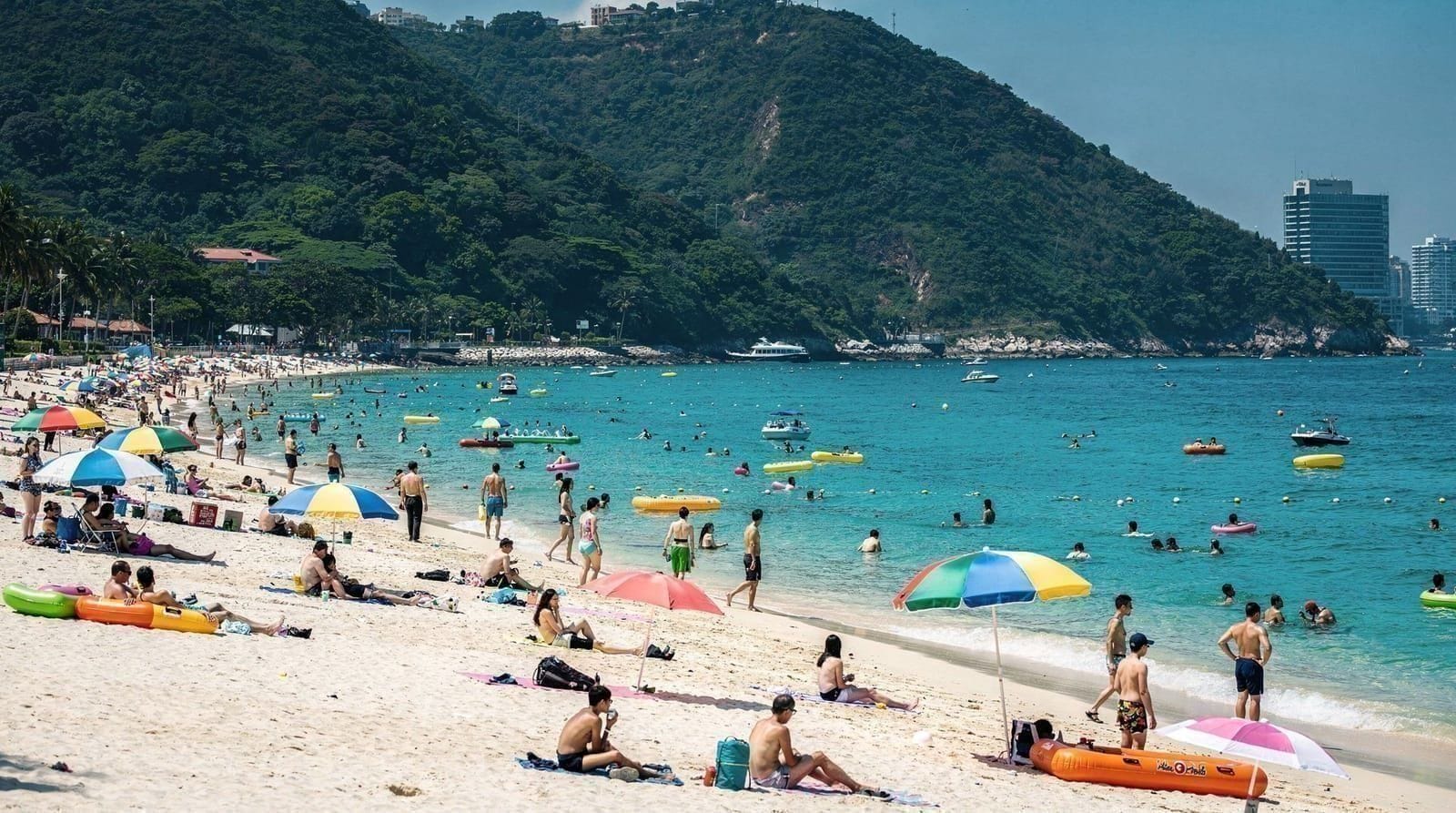
Beach days. Hong Kong’s beaches (Repulse Bay, Deep Water Bay, Shek O) are not appealing in winter — water temperature around 16–18°C and air temperatures in the mid-teens make swimming unattractive for most visitors. Repulse Bay is worth a visit for the Tin Hau Temple and the beach atmosphere, but not for swimming.
Typhoon contingency planning. December through May has essentially zero typhoon risk. You don’t need to check the Observatory app daily or worry about T8 signal disruption. This is a genuine quality-of-life improvement over summer travel — see the Hong Kong in summer guide for how different that experience is by comparison.
Budget impact of visiting in winter
Winter’s price picture is the inverse of the Christmas-week and CNY spikes: outside those two windows, hotel rates are genuinely competitive, sometimes close to summer lows. Mid-January to early February in particular combines cool, mostly clear weather with some of the lowest hotel prices of the year — a rare combination where the best weather and the best prices roughly overlap. The budget breakdown guide covers daily costs across categories; in winter, accommodation is the main line item that moves with the calendar, while food and transport stay flat year-round.
How long to stay in winter
Winter’s reliable weather makes it easier to plan a tightly packed itinerary than summer, where rain and heat routinely force schedule changes. Outdoor sights (the Peak, hikes, Star Ferry crossings, outlying islands) can be scheduled with more confidence, which means you can generally see more per day than in summer without needing as much buffer time. The how many days in Hong Kong guide and the packing guide both help translate this into a concrete winter trip plan.
The Christmas lighting circuit
For those visiting specifically in December, a circuit of the major Christmas lighting in one evening:
Starting point: Nathan Road, Tsim Sha Tsui (exit the MTR and walk north along Nathan Road from the Star Ferry terminus). The avenue lighting runs for 3km.
Harbour City: Enter from Canton Road side — the internal shopping streets are decorated, and the exit toward the Star Ferry pier gives a view of the lit-up skyline.
Star Ferry to Central: The crossing in December evening light, with both banks of the harbour lit, is the best-value fare (from HKD 4) you’ll spend on any trip.
IFC mall: Central’s IFC mall has its own seasonal display and connects directly to the Hong Kong MTR station. From here, the walkway system connects to the external waterfront.
Pacific Place (Admiralty): If you continue along the Island side by MTR, Pacific Place in Admiralty has elaborate December installations.
The circuit takes 3–4 hours of pleasant evening walking with no admission charges.
Planning your days around winter weather
Winter rewards a flexible plan built around one simple idea: put your outdoor highlights on the days the forecast looks clear, and keep indoor options for the grey ones. Check the forecast each morning rather than fixing a rigid schedule weeks ahead. Because the season is dry, a change of plan usually means swapping a viewpoint for a museum or a market, not abandoning the day.
On a clear morning, head up for views first, while the air is sharp and visibility is at its best. The Peak Tram guide explains how the ride works, and is the Peak Tram worth it helps you decide whether to queue or take another route up. If you would rather skip the tram line, Peak Tram vs bus to the Peak compares the alternatives. Once you are at the top, the Victoria Peak circle walk is the natural follow-up in cool weather.
On a cloudy or misty day, the city gives you plenty of rewarding indoor and covered options. Museums, temples with sheltered halls, covered markets and shopping complexes all work well when the skyline is hidden. The rainy day itinerary is just as useful for a grey winter day as for a wet one, and the Hong Kong malls guide helps you pick where to spend an afternoon indoors. Remember that indoor air conditioning is often still running, so keep a light layer in your bag. For a view that does not depend on the Peak’s cloud, note that the sky100 observation deck has been closed for renovation since 17 May 2025, with no reopening date announced. For a wider choice of things to do, see the top things to do in Hong Kong and the Hong Kong rooftop bars guide for evenings with a view.
Eating well in cool weather
Cooler air is the best excuse to eat the dishes that suit it. Hot, brothy, slow-cooked and steaming food simply tastes better when you have walked in a breeze, and winter evenings suit a long, unhurried meal. Dim sum brunch, a bowl of noodles or a pot of tea at a neighbourhood café all feel right when the weather is mild rather than humid. The dim sum guide is a good starting point for a leisurely morning, and the cha chaan teng guide covers the local tea cafés that make a warm, inexpensive stop between sights.
Street food is also more pleasant in winter, since you are not melting in the heat while you queue. The best street food guide points to what to look for, and a late walk through an evening market is far more comfortable now than in the sticky months. If you are visiting around Christmas or the lunar new year, book popular tables in advance and keep a backup in mind, since the busiest weeks fill quickly.
Choosing your neighbourhood base for the season
Your base matters more in winter than you might expect, because you will likely spend more evenings outdoors. Staying close to the harbour makes the lighting circuit effortless, while a central location keeps the MTR within a short walk when the evening air turns cool. The where to stay in Hong Kong guide walks through the main areas, and Tsim Sha Tsui is a convenient choice if the waterfront and the Christmas lights are your priority. Fans of the Island side may prefer Central and Sheung Wan for its restaurants and walkable streets.
If you are travelling on a tighter budget, the quiet weeks of mid-January are the moment to be selective rather than settle. Compare a few areas before booking, and read the where to stay by budget guide to match your plans to a realistic daily spend.
Winter day trips and island escapes
Cool, dry weather makes the territory’s outer areas far more comfortable to explore. Walking on a car-free island or a coastal trail is a pleasure when the air is fresh rather than oppressive. The outlying islands guide is a good overview, and Lamma Island and Cheung Chau both suit a relaxed winter day by ferry. For a bigger outing, the best day trips from Hong Kong lists the options, and the Lantau Big Buddha day trip works particularly well when skies are clear enough for the hilltop views.
Ferries can be breezier than you expect, so keep your jacket and scarf handy rather than packing them away. Allow some flexibility in the schedule, since a grey morning may brighten by afternoon, and the reverse can happen too.
Putting it together
The simplest winter plan combines three ingredients: a clear-weather day for the Peak and the harbour, a hiking or island day when conditions are comfortable, and an indoor day held in reserve. Start with the best time to visit Hong Kong guide if you are still deciding on dates, then use a ready-made route such as the 3-day itinerary as a skeleton and adjust it to the weather. Whatever you choose, winter makes the city easy to enjoy on foot, and the cooler air means you can cover more ground with less fatigue than in the warmer months.