Hong Kong packing guide — what to actually bring
What should I pack for Hong Kong?
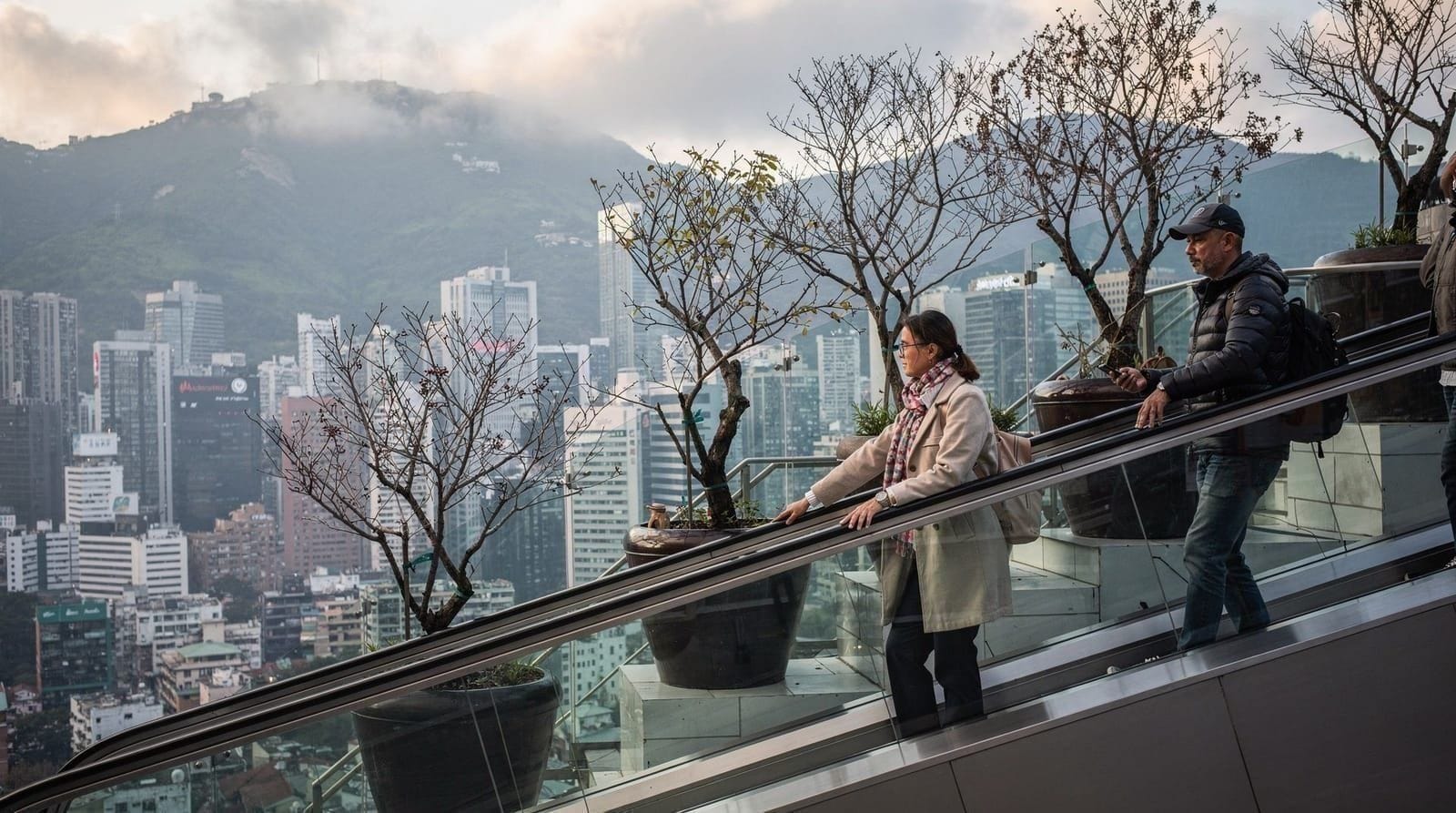
Lightweight, breathable clothing for most of the year. A compact umbrella for sudden downpours year-round. Comfortable walking shoes for hilly streets and hiking trails. A light layer for aggressive air conditioning indoors — restaurants, MTR, and malls are often cold. In winter (Dec–Feb), add a jacket for 12–18°C evenings.
Why Hong Kong packing is more nuanced than most trips
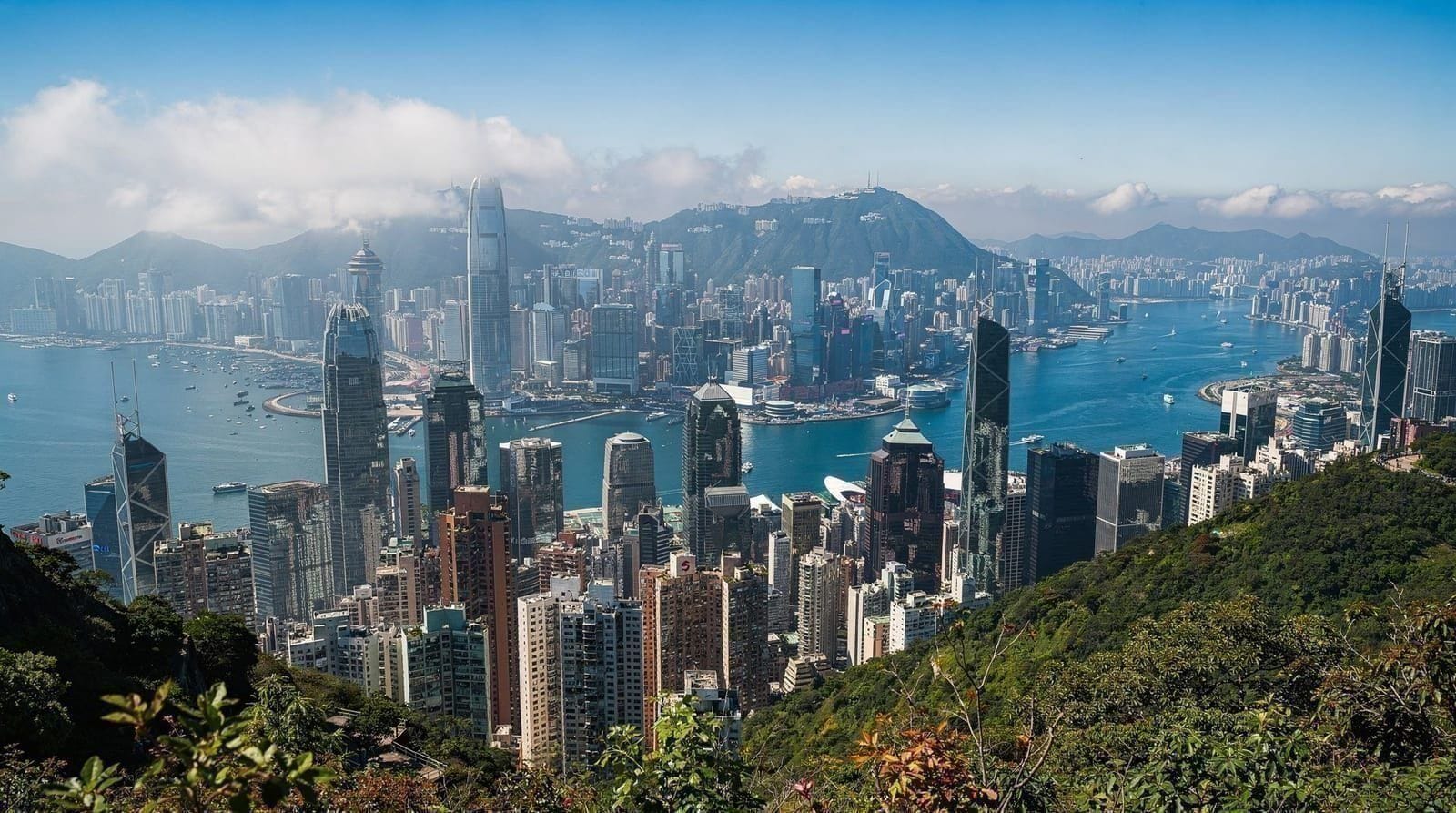
Hong Kong spans a range of micro-environments. You’ll walk from a hot, humid outdoor market directly into a restaurant chilled to 18°C. You’ll hike a trail in full sun at 30°C then descend to a ferry terminal on the waterfront. The city has some of the most aggressive air conditioning in Asia. You need clothing that handles outdoor heat, indoor cold, occasional rain, and serious hills — often on the same day.
| Essential year-round | Compact umbrella, walking shoes, a light indoor layer |
| October–December | Lightweight layers + one medium jacket for evenings |
| June–September | Moisture-wicking fabrics, quick-dry everything, umbrella |
| January–March | Medium jacket, fleece, waterproof layer for spring rain |
| Buy on arrival | Umbrella, sunscreen, Octopus card, SIM card |
Packing by season at a glance
| Season | Days | Humidity/rain | Pack |
|---|---|---|---|
| Oct–Dec | 22–28°C | Low, clear skies | Lightweight layers, 1 jacket, windbreaker |
| Jun–Sep | 29–34°C | 85–95%, frequent downpours | Moisture-wicking, umbrella, quick-dry shoes |
| Jan–Mar | 14–22°C | Grey, occasional spring rain | Medium jacket, fleece, waterproof layer |
Clothing: the practical approach by season
October to December (the peak travel window)
Days: 22–28°C, low humidity, clear skies. Evenings: 16–22°C, comfortable for outdoor dining. Indoor: 20–22°C in restaurants and shopping malls (normal).
What to pack:
- 3–4 lightweight long-sleeve shirts or blouses (versatile for indoor-outdoor transitions)
- 2 pairs of lightweight trousers or jeans + 1–2 pairs of shorts
- 1 medium jacket or fleece for evenings
- 1 compact windbreaker/rain jacket (for the Peak and occasional showers)
- Comfortable walking shoes with grip
- 1 nicer outfit if you plan upscale restaurants
What to leave behind: Heavy winter coats (unnecessary), thick jumpers, heavy boots.
This window is also Hong Kong’s most popular travel season — see the best time to visit Hong Kong guide for why, and how it affects hotel prices and crowd levels.
June to September (typhoon season)
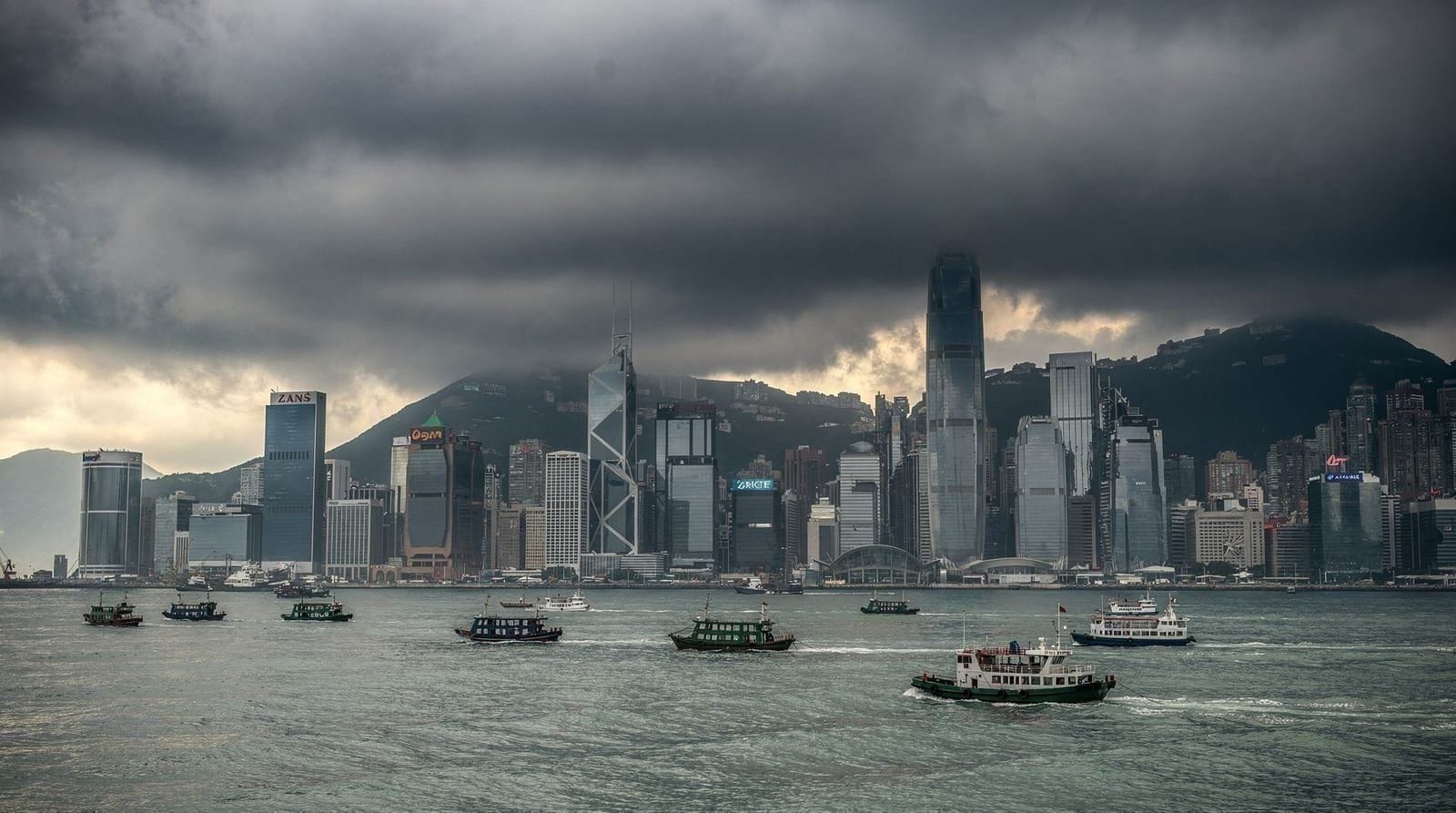
Days: 29–34°C, humidity 85–95%. Rain: frequent downpours, potential typhoon disruption.
What to pack:
- 4–5 lightweight, moisture-wicking shirts
- Lightweight shorts and linen or quick-dry trousers
- Compact umbrella (fold-flat type, not a golf umbrella)
- Light cardigan or thin layer for air conditioning — this is not optional, restaurants are aggressively cold
- Waterproof sandals or quick-drying trainers
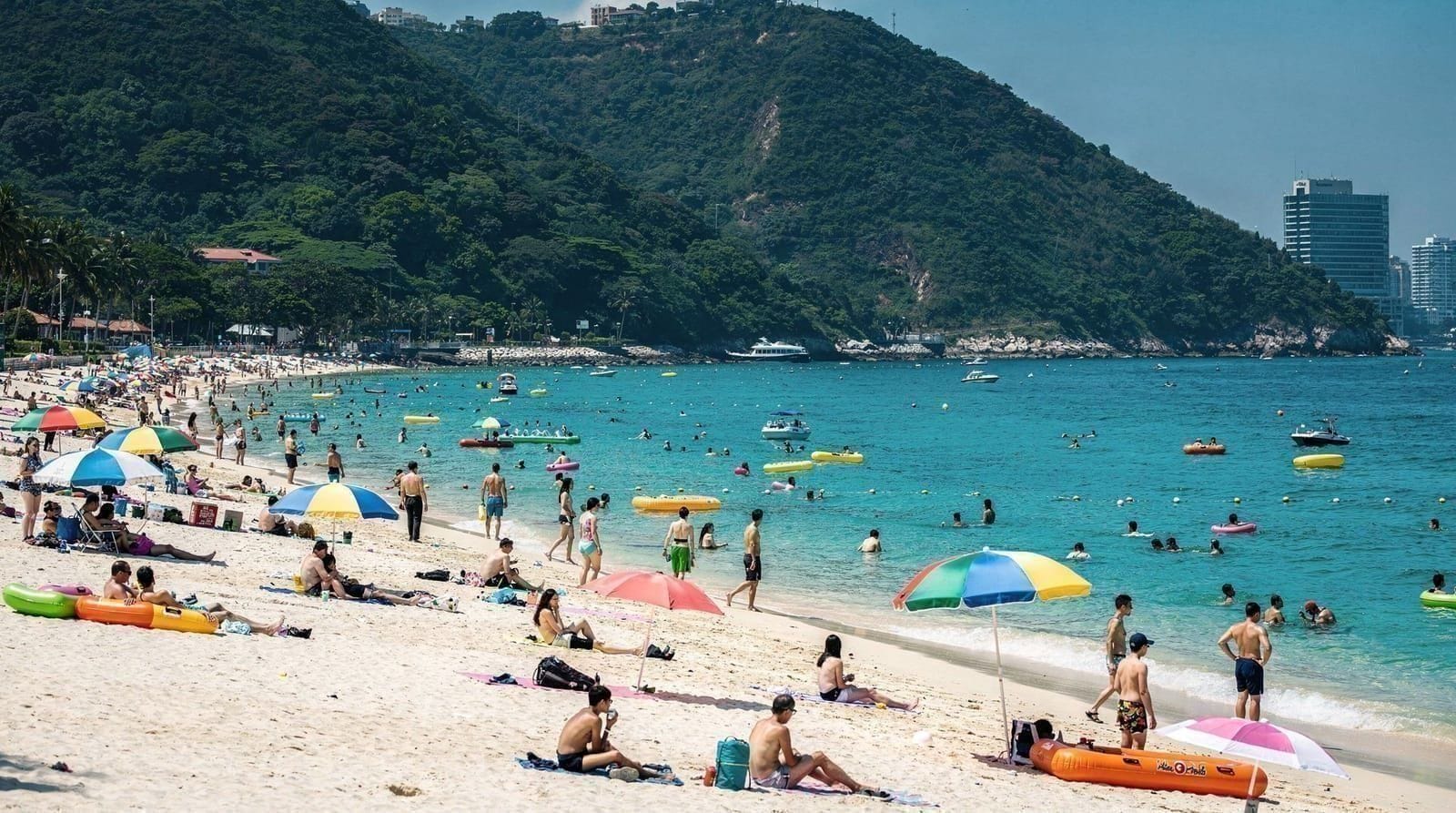
- Flip-flops for beach days on Lamma or Cheung Chau
Key insight: Many travellers underestimate the air conditioning gap in summer. Outdoor temperature: 33°C, sweating heavily. MTR carriage temperature: 20°C. Restaurant temperature: 19°C. You will oscillate between these constantly. The thin layer isn’t about warmth outdoors — it’s for surviving 90 minutes in a cold restaurant or the MTR.
For a fuller picture of what a summer trip actually feels like day to day, see the Hong Kong in summer guide — it covers pacing your sightseeing around the heat, not just what to wear.
January to March (cool-to-spring)
Days: 14–22°C (January end), warming through March. Risk of grey, overcast skies.
What to pack:
- Mix of t-shirts and long-sleeve layers
- 1 medium-weight jacket (not a heavy winter coat)
- 1 fleece or thick cardigan
- Waterproof layer (spring rain is common, especially in March–April)
- Standard walking shoes — no specialist gear
For the coldest weeks of the year and how to plan around occasional cool snaps, see the Hong Kong in winter guide.
Footwear: what actually works
Hong Kong’s terrain punishes bad footwear choices more than most cities. Central has flat streets, but the escalator system climbs 135 meters in elevation — and the areas alongside it are on significant gradient. The district from Central to the Peak is steep. Sheung Wan’s upper streets above Hollywood Road are hilly. Sai Kung’s geopark requires boat access and sometimes rocky scrambling.
Daily sightseeing: Comfortable trainers with some grip. Leather-soled dress shoes are fine for an evening dinner, not for a full day.
For hiking: Proper trail shoes for Dragon’s Back, Lion Rock, or the Lantau Trail. The tracks are well-maintained but involve loose gravel and steep sections. Minimum: good-grip trainers.
For the Peak: Any comfortable shoe. But if you’re doing the Circle Walk rather than just the terrace, grippy soles matter.
If hiking is a real priority for your trip rather than an add-on, the best hikes in Hong Kong guide breaks down which trails need proper trail shoes versus which are manageable in good trainers.
Electronics and tech
Power adapters: Hong Kong uses the UK Type G plug (three rectangular pins, 220V). This is the same standard used in the UK, Ireland, Singapore, and parts of Africa and Asia. Most visitors from Continental Europe or North America need an adapter. Universal travel adapters are available at the airport and in any Watsons or electronics store for HKD 50–80.
SIM card: Buy a local data SIM at the airport arrival hall (China Mobile, 3HK, CMHK, or SmarTone all have desks). A 30-day unlimited data SIM runs HKD 80–150 depending on the plan. This is significantly cheaper than international roaming and works across Hong Kong, with some options covering Macau. An eSIM is an alternative if your phone supports it — the Hong Kong eSIM options section of the transport guide lists current options.
Portable charger: Useful for full sightseeing days, especially in summer when high-brightness phone screens drain batteries faster. Keep it in carry-on only when flying.
What to buy on arrival (not worth packing)
Umbrella. Every convenience store (7-Eleven, Circle K) sells compact umbrellas for HKD 30–50. They’re cheap, light, and you won’t worry about losing it.
Sunscreen. Available everywhere at city prices. No need to pack large quantities.
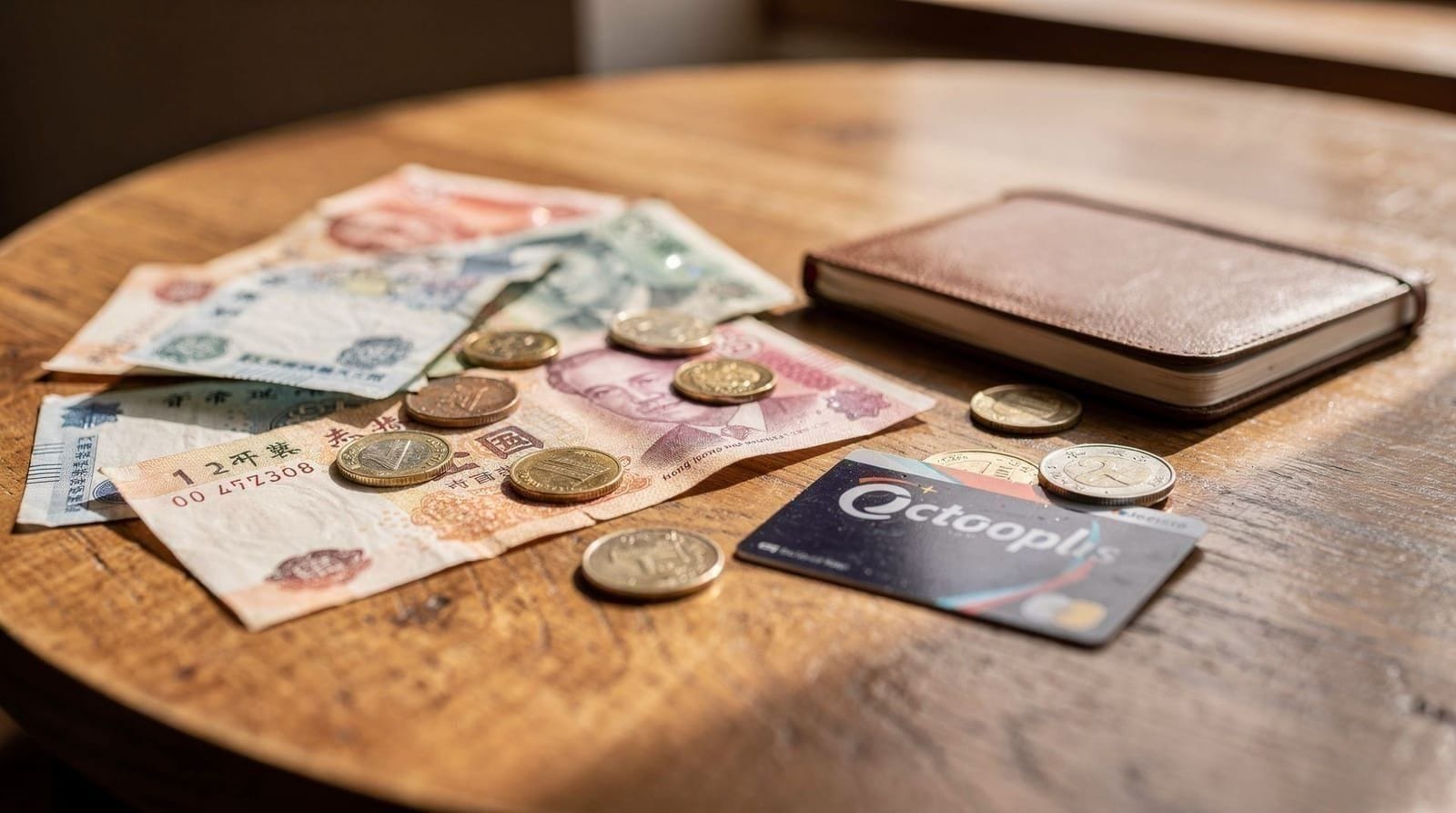
Octopus card. Essential for the city — pick it up at the airport MTR station arrival hall. The card costs HKD 50 (deposit, refundable), load HKD 150–200 to start. Do not pack cash for transport — the Octopus handles everything.
Rain gear in summer. Basic ponchos are available at every convenience store. However, a compact umbrella outperforms ponchos in Hong Kong’s humidity — you’d be wetter from sweat inside a poncho than from the rain.
What many visitors forget
A compact day bag. A small backpack or crossbody bag for a full day of sightseeing. Useful for the hikes, day trips to Lantau, and carrying the inevitable bottle of water and spare layer.
Documents. Passport (required at some mainland tour borders if doing Shenzhen or Guangzhou). Travel insurance documentation. Check your Macau day trip ferry booking requirements — some operators ask for ID.
Cash. Markets, smaller restaurants, and the MTR top-up all use Octopus or cash. Carry HKD 300–500 in small denominations for a typical day.
Reusable water bottle. Water fountains are common in parks and transport hubs. Bottled water costs HKD 6–12 in convenience stores, more in tourist areas. Staying hydrated in summer heat is essential — having a refillable bottle saves money and plastic.
What to leave behind
Heavy walking boots. Unless you’re doing the Lantau Trail or MacLehose Trail multi-day, regular trail shoes are sufficient and dramatically lighter.
Multiple pairs of smart shoes. Hong Kong’s dress code is informal except in the most upscale restaurants and business contexts. Shorts and clean trainers are accepted at mid-range restaurants. Save the suitcase space.
Thick guidebooks. Everything is on your phone. The Hong Kong MTR guide and Octopus card guide are more useful for real-time navigation than a printed book.
The typhoon season packing adjustment
If you’re visiting June through September, add:
- Quick-dry everything — clothes that take hours to dry in humid air are a problem when you’re wet from rain
- A drybag or waterproof bag liner for your day bag electronics
- Waterproof sandals rather than fabric shoes
- A phone waterproof pouch (cheap, available everywhere, but useful in a Black Rainstorm)
For everything you need to know about typhoon season logistics, the typhoon season guide covers signal levels, what to do when a T8 is issued, and trip planning around the risk.
Packing for a mixed-activity trip
Most Hong Kong trips mix city sightseeing, at least one hike or island day, and a few nicer dinners — which means your suitcase needs to flex rather than specialise. The trick is layering rather than packing separate outfits for each activity: a moisture-wicking base layer works under a light jacket for temple visits and museums, then comes off entirely for a hike or beach afternoon on Lamma or Cheung Chau.
One slightly smarter outfit (a collared shirt, a dress) covers the handful of restaurants or rooftop bars with a dress code, without needing a full second wardrobe. If your itinerary includes a day trip to Macau or Shenzhen, keep your passport and any required documents in the same day bag you’re already carrying rather than in checked luggage or a hotel safe you might forget to retrieve early.
A few first-timer packing mistakes worth avoiding
Overpacking smart-casual clothing is the most common mismatch — Hong Kong is far more informal day to day than visitors expect, and clean trainers with shorts are accepted almost everywhere outside a handful of upscale restaurants. Underpacking for the indoor-outdoor temperature swing is the second: a single thin layer that lives in your day bag, put on and off several times a day, does more work than any other single item on this list.
And packing rain gear for typhoon-level weather without checking the actual forecast wastes suitcase space in the drier months (October to March) when a compact umbrella covers the rare shower entirely — see the first-timer mistakes guide for more on where new visitors misjudge Hong Kong’s practical details.