Mid-Autumn Festival in Hong Kong — what to expect and where to go
Hong Kong: Star Ferry A Symphony of Lights evening cruise
When the lanterns come out
The Mid-Autumn Festival (中秋節, Zhōngqiū Jié) falls on the 15th day of the eighth lunar month — the night of the year’s largest full moon. In 2026, this falls on September 25. The following day (September 26) is typically a public holiday in Hong Kong.
The festival is one of the most visually striking events in Hong Kong’s calendar, and it coincides with the tail end of typhoon season — which means the weather on the night itself can range from perfect (clear sky, full moon, warm evening) to dramatically cancelled (tropical storm warning). If you’re travelling specifically for the festival, build in flexibility.
What the festival actually is
The Mid-Autumn Festival is one of the major Chinese holidays, with roots in harvest celebration and lunar observation going back over a thousand years. In Hong Kong — a predominantly Cantonese culture — it has maintained genuine cultural weight despite commercialisation pressure.
The two core traditions are mooncakes and lanterns. Mooncakes (月餅, yuet2 beng2) are dense pastries filled with lotus seed paste and salted egg yolks, given as gifts between families and colleagues. Lanterns — historically paper lanterns lit by candle, increasingly replaced by battery-powered LED versions — are carried by children and gathered at parks and open spaces in the evening.
For visitors, the most memorable aspects are the communal gatherings in the parks and the visual quality of a crowd of lit lanterns against a dark sky.
| When | September 25, 2026 (public holiday follows on September 26) |
| Where | Victoria Park (Causeway Bay), Tai Hang, Cheung Chau |
| Cost | Free to enter; mooncakes HKD 30–800+ |
| Best for | Families, culture, night photography |
| Risk | Tail end of typhoon season — build in flexibility |
Victoria Park — the main event
The Victoria Park lantern carnival in Causeway Bay is the largest organised festival gathering in Hong Kong Island, typically running for 4–5 days around the festival date. The park fills with lantern stalls, food vendors, and families. The official program includes:
- Large decorative lantern installations (often themed — dragon lanterns, flowers, traditional story scenes)
- Performance stages with Cantonese opera
- Children’s activities and craft stalls
The park is free to enter. The crowds are significant — plan for 30–45 minutes of slow movement through the main areas on the festival night itself. Public transport is the only practical option: Causeway Bay MTR (Victoria Park Exit).
Practical note: Bring cash for vendor purchases. Arriving before 19:00 gives you more space than post-21:00. The mooncake stalls in the park are for atmosphere, not for the best mooncakes — buy those elsewhere.
Tai Hang fire dragon dance
The Tai Hang Fire Dragon Dance is one of Hong Kong’s most distinctive festival traditions, and it happens in a residential neighbourhood 10 minutes walk from Victoria Park. A 67-metre-long dragon made of straw and studded with thousands of incense sticks is carried by over 300 people through the streets of Tai Hang for three consecutive nights around the festival.
The dragon is lit at nightfall and processes through the narrow streets of the neighbourhood, smelling intensely of incense, its surface alive with burning sticks. The visual effect — a moving fire serpent in a dense urban neighbourhood — is remarkable.
Where to stand: The streets in Tai Hang are narrow, and the good spots fill early. Arrive by 18:30 for a position on Lin Fa Kung Street or Tang Lung Street. The procession runs approximately 19:30–22:00 on each of the three nights.
This is a UNESCO Intangible Cultural Heritage item. It’s not a tourist performance — it’s a living tradition with community roots.
Cheung Chau — the island option
Cheung Chau island runs its own Mid-Autumn celebrations at a smaller scale. The advantage of spending the festival on one of the outlying islands is the contrast: traditional village atmosphere, smaller crowds, and the ability to watch lanterns on the seafront with the full moon visible over the water.
Getting there: Ferry from Central Pier 5, roughly 35 minutes. The island is small enough to walk everywhere. Plan to take the last ferry back — they run later on festival nights, but check current schedules as these vary by year.
Mooncakes — how to buy them and what to expect
Mooncakes are sold everywhere from mid-August through the festival. The full-scale mooncake economy involves:
Traditional mooncakes: Round or square, 5–8cm diameter, with a thin baked pastry shell and dense filling. The classic is lotus seed paste with one or two salted egg yolks. Other common fillings: mixed nut (五仁), red bean, and seasonal variations. Sold individually (HKD 30–80) or in gift boxes of 4–8 (HKD 150–500+).
Premium mooncakes: From major hotels (Peninsula, Four Seasons, InterContinental) and upmarket bakeries. Snow skin mooncakes (冰皮月餅, unbaked, refrigerated) are a Cantonese innovation with lighter textures and more experimental fillings — lychee and champagne, durian, chocolate. Hotel boxes run HKD 400–800.
Where to buy: For traditional mooncakes at reasonable prices, wing-wah (榮華餅家) is a reliable mass-market brand available at many stores. For quality mid-tier, look at Tai Cheong Bakery or the Maxim’s chain. For gifts, a Peninsula hotel mooncake box is the premium default.
What to do with them: Eat them with tea. Mooncakes are dense and sweet — a quarter of one with a cup of Pu-erh is the right proportion. Eating a whole one at once is possible but inadvisable.
Where locals spend the evening
On festival night, much of Hong Kong goes outdoors. Beyond Victoria Park and Tai Hang, locals typically:
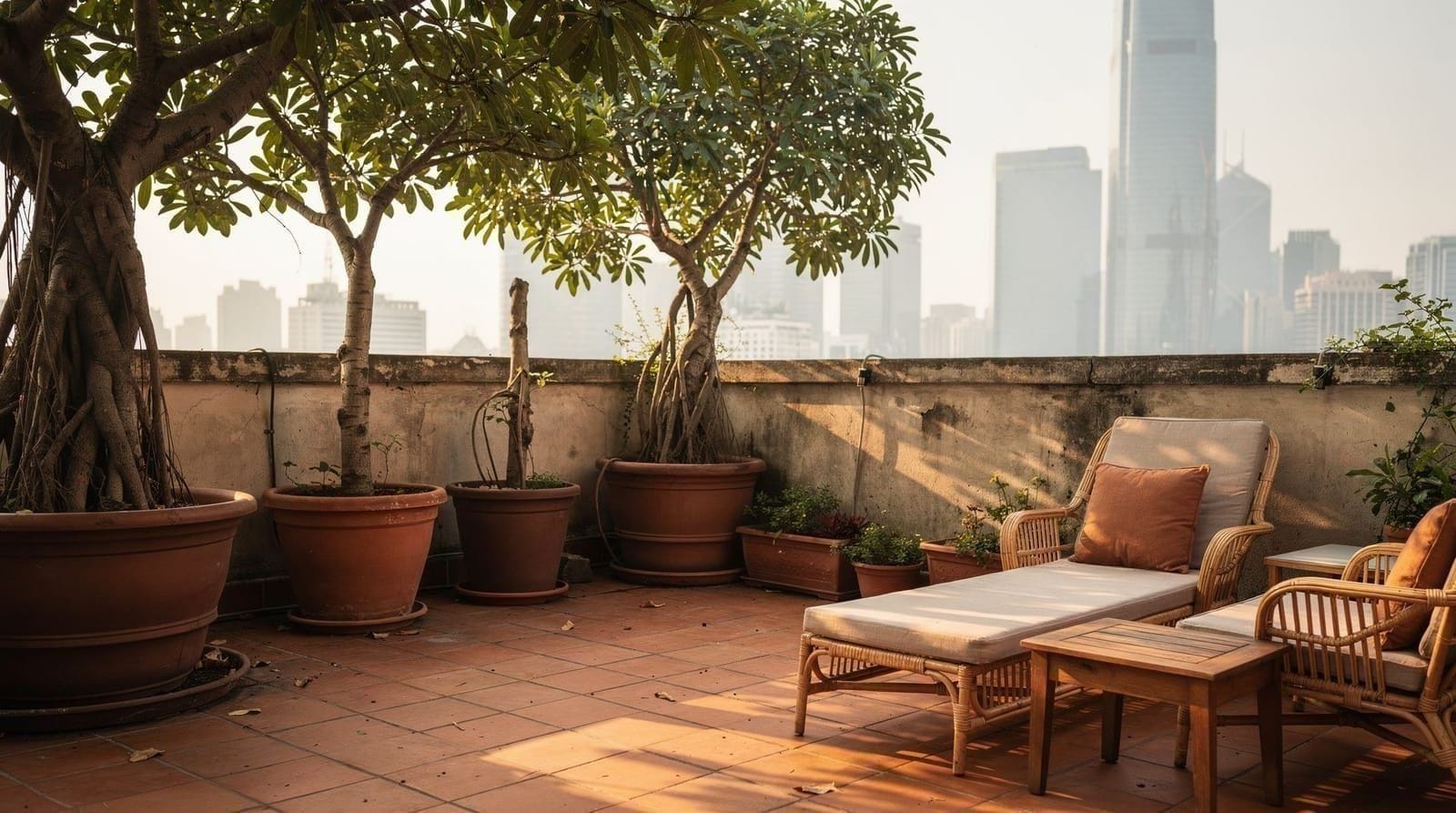
- Gather on rooftops or hillsides with a clear view of the moon
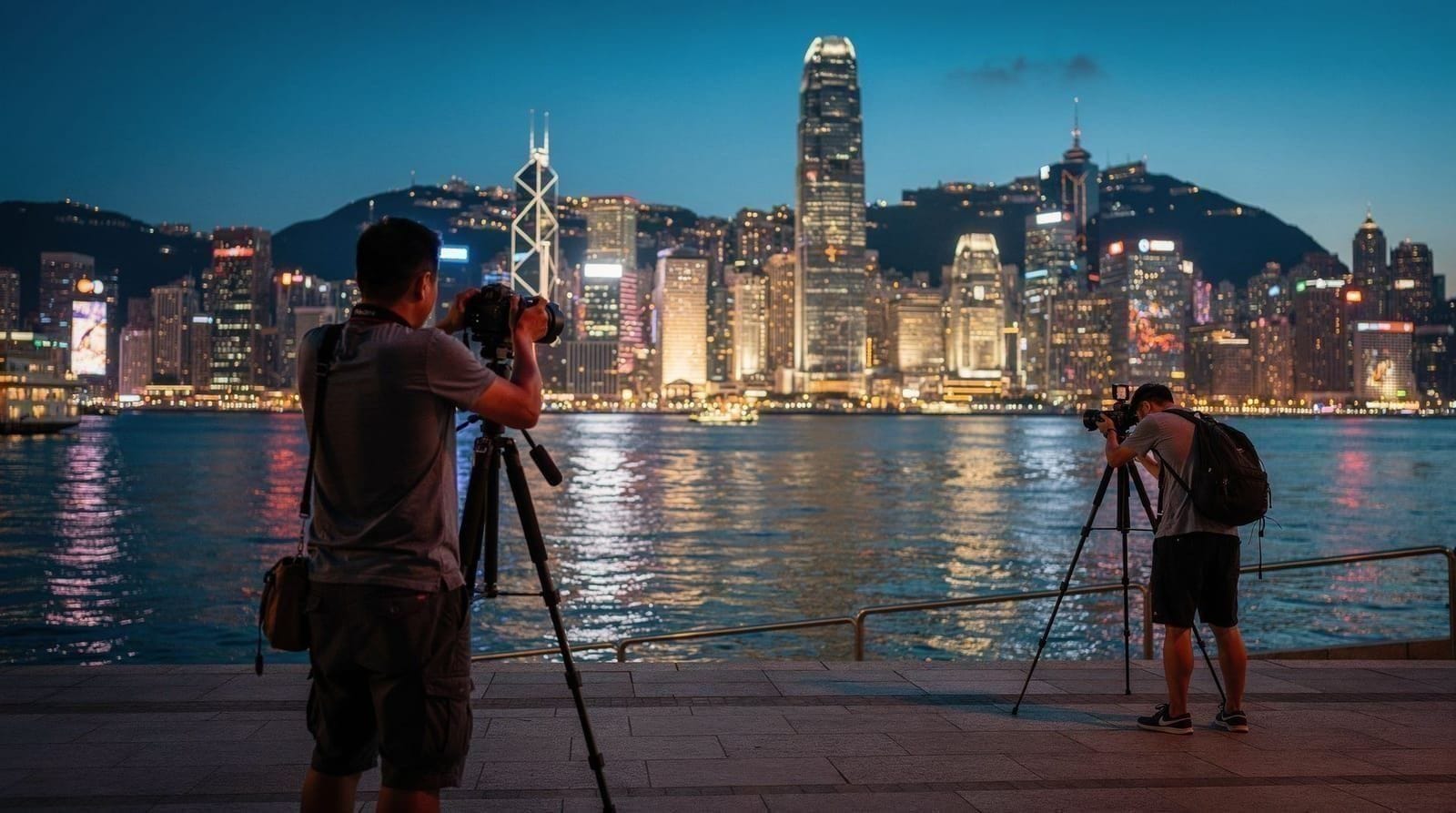
- Walk the TST waterfront promenade (excellent moon-over-harbour view)
- Set up in parks across the city, including Kowloon Park in Tsim Sha Tsui and the New Territories village greens
- Go to the Sai Kung waterfront, where the moon rises over the harbour and the fishing boats are lit
The mood is family-oriented and relatively quiet — this is not a nightlife event but a communal evening gathering. Children with glowing lanterns, tea and mooncakes spread on a blanket, the full moon overhead. The festival at its best is genuinely lovely.
If there’s a typhoon
A typhoon warning on festival night is not unusual. Hong Kong’s emergency services use a numbered system: Signal 1 means moderate conditions, Signal 3 means strong winds, Signal 8 triggers the closure of schools, businesses, and most outdoor events. If Signal 8 is issued, Victoria Park closes and public transport reduces significantly.
Check the Hong Kong Observatory (weather.gov.hk) for current warnings. The festival days around the main date are sometimes used as a buffer — if the main night is poor, the nights before or after may be better.
The surviving Hong Kong rainy season guide covers typhoon protocols in more detail for broader context.
Practical planning notes
Accommodation: Book in advance. September 26 (usually a public holiday following the festival) is peak domestic travel time in Hong Kong and hotel prices rise significantly.
Crowds: The festival night in Victoria Park draws hundreds of thousands of people. Avoid driving anywhere near Causeway Bay. Budget extra time for MTR and ferry services.
Photography: The combination of lanterns, fire dragon, and full moon creates exceptional conditions for night photography. A camera with reasonable high-ISO performance is an advantage. The best photo spots guide has general tips applicable here.
For Hong Kong’s other major festivals, the festivals guide covers Chinese New Year, Dragon Boat, and others throughout the year.
Where to base yourself for the festival
Causeway Bay puts you inside walking distance of both Victoria Park and the Tai Hang fire dragon route — the obvious choice if the festival is a trip priority. The Causeway Bay area guide covers accommodation and getting around the crowds. Staying in Tsim Sha Tsui instead still gives you the moon-over-harbour view from the promenade and an easy MTR ride to Causeway Bay if you want to catch the fire dragon later in the evening — a reasonable compromise if you’re also prioritising other parts of the city.
Comparing the three ways to spend the night
| Location | Atmosphere | Crowds | Best if you want |
|---|---|---|---|
| Victoria Park | Organised carnival, lantern displays, opera | Very high | The full official festival experience |
| Tai Hang fire dragon | Intense, traditional, community-rooted | High, narrow streets | A genuinely unique cultural spectacle |
| Cheung Chau | Village, seafront, small-scale | Low | A quieter, more contemplative evening |
None of these require booking — arrival time and positioning matter more than reservations, except for restaurant dinners near Victoria Park, which fill up.
Combining the festival with the rest of your trip
The festival works well as one evening within a longer Hong Kong Island stay rather than the sole reason to visit. Pair a Mid-Autumn evening with daytime plans in Wan Chai or Central and Sheung Wan, both a short tram ride from Causeway Bay. If your dates don’t land on the festival itself but you’re travelling nearby, the mooncake shops and lantern displays typically appear from early September, so the atmosphere is present even outside the peak days.
What if the weather doesn’t cooperate
Because the festival sits at the tail of typhoon season, it’s worth having a backup plan. If Signal 8 is hoisted, Victoria Park closes and the Tai Hang dragon dance is cancelled outright for safety — the incense sticks and open flame make it a genuine hazard in high winds. The surviving Hong Kong rainy season guide has the full typhoon-signal breakdown, but the short version for festival planning: check the Observatory the morning of, and if you’re travelling specifically for the festival, avoid booking a return flight the following morning in case the schedule shifts.
Moving around and eating on festival night
Getting around is easier if you plan it before you leave the hotel. The MTR guide explains how the network works, and an Octopus card saves you from queueing at ticket machines when stations are crowded. Taxis are slow around Causeway Bay on the night, so the taxis guide is mostly useful for the trip home from quieter areas. The Star Ferry guide covers a calmer way to cross the harbour if you want to see the moon from the water.
For food, the festival is a good excuse to eat the way locals do. The cha chaan teng guide and the Hong Kong dim sum guide both suit a relaxed meal before or after the crowds, and the egg tart guide is worth reading if you want something sweet that isn’t a mooncake. If you’d rather graze, the street food guide points to casual options.
Travelling with family
Because the evening is built around lanterns and children, it suits families well. The Hong Kong with kids guide has general advice on pacing a day, and the family itinerary shows how an evening like this can fit into a longer trip. Keep the plan loose: young children tire quickly in a crowd, and the quieter option on Cheung Chau, described in the Cheung Chau guide, is often the more comfortable choice.
Seeing the full moon from the harbour
If the crowds in the parks don’t appeal, the water is a calmer vantage point. A full moon over Victoria Harbour, with the skyline lit on both shores, is one of the nicest ways to spend the evening without joining a crush. You can simply ride the ferry as a commuter would — the riding the Star Ferry story and the Star Ferry and trams guide explain what to expect — or choose a longer outing such as an evening cruise on a Star Ferry vessel timed to the light show.
If you want a seat on deck with a drink while the skyline lights up, an evening harbour cruise with drinks on board is a relaxed option, and it is worth booking ahead because festival evenings are popular. The Symphony of Lights guide describes the nightly light display, and the Hong Kong skyline guide helps you pick out what you are looking at. The Hong Kong Island ferries guide and the outlying islands guide cover other crossings if you would rather head for the islands.
For a high view of the moon instead, the Victoria Peak guide and the Peak Tram guide explain the options, while the guide on whether the Peak Tram is worth it helps you decide whether to go on a night when everyone else has the same idea. The best sunset spots are also good places to wait for moonrise, and the Hong Kong Instagram spots and hidden gems pages suggest quieter corners. For a slow daytime ride before the evening, the ding ding tram journey fits neatly.
Timing your visit
If your dates are not fixed, the best time to visit guide and the typhoon season guide help you weigh the festival against the weather risk. The festivals guide and the Chinese New Year guide are useful if you want to compare it with other celebrations, and the Hong Kong weekend itinerary works as a template for a short stay built around a single evening.
Frequently asked questions about Mid-Autumn Festival in Hong Kong — what to expect and where to go
Do I need tickets for the Tai Hang fire dragon dance? No, it’s a free public event, but the narrow streets fill early. Arrive by 18:30 for a viewing position on Lin Fa Kung Street or Tang Lung Street before the 19:30 start.
Is Victoria Park or Cheung Chau better for a first visit to the festival? Victoria Park is the fuller, more organised experience with lantern displays and performances; Cheung Chau trades scale for a quieter, more local atmosphere. First-time visitors usually prefer Victoria Park combined with Tai Hang, since they’re a 10-minute walk apart.