Surviving Hong Kong's rainy season — what to do when it pours
Hong Kong: sky100 observation deck entry ticket only
The honest case for visiting in wet season
The standard advice is to avoid Hong Kong from June to September. The weather — high humidity, temperatures regularly above 32°C, afternoon thunderstorms, occasional typhoons — is genuinely uncomfortable. The standard advice is correct.
However, approximately 40 percent of all visitors to Hong Kong arrive during this period, because their schedules don’t permit a choice. If you’re arriving in July or August, this guide is for you.
The wet season is manageable. The typhoon system works efficiently. The indoor culture of Hong Kong — its malls, museums, dim sum restaurants, cha chaan tengs, and covered markets — is excellent. You can have a good trip. You just need to understand the system and adjust expectations.
| Season | June–September |
| Typical conditions | 32°C+, high humidity, afternoon storms |
| Key risk | Signal 8 closures (typically brief, hours not days) |
| Best backup plan | Malls, museums, dim sum (all covered) |
| Silver lining | Post-typhoon days often have the clearest skies of the year |
The typhoon warning system
Hong Kong uses a numbered typhoon signal system that you need to understand before you arrive:
Standby Signal 1: A tropical cyclone is within 800km. Prepare for deteriorating conditions. Normal activities continue.
Strong Wind Signal 3: Strong winds are imminent or occurring. Conditions becoming uncomfortable outdoors. Most businesses, shops, and public transport continue. Outdoor activities become inadvisable.
Gale or Storm Signal 8: This is the critical level. Schools close. Most offices and businesses close by government recommendation. Outdoor markets, tourist sites, and many restaurants close. MTR continues to run (usually) but outdoor bus services reduce. The Star Ferry may suspend service.
Increasing Gale Signal 10: The most severe category. Extremely dangerous conditions. Everything except emergency services closes.
Signal 8 is the practical threshold at which your day is cancelled. The government announces Signal 8 at least two hours before it takes effect, giving time to reach shelter.
Where to check: The Hong Kong Observatory app (or weather.gov.hk) shows current and forecast signals in real time. Set an alert on your phone for signal changes. Hotels will also typically announce warnings through their systems.
What to do under Signal 8
The most important thing: do not try to visit outdoor attractions, take tourist boats, or be on the exposed waterfront. These are genuinely dangerous conditions.
Acceptable activities under Signal 8:
- Stay in your hotel (obviously)
- Visit a shopping mall — the large malls are open during all but the most severe signals, and many specifically stay open during Signal 8 as shelter
- Visit a museum if it remains open (some close, some stay open — check individual websites)
- Eat in your hotel restaurant or a nearby restaurant that’s open
Plan B infrastructure: Every major shopping mall in Hong Kong is connected to adjacent buildings and often to MTR stations by covered walkways. The Times Square mall in Causeway Bay, the IFC mall in Central, the Langham Place mall in Mong Kok — these are genuine public spaces with food courts, entertainment, and ways to spend several hours comfortably.
If you’re caught outdoors when a signal escalates, move to the nearest covered commercial building immediately. Do not shelter under trees or overpasses.
Indoor alternatives — the full list
Museums:
The M+ Museum in West Kowloon is one of the world’s finest contemporary art and visual culture museums. A full visit takes 3–5 hours. The building is excellent, the collection is serious, and the restaurant has harbour views. Open Tuesday–Sunday 10:00–18:00 (closed Monday).
The Hong Kong Palace Museum displays Chinese imperial artefacts from the Palace Museum in Beijing. Next to M+ in the West Kowloon Cultural District. Open Thursday–Tuesday 10:00–18:00.
The Hong Kong Museum of History in Tsim Sha Tsui covers Hong Kong’s history from prehistoric times through the colonial period and handover. The permanent collection is well-curated and free for permanent exhibitions.
The Tai Kwun complex in Central — the former police station converted into a cultural centre — has galleries, restaurants, and regular events. Partly outdoor but with covered areas; check conditions before visiting in heavy rain.
Shopping as an activity:
Hong Kong’s retail culture is genuinely sophisticated. Causeway Bay has the city’s highest concentration of mid-range to premium retail; Tsim Sha Tsui has the tourist-oriented malls and boutiques. The Stanley Market is worth visiting in dry weather only — it’s open air and not worth the trip if it’s raining heavily.
Sham Shui Po electronics: The covered commercial buildings in Sham Shui Po — particularly the Apliu Street electronics market — are excellent rain-day destinations. See the Sham Shui Po guide.
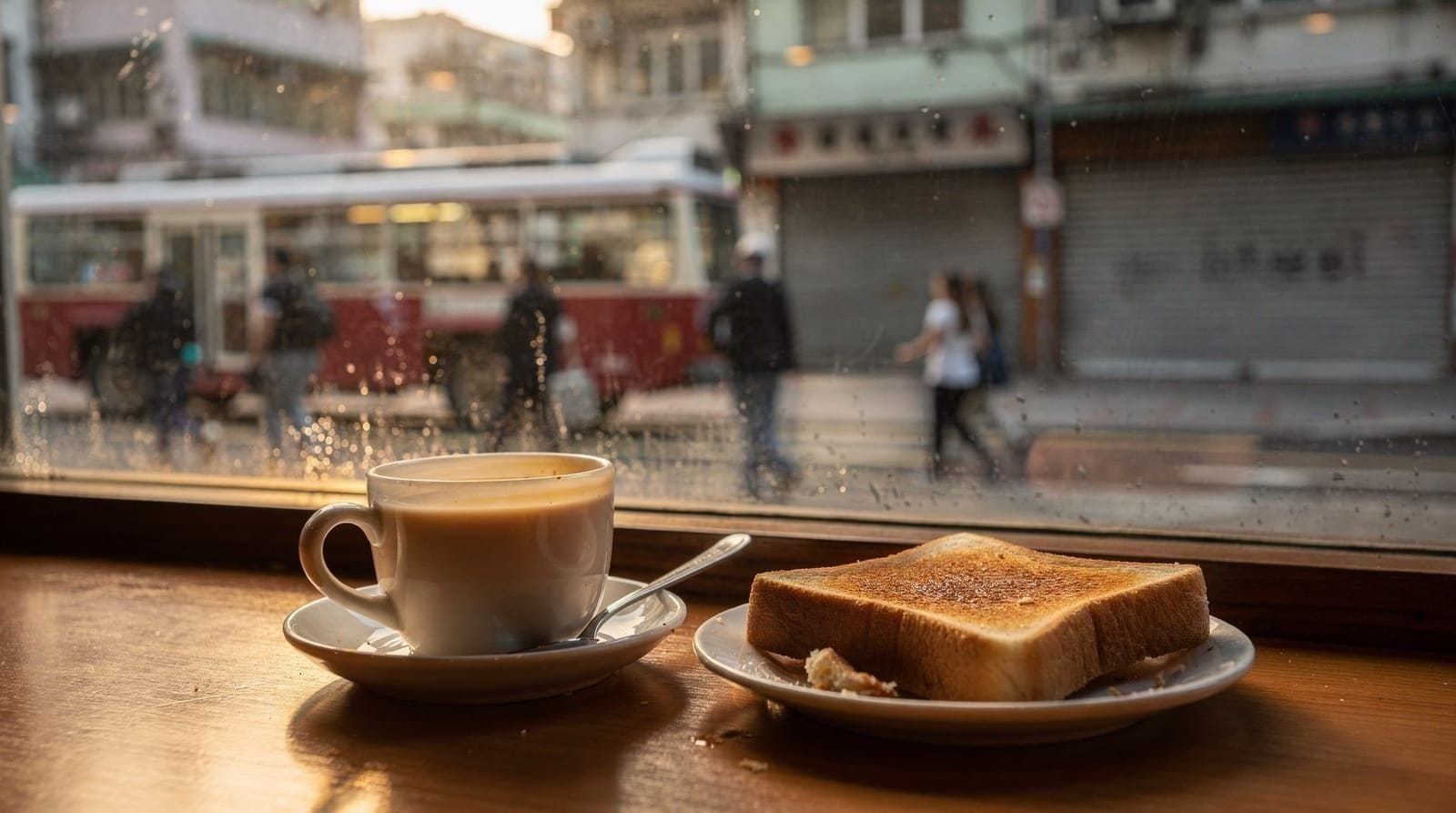
Dim sum: Rain is actually a good reason to extend your dim sum breakfast. A traditional teahouse with unlimited hot tea refills is one of the most comfortable places to be in wet weather. See the dim sum ordering guide.
The rainy day itinerary
A rainy day in Hong Kong can be structured as follows without leaving covered spaces:
- Morning: Dim sum in Kowloon (covered building)
- Mid-morning: Walk via covered walkways or MTR to the West Kowloon Cultural District
- Midday to afternoon: M+ Museum (3–4 hours), lunch in the museum café
- Late afternoon: Hong Kong Palace Museum if M+ was not enough, or walk the covered walkway to Elements Mall (ICC Tower)
- Evening: Dinner at any restaurant near your hotel
Total outdoor exposure: under 5 minutes (airport transit-style covered walkways connect most of this route). This isn’t compromise — M+ alone is a genuinely excellent museum day.
The typhoon experience
If a significant typhoon passes close to Hong Kong (Signal 8 for extended periods), the experience is genuinely dramatic and not entirely unpleasant from a comfortable hotel room. The winds are loud, the rain is heavy, and the harbour becomes choppy and grey. Some visitors specifically remember typhoon days as unexpectedly memorable parts of their trip — the unusual quiet after the storm signal drops, the rapid clearing of the air to leave unusually clean views.
The post-typhoon morning is often the clearest-sky day of the entire wet season. If a typhoon passes on a Thursday night, Friday morning may have exceptional visibility for the Peak view and harbour photography.
Making the most of a clear window
The rainy season rewards flexibility. When the forecast opens up for a few hours, treat it as a window and use it for the views you came for. An observation deck is the obvious choice: sky100 is the sort of place you only want to visit when the air is clear, and a sky100 observation deck visit is easy to slot in once the clouds lift over the harbour. Check the Observatory app in the morning, then decide.
The Peak works the same way. Read the Victoria Peak guide and the Peak Tram guide before you go, and compare the options in is the Peak Tram worth it and Peak Tram vs bus to the Peak. If you want a fixed plan, a Peak Tram ride combined with the Sky Terrace 428 viewpoint keeps the logistics simple, and you can still leave it for the morning after a storm when the visibility is at its best.
Rain-proofing your days with a guide
A local guide is one of the easiest ways to handle changeable weather, because they know which routes are covered and which neighbourhoods are best skipped when it pours. If you would rather not improvise, a private tour with a local guide can be shaped around the forecast on the day. Pair it with the first-time Hong Kong guide and the Hong Kong itinerary planning guide so you know what you want to see before you talk to anyone. For short stays, the 48 hours in Hong Kong and Hong Kong weekend itinerary pages show how to compress a plan without losing the buffer.
Practical gear
Umbrella: Compact fold-up umbrellas are sold in every convenience store in Hong Kong (HKD 35–55). Don’t buy a fancier one unless you plan to use it at home.
Footwear: Waterproof shoes or sandals that can get wet without becoming uncomfortable. Leather shoes in Hong Kong wet season are miserable.
Light waterproof layer: Temperatures are warm enough that a heavy raincoat is unnecessarily hot. A lightweight waterproof shell or a poncho is sufficient.
Hydration: The combination of heat and humidity in Hong Kong wet season leads to rapid dehydration. Drink more water than you think you need. 7-Eleven cold drinks are omnipresent and cheap — the convenience stores are a legitimate infrastructure resource.
For full seasonal context, the best time to visit Hong Kong guide and the typhoon season guide cover this in more systematic detail. The rainy day Hong Kong itinerary builds a full-day structure specifically for wet conditions.
Comparing wet season to the alternatives
| Season | Weather | Crowds | Trade-off |
|---|---|---|---|
| June–September (wet) | Hot, humid, storm risk | Lowest of the year | Cheaper, but plan around Signal 8 |
| October–December | Clear, mild, best visibility | High (peak season) | Best weather, highest prices |
| March–May | Variable, occasional rain | Moderate | Good middle ground |
If price and lighter crowds matter more to you than guaranteed sunshine, wet season is a genuinely rational choice, not just a compromise. The hong Kong in summer guide and the Hong Kong in winter guide go deeper on what each season actually feels like on the ground.
Booking flexibility — the practical safety net
Because Signal 8 closures are usually measured in hours rather than days, the single most useful thing you can do is build slack into your itinerary rather than avoid the season altogether. Book activities with free cancellation where possible, avoid scheduling your only chance at an outdoor sight (like Dragon’s Back hike or the Peak) on your final day, and keep at least one indoor backup identified for each day of your trip. Airlines and MTR operations rarely stop entirely — it’s outdoor activities and some ferries that pause.
Getting around when it rains
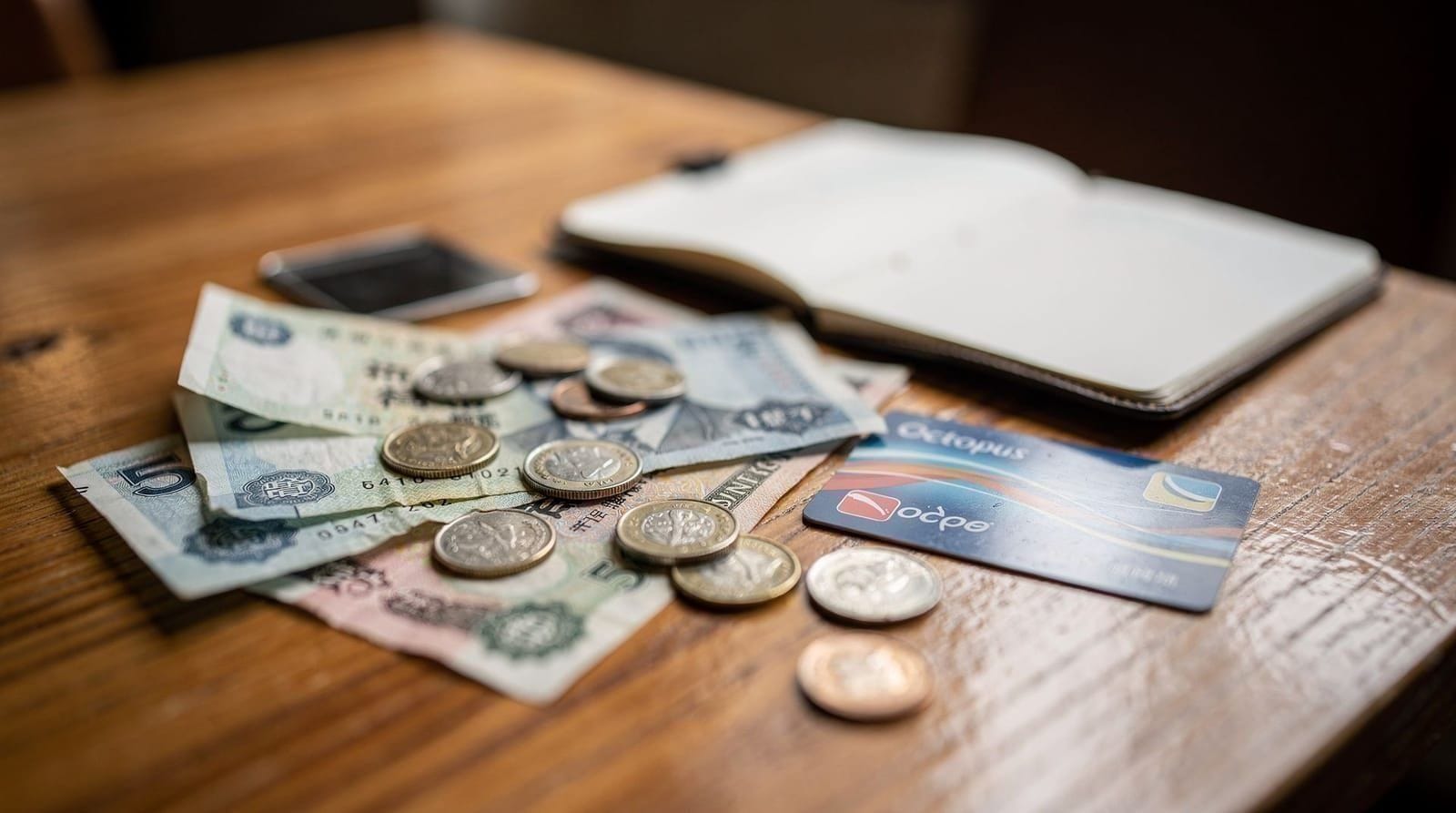
Moving between covered spaces is easier than it sounds. The Hong Kong MTR guide explains how stations link to malls and walkways, and an Octopus card saves you from fumbling with change and an umbrella at the same time. Taxis are an option when a downpour catches you between stations; the Hong Kong taxis guide covers how they work. Ferries and trams are the first services to feel the weather, so check the Star Ferry guide and the Hong Kong Island ferries guide before you plan a harbour crossing on a stormy day.
More ideas for a wet day
If you have already done the big museums, Wong Tai Sin temple and the Chi Lin Nunnery have covered halls, though you will still walk between them. The Hong Kong malls guide helps you choose where to spend a long afternoon, and the Hong Kong food tours page is worth a look if you would rather spend a wet day eating. A cha chaan teng is another warm, dry place to wait out a shower with a milk tea. Families can lean on the Hong Kong with kids guide for ideas that do not depend on sunshine, and anyone packing for the season should read the Hong Kong packing guide.
A realistic three-day wet season plan
Day 1: Arrive, settle in, dim sum lunch, afternoon at M+ Museum regardless of weather — it’s excellent rain or shine.
Day 2: Check the forecast each morning. If clear, go up to The Peak or attempt Dragon’s Back early before afternoon storms build. If wet, default to Sham Shui Po markets and the Hong Kong Palace Museum.
Day 3: Reserve for whichever outdoor plan got rained out on Day 2 — this is the buffer day that makes the whole trip resilient to weather.
This structure — one guaranteed indoor day, one weather-dependent day attempted early, one buffer — handles almost any wet season scenario without wasting a day waiting out the rain.
Frequently asked questions about Surviving Hong Kong’s rainy season — what to do when it pours
How likely is a typhoon to disrupt a Hong Kong trip in summer? A direct Signal 8 hit during any given week-long visit is not guaranteed, but it’s common enough to plan around. Most closures last a few hours; multi-day disruptions are rare. Building one buffer day into your itinerary covers most scenarios.
Is it worth visiting Hong Kong in June–September for the lower prices? Yes, if you’re comfortable adjusting plans around the weather. Hotel and flight prices are noticeably lower, crowds are thinner at major sights, and the indoor culture — museums, malls, dim sum — is strong enough to fill a wet day without feeling like a letdown.