Shenzhen day trip from Hong Kong — border crossings, shopping, and food
Hong Kong: Private Shenzhen day tour from Hong Kong
Can I visit Shenzhen from Hong Kong on a day trip?
Yes, but a China mainland visa is required for most foreign nationals. Take the MTR East Rail Line to Lo Wu or Lok Ma Chau (45 minutes from Hung Hom; see current fares on the official MTR website), then cross on foot into Shenzhen. A full day is recommended — the city is large and the journey time eats into a half-day trip. Budget CNY 300-600 for food and transport within Shenzhen.
Shenzhen in one sentence: a city that did not exist 45 years ago
In 1979, Shenzhen was a collection of fishing villages with a population of around 30,000. Today it is a city of 17 million people with a GDP larger than Hong Kong, a metro system with 16 lines, and a skyline of glass and steel towers that went up — most of them — within the past 20 years. From the Lo Wu border crossing in Hong Kong, the centre of this city is 30 minutes away.
The contrast with Hong Kong is immediate and real. Mandarin replaces Cantonese. Prices drop dramatically — a bowl of noodles that costs HKD 90 in Tsim Sha Tsui costs CNY 15 (roughly HKD 16) across the border. Mobile payment via Alipay or WeChat Pay has completely replaced cash in most establishments. The architecture is newer, the streets are wider, and the sense of a city in continuous construction remains even now.
For travellers with the necessary visa, Shenzhen is a genuine day trip from Hong Kong — different enough to be interesting, close enough to be manageable, and rewarding for food, shopping, or simply the experience of seeing what happens when a country decides to build a world-class city from scratch in four decades.
Critical first step: check your visa situation before planning anything else.
| Where | Lo Wu or Lok Ma Chau border, via MTR East Rail Line |
| Cost | Around CNY 300–600/day, plus MTR fare (see the official MTR website) |
| Time needed | A full day; the journey alone takes 1–1.5 hours |
| Getting there | East Rail Line from Hung Hom (~45 min to Lo Wu) |
| Best time | Weekday morning, before 8am or after 10am |
If a full-blown border crossing sounds like more than you want to manage, see the best day trips from Hong Kong guide for lower-friction alternatives such as Macau, which doesn’t require a mainland China visa.
Visa requirements — read this before booking anything
Most foreign nationals (US, EU, UK, Canada, Australia, and most others) require a Chinese mainland visa to enter Shenzhen. This visa must typically be obtained in advance from a Chinese consulate or embassy.
Shenzhen SEZ visa-on-arrival: A limited visa-on-arrival is available at the Lo Wu and Lok Ma Chau border crossings for nationals of certain countries, valid for up to 5 days and restricted to the Shenzhen Special Economic Zone. However, the eligible nationality list is subject to change, the on-arrival process can be slow (30-60 minutes), and approval is not guaranteed. Never cross on the assumption that you qualify — verify your nationality’s current eligibility at the Chinese consulate in Hong Kong (located at 7 Lower Albert Road, Central) or through the official Chinese embassy in your home country.
If you have a valid Chinese mainland visa already (from a previous trip or obtained for this journey), re-entry is straightforward at any border crossing. Visa on arrival exists as an option but is not reliable enough to plan a day trip around.
Getting to the border from Hong Kong
MTR East Rail Line to Lo Wu
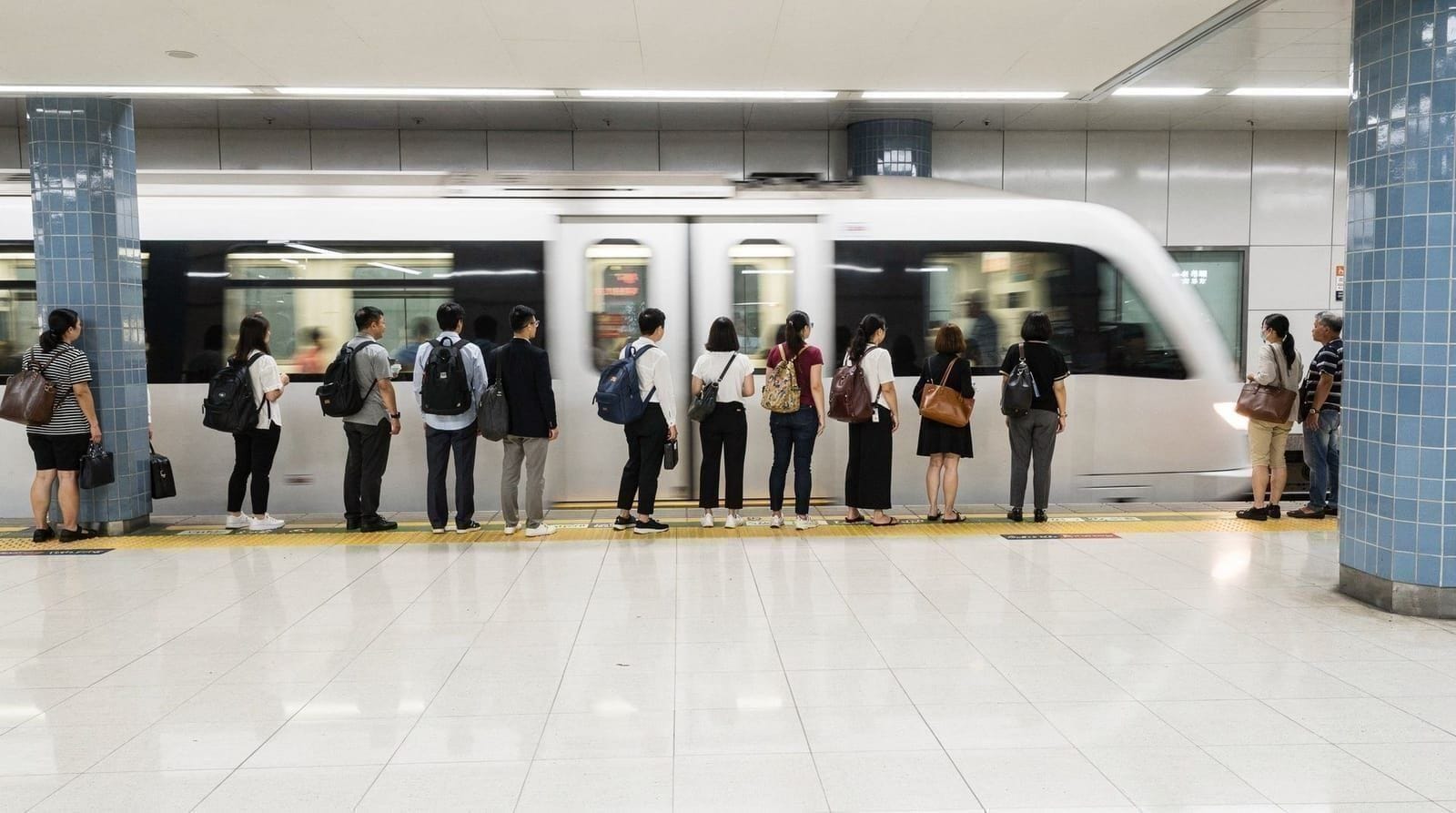
The East Rail Line is the most direct route. The line serves stations across the New Territories: Hung Hom, Mong Kok East, Kowloon Tong, Tai Wai, and up through the New Territories towns. The last Hong Kong station before the border is Lo Wu — about 45 minutes from Hung Hom and 50-55 minutes from Kowloon Tong.
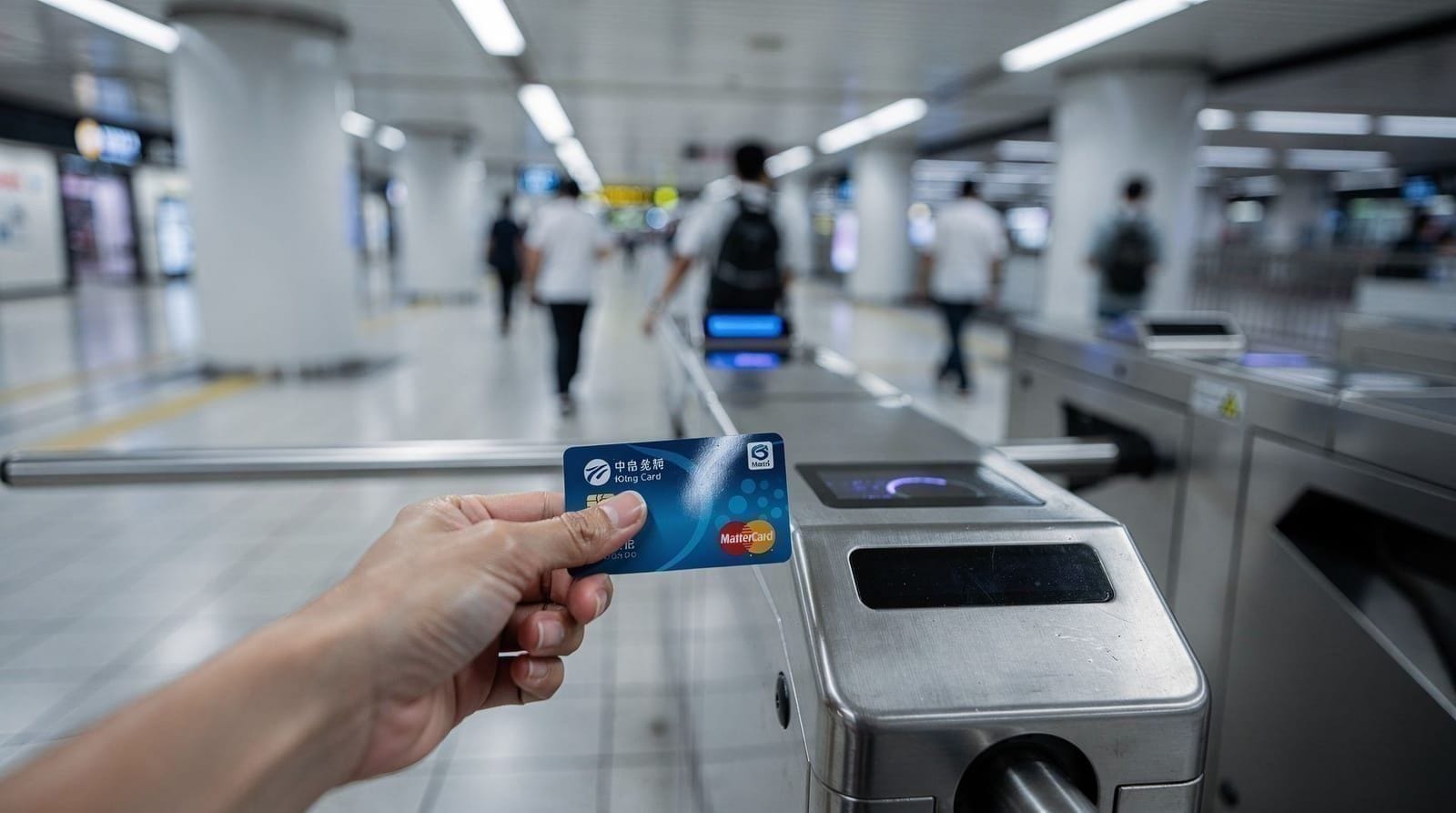
Fares to Lo Wu by Octopus depend on your boarding station; see current fares on the official MTR website. See the Hong Kong MTR guide for full fare information and route planning.
Lo Wu is the busiest crossing. On weekday mornings (8-10am), the queue to cross into Shenzhen is manageable — typically 15-30 minutes. On weekends, Saturday mornings and Chinese public holidays see much longer queues (45-90 minutes at peak). Going early on a weekday is strongly recommended.
MTR East Rail Line to Lok Ma Chau
The alternative crossing at Lok Ma Chau connects to Futian Port on the Shenzhen side via a short pedestrian bridge. The Lok Ma Chau crossing is generally less crowded than Lo Wu and is better positioned for reaching Futian CBD and the metro network heading west toward OCT Loft and Nanshan. On weekdays it often has shorter queues than Lo Wu.
Fare from Hung Hom to Lok Ma Chau by Octopus is similar to Lo Wu; see current fares on the official MTR website.
The border crossing process
- Arrive at Lo Wu or Lok Ma Chau MTR station.
- Follow signs for “Exit to Mainland China” through the station.
- Present your passport at Hong Kong Immigration — this is brief, usually less than 5 minutes.
- Walk across the border bridge or through the connecting corridor.
- Join the queue for Shenzhen Immigration. Have your China visa and passport ready. At Lo Wu, the Shenzhen immigration hall can be very large; follow the “Foreigners” signs rather than the “Mainland Residents” or “Hong Kong, Macao, Taiwan Residents” queues.
- After stamping, you emerge directly into Luohu (Lo Wu side) or Futian (Lok Ma Chau side) and can proceed to your first destination.
Luohu Commercial City — the shopping mall above the border
If you cross at Lo Wu, you emerge directly into the bottom floor of Luohu Commercial City — a multi-level shopping centre that has become famous among Hong Kong shoppers and international tourists for its density of stalls selling tailored clothing, electronics, watches, bags, and massage services.
Tailoring: The first and second floors have dozens of tailoring shops offering custom shirts, suits, dresses, and trousers. A custom-made shirt takes 1-2 days (same-day rush is possible for HKD 200-400 extra); suits take 3-4 days minimum if you want them properly. Prices for a basic custom shirt start at CNY 150-250; for a suit, CNY 800-2,000 depending on fabric and finish. For travellers with enough time in the itinerary (returning in 2-3 days), tailoring at Luohu is genuinely good value for the quality.
Electronics: The third and fourth floors have phone cases, cables, chargers, headphones, and accessories at prices well below Hong Kong retail. Major brands are available; verify authenticity before purchasing. Budget electronics (cases, cables, adapters) are reliably cheap and mostly good quality.
Massage: Multiple floors of massage establishments. Standard Chinese massage, foot reflexology, and traditional treatments run CNY 80-150/hour — a fraction of Hong Kong prices. Quality varies; the busier establishments on the upper floors tend to be more consistent.
Bargaining: This is non-optional at Luohu. Initial prices in tourist-facing stalls are set at 3-5 times the expected final price. Start your counter-offer at 20-25% of the initial asking price and negotiate upward. If you cannot reach an agreement, walking away almost always prompts a better offer. Stalls that will not negotiate at all are rare.
A note on counterfeit goods: Luohu Commercial City and surrounding areas have historically sold counterfeit branded goods. Purchasing these is a legal risk — some countries impose penalties for importing counterfeit items, and Hong Kong customs do occasional checks at the border. Exercise your own judgment.
Beyond Luohu: the rest of Shenzhen
OCT Loft creative district (华侨城创意文化园)
In Nanshan district, roughly 40 minutes by metro from Luohu, OCT Loft (华侨城) is Shenzhen’s most interesting arts and culture area. Former industrial buildings have been converted into galleries, independent coffee shops, bookstores, restaurants, and design studios. It has the feeling of a well-executed creative neighbourhood without being aggressively gentrified — small businesses seem to actually function here.
The OCAT Shenzhen art museum within the complex has rotating contemporary art exhibitions; entry fees vary. The surrounding lanes have excellent coffee (Shenzhen has an excellent specialty coffee scene) and independent restaurants serving everything from sichuan hotpot to Vietnamese pho to Cantonese dim sum.
Getting there: Shenzhen Metro Line 1 from Luohu to Huaqianglu station, then Line 2 to Shijiezhichuang or Qiaocheng Dong — total journey about 40-45 minutes, CNY 6-8.
Window of the World theme park
Adjacent to OCT Loft, Window of the World is a theme park containing 130 scaled-down replicas of world famous landmarks — the Eiffel Tower, Niagara Falls, the Sydney Opera House, the Pyramids. It is unabashedly kitsch and completely entertaining. Entry is CNY 180-220 per adult; the park is large enough for a full afternoon. Ideal for families, particularly those with children aged 8 and older who will genuinely enjoy the spectacle.
Futian CBD and the skyline
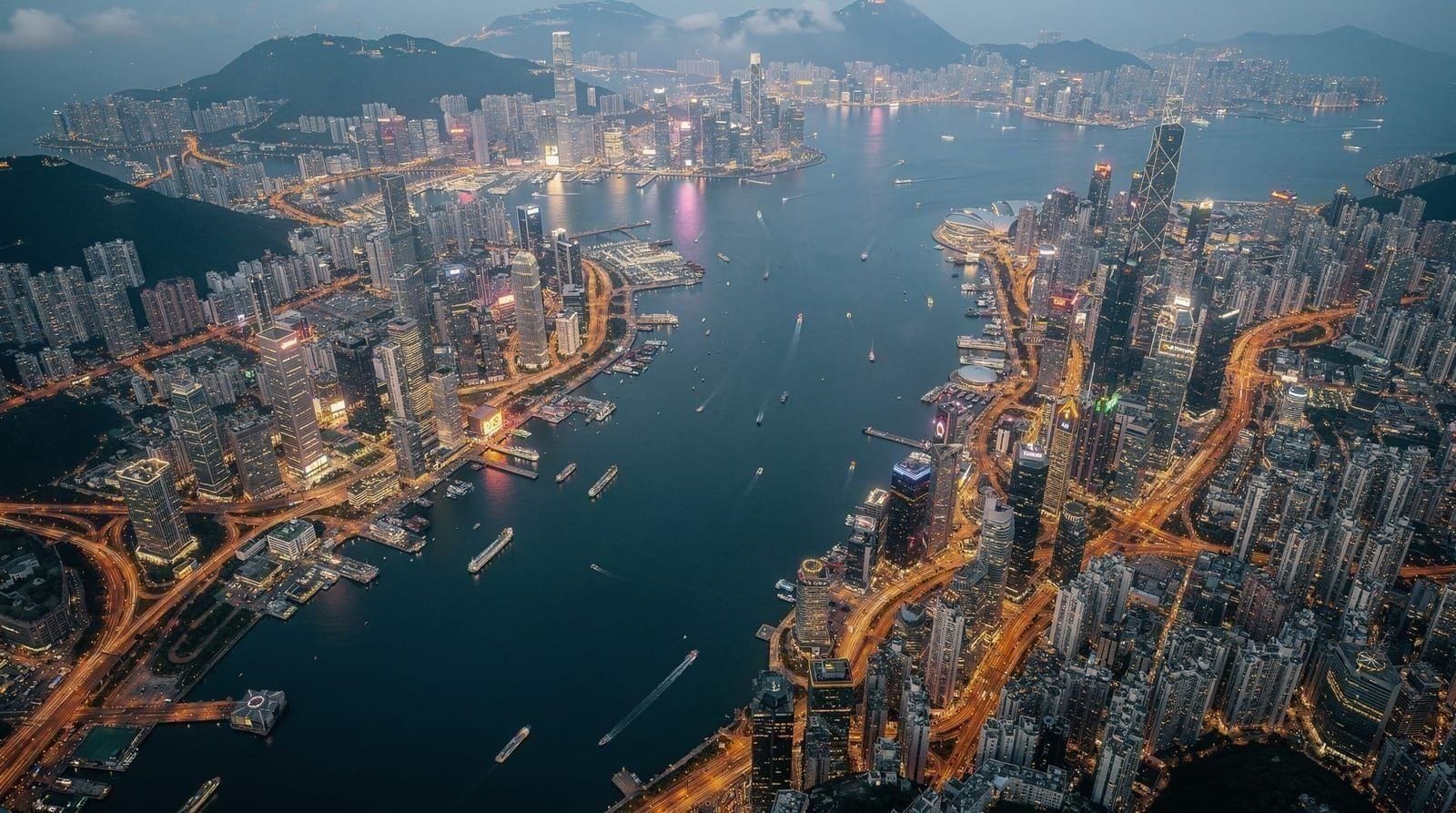
Futian is Shenzhen’s official central business district — the glass tower cluster that is visible across the border from the Hong Kong side. Walking through Futian is interesting for the sheer scale of what was built in two decades. The Ping An Finance Centre (592m) is the sixth-tallest building in the world as of 2026, and its observation deck offers a panorama of the entire Pearl River Delta.
Futian connects directly to the Lok Ma Chau / Futian Port border crossing, making it a logical end point for the day before crossing back to Hong Kong.
Food in Shenzhen
Eating is the most immediately rewarding activity in Shenzhen for visitors from Hong Kong. The food is cheaper, the portions larger, and the variety significant.
Dim sum: Shenzhen has excellent Cantonese dim sum at prices 40-60% below Hong Kong. Restaurant districts in Futian and Luohu serve full dim sum breakfast until 2-3pm. A dim sum meal for two costs CNY 80-150.
Roast goose and roast meats: Cantonese roast goose (see also: the central item of Hong Kong cuisine) is available at restaurants throughout the city at CNY 40-80 for a half portion with rice, versus HKD 130-200+ in Hong Kong for similar quality.
Beef hot pot: Shenzhen’s proximity to the Chaozhou region means excellent beef hot pot — thinly sliced beef cooked tableside in a clear broth and dipped in peanut sauce. CNY 120-180 per person for a full hot pot spread.
Street food: Areas around Dongmen (Luohu) have strong street food scenes: stinky tofu, skewered meats, dan dan noodles, and regional snacks from across China. Budget CNY 30-60 for a street food lunch.
Payment in Shenzhen
Alipay and WeChat Pay dominate cashless payment in Shenzhen to a degree that Hong Kong has not reached. Most restaurants, shops, and even markets accept only these two payment methods — cash is the alternative but increasingly not the norm.
Foreign visitors can now link international Visa or Mastercard directly to both Alipay and WeChat Pay as a tourist payment option, without needing a Chinese bank account. The process involves downloading the app, registering with your passport details, and linking your card — setup takes about 15-20 minutes and works immediately. This is the recommended approach for a smooth day in Shenzhen.
Bring CNY 300-500 in cash as backup. ATMs are common in Shenzhen; your Visa or Mastercard will work at most bank ATMs with a currency conversion fee.
Organised tours for Shenzhen
For travellers who want to skip the border logistics and have an English-speaking guide navigate the city, organised day tours from Hong Kong are a practical option.
This private Shenzhen day tour from Hong Kong includes border crossing assistance, a customised itinerary, and an English-speaking guide throughout — useful if you have limited time and want to see the city efficiently.Check availability This Shenzhen day tour focuses on the city’s theme parks including Window of the World, well suited for families travelling with children who want a structured day.Check availabilityA suggested day itinerary
8:00am: MTR East Rail Line from Hung Hom or Kowloon Tong to Lo Wu
8:45am: Arrive Lo Wu, cross border (allow 30-45 min total for immigration)
9:30am: Explore Luohu Commercial City — tailoring orders, massage, electronics
11:30am: Shenzhen Metro to Huaqianglu, change to Line 2, toward OCT
12:00pm: Lunch at a Cantonese restaurant near OCT Loft (CNY 80-150 for two)
1:30pm: Explore OCT Loft galleries and coffee shops
3:00pm: Window of the World (optional, 2-3 hours if visiting)
3:00pm: (alternative) Metro to Futian CBD, walk around the skyline district
5:00pm: Metro to Futian Port or Luohu, cross border back to Hong Kong
6:00-6:30pm: Back in Hong Kong
Practical tips
Border hours: Lo Wu crossing is open 6:30am to midnight. Lok Ma Chau is open 24 hours. The busiest periods are weekday mornings (8-9:30am) and weekends all day. Arrive before 8am or after 10am to minimise queuing.
What to bring: Your passport (required, not just a Hong Kong travel document), your China visa, some CNY cash, and your phone set up with Alipay or WeChat Pay if possible.
Data and connectivity: Chinese internet is subject to the Great Firewall — WhatsApp, Google Maps, and most Western social media do not work without a VPN. Download maps for offline use (Google Maps allows this) before crossing. WeChat functions as an alternative messaging app within China. Many visitors purchase a Hong Kong SIM with data that continues to work across the border at reduced speeds — check your provider.
A 30-day Hong Kong, China, and Macau data SIM that explicitly supports Google services is worth arranging in advance if you’d rather not rely on a VPN for maps and search across the border.
30-day Hong Kong, China, and Macau data SIM with Google accessReturn crossing: If you cross back at Lo Wu, the Shenzhen side queue in the evening (5-7pm) can be 30-60 minutes. Crossing at Lok Ma Chau or returning via train from Futian Port can sometimes be quicker at peak hours.
Shenzhen vs Macau: which cross-border trip fits your itinerary
Hong Kong offers two very different cross-border day trips, and travellers with only one spare day often need to pick. Macau requires no mainland China visa (it’s a separate SAR with its own entry rules) and rewards you with colonial architecture, casinos, and Portuguese-Macanese food — see the getting to Macau guide for that route.
Shenzhen requires a mainland visa for most nationalities but delivers something Macau can’t: a genuine look at how fast modern China builds cities, dramatically cheaper prices, and a completely different urban texture from anything in Hong Kong or Macau. If you already hold a China visa or your nationality qualifies for the SEZ permit, Shenzhen is the more distinctive of the two trips; if visa logistics are a barrier, Macau is the easier win. The best day trips from Hong Kong guide compares both alongside other options like Lantau and Sai Kung.
What first-timers get wrong about the pace
The single biggest planning mistake for a first Shenzhen day trip is treating it like a Hong Kong neighbourhood outing rather than a genuine international trip that happens to be short. The border process, even on a good day, eats 30–45 minutes each way that visitors often forget to budget for when comparing it to, say, a trip to Sham Shui Po or Sai Kung within Hong Kong itself.
Shenzhen is also physically enormous — Luohu, OCT Loft, and Futian are each substantial districts in their own right, connected by a metro system that, while excellent, still takes real time to traverse. Treat the day as you would a short trip to another country, because that’s functionally what it is, and build in more slack than instinct suggests.
Staying overnight instead of a day trip
Some travellers, especially those without a full day free or those who want to see Shenzhen properly, opt to stay one night across the border rather than rushing the return crossing before the evening queue builds. Shenzhen hotel prices are dramatically lower than Hong Kong for comparable quality — a well-reviewed 4-star hotel in Futian or near OCT Loft often runs a third of what an equivalent Hong Kong Island hotel costs.
This isn’t necessary for most visitors, but if your Hong Kong trip already includes a where to stay comparison across neighbourhoods, it’s worth weighing a Shenzhen overnight against an extra Hong Kong night on cost grounds alone, particularly for budget-conscious travellers who’ve read the case for cheaper eating and shopping across the border.
Combining Shenzhen with your airport transfer
If your flight home departs from Hong Kong International Airport, Shenzhen has its own major airport (Shenzhen Bao’an) connected to Hong Kong by ferry — a detail worth knowing if your onward travel plans ever route through southern China, since it removes the need to backtrack into Hong Kong first. For visitors doing a standard round trip, though, the more relevant logistics question is simply timing your Shenzhen day so you’re back in the city with enough buffer before an early flight; see the airport to city guide for typical journey times from central Hong Kong if you’re stacking a Shenzhen day trip right before departure.
Frequently asked questions about Shenzhen day trip from Hong Kong — border crossings, shopping, and food
Do I need a visa to visit Shenzhen from Hong Kong?
How long does it take to get from Hong Kong to Shenzhen?
What is Luohu Commercial City?
What currency should I bring to Shenzhen?
What are the best things to do in Shenzhen on a day trip?
Is Shenzhen safe for tourists?
How do I get around Shenzhen?
What is the best border crossing for a Shenzhen day trip?
Top experiences
Bookable activities with verified prices and instant confirmation on GetYourGuide.