Hong Kong and Shenzhen 4-day itinerary
Hong Kong: Private Shenzhen day tour from Hong Kong
What this itinerary covers
This four-day itinerary splits your time between two cities that sit 40 minutes apart by train yet feel like different worlds: Hong Kong for its harbour, peaks, and layered colonial-meets-Cantonese culture; Shenzhen for its electronics markets, contemporary art districts, and the peculiar energy of a city that did not really exist before 1980. Days 1 and 2 cover Hong Kong Island and Kowloon thoroughly. Day 3 is a full day across the border in Shenzhen — a genuine city visit, not a shopping detour. Day 4 gives you time to reach the New Territories or an outlying island before departure.
Shenzhen requires a separate Chinese visa from your Hong Kong entry permit. Before you book anything, read the visa note below carefully and check your nationality’s current eligibility for the Shenzhen Special Economic Zone port-of-entry permit.
| Days 1–2 | Hong Kong Island and Kowloon — The Peak, Star Ferry, Wan Chai, Mong Kok, Temple Street |
| Day 3 | Shenzhen — Dafen Oil Painting Village, OCT-LOFT, Huaqiangbei electronics |
| Day 4 | Sai Kung or Lantau, then departure |
| Visa | Required for Shenzhen — check eligibility before booking |
| Total budget | HKD 1,800–2,800 (USD $230–360), excluding accommodation |
| Best for | Tech enthusiasts, art lovers, budget shoppers |
Important: Shenzhen visa requirements
Shenzhen is part of mainland China and requires a separate visa from Hong Kong. Two options exist:
Chinese Tourist Visa (L visa): Apply in advance through the Chinese embassy in your home country (4–7 working days processing). Required for UK, US, EU, Australian, and Canadian nationals.
Shenzhen SEZ 5-day port-of-entry permit: Available without advance application for some Southeast Asian nationalities at Lo Wu or Lok Ma Chau. Check the current eligibility list from the Shenzhen Entry-Exit Bureau — it changes, and eligibility is nationality-specific.
UK, US, Australian, and most EU nationals cannot use the SEZ port-of-entry permit. Apply for the L visa in advance; do not assume you can arrange it in Hong Kong. Always verify current requirements through your country’s Chinese embassy well before travel.
If a visa is not possible, swap Day 3 for Lantau Island or Sai Kung, both covered at the end of this guide.
Day 1 — Hong Kong Island: The Peak, Central, Star Ferry, Wan Chai
Morning: airport arrival and The Peak
Take the Airport Express to Hong Kong Station (24 minutes, HKD 120 / USD $15) and pick up an Octopus card at the airport — it covers all MTR journeys, buses, and the Star Ferry. Read our first-time Hong Kong guide for visa requirements and other basics before you arrive, and the first-timer mistakes guide if this is your first visit to the city, since several common mistakes (Peak Tram queues, poor Temple Street timing) apply directly to Days 1 and 2.
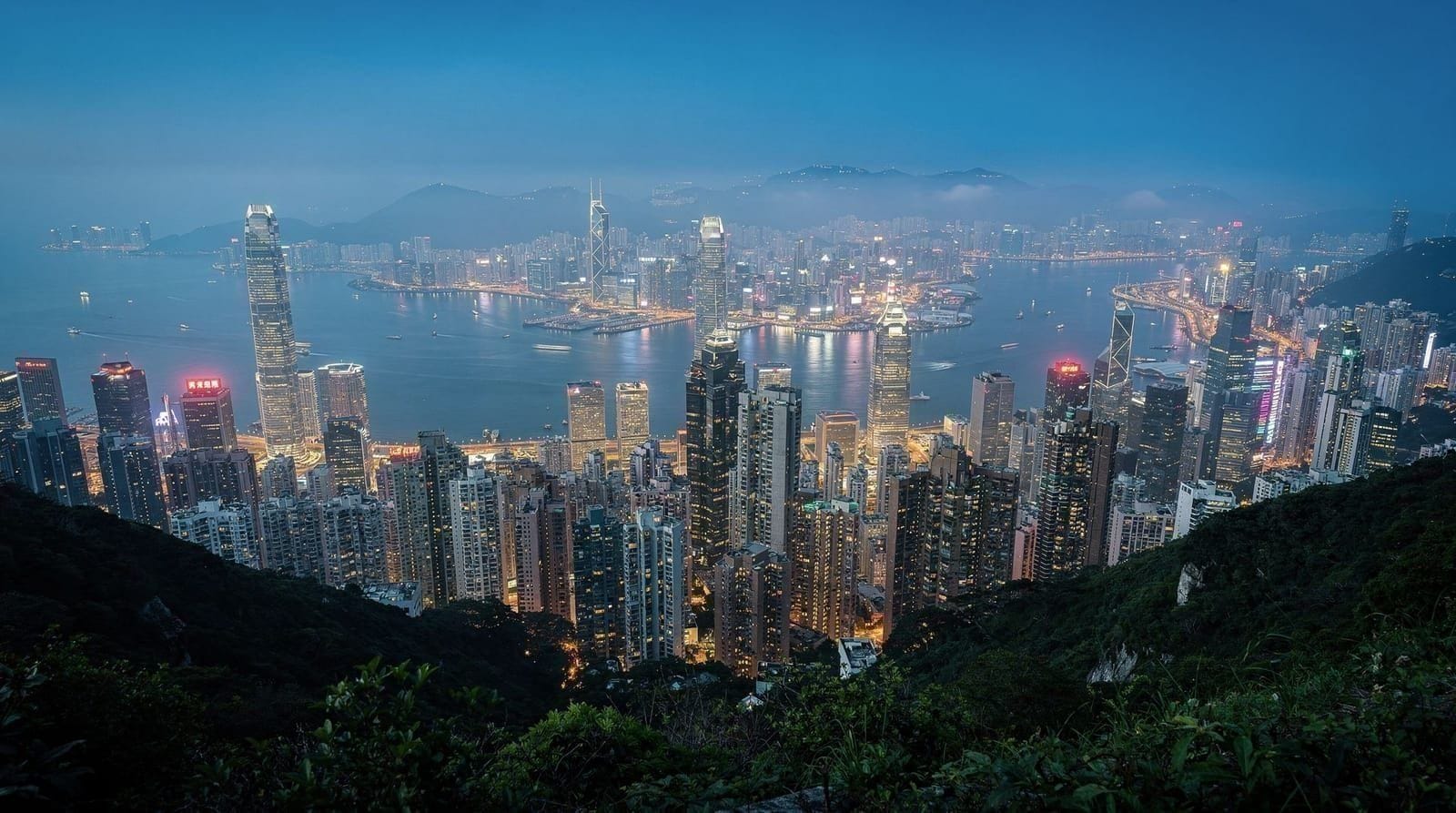
If you land early enough, head straight to The Peak. The Lower Peak Tram Terminus is on Garden Road in Central — 12 minutes uphill from Hong Kong Station on foot, or Bus 12 from Des Voeux Road Central. The Peak Tram takes 8 minutes to ascend at a 27-degree incline.
The Sky Terrace 428 at the top gives a 360-degree view across the city, harbour, and Kowloon at 428 metres elevation. See thepeak.com.hk for current Sky Terrace 428 prices. For avoiding the worst queues, book in advance online — weekend queues can reach 60–90 minutes without a pre-booked ticket.
Peak Tram return and Sky Terrace 428 entry — skip the ticket queue at the tram terminusCheck availabilityThe Peak Circle Walk is free — a 3.5 km flat path around the summit with partially filtered harbour views. Allow 45 minutes. Shaded for most of its length and manageable even in humidity.
Our detailed Victoria Peak guide covers the best times to visit and how to handle the tram crowds.
Afternoon: Central, Sheung Wan, and the Star Ferry
Back down in Central and Sheung Wan by 13:00, have lunch in the neighbourhood. The dai pai dong stalls behind the Central Market on Queen Victoria Street serve congee and noodles from HKD 40–55 (USD $5–7). For sit-down dim sum, the area around Des Voeux Road Central has Cantonese restaurants with weekday set lunches for HKD 90–130 (USD $12–17).
After lunch, walk through Sheung Wan — the western end of the neighbourhood, around Hollywood Road and Cat Street (Upper Lascar Row), has antique dealers, curio shops, and the occasional genuine find among the tourist goods. Tai Ping Shan Street nearby has independent cafes and galleries that replaced the old medicine shops. Allow an hour.
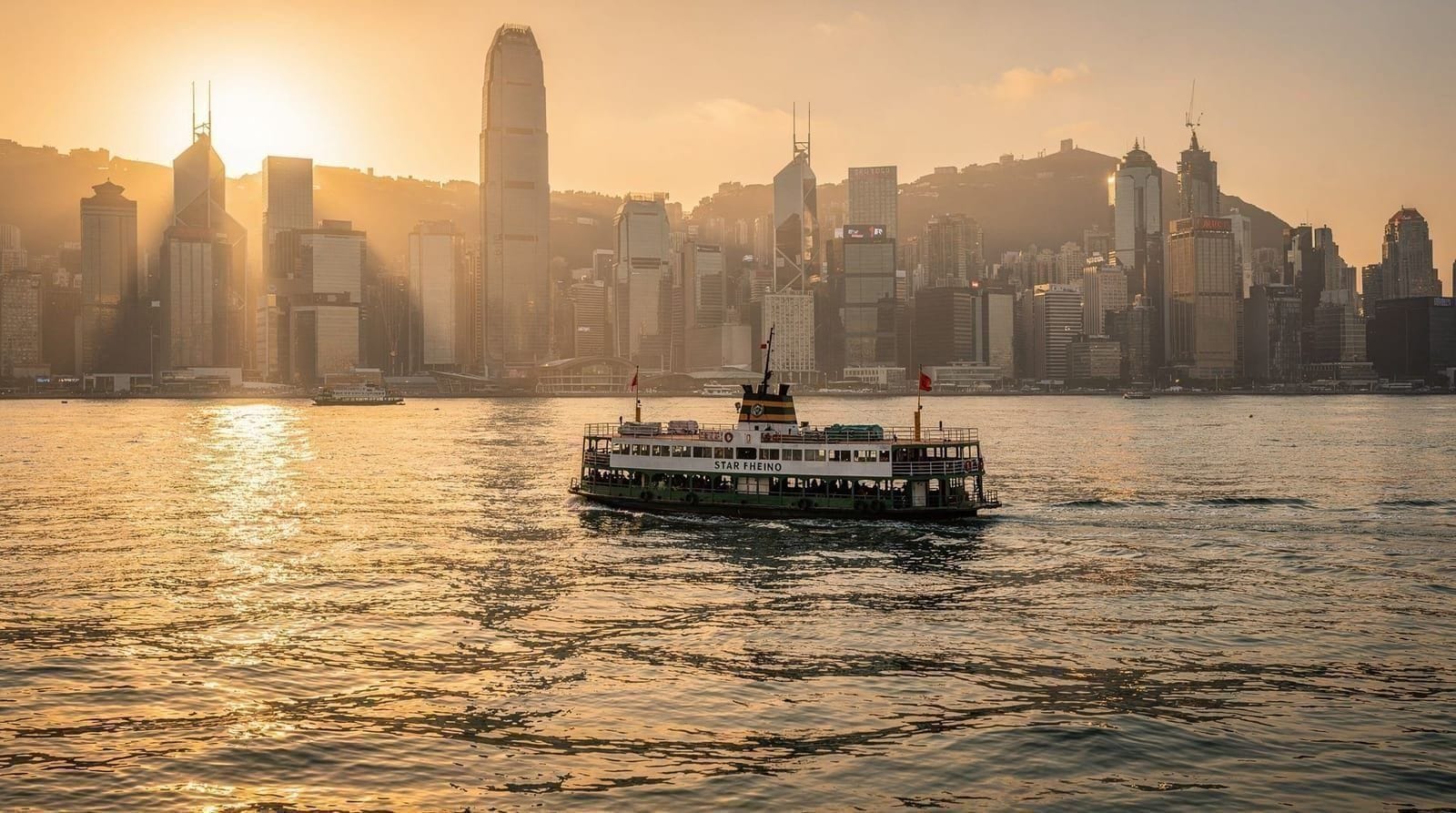
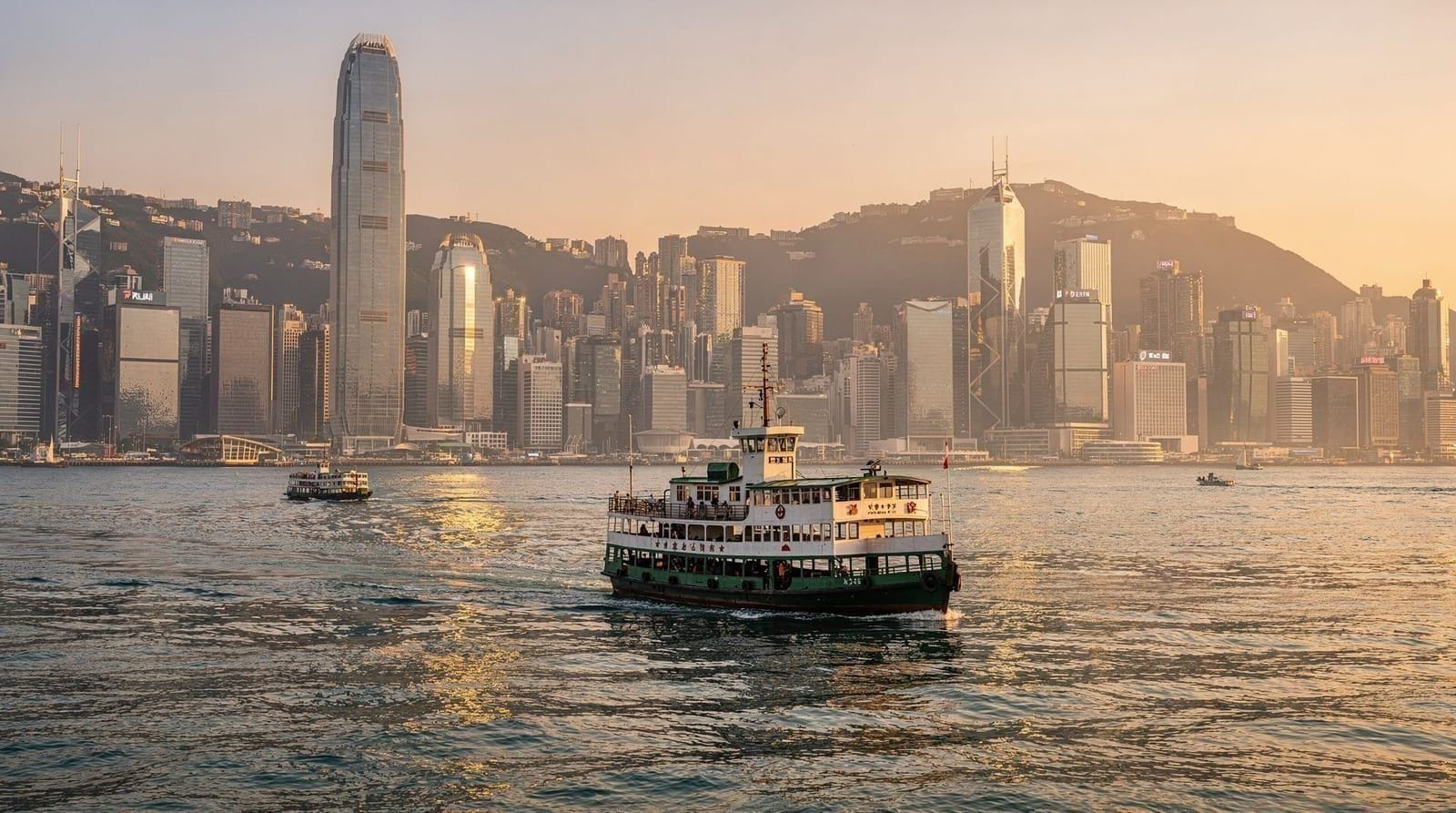
For the Star Ferry, walk to the Central Ferry Piers on Man Kwong Street. Pier 7 is the Tsim Sha Tsui crossing: HKD 5.0 (Mon–Fri) or 6.5 (weekends and public holidays) upper deck, 8 minutes across the harbour. Do not take the MTR for this crossing — the view from the ferry is one of Hong Kong’s defining experiences. Our Star Ferry guide explains why.
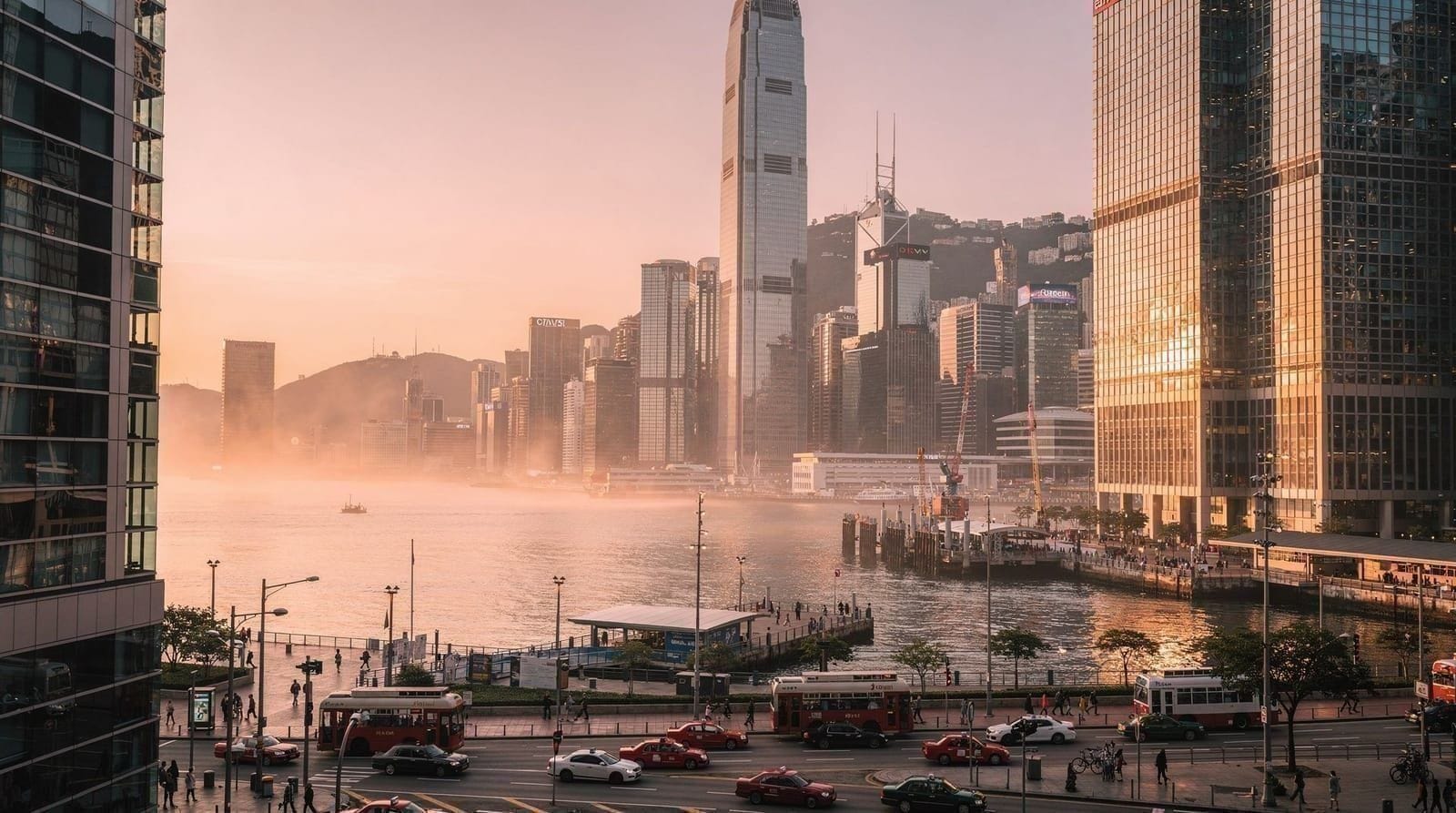
Half-day guided city highlights tour including Peak Tram and Star Ferry — useful if you want orientation on Day 1Check availabilityOn the Kowloon side, walk east along the Tsim Sha Tsui Promenade — 1.7 km of unobstructed harbour views and the skyline behind you. The afternoon light in the late afternoon hits the glass buildings on Hong Kong Island cleanly.
Evening: Wan Chai for dinner
Return via Star Ferry to Central, then take the MTR east to Wan Chai (Island Line, fare HKD 4.9 / USD $0.63). Wan Chai is one of the most layered districts on Hong Kong Island — traditional tong lau shophouses alongside hotels, the wet market on Bowrington Road winding down for the day, and a dense concentration of affordable restaurants from Cantonese roast meat shops to Vietnamese and Thai.
Dinner in Wan Chai: a roast goose and char siu rice at any of the roast meat restaurants along Johnston Road runs HKD 60–90 (USD $7.70–11.50). For a wider spread, the side streets around Wan Chai Market have restaurants serving curry fish balls, wonton noodles, and clay pot rice.
Total Day 1 spending (excluding accommodation): HKD 350–550 (USD $45–70), more if you do the Sky Terrace.
Day 2 — Kowloon: TST, Mong Kok, Temple Street
Morning: Tsim Sha Tsui and the waterfront
Start at the Tsim Sha Tsui waterfront by 09:30, before the crowds build. The stretch of promenade from the Clock Tower east to the Hong Kong Museum of Art gives you the full Hong Kong Island skyline in the morning light — this is the view that appears on every postcard, and it earns its reputation.
For morning dim sum nearby, restaurants on Haiphong Road and the side streets south of Nathan Road have trolley-cart yum cha from 07:30. Budget HKD 80–130 (USD $10–17) per person. Our dim sum guide has recommendations beyond the tourist traps.
Afternoon: Mong Kok markets
Take the MTR from Tsim Sha Tsui north two stops to Mong Kok (Tsuen Wan Line, fare HKD 5.4 / USD $0.69). Mong Kok is dense, loud, and exactly as Hong Kong as it gets: one of the highest population densities on earth compressed into a grid of neon-signed commercial streets.
The Flower Market on Flower Market Road operates daily (10:00–18:00); wholesalers deliver early and the market peaks around 11:00. The Bird Garden on Yuen Po Street is two minutes’ walk away — cages of songbirds, the sound of them, and old men comparing their pets outside. Both are free and worth 30–40 minutes combined.
Ladies Market on Tung Choi Street is pure tourist commerce — cheap clothing, bags, and goods, open from noon to 23:00. Shopping is secondary to the atmosphere: 600 metres of stalls and the bargaining that goes with them. Budget HKD 100–200 (USD $13–26) if you want to buy anything; start at half the asking price.
Evening: Temple Street Night Market
Walk or MTR one stop south to Jordan (Tsuen Wan Line, HKD 4.9). Temple Street Night Market sets up from 17:00 and is fully operational by 18:30, running until midnight. The stalls sell watches, phone accessories, clothing, and tourist goods. The realistic price on most items is 30–40% of the opening ask — bargaining is standard.
The dai pai dong cooked food stalls in the middle section of the market (near the Tin Hau Temple) serve typhoon shelter crab in season, stir-fried clams, roasted pigeon, and congee. Dinner at one of these outdoor stalls costs HKD 130–200 (USD $17–26) per person with beer.
Fortune tellers operate between the temple and the Kansu Street junction — Cantonese opera singers sometimes set up here in the evenings. Neither costs anything to watch.
Total Day 2 spending (excluding accommodation): HKD 300–450 (USD $38–58).
Day 3 — Shenzhen: art village, electronics, creative district
Getting to Shenzhen
Leave your hotel by 08:30. Take the MTR East Rail Line from Hung Hom Station to Lo Wu Station — the last stop before the Mainland border (HKD 37 / USD $4.75, approximately 40 minutes). The East Rail Line runs from Hung Hom, stopping at Mong Kok East, Kowloon Tong, Sha Tin, and further through the New Territories. Trains depart frequently.
At Lo Wu Station, follow the signs for the border crossing (immigration is on an upper floor of the station building). Clear Hong Kong immigration, walk across the bridge, and clear Mainland immigration on the other side. The process takes 15–30 minutes during non-peak hours; avoid Monday mornings and public holiday weekends when queues can extend to an hour. Your Chinese visa or port-of-entry permit is checked at the Mainland side.
Once through, you are in Lo Wu Shopping Centre — walk straight through to the Shenzhen Metro. Buy a single-journey ticket at the machines (English interface; accepts WeChat Pay, Alipay, and CNY cash). Bring small-denomination CNY cash (100–200 CNY / approximately HKD 110–220) as backup — most Shenzhen businesses also accept Alipay with a loaded international card. Do not exchange currency in the Lo Wu mall; use ATMs in the metro stations for CNY at interbank rates. The exchange rate is approximately 0.88 CNY per HKD.
Morning: Dafen Oil Painting Village
From Lo Wu, take the Shenzhen Metro Line 5 (Huanzong Line) south-east to Buji Station, then change to Line 3 toward Shuanglong. Get off at Tanling Station (the whole journey is about 30–35 minutes, CNY 4–6 / HKD 4.5–7). From Tanling Station, Dafen Village is a 15-minute walk or CNY 10–15 taxi ride.
Dafen Oil Painting Village is the world’s largest centre for art reproduction — at its peak this one Longhua neighbourhood supplied roughly 70% of the world’s mass-produced oil paintings. Around 1,000 studios still operate here. Entry is free; narrow lanes lined with open-fronted studios where artists work at canvases while buyers browse. Reproductions sell from CNY 100–500 (HKD 113–565 / USD $14–69) by size. Even without buying anything, the village is an hour of genuinely absorbing strangeness.
Private guided Shenzhen day tour from Hong Kong — includes border crossing logistics, English-speaking guide, and transport between sitesCheck availabilityMidday: OCT Loft Creative Arts District
From Dafen, take a taxi to OCT-LOFT (Overseas Chinese Town Creative Culture Park) — approximately CNY 30–50 (HKD 34–57) depending on traffic. Journey is 20–30 minutes.
OCT-LOFT occupies repurposed industrial buildings in the Nanshan district — Shenzhen’s most established contemporary arts and design precinct, with factory buildings converted into galleries, architecture studios, design shops, and cafes. The main area is walkable in about an hour. Cafes and restaurants inside the complex charge CNY 60–120 (HKD 68–136 / USD $8.30–17.50) for a sit-down meal. Lunch here means you arrive at Huaqiangbei in the early afternoon when it is busiest and most interesting.
Afternoon: Huaqiangbei Electronics Market
Take the MTR from OCT to Huaqiang Road Station (Line 7 or Line 1 depending on route — approximately 15–20 minutes, CNY 3–5). Huaqiangbei is one stop from Gangxia Station.
Huaqiangbei (华强北) is the world’s most concentrated electronics market — several large malls stacked 5–7 floors on a single block. SEG Electronics Market is the biggest; Mingtong Digital City sits next door. Floors are loosely organised by category: phones, components, cables, accessories, drones, and semi-assembled circuit boards at prices 20–60% below retail outside China. Navigation is deliberately chaotic. Some vendors speak basic English; Google Translate’s camera function handles signage. Pay by WeChat Pay or cash, and test any electronics before buying. Allow 1.5–2 hours.
Return to Lo Wu for the border crossing back to Hong Kong. Allow 30–40 minutes buffer for immigration queues, which build in the late afternoon. Crossing after 18:00 often means a 45–60 minute wait at both immigration counters. Clear Mainland immigration, walk back across the bridge, clear Hong Kong immigration, and take the East Rail south to your hotel.
Total Day 3 spending in Shenzhen (excluding border transport): CNY 200–400 (HKD 230–455 / USD $29–58) for lunch, metro, taxis, and light shopping.
Day 4 — New Territories or outlying island before departure
Morning: Sai Kung or Lantau
Day 4 depends on your flight time. If you have an evening departure, you have a full day. If flying mid-afternoon, take the morning for one of two options:
Sai Kung (recommended for coastal scenery): MTR to Diamond Hill (Kwun Tong Line, 35 minutes, HKD 12.5 / USD $1.60), then minibus 1A to Sai Kung Town (30 minutes, HKD 10). Sai Kung’s waterfront seafood restaurants let you pick your own crab or grouper from tanks — lunch for two with a full spread runs HKD 350–600 (USD $45–77). Kaido ferries from the town pier reach Sharp Island and Kiu Tsui Beach (HKD 50–80 return).
Lantau Island (for the Big Buddha): Take the MTR Tung Chung Line west to Tung Chung Station (35 minutes from Hong Kong Station, HKD 23 / USD $2.95), then the Ngong Ping 360 cable car to the monastery plateau at 520 metres (HKD 295–365 return depending on cabin type, USD $38–47). The Tian Tan Buddha (the Big Buddha) is a 34-metre bronze seated Buddha visible from the cable car and accessible via 268 steps from the monastery courtyard below. Entry to the lower level is free; access to the platform around the statue costs HKD 30 (USD $3.85). The adjacent Po Lin Monastery serves vegetarian lunch from 11:30 (prices on the monastery’s official website).
Sai Kung Geopark private boat tour — the easiest way to reach the sea stacks and geological formations without navigating the minibus networkCheck availabilityOur outlying islands guide covers Lantau, Lamma, Cheung Chau, and the Sai Kung peninsula in more detail.
Afternoon: return and departure
Return to Hong Kong Station for the Airport Express with 2.5 hours before your flight. Use the in-town check-in counters at Hong Kong Station (open until 60 minutes before departure for most airlines) to drop bags before boarding — it eliminates the terminal scramble. Factor this window into when you leave your final activity.
Shenzhen versus Macau: which cross-border day suits you
Shenzhen and Macau occupy the same slot in a lot of Hong Kong itineraries — a single day across a different border — but they could not be more different in character.
| Shenzhen (this itinerary) | Macau | |
|---|---|---|
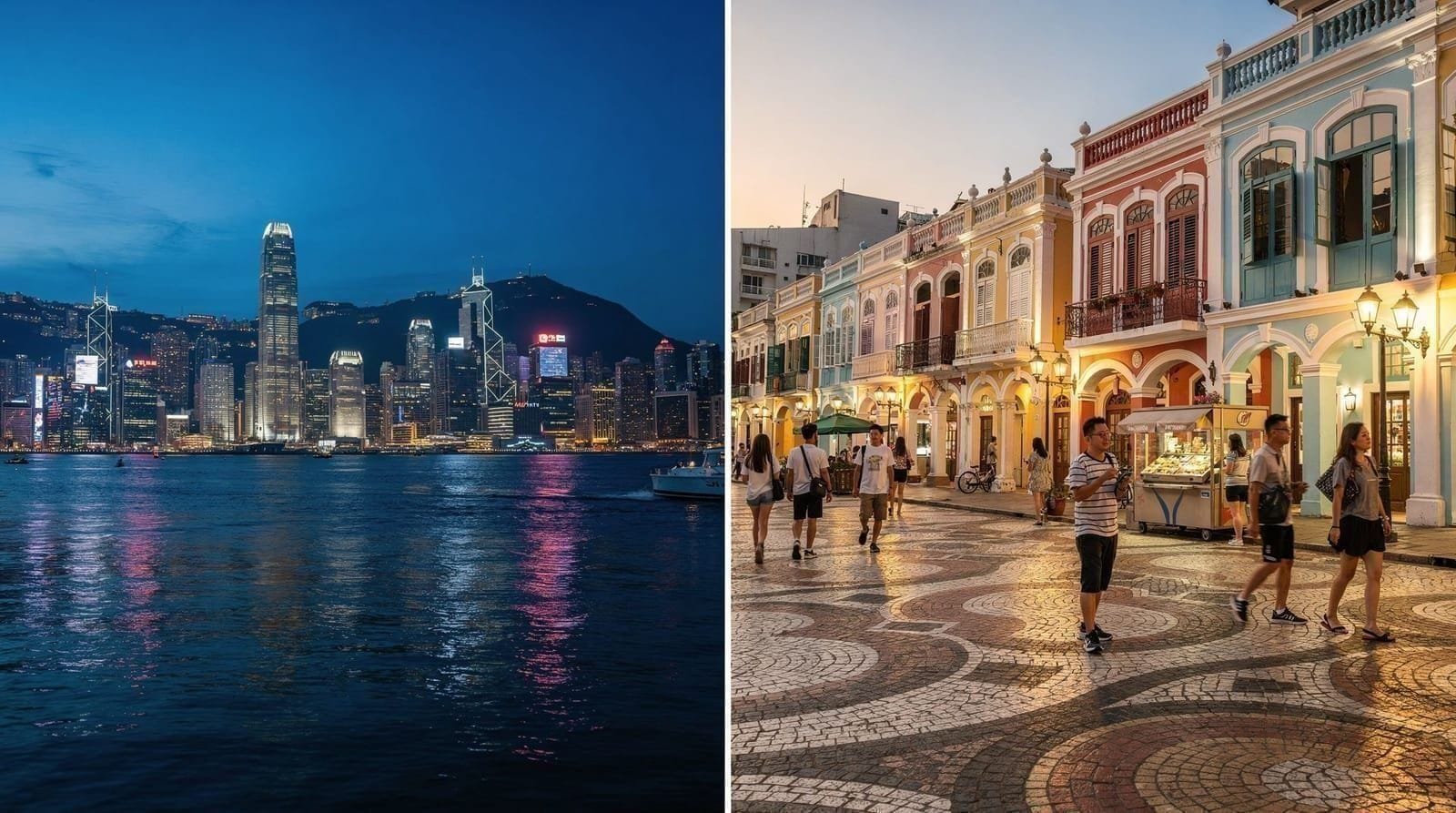
| Character | Modern megacity, electronics, contemporary art | Colonial-era architecture, Macanese food, casinos |
| Border | Land crossing at Lo Wu, mainland Chinese visa likely required | Ferry crossing, visa-free for most nationalities |
| Crossing time | About 40 minutes by East Rail Line | 55–75 minutes by ferry |
| Currency | Chinese Yuan (CNY) | Macau Pataca, but HKD accepted everywhere |
| Best for | Tech, art, budget shopping, urban contrast | History, architecture, food, an easier border |
If the visa requirement rules out Shenzhen for your passport, the Hong Kong and Macau 4-day itinerary is a close structural match — same Days 1–2, a different Day 3 across an easier border. Some travellers with more time do both on a single trip, treating Shenzhen and Macau as two distinct fifth and sixth days rather than choosing between them; if that appeals, this itinerary’s Days 1–2 plus Day 3 can simply be extended with a Macau day before Day 4’s Sai Kung or Lantau close.
Making the Shenzhen day less rushed
Day 3 as written covers three distinct districts (Dafen, OCT-LOFT, Huaqiangbei) in a single day, which is achievable but leaves little slack. If you would rather go deeper into fewer places, cut Dafen Village and start directly at OCT-LOFT — this buys 60–90 minutes that can go toward a slower, more thorough pass through Huaqiangbei’s electronics malls, which reward unhurried browsing far more than a rushed hour does.
Alternatively, if art interests you more than electronics, spend the freed-up time in Dafen instead and treat Huaqiangbei as an optional final stop rather than the day’s centrepiece. Either way, resist the urge to add a fourth Shenzhen district on top of this itinerary’s three — the border crossing itself, in both directions, already eats close to 90 minutes of the day once queues are accounted for, and a rushed fourth stop tends to feel like an afterthought rather than a proper visit.
What Day 4’s alternatives leave out
Day 4 offers a binary choice between Sai Kung and Lantau, but if your flight allows a fuller day, both the Sai Kung Geopark guide and the Lantau Big Buddha day trip guide go into more depth than a half-day slot permits — worth reading in advance so you know what you are trading off by keeping this final day short. For a broader sense of what a longer Hong Kong stay could add beyond Day 4’s single half-day slot, the how many days in Hong Kong guide and the top things to do guide are both useful if this trip turns out to be the first of several visits rather than a one-off.
Practical notes and budget
Getting around Hong Kong: The MTR covers every destination in this itinerary. Use an Octopus card for MTR, buses, and the Star Ferry (HKD 5.0 weekdays / 6.5 weekends, upper deck) — use the ferry for every harbour crossing rather than the tunnel.
Shenzhen transport: The Shenzhen Metro is well-signed in English; single-journey tickets cost CNY 2–10. Taxis are cheap (flag fall CNY 10 / HKD 11) and widely available.
Where to stay: Kowloon (Tsim Sha Tsui or Jordan) gives faster MTR access to Lo Wu for the Shenzhen crossing and puts you near the waterfront and Temple Street. Read our where to stay guide for an area comparison, or the where to stay by budget guide if cost is the deciding factor across a 4-day trip like this one.
Budget breakdown (excluding accommodation):
- Airport Express return: HKD 215 (USD $27.50)
- Peak Tram + Sky Terrace: HKD 182 (USD $23.30)
- MTR Hong Kong (4 days): HKD 150–250 (USD $19–32)
- Star Ferry crossings: HKD 20–35 (USD $2.60–4.50)
- East Rail to Lo Wu return: HKD 74 (USD $9.50)
- Shenzhen Metro + taxis (Day 3): CNY 80–150 (HKD 90–170 / USD $11.50–22)
- Meals, 4 days, mid-range: HKD 900–1,400 (USD $115–180)
- Shenzhen lunch + light purchases: CNY 150–300 (HKD 170–340 / USD $22–43)
- Entry fees (museum, cable car optional): HKD 0–365 (USD $0–47)
- Approximate total: HKD 1,800–2,800 (USD $230–360)
See our Hong Kong budget breakdown for mid-range and luxury alternatives, and our Shenzhen day trip guide for border logistics and alternatives if electronics markets are not the priority.
Frequently asked questions about this 4-day Hong Kong itinerary
Do UK and US citizens need a visa for Shenzhen?
Yes. British, American, Australian, and most EU passport holders cannot use the Shenzhen SEZ port-of-entry permit and must apply for a standard Chinese Tourist Visa (L visa) through the Chinese embassy in their home country before travel. Processing typically takes 4–7 working days. Apply well in advance — do not assume you can arrange it in Hong Kong, as the Chinese consulate in Hong Kong operates on a different schedule.
Can I use my Hong Kong Octopus card in Shenzhen?
No. The Octopus card is not accepted on the Shenzhen Metro or by Shenzhen taxis and buses. Buy a single-journey ticket at the metro station (machines have English and accept CNY cash, WeChat Pay, and Alipay) or pick up a Shenzhen Transit Card. If you have set up Alipay with an international card, it is the most convenient payment method in Shenzhen for both transport and shops.
How long does the Lo Wu border crossing take?
Under normal conditions, allow 20–30 minutes from the Hong Kong immigration counter through to the Shenzhen side. Peak times — Friday evenings heading north, Sunday evenings heading south, and public holiday weekends — can extend this to 60–90 minutes. Arriving at Lo Wu by 09:15–09:30 means crossing before the main wave of cross-border commuters and day-trippers who leave mid-morning.
Is it safe to eat street food in Shenzhen?
Yes. Shenzhen’s food hygiene standards in restaurants and food courts are generally good. Street vendors are more variable — cooked-to-order items (skewers, dumplings, noodles made fresh) carry lower risk than pre-prepared dishes left sitting at room temperature. Stalls at OCT-LOFT and the food courts inside Huaqiangbei’s malls are reliable. Stick to boiled or stir-fried dishes and avoid raw items from street stalls.
What if I cannot get a Chinese visa — can I still use this itinerary?
Yes. Replace Day 3 with an alternative Hong Kong day: Lantau Island and the Big Buddha (Ngong Ping 360 cable car, Tai O fishing village), or a day in Causeway Bay and the eastern harbour. Compare with our 4-day Hong Kong only itinerary for a well-structured alternative. The Hong Kong days in this itinerary are self-contained.
How does this itinerary compare to the Hong Kong and Macau version?
Macau is primarily about UNESCO heritage architecture, Macanese cuisine, and the atmosphere of the old Portuguese colonial districts. Shenzhen is about urban spectacle, contemporary art, electronics, and the experience of a city that went from farming village to megacity in 40 years. If you have only one day for a cross-border excursion, the choice depends on whether you prioritise history and food or technology and contemporary culture. Compare with our Hong Kong and Macau 4-day itinerary.
Is Dafen Oil Painting Village worth the journey?
For most visitors — even those with no interest in art — yes. The combination of scale, visible production process, and quality range from factory-grade to genuinely skilled is fascinating regardless of whether you buy anything. The journey from Lo Wu takes around 45 minutes via metro. Go before Huaqiangbei, not after — you will be more receptive in the morning. If you do end up buying a piece, ask about shipping — most studios can arrange it for larger canvases, which saves carrying an awkward rolled painting through the rest of the day and back across the border.
Top experiences
Bookable activities with verified prices and instant confirmation on GetYourGuide.

Hong Kong: Private Shenzhen day tour from Hong Kong
Hong Kong: Shenzhen city and theme parks wonderful one day tour

Hong Kong: From Shenzhen Hong Kong heritage skyline and harbour view

Hong Kong: Heritage highlights tour with Peak Tram and Star Ferry