Hong Kong with teenagers 4-day itinerary
Hong Kong Disneyland: Park tickets
Duration: 1 day
Hong Kong is an unusually good destination for teenagers — dense, fast-moving, visually extreme, and easy to navigate independently once you hand them an Octopus card and show them how the MTR works. The city rewards curiosity and tolerates diverging interests within a group: one teenager can spend two hours in an Apliu Street electronics market while another investigates every boba tea variation in a nearby arcade.
This four-day itinerary is built for families with teens aged roughly 12–17, mixing theme parks with street markets, urban hikes, night photography, and a baking workshop that most teenagers find considerably more interesting than they expect. If your children are younger (under 12), the Hong Kong with kids guide and the family itinerary are better starting points.
Budget for this itinerary: a family of two adults and two teenagers should expect HK$1,500–2,500 per day on activities and transport, plus HK$400–700 on meals per day. Theme park days are the most expensive single items — Disneyland and Ocean Park entry costs alone run HK$2,000–2,500 for a family of four. The Hong Kong budget breakdown has category-by-category cost estimates if you are planning ahead.
| Where | Disneyland, Sham Shui Po, Mong Kok, Ocean Park, The Peak, Central/Sheung Wan |
| Cost | Around HK$1,500–2,500/day on activities + HK$400–700/day on meals for a family of 4 |
| Time needed | 4 full days |
| Getting there | MTR throughout, dedicated Disneyland Resort Line, bus/taxi to Ocean Park |
| Best time | October–December for comfortable weather and shorter theme park queues |
The four days at a glance
| Day | Focus | Best for |
|---|---|---|
| Day 1 | Hong Kong Disneyland | Marvel/Mystic Manor fans |
| Day 2 | Sham Shui Po, Mong Kok, Temple Street | Electronics, sneakers, markets |
| Day 3 | Ocean Park, escape room or Peak at night | Thrill-ride teens |
| Day 4 | Peak, street art, baking workshop, Star Ferry | Photography, hands-on activity |
Day 1 — Hong Kong Disneyland
Getting there
From Tsim Sha Tsui or Central, take the MTR to Sunny Bay Station (Tung Chung Line), then transfer to the dedicated Disneyland Resort Line for the final 3-minute connector to the park gates. The Resort Line runs every 4 minutes and uses themed carriages with Mickey Mouse window cutouts and rounded interior panels — it sounds minor, but for teenagers who claim to be too old for Disney, the train usually produces a crack in the armour. MTR fare to Sunny Bay from central Kowloon runs HK$18–25 depending on origin; the Resort Line leg is included in the same fare calculation.
The park typically opens at 10:00 on weekends and public holidays and 10:30 on weekdays, though this changes seasonally and for special events. Check the official Disneyland Hong Kong website the day before and aim to arrive 20 minutes before gates open. The first 30–45 minutes after opening are when the most popular attractions have the shortest queues — use that window for Hyperspace Mountain and Mystic Manor before the crowds build.
Book Hong Kong Disneyland tickets online before you go — walk-up prices are higher, and peak dates (school holidays, weekends) can sell out of lower-tier pricing.Check availabilityWhat works for teenagers specifically
Hong Kong Disneyland has two attractions that do not exist at any other Disney park: Mystic Manor and the Grizzly Gulch mine train. Mystic Manor is widely regarded as the most sophisticated dark ride in the park — no jump scares, but genuinely inventive storytelling — and teenagers who consider themselves past the age of Disney tend to respect it. Hyperspace Mountain is the park’s main coaster, a Star Wars-themed version of Space Mountain with a steeper first drop than the US or European versions.
The Marvel-themed area (Avengers Campus) is the other anchor for teenage visitors: the Iron Man Experience simulator and the Ant-Man ride hold up well for older park-goers. For teenagers who have been to other Disney parks, the smaller scale of the Hong Kong version is obvious — this is a one-day park, not a two-day one — but the exclusivity of Mystic Manor and the quality of Avengers Campus make the day worthwhile.
Costs and practical notes
Adult ticket (12+): from HK$669 per day depending on the date. Child (3–11): from HK$499. Children under 3 enter free. Food inside the park is theme-park priced: HK$80–140 for a counter-service meal, HK$250–350 for a sit-down restaurant. The Crystal Lotus restaurant serves Cantonese food at a higher standard than the quick-service options and is worth considering for lunch if queue times push midday dining later than 13:00.
Mobile app: the official Disneyland Hong Kong app has real-time queue estimates for every attraction. Download before arriving. Lightning Lane (skip-the-line) is available for specific attractions; on a busy day, buying one Lightning Lane pass for Hyperspace Mountain (HK$90–130 per person) can save 45–60 minutes.
Evening: Dinner in Causeway Bay
Return via MTR from Sunny Bay, change to the Island Line at Admiralty or Chai Wan direction, and alight at Causeway Bay Station. Times Square on Russell Street has six floors of restaurants covering Cantonese, Korean BBQ, Japanese ramen, hotpot, and a food court on the basement level with a broader selection at lower prices. Budget HK$120–200 per person for dinner. Causeway Bay is covered in more detail in the district guide.
Day 2 — Sham Shui Po, Mong Kok, and Temple Street
Morning: Sham Shui Po
Take the MTR to Sham Shui Po Station (Kwun Tong or Tsuen Wan Line). This is one of the most interesting neighbourhoods in Hong Kong for teenagers with any interest in technology, electronics, streetwear, or vintage markets, and it sees very few tourists.
Apliu Street flea market runs along Apliu Street and spills onto the adjacent pavements — it operates all day but is best from 10:00 onwards. The stalls sell used electronics at every level: vintage Sony Walkmans, dismantled keyboards, 1990s game consoles, soldering equipment, obscure audio gear, and occasionally genuinely valuable items mixed in with junk. Teenagers who are into hardware, retro gaming, or electronics will find this absorbing. Those who are not will find it bewildering in an interesting way. Budget HK$30–200 depending on what catches their attention.
Ki Lung Street, running parallel, specialises in fabric and notions — of more limited teen appeal unless there is specific interest in textiles or fashion design. Golden Computer Arcade on Fuk Wing Street has floors of new and second-hand computer components, phones, and accessories at prices lower than any mall.
Boba tea shops are dense in this neighbourhood — budget HK$30–50 per drink and expect teenagers to insist on at least two per day.
Afternoon: Mong Kok
Walk or take a short MTR ride to Mong Kok (Kwun Tong Line, one stop north, or 15 minutes on foot). Fa Yuen Street — locally called Sneaker Street — runs six blocks of shops selling mainland Chinese athletic brands, Japanese running shoes, and limited-edition releases at prices below Western retail. Teenagers who follow sneaker culture find this immediately engaging; those who do not will still find it interesting as a piece of urban commerce.
The Ladies Market (Tung Choi Street, open 11:00–23:00) is 500 metres of covered stalls selling clothing, accessories, novelties, and phone cases. The quality is variable and the pressure to browse is minimal — most stall holders are experienced enough to leave browsers alone unless there is real interest. Prices are negotiable; starting at 60% of the asked price is reasonable for clothing and accessories.
Street food in Mong Kok is good and cheap: curry fish balls on skewers (HK$10–15), egg waffles from a street stall (HK$20–25), stinky tofu (HK$15–20, not everyone will try it, but the smell alone is memorable). The Goldfish Market on Tung Choi Street, just north of the Ladies Market, is exactly what it sounds like — a dense concentration of fish and aquatic animal shops that is photographically striking if nothing else.
A private walking tour of Mong Kok’s markets with a local guide covers the history of each street and takes you beyond the main tourist circuit into the narrower lanes.Check availabilityEvening: Temple Street Night Market
Temple Street Night Market in Yau Ma Tei (MTR: Yau Ma Tei Station, exit C) opens at approximately 17:00 and runs until midnight, with the best atmosphere between 19:00 and 22:00. The market covers about 600 metres and mixes clothing stalls with fortune tellers, Cantonese opera performers, street food carts, and trinket sellers. The fortune teller booths are a genuine draw for teenagers — most operate in English and Cantonese, charge HK$80–150 for a palm or face reading, and provide an experience that is equal parts theatrical and oddly accurate.
Street food at Temple Street: clay pot rice (HK$50–80), grilled meat skewers, roasted chestnuts in winter, fresh juice. The restaurant zone at the northern end of the market has sit-down seafood and Cantonese hot pot at HK$150–250 per person. This is a good setting for a relaxed family dinner where everyone can order differently. A guided evening tour of Kowloon’s night markets covers Temple Street and the surrounding lanes with food stops and context on what you are looking at.Check availability ---
Day 3 — Ocean Park, escape rooms, and the Peak at night
Morning: Ocean Park
Ocean Park is on the Aberdeen side of Hong Kong Island (south coast). From Central or Admiralty, take Bus 629 (Admiralty Station, exit B, journey approximately 30 minutes; check the bus operator’s website for the current fare) or a taxi from Central (HK$60–80, 15–20 minutes). The MTR South Island Line serves Wong Chuk Hang Station, from which a park shuttle or short taxi covers the remaining distance — check the Ocean Park website for the current shuttle timetable.
Check the Ocean Park website for current opening hours. Arrive at or before opening to reach the headland cable car before the queue builds. The cable car from the lower Waterfront zone to the upper Summit zone takes about 8 minutes and provides a genuinely panoramic view of the South China Sea and the Aberdeen reservoir — the exposure at 223 metres elevation is the kind of experience that produces unexpectedly strong reactions from teenagers who were not expecting to care.
At the Summit zone: Hair Raiser (suspended roller coaster over the ocean, height minimum 110 cm) and The Abyss drop tower are the two thrill rides with the most teen credibility. Arctic Blast is a spinning coaster that is more accessible for those who find the other two too intense. At the Waterfront: the Grand Aquarium has a walk-through tunnel and is one of the better aquariums in Asia for marine variety. The Giant Panda Habitat houses An An and Ying Ying — morning visits before 11:00 give the best chance of seeing them active.
Book Ocean Park entry online to skip the ticket queue and access date-specific pricing.Check availabilityAdult admission: HK$538. Child (3–11): HK$269. The OceanFastrak skip-the-line pass costs HK$100–150 per ride or HK$250–350 for a multi-ride package; on busy weekend days it saves meaningful time for the cable car and Hair Raiser.
For teenagers specifically, Ocean Park tends to outperform Disneyland on the thrill-ride metric — Hair Raiser and The Abyss are more intense than anything at Hong Kong Disneyland — while also having legitimate wildlife credentials via the aquarium and panda habitat. Families with teenagers who skew toward the adventure end of the scale often find Ocean Park the more satisfying park day.
Evening: Escape room in Mong Kok, or the Peak at night
Option A: Escape room in Mong Kok. Mong Kok has a high concentration of escape room operators — over a dozen within a 10-minute walk of the MTR station. Prices run HK$150–280 per person for a standard 60-minute room, with themed options covering horror, mystery, and puzzle formats. Most rooms accommodate 2–8 players; the better operators work in English and Cantonese. Book online in advance for popular operators (Escapeland, Lost HK, and several others) — Friday and Saturday evenings fill by Wednesday. This works well for teenagers aged 14 and up; some rooms have age restrictions for horror themes.
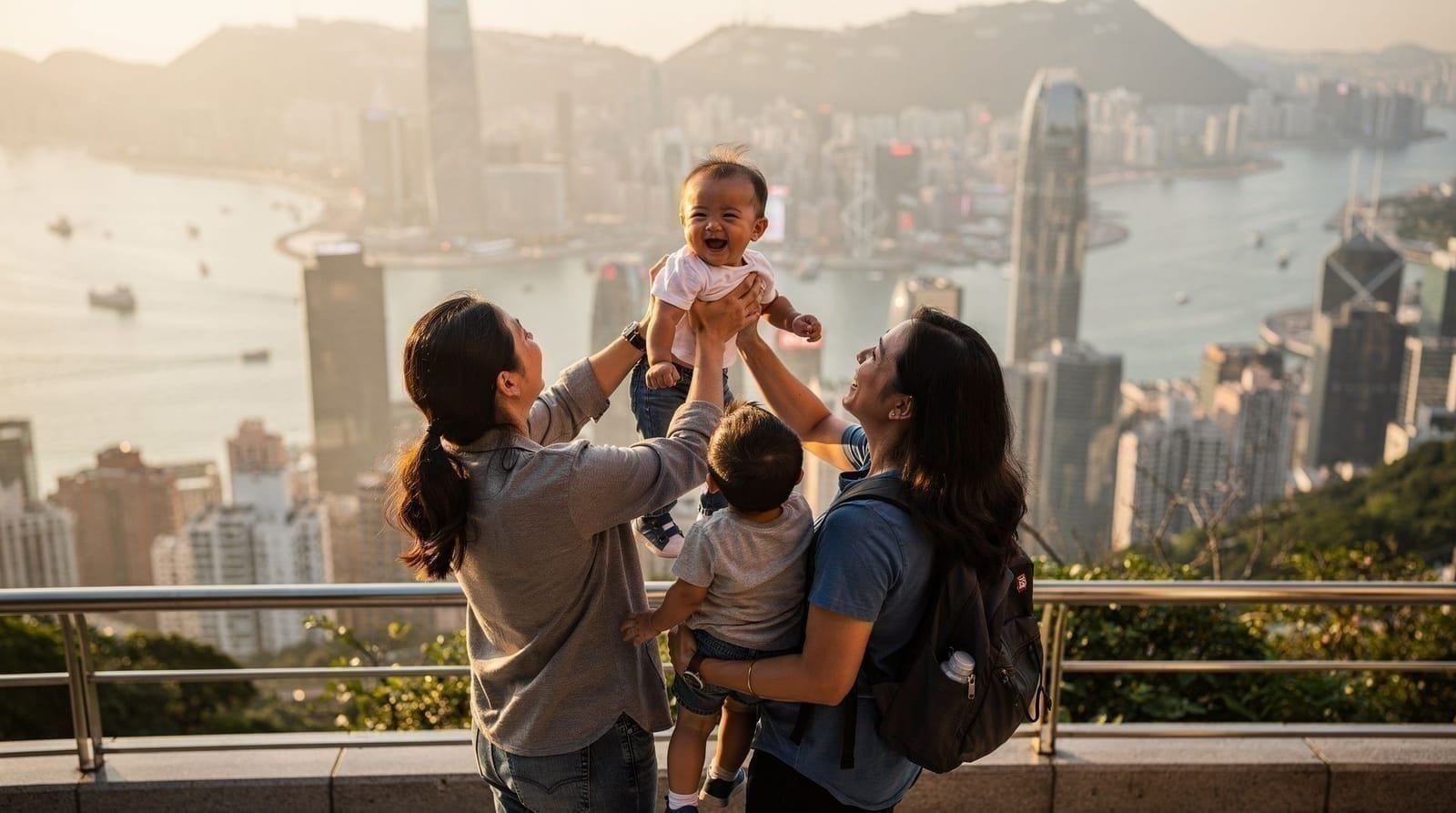
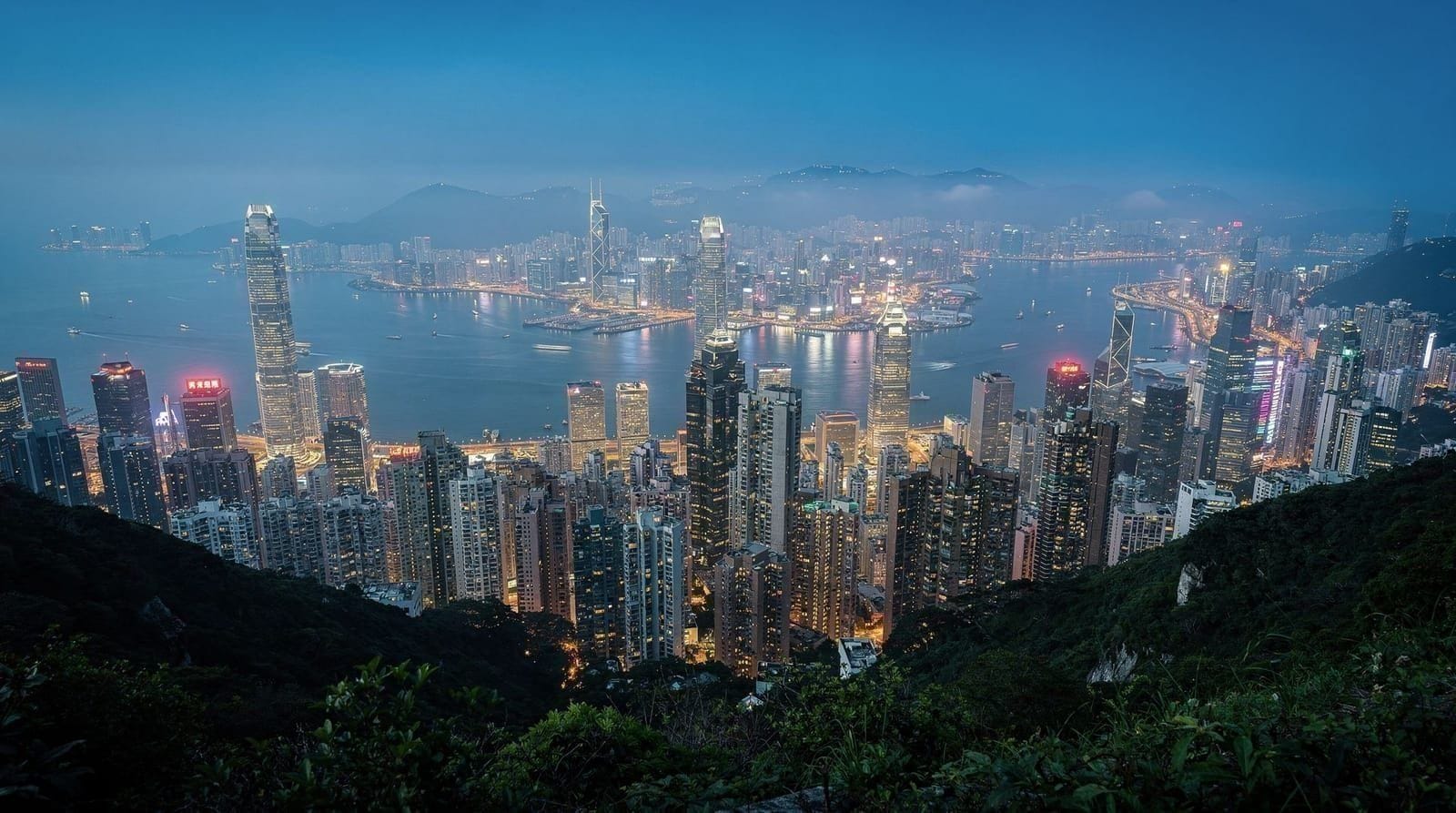
Option B: Victoria Peak at night. The Peak Tram (Garden Road lower terminus, Central, HK$116 return adult; children under 11: HK$75 return; the lower terminus is near St John’s Building in Central) runs into the evening — check thepeak.com.hk for current operating hours. Night is arguably the better time to visit Victoria Peak with teenagers — the daytime view is iconic but the nighttime view of the lit skyline below is more viscerally impressive, and it photographs better with a phone camera than the hazy afternoon version.
The Sky Terrace 428 observation deck is an extra paid ticket (see thepeak.com.hk for the current price), but the free Lugard Road viewpoint (3 minutes walk from the peak terminus) gives an equivalent or better view. Our Victoria Peak guide has the full tram and walking logistics.
For families who want both options: the escape room finishes by 21:30, which leaves enough time to take the MTR to Central and catch the tram up before 22:30. The sequence is tight but doable.
Day 4 — The Peak at golden hour, street art, baking workshop, and Star Ferry
Morning: Victoria Peak at golden hour
If you took Option B on Day 3, skip the Peak today and move directly to the street art walk. If not, early morning is the third timing option for the Peak — the tram opens early (check thepeak.com.hk for the current first departure), the light on a clear morning is clean, and the crowds before 09:00 are minimal. The return tram at this hour takes 8–10 minutes compared to the 20–40 minute queue that can build by 10:00 on busy days. Budget 90 minutes for the full experience including Lugard Road.
Mid-morning: Street art walk in Sheung Wan and PMQ
Central and Sheung Wan have the highest concentration of public street art in Hong Kong, largely concentrated in the lanes running between Hollywood Road and the escalator mid-section. The most photographed pieces are around Aberdeen Street, Peel Street, and the walls of PMQ (35 Aberdeen Street, Sheung Wan). PMQ itself is a converted 1950s police married quarters building now housing around 100 independent design studios, fashion boutiques, and a rotating schedule of pop-up exhibitions. It opens at 07:00 for the courtyard, with shops open from 12:00. The courtyard and exterior murals are accessible anytime — useful if you are passing through in the late morning.
Teenagers who are interested in graphic design, streetwear aesthetics, or photography will find the area around Gough Street and Staunton Street worth an hour of wandering. Those who are less interested can be parked at a café (the area has several good ones) while the more curious family members explore.
Mid-morning to early afternoon: DIY baking workshop
A DIY baking workshop in the Central/Sheung Wan area is a consistent hit with teenagers in the 13–17 range who have been walking for three days and want something more structured and air-conditioned. The Hokkaido cheese tart format involves a filled pastry shell with a warm cheese custard filling — simple enough that it is achievable in 90 minutes without prior experience, specific enough that the outcome feels like an actual skill rather than a tourist activity.
The Hokkaido cheese tart baking workshop runs approximately 90 minutes and you leave with a box of what you made.Check availabilityCost: HK$280–380 per person. Book in advance — sessions fill during school holiday periods. The egg tart and dumpling cooking class is the alternative if cheese tarts are not compelling; it covers more techniques and runs slightly longer.
Afternoon: Shopping in Causeway Bay
Take the MTR from Sheung Wan or Central to Causeway Bay (Island Line). Times Square on Russell Street is the most teen-friendly mall in the area: gaming stores, streetwear brands, Japanese food court chains, and a cinema multiplex on the upper floors. SOGO department store on Hennessy Road has a larger food basement with Japanese imports and bakery goods that teenagers tend to respond to regardless of apparent food preferences. The streets around Jardine’s Crescent have a small open-air market with clothing and accessories at market prices — less intense than the Mong Kok equivalents but easier to navigate with younger or shyer shoppers.
Evening: Star Ferry crossing at dusk
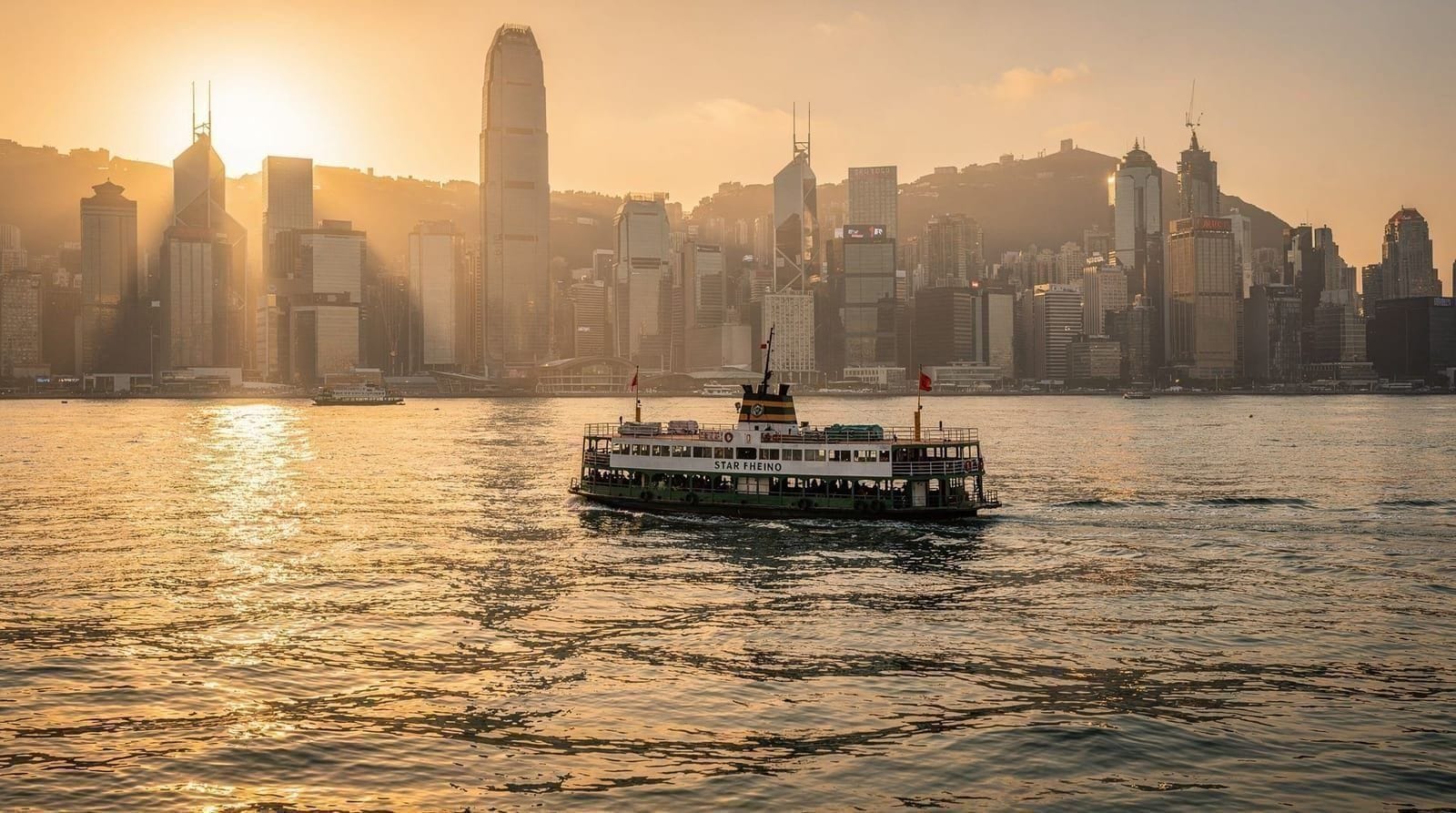
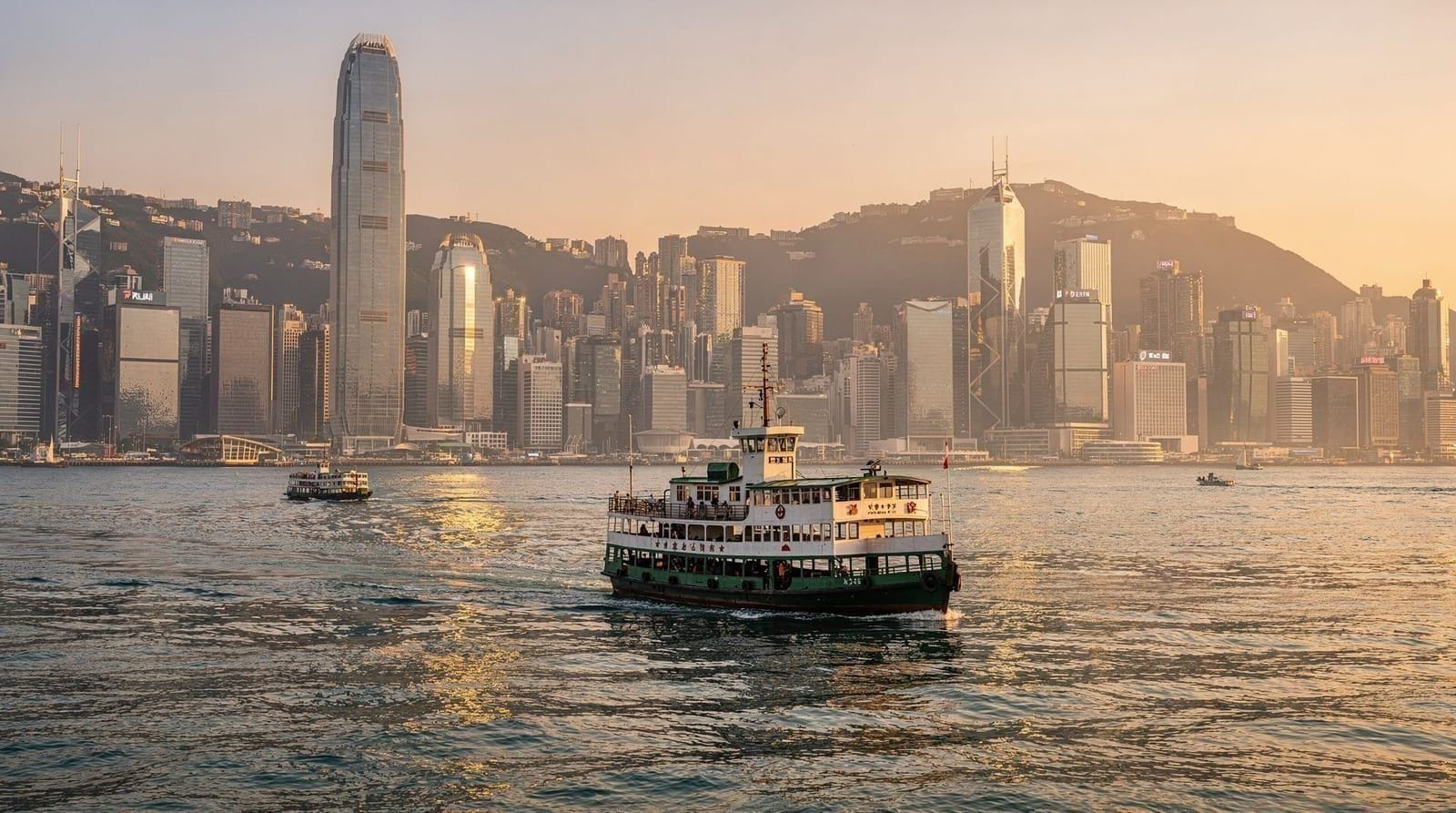
End the four days with the Star Ferry from Central Pier 7 to Tsim Sha Tsui at dusk (departure from Pier 7, Central; upper deck adult HK$5.00 Monday–Friday and HK$6.50 at weekends and public holidays; lower deck HK$4.00 and HK$5.60). The 8-minute crossing is the cheapest iconic experience in Hong Kong and it photographs exceptionally well from the upper deck during the hour before dark — the Central skyline catches the late light and the contrast with the Kowloon side is exactly the image that represents Hong Kong in most people’s minds.
Dinner in TST after the crossing: Carnarvon Road and Ashley Road have a broad selection of Cantonese, Japanese, and Korean options at HK$120–220 per person. Nathan Road heading north has faster and cheaper options if the appetite is more casual after a full day.
Our Star Ferry guide covers the full schedule, pier locations on both sides, and the best deck positioning for photos in different light conditions.
MTR and transport notes for this itinerary
Hong Kong’s MTR is the backbone of this entire itinerary. It is clean, air-conditioned, punctual, and cheap — adult single journeys run HK$4–61 depending on distance; the Octopus card removes the need to buy individual tickets and works at all convenience stores, many restaurants, and the Star Ferry. Get one at the airport or at any major MTR station customer service counter (HK$50 deposit plus whatever you load).
The MTR guide has full network information. Key lines for this itinerary: the Tung Chung Line (airport and Disneyland connections), the Kwun Tong Line (Sham Shui Po, Mong Kok, Yau Ma Tei), the Island Line (Sheung Wan, Central, Wan Chai, Causeway Bay).
Teenagers who are comfortable with metro systems can navigate the MTR independently within a day. The English signage is thorough, the platform screens show the next train and current time, and the exits are numbered and marked on the map. Giving teenagers enough Octopus card credit to get around independently (and back to the hotel) adds a dimension to a Hong Kong trip that is harder to replicate in cities with less reliable transit.
Practical notes for this itinerary
Where to stay: For this itinerary, Tsim Sha Tsui in Kowloon gives the most central position — walking distance to the TST waterfront and Night Market, easy MTR connections to Disneyland, Sham Shui Po, and Hong Kong Island. Causeway Bay on the Island side is an alternative that reduces transit time to Ocean Park and the Island attractions on Days 3 and 4. Our where to stay guide covers both neighbourhoods with family-appropriate hotel recommendations at mid-range and upper-mid price points.
Best time to visit with teenagers: October to December is the consensus best window — stable weather, no typhoon risk, comfortable temperatures (18–26°C), and school holidays do not align with mainland Chinese or local Hong Kong peaks. Summer (July–August) is viable but humid and crowded; theme park queues are significantly longer during school holidays. See the best time to visit guide for month-by-month breakdown.
Approximate daily costs for a family of 2 adults + 2 teenagers:
- Day 1 (Disneyland): tickets from HK$2,336 (2 adult + 2 teen), food HK$500–700, transport HK$100–150, total from HK$2,936–3,186
- Day 2 (Mong Kok, Temple Street): shopping variable, food HK$500–700, transport HK$60–80, fortune teller HK$200–300 (optional), total HK$760–1,080 before shopping
- Day 3 (Ocean Park, escape room or Peak): tickets HK$1,614 (2A+2C), escape room HK$600–1,120 or tram HK$382, food HK$500–700, transport HK$100–120, total HK$2,596–3,554
- Day 4 (workshops, shopping, Star Ferry): baking workshop HK$1,120–1,520, food HK$500–700, Star Ferry HK$20–26 one way for four, transport HK$80–100, total HK$1,720–2,346
For context on how this compares to a budget or higher-spend trip, the Hong Kong on a budget guide and first-time guide have broader cost framing.
Splitting up as a family without losing the trip
One of the genuine advantages of Hong Kong with teenagers is that the city tolerates a family splitting up for a few hours without anyone missing out. On Day 2, a parent and one teenager can spend an extra hour in Apliu Street’s electronics stalls while another pair heads ahead to Sneaker Street — the MTR makes rejoining trivial, and a fixed meeting point (a specific MTR exit, a specific time) works better than trying to keep four people moving at the same pace through a market.
This matters most on days with genuinely divergent interests: Sham Shui Po’s electronics scene and Mong Kok’s sneaker culture do not appeal to every teenager equally, and forcing everyone through both at the same pace usually produces more friction than splitting for 60–90 minutes does. The Hong Kong safety and etiquette guide has practical notes on independent navigation that apply directly to letting teenagers explore solo within agreed boundaries.
Hiking as a change of pace from parks and markets
If four days of theme parks, malls, and night markets starts to feel one-note, a half-day hike breaks the pattern without requiring a full day trip. The Dragon’s Back hike, accessible from Shau Kei Wan MTR station, is rated moderate, takes 2–3 hours round trip, and rewards the climb with coastal views that most teenagers do not expect from a “city trip.” It slots naturally into Day 2 or Day 4 in place of an afternoon of shopping if energy for more markets is low, or as an early-morning add-on before the baking workshop on Day 4. The best hikes in Hong Kong guide covers alternatives if Dragon’s Back does not fit the day’s transit logistics.
Frequently asked questions about this 4-day Hong Kong itinerary
Is Hong Kong Disneyland or Ocean Park better for teenagers?
Ocean Park generally works better for teenagers in the 13–17 range. The thrill rides — Hair Raiser suspended coaster, The Abyss drop tower — are more intense than anything at Disneyland, and the park has genuine wildlife credentials via the Giant Panda Habitat and the Grand Aquarium. Disneyland is excellent for 5–12 year olds and for teenagers who are deeply engaged with specific Disney or Marvel IP. If you only have time for one park, Ocean Park is the stronger choice for the teen age range unless your teenagers are specifically Disneyland-motivated.
How should I approach the theme park days in terms of timing?
Arrive at opening for both parks. The first 45–60 minutes after opening have the shortest queues — use them for the one or two highest-priority attractions (Hyperspace Mountain at Disneyland, Hair Raiser or the cable car at Ocean Park). Midday queues are longest; use that window for food and lower-priority attractions. Both parks are best experienced in a single day — neither is large enough to require an overnight or two-day visit.
Are escape rooms in Mong Kok safe and English-friendly?
Yes to both. The major operators — Escapeland, Lost HK, and several others — run entirely in English and Cantonese, with English-language puzzles as the default for groups that register in English. Most rooms have a game master watching via camera who can provide hints by intercom in English. Horror-themed rooms carry age recommendations of 16+ at most operators; the mystery and puzzle formats work for 13 and up. Book online 2–4 days in advance for weekend evenings.
Can teenagers navigate Hong Kong independently?
Yes, and encouraging it adds meaningfully to the trip. The MTR is easy to learn — the network map is logical, English signage is thorough, and the Octopus card makes boarding straightforward. Giving teenagers their own Octopus card, a downloaded MTR map (the MTR app works offline), and a meeting point and time is enough for them to explore a neighbourhood independently while you take a different approach to the same two hours. The Star Ferry is also easy to navigate alone and is a good low-stakes first independent experience on the water.
What should we do if a teenager is not interested in theme parks at all?
Skip one or both park days and substitute: Dragon’s Back hike (accessible from Shau Kei Wan MTR, moderately challenging, 2–3 hours, free), a private street photography tour of Sham Shui Po or the fishing villages, or a half-day trip to Sai Kung on the east coast for hiking and seafood. The top things to do in Hong Kong guide has a broader menu of activities that work without theme park infrastructure. For teenagers specifically interested in food, the private 10-tasting food tour format from the luxury itinerary works equally well at the mid-range budget level.
Do we need a local SIM card for the teenagers?
It is worth arranging, especially if you plan to let anyone explore independently. A local SIM or eSIM with data (available at the airport from 3HK, SmarTone, or China Mobile counters, HK$50–100 for a multi-day tourist plan) gives each phone offline-independent maps, live MTR updates, and a way to message the group without relying on hotel or café Wi-Fi. Family phone plans with international roaming can work too, but confirm data speeds and costs before relying on them for real-time navigation in a market as dense as Mong Kok or Sham Shui Po. Free Wi-Fi is available at all MTR stations as a backup, but it is not continuous enough to depend on for a teenager navigating solo between neighbourhoods.
Where are the best places to eat with teenagers in Hong Kong?
Street food first: egg waffles, curry fish balls, and egg tarts are universally accessible and cheap. For sit-down meals, the Times Square food court in Causeway Bay, the basement food hall at SOGO, and the Korean BBQ clusters in Tsim Sha Tsui around Lock Road are all teen-friendly in terms of format and price. The Hong Kong dim sum guide has guidance on the best dim sum restaurants at accessible price points — a dim sum lunch at a mid-range restaurant (HK$80–150 per person) is worth including even with teenagers who claim not to like Chinese food, because the variety of small dishes tends to produce at least two or three things that land.
Is the baking workshop worth the time and cost?
For teenagers aged 13–17, yes — more so than might be expected. The format is hands-on and produces a tangible result; the 90-minute session moves quickly, and the cheese tart outcome is good enough that most teenagers are genuinely pleased with what they made. It works particularly well as a Day 4 activity when energy for more walking is lower, and the air-conditioned classroom setting is a relief after three days of outdoor markets and theme parks.
Cost of HK$280–380 per person is reasonable for a structured 90-minute activity in a city where most activities are priced higher. The egg tart and dumpling cooking class is a reasonable substitute for a second family that has already tried the cheese tart format on a previous visit, or for teenagers who would rather cook something savoury than sweet.
How much independence should teenagers have on this trip?
That depends on age and prior travel experience, but Hong Kong is one of the more forgiving cities to extend independence in — low crime, thorough English signage, and an MTR network that is genuinely hard to get lost on. Many families give 15–17 year olds a defined 90–120 minute solo or sibling-only window within a single neighbourhood (Mong Kok or Causeway Bay work well for this, both dense but bounded), with a specific meeting point and time.
Younger teens (12–13) generally do better staying within sight or a short walk of an adult, particularly in denser markets like Temple Street at night. Whatever the age, agreeing on a check-in method (a specific messaging app, since data access is easy with a local SIM) removes most of the anxiety on both sides.
Is four days too much or too little for this itinerary?
Four days is calibrated for two theme park days plus two market/culture days, which is enough to avoid choice paralysis without cramming. Families with only three days should drop one theme park (Ocean Park is the stronger keep for teens, per the FAQ above) and compress Days 2 and 4 into a single day mixing Sham Shui Po’s morning with the baking workshop’s afternoon. Families with five or six days can add the Dragon’s Back hike or a half-day trip to Sai Kung as a standalone day rather than squeezing hiking into an already full itinerary.
Top experiences
Bookable activities with verified prices and instant confirmation on GetYourGuide.