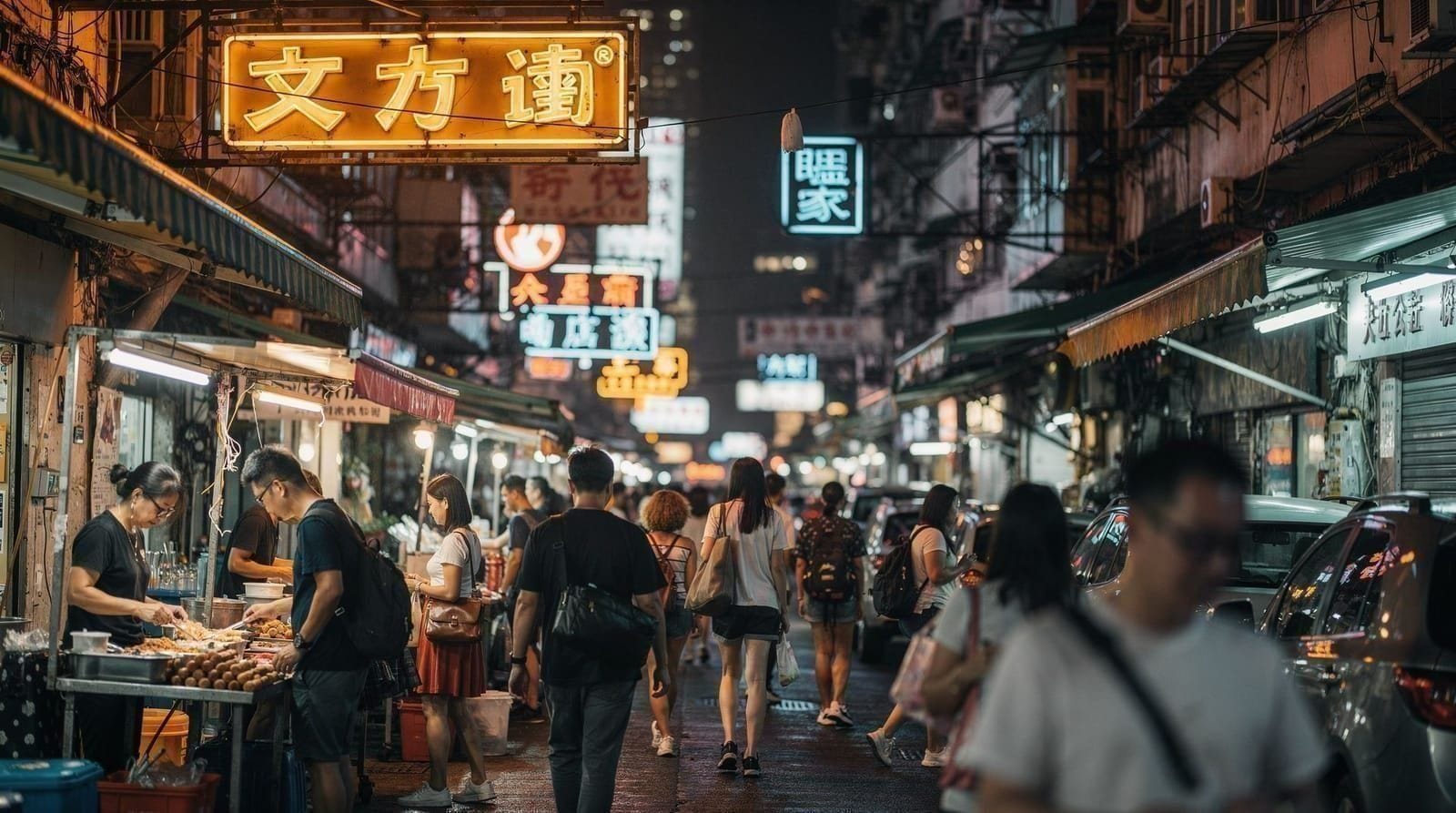
Hong Kong food tours — honest review and booking guide
Hong Kong: Street food tour with locals dim sum and wonton
Hong Kong food culture: why a guide can help
Hong Kong has one of the most dense and sophisticated food cultures in the world — more Michelin stars per capita than Paris for years running, a street food tradition that traces back to 19th-century dai pai dongs (open-air food stalls), and a distinctive local cuisine that fuses Cantonese technique with British colonial influence to produce completely original foods like the pineapple bun, the egg waffle, and the silk-stocking milk tea.
Navigating this independently is genuinely possible — the guides referenced in the Hong Kong dim sum guide will get you to the right places. But the density of options, the lack of English menus in many authentic spots, and the social norms around ordering (especially at busy dim sum houses where the pace is high and the expectation is efficiency) create real barriers for first-time visitors.
A good food tour solves exactly these problems: access to venues you wouldn’t find alone, ordering handled for you in Cantonese, and context that makes the food more meaningful.
| Where | Mong Kok/Yau Ma Tei, Sham Shui Po, or Central/Sheung Wan |
| Cost | Around HKD 430-1,200/person depending on format |
| Time needed | 3-5 hours |
| Best time | Morning (dim sum) or early evening (night market) |
| Group size | Up to 12 (group) or private |
| Tour | Tastings | Price (per person) | Best for |
|---|---|---|---|
| Street food tour | 5-8 | Around HKD 430-500 | First-timers, budget |
| Secret food tour | 6 | Around HKD 500-700 | Curated, fewer stops |
| Private food tour | 10 | Around HKD 800-1,200 | Dietary needs, families |
| Michelin street food walk | Varies | Around HKD 870-900 | Serious food travellers |
Street food tour with dim sum and wonton: the baseline option
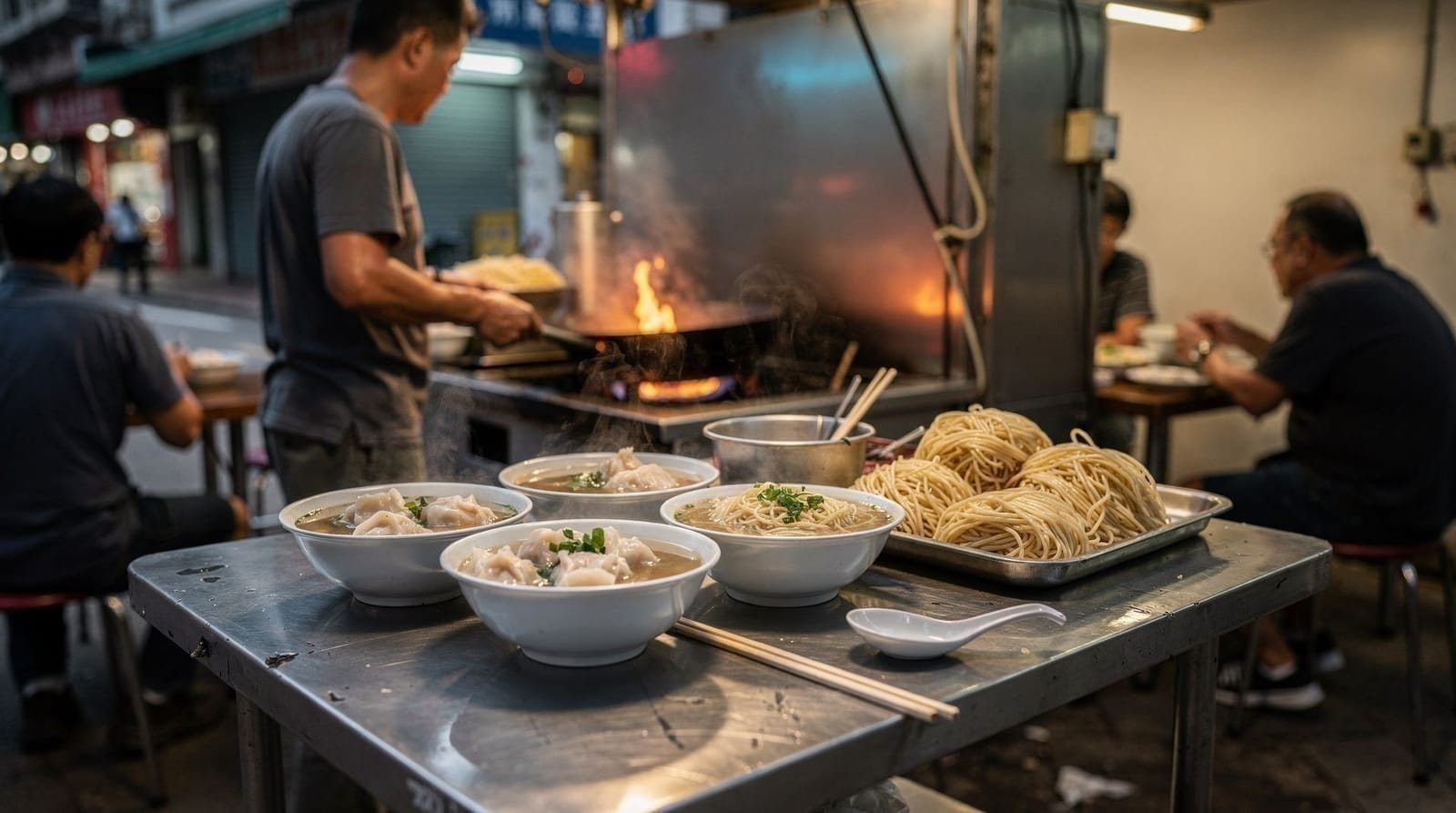
The street food tour with locals, covering dim sum and wonton, is the most accessible starting point for most first-time visitors. Typically 3-4 hours, 5-8 tastings, small groups (8-12 people maximum), with guides who grew up in Hong Kong. The route covers a Kowloon neighbourhood — usually Mong Kok or Yau Ma Tei — and includes a proper sit-down dim sum session, wonton noodle soup at a local noodle shop, and street snacks like egg waffles and fish balls. Prices around HKD 430-500 per adult.Check availabilityWhat a good street food tour covers:
-
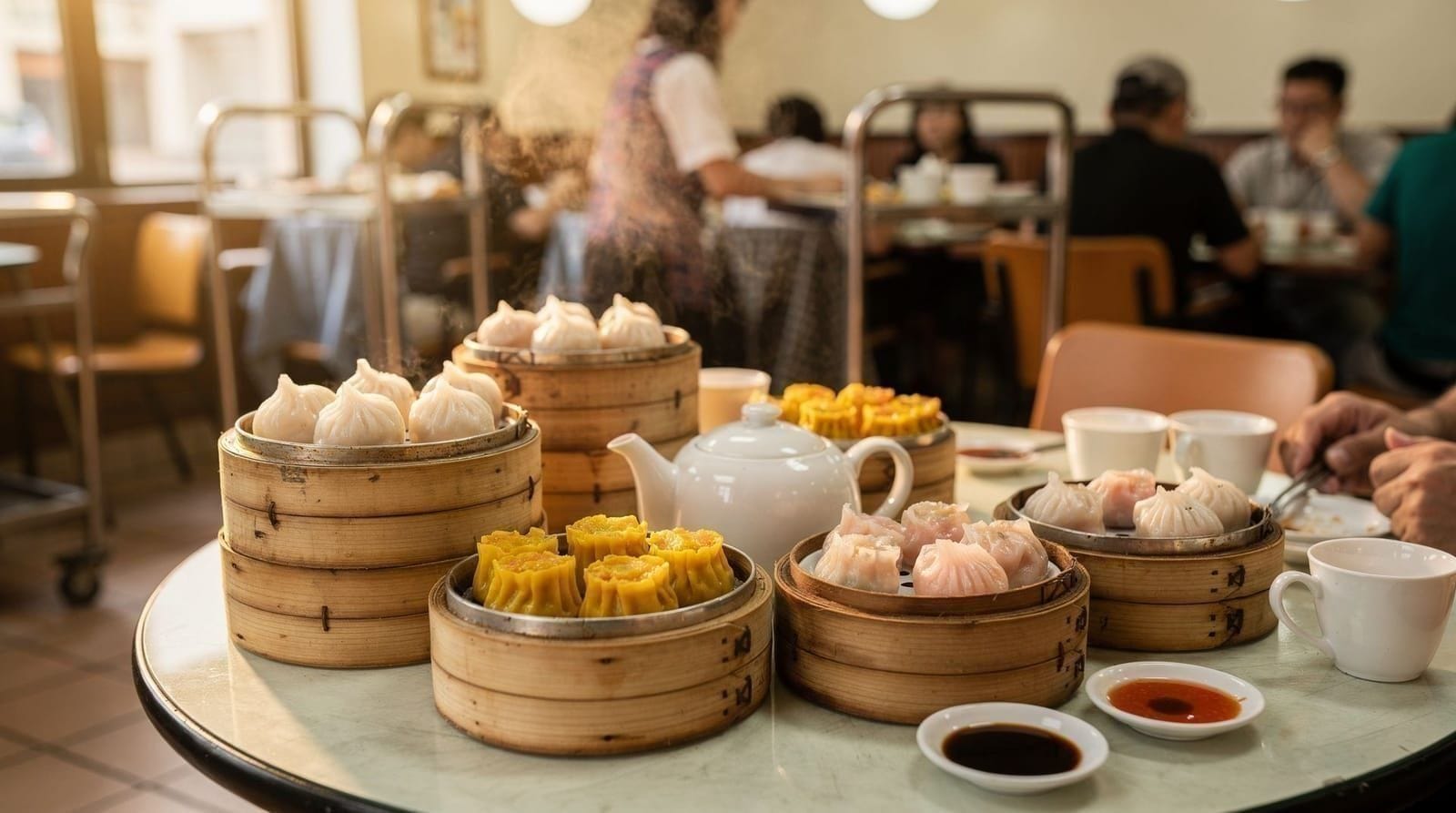
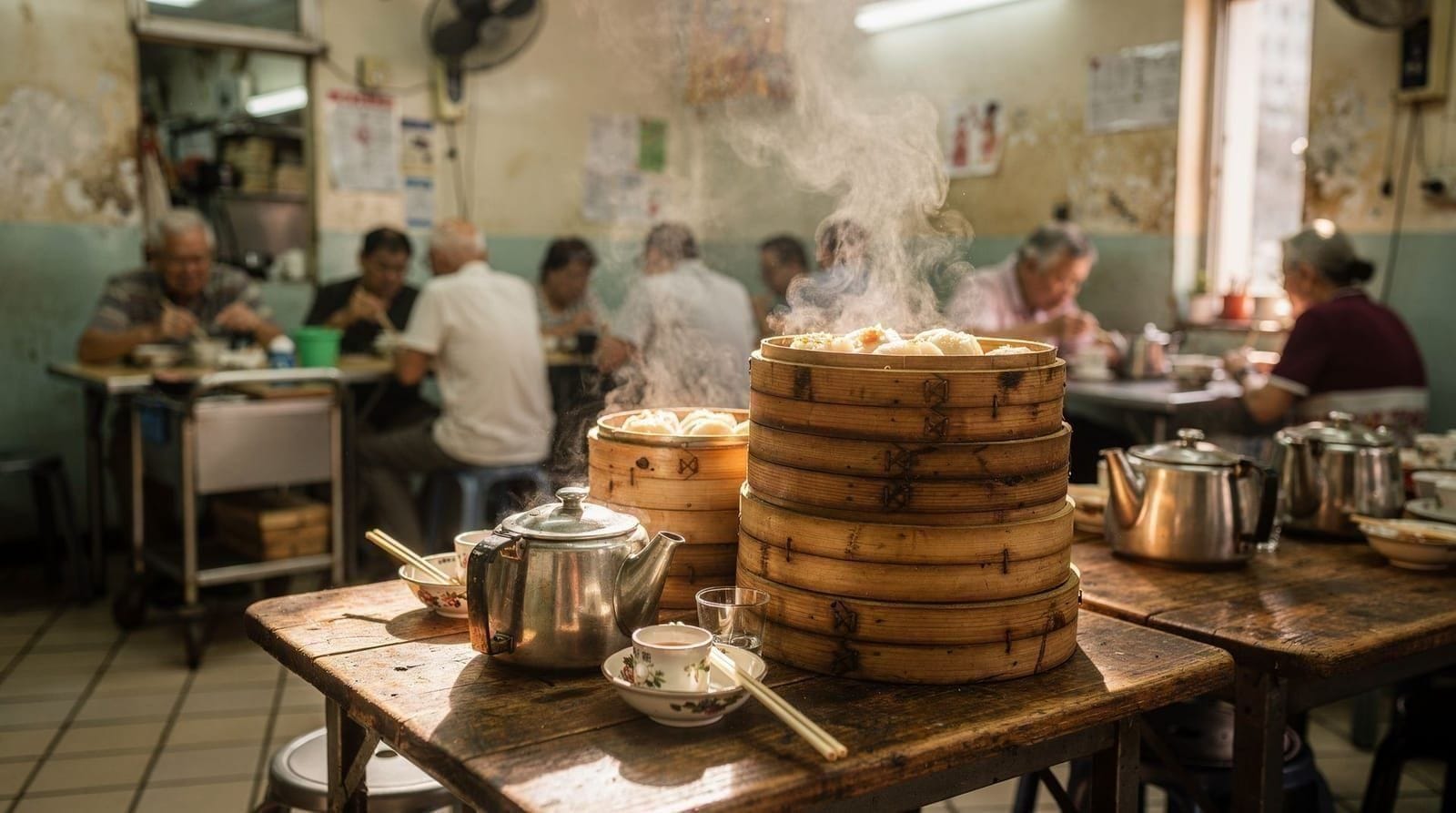
Dim sum: A morning dim sum session at a traditional tea house — har gow (prawn dumplings), siu mai (pork and prawn), char siu bao (BBQ pork buns), cheung fun (rice noodle rolls). The guide explains ordering process (push-cart or order sheet), tea etiquette, and the history of yum cha culture.
-
Wonton noodle soup: At a traditional noodle shop. The wonton style varies significantly between shops — the guide explains why, what to look for in quality wonton skin and filling.
-
Egg waffles (gai daan jai): The distinctive bubble-patterned waffle sold by street vendors. Best eaten immediately, hot from the iron.
-
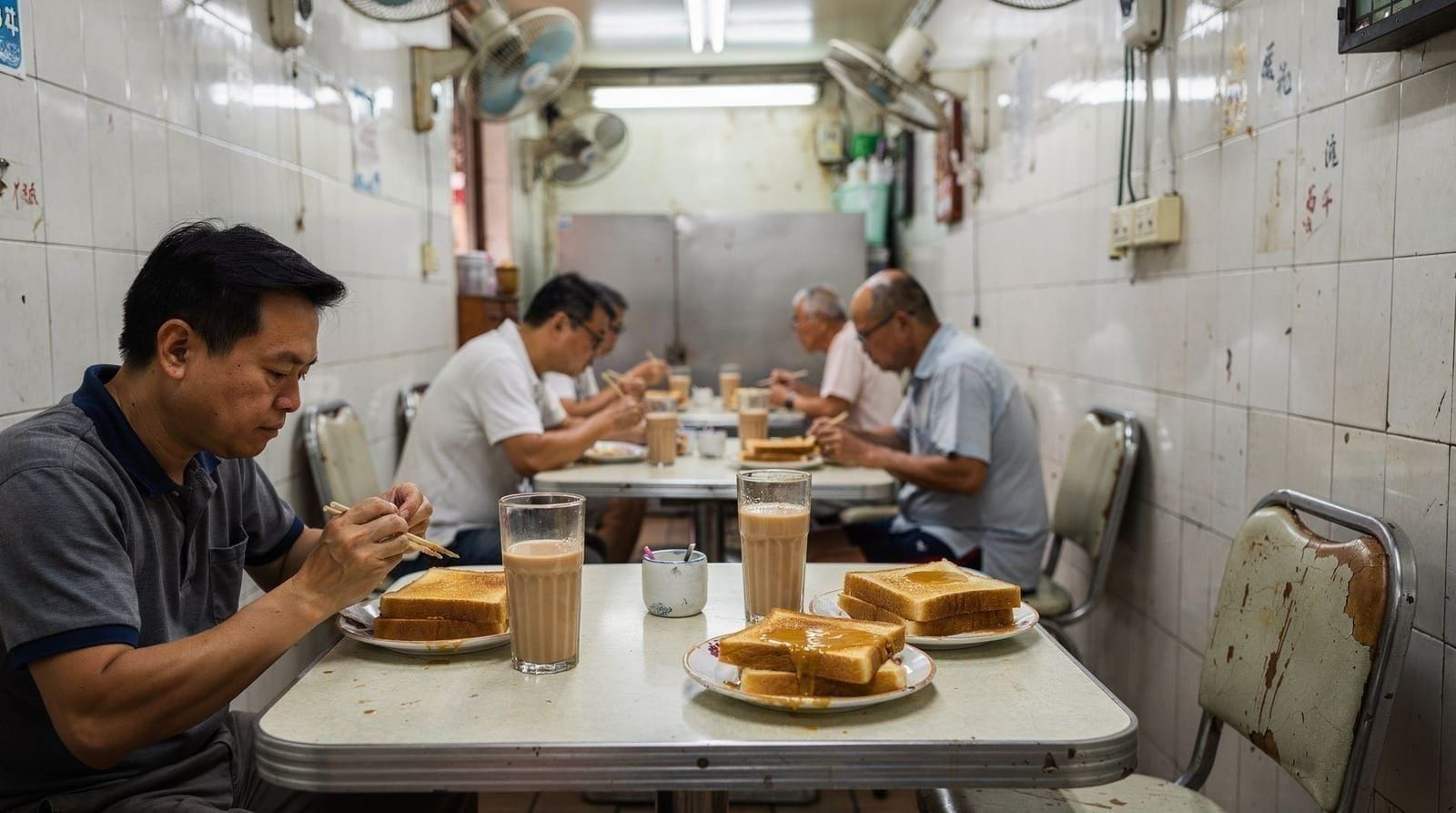
Cha chaan teng stop: Hong Kong milk tea (stronger than British tea, with evaporated milk) and possibly condensed milk toast. The cha chaan teng guide explains this culture in full.
The 6-tasting secret food tour: more curation
The secret food tour with dim sum and 6 tastings emphasises curation over quantity — fewer stops but each more deliberately selected. The “secret” element refers to the inclusion of lesser-known local spots that aren’t in guidebooks or on tourist routes. Typically covers Central or Sheung Wan area on Hong Kong Island, where the food scene is more eclectic. Prices around HKD 500-700 per adult.Check availabilityThis tour format works well for travellers who’d rather have fewer, more memorable stops than a rapid succession of small bites. The Central/Sheung Wan area allows the inclusion of upscale local restaurants, traditional apothecary shops selling herbal drinks, and the atmospheric lanes of Sheung Wan where wet markets and antique shops coexist with new-wave Hong Kong dining.
Private food tour: 10 tastings with locals
The private food tour with 10 tastings is the premium option for serious food travellers — just your party, a private guide, and a curated sequence of tastings that can be adjusted based on your interests and dietary restrictions. The 10-tasting format allows meaningful portions at each stop rather than sample bites. Guides typically have flexibility to incorporate requests — if you want to focus on seafood, or Sichuan-influenced Hong Kong cooking, or the egg tart comparison between different bakeries, this can be arranged. Prices HKD 800-1,200 per person.Check availabilityThe private tour justifies its premium mainly if you have dietary restrictions that need active management (vegetarian, halal, severe allergies), if you’re travelling with young children who need flexibility in pacing, or if food is a primary rather than secondary reason for your Hong Kong visit.
The Michelin street food walk: for serious food enthusiasts
The Michelin street food and culture walk in Kowloon (HKD 870-900 per adult) is a specialist experience — 4-5 hours with a guide who has specific knowledge of Hong Kong’s Michelin Bib Gourmand and starred establishments at street-food price points. The Guide has recognised noodle shops, roast meat specialists, and dim sum houses serving lunch for under HKD 100 per person. This tour explains why those selections were made, what the criteria mean in practice, and how to identify quality in Hong Kong’s street food environment.
Worth the premium for: food journalists, culinary professionals, serious food travellers for whom Hong Kong’s food culture is a primary reason for the trip.
Probably skip if: you’re visiting Hong Kong for general tourism and food is an enjoyable component rather than a primary focus.
What to eat outside a tour: the essentials
For independent eating, these are the non-negotiable Hong Kong food experiences:
Dim sum at a traditional tea house: Order from a paper sheet, not push carts (which are increasingly rare). Tim Ho Wan (Michelin Bib Gourmand) is the accessible entry point; Fook Lam Moon is the indulgent splurge. The Hong Kong dim sum guide explains the ordering system.
Roast goose at Yung Kee or Kam’s Roast: Hong Kong roast goose is among the world’s great preparations. Yung Kee in Central has been serving it since 1942. Crispy skin, tender meat, the indispensable plum sauce.
Egg tarts: The Macanese and Hong Kong styles differ — the Macanese pastel de nata has a caramelised top; the Hong Kong dan tat has a shortcrust base and softer filling. Both at Tai Cheong Bakery (formerly Governor Patten’s preferred). The best egg tarts guide has the full comparison.
Dai pai dong dinner: The traditional open-air food stall, now largely confined to Cooked Food Centres. Temple Street Night Market in Yau Ma Tei has some of the most accessible options. Ordering here without Cantonese is harder; a food tour introduction makes subsequent independent visits much easier. See the dai pai dong guide for specifics.
Practical information for food tours
Meeting points: Most Kowloon tours meet at the exit of Mong Kok or Jordan MTR stations. Hong Kong Island tours meet near Central MTR. Confirm your specific meeting point in the booking confirmation — the guide name and contact should be included.
Timing: Morning tours (starting 9-10am) allow the dim sum session when tea houses are at their most active. Evening tours (starting 5-6pm) are better for night market street food and dai pai dong culture. Many operators offer both; check which format suits your schedule.
Dietary needs: Most standard tours include pork, shellfish, and dairy. Contact the operator in advance if you have restrictions — alternatives can often be arranged but rarely at the same quality level. Vegetarian options are limited in traditional Hong Kong street food; the Sham Shui Po tour has better vegetarian flexibility.
Group size: Maximum 12 for group tours; maximum 6 for semi-private. Fully private tours are just your party. Smaller groups allow more flexibility and shorter queuing at popular stops.
Tipping, pacing, and what to skip on tour day
Tipping is not customary at the street-food and dim sum stops themselves — the tour fee covers those tastings — but a small tip for the guide (HKD 50-100) is appreciated for a good tour, not obligatory. Pace yourself: 5-10 tastings across 3-4 hours adds up, so eat light beforehand and skip breakfast rather than trying to fit a full meal in before a morning dim sum tour.
Avoid scheduling a food tour on the same day as an intense physical activity like the Dragon’s Back hike — you’ll want appetite and stamina for both. If your trip is short, pairing a food tour with a relaxed 1-day itinerary day works better than squeezing it between two packed sightseeing days.