Hong Kong hop-on hop-off bus — honest review and buying guide
Hong Kong: Big Bus hop-on hop-off tour with optional Peak Tram
The honest case for and against the Hong Kong hop-on hop-off bus
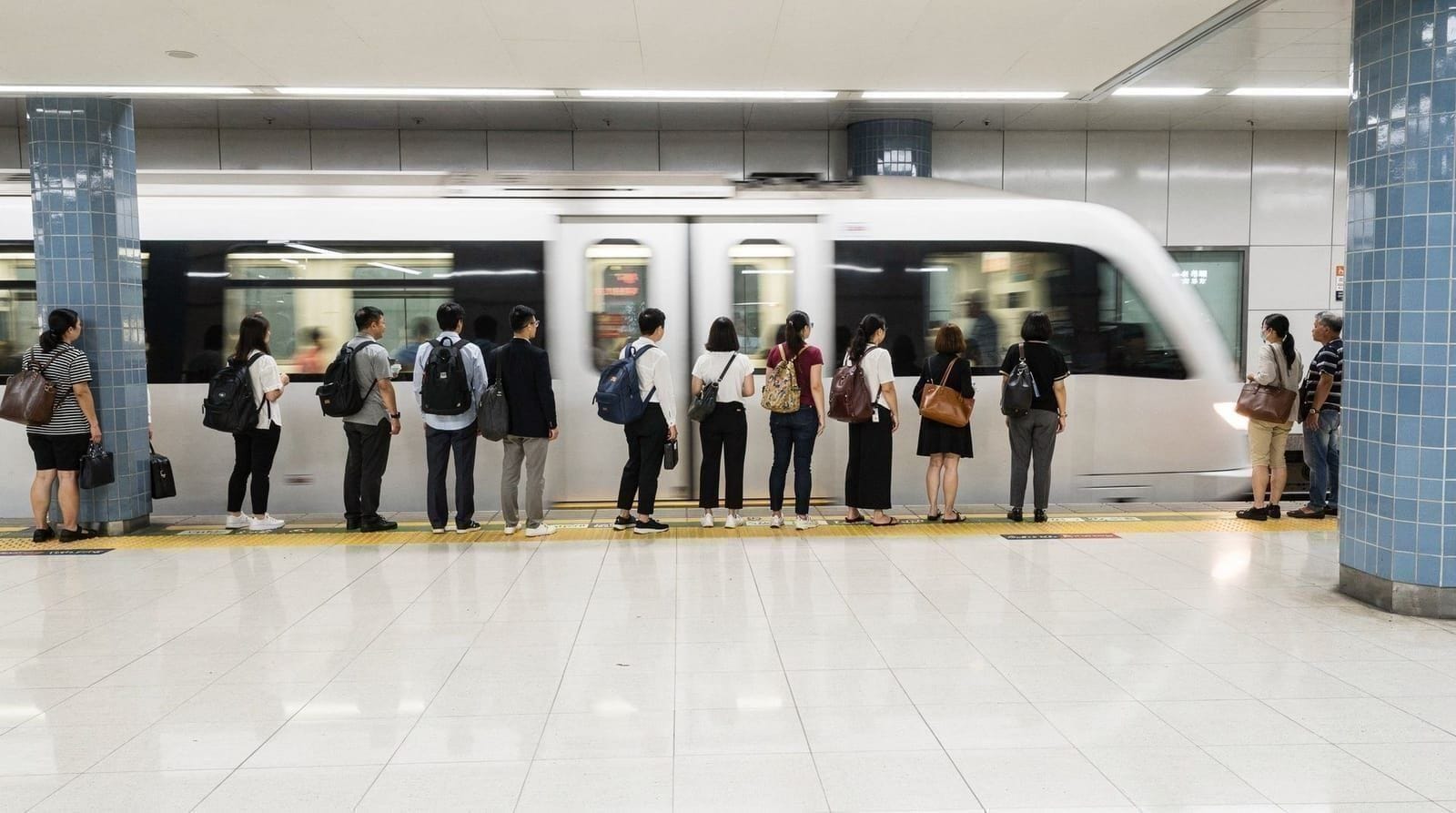
Let’s establish something immediately: Hong Kong has one of the world’s best metro systems. The MTR reaches virtually every tourist destination, runs every 3-5 minutes, costs from HKD 4 to about HKD 61 per journey (HKD 10.60 for Central to Tsim Sha Tsui), and is air-conditioned throughout. The hop-on hop-off bus costs HKD 380-430 per day, runs every 20-40 minutes, and is significantly slower. The Hong Kong MTR guide covers the metro system in full if you’re weighing the two.
Given this context, the hop-on hop-off bus requires a genuine reason to choose it over the MTR. There are real reasons. This review explains them clearly rather than simply selling you a day pass you may not need.
| Where | Hong Kong Island (red route) + Kowloon (blue route) |
| Cost | Around HKD 380-430/adult, HKD 200-230/child |
| Time needed | 60-90 minutes per full route loop |
| Getting there | Board at Central, Admiralty, or Tsim Sha Tsui piers |
| Best time | Clear, dry days for the open-top upper deck |
| Hop-on hop-off bus | MTR | |
|---|---|---|
| Cost | Around HKD 380-430/day | From HKD 4 per journey (HKD 10.60 Central to Tsim Sha Tsui) |
| Frequency | Every 20-40 minutes | Every 3-5 minutes |
| Views | Open-top upper deck | None (underground) |
| Harbour crossing | Not covered | Yes |
| Best for | Sightseeing, mobility needs | Speed, budget, coverage |
What the Big Bus routes actually cover
Red route (Hong Kong Island): Starts near Central MTR, heads through Wan Chai to Causeway Bay, up to the Peak Tram lower terminus area, then south through the Aberdeen Tunnel toward Aberdeen Harbour, along the south coast to Stanley and Repulse Bay, then back to Central. Full loop: approximately 70-90 minutes without stopping. Highlights from the upper deck: the Colonial-era architecture of Central, the Aberdeen Harbour floating village view from the road, the south coast scenery.
Blue route (Kowloon): Covers Tsim Sha Tsui, the cultural district (Hong Kong Science Museum, Space Museum), Jordan, Mong Kok (Ladies Market area), and Wong Tai Sin Temple. Full loop: approximately 60-75 minutes. The upper deck views in Mong Kok’s dense streetscape are genuinely good from this height.
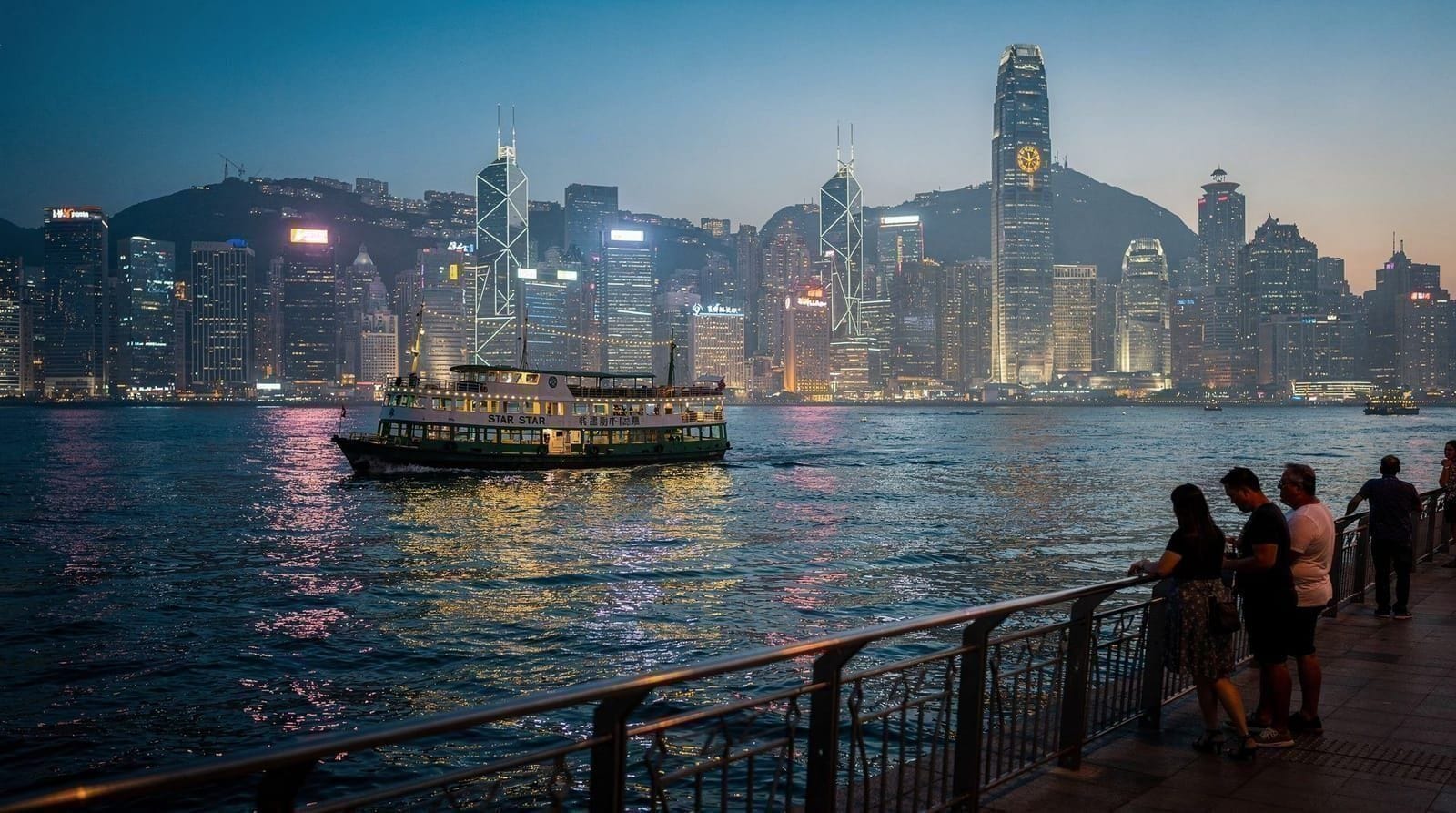
Night tour route: An evening circuit of the main illuminated landmarks — Central, Wan Chai, Causeway Bay. The open top deck in warm evening air with the neon and LED lights of Hong Kong Island is one of the better evening options for visitors who’ve already done the Symphony of Lights cruise.
When the hop-on hop-off makes sense
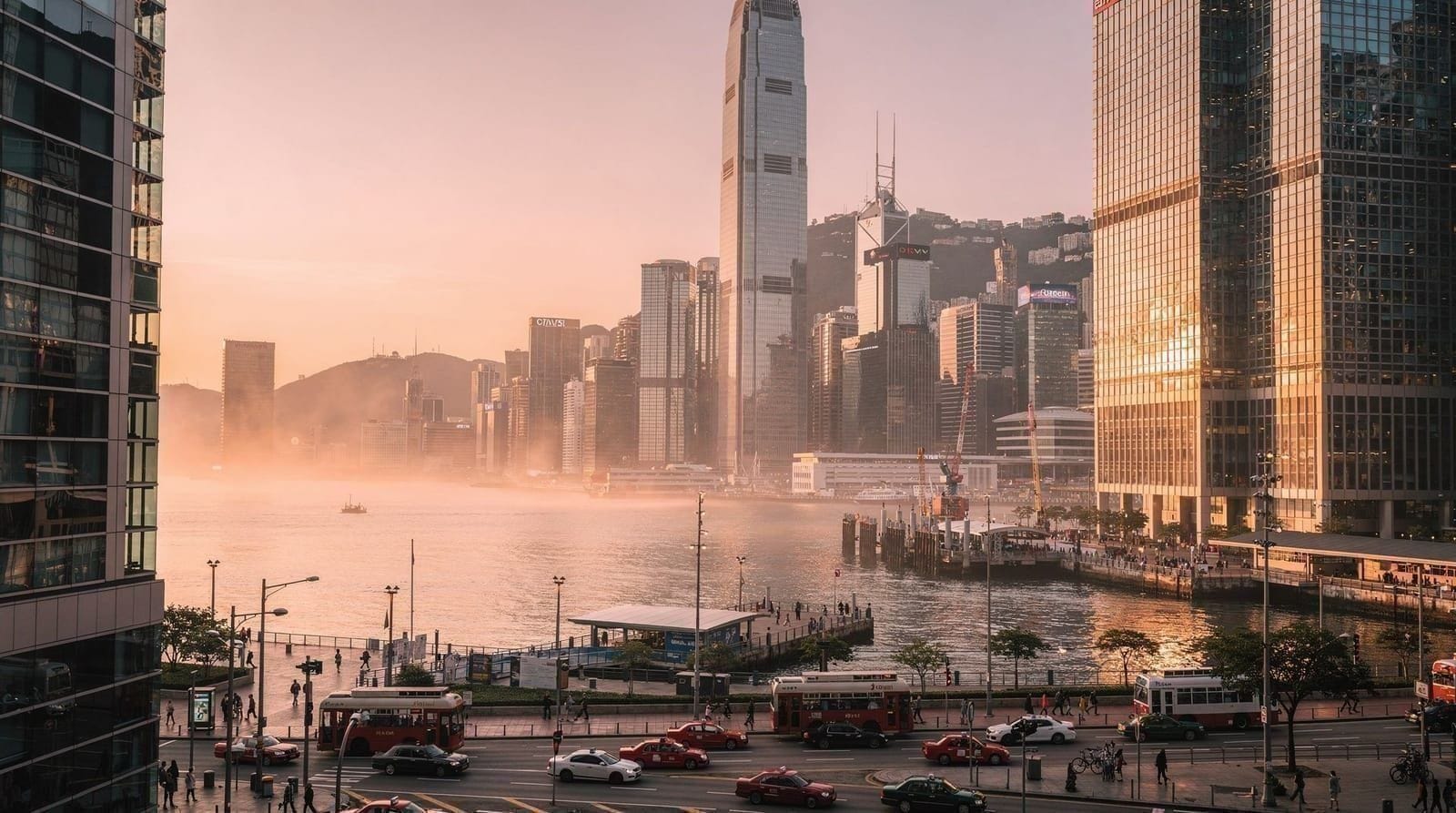
You want the surface view of Hong Kong: The MTR reveals nothing of the city — it’s underground. The Big Bus gives you 70-90 minutes of ground-level and elevated views through Central’s heritage buildings, along the south coast’s coastal roads, and through Kowloon’s dense residential neighbourhoods. For travellers who specifically want to see Hong Kong from street level before going underground, this has genuine value.
You’re combining with the Peak Tram: The combo pass is the strongest use case for the Big Bus. See the is the Peak Tram worth it guide or the standalone Peak Tram tour if you’d rather skip the bus entirely and just do the tram.
The Peak Tram and Big Bus fast track combo gives you both the hop-on hop-off day pass and fast track access to the Peak Tram, bypassing the 45-90 minute regular queue. If you were planning to do the Peak Tram with fast track anyway, the combined pass makes the bus effectively very cheap in addition. This is the best value configuration for the Big Bus.Check availabilityYou’re travelling with elderly or less mobile family members: The bus is more comfortable for long distances than the standing-room MTR during peak hours. The accessible seating and ground-level boarding are easier than MTR stairs for less mobile passengers.
Young children who enjoy bus rides: An open-top bus through Hong Kong is genuinely exciting for children aged 4-9 who are too young to appreciate most paid attractions. The bus experience itself is the activity.
Standard Big Bus pass: what’s included
The standard Big Bus hop-on hop-off pass includes all three routes (red, blue, night) for 24 hours from first use. A complimentary ferry ticket for the Star Ferry regular crossing is sometimes included — check current inclusions at booking. Audio commentary in multiple languages is available at all seats. Pickup points include major hotel areas and ferry terminals.Check availabilityIncluded in a standard pass:
- All three routes (red, blue, night) for 24 hours
- Recorded audio commentary in English and other languages
- Some passes include a Star Ferry crossing or a walking tour add-on (check current promotions)
Not included:
- Peak Tram entry (separate ticket or combo pass needed)
- Food and drink
- Entry to any attractions
The Ocean Park combo: a specific use case
The Ocean Park entry and Big Bus hop-on hop-off combo combines the theme park ticket with a day pass for the bus. Ocean Park is on the south side of Hong Kong Island (Aberdeen area) and can be reached by bus from the red route — though MTR to Ocean Park Station is faster. The combo makes sense if you specifically want to use the bus to see the south coast scenery en route to Ocean Park and then hop on at other red-route stops after exiting the park.Check availabilityHonest limitations of the hop-on hop-off
Frequency: 20-40 minutes between buses is a significant wait in hot weather. The MTR comes every 3-5 minutes. If you’re trying to cover several distinct sites efficiently, the bus will slow you down considerably.
Traffic: The red route through Central and the Causeway Bay area can be stuck in traffic — the ride that should take 20 minutes takes 40. The MTR is immune to surface traffic.
Rain: The open upper deck is the reason to take the bus. In Hong Kong’s frequent summer rain, you’re on the enclosed lower deck, which gives inferior views to the upper deck and barely better than a regular public bus.
Route gaps: The Big Bus doesn’t cross Victoria Harbour (the Star Ferry and MTR do). To visit both Hong Kong Island and Kowloon sites using the Big Bus in one day, you need to use the MTR or Star Ferry for the harbour crossing anyway.
The sky100 combination
Note: the sky100 observation deck has been closed for renovation since 17 May 2025, with no reopening date announced (see sky100.com.hk/en/renovation-notice). Check availability before booking any combo that includes it.
The sky100 observation deck and Big Bus combo packages the two sightseeing options into a single ticket. sky100 is in the ICC Tower in West Kowloon, at 393 metres the city’s second-highest viewing platform. The blue route covers the Kowloon side; adding sky100 to the pass makes sense if you want both surface-level Kowloon sightseeing and a high-elevation city view from the Kowloon side. This is an alternative to the Victoria Peak viewpoint on Hong Kong Island.Check availabilityThe alternative: spending the same money differently
HKD 380-430 per person spent on the hop-on hop-off bus could alternatively fund:
- Dozens of typical MTR journeys (covering every tourist site in Hong Kong with time to spare)
- A quality street food tour tasting at least 5 Hong Kong food dishes
- A Dukling antique junk boat harbour cruise
- A day trip to Stanley Market via a public bus from Central (check the operator’s site for the current fare) and Repulse Bay beach (free)
The Hong Kong budget breakdown guide has a full cost comparison of sightseeing options. If budget is a concern, the hop-on hop-off bus is rarely the most efficient use of your tourism spending in Hong Kong.
Practical information
Where to board: Major boarding points include Admiralty (Star Ferry Pier area), Star Ferry Pier Central, Tsim Sha Tsui (Star Ferry Pier 1), and the Peak Tram lower terminus area. Check the Big Bus app or website for current stop locations — they shift occasionally.
Hours: Most routes start at 9am. Last departures vary by route — typically ending by 8-9pm, with the night tour running until approximately 10pm.
Ticket validity: 24 hours from first scan, not a calendar day. If you first use the bus at 2pm, it’s valid until 2pm the following day.
Wet weather: Carry a compact umbrella or rain jacket. The lower deck offers shelter; the upper deck is exposed.
Booking: Tickets are the same price online vs walk-up at many boarding points. Online booking confirms availability and avoids rare full-bus situations on peak days.